58 Easy Garden Drawing Tutorials for Kids & Beginners
🖍️ 58 free tutorials
Bring the beauty of nature indoors with these 58 curated garden drawing tutorials, perfect for artists ages 5 and up. You will need only a pencil, paper, and your favorite coloring tools to practice essential shape-building and observation skills. Follow our guided steps to cultivate your own artistic garden, from vibrant blooms to fresh vegetables.
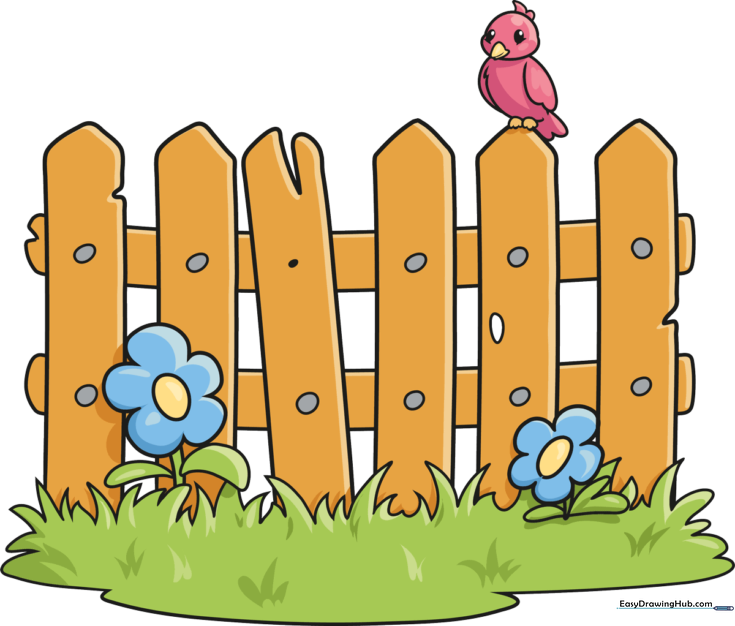
Picket Fence
Frame your garden scene with a classic picket fence. Tip: Use a ruler for the vertical slats to practice steady hand control, then add small flowers at the base for a pop of color.
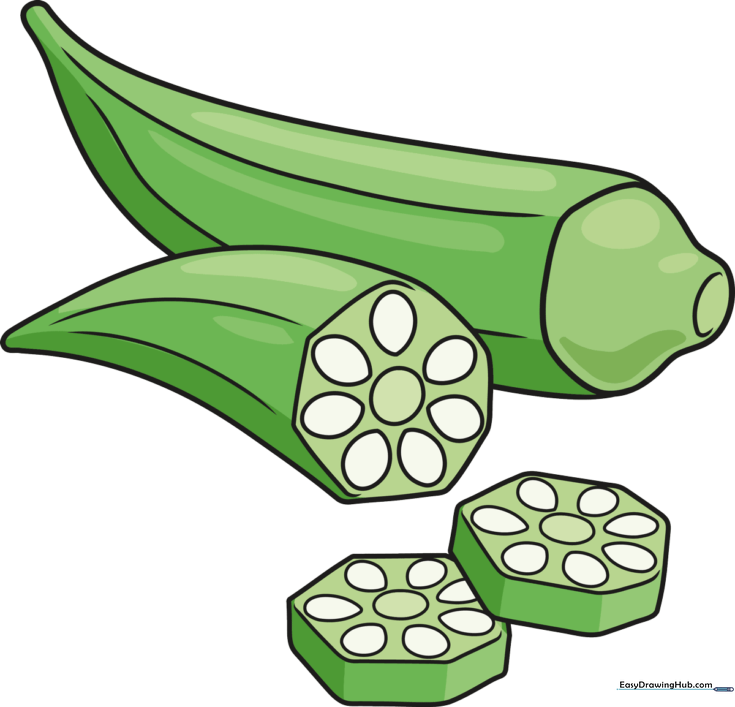
Okra (Lady Finger)
Explore botanical shapes by drawing okra pods. Tip: Draw the cross-section as a star shape to help children observe the hidden patterns inside common vegetables.
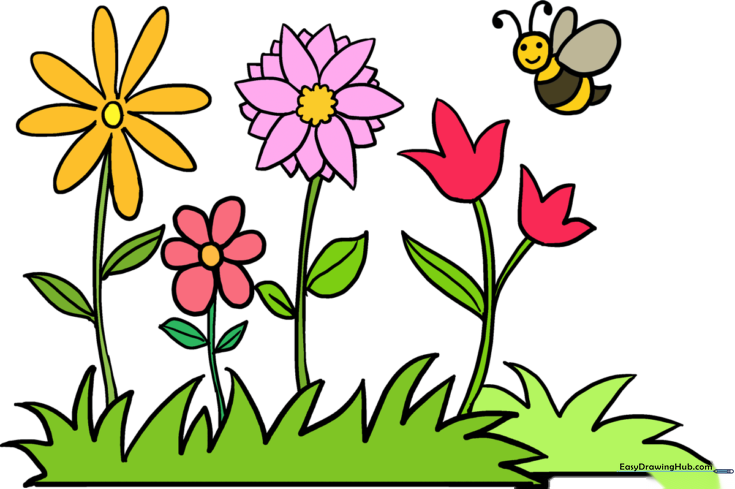
Flower Garden
Create a vibrant garden scene featuring daisies and tulips. Tip: Encourage kids to vary the height of the stems to create a sense of depth and perspective.
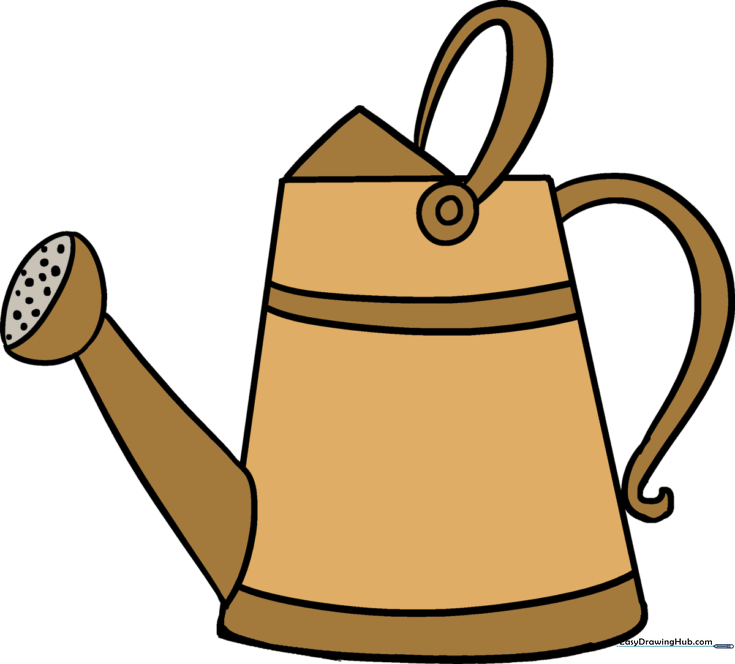
Watering Can
Master curved lines by drawing a classic watering can. Tip: Start with a simple oval for the base to keep the proportions balanced before adding the spout.
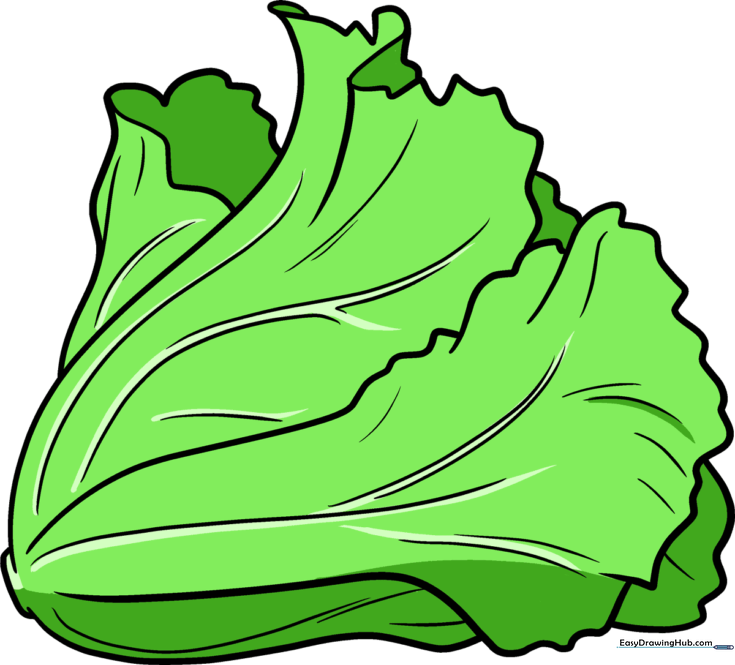
Leaf Lettuce
Practice organic, wavy lines by sketching a head of lettuce. Tip: Use light, overlapping strokes to create the ruffled texture of the leaves.
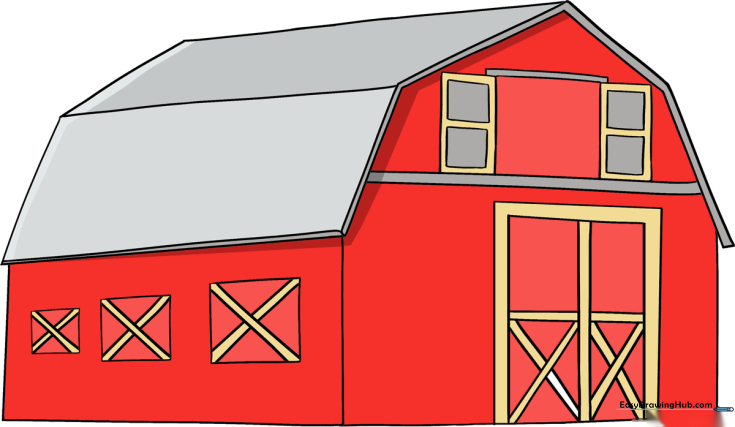
Farm Barn
Build a structure using basic geometric shapes. Tip: Use a light pencil to draw a rectangle and triangle first, then add the crossbar details on the doors.
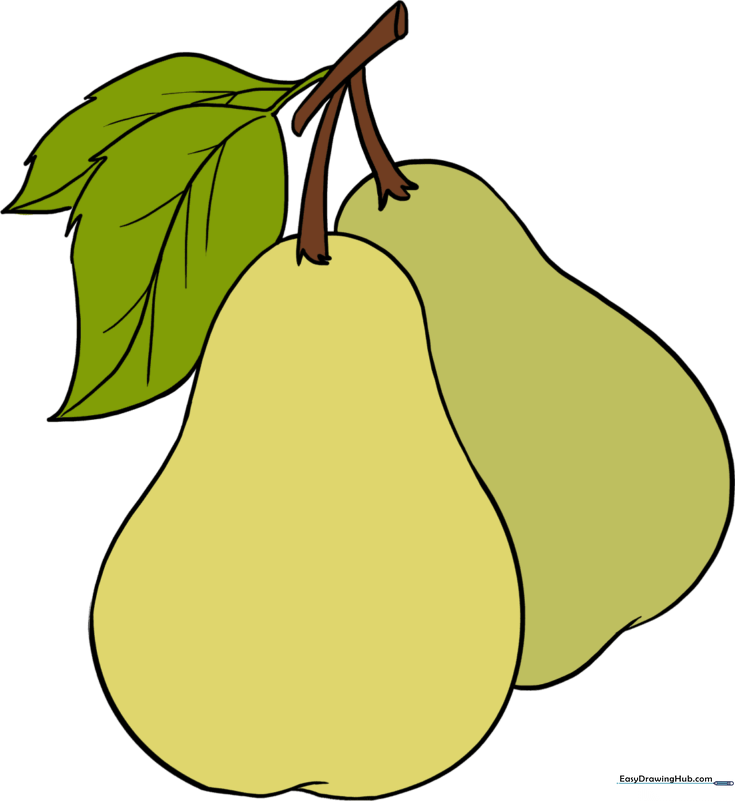
Fresh Pears
Draw a pair of pears to practice asymmetrical shapes. Tip: Add a small leaf to the stem to show they were just picked from the garden.
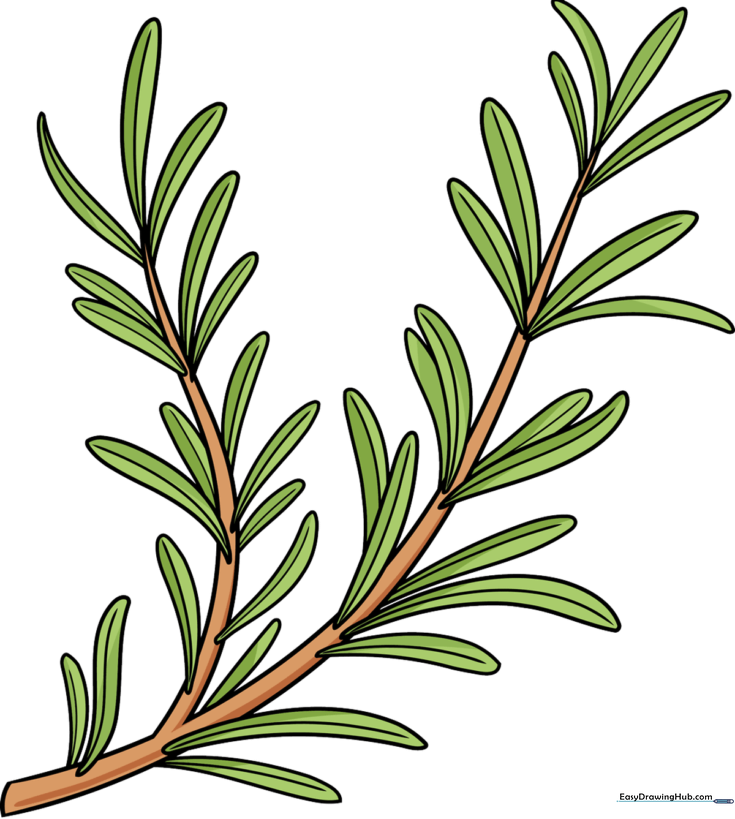
Rosemary Branch
Focus on fine detail by drawing a sprig of rosemary. Tip: Draw the central vein first, then add the narrow leaves in an alternating pattern along the stem.
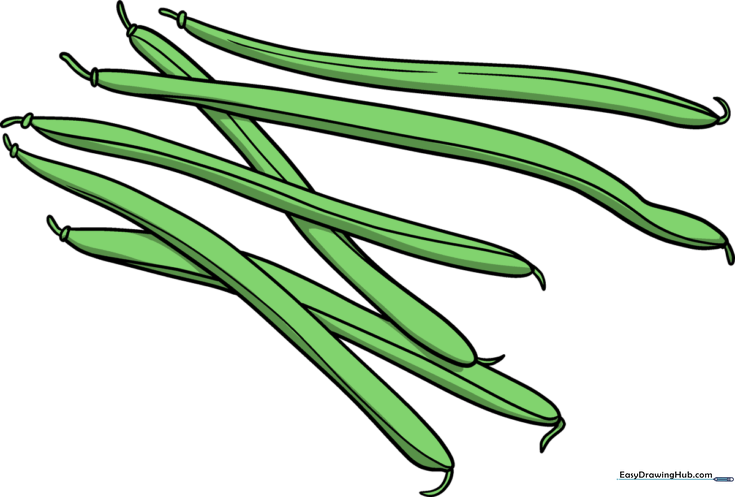
Green Beans
Draw fresh green beans to learn about elongated forms. Tip: Add a tiny, pointed tip at one end to make them look realistic and garden-fresh.
Garden Bush
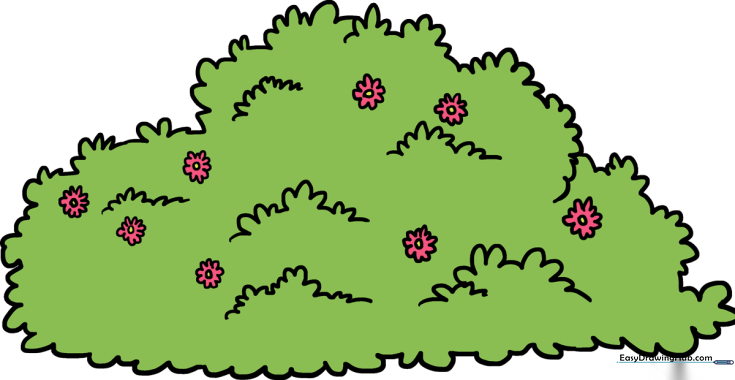
Practice drawing soft, cloud-like shapes for a lush garden bush. Tip: Use short, quick strokes to suggest leaves and texture on the surface.
Asparagus Spears
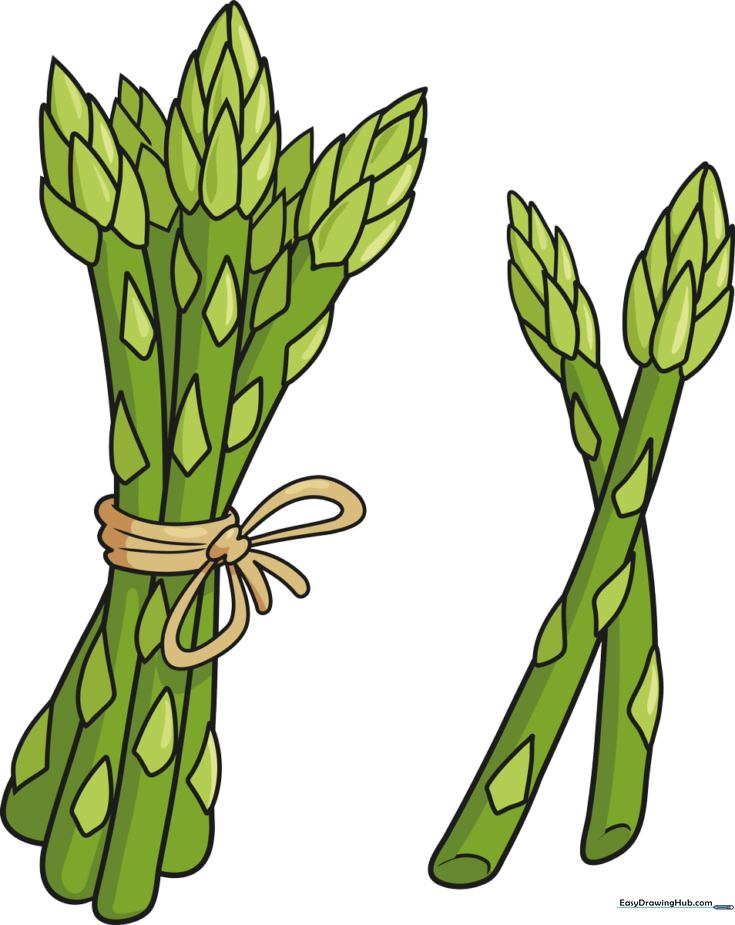
Draw a bundle of asparagus to practice vertical lines and texture. Tip: Use small dots or dashes at the top of the spears to represent the budding flower heads.
Vegetable Patch
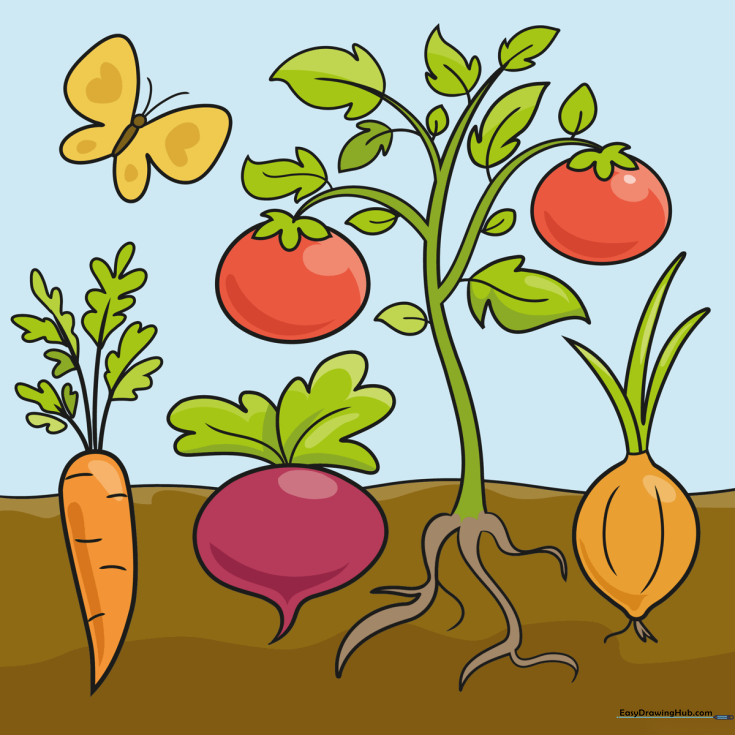
Create a diverse garden scene with various vegetables. Tip: Draw the butterfly last to add a sense of movement and life to your vegetable patch.
Kids' Flower Garden
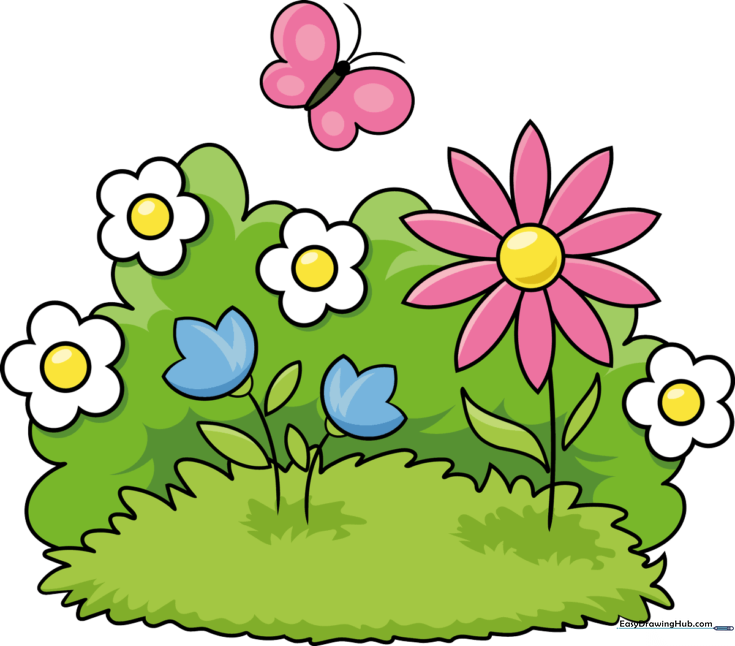
Design a friendly garden with simple, bold flowers. Tip: Use bright, contrasting colors when filling in the petals to make your garden pop.
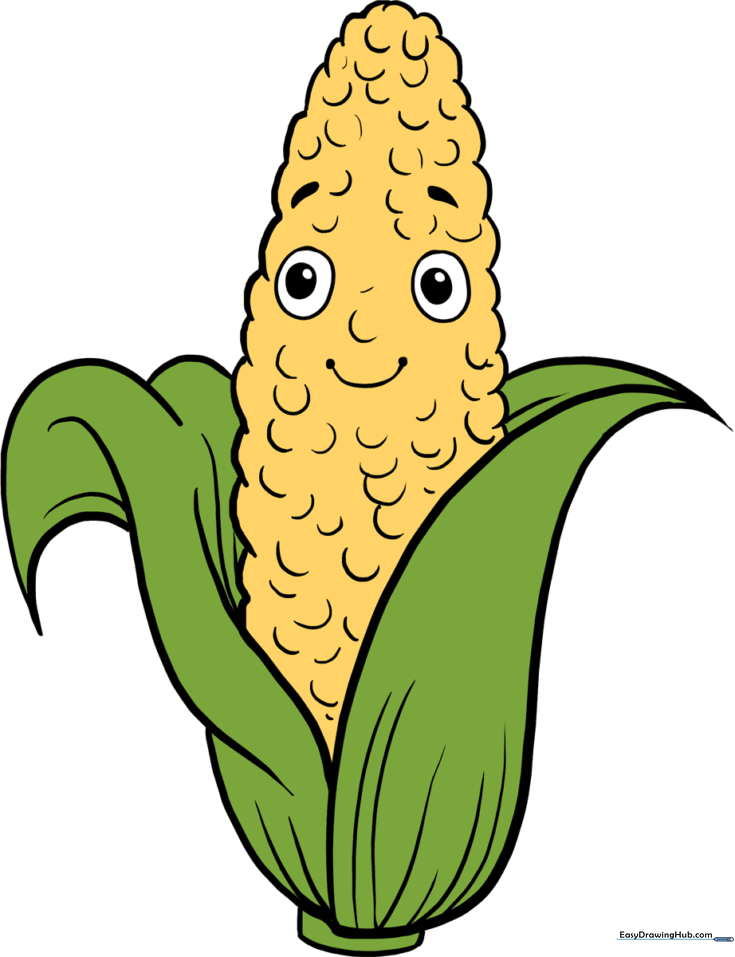
Smiling Corn Cob
Add personality to your garden drawings with a cartoon corn cob. Tip: Draw the kernels as a grid of small squares to create a fun, textured look.
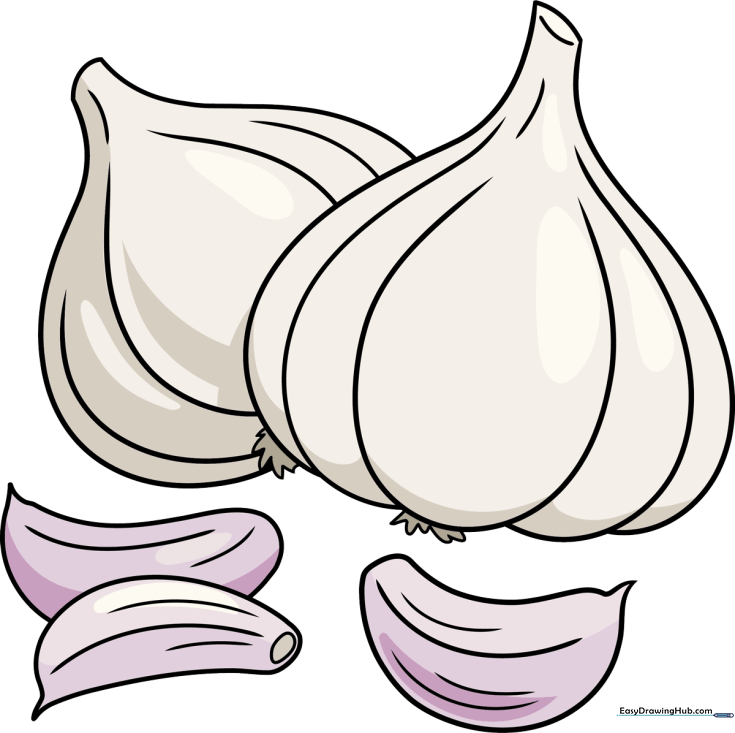
Garlic Bulb
Learn to draw layered objects by sketching a garlic bulb. Tip: Draw the individual cloves as curved segments to show the internal structure of the bulb.
Heart in Tree
Add a touch of whimsy to your garden art. Tip: Use light, shaky lines for the tree bark to give it a natural, rough texture before carving your heart.

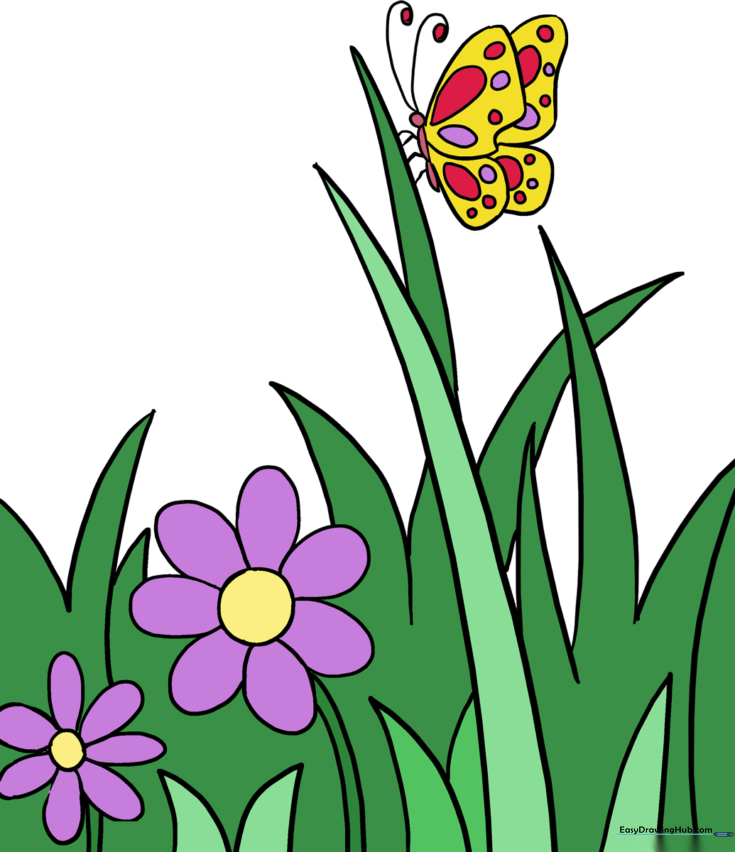
Butterfly Garden
Draw a detailed butterfly to practice symmetry. Tip: Use light pencil lines for the wing patterns first, then go over them with a darker pen for a clean finish.
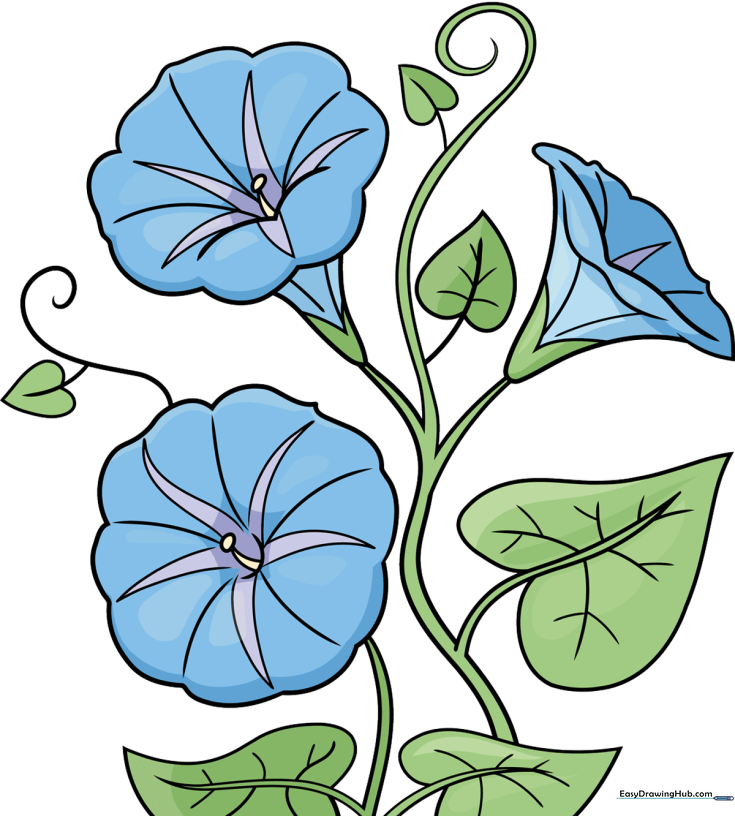
Morning Glory
Practice drawing delicate, vining plants. Tip: Use a spiral motion to draw the tendrils, which helps show how the plant climbs.
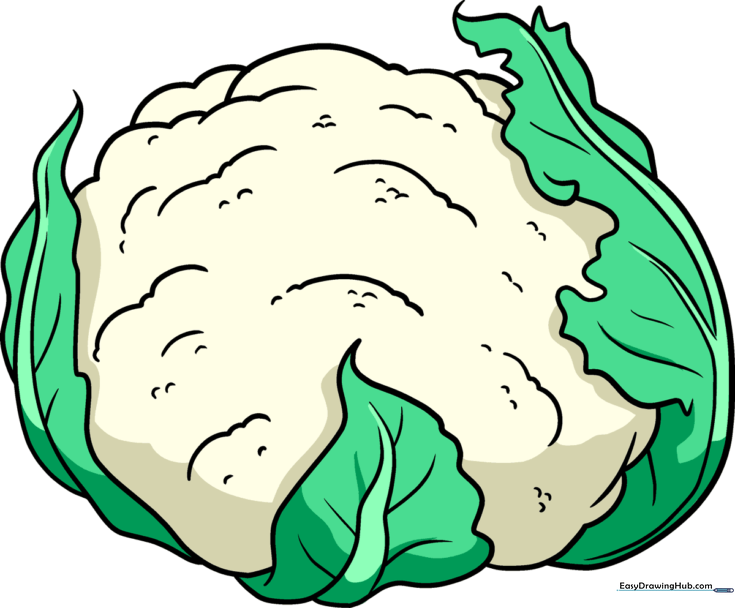
Cauliflower
Draw a head of cauliflower by using clustered, rounded shapes. Tip: Keep your lines loose to mimic the natural, bumpy texture of the vegetable.
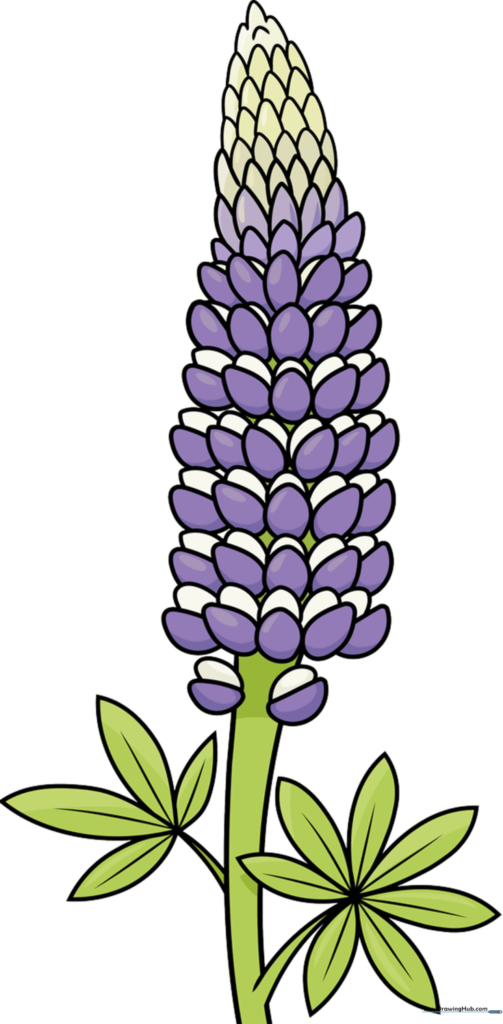
Lupine Flower
Draw a tall lupine flower by stacking small, petal-like shapes. Tip: Start from the top and work your way down to keep the flower's tapered shape.
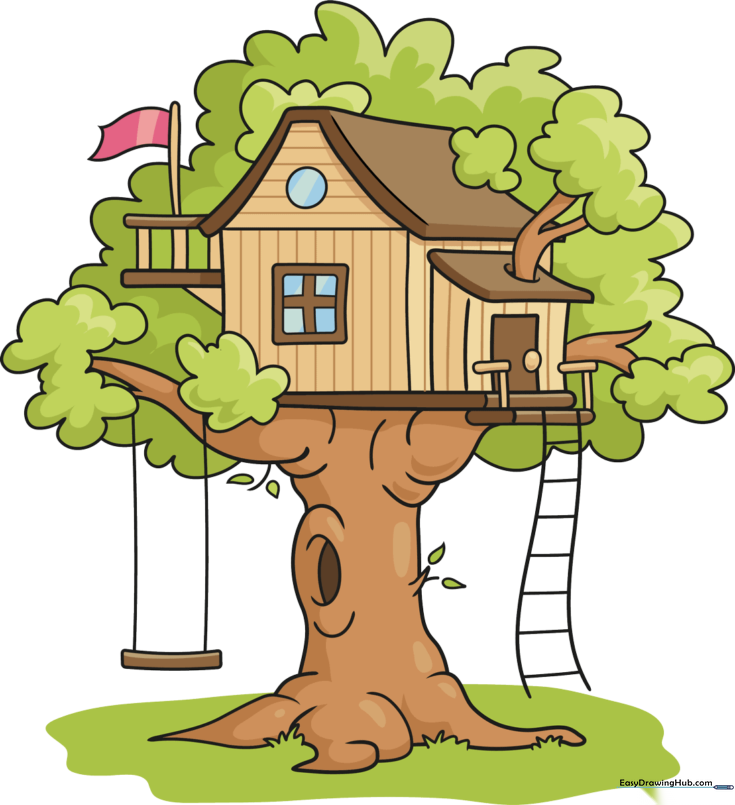
Tree House
Design your dream treehouse! Tip: Use a ruler for the straight lines of the house, but keep the tree branches organic and curvy for a realistic look.
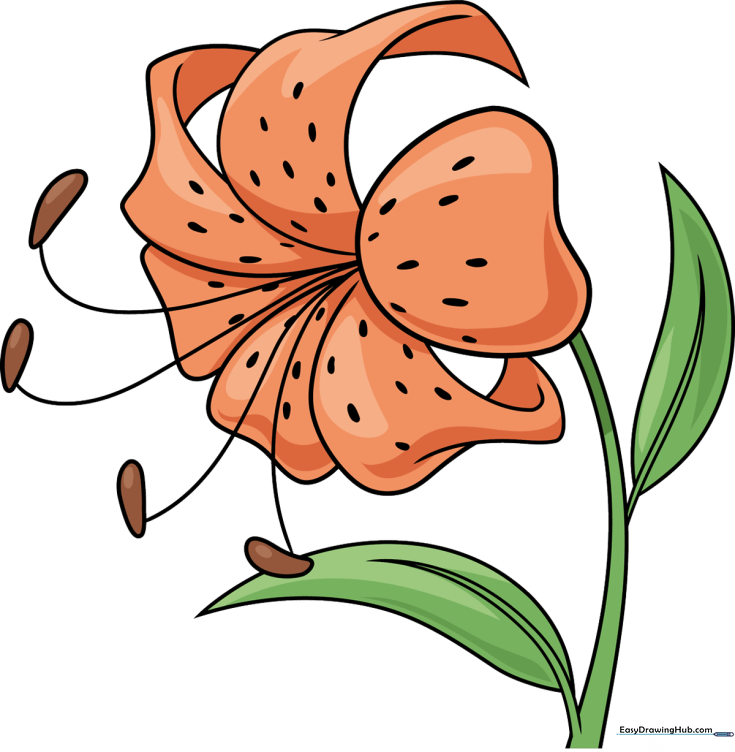
Tiger Lily
Draw a tiger lily to practice adding patterns. Tip: Add the speckles on the petals last to avoid smudging your drawing while you work.
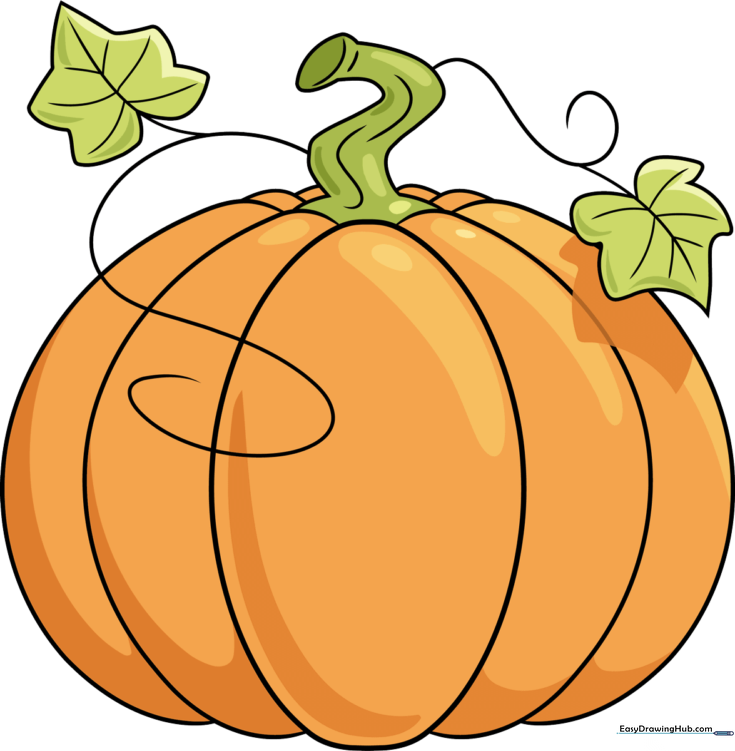
Pumpkin
Draw a pumpkin using curved, vertical lines. Tip: Vary the width of the segments to make the pumpkin look round and three-dimensional.
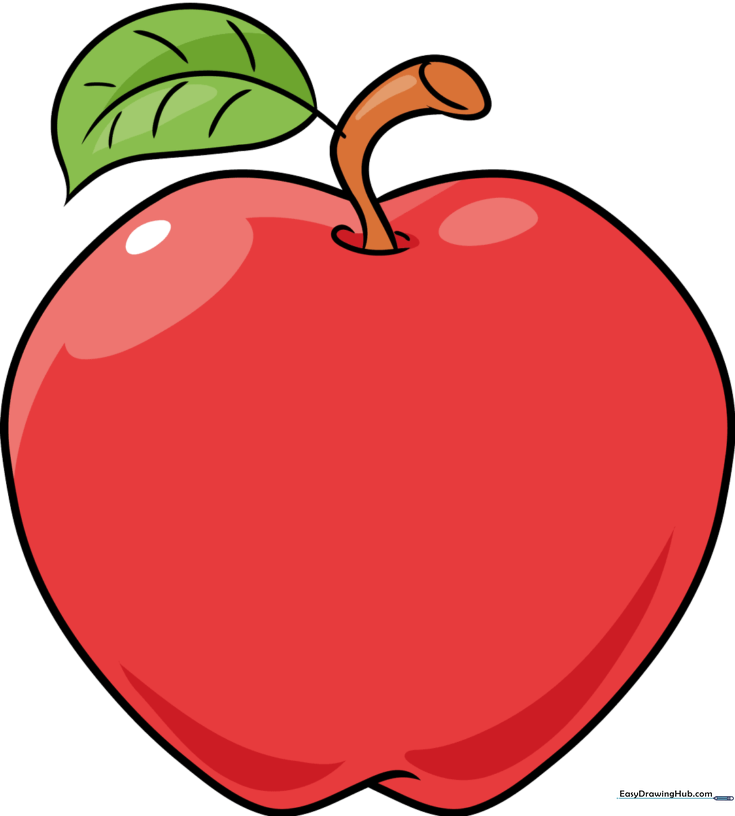
Cartoon Apple
Sketch a shiny cartoon apple. Tip: Leave a small white space on the side of the apple to represent a highlight, making it look glossy.
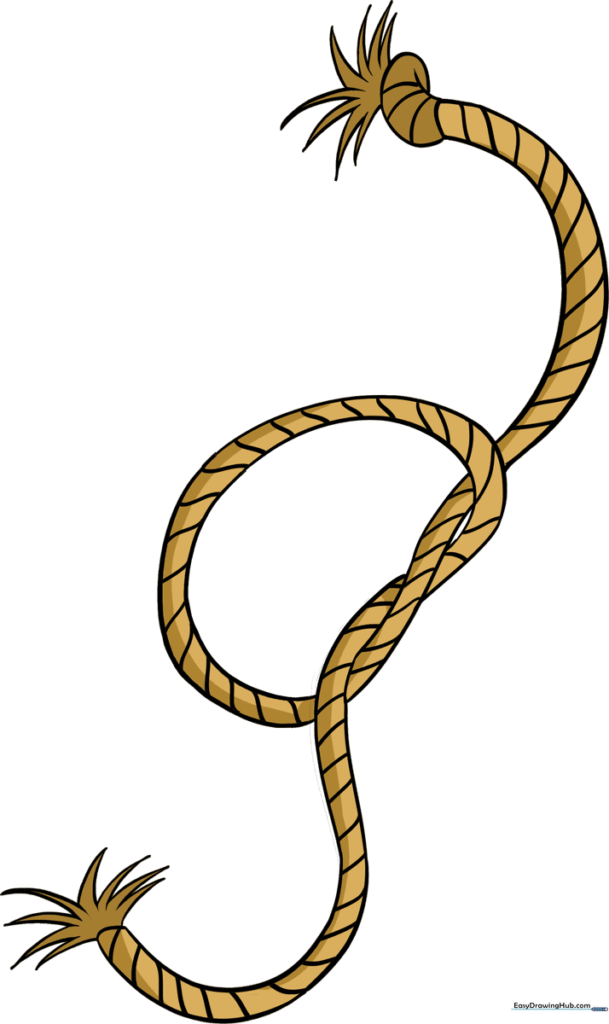
Garden Rope
Practice drawing texture by sketching a knotted rope. Tip: Use overlapping 'S' shapes to create the twisted appearance of the rope fibers.
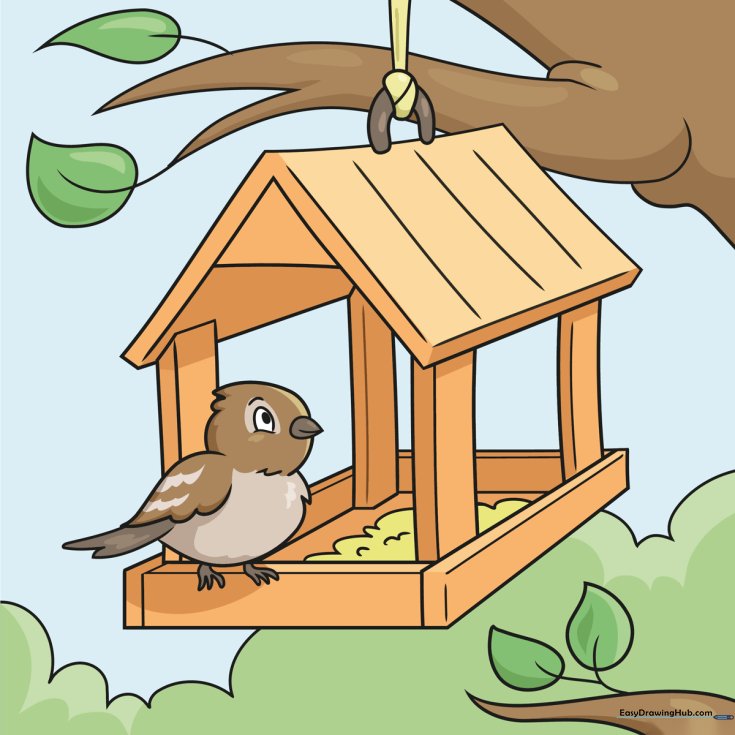
Bird Feeder
Invite nature into your sketchbook! This house-style feeder is a great lesson in basic geometric shapes. Tip: Use a ruler for the roof lines to keep your structure steady.
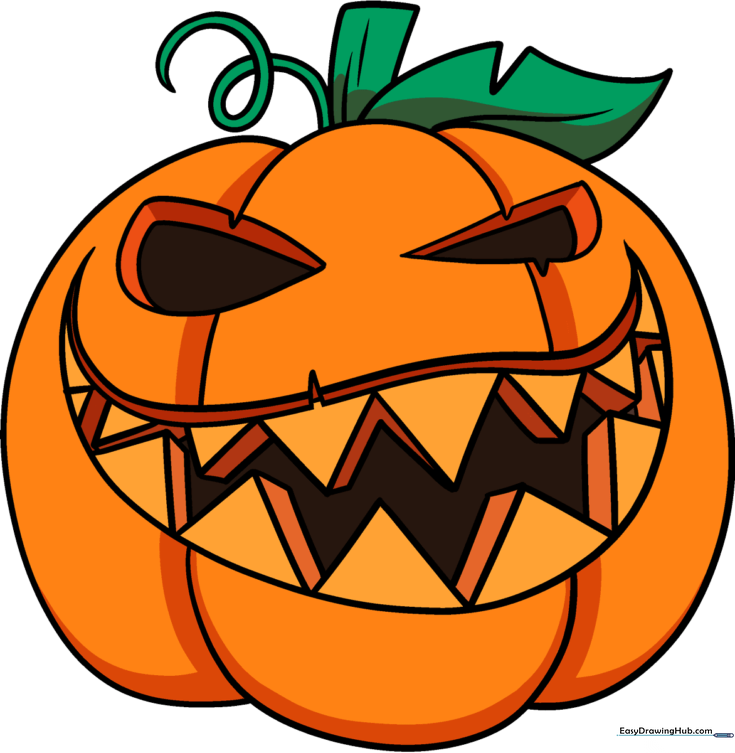
Jack O’Lantern
Transform a simple pumpkin into a spooky character. Focus on carving out triangular eyes and a jagged grin. Tip: Vary the size of the teeth to give your lantern more personality.
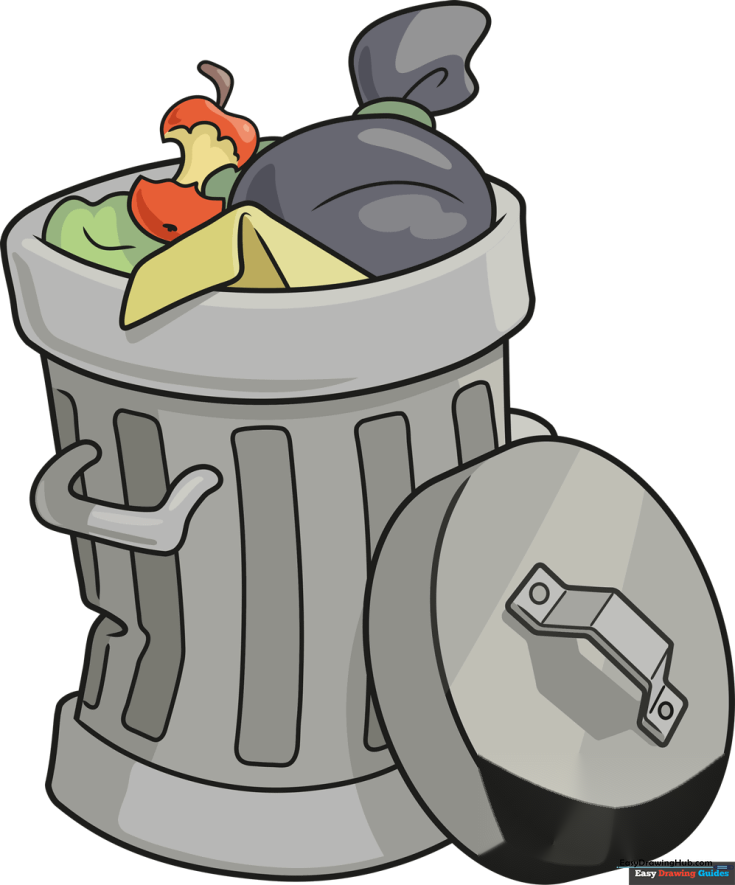
Trash Can
Gardening involves cleanup! This tutorial teaches you how to draw a cylindrical container. Tip: Add a small apple core inside to practice drawing organic, curved shapes.
Lamp
Perfect for indoor seed starting or late-night sketching sessions. Focus on the base and the shade's curve. Tip: Use light, sweeping strokes to create the glow effect.

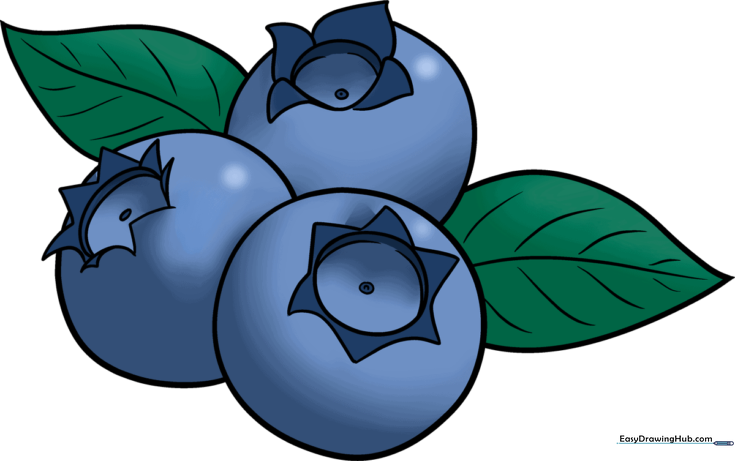
Blueberry
Practice drawing small, circular forms with a unique 'belly button' texture. Tip: Keep the leaves slightly asymmetrical to make them look more natural and fresh.
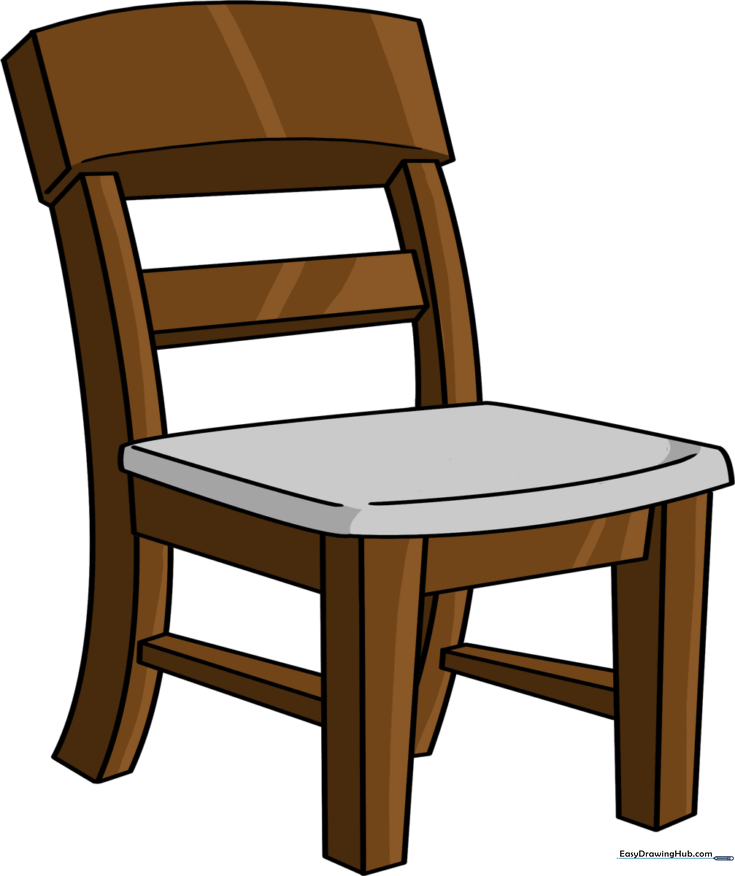
Chair
Every garden needs a place to rest. This tutorial focuses on perspective and straight lines. Tip: Draw the legs slightly angled to give the chair a sturdy, realistic look.
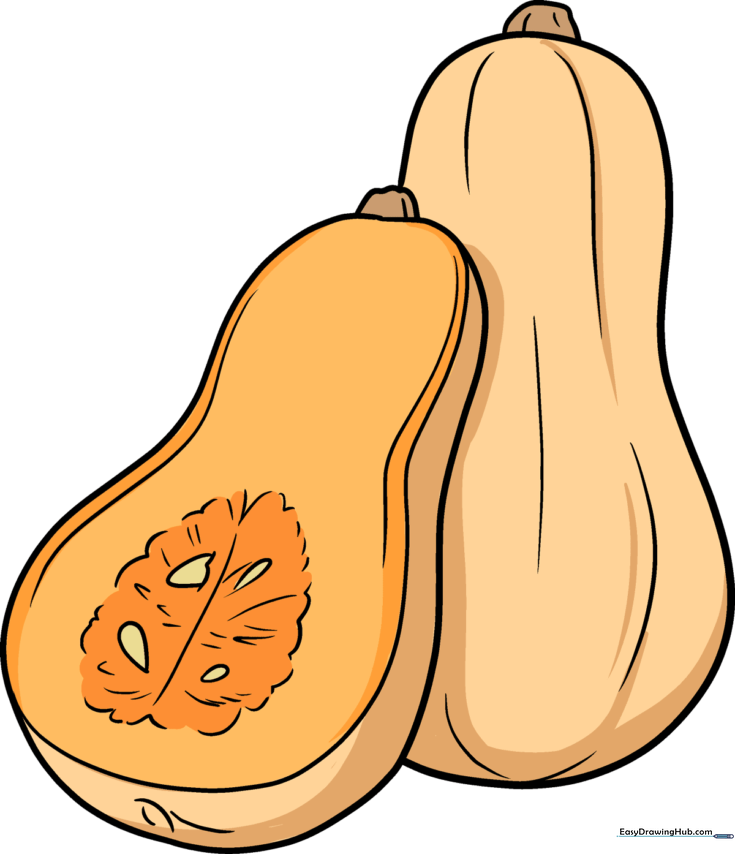
Squash
Explore the shapes of autumn harvest. Drawing a cut-open squash is a great way to practice internal details like seeds. Tip: Use light, oval shapes for the seeds to create depth.
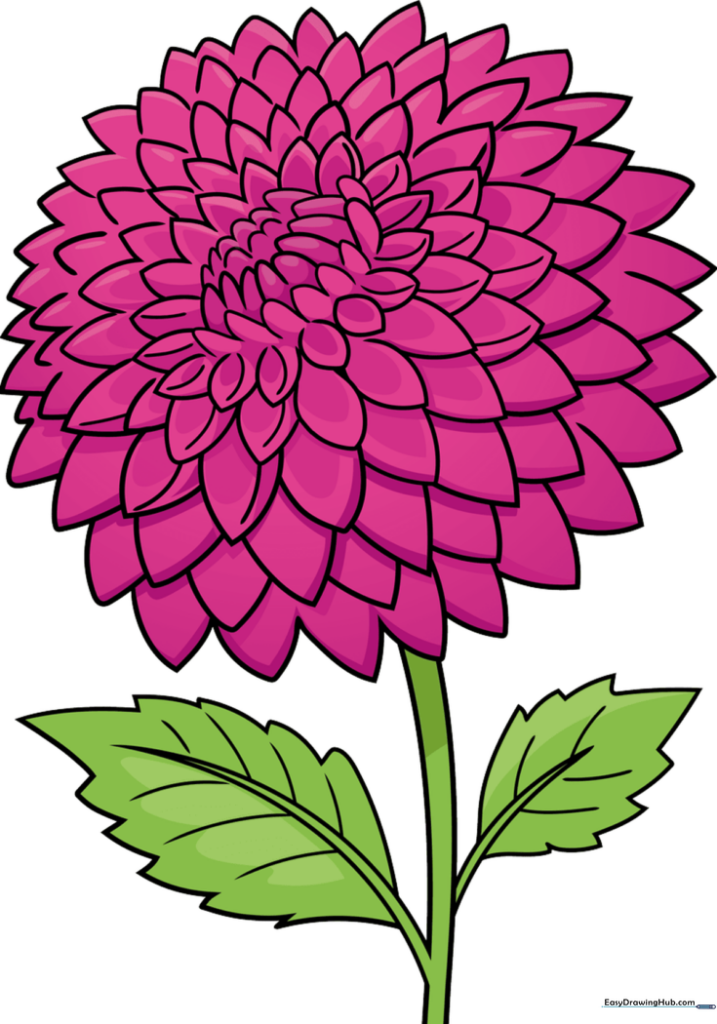
Dahlia
Dahlias are all about repetition. Focus on layering your triangular petals from the center outward. Tip: Don't worry about making every petal perfect; nature is beautifully irregular!
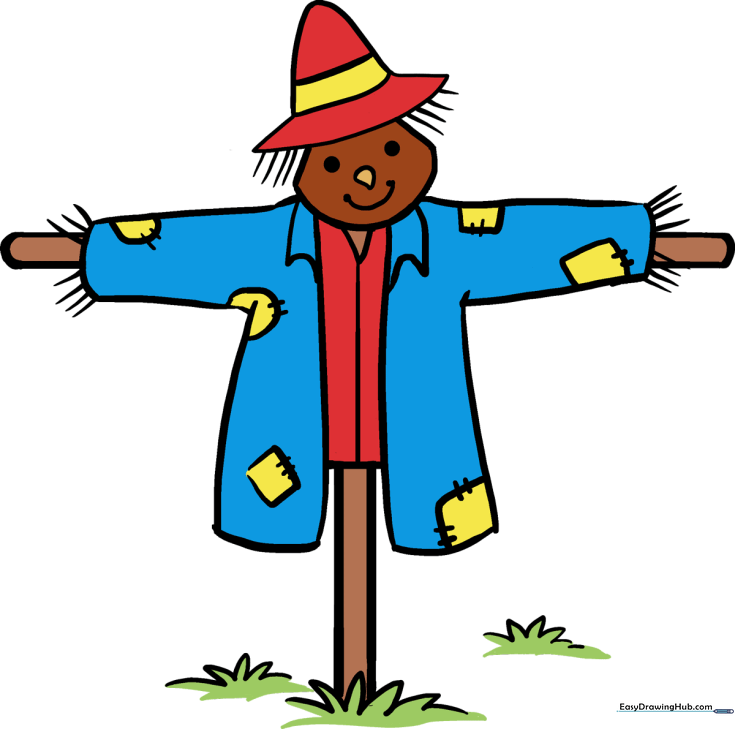
Scarecrow
Bring your garden to life with a friendly guardian. Focus on the hat and patched clothing to add character. Tip: Use cross-hatching for the straw texture to make it look authentic.
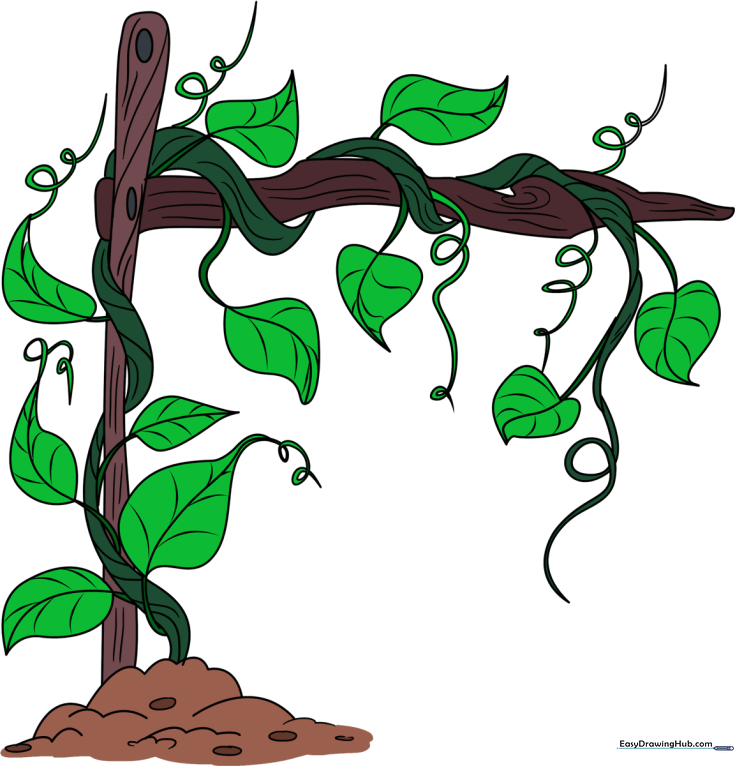
Vines
Vines are excellent for practicing fluid, curved lines. Tip: Draw the tendrils as thin, spiraling lines to show how they grip onto a trellis.
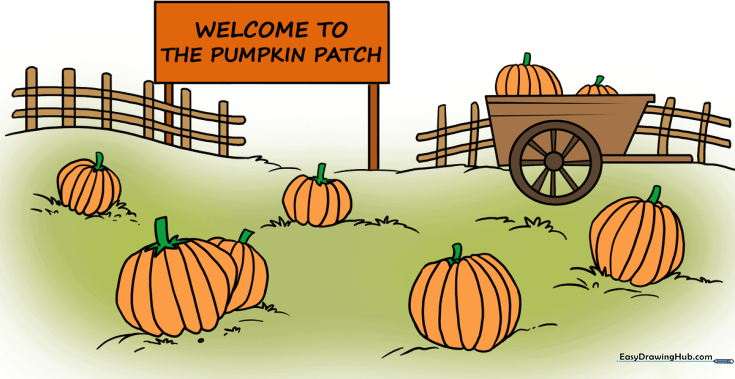
Pumpkin Patch
Ready to build a whole scene? This tutorial helps you arrange multiple pumpkins of varying sizes. Tip: Overlap your pumpkins to create a sense of depth and space.
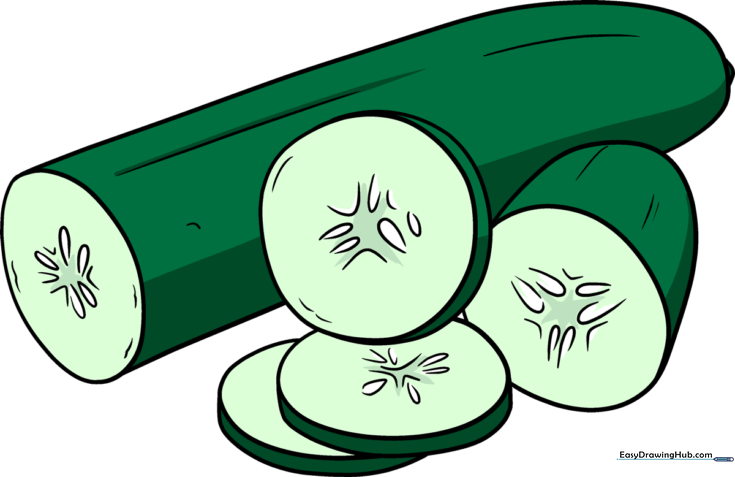
Cucumber
Focus on the elongated, cylindrical shape of the cucumber. Tip: When drawing the slices, use small teardrop shapes for the seeds to add realistic detail.
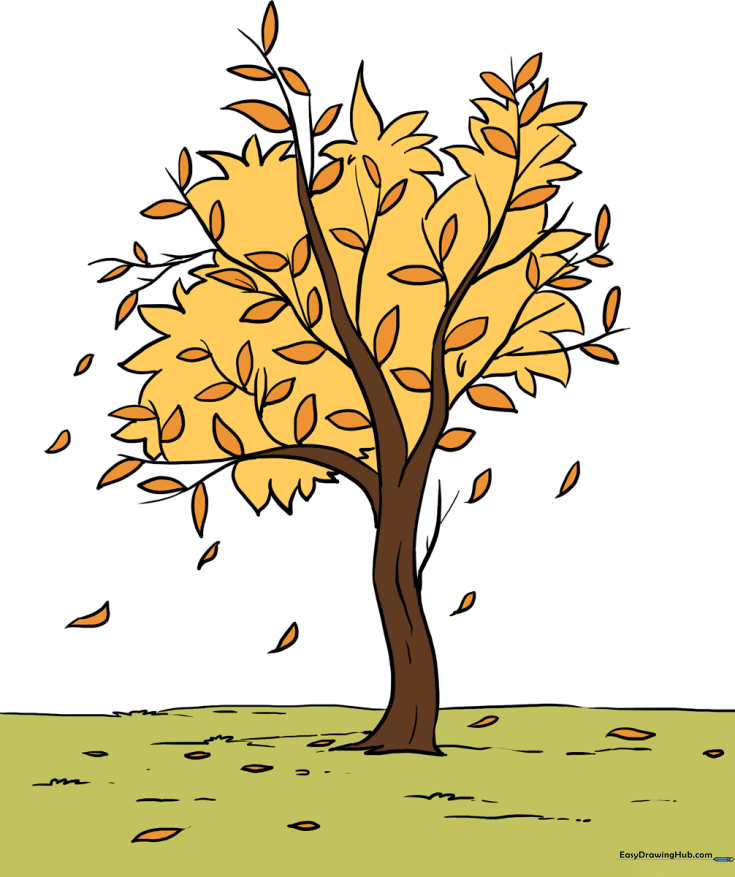
Fall Tree
Capture the changing seasons. Focus on the bare branches and falling leaves. Tip: Use jagged lines for the trunk to give the tree an aged, sturdy appearance.
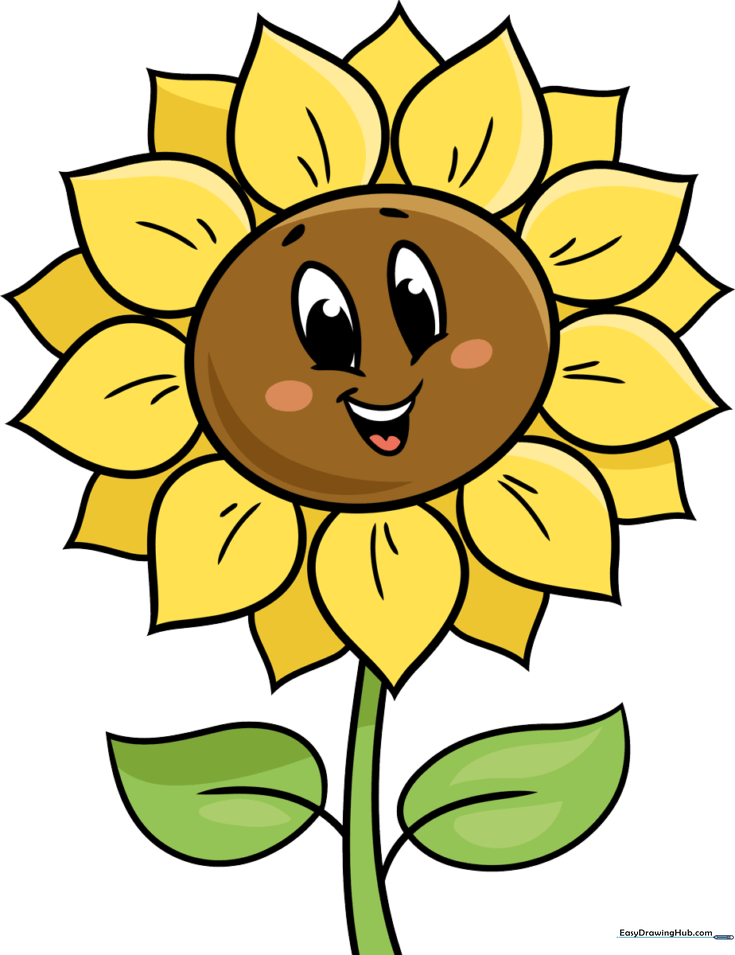
Cartoon Sunflower
Add some cheer to your garden! This cartoon style is perfect for beginners. Tip: Draw the petals as rounded ovals to keep the look soft and friendly.
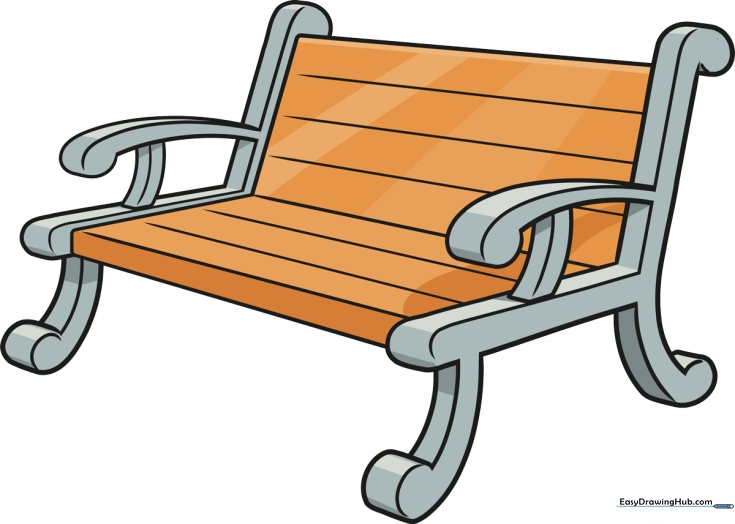
Bench
A park bench is a great exercise in parallel lines. Tip: Use a light pencil guide for the slats to ensure they are evenly spaced.
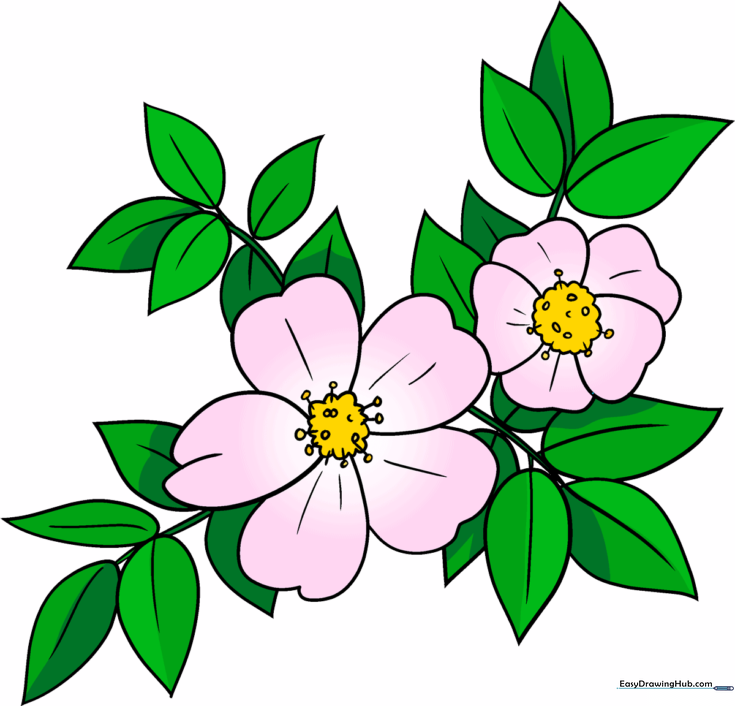
Wild Rose
Wild roses are elegant in their simplicity. Focus on the five-petal structure. Tip: Keep the center fuzzy by using small, quick dots instead of solid lines.
Axe
A classic tool for the garden. Focus on the contrast between the smooth handle and the sharp, notched blade. Tip: Add small 'v' shapes to the blade edge to show wear and tear.

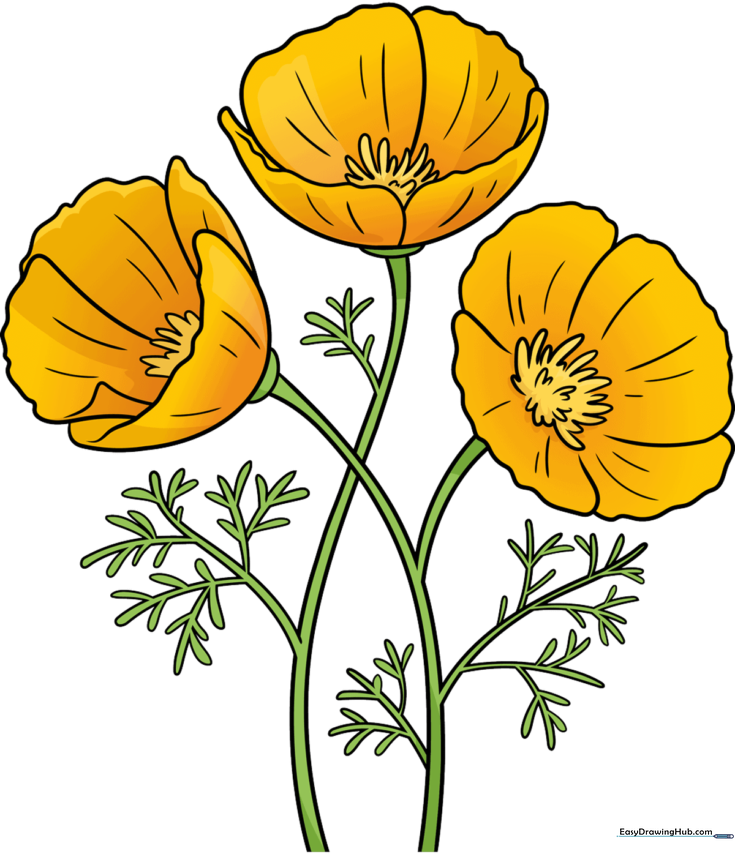
California Poppy
Poppies have a beautiful, cup-like shape. Focus on the wide, overlapping petals. Tip: Use light, feathery strokes for the lacy leaves to give them a delicate look.
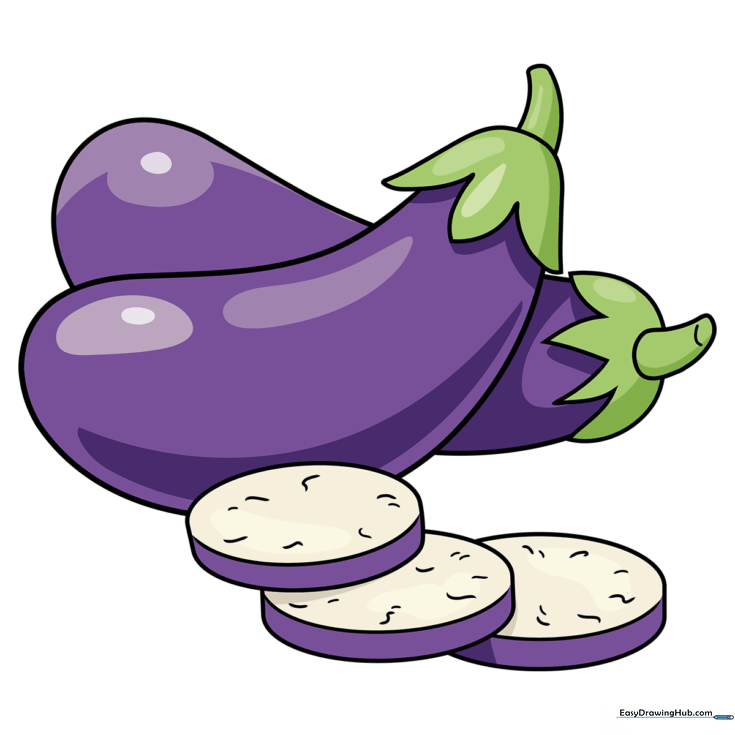
Eggplant
Eggplants are fun to draw because of their unique, bulbous shape. Tip: Don't forget the 'leafy hat' on top; it adds a great contrast to the smooth, rounded body.
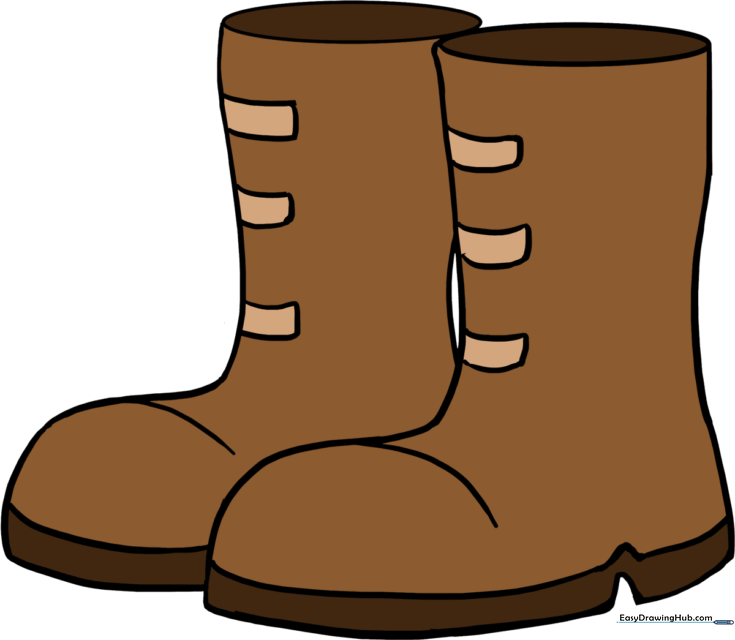
Boots
Essential for any gardener! Focus on the curve of the heel and the toe. Tip: Add patterns like polka dots or stripes to customize your boots.
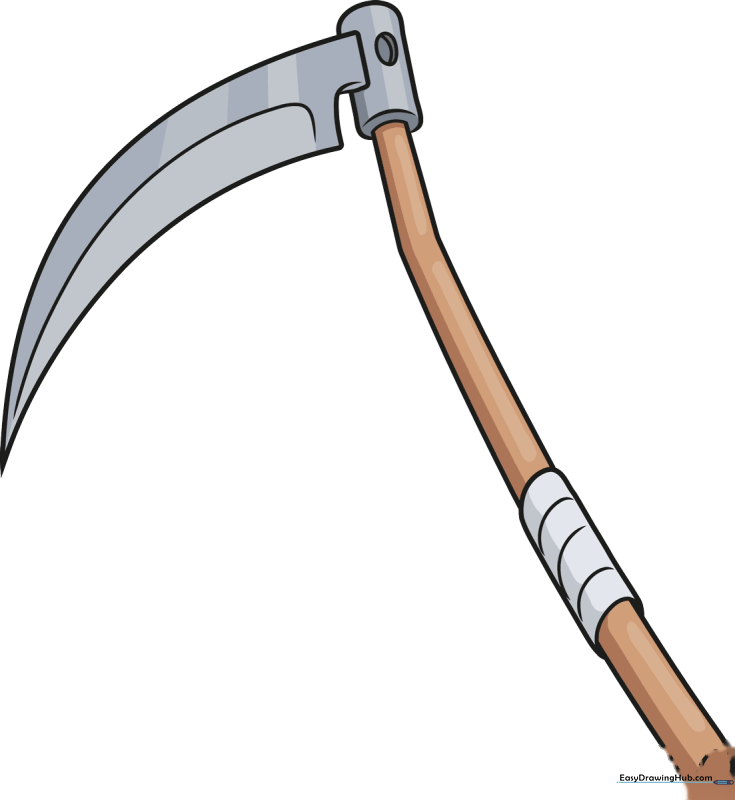
Scythe
A traditional tool with a long, curved blade. Focus on the arc of the metal. Tip: Draw the handle as a long, slightly curved line to show how it's held.
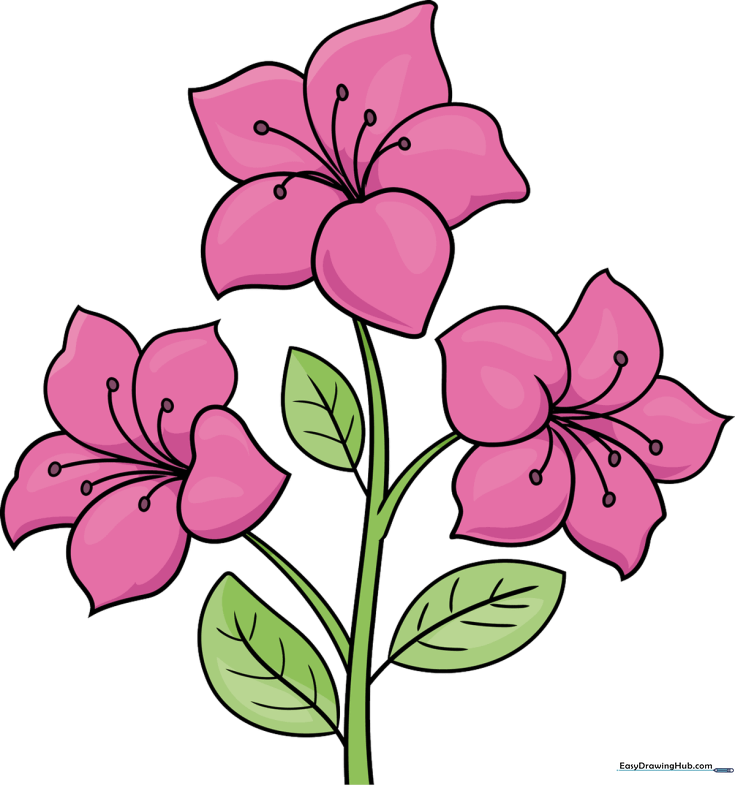
Azalea
Azaleas are all about clusters. Focus on drawing multiple small flower shapes together. Tip: Use overlapping circles to plan the placement of the flowers before adding details.
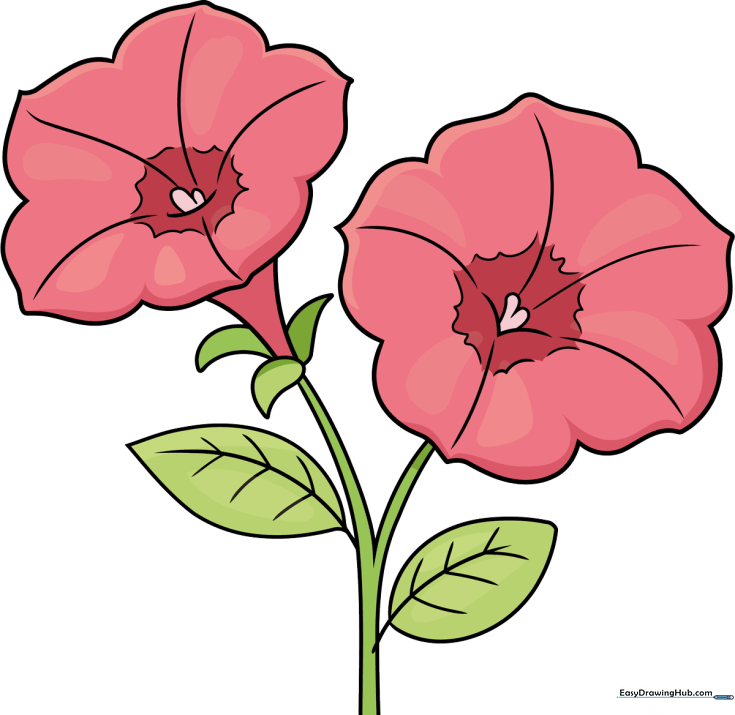
Petunia
Petunias have a lovely bell shape. Focus on the wide, trumpet-like opening. Tip: Use a darker shade or cross-hatching in the 'throat' of the flower to create depth.
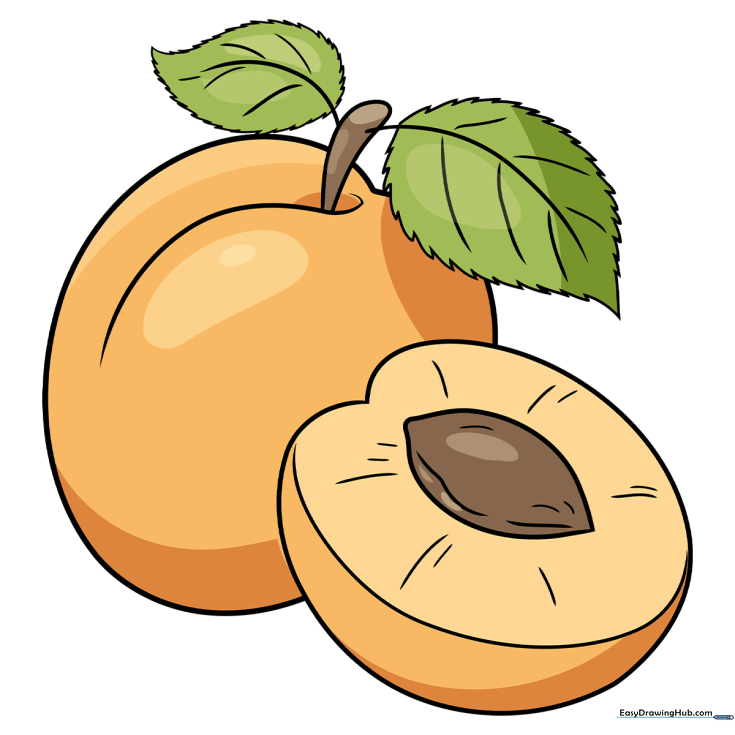
Apricot
Apricots are simple, rounded fruits. Focus on the small indentation where the stem attaches. Tip: Draw a small, oval-shaped pit inside the cut-open fruit for extra detail.
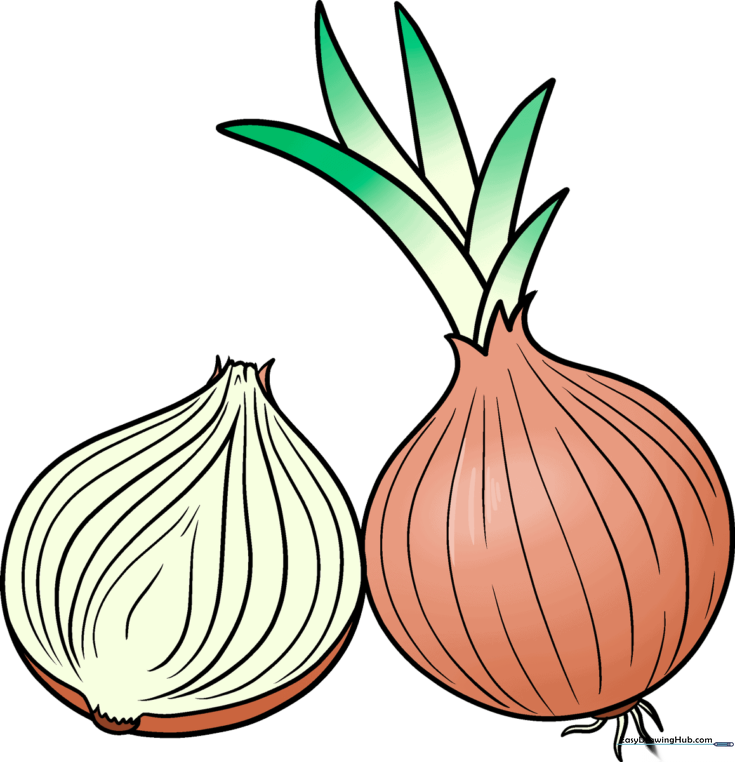
Onion
Onions are great for practicing organic shapes and textures. Tip: Use long, thin lines for the roots and leaves to give them a realistic, wispy look.
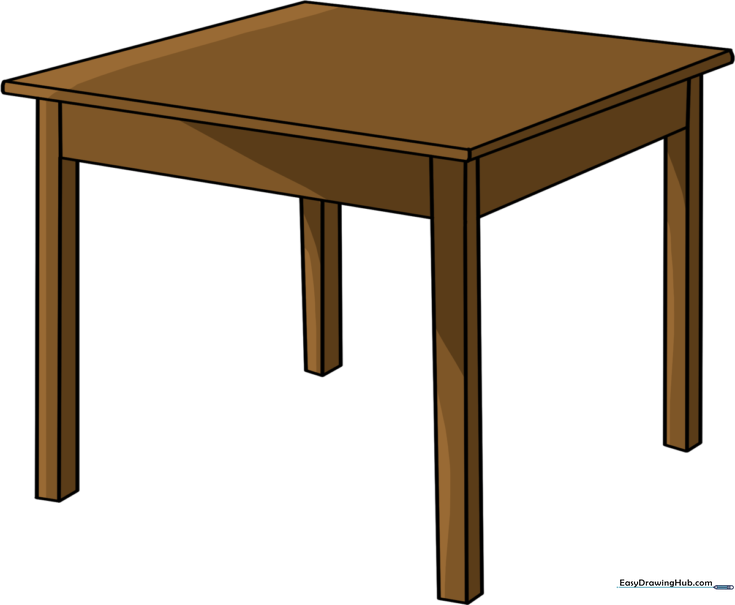
Garden Table
A sturdy wooden table is the heart of any outdoor space. Practice drawing straight, parallel lines to create the tabletop, then add depth by drawing the legs at slight angles. Tip: Use a ruler for the first few tries to get comfortable with perspective.
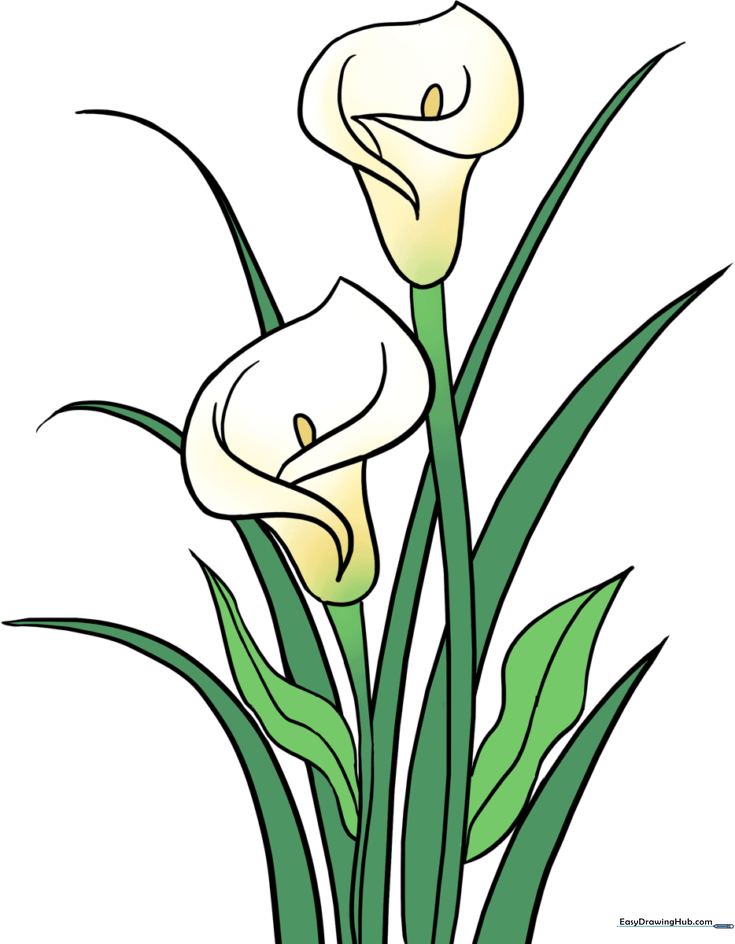
Calla Lily
Capture the elegant, trumpet-like curve of a calla lily. Focus on the single, flowing line that forms the petal. Tip: Keep your pencil strokes fluid and soft to mimic the delicate texture of the flower.
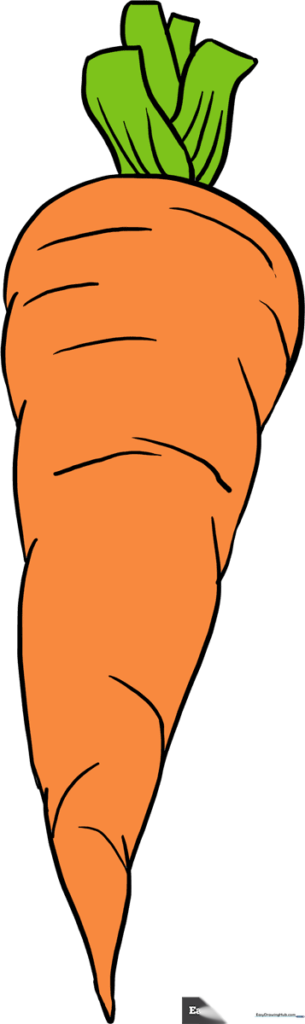
Crunchy Carrot
Carrots are perfect for practicing triangular shapes and tapered lines. Don't forget the leafy top! Tip: Use short, jagged strokes for the leaves to give them a realistic, textured look.
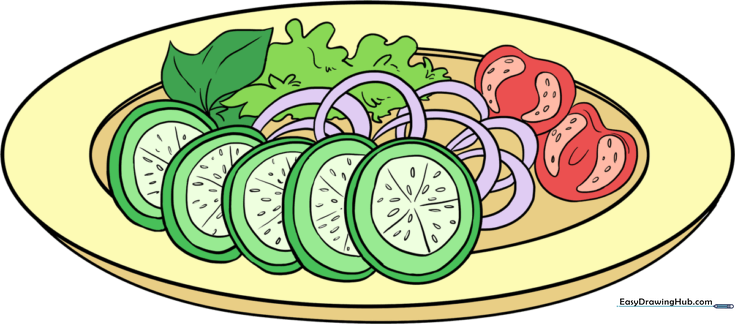
Fresh Garden Salad
Drawing a salad is a great way to practice layering different shapes like circles for tomatoes and wavy lines for lettuce. Tip: Use a variety of green shades to make your salad look fresh and appetizing.
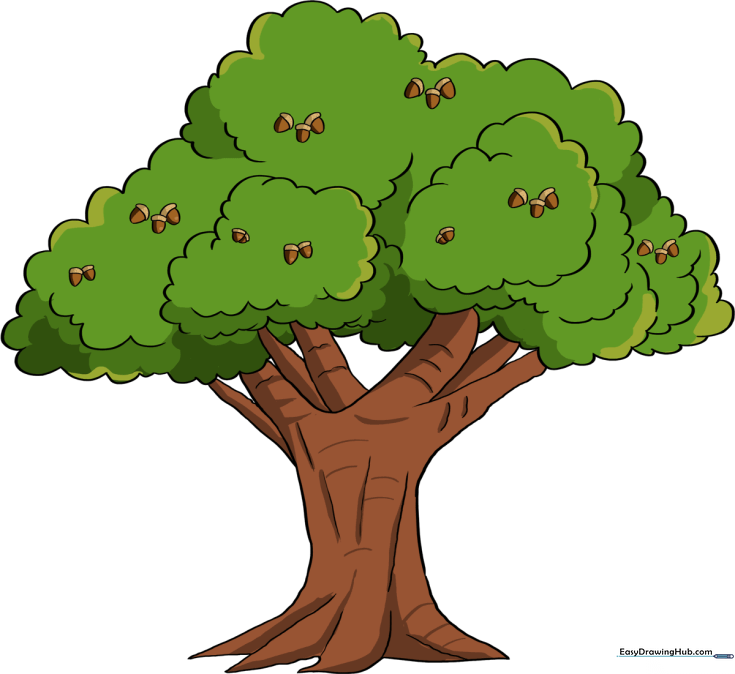
Mighty Oak Tree
Learn to draw a majestic oak by starting with a thick, textured trunk. Use cloud-like, scalloped lines for the canopy. Tip: Add a few small acorn shapes near the base to give your tree character.
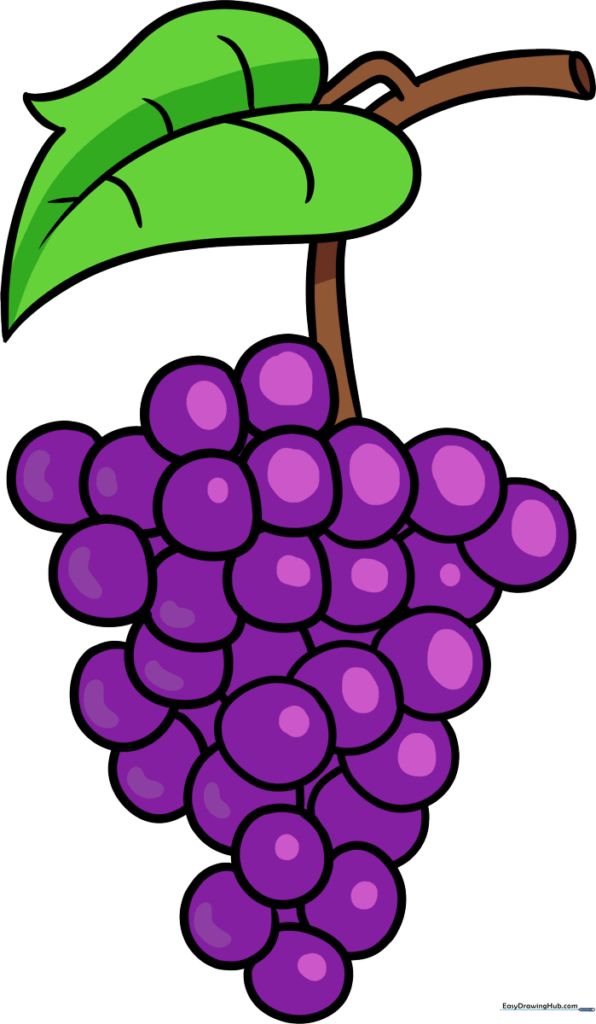
Bunch of Grapes
Grapes are excellent for practicing circular repetition. Start with a triangle shape to guide your cluster, then fill it with overlapping circles. Tip: Leave a tiny white spot on each grape to create a shiny, realistic highlight.
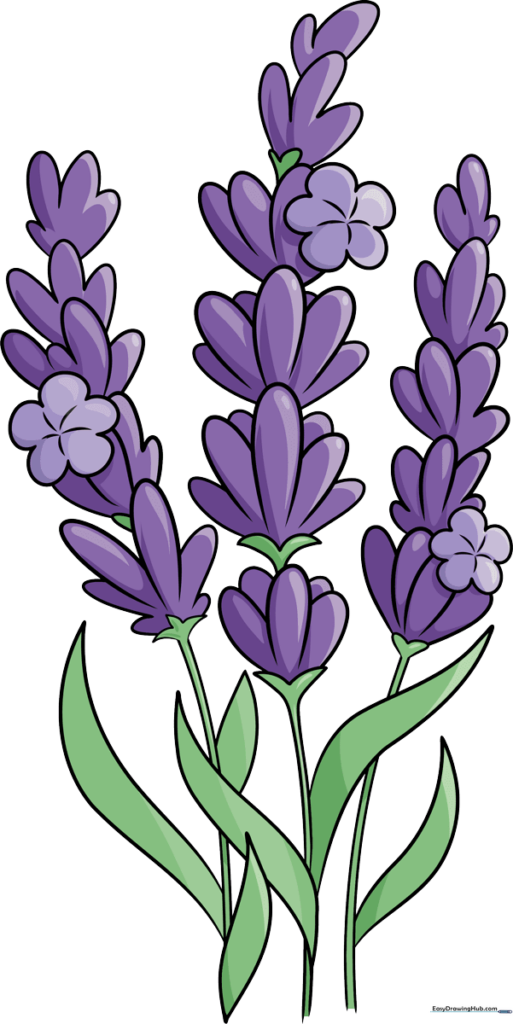
Fragrant Lavender
Lavender is all about vertical rhythm. Draw a straight stem and add small, repeating petal shapes as you move upward. Tip: Use light purple and soft blue tones to capture the calming essence of the plant.
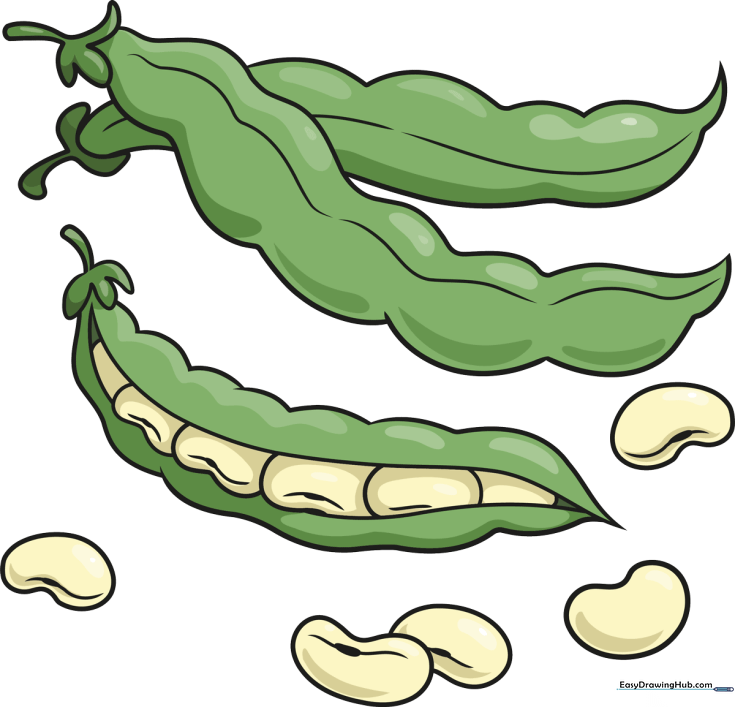
Garden Beans
Beans are fun to draw because of their unique, curved pod shapes. Practice drawing smooth, elongated ovals. Tip: Draw a few small circles inside the pod to show where the beans are hiding!
More Collections