How to Draw a Watering Can: Easy 10-Step Guide for Kids
Bring your garden drawings to life with this simple watering can tutorial, perfect for artists ages 5 and up. All you need is a pencil, an eraser, and a piece of paper to get started. Follow along to master basic shapes and perspective while creating a charming addition to your spring-themed artwork.
🎯 Final Result
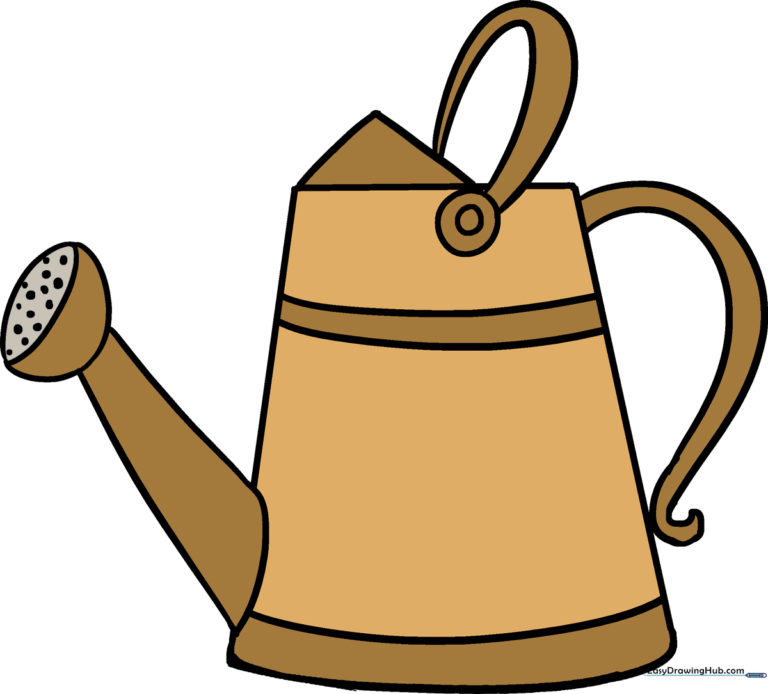
Step-by-Step Instructions
Step 1: Sketching the Main Body

Draw a horizontal line for the top, then extend two diagonal lines downward. Close the shape with a curved line at the bottom to create a trapezoid. Teacher's Tip: Keep your pencil strokes light so you can easily adjust the shape if it looks a bit lopsided.
Step 2: Adding Decorative Bands

Add a pair of curved lines across the body of the can to create a band. Tip: Use a steady hand to make these lines parallel; it adds a professional, structured look to your metal can.
Step 3: Drawing the Lid
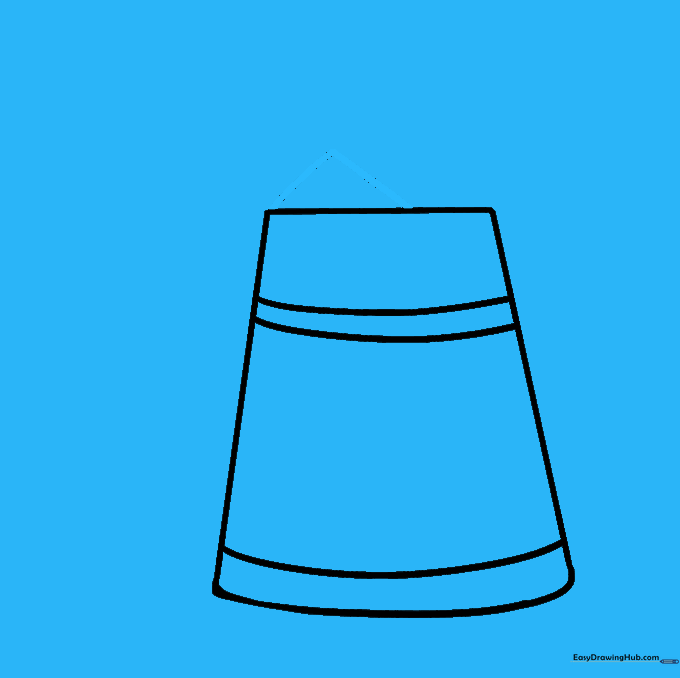
Sketch a small triangle at the very top of the can to represent the lid. Tip: Imagine the lid is slightly tilted to give your drawing a sense of three-dimensional depth.
Step 4: Creating the Top Handle
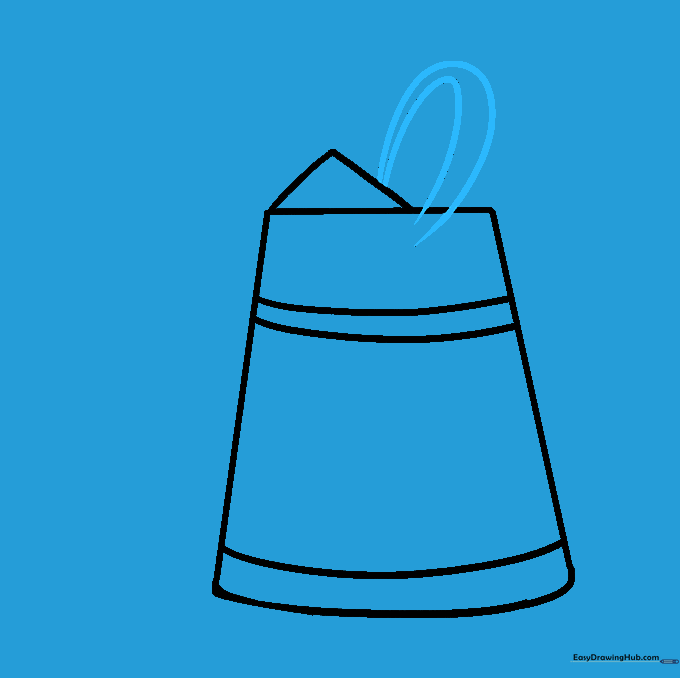
Draw two large, parallel 'U' shaped lines at the top of the can. Tip: Try to keep the space between the two lines consistent so the handle looks sturdy and even.
Step 5: Adding Handle Details

Draw a small circle inside a slightly larger circle where the handle meets the can. Tip: This small detail represents the bolt or rivet that holds the handle in place—it makes your drawing look much more realistic!
Step 6: Sketching the Rear Handle

Add a pair of curving lines at the back of the can, allowing them to meet in a gentle point. Tip: Think of this as the grip you'd hold while pouring; make it comfortable-looking by keeping the curve smooth.
Step 7: Drawing the Spout

Extend two lines from the front of the can that converge as they move outward. Connect them with a curved line where they meet the body. Tip: The spout should look like a long, thin cone.
Step 8: Cleaning Up Your Lines

Carefully erase any overlapping guide lines inside the spout. Tip: Use a clean eraser and gentle pressure so you don't smudge your work—this step is what makes your drawing look finished and clean.
Step 9: Adding the Spout Rose

Draw an oval at the end of the spout and add small dots to represent the water holes. Tip: Space the dots evenly to make the 'rose' look functional and realistic.
Step 10: Bringing It to Life with Color

Add your favorite colors! Will you go for a classic metallic grey, or a bright, cheerful color to match your garden flowers? Tip: Use light and dark shades of the same color to create a simple shadow effect.
More Tutorials