70 Easy Furry Animal Drawing Tutorials for Kids
🖍️ 70 free tutorials
Bring your favorite creatures to life with this collection of 70 easy, step-by-step drawing tutorials designed for young artists. Whether you are practicing basic shapes or adding realistic fur textures, these guides help children build confidence and artistic precision. Grab your pencil and paper to begin your animal-drawing journey today.
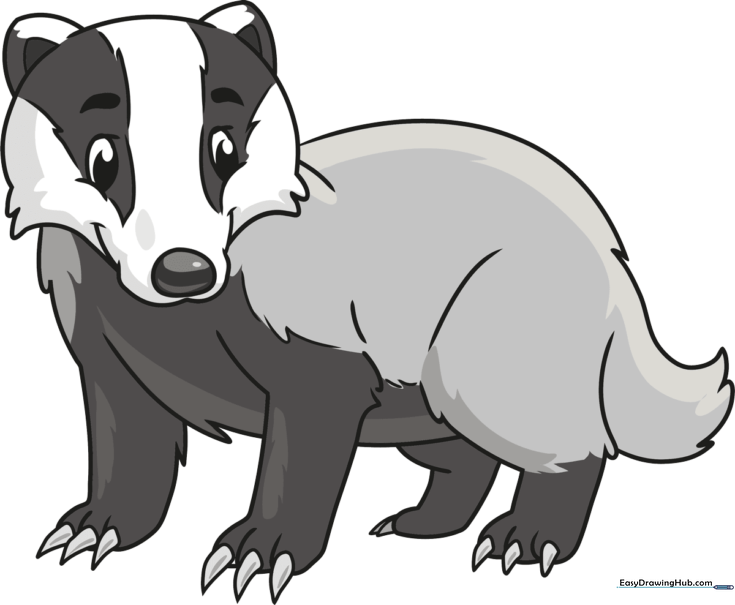
Badger
Badgers are fascinating diggers with distinct facial stripes. Use this guide to practice symmetrical facial markings. Tip: Keep your pencil lines light when sketching the snout to ensure the nose looks rounded, not pointy.
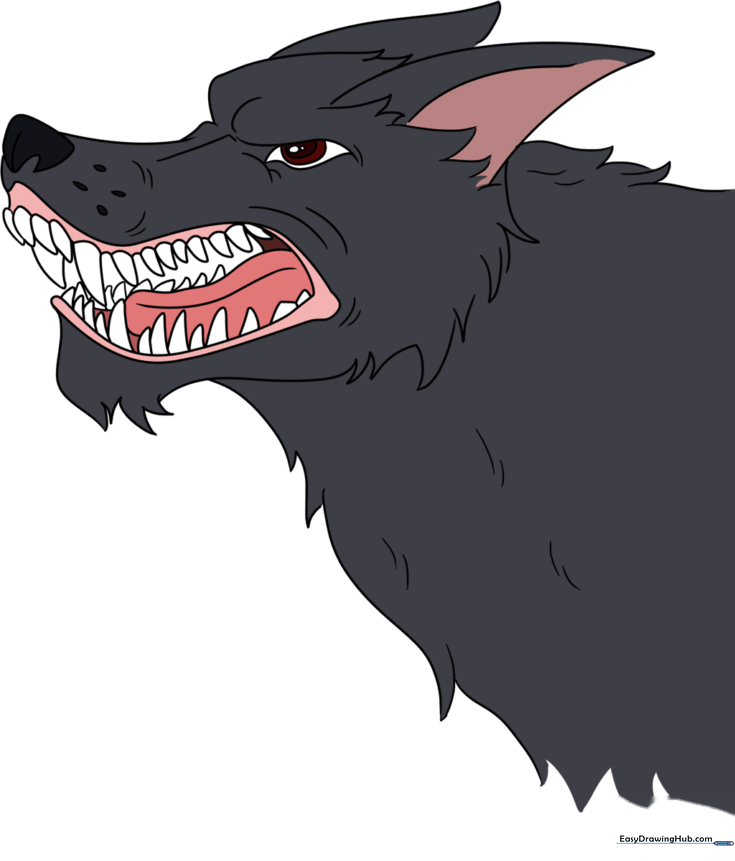
Snarling Wolf
Capture the wild spirit of a wolf with this expressive tutorial. Focus on the sharp angles of the teeth to convey emotion. Tip: Use short, jagged pencil strokes around the neck to mimic thick, textured fur.
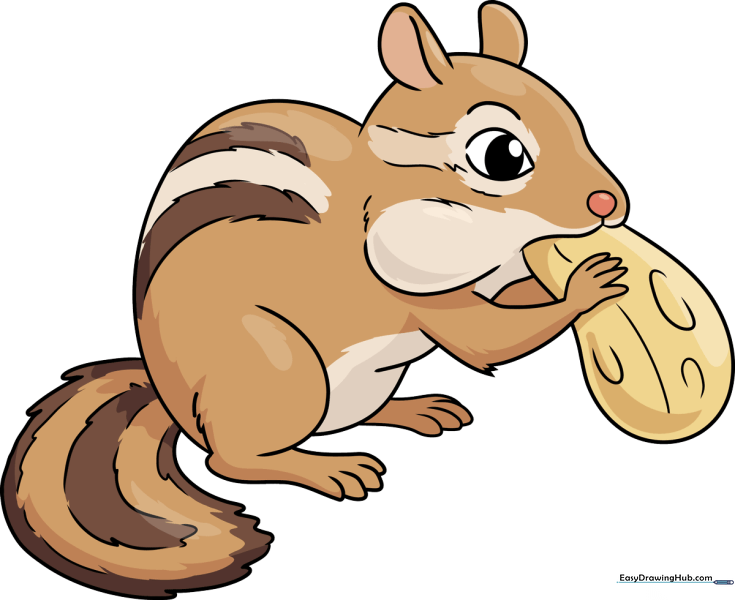
Chipmunk
Chipmunks are perfect for practicing small-scale details. Focus on the signature stripes running down their back. Tip: Draw the cheeks slightly puffed out to give your chipmunk a curious, snack-storing look.
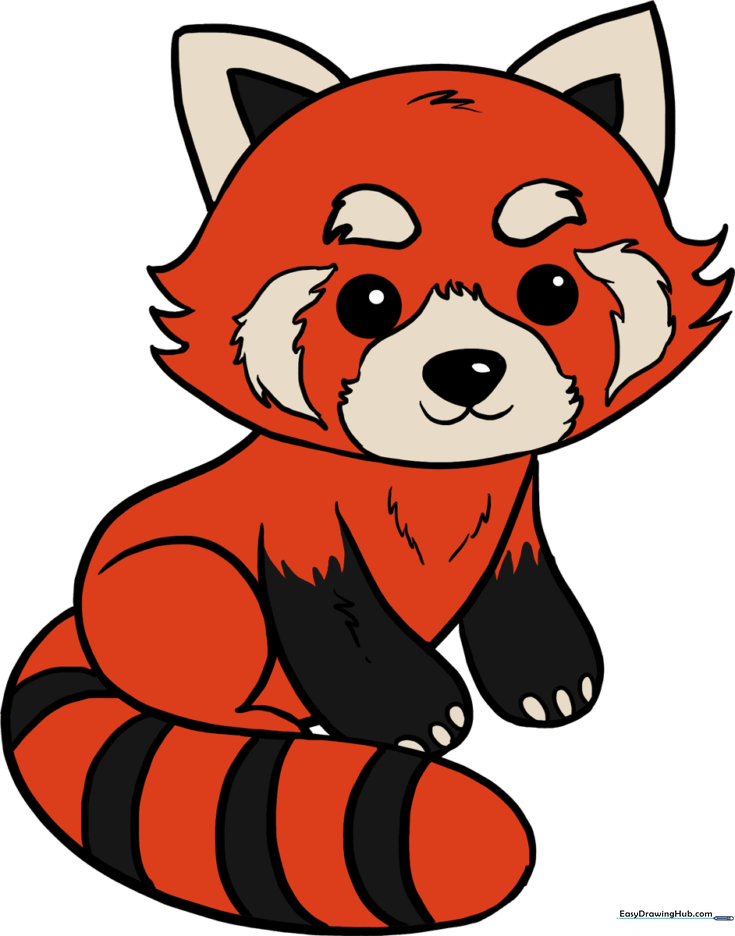
Red Panda
The red panda's bushy tail is its most iconic feature. Practice drawing large, rounded ears to get that adorable look. Tip: Use a soft touch when shading the mask around the eyes to keep it friendly.
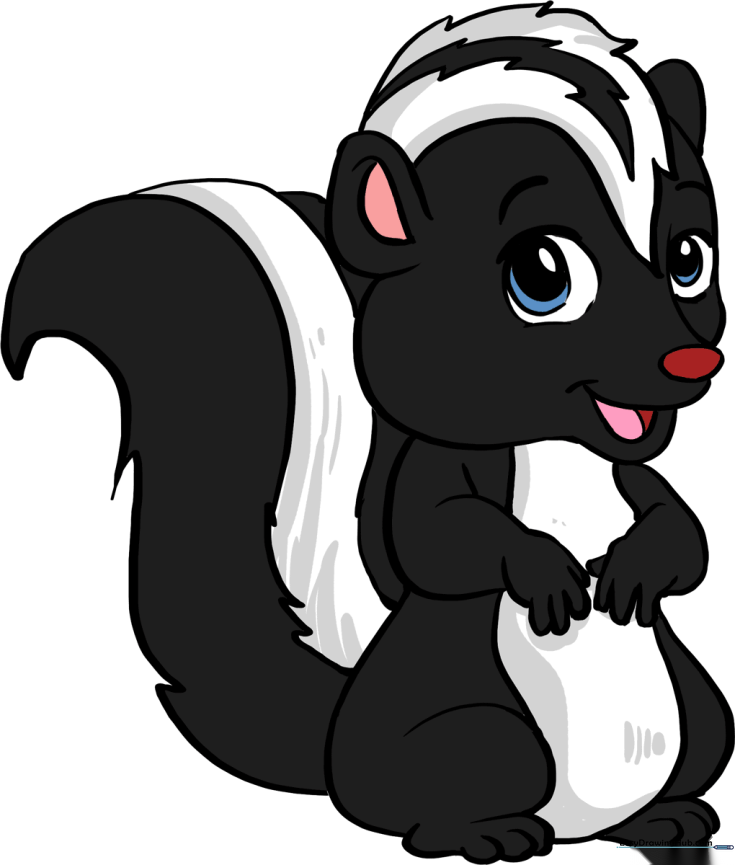
Skunk
Focus on the smooth, flowing lines of the skunk's white stripe. Tip: When drawing the tail, make it extra fluffy by using long, curved strokes that radiate outward.
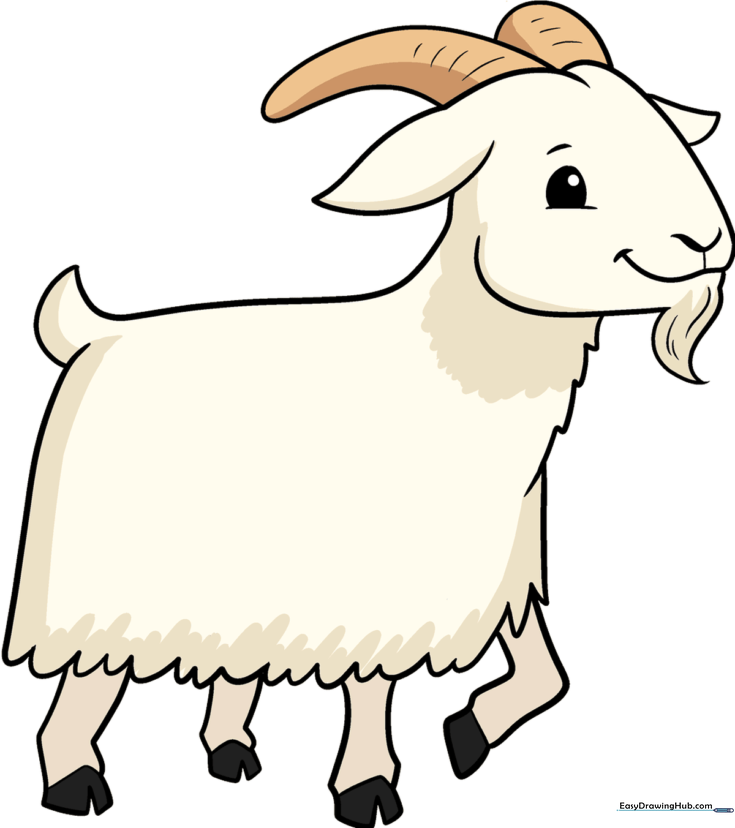
Cartoon Goat
Goats have fun, rectangular pupils and little beards. This tutorial helps you master those quirky details. Tip: Draw the horns with a slight curve to give your goat personality.
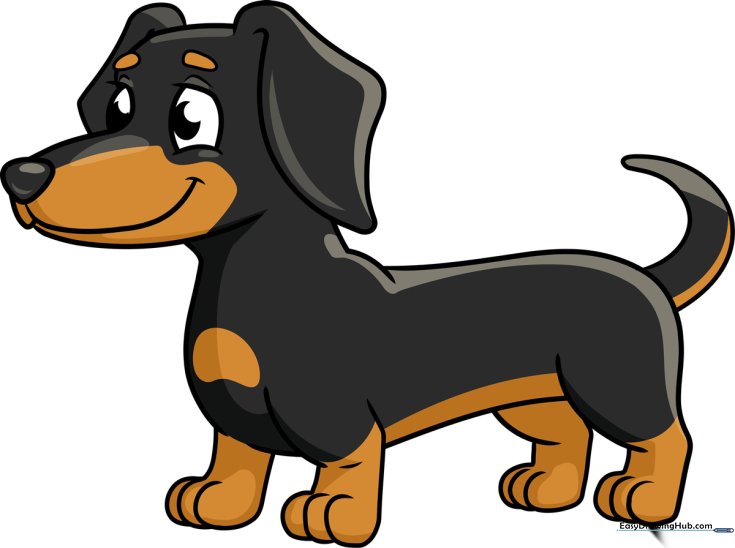
Dachshund
The dachshund's long body is the key to this drawing. Tip: Use a long, horizontal oval as your base shape to keep the proportions correct for this 'wiener dog' silhouette.
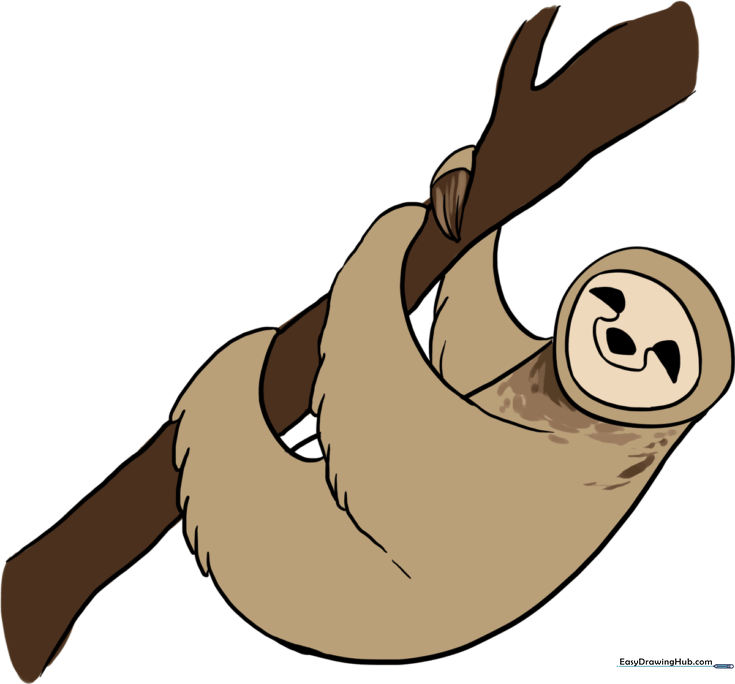
Sloth
Sloths have a very relaxed posture. Focus on the long, curved claws. Tip: Draw the eyes close together to capture that sleepy, slow-motion expression.
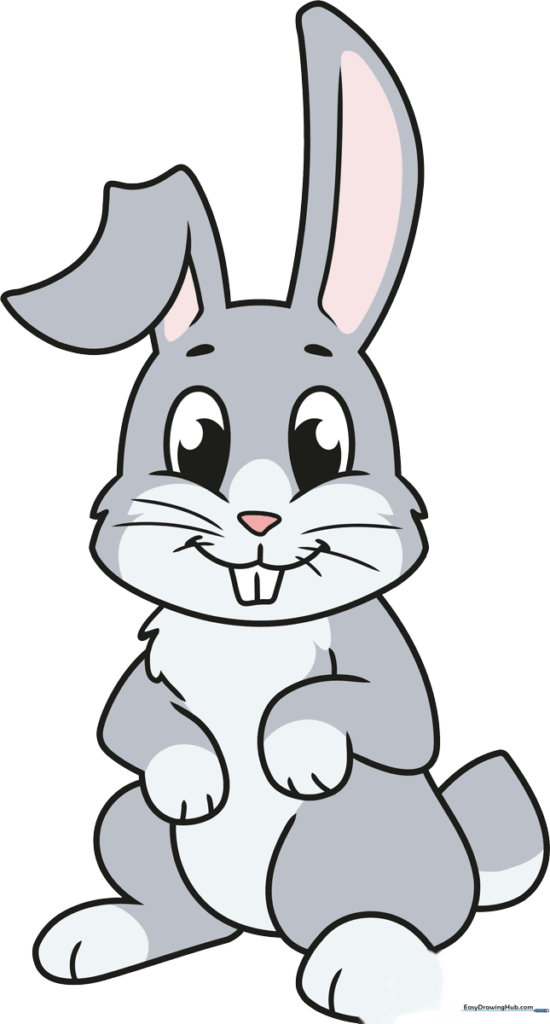
Cartoon Bunny
Bunnies are all about those long, expressive ears. Tip: Draw the ears at different angles to give your bunny a playful, curious personality.
Cartoon Squirrel
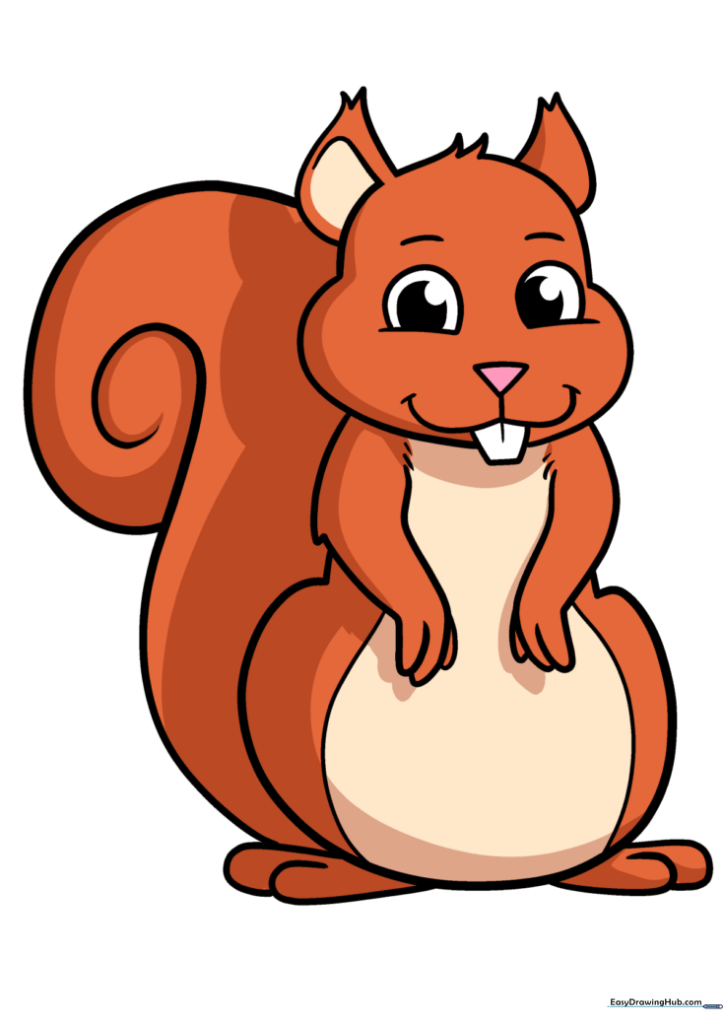
The squirrel's tail is its most important feature. Make it large and wavy! Tip: Add a small nut in its paws to complete the classic squirrel look.
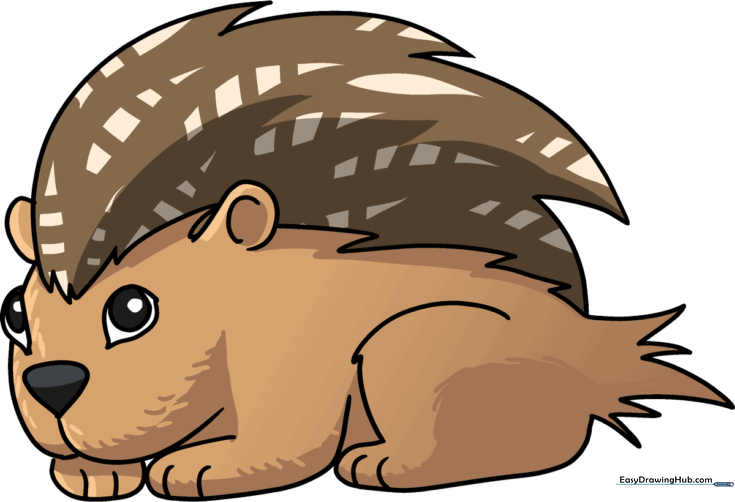
Porcupine
Porcupines are fun because of their quills. Tip: Use short, sharp 'V' shapes all over the back to create the illusion of spikes without needing to draw every single one.
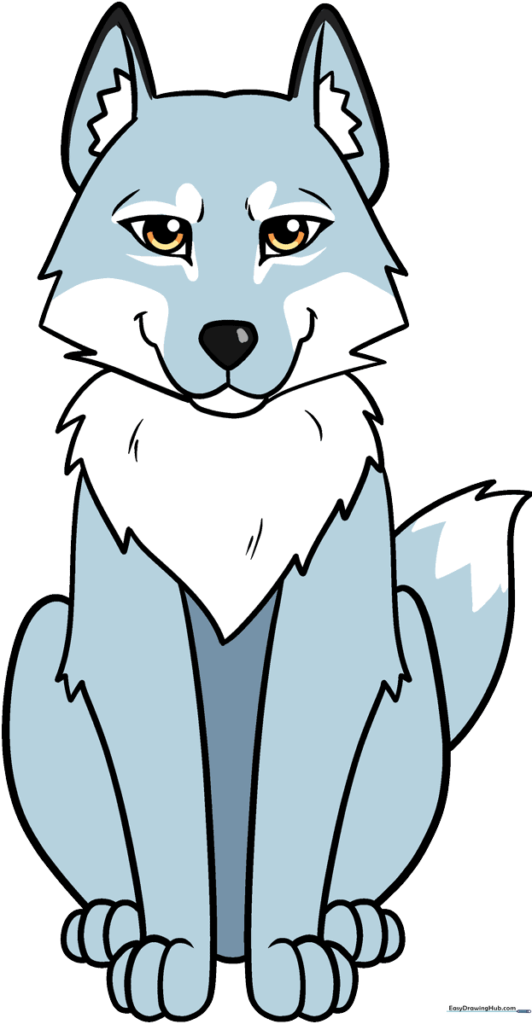
Wolf
Focus on the strong, muscular build of the wolf. Tip: Draw the chest slightly wider than the hips to give your wolf a powerful, regal stance.
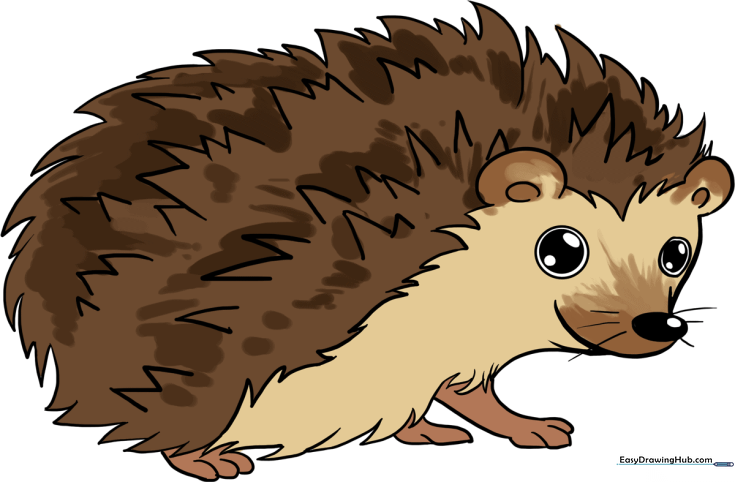
Hedgehog
Hedgehogs are round and spiky. Tip: Start with a simple circle for the body, then add the spikes around the top half to keep the shape balanced.
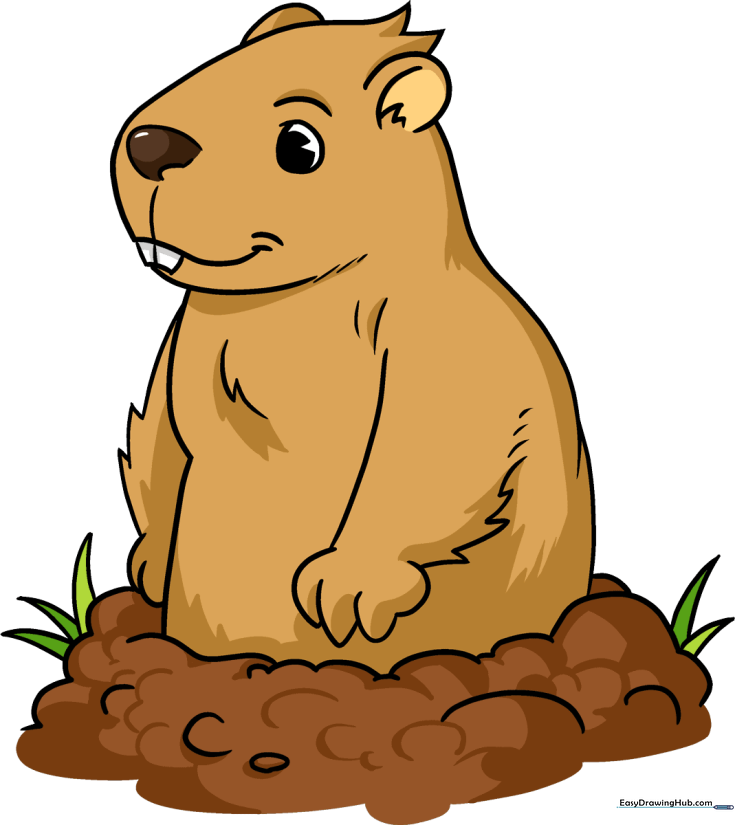
Groundhog
Groundhogs have a sturdy, chunky appearance. Tip: Draw the front paws slightly larger to show them ready for digging.
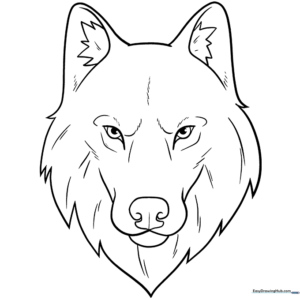
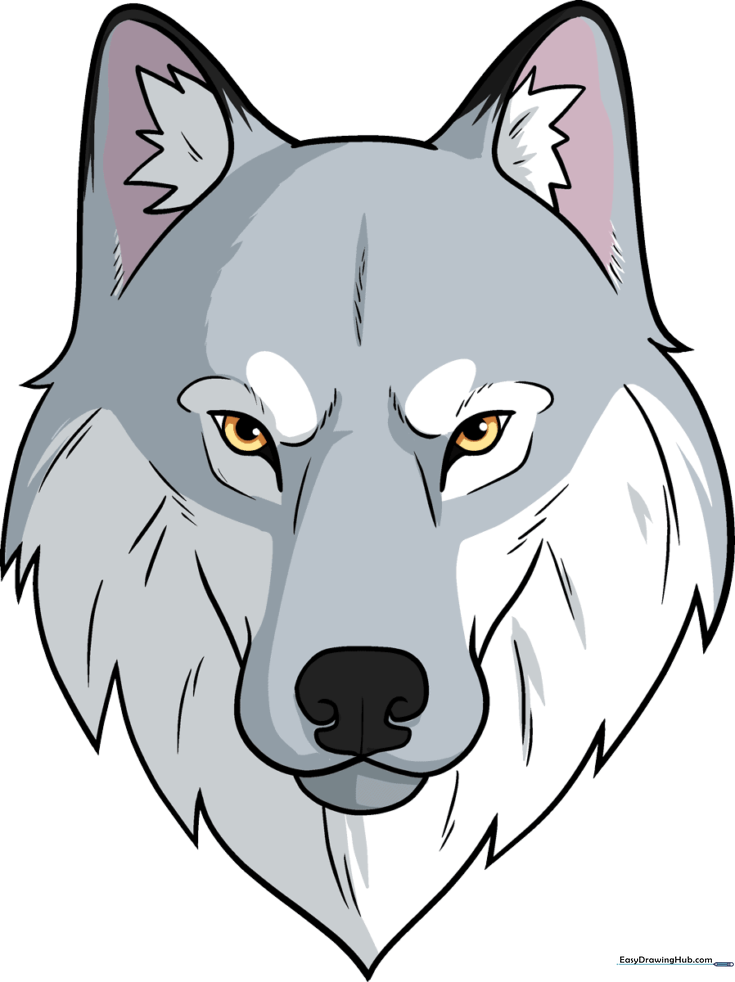
Wolf Face and Head
Focus on the intense gaze of the wolf. Tip: Draw the eyes slightly slanted to give the face a more realistic, wild look.
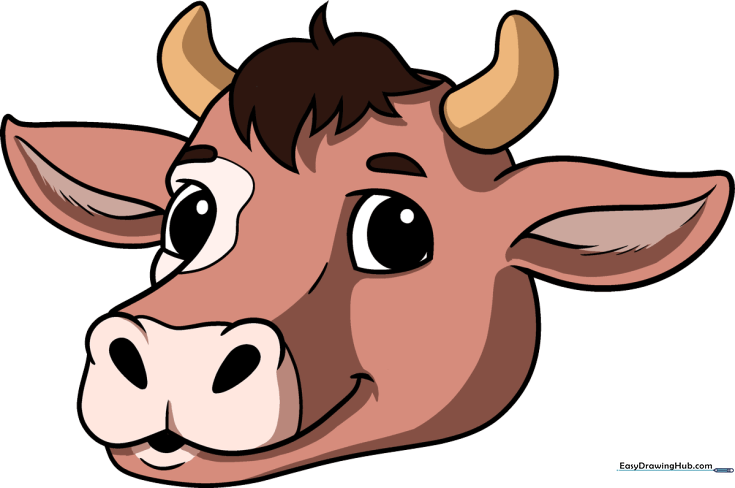
Cow Face and Head
Cows have large, gentle eyes and soft muzzles. Tip: Draw the nose as a large, rounded shape to make it look soft and friendly.
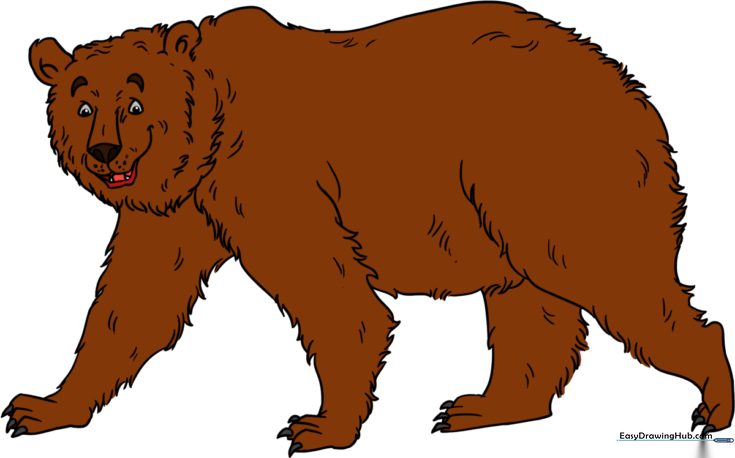
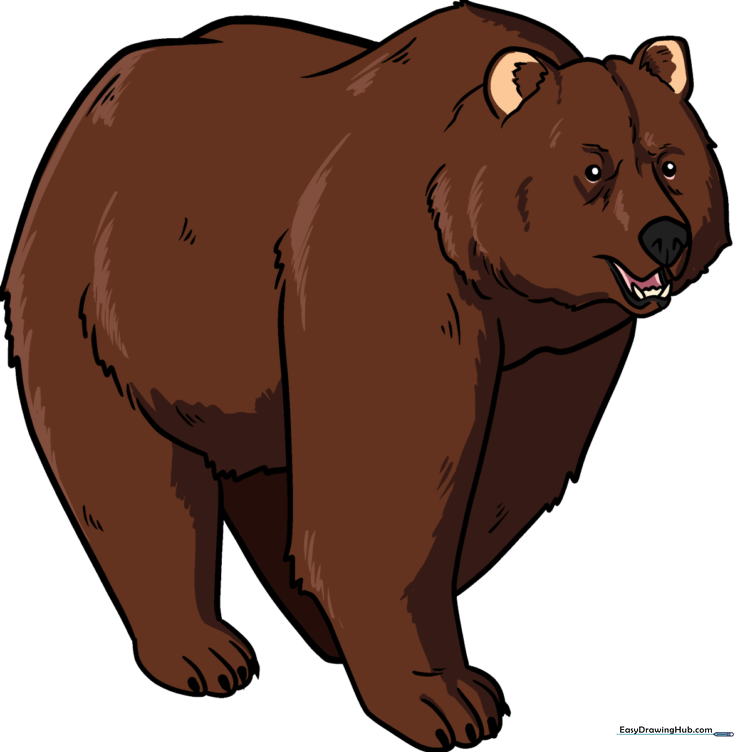
Grizzly Bear
Grizzly bears are powerful. Tip: Use thicker, darker lines for the shoulders to emphasize their strength and size.
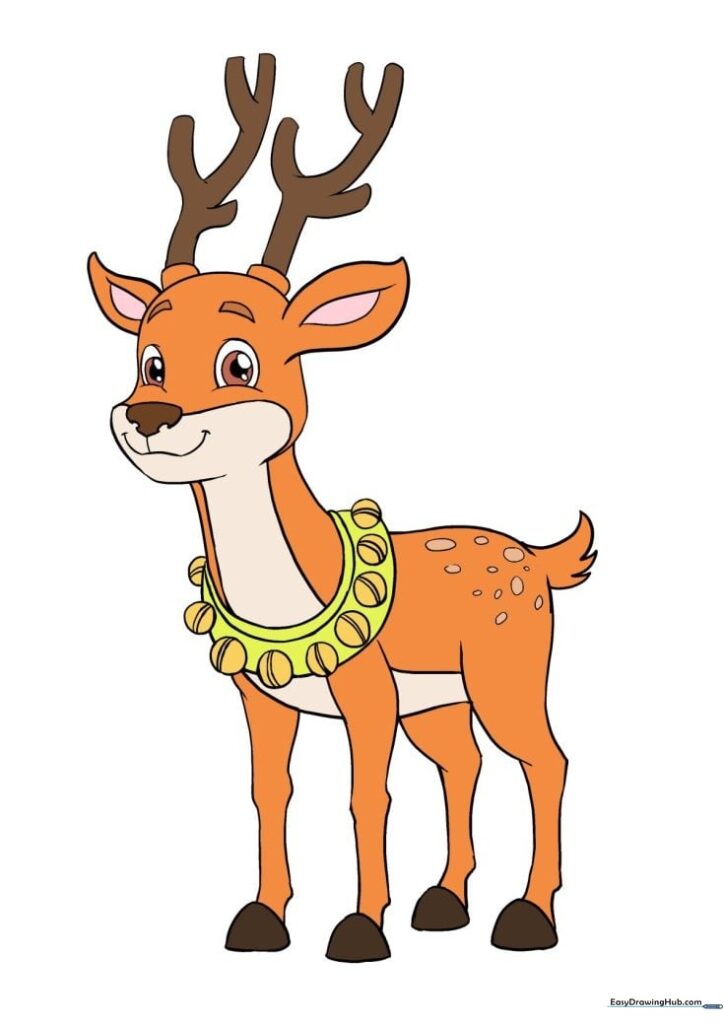
Cartoon Reindeer
Antlers are the star of this drawing! Tip: Draw the antlers with simple, branching 'Y' shapes to keep them manageable for beginners.
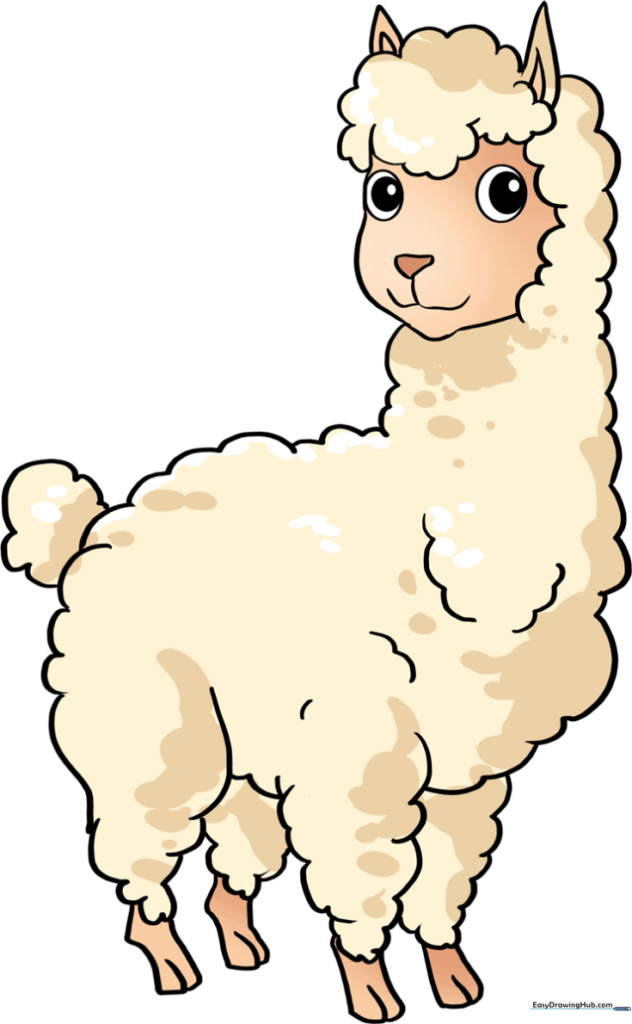
Llama
Llamas have long necks and fluffy wool. Tip: Use small, zig-zag lines to represent the texture of their thick, shaggy coat.
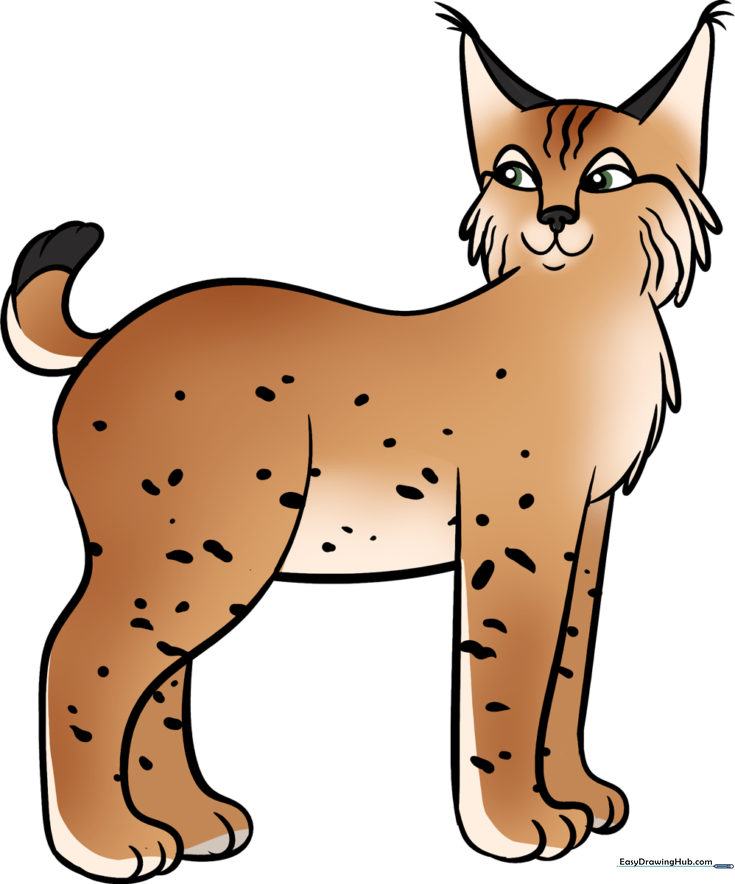
Bobcat
Bobcats have distinct tufted ears. Tip: Draw small triangles at the tips of the ears to capture this unique feature.
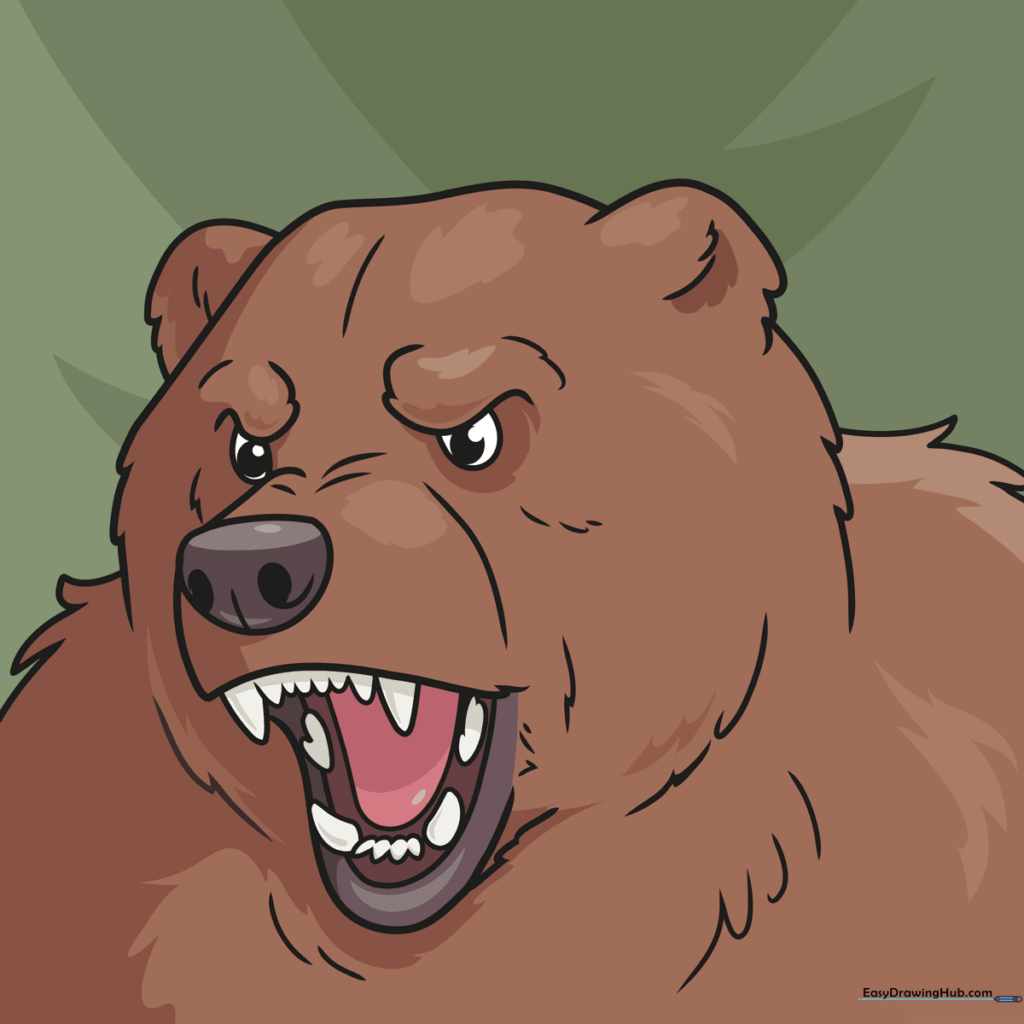
Bear Face
Focus on the wide, powerful snout. Tip: Draw the mouth as a curved line to show the bear roaring or growling.
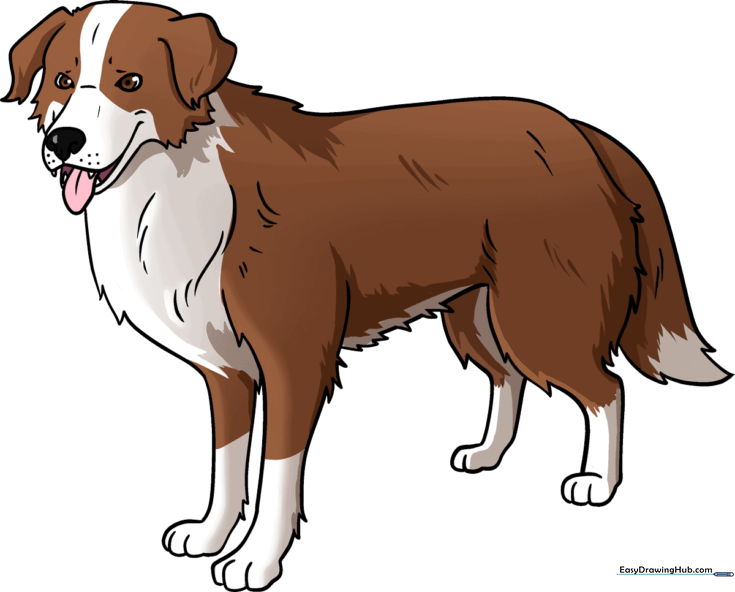
Realistic Dog
Focus on the proportions of the head and body. Tip: Use light, sketch-like lines for the fur to make it look soft and natural.
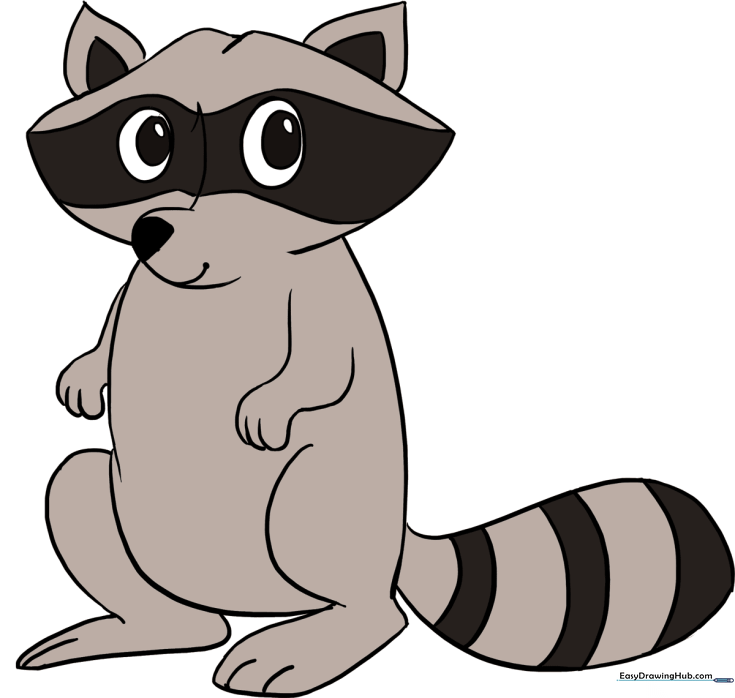
Raccoon
The mask around the eyes is the most important part of a raccoon. Tip: Draw the mask first, then add the eyes inside to ensure they are perfectly placed.
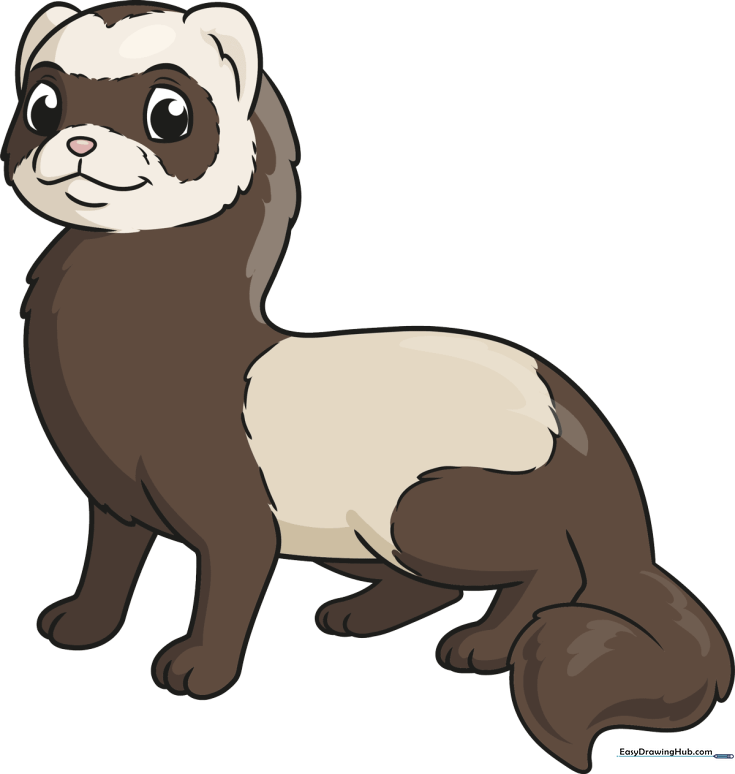
Ferret
Ferrets have long, slender bodies. Tip: Draw a long, curved shape for the body to show their flexible, wiggly nature.
Bear
This is a versatile bear template. Tip: Change the shape of the ears or the color of the fur to turn this into a polar bear, panda, or brown bear!
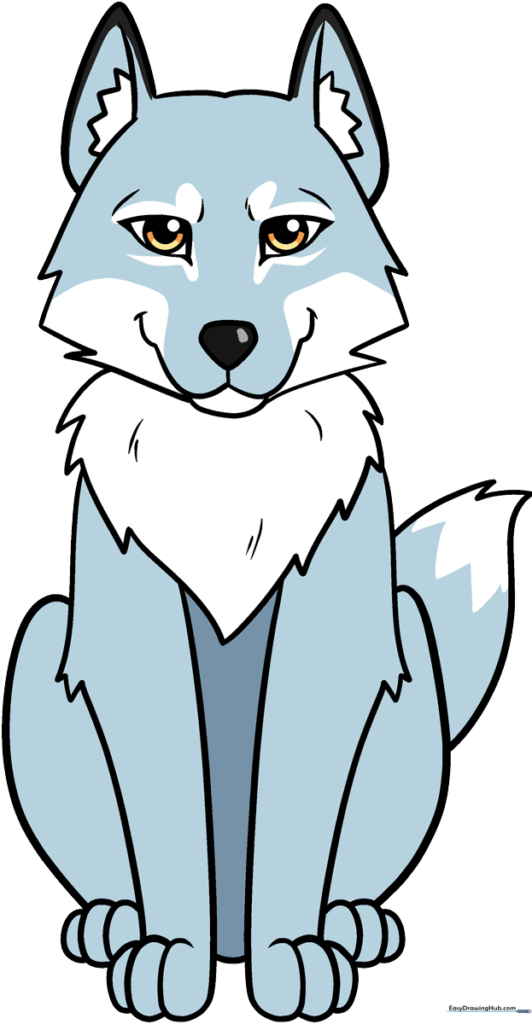
Cartoon Wolf
Capture the spirit of the wild with this friendly cartoon wolf. Tip: Use long, sweeping strokes for the tail to give it a fluffy, textured look.
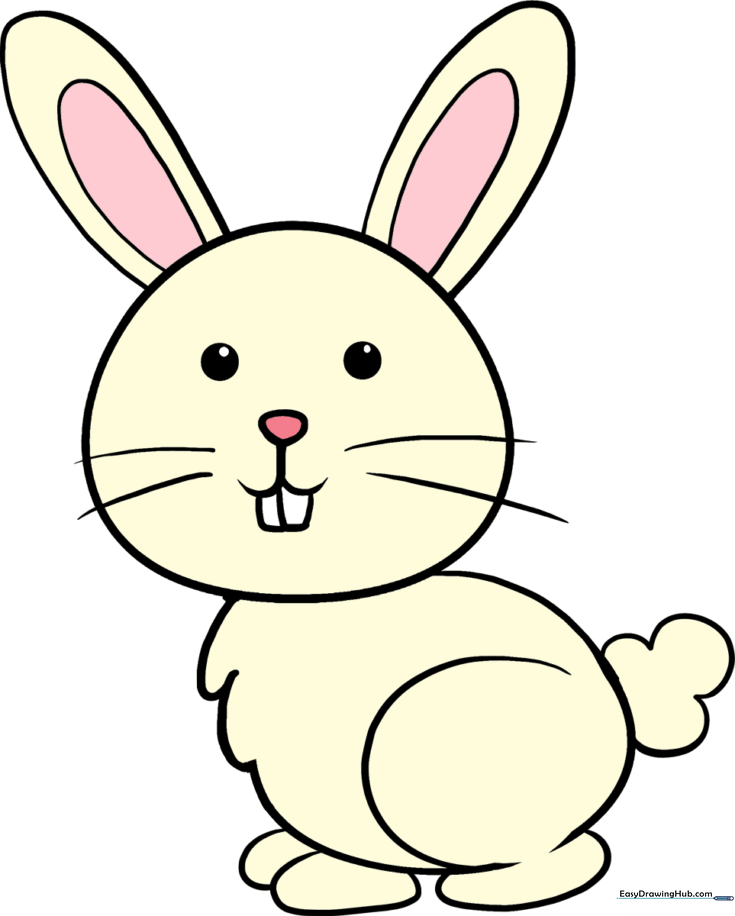
Bunny
A perfect starter project for young artists. Tip: Keep your pencil pressure light when sketching the ears so you can easily adjust their shape for a perky look.
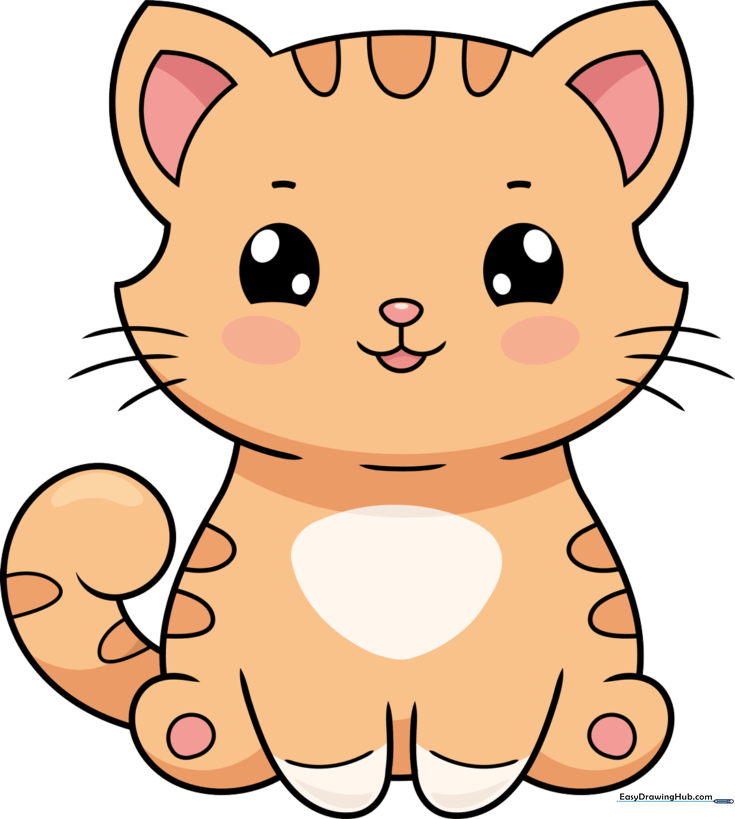
Cute Cartoon Cat
Bring a playful kitten to life. Tip: Use small, quick dashes around the edges to simulate soft fur texture rather than drawing solid, harsh lines.
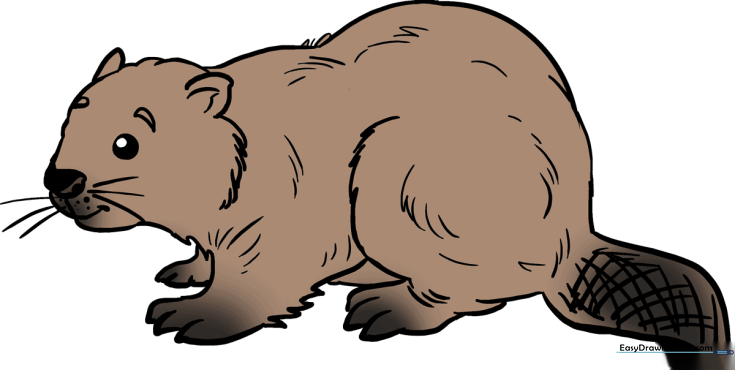
Beaver
Learn to draw this industrious builder. Tip: Focus on the flat, paddle-like tail—it’s the key feature that makes a beaver instantly recognizable.
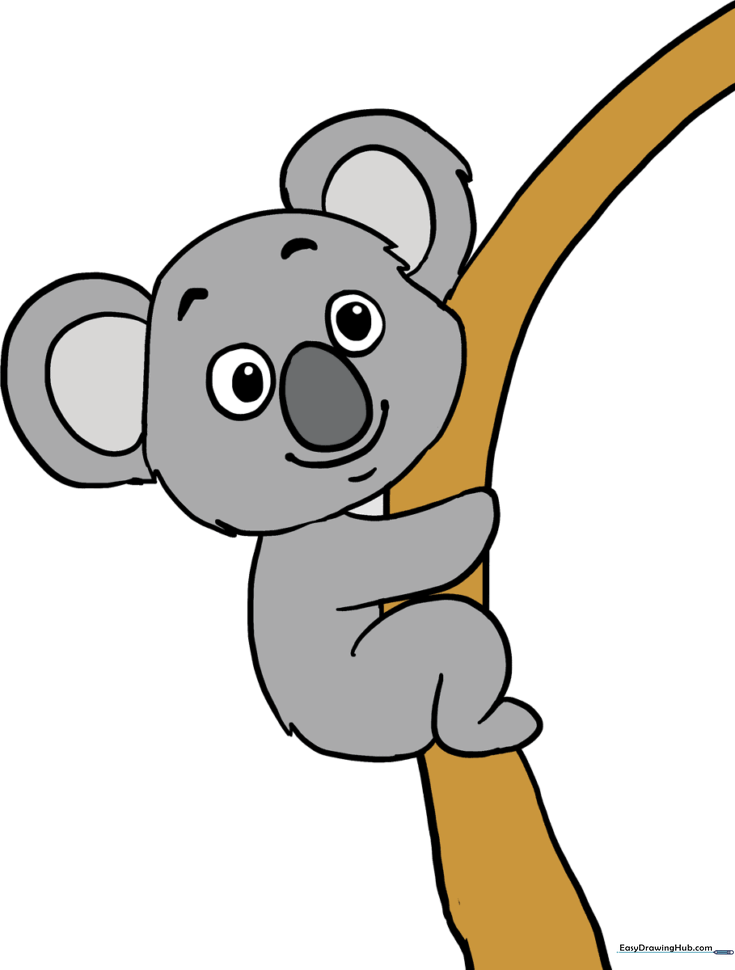
Koala
Draw a cozy koala resting in a tree. Tip: Keep the nose large and oval-shaped to capture that classic, adorable koala expression.
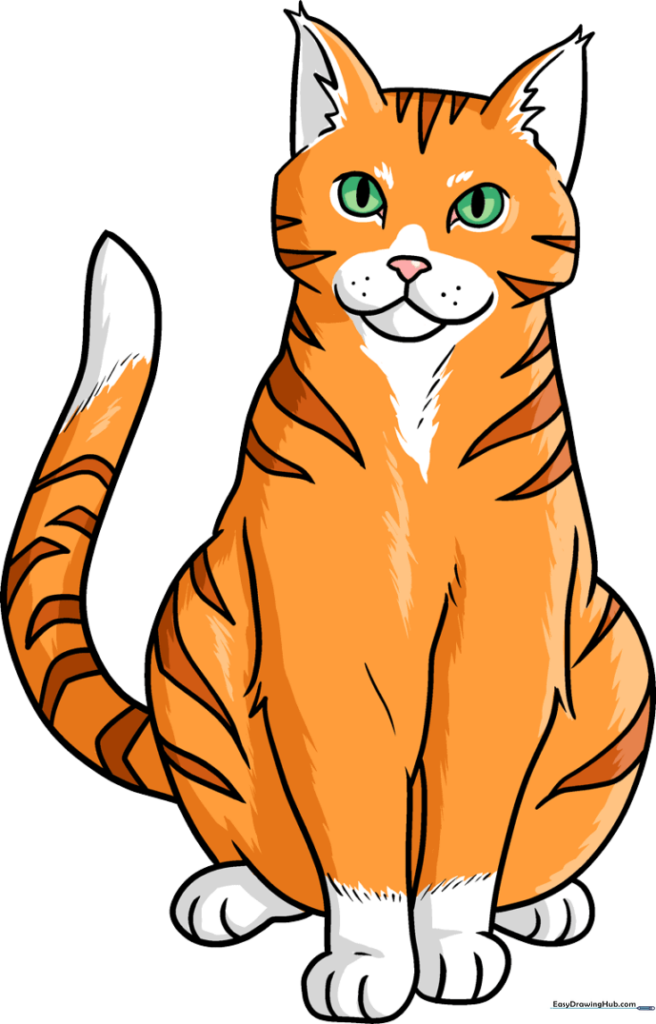
Orange Tabby Cat
Practice your shading with this tabby cat. Tip: Use light, parallel lines to create the striped pattern, following the curve of the cat's body for a 3D effect.
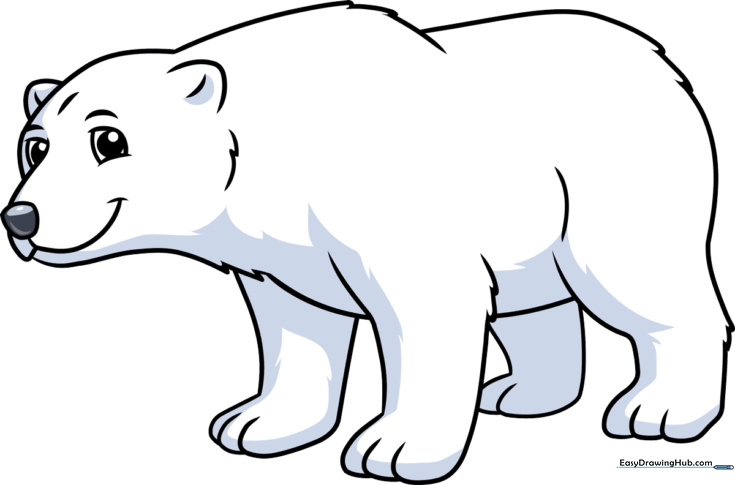
Cartoon Polar Bear
Create a friendly arctic friend. Tip: Since polar bears are white, use very light blue shading around the edges to give the drawing depth without using dark colors.
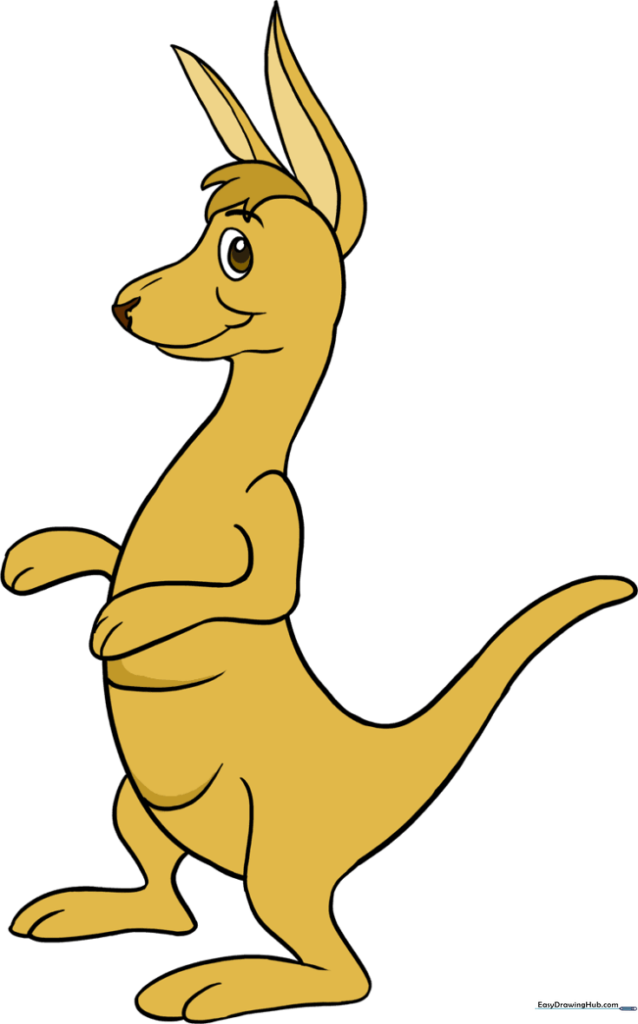
Cartoon Kangaroo
Hop into art with this fun kangaroo. Tip: Draw the pouch as a simple semi-circle on the belly—it's the perfect spot to add a little joey later!
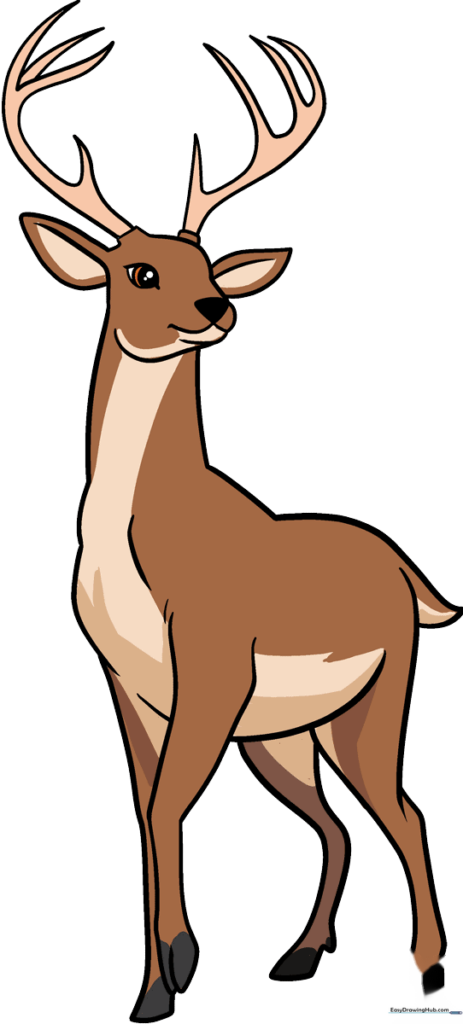
Deer
Draw a graceful deer. Tip: Use light, delicate lines for the legs to keep the animal looking elegant and slender rather than bulky.
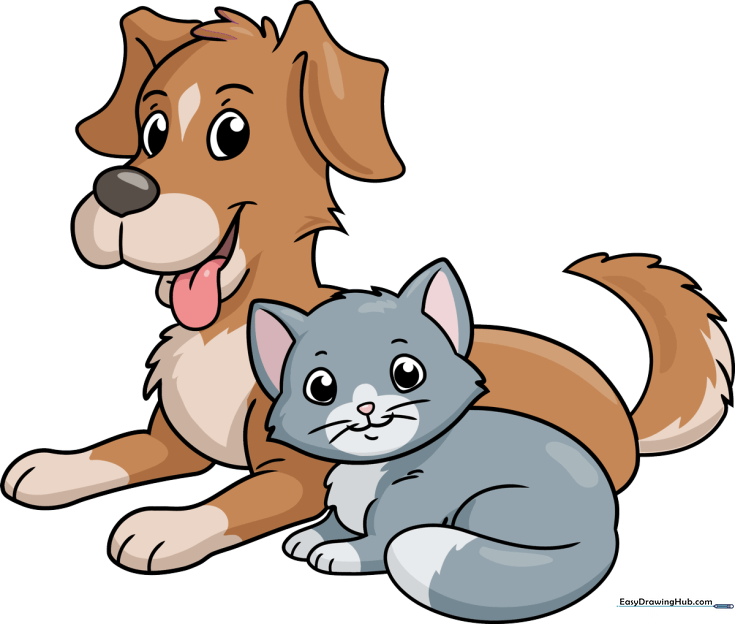
Cat and Dog
Celebrate friendship with this duo. Tip: Draw the dog slightly larger than the cat to create a natural sense of scale between the two animals.
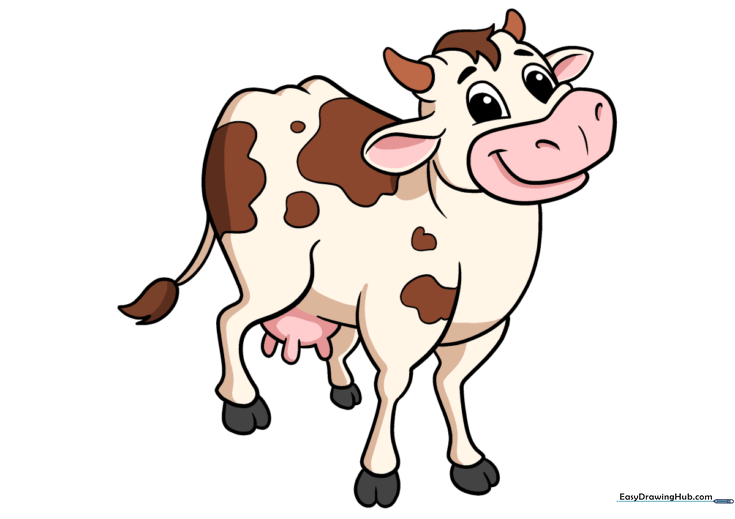
Cartoon Cow
Moo-ve into drawing farm animals. Tip: Add irregular, rounded shapes on the body to create the cow's spots—don't worry about making them perfect!
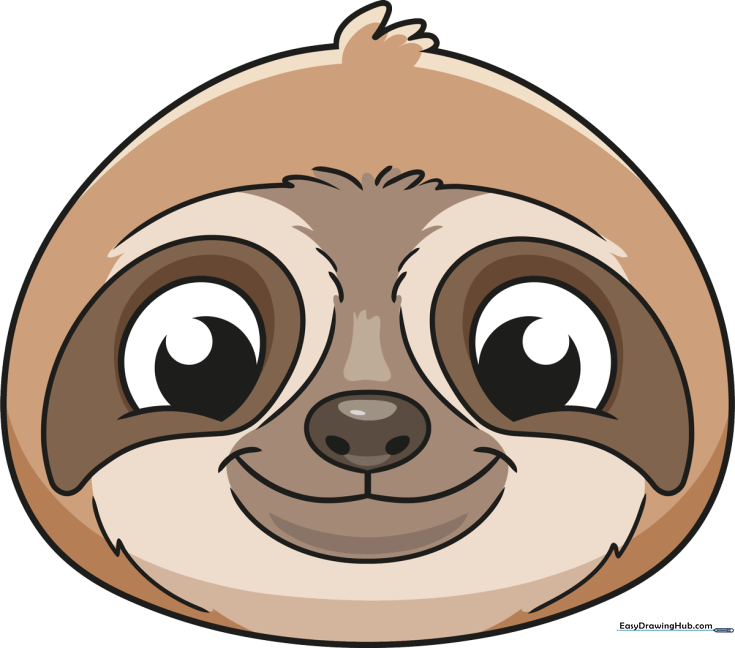
Easy Sloth Face
Focus on the details of a sloth's face. Tip: The dark 'mask' around the eyes is the most important part—keep it symmetrical for a cute look.
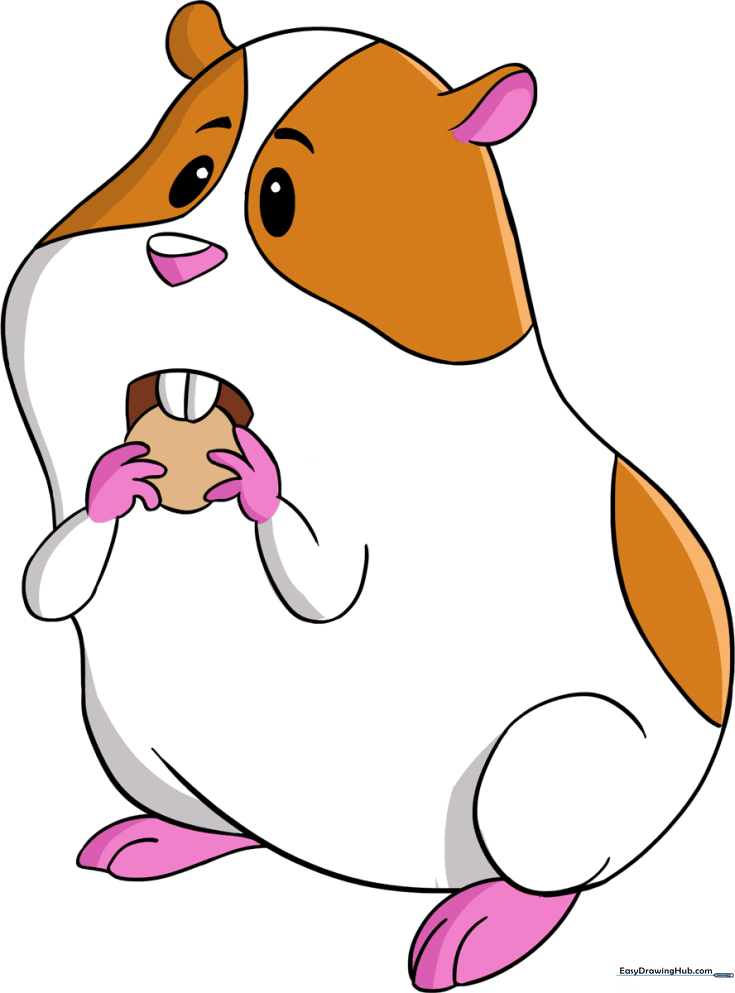
Hamster
Draw a tiny, adorable hamster. Tip: Use small, rounded shapes for the cheeks to make your hamster look like it's storing a snack!
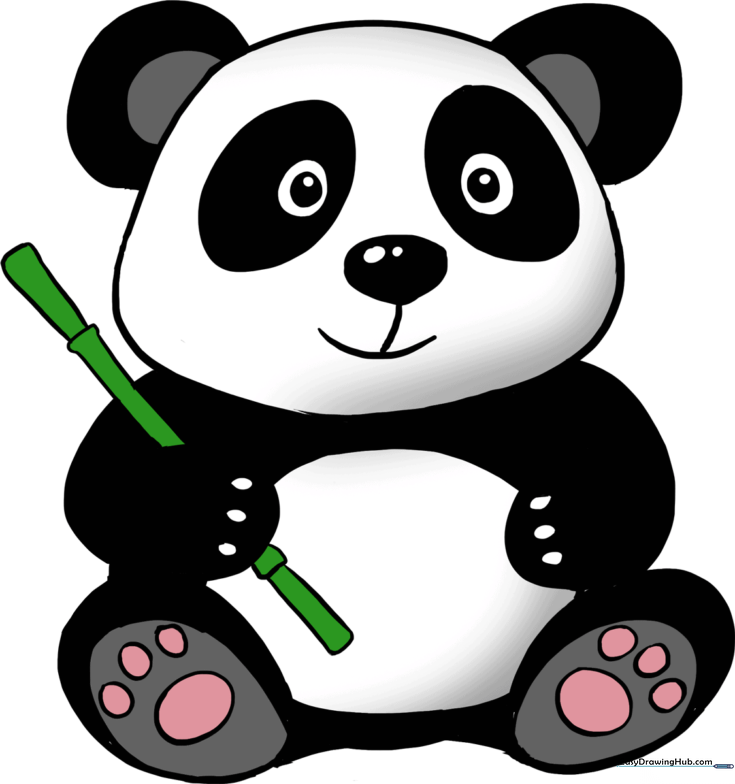
Cartoon Panda
Draw a classic panda bear. Tip: Use a black marker or dark pencil to fill in the eye patches and ears—this high contrast is what makes a panda look real.
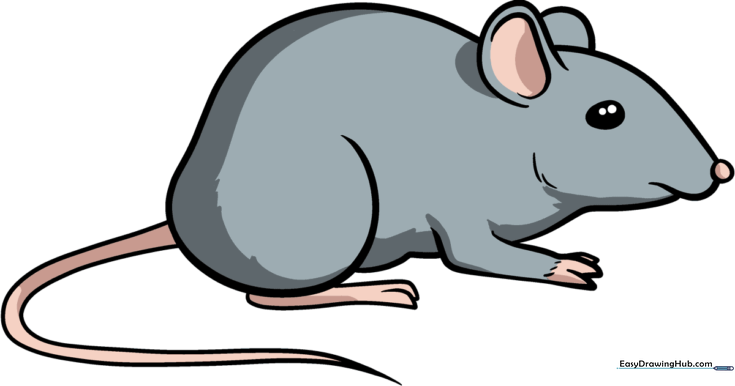
Mouse
Sketch a tiny mouse with big personality. Tip: Draw the ears large and circular; they provide a great balance to the small, pointed nose.
Rat
Try your hand at a realistic rat. Tip: Focus on the long, slender tail and whiskers—these details add a touch of realism to your sketch.
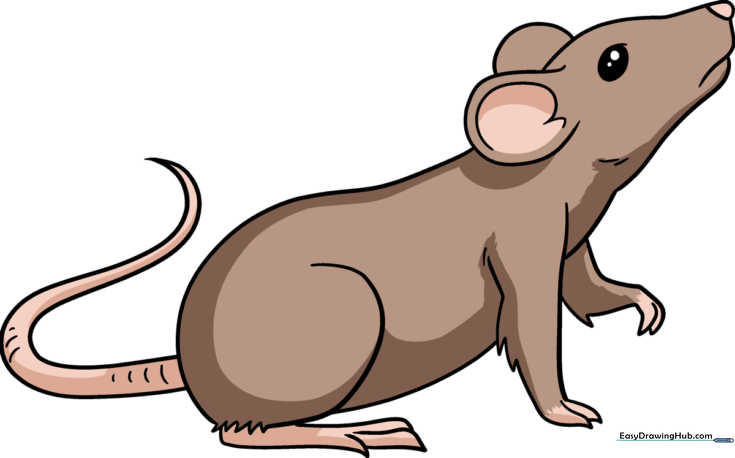
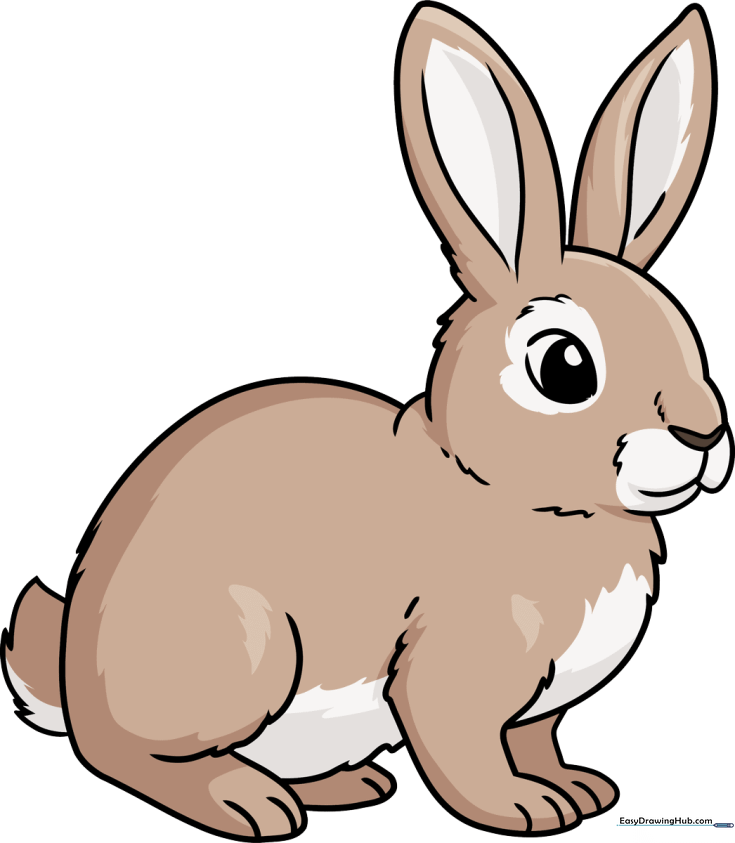
Rabbit
Level up your bunny drawing skills. Tip: Use soft, curved lines for the back to show the rabbit's natural, hunched posture.
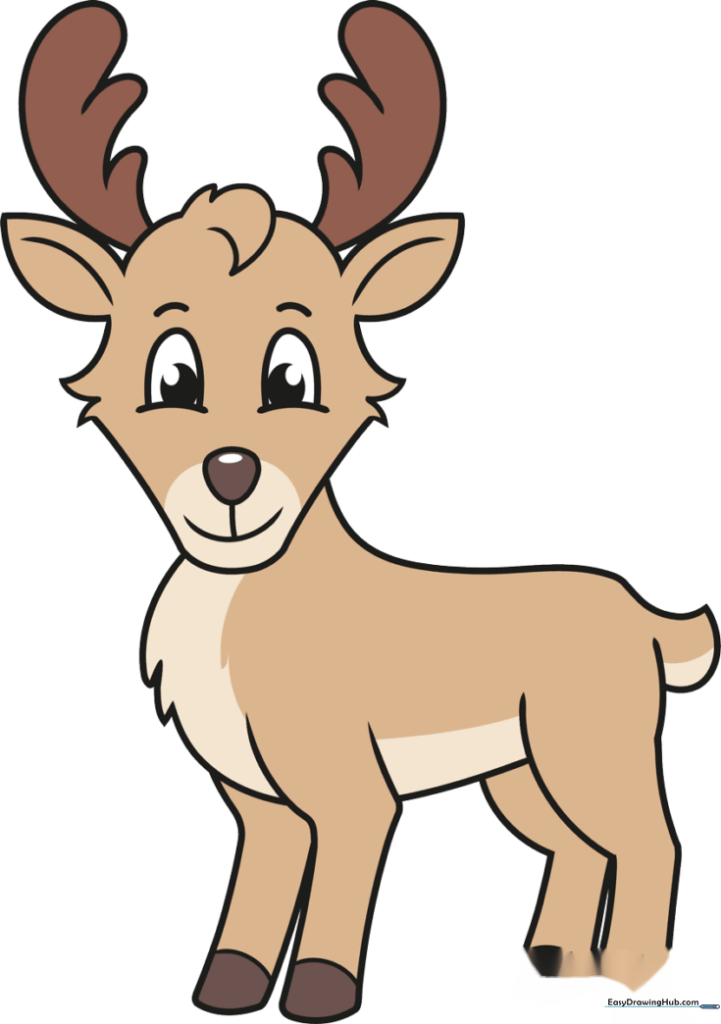
Easy Cartoon Reindeer
Draw a festive reindeer. Tip: Make the antlers look like branches by adding smaller 'twigs' coming off the main stems.
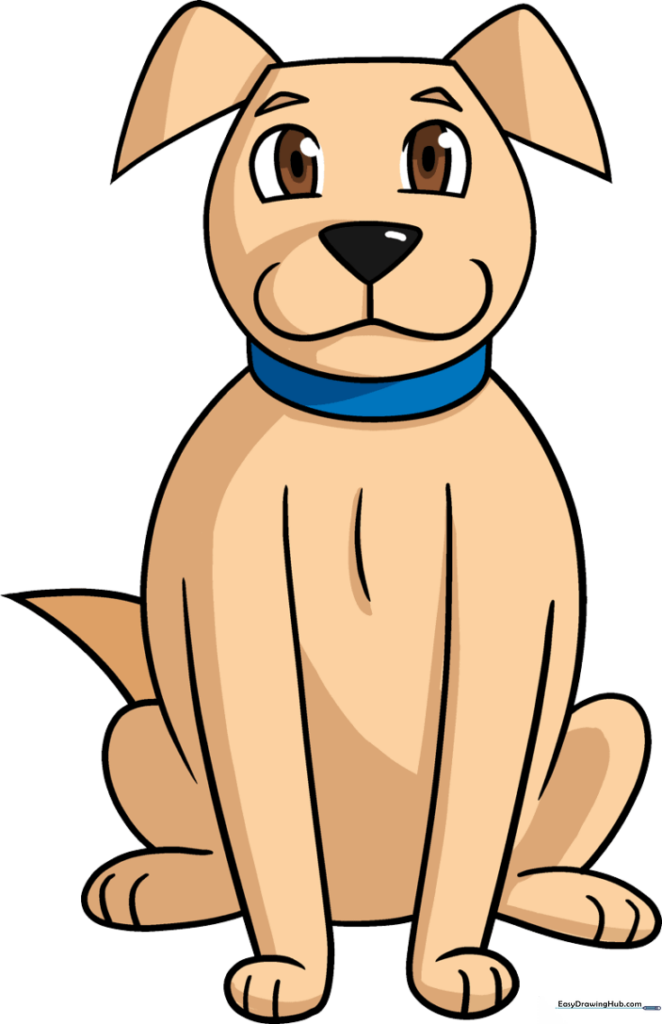
Easy Dog
A classic dog drawing for beginners. Tip: Use simple triangles for the ears—they are the easiest way to give your dog a happy, alert look.
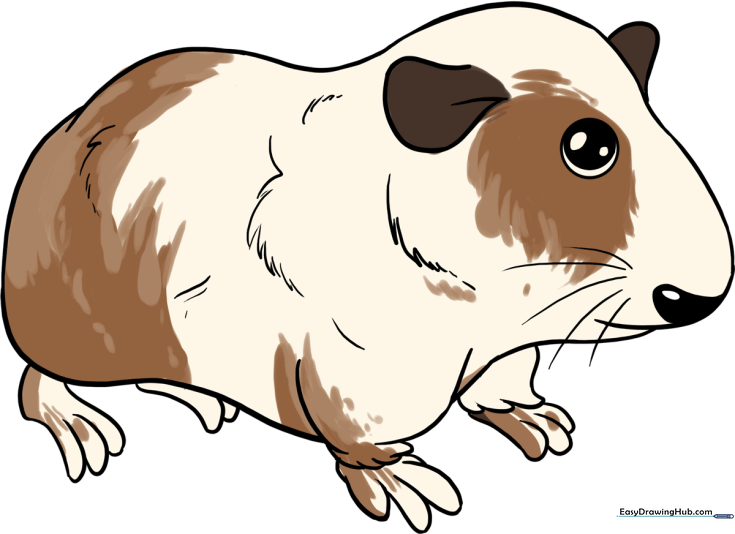
Guinea Pig
Capture the charm of a guinea pig. Tip: Keep the body shape rounded and compact to reflect their natural, cuddly appearance.
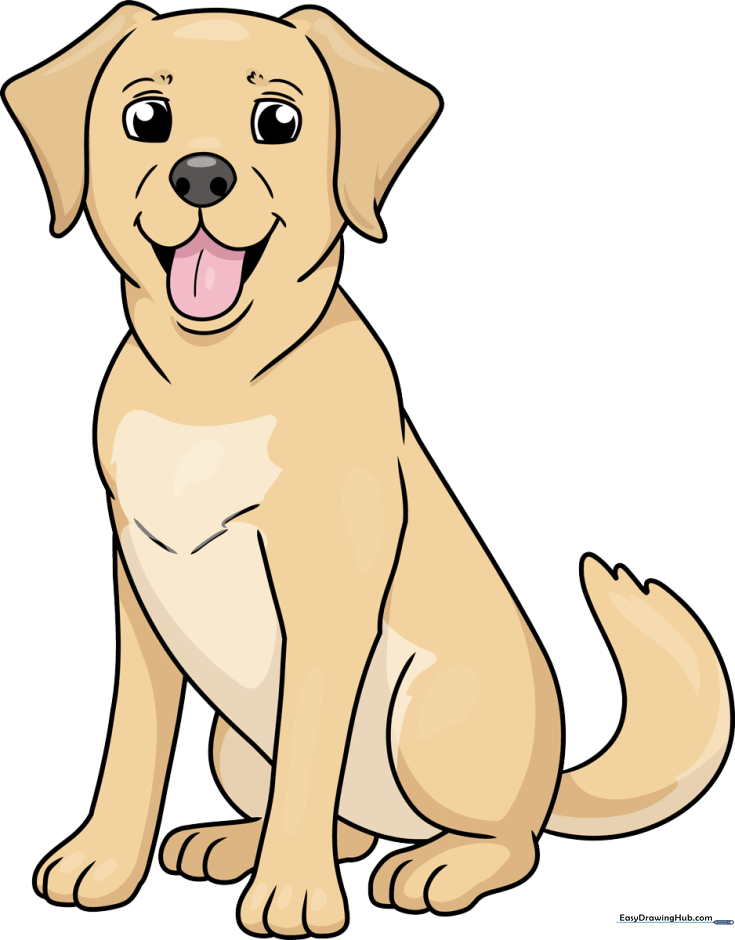
Labrador
Draw a loyal Labrador retriever. Tip: Use soft, rounded lines for the muzzle to capture that classic, friendly 'Lab' expression.
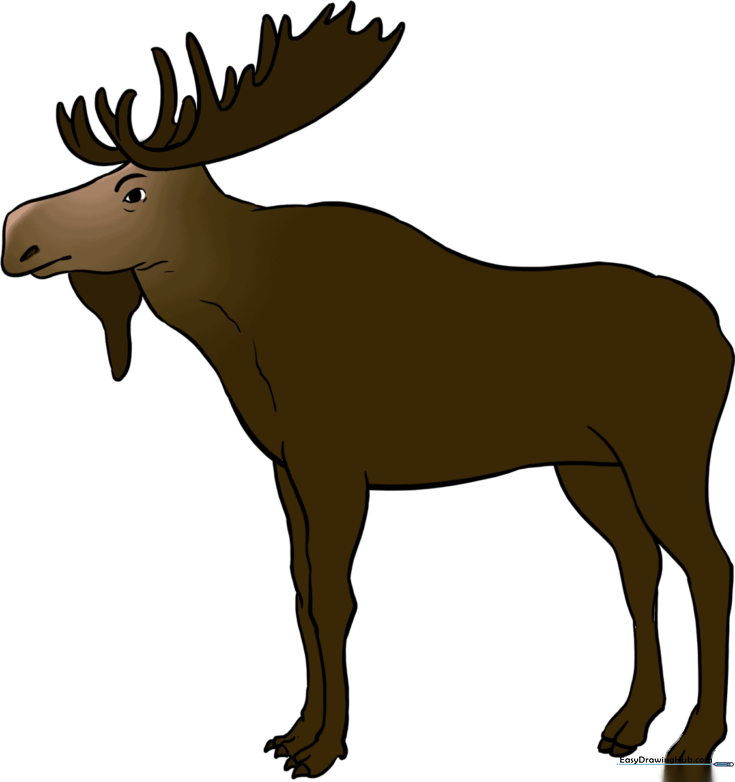
Moose
Draw a mighty moose. Tip: The antlers are huge and flat—draw them as large, wide shapes before adding the smaller points at the edges.
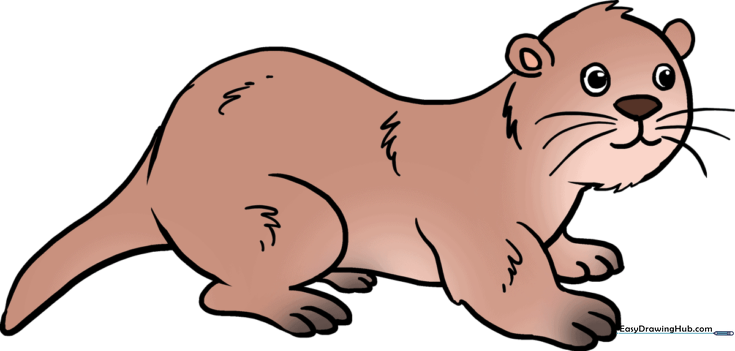
Otter
Draw a playful otter. Tip: Keep the body long and flexible-looking to show how they move through the water.
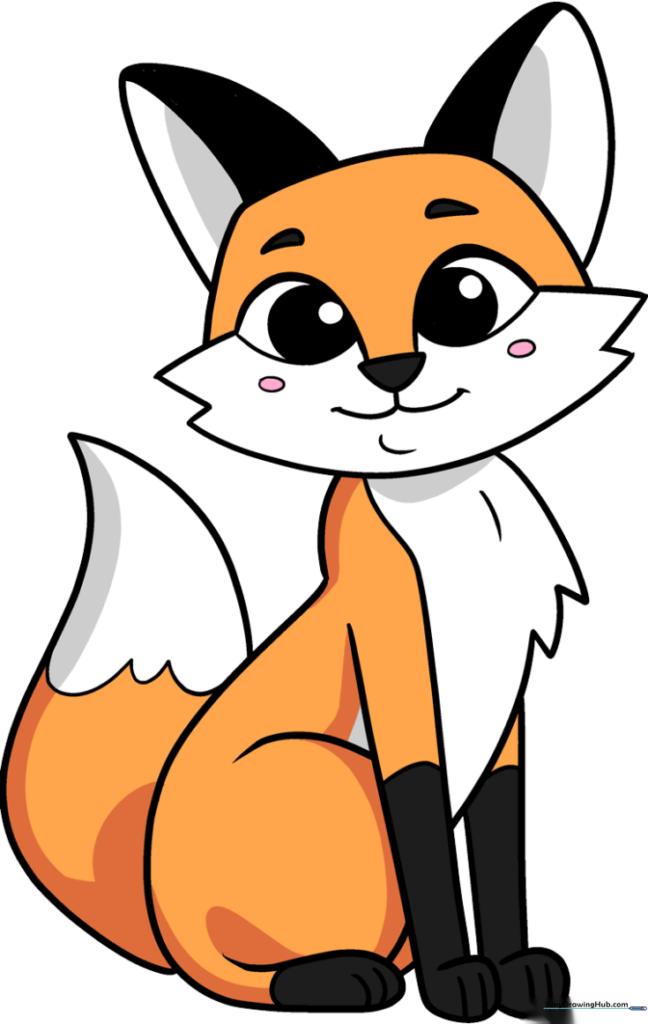
Fox
Sketch a clever fox. Tip: The bushy tail with a white tip is the signature feature—make it nice and big to give your fox character.
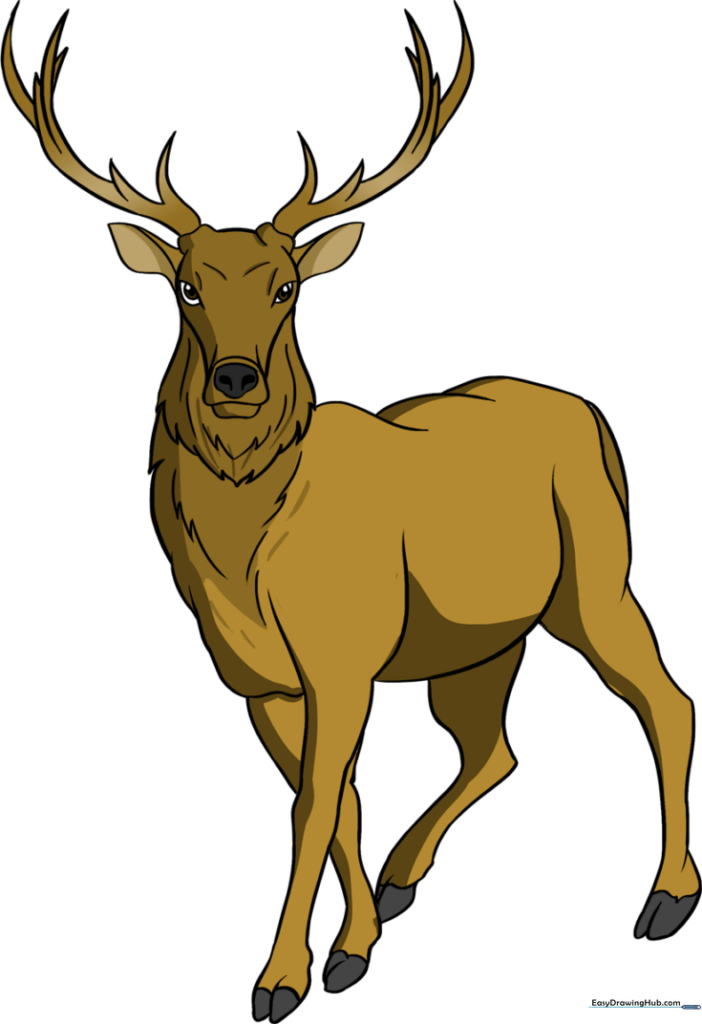
Elk
Draw a majestic elk. Tip: Focus on the neck area—elk have a distinct, thick mane that makes them look powerful and strong.
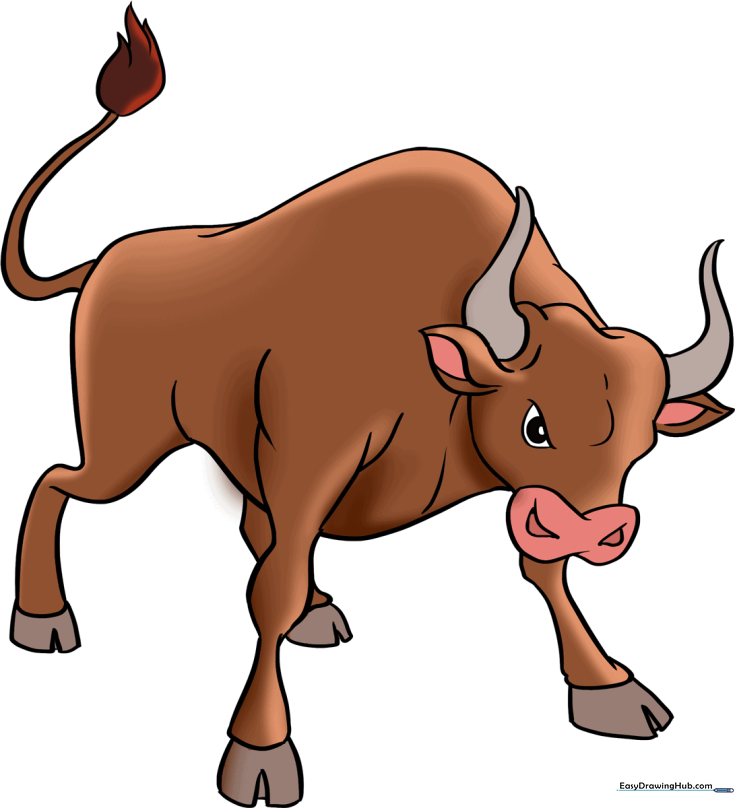
Bull
Capture the raw power of a bull using simple geometric shapes. Teacher's Tip: Focus on the curve of the back to show muscle; keep your lines bold to emphasize his strength.
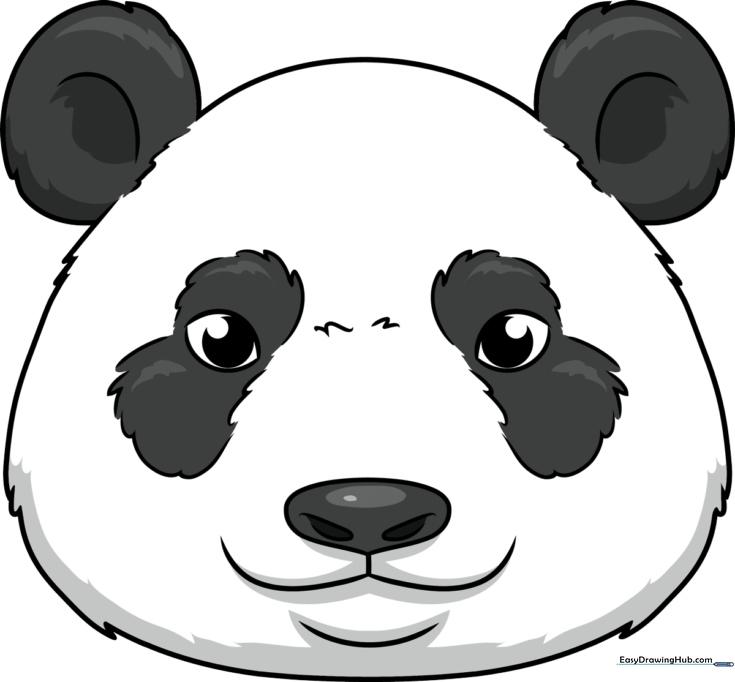
Panda Face
Create a charming panda portrait using circular symmetry. Teacher's Tip: Use a soft graphite pencil for the eye patches so you can smudge them slightly for a realistic fur texture.
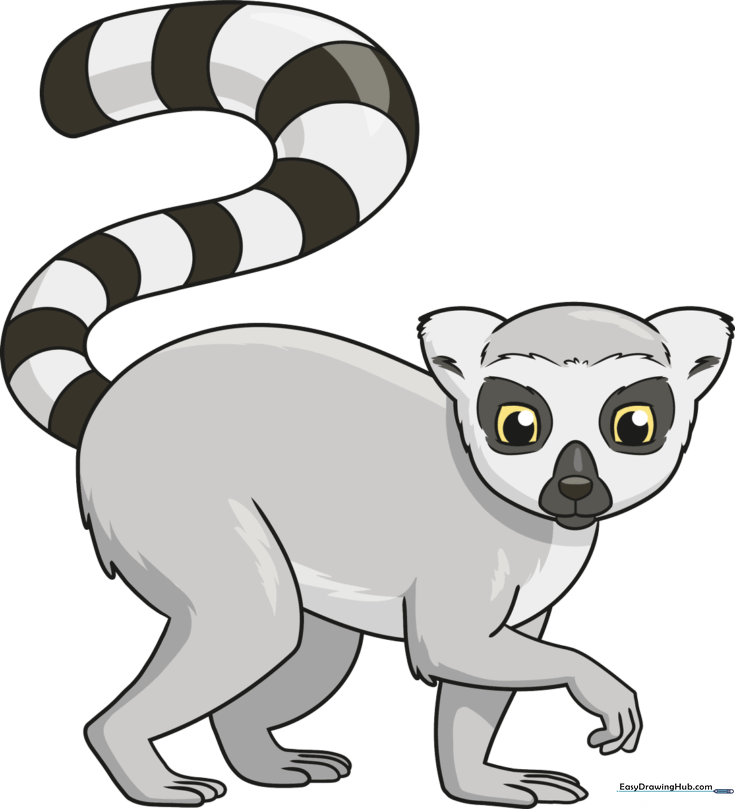
Lemur
Bring a lemur to life with its iconic ringed tail and mask-like eyes. Teacher's Tip: Use short, quick strokes for the tail stripes to mimic the look of soft fur.
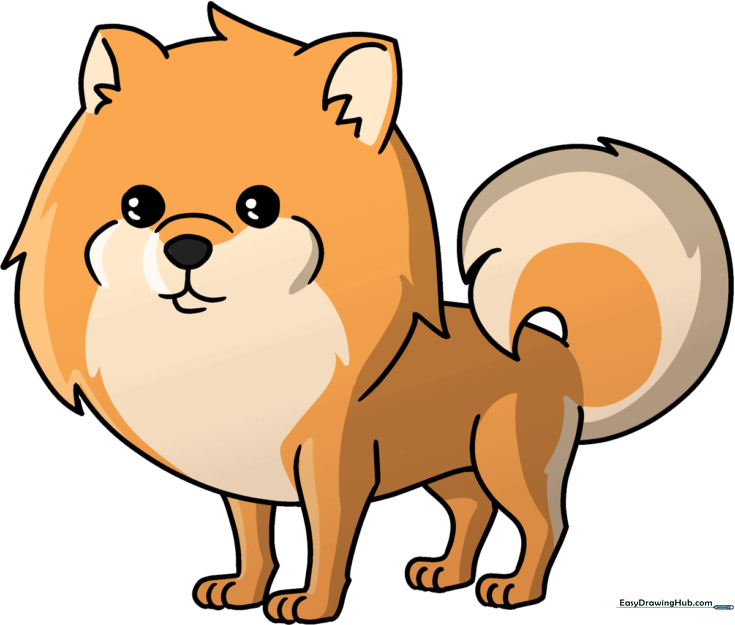
Pomeranian
Draw this fluffy companion with ease. Teacher's Tip: Use 'zig-zag' lines around the edges of the body to create the illusion of thick, soft Pomeranian fur.
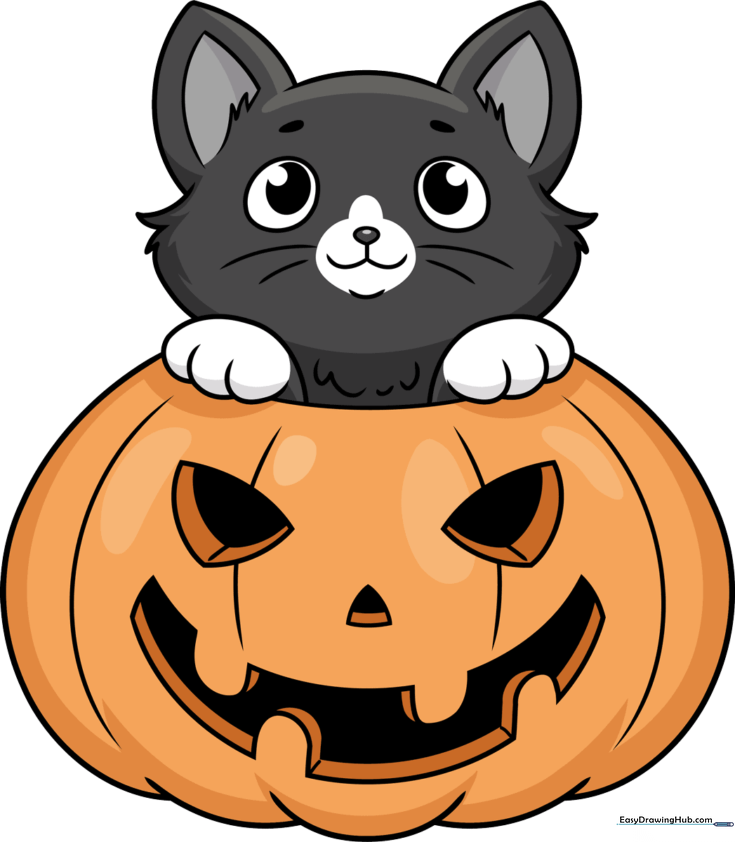
Halloween Cat
A festive kitten peeking from a pumpkin. Teacher's Tip: Draw the pumpkin first as a base, then add the cat's head to ensure the proportions look just right.
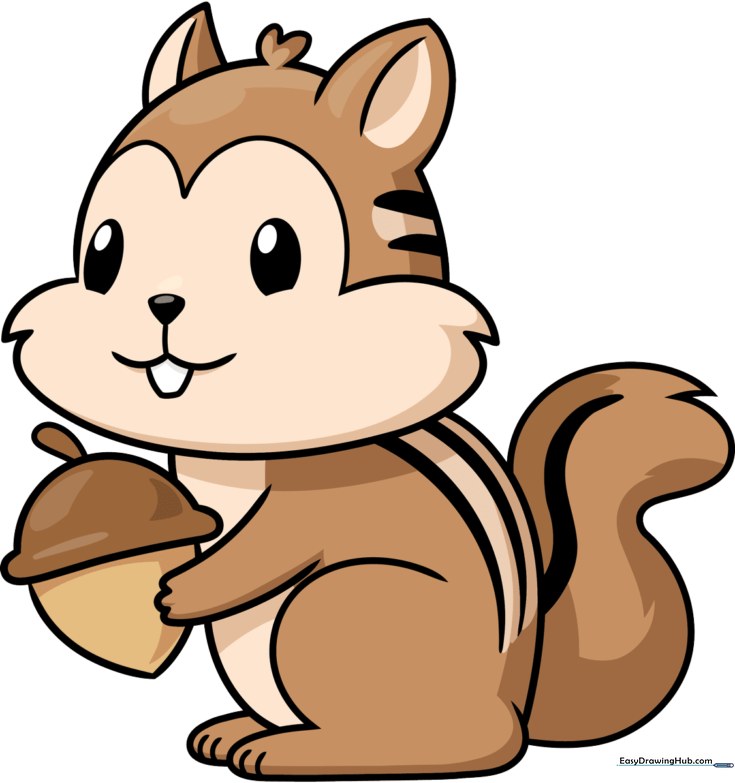
Easy Cartoon Chipmunk
Capture the energy of a chipmunk. Teacher's Tip: Keep the stripes on the back simple and parallel to give the character that classic chipmunk look.
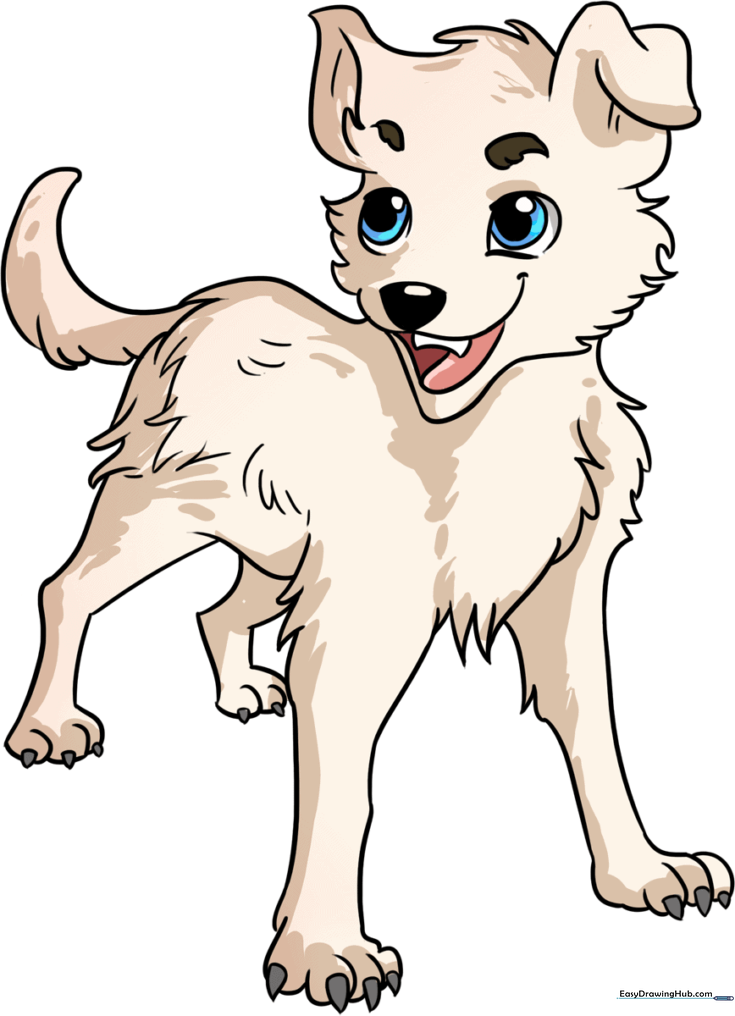
Anime Dog
Learn the dynamic style of anime. Teacher's Tip: Use sharp, angular lines for the ears and tail to give your dog that high-energy, expressive anime personality.
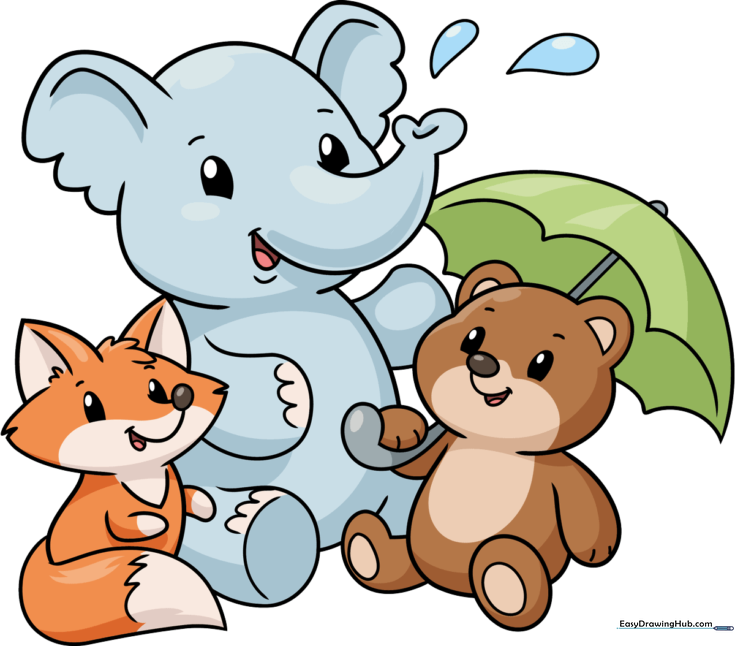
Cute Animals
Practice multiple animal forms in one go. Teacher's Tip: Focus on the 'big eyes, small nose' rule to make any animal look instantly cuter and more approachable.
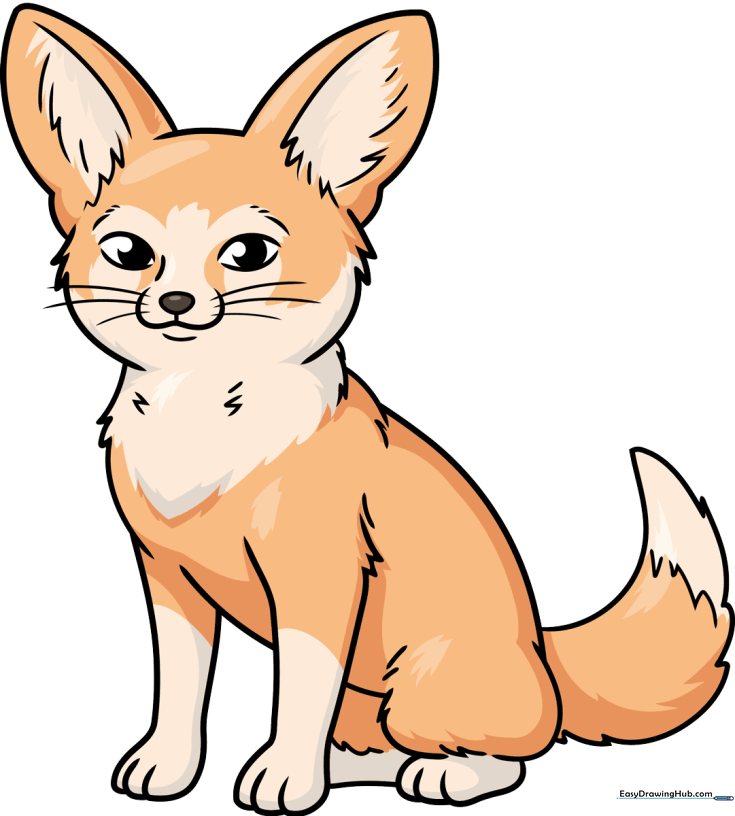
Fennec Fox
Draw the desert's most adorable resident. Teacher's Tip: Make the ears extra large—they are the most important feature for identifying this unique fox species!
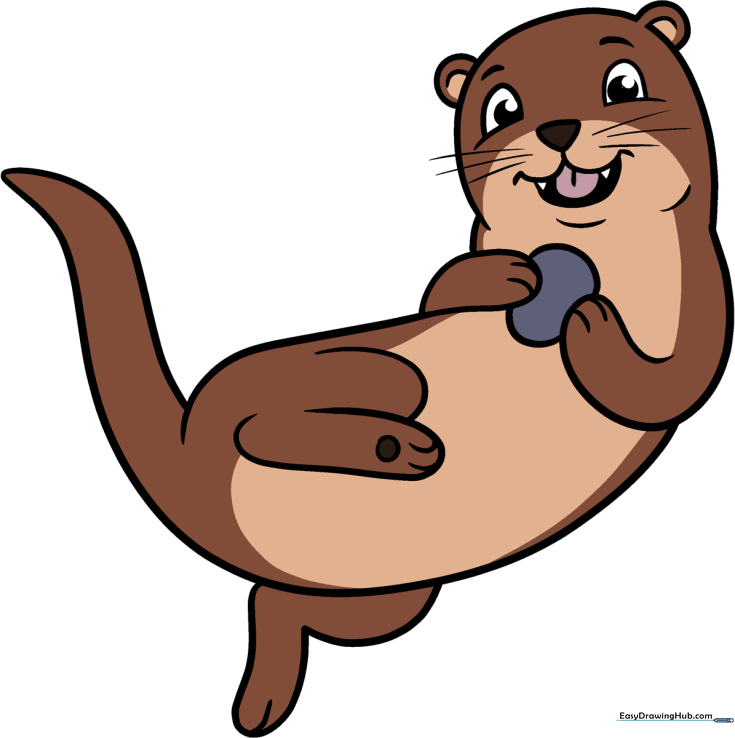
Cartoon Sea Otter
Draw a clever sea otter with its favorite tool. Teacher's Tip: When drawing the rock, keep it simple and round so it fits perfectly in the otter's paws.
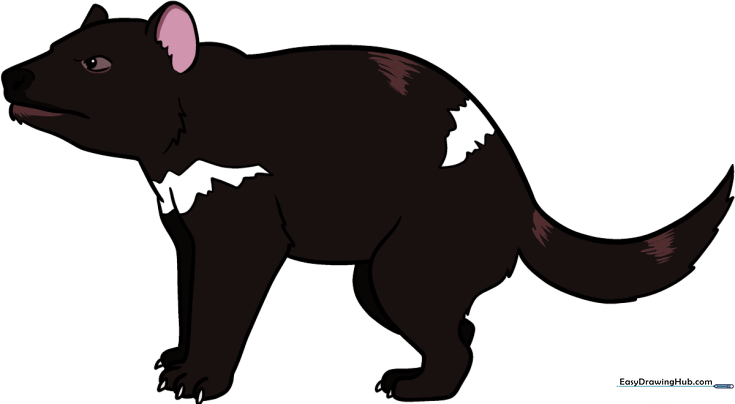
Tasmanian Devil
Discover the real Tasmanian Devil. Teacher's Tip: Use a slightly wider jaw shape to capture the character of this unique marsupial.
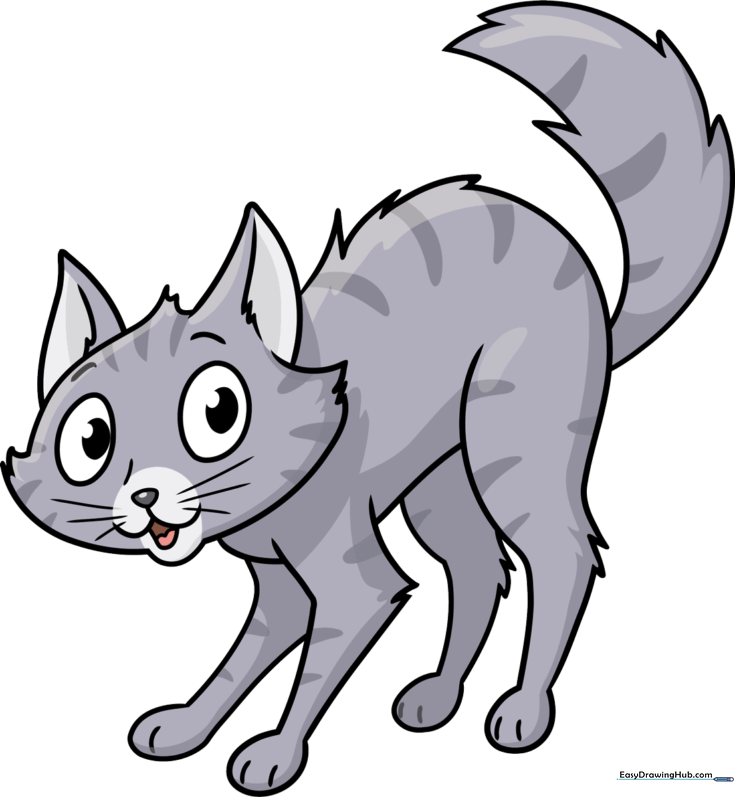
Scared Cat
Express emotion through posture. Teacher's Tip: Arch the back high and make the tail stand straight up to clearly show the cat is feeling startled.
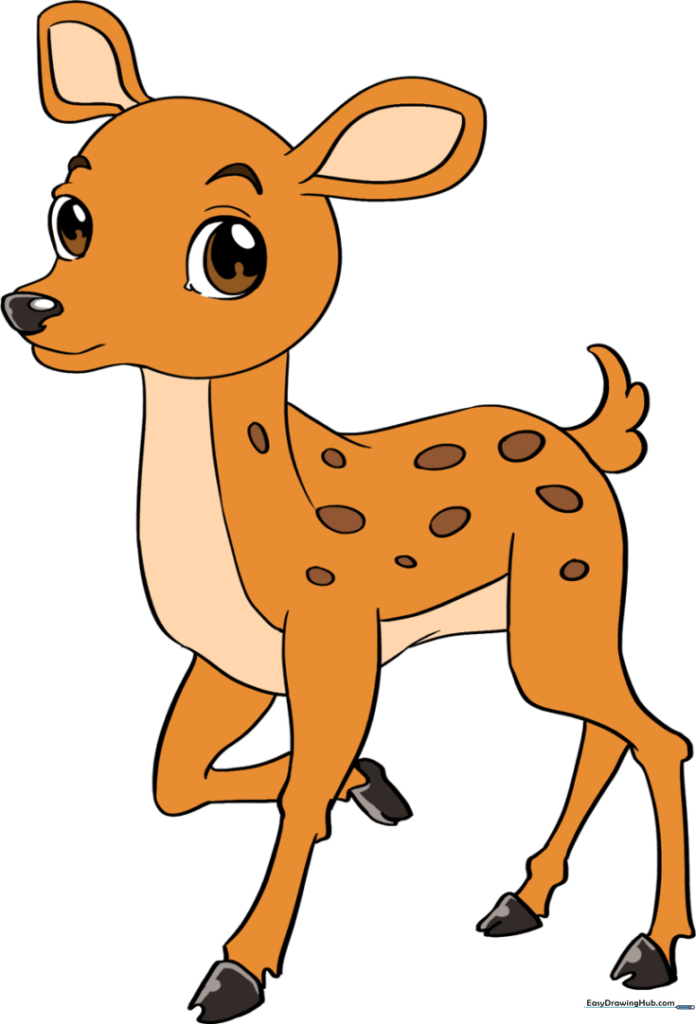
Baby Deer
Draw a gentle fawn. Teacher's Tip: Use small, light dots for the spots on the back—don't make them too dark, or they will look like polka dots instead of fur patterns!
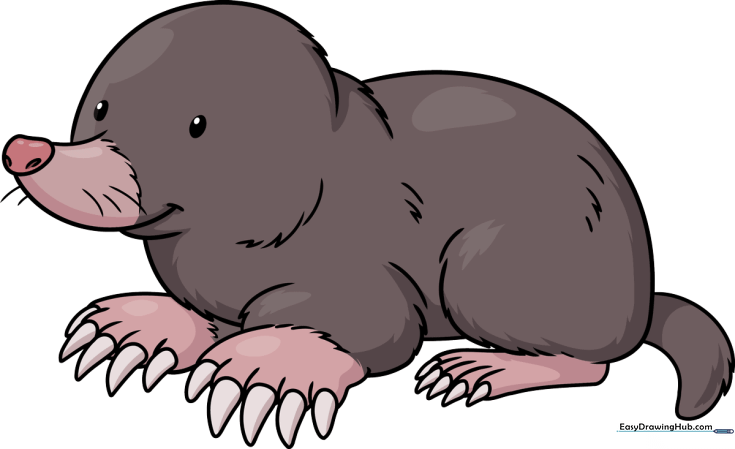
Mole
Dig into this fun mole drawing. Teacher's Tip: Emphasize the large, shovel-like front claws—they are the most important part of a mole's anatomy!
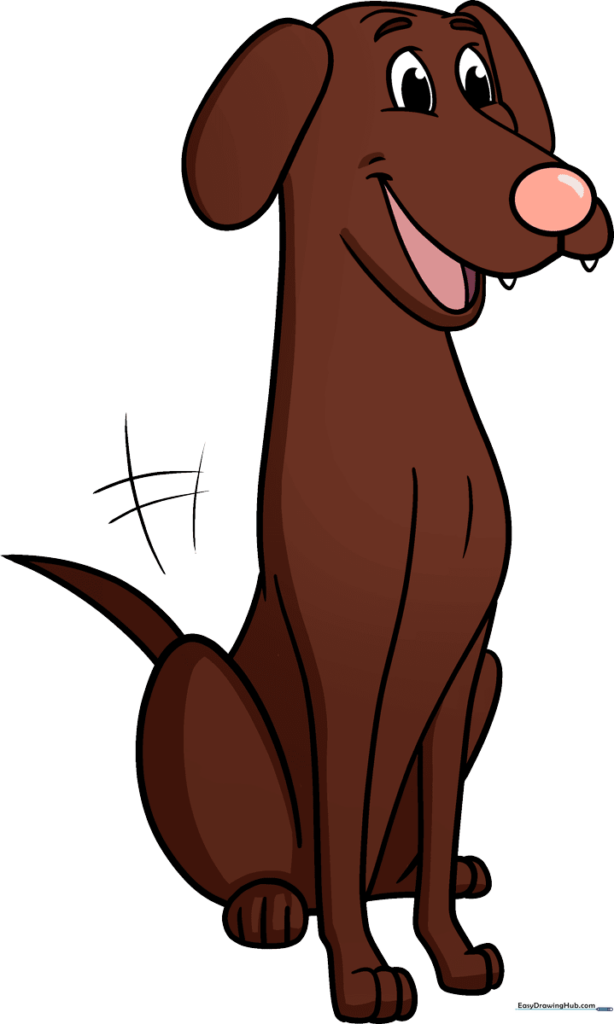
Cartoon Dog
A classic, happy cartoon dog. Teacher's Tip: Keep the tail curved upward to show he is friendly and excited to see you.
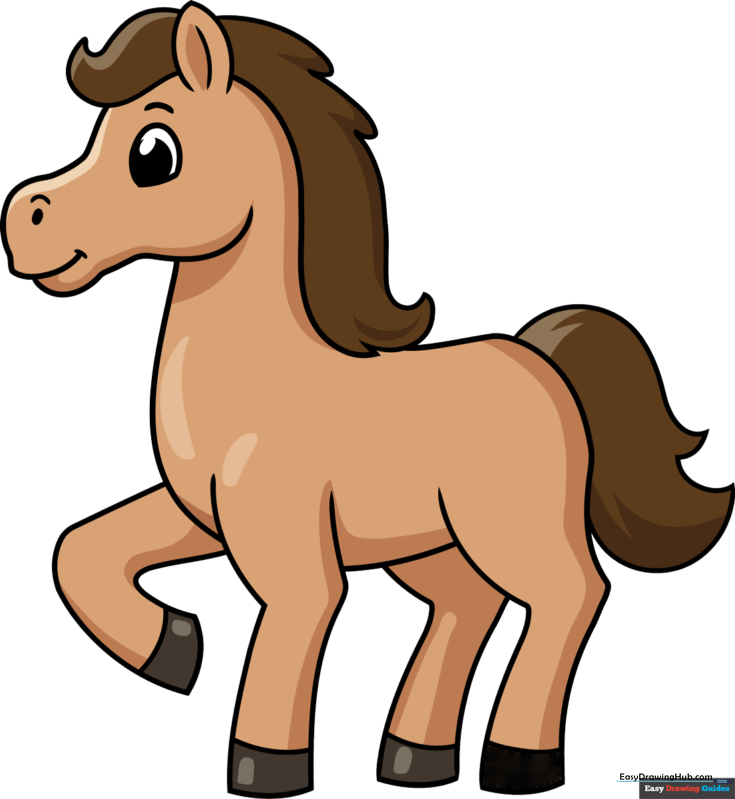
Easy Horse
Sketch a beautiful horse with simple lines. Teacher's Tip: Focus on the curve of the neck to give the horse a graceful, elegant silhouette.
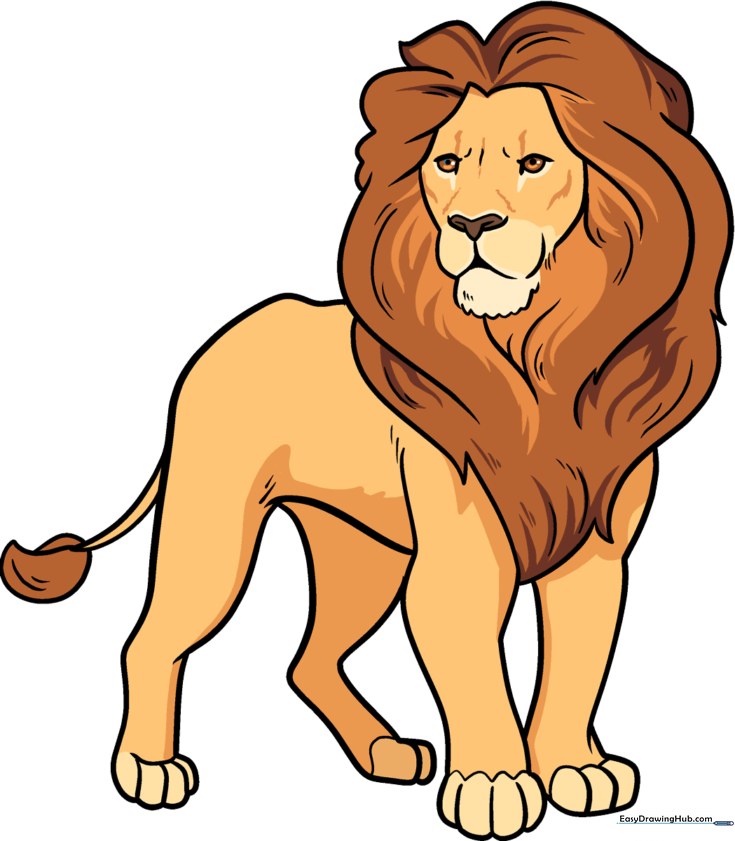
Lion
Draw the king of the jungle. Teacher's Tip: Use long, flowing strokes for the mane to give it volume and movement.
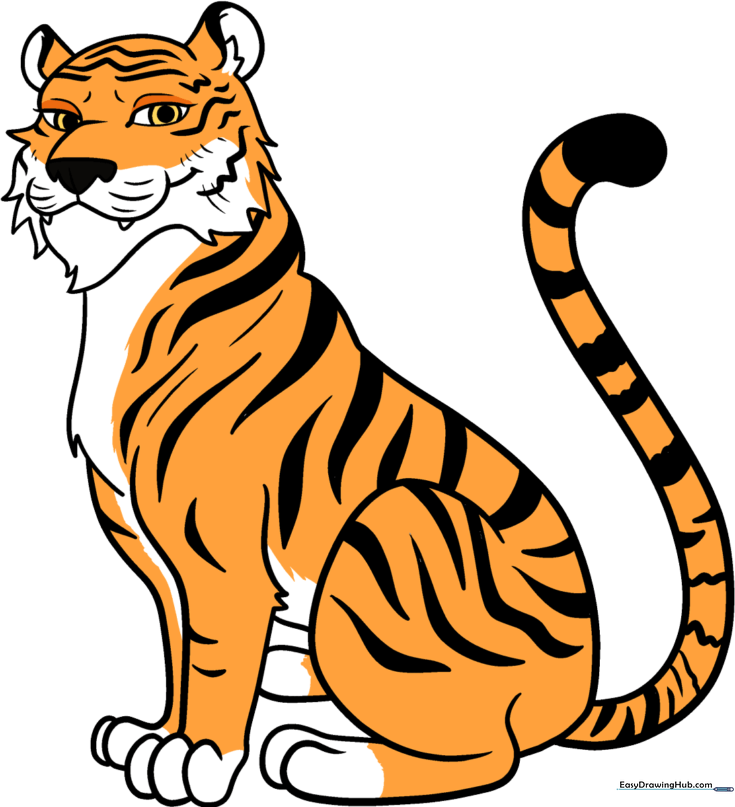
Tiger
Capture the stripes of a tiger. Teacher's Tip: Draw the stripes in varying lengths and thicknesses to make them look natural against the tiger's fur.
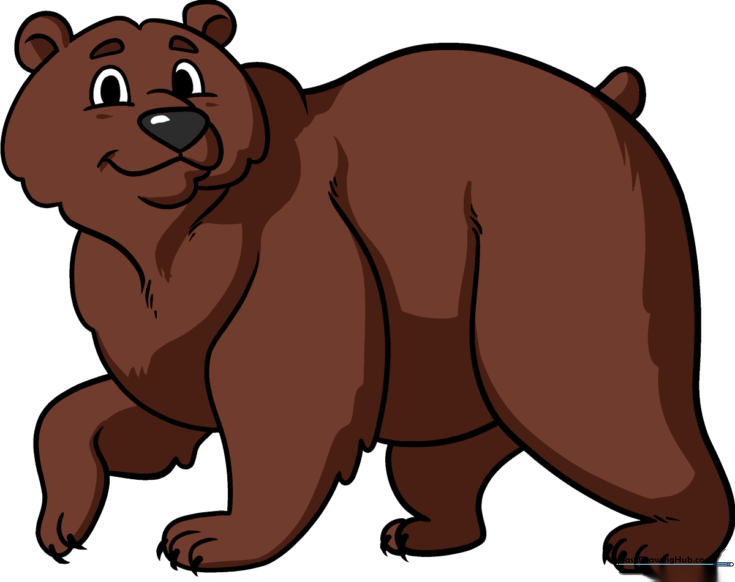
Cartoon Bear
Draw a friendly, fluffy bear. Teacher's Tip: Use rounded shapes for the ears and snout to keep the bear looking soft and cuddly.
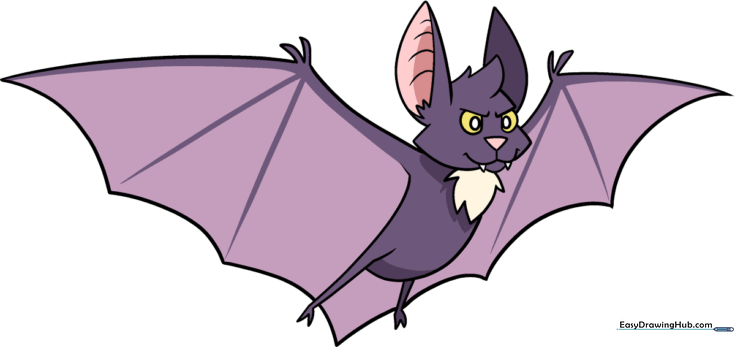
Bat
Spread your wings and draw a bat! Teacher's Tip: Use long, sweeping lines for the wings to give them that 'in-flight' look.
More Collections