58 Easy Nature Drawing Tutorials: Step-by-Step for Kids
🖍️ 58 free tutorials
Bring the outdoors inside with these 58 guided nature drawing tutorials, perfect for ages 5 and up. Using only a pencil, paper, and an eraser, children will develop spatial awareness and fine motor control while sketching everything from forest animals to blooming flowers. Follow these structured steps to build artistic confidence and create your own natural world.
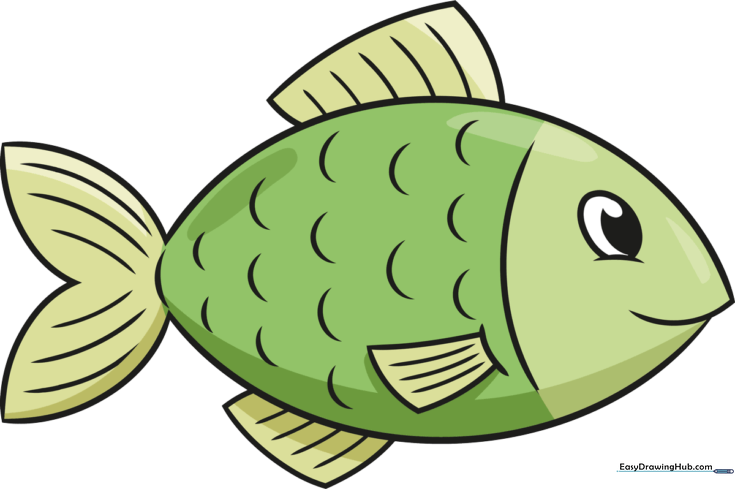
Simple Fish
Master the fundamentals of fluid movement and scale patterns. Tip: Use light, curved lines for the fins to give your fish a sense of swimming motion.
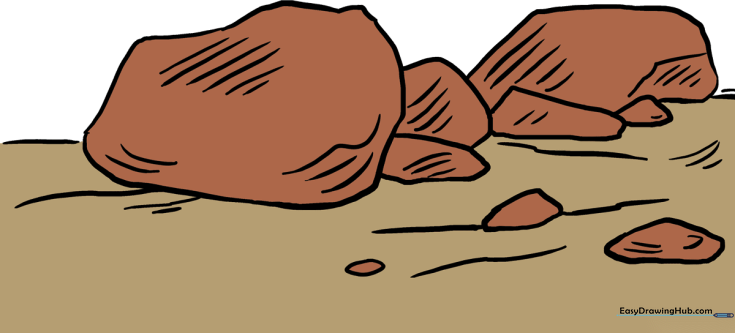
Textured Rocks
Rocks are the perfect subject for practicing irregular shapes and shading. Tip: Use jagged, uneven lines to make your rocks look rugged and realistic.
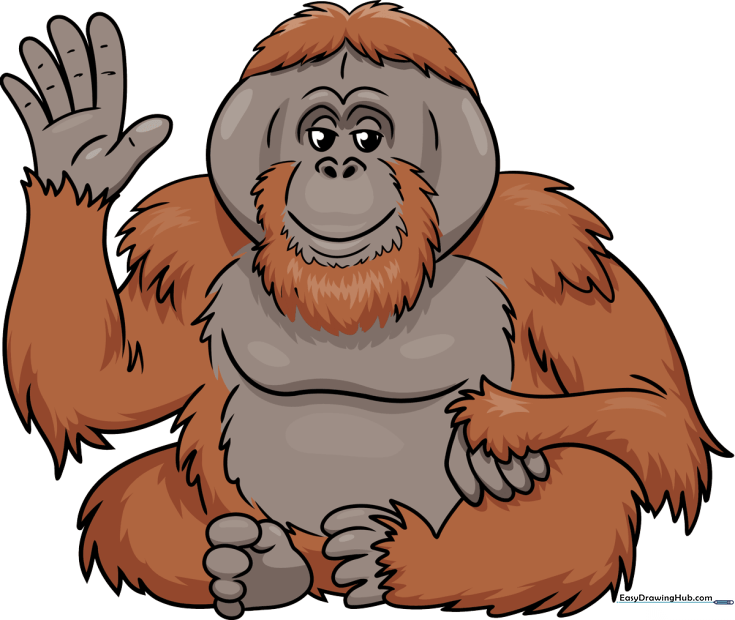
Orangutan
Capture the personality of this forest dweller by focusing on expressive eyes and shaggy fur. Tip: Use short, quick pencil strokes to mimic the look of thick hair.
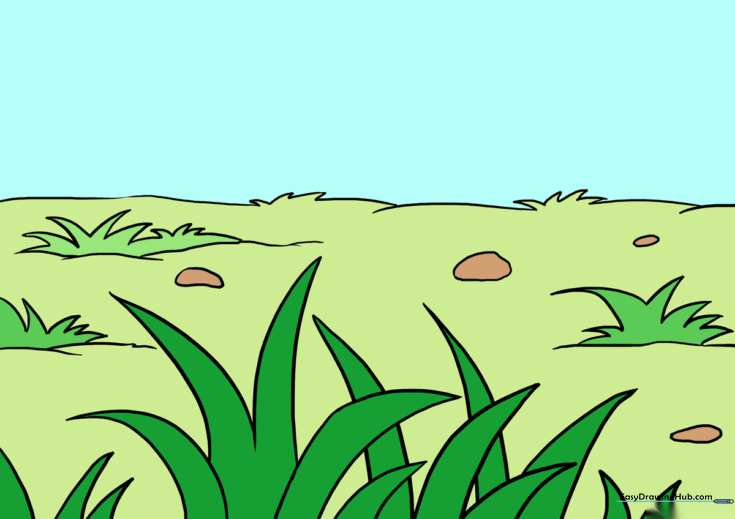
Grass Blades
Learn to create a lush, natural look with simple, rhythmic strokes. Tip: Vary the height and angle of your blades to make the grass look wild and organic.
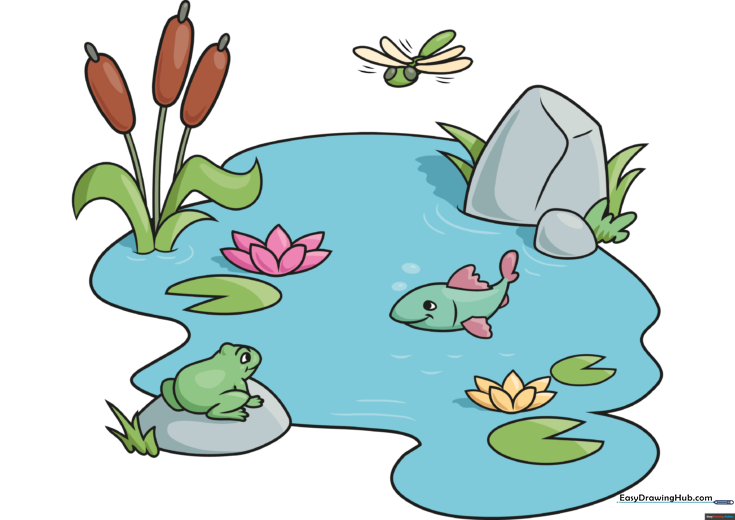
Peaceful Pond
Compose a complete ecosystem by combining water, lily pads, and wildlife. Tip: Draw your water ripples as soft, concentric ovals to create a calm surface.
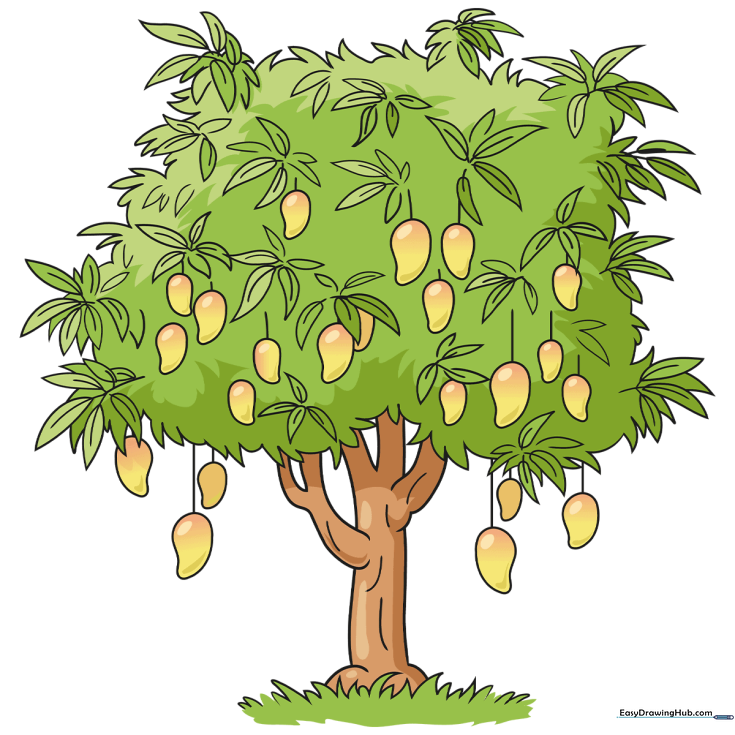
Mango Tree
Practice drawing large, rounded fruit and leafy canopies. Tip: Use a 'cloud' shape for the leaves to keep the drawing process stress-free and fun.
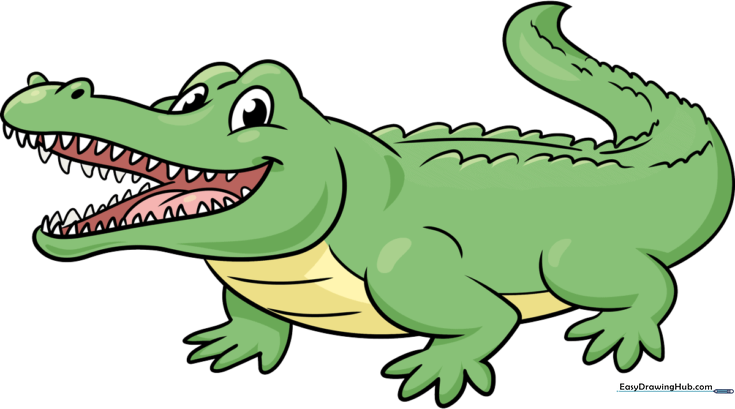
Friendly Crocodile
Focus on the unique snout and scale patterns of this prehistoric reptile. Tip: Add a wide, toothy grin to make your crocodile feel approachable and fun.
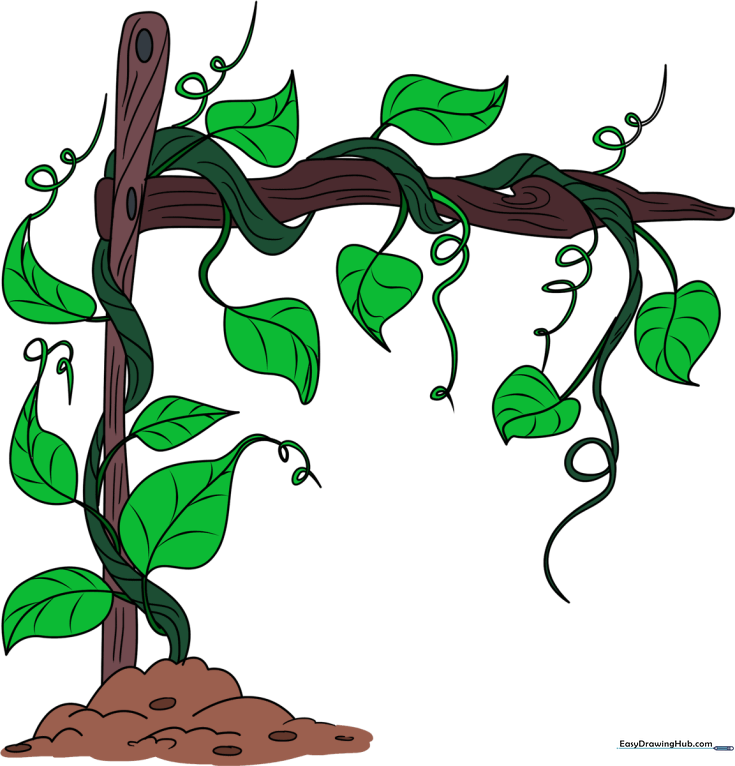
Climbing Vines
Master the art of drawing twisting, winding lines. Tip: Start with a light, wavy 'guide' line to help your vines look natural as they wrap around a trellis.
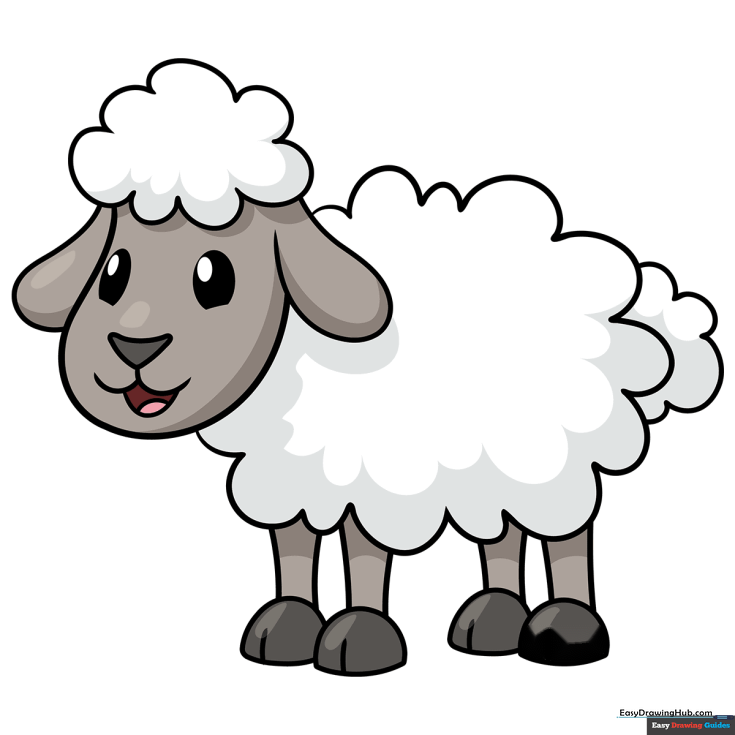
Fluffy Sheep
Create a soft, woolly texture using repetitive, scalloped lines. Tip: Keep your pencil pressure light to make the wool look airy and cloud-like.
Tropical Ocean
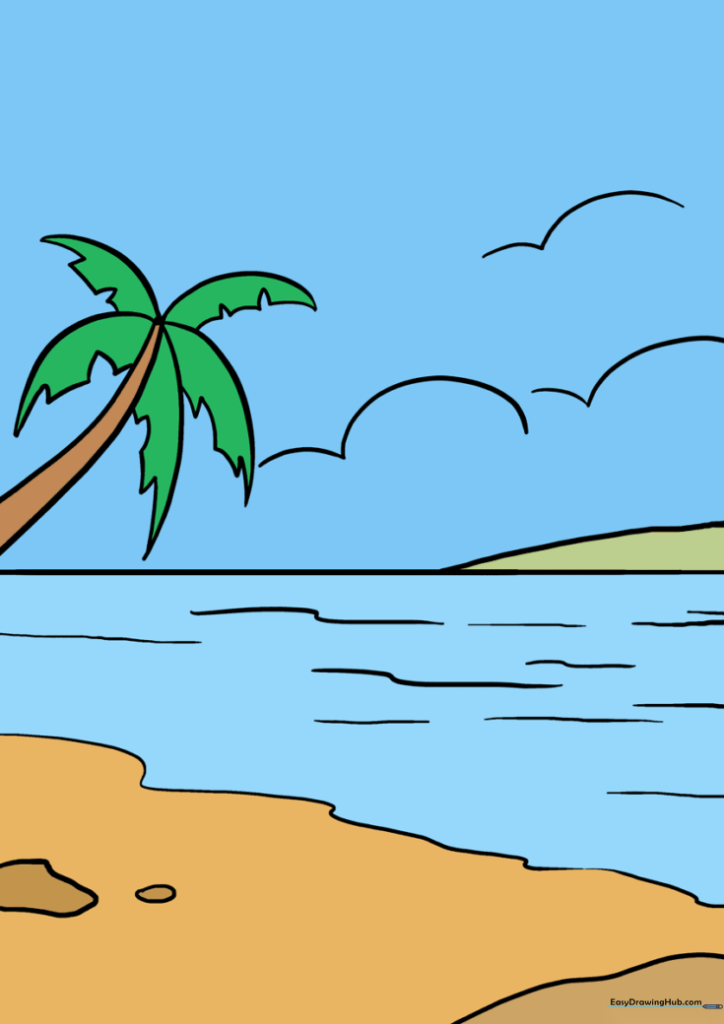
Capture the vastness of the sea with simple horizon lines and island shapes. Tip: Use a ruler to ensure your horizon line is perfectly straight before adding waves.
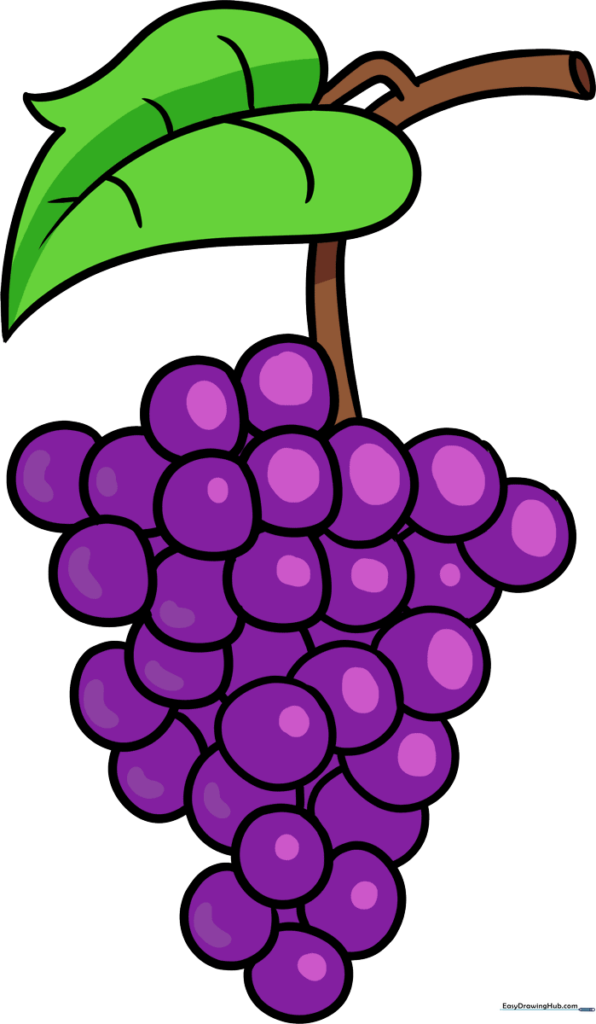
Bunch of Grapes
Practice drawing overlapping circles to build a realistic bunch. Tip: Draw the top grapes slightly larger than the bottom ones for a natural, tapered look.
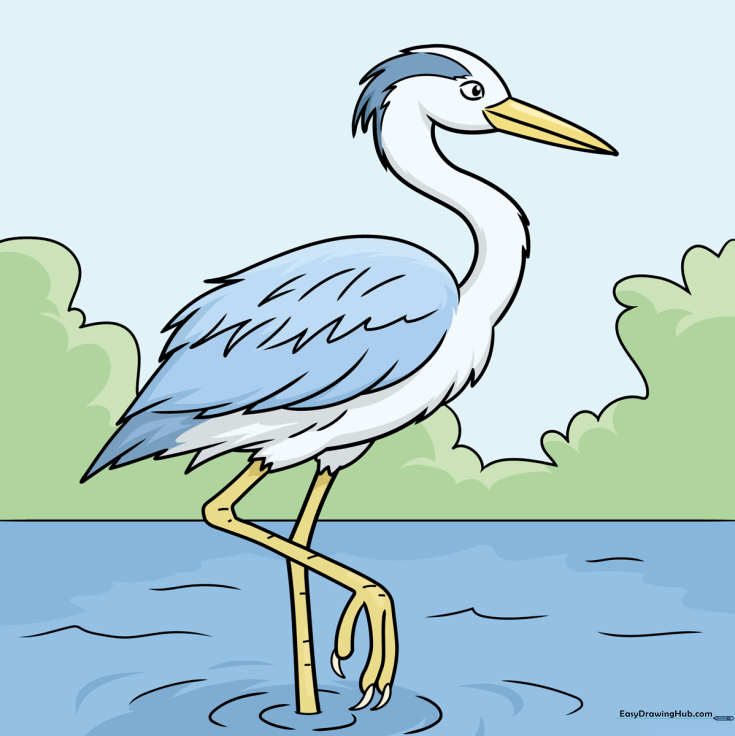
Elegant Heron
Focus on the graceful, long lines of the neck and legs. Tip: Use a light 'S' curve to get the neck shape just right before adding the feathery details.
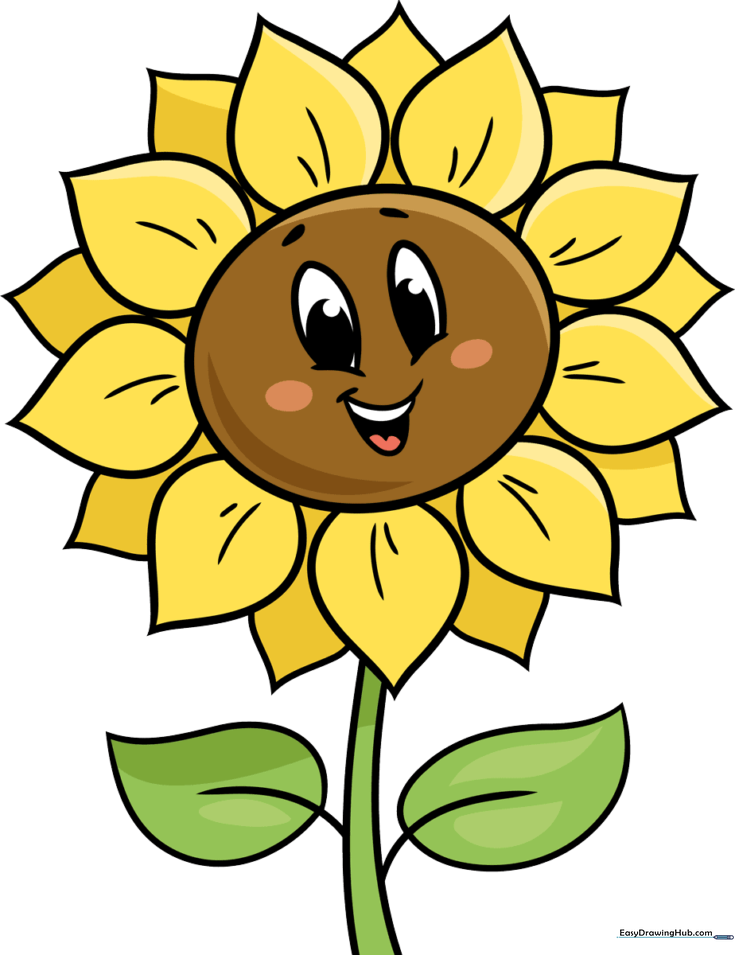
Cartoon Sunflower
Bring sunshine to your paper with this bright, happy flower. Tip: Draw the petals in a circular pattern around the center to keep them evenly spaced.
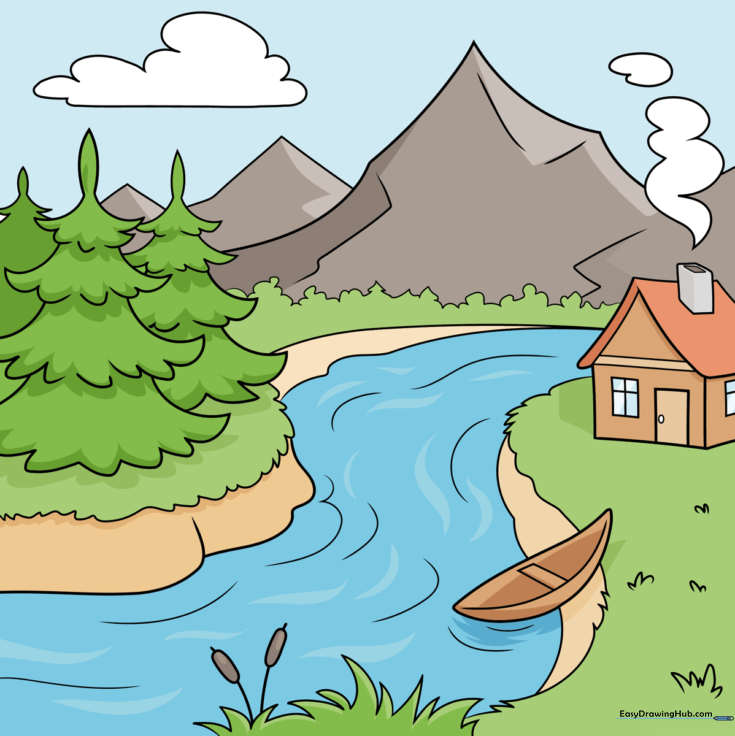
Nature Scenery
Learn to layer elements like mountains, trees, and rivers. Tip: Draw the items closest to you larger and darker to create a sense of distance.
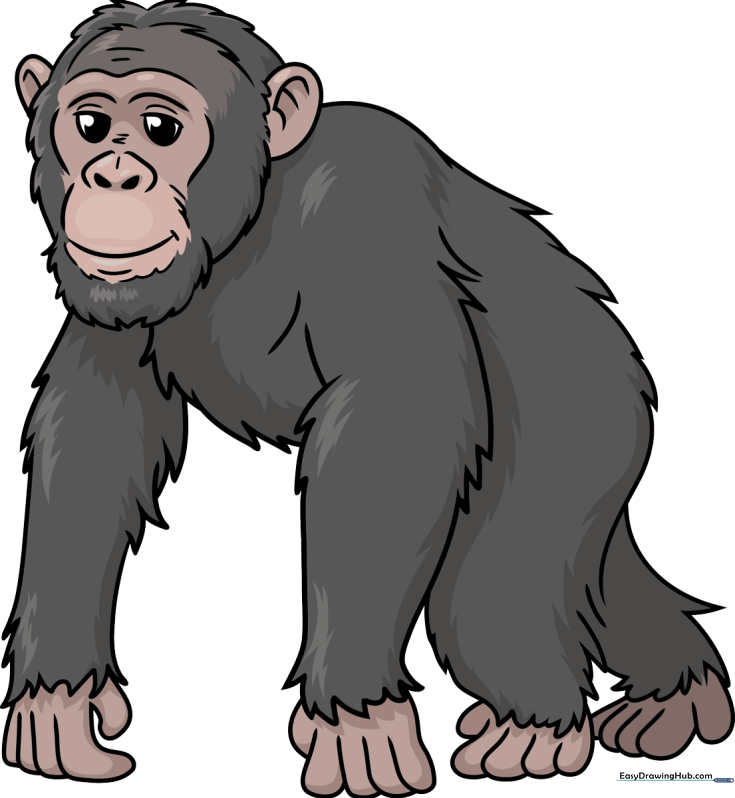
Curious Chimpanzee
Capture the expressive face and posture of a chimpanzee. Tip: Use soft shading around the eyes to give your character a thoughtful, curious look.
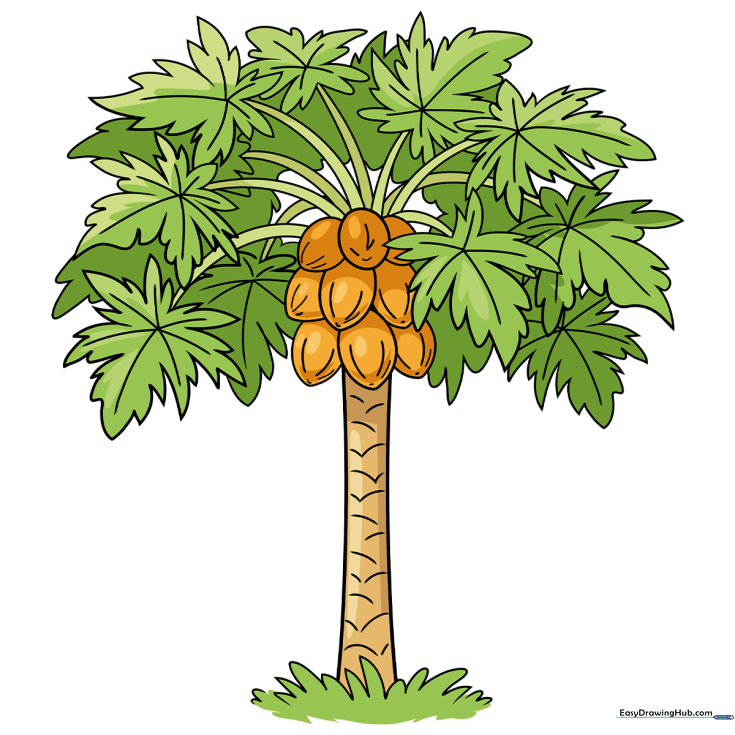
Papaya Tree
Draw this tropical favorite by focusing on its unique, palm-like leaves. Tip: Use long, sweeping lines for the leaves to give the tree a lush, tropical feel.
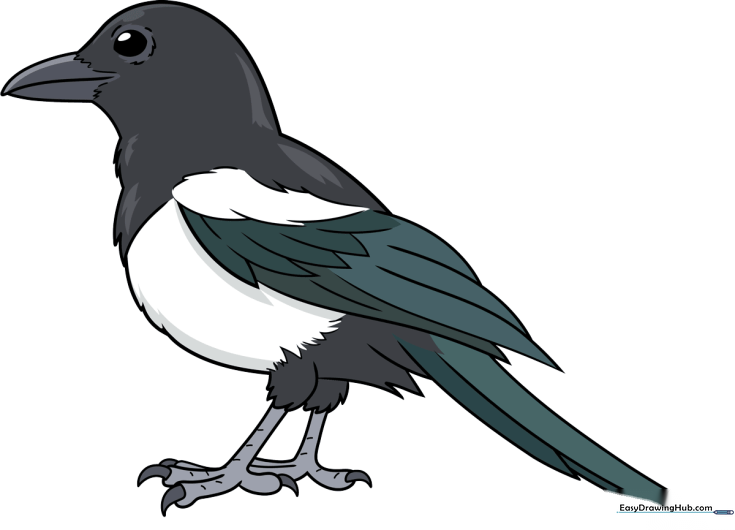
Striking Magpie
Capture the distinct black-and-white patterns of this clever bird. Tip: Use light pencil marks to map out the color zones before you start shading.
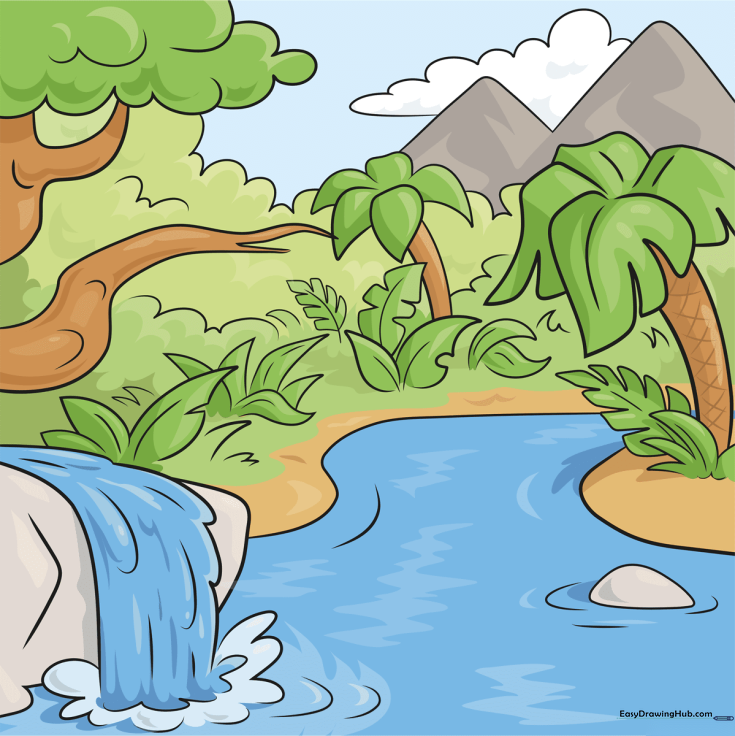
Lush Jungle
Create an immersive jungle scene with waterfalls and dense foliage. Tip: Use overlapping shapes to create the illusion of a thick, layered forest.
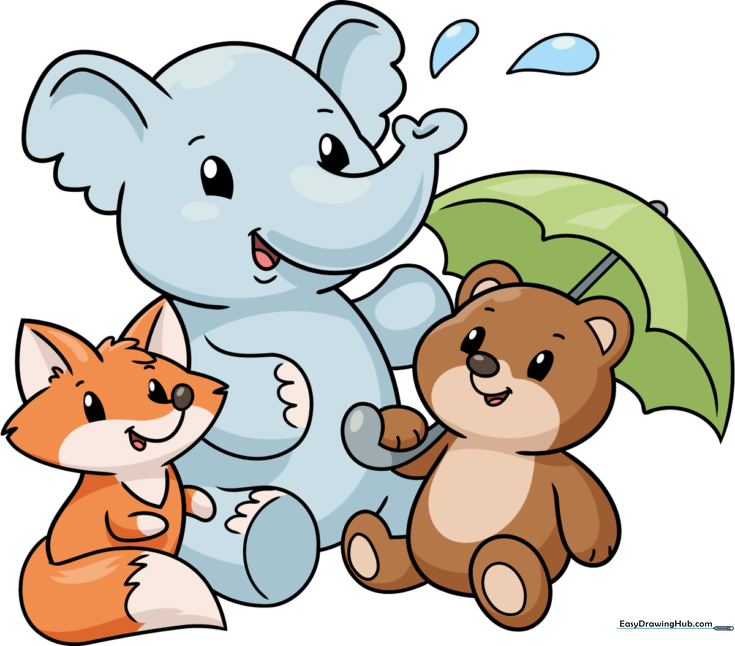
Cute Baby Animals
Practice drawing large eyes and small features for maximum cuteness. Tip: Keep the head slightly larger than the body to emphasize the 'baby' proportions.
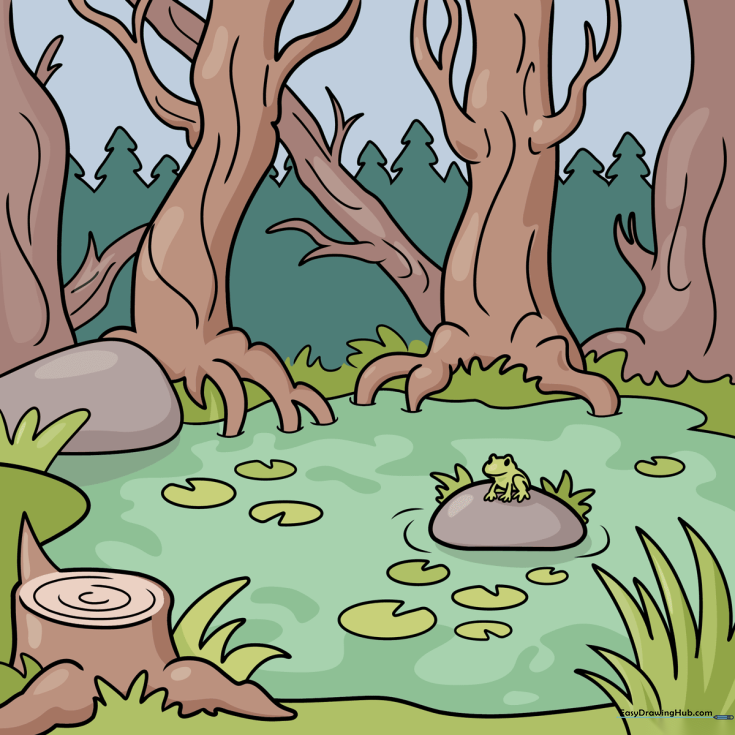
Mysterious Swamp
Capture the unique atmosphere of a wetland. Tip: Use dark, vertical lines for tree trunks to create reflections in the water.
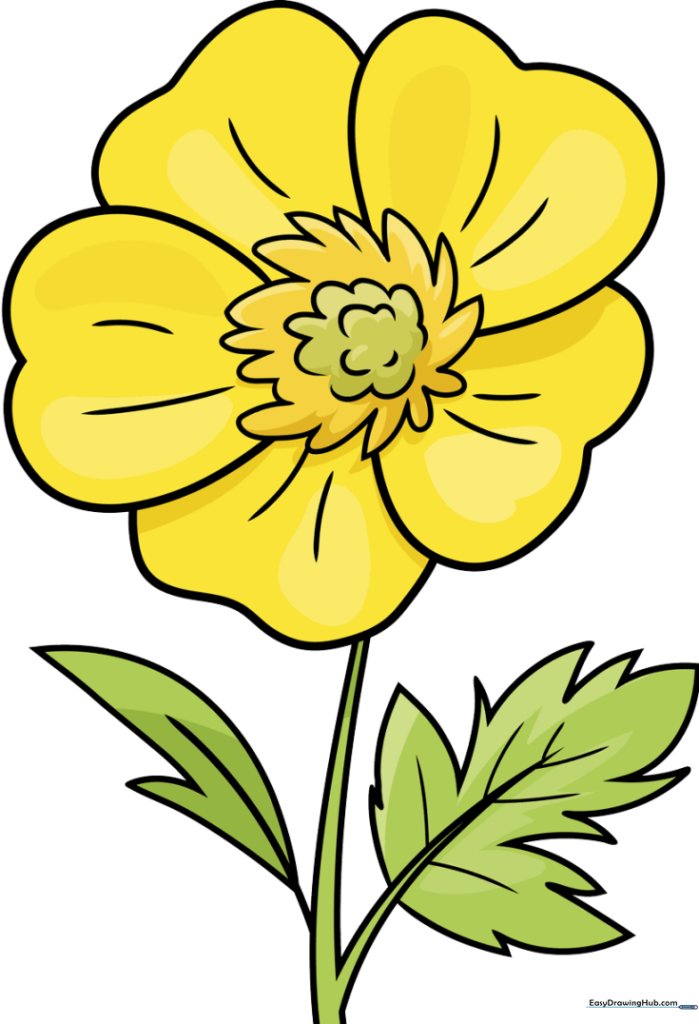
Bright Buttercup
Draw these cheerful wildflowers using simple petal shapes. Tip: Keep your lines loose and fluid to capture the delicate nature of the flower.
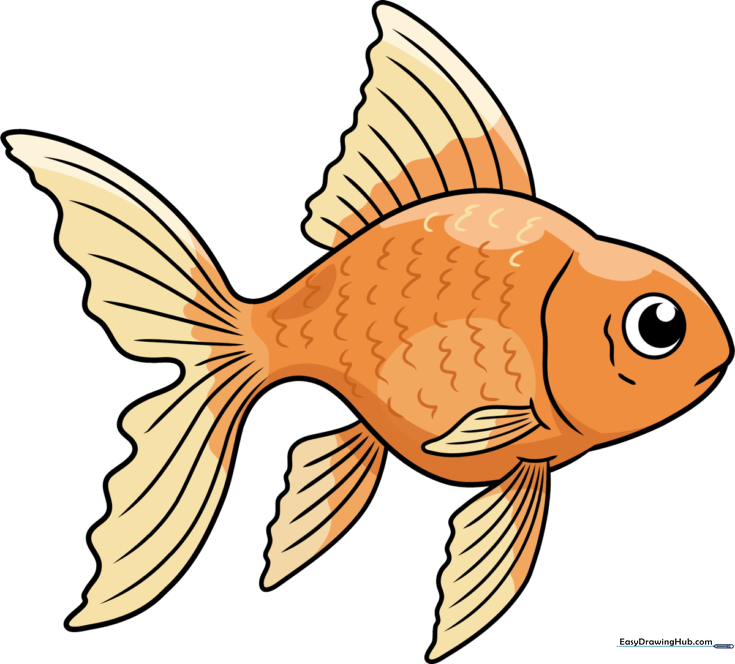
Realistic Goldfish
Focus on the flowing tail and fins of this classic aquarium fish. Tip: Use long, sweeping strokes for the tail to create a sense of graceful movement.
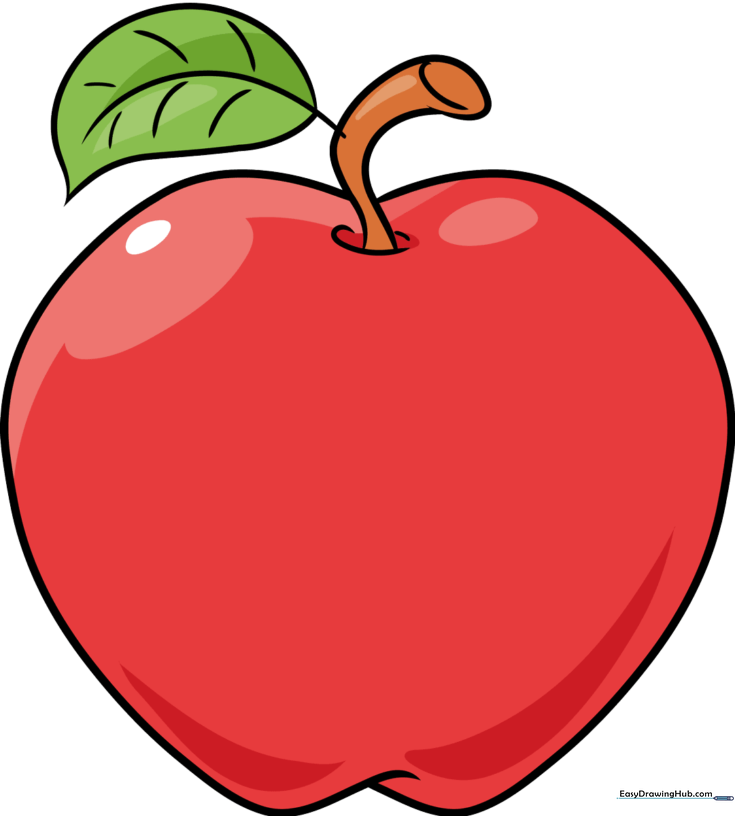
Cartoon Apple
Master the perfect round shape of an apple with a simple stem. Tip: Add a tiny 'V' shape at the top to give your apple a realistic indentation.
The Sky
Learn to draw clouds and birds to fill your sky scenes. Tip: Use soft, rounded shapes for clouds to make them look fluffy and light.

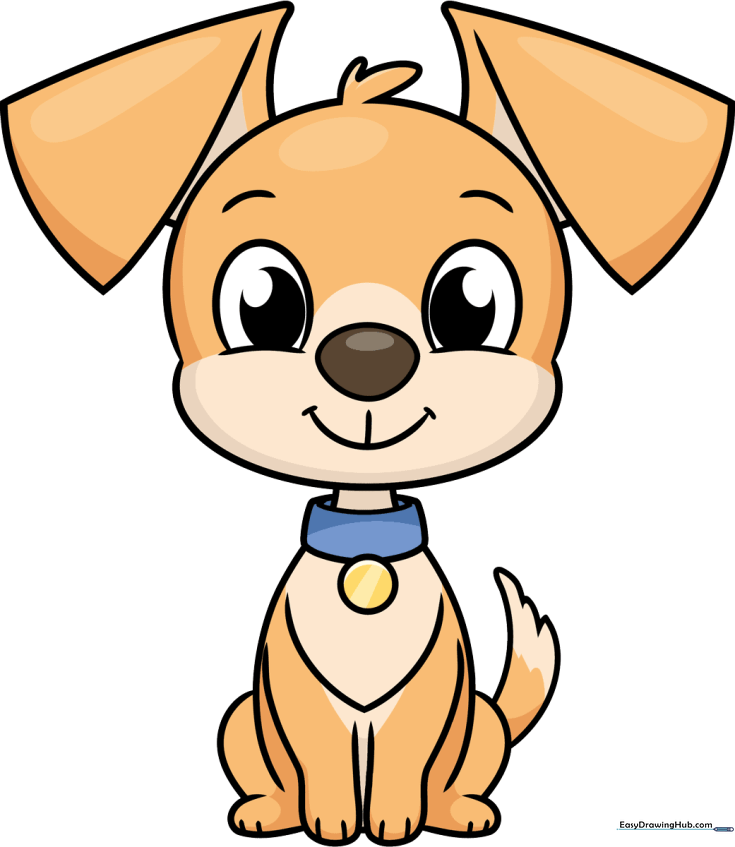
Cartoon Puppy
Capture the playful energy of a puppy with simple shapes. Tip: Make the ears slightly floppy to give your puppy a sweet, endearing expression.
Smiling Avocado
Turn a healthy snack into a fun character! Focus on drawing the large, round seed first to anchor your proportions. Tip: Use a light touch for the eyelashes so they look delicate.

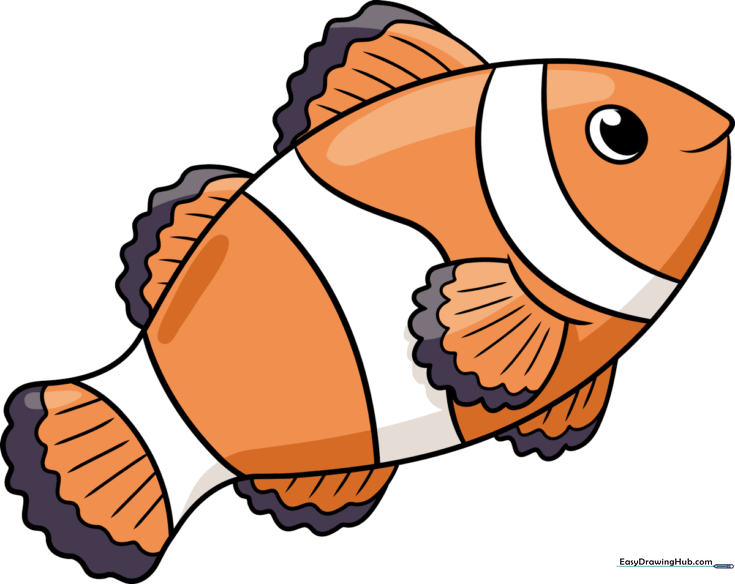
Easy Clownfish
Capture the vibrant spirit of a clownfish using simple oval shapes. Tip: Keep your pencil lines fluid to mimic the movement of a fish swimming through water.
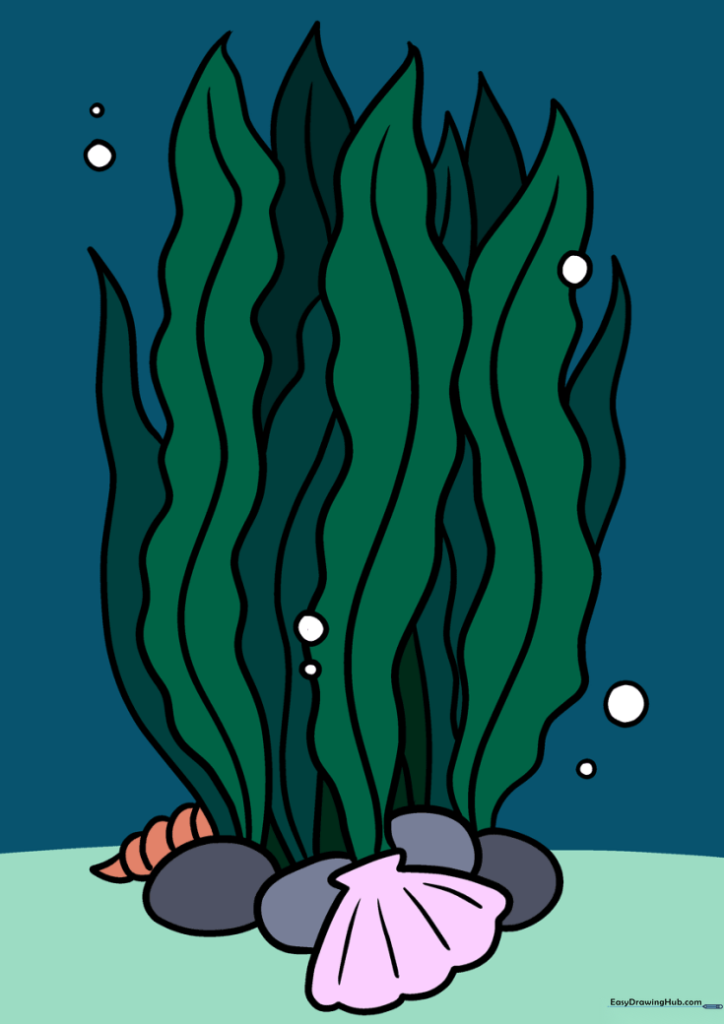
Wavy Seaweed
Seaweed is the perfect practice for drawing organic, flowing lines. Tip: Vary the width of your ribbons to make the seaweed look like it's swaying in an ocean current.
Tropical Sunset
Create a serene landscape by layering silhouettes against a circular sun. Tip: Use a straight edge for the horizon line to make the palm tree stand out.

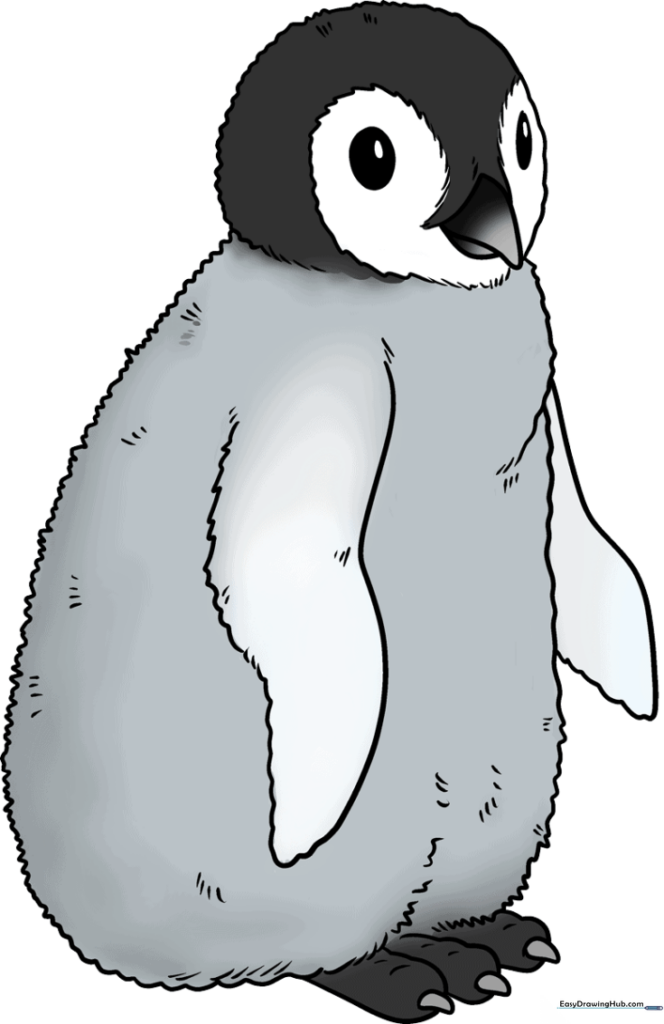
Fluffy Penguin Chick
Focus on soft, rounded shapes to capture the fluffiness of a baby penguin. Tip: Keep the eyes close together to emphasize the 'cute' factor.
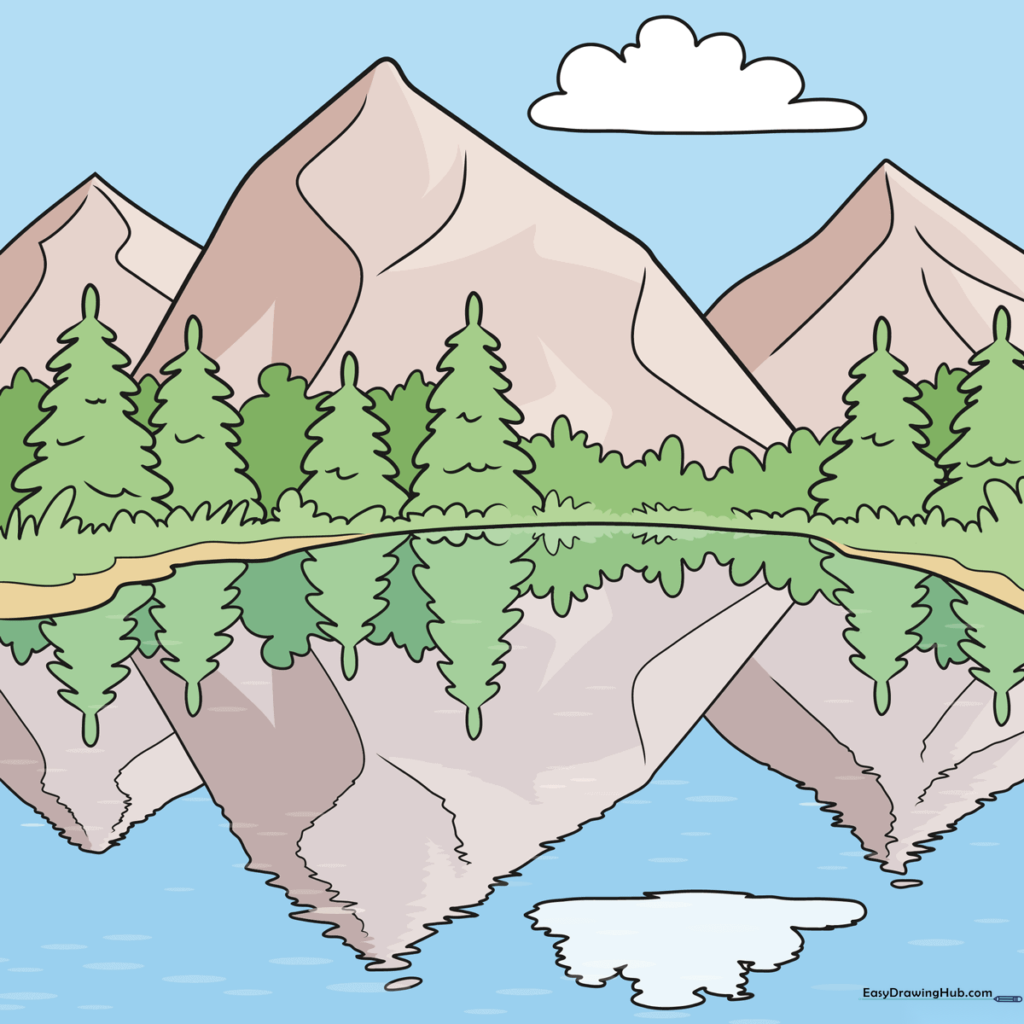
Mountain Reflection
Learn about symmetry by drawing a mountain and its mirror image in a lake. Tip: Use jagged lines for the mountain peaks and soft, wavy lines for the water reflection.
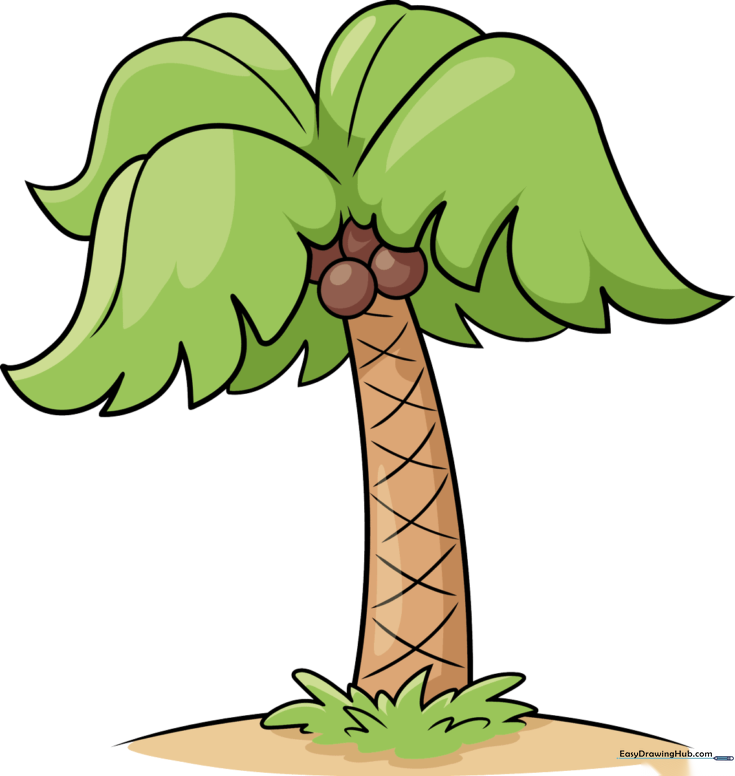
Cartoon Palm Tree
Master the art of drawing palm fronds by using simple, radiating strokes. Tip: Add small circles at the base of the leaves to represent coconuts.
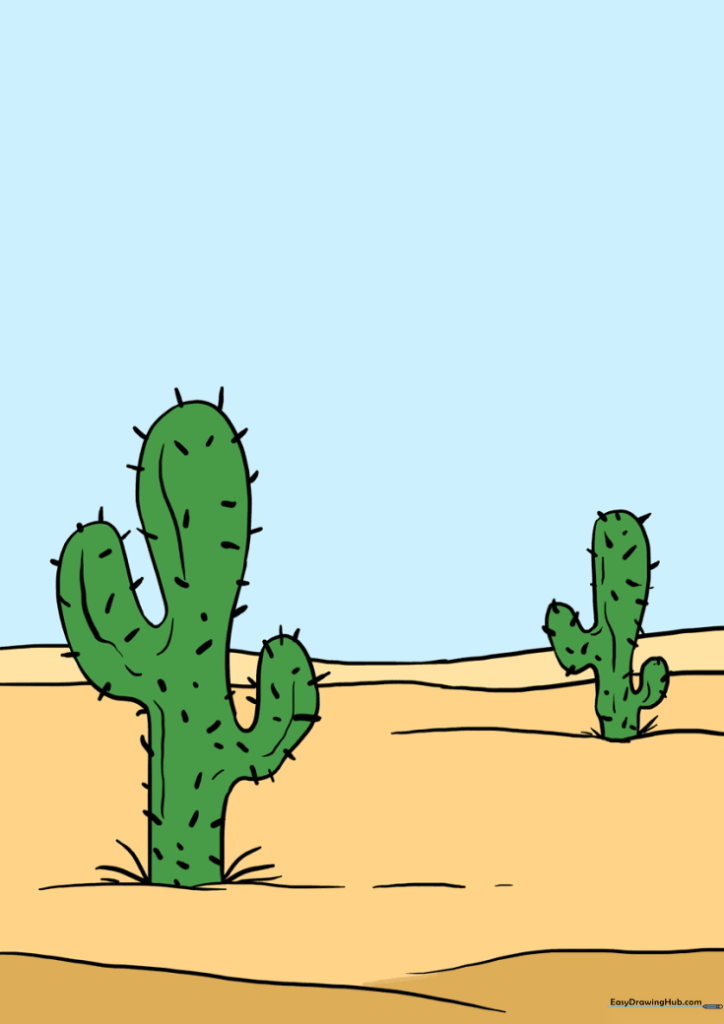
Desert Cactus
Practice drawing vertical lines and simple curves to create a classic saguaro cactus. Tip: Add small 'V' shapes along the edges to represent the cactus spines.
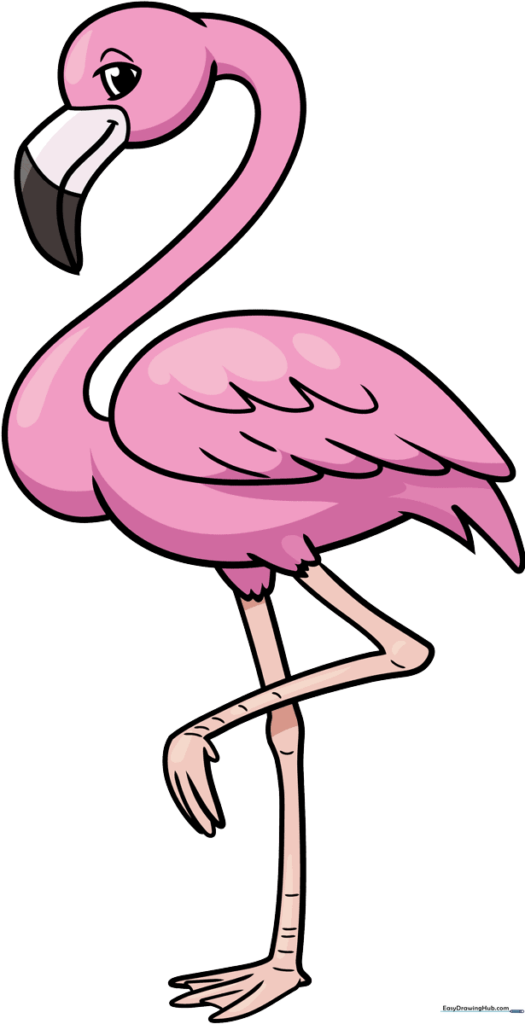
Cartoon Flamingo
Flamingos are all about elegant curves. Tip: Start with a '2' shape for the neck to get that signature graceful bend.
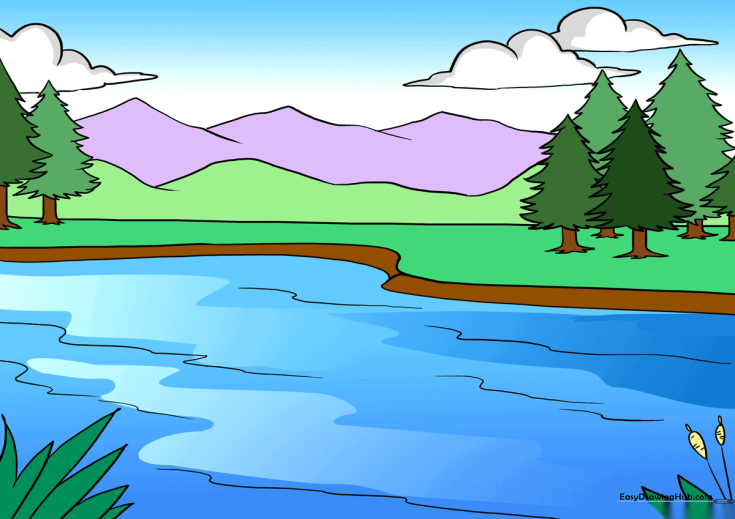
Peaceful Lake
Create a calm scene by using horizontal lines for the water and soft, rounded shapes for the surrounding hills. Tip: Add a few small triangles for distant trees.
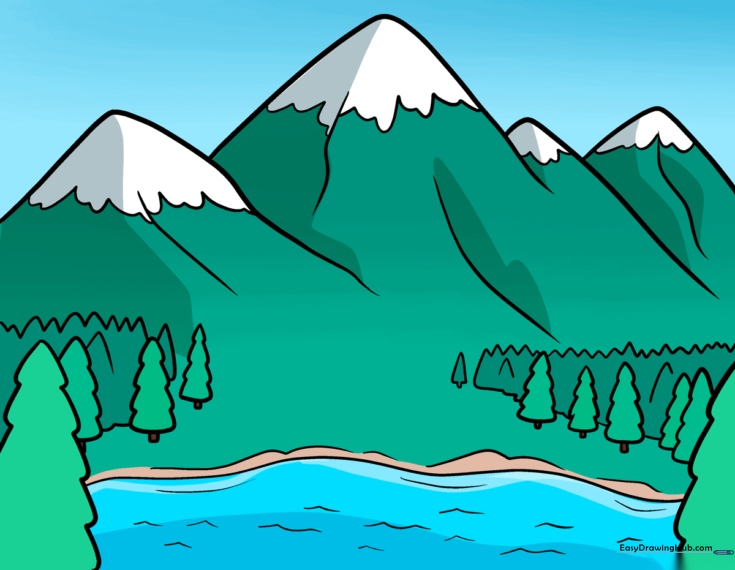
Snow-Capped Mountains
Use jagged, triangular shapes to create majestic peaks. Tip: Draw a wavy line near the top to represent the snow line.
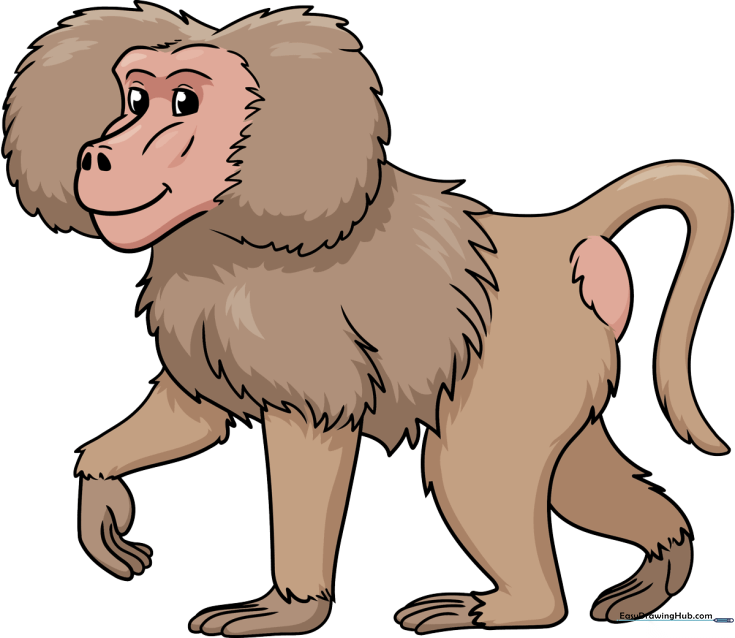
Friendly Baboon
Focus on the unique shape of the baboon's face and its long tail. Tip: Use short, quick strokes to suggest the texture of the fur.
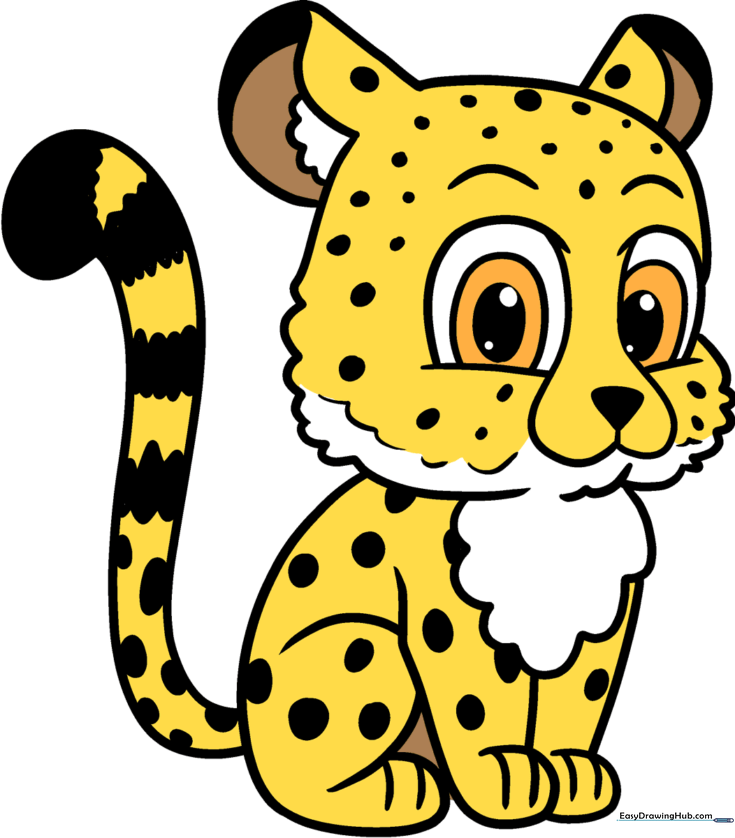
Cute Cheetah Cub
Cheetahs are known for their spots! Tip: Draw the spots as small, irregular circles to make them look more natural.
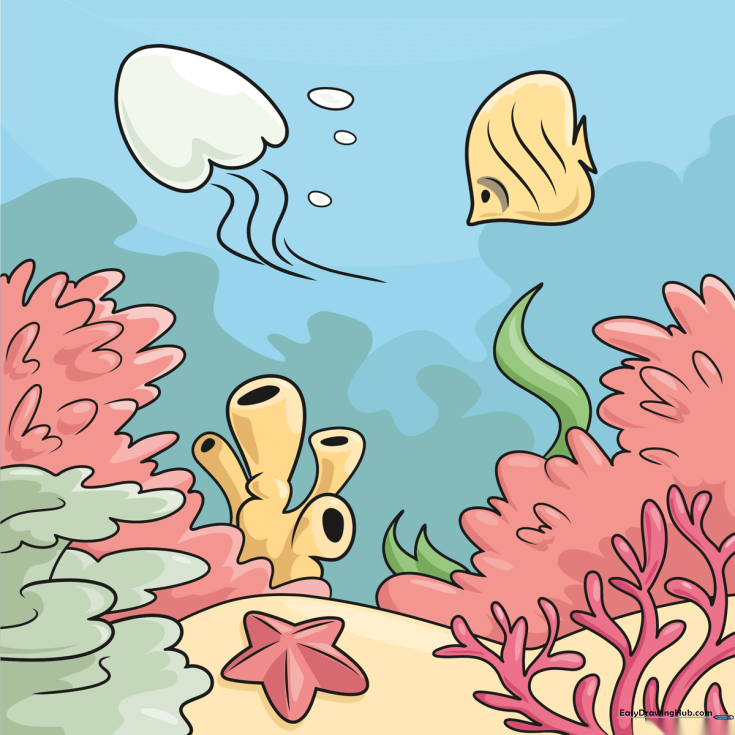
Vibrant Coral Reef
Combine different shapes to create a busy, colorful reef. Tip: Use a variety of textures—dots for sponges, wavy lines for coral—to make the scene interesting.
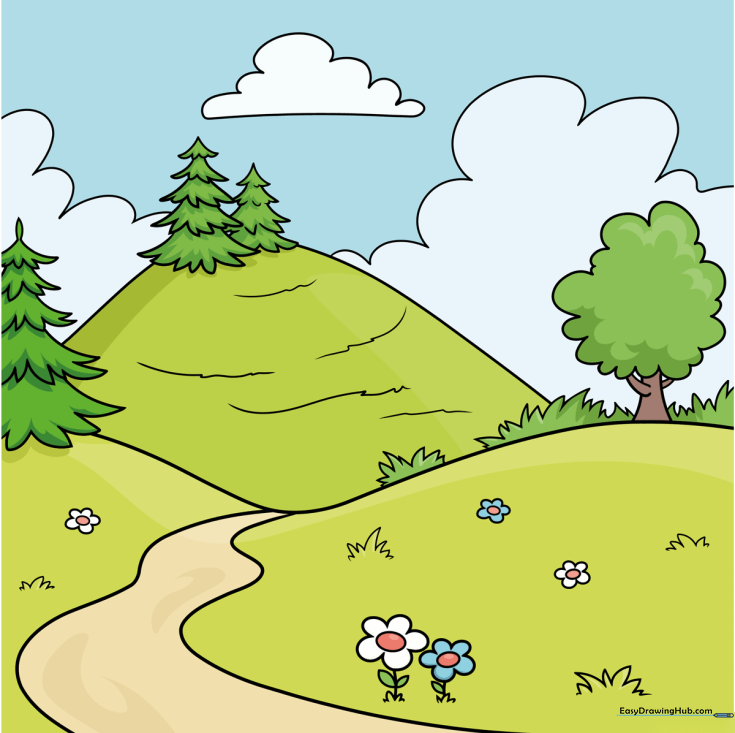
Rolling Hill
Hills are perfect for practicing smooth, continuous curves. Tip: Add a few small, rounded bushes to give your hill depth.
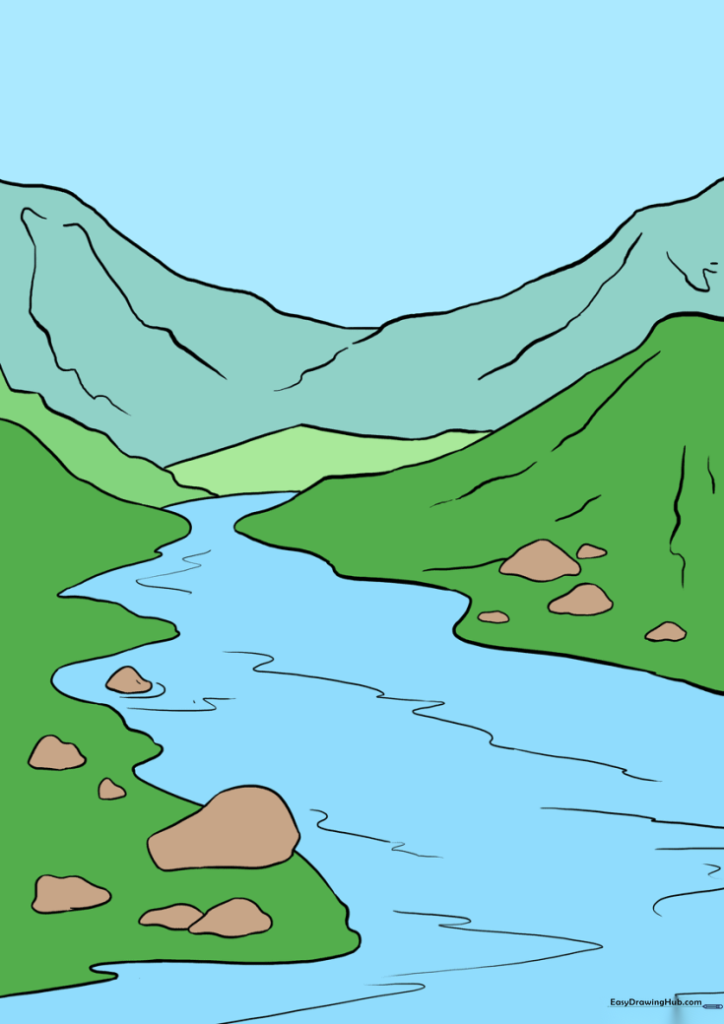
Winding River
Use long, flowing lines to show the river moving through the landscape. Tip: Draw rocks along the banks to make the river look more realistic.
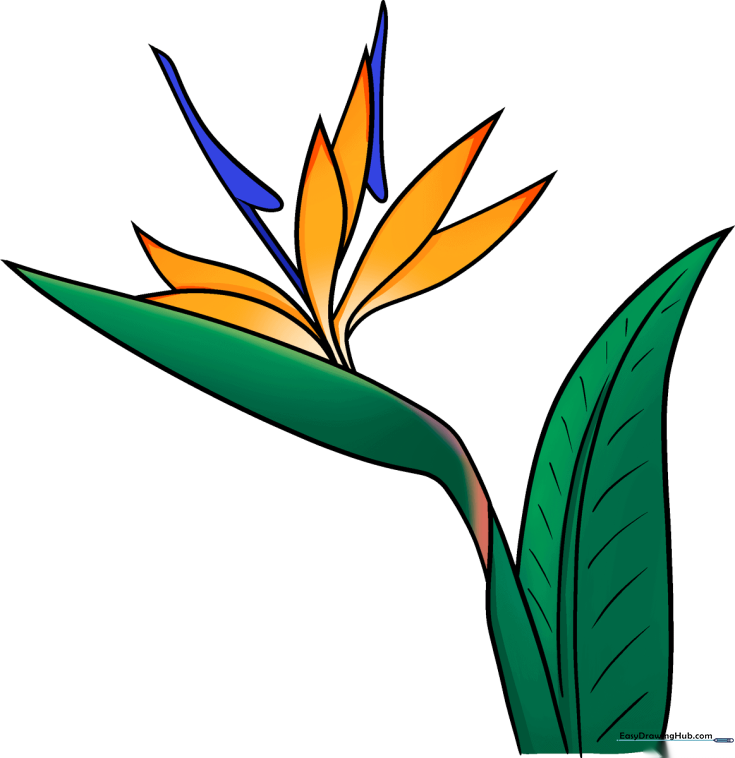
Bird of Paradise Flower
This flower is a great exercise in drawing sharp, angular petals. Tip: Use bright colors to make this exotic flower pop off the page.
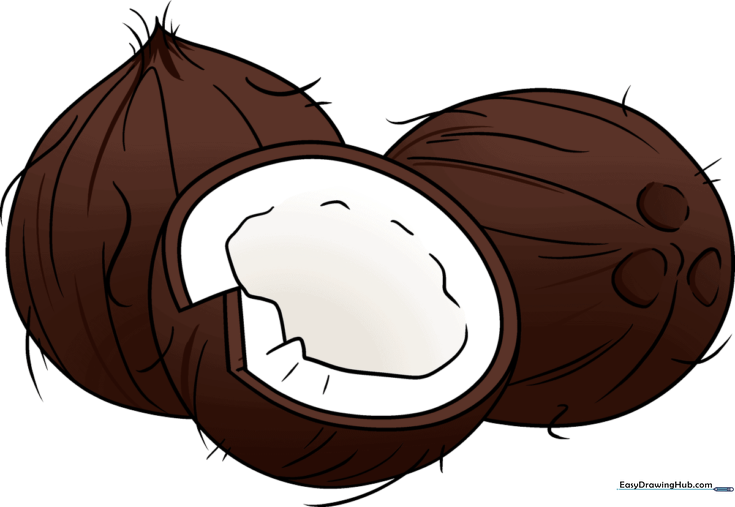
Fresh Coconut
Practice drawing spheres with texture. Tip: Use short, scratchy lines to represent the hairy exterior of the coconut shell.
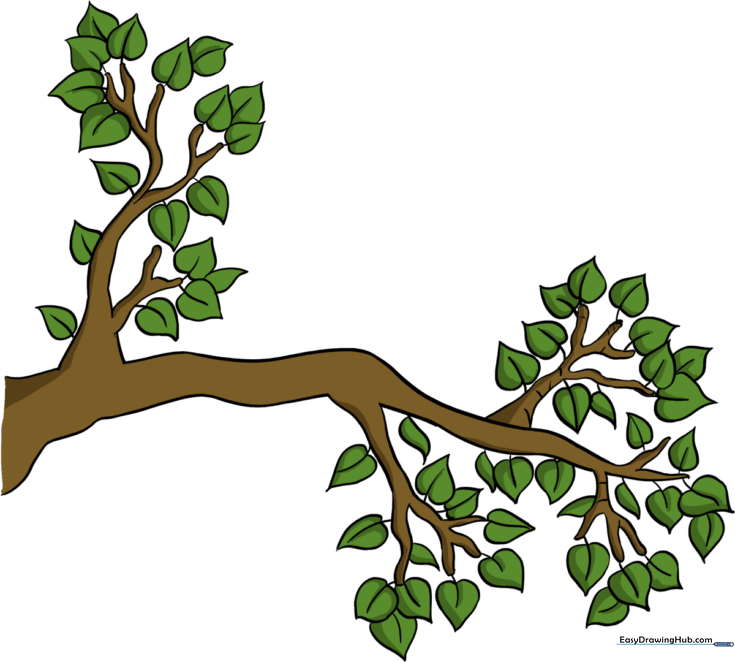
Tree Branch
Focus on the Y-shape of the branch. Tip: Add small, simple leaf shapes to the ends of the twigs to bring it to life.
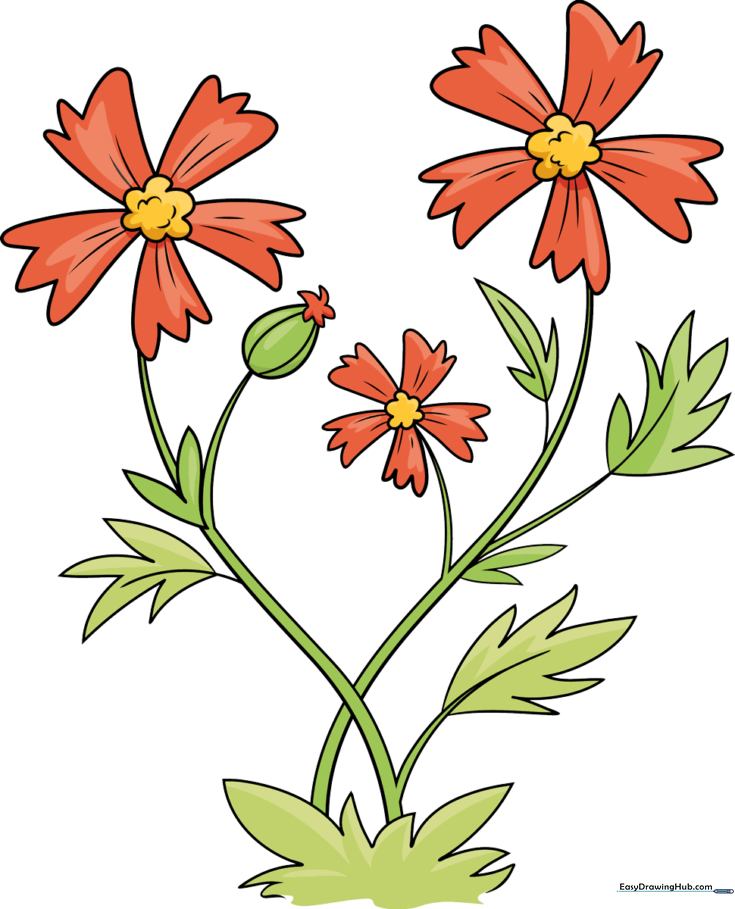
Simple Wildflower
Wildflowers are great for learning how to draw petals around a center point. Tip: Keep your lines loose and natural—they don't have to be perfect!
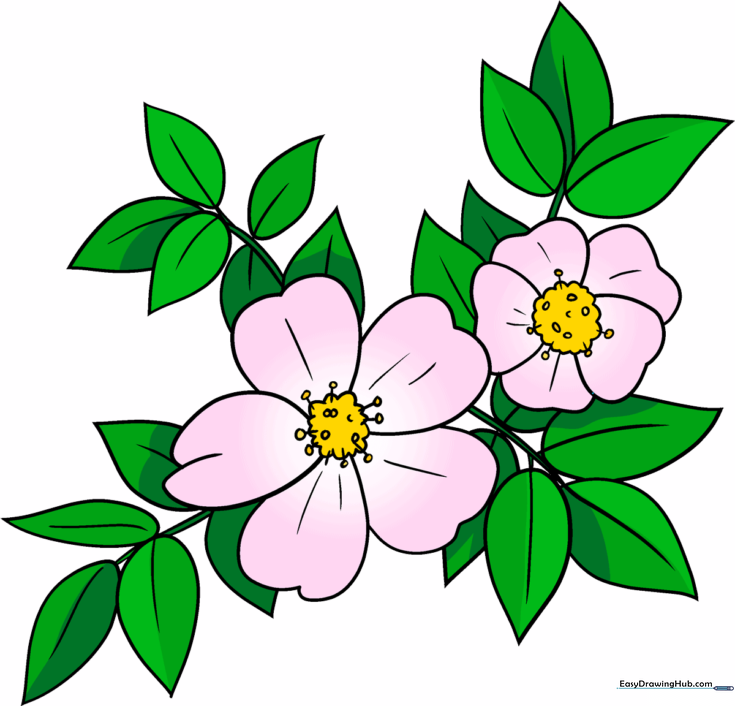
Wild Rose
Focus on the five-petal structure of the wild rose. Tip: Draw the center slightly fuzzy to give it a realistic, soft look.
Cartoon Sea Otter
Otters are fun to draw because of their playful expressions. Tip: Draw a small rock in its paws to show its clever nature!

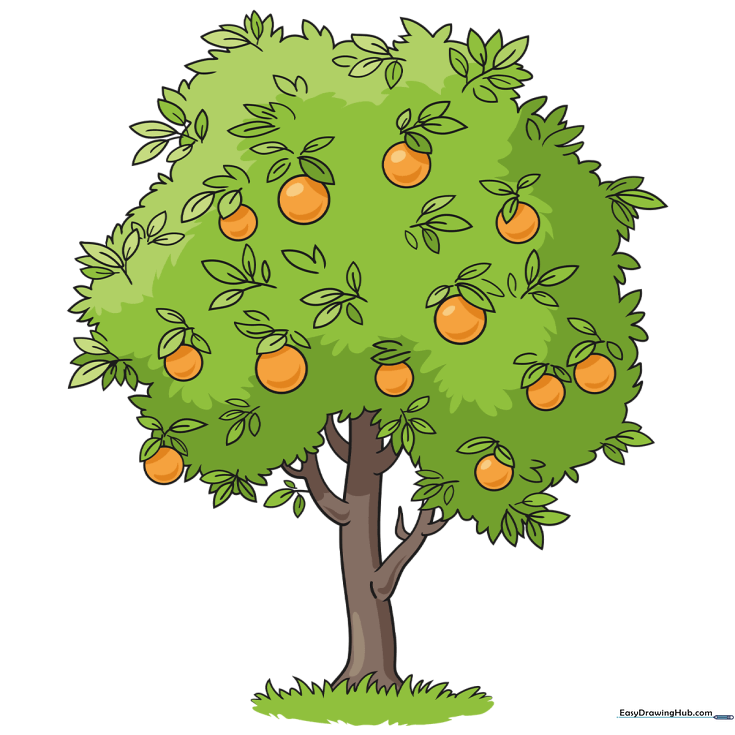
Orange Tree
Use circles for the oranges and a cloud-like shape for the leaves. Tip: Add a few small leaves overlapping the oranges to create depth.
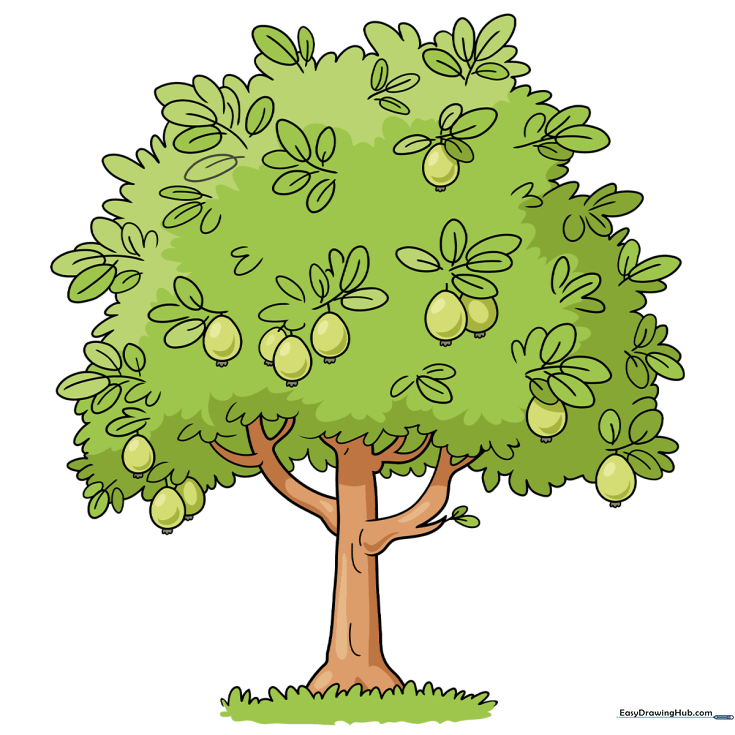
Guava Tree
Focus on the unique, rounded shape of the guava fruit. Tip: Draw the leaves with a slightly pointed tip to distinguish them from other trees.
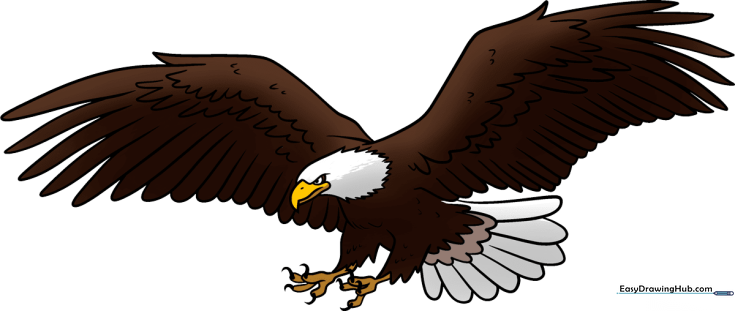
Flying Bald Eagle
Capture the majesty of the eagle by focusing on the wide, sweeping shape of its wings. Tip: Keep the head simple and white to make it instantly recognizable.
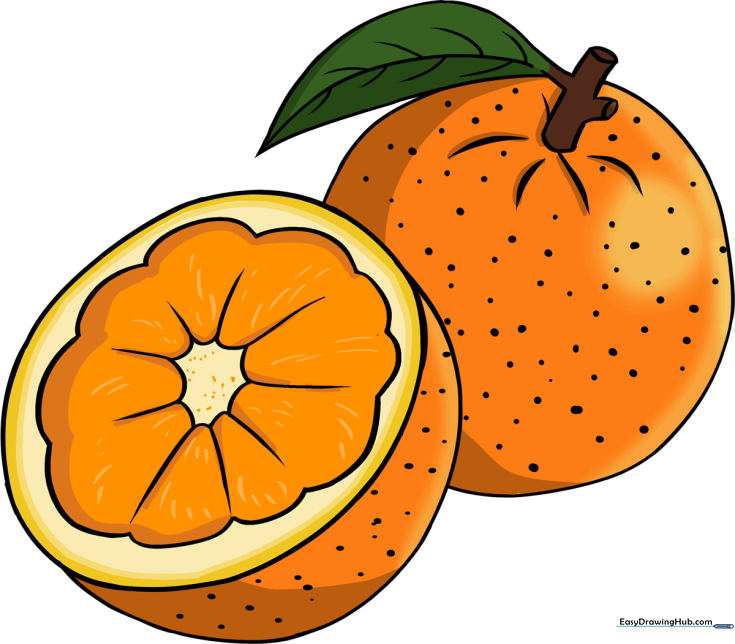
Juicy Orange
Move beyond simple circles by adding realistic peel texture and segmented wedges. Tip: Use light pressure for the outline so you can easily add vibrant orange and yellow shading later.
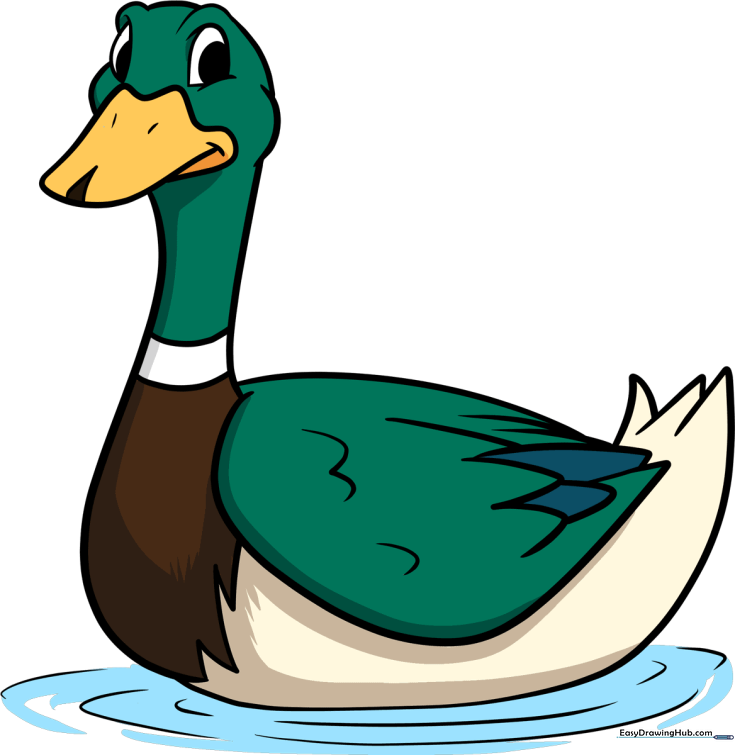
Mallard Duck
Capture the iconic look of a Mallard with its distinct neck ring and sleek head shape. Tip: Focus on the curve of the beak first to get the proportions of the head just right.
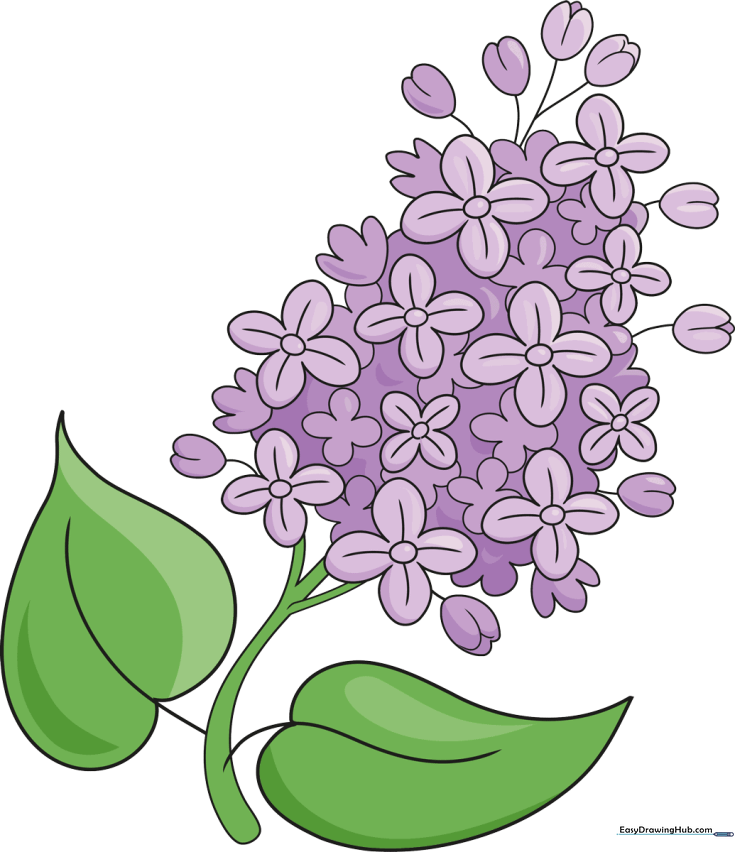
Lilac Flower Cluster
Lilacs are all about clusters! Learn to group small, four-petaled flowers into a beautiful, bushy shape. Tip: Vary the size of your circles to make the cluster look natural and full.
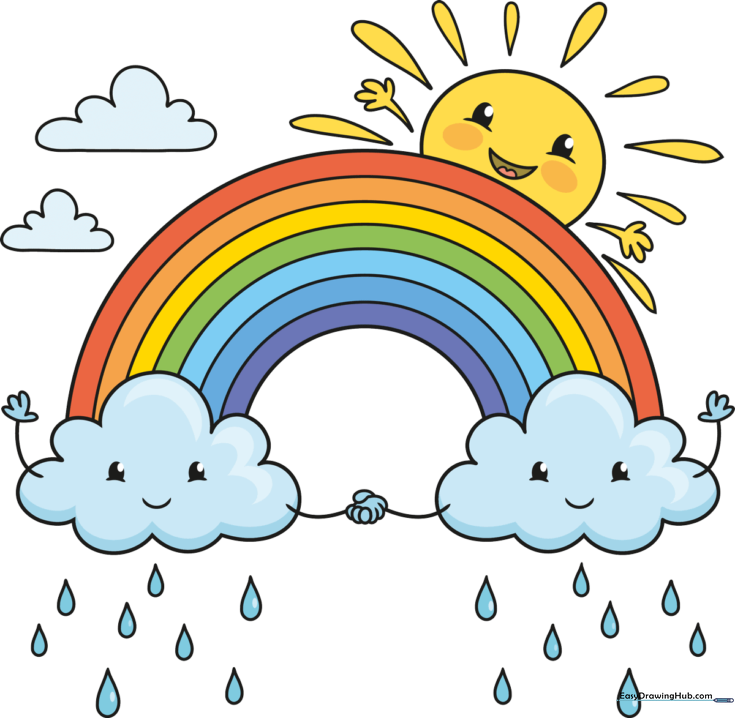
Happy Rainbow and Clouds
Brighten any page with this cheerful weather scene. Tip: Draw your rainbow arcs wide and parallel to keep the colors looking clean and organized.
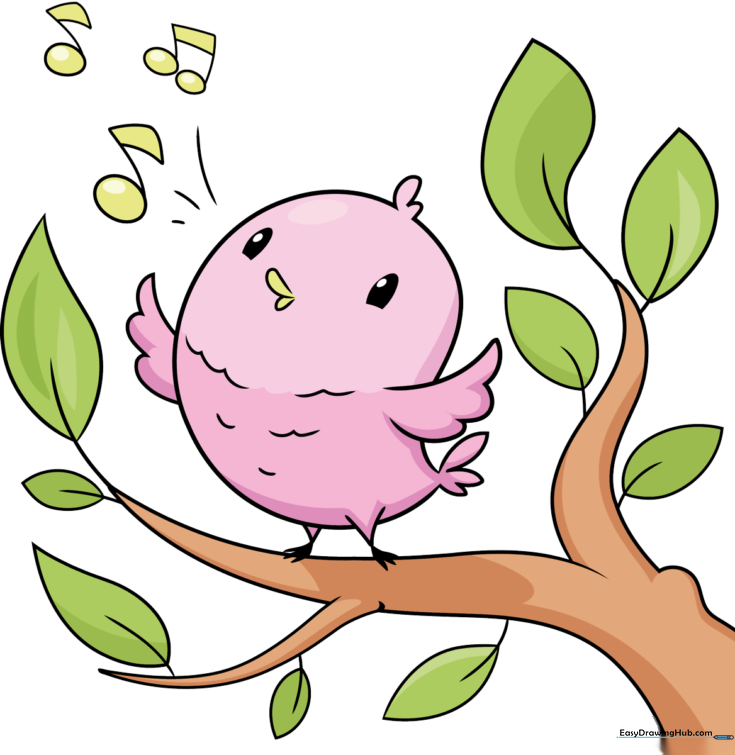
Singing Bird
Bring this little bird to life with an open beak and spread wings. Tip: Use small, quick strokes for the feathers to give your bird a soft, fluffy appearance.
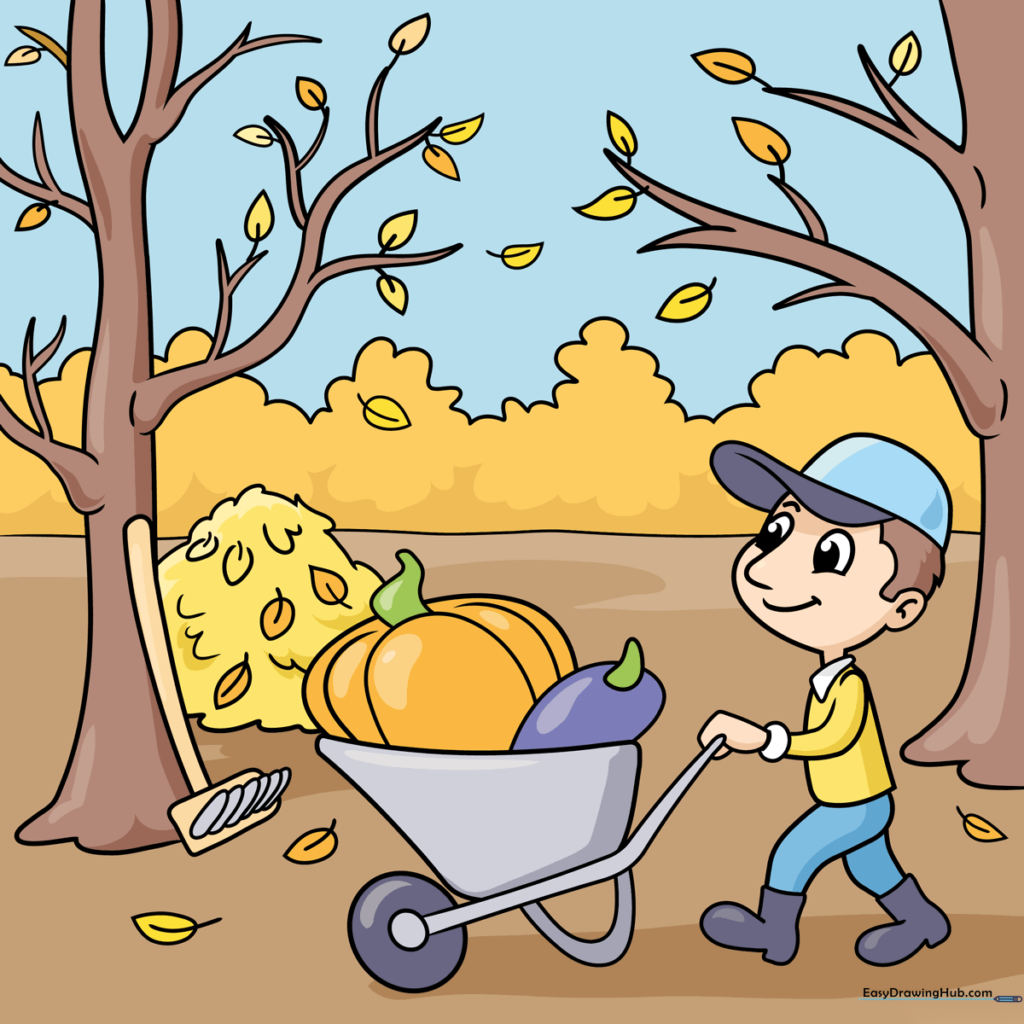
Autumn Harvest Scene
Combine pumpkins, falling leaves, and squash to create a cozy fall landscape. Tip: Draw the pumpkins with slightly irregular, rounded shapes to make them look more realistic.
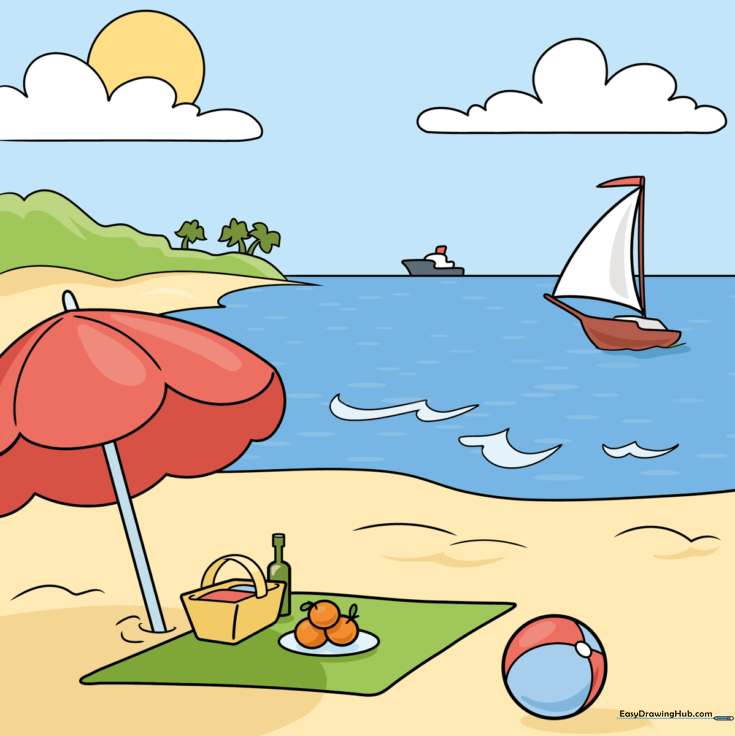
Summer Beach Scene
Capture the warmth of summer with a simple beach landscape. Tip: Use horizontal lines to separate the sky from the sand, which helps ground your drawing.
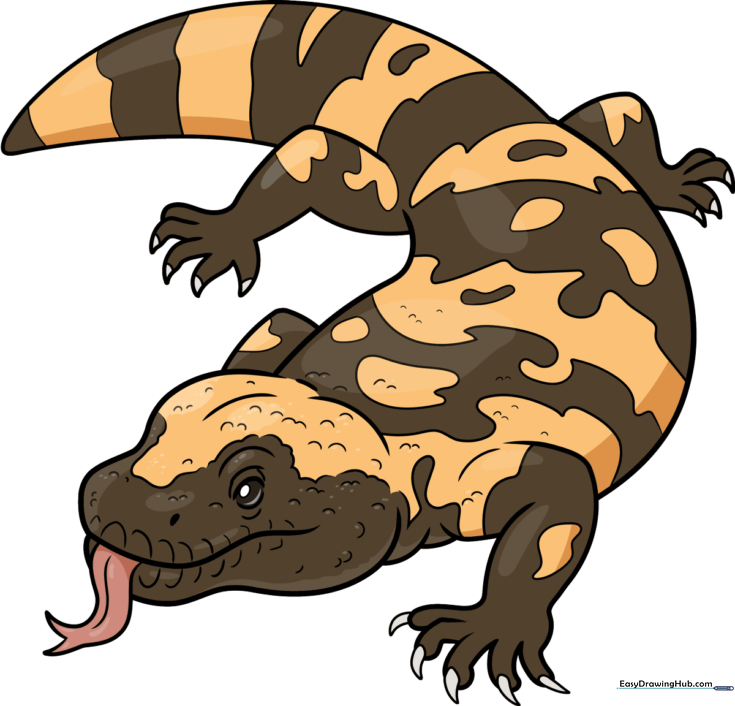
Gila Monster
Explore the unique features of this desert reptile. Tip: Use a repeating pattern of small, rounded shapes to represent the Gila monster's bumpy, textured skin.
More Collections