66 Easy Plant Drawing Tutorials: Step-by-Step Guide
🖍️ 66 free tutorials
Bring nature to life with these 66 guided drawing tutorials, designed for artists of all ages. You only need a pencil, paper, and an eraser to start building your botanical portfolio. These lessons break down complex organic shapes into simple geometric forms, helping you develop fine motor skills while exploring the beauty of the natural world.
Rainbow Rose
Capture the magic of a 'unicorn rose' with this vibrant tutorial. Tip: Use light, overlapping petals to create a sense of depth before adding your rainbow colors.

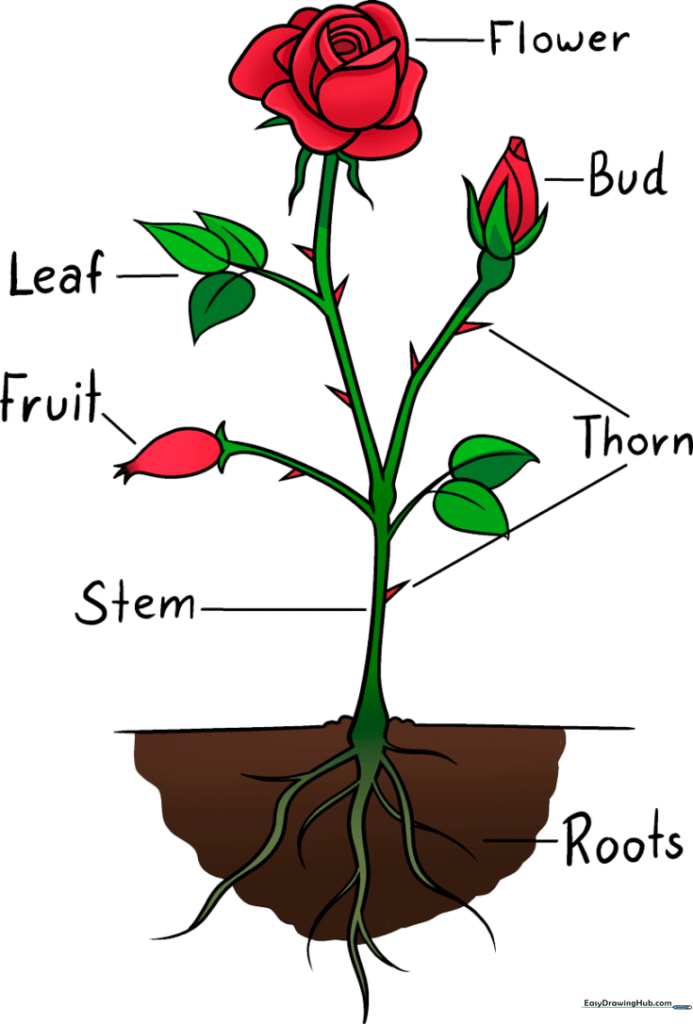
Parts of a Rose
Perfect for science class! Learn the anatomy of a rose, from roots to thorns. Tip: Label your drawing as you go to reinforce your botanical knowledge.
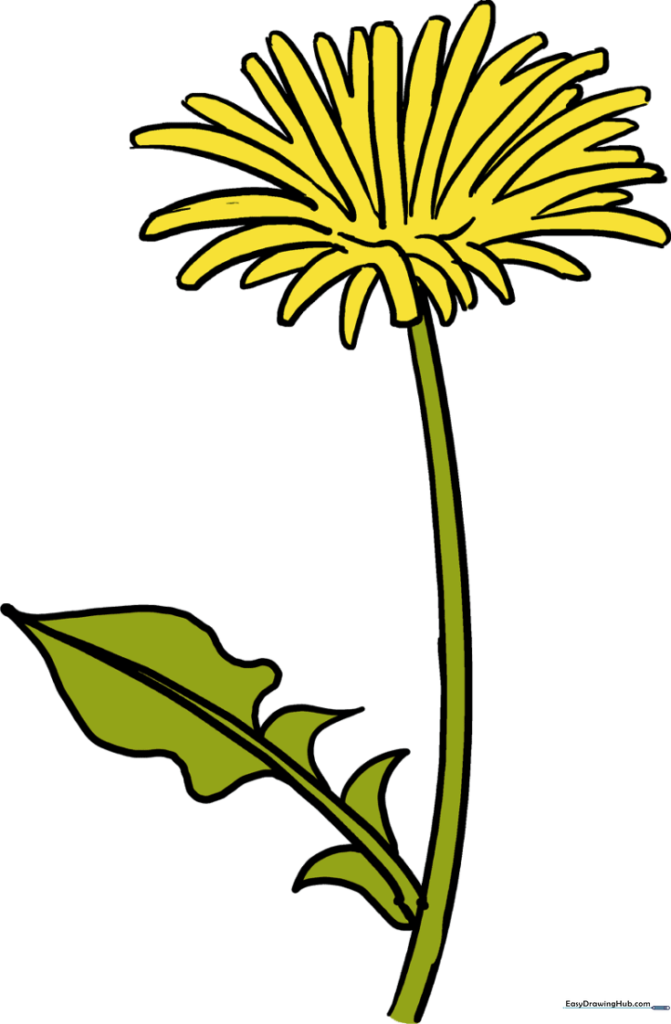
Dandelion
Draw the iconic backyard weed. Tip: Use short, quick strokes to mimic the fluffy, feathery texture of the dandelion seeds.
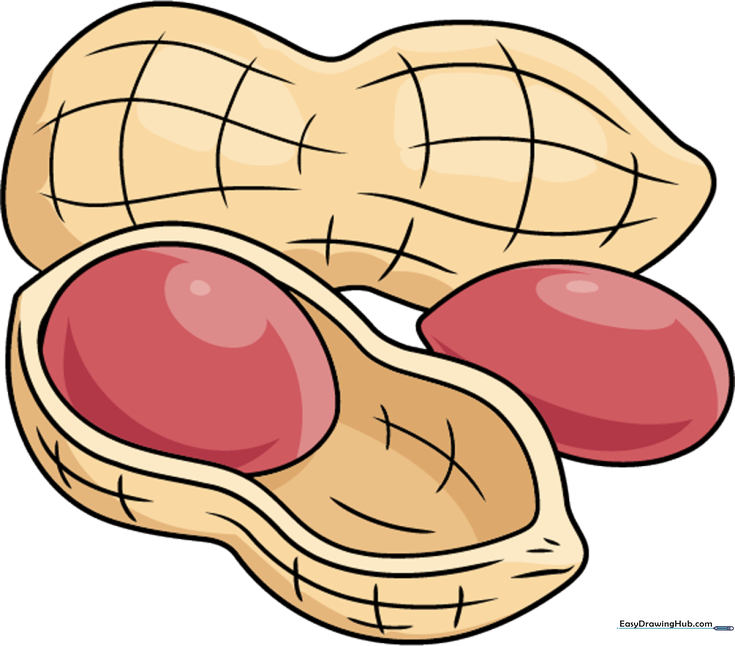
Peanut
A fun, simple shape to practice shading. Tip: Focus on the bumpy, organic outline of the shell to make it look realistic.
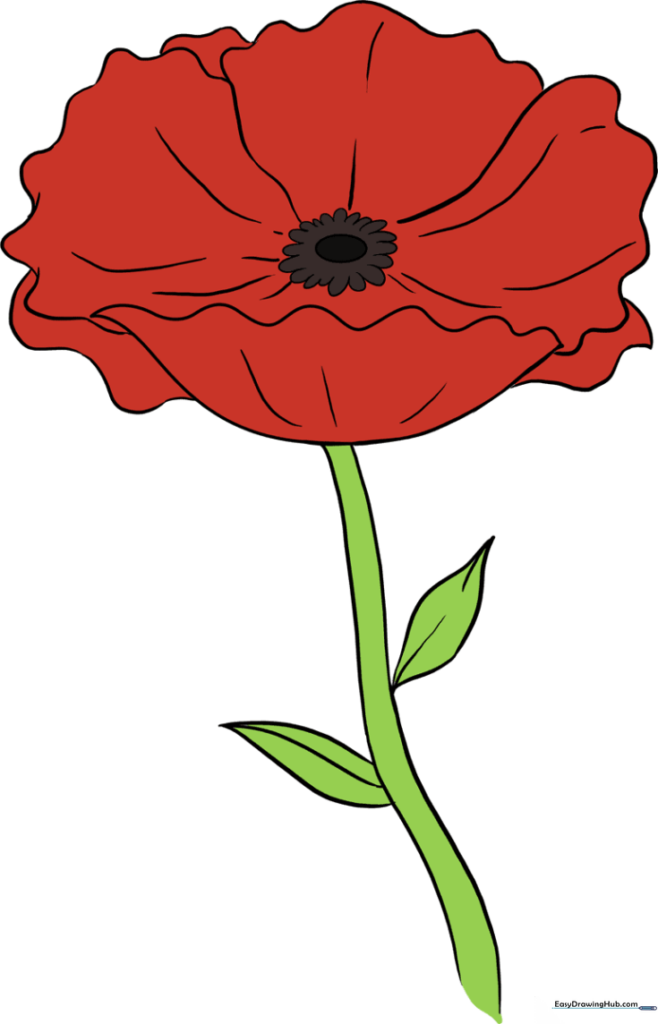
Poppy
Learn to draw the delicate, paper-thin petals of a poppy. Tip: Keep your lines loose and flowing to capture the natural grace of the flower.
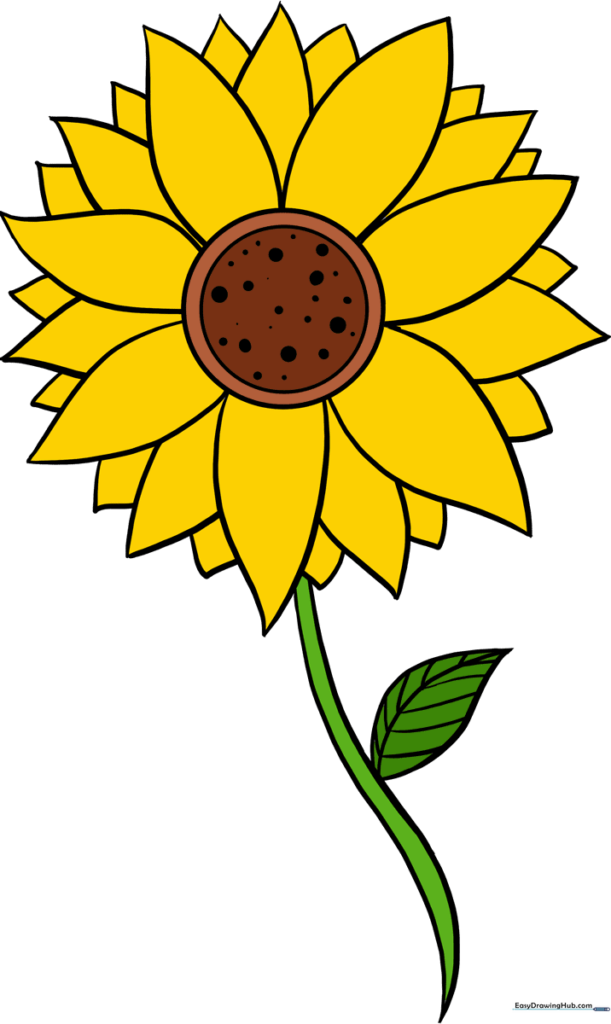
Sunflower
Sunflowers are great for practicing symmetry. Tip: Start with a central circle for the seeds, then add petals radiating outward like sunbeams.
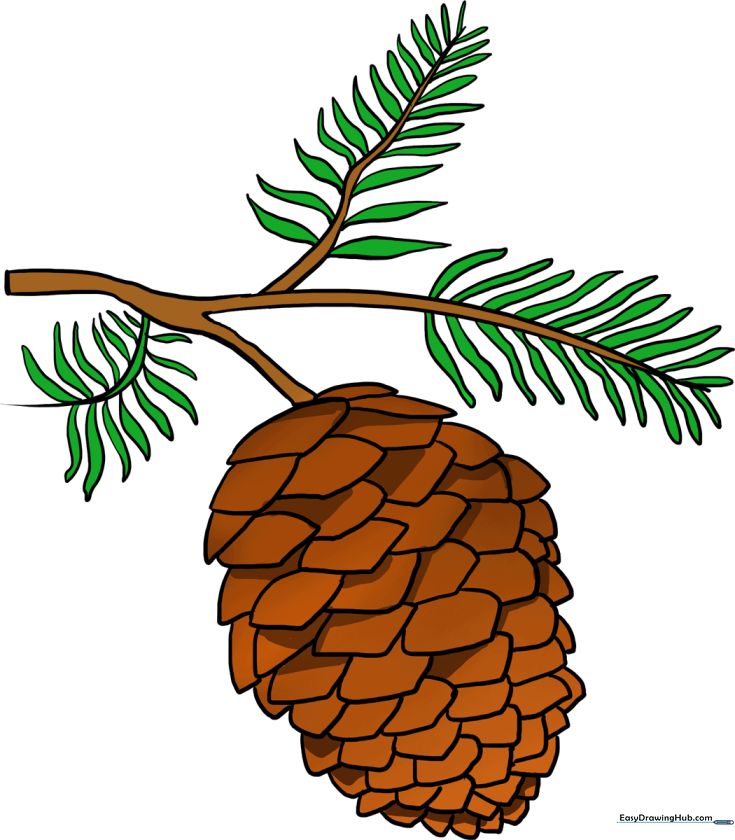
Pinecone
Master the art of repeating patterns. Tip: Draw the scales as overlapping 'U' shapes to create the classic pinecone texture.
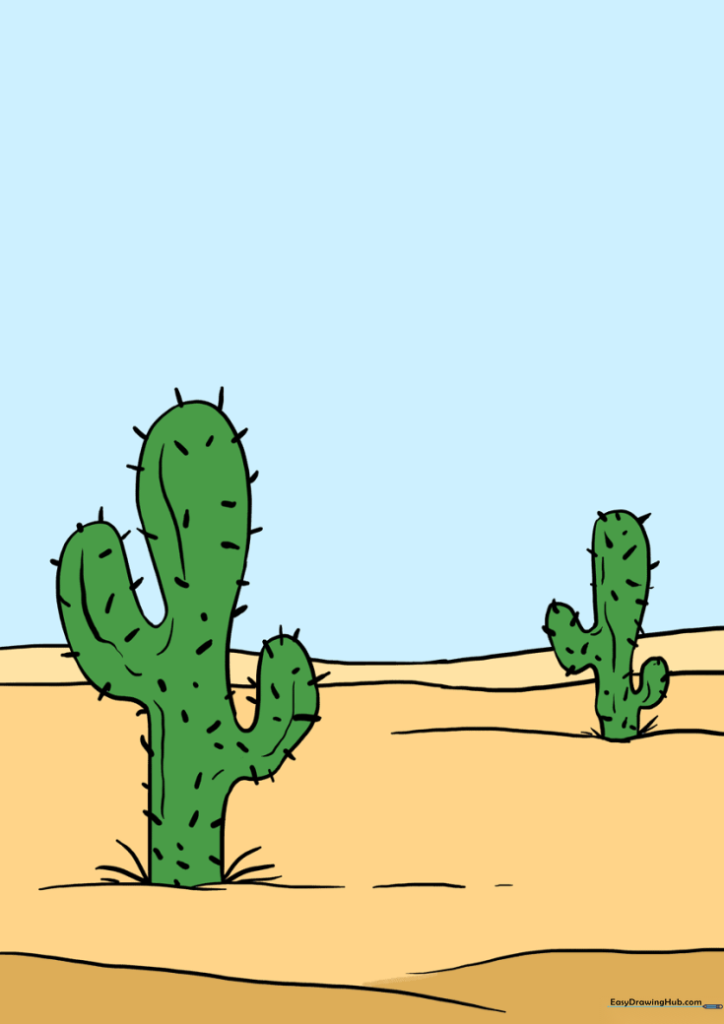
Cactus
Cacti are fun to draw because they don't need to be perfect! Tip: Add small 'V' shapes along the edges to represent the sharp spines.
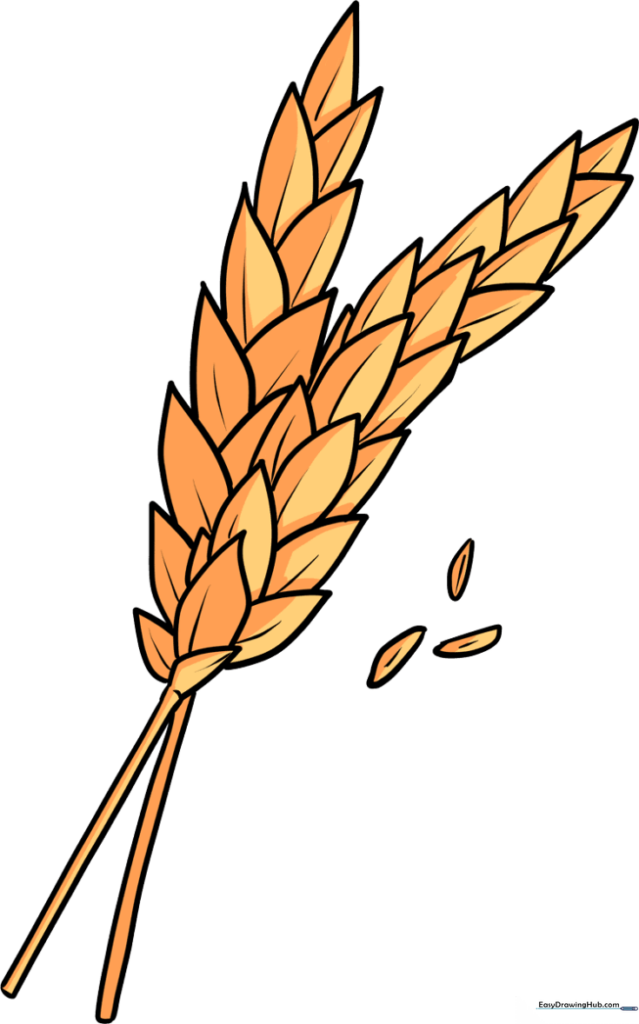
Wheat
Practice your fine motor control with the tiny grains of wheat. Tip: Draw the stalks slightly curved to give your drawing movement.
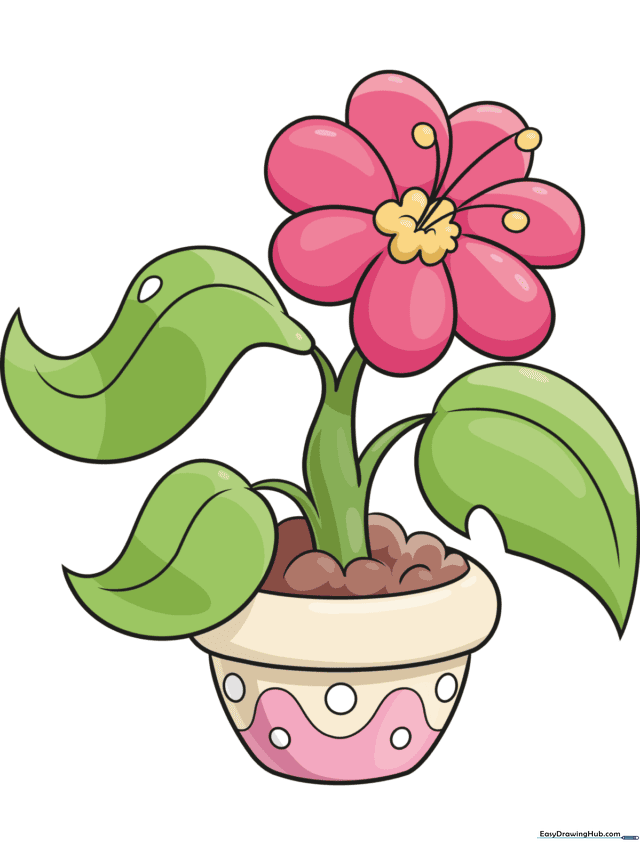
Potted Plant
Create your own indoor garden. Tip: Draw the pot first to act as an anchor, then build the leaves upward and outward.
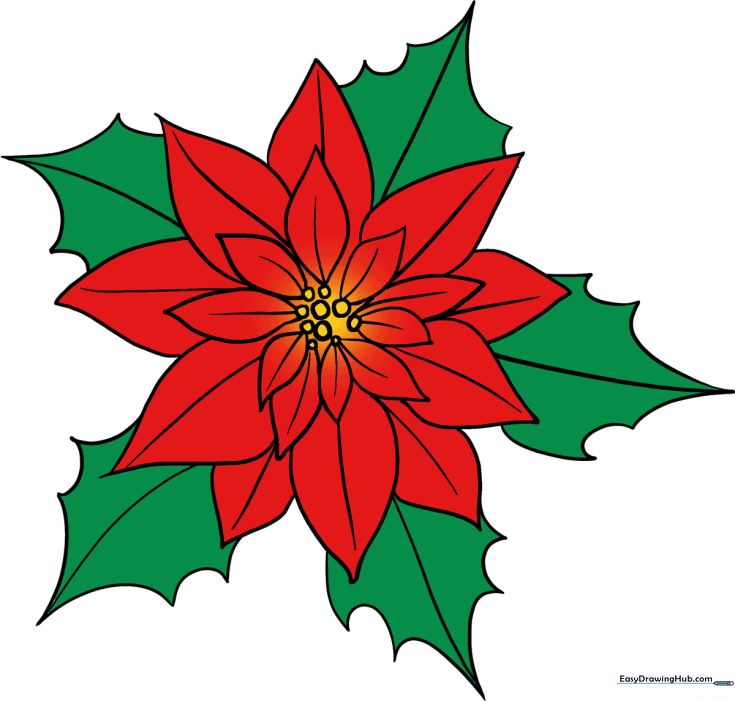
Poinsettia
Draw these festive winter blooms. Tip: Remember that the 'petals' are actually colored leaves—keep them broad and slightly pointed.
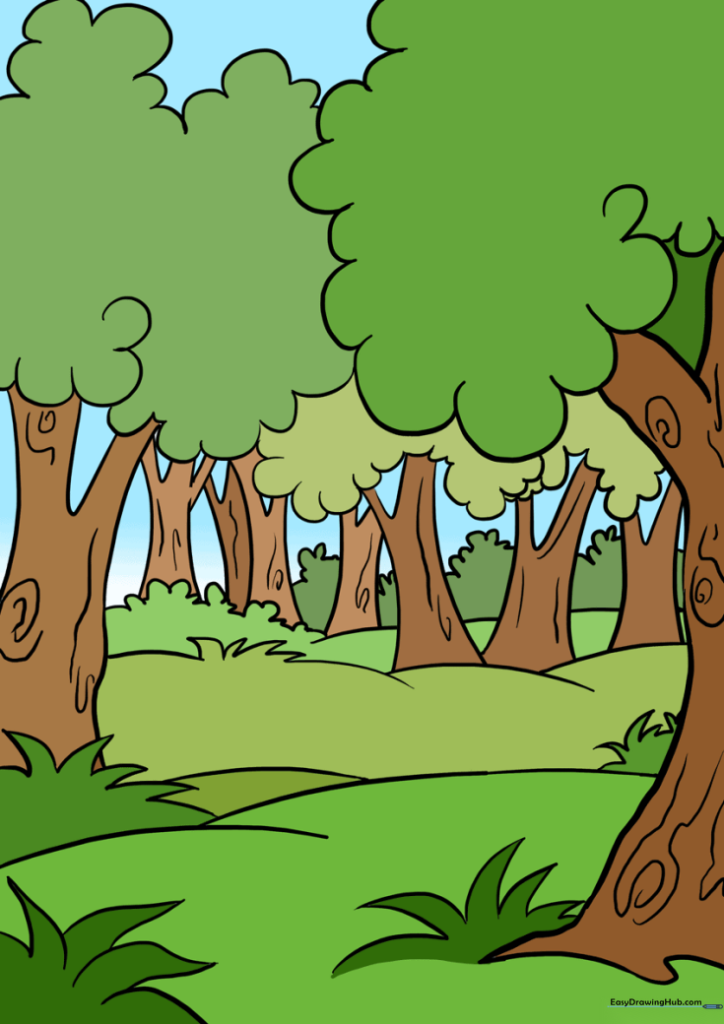
Cartoon Forest
Build a whole world! Tip: Use varying heights for your trees to create a sense of depth and perspective in your forest scene.
Holly
Draw the sharp, jagged leaves of holly. Tip: Use a zigzag line to get that iconic spiky edge, then add small circles for the berries.

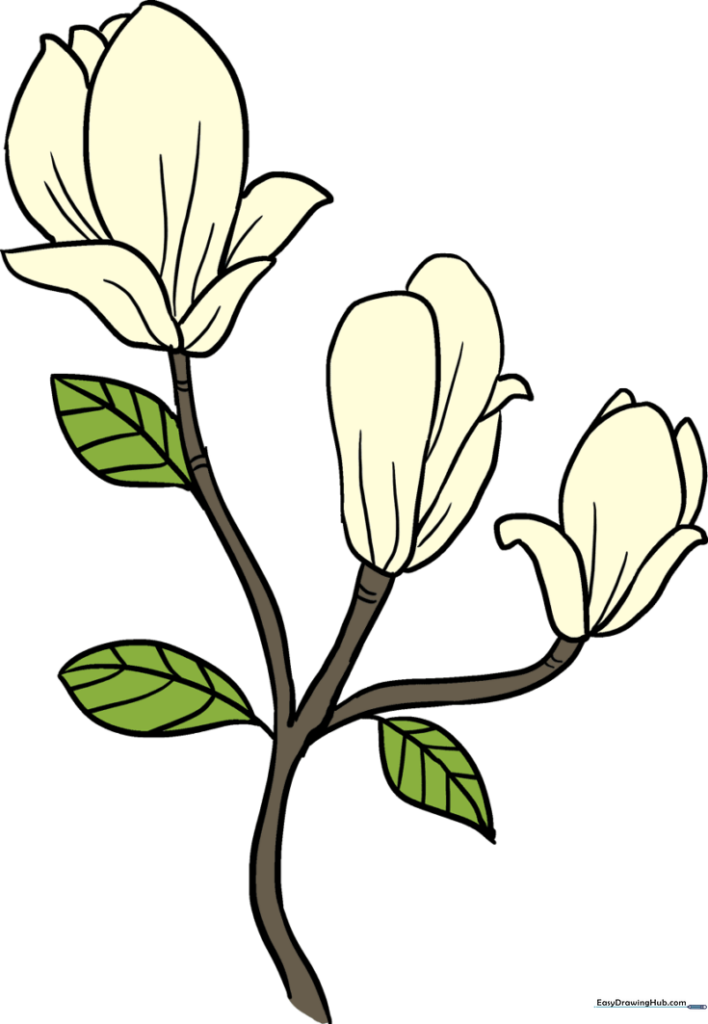
Magnolia Flowers
Magnolias are known for their large, elegant petals. Tip: Draw the petals in a cup-like shape to capture their natural, blooming form.
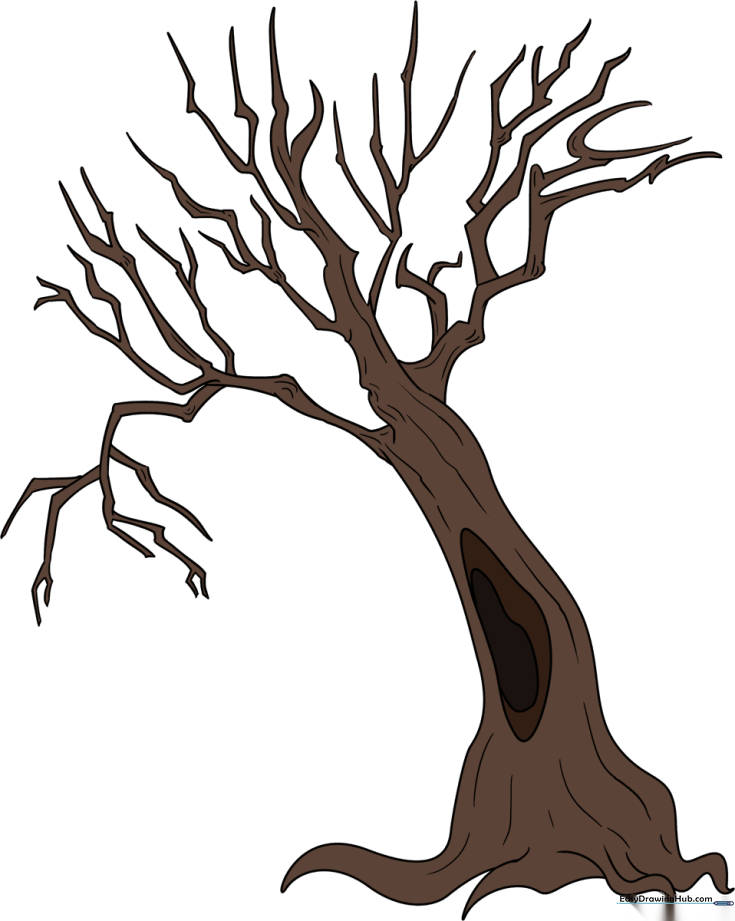
Dead Tree
Great for spooky scenes! Tip: Use gnarled, twisted lines for the branches to give the tree a weathered, ancient look.
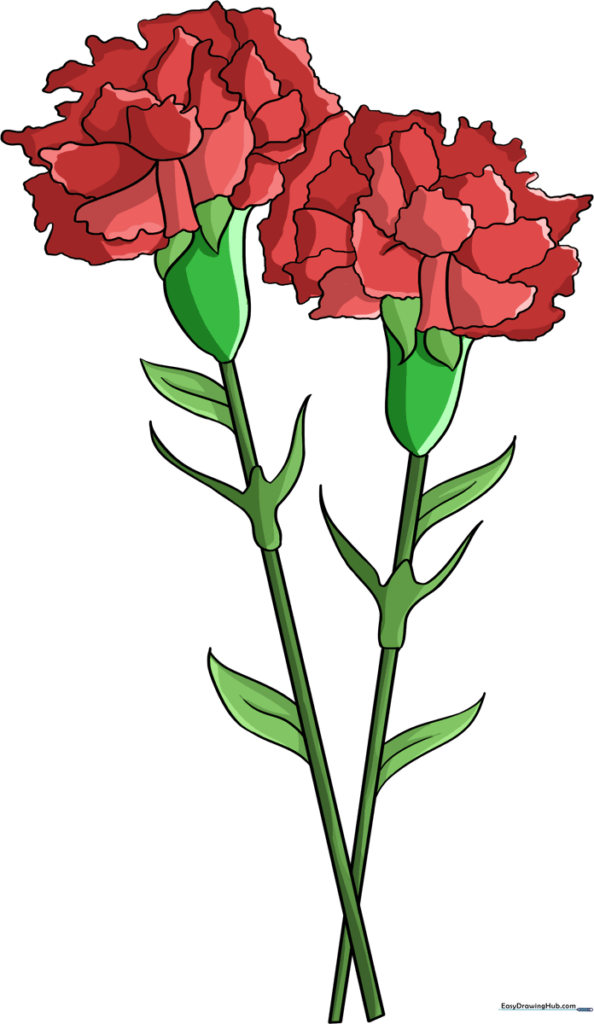
Carnation
Carnations have ruffled, frilly edges. Tip: Use short, scalloped lines to create that signature ruffled texture.
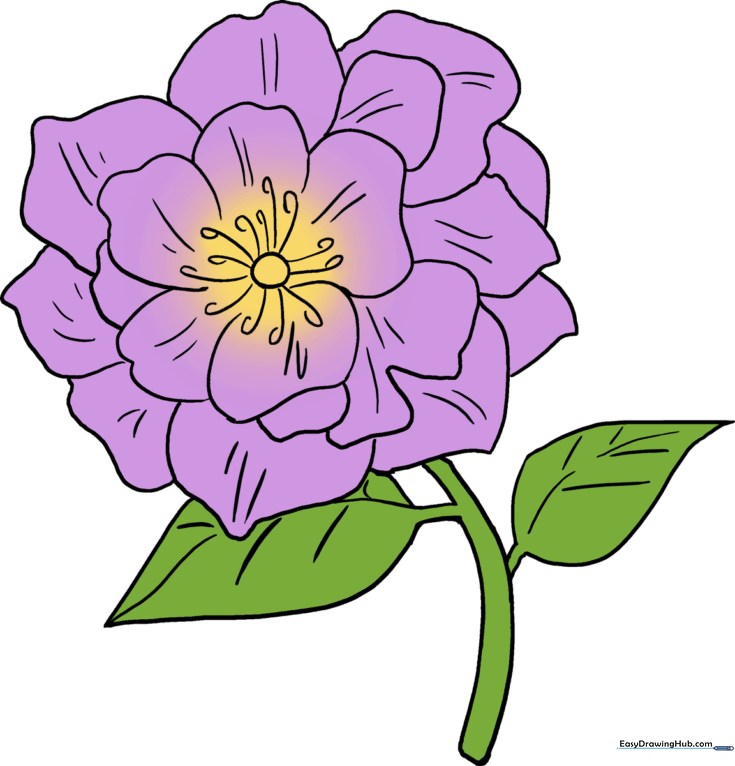
Peony
Peonies are lush and full. Tip: Start from the center and work your way out, adding more petals as you go to build volume.
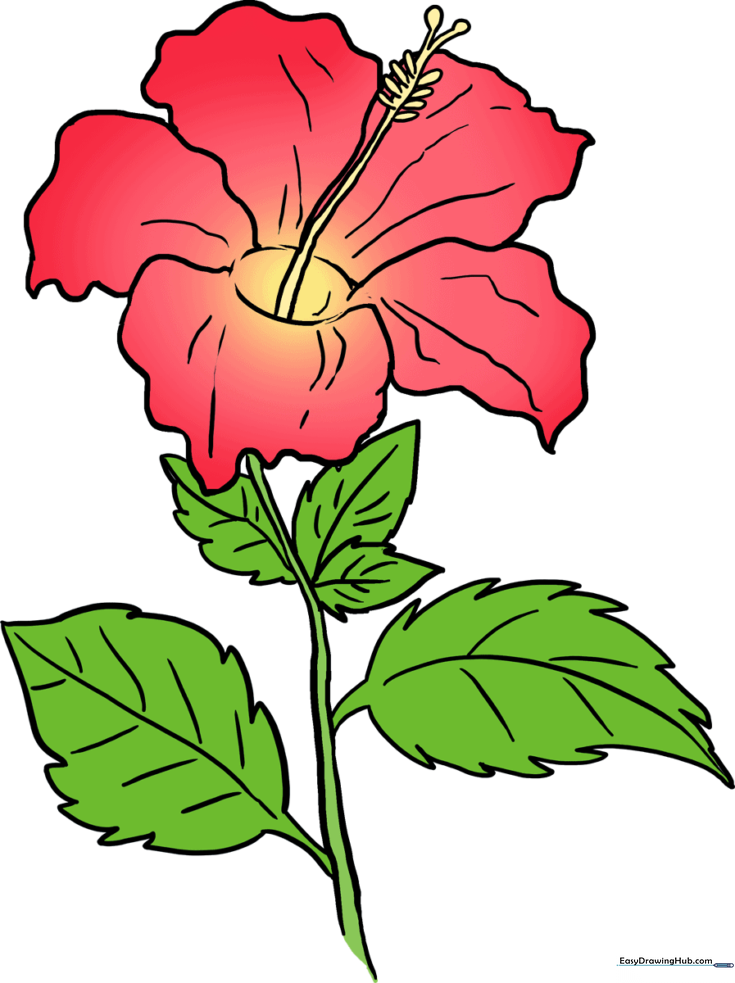
Hibiscus
Capture the tropical vibe of the hibiscus. Tip: Don't forget the long, prominent stamen sticking out from the center!
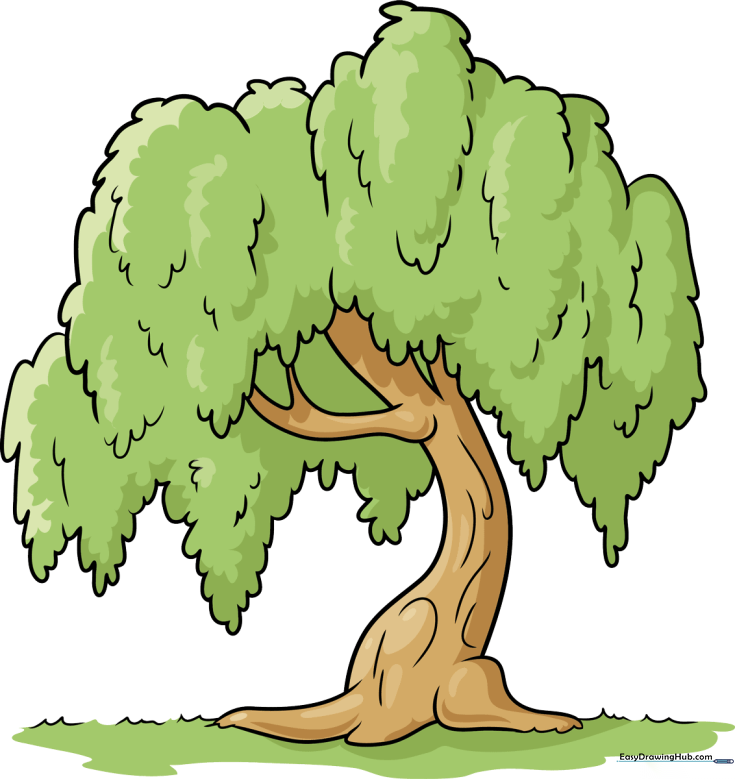
Willow Tree
The weeping willow is all about long, flowing lines. Tip: Draw the branches drooping downward to create that classic 'weeping' effect.
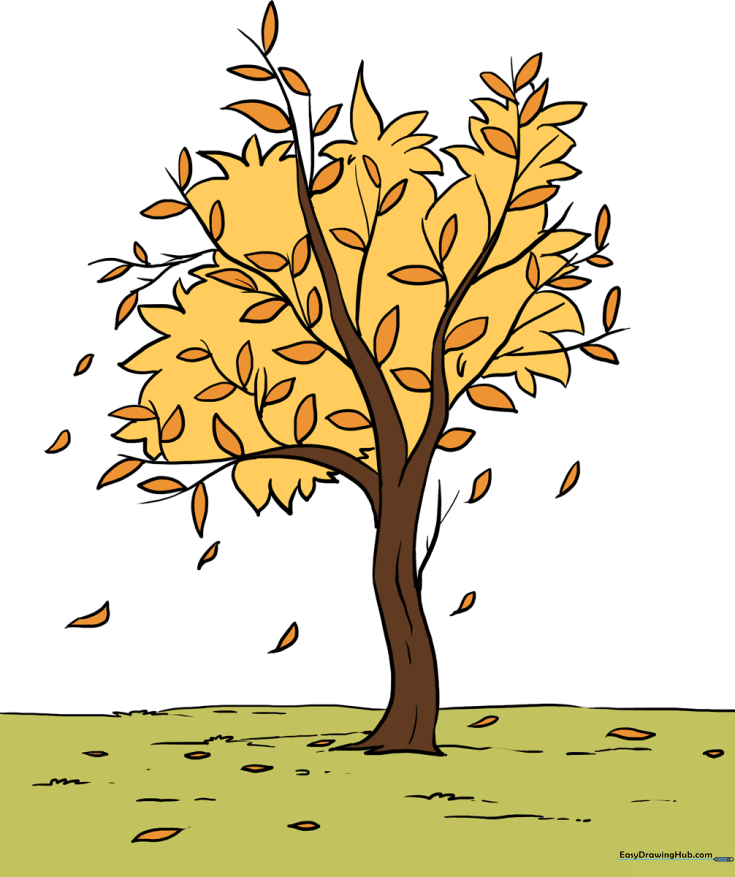
Fall Tree
Celebrate the changing seasons. Tip: Use rounded, cloud-like shapes for the canopy to represent the dense autumn foliage.
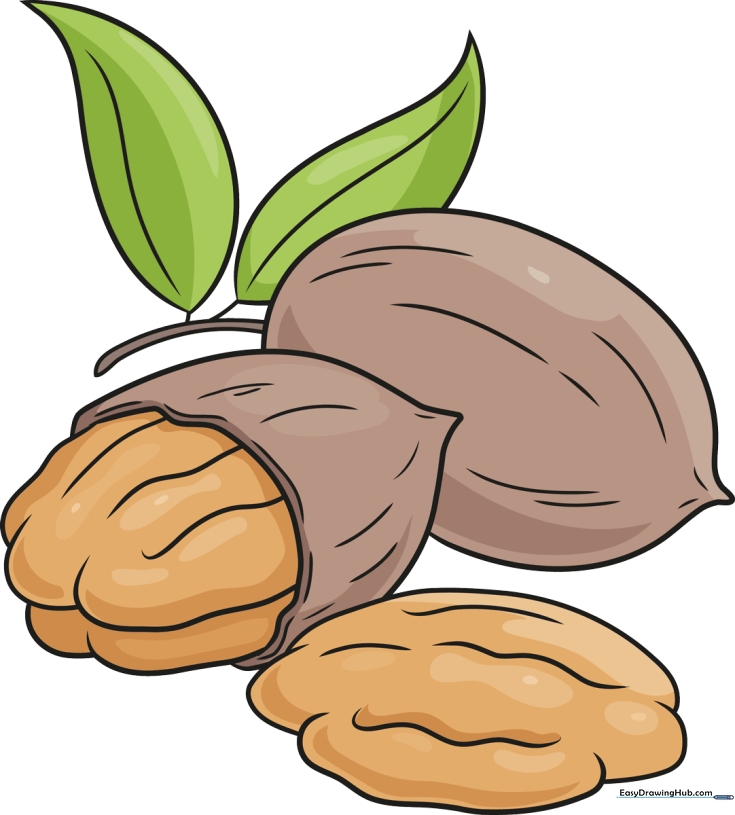
Pecan Nuts
Practice drawing organic, oval shapes. Tip: Add small, irregular lines on the surface to give the shells a realistic, woody texture.
Jungle
Create a lush, dense environment. Tip: Layer your plants—draw some large ones in the front and smaller ones in the back to create depth.

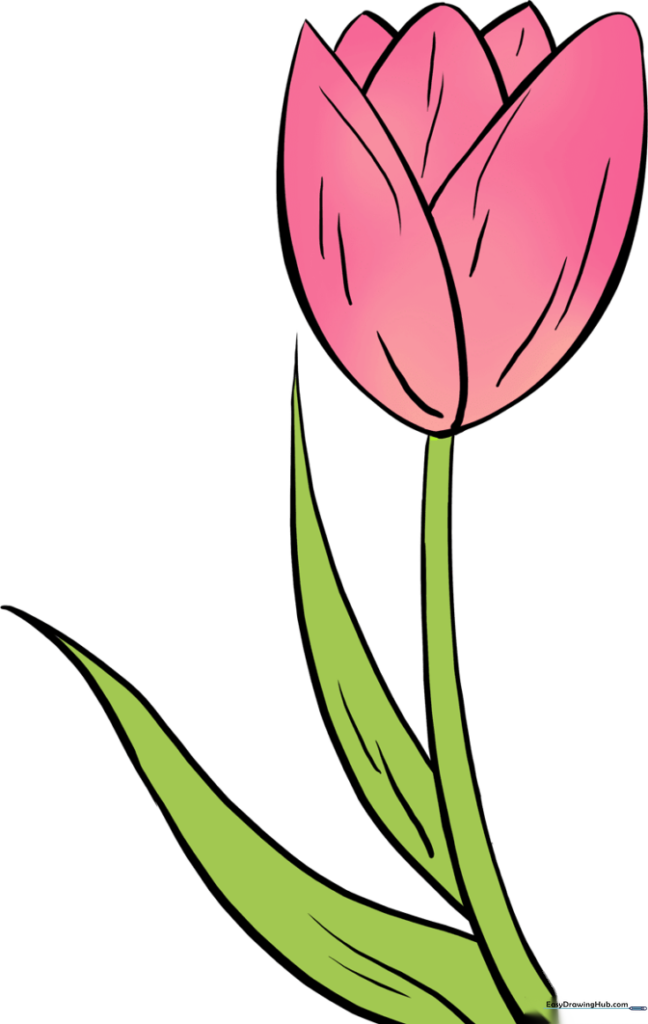
Tulip
Tulips have a simple, elegant cup shape. Tip: Keep the lines smooth and rounded to capture the tulip's soft, bulbous look.
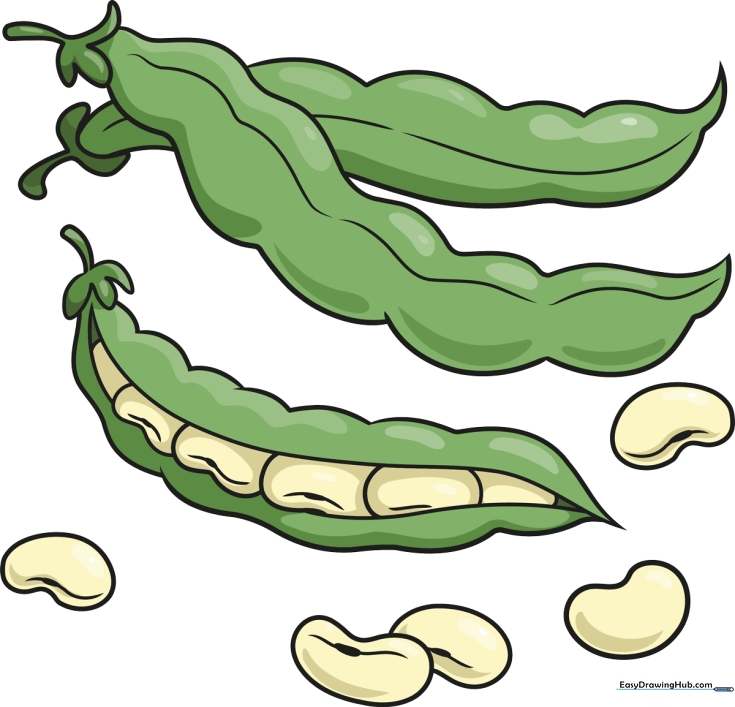
Beans
Beans are great for practicing simple, curved shapes. Tip: Draw the pod slightly curved to make it look natural and realistic.
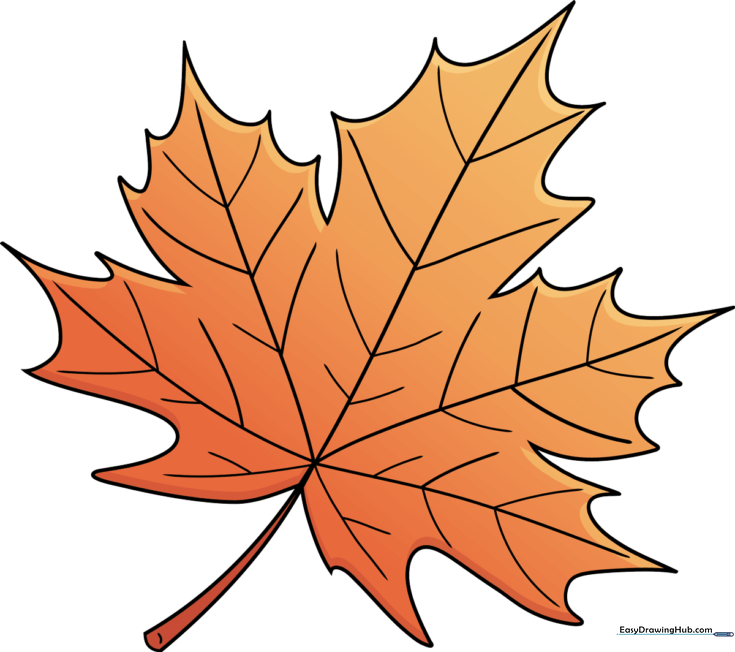
Maple Leaf
The maple leaf is iconic for its sharp, pointed lobes. Tip: Draw the central point first, then work outward to keep the leaf balanced.
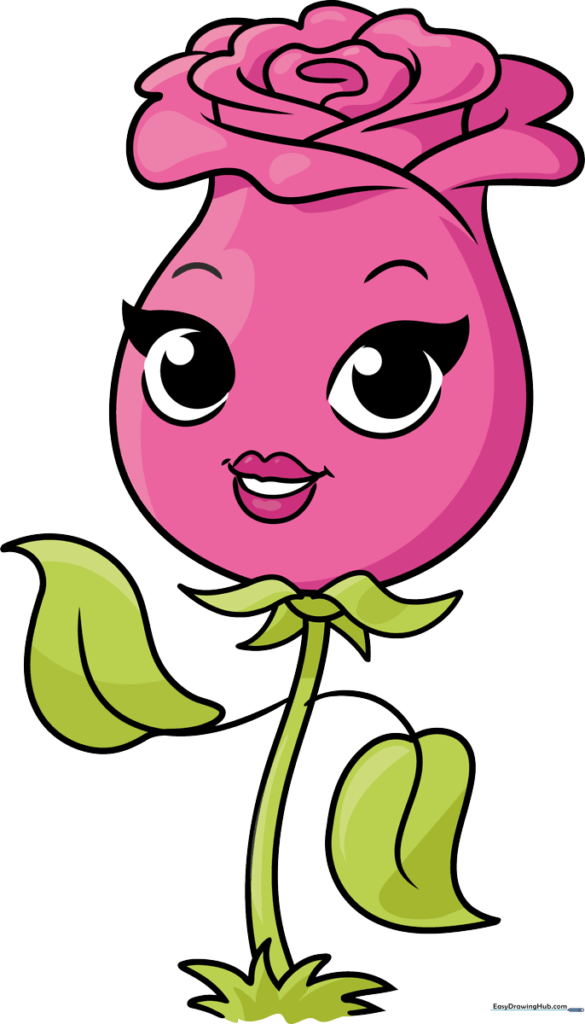
Cartoon Rose
Create a cheerful rose with a smiling face! Tip: Start with a small spiral for the center to give your rose a professional, layered look before adding the petals.
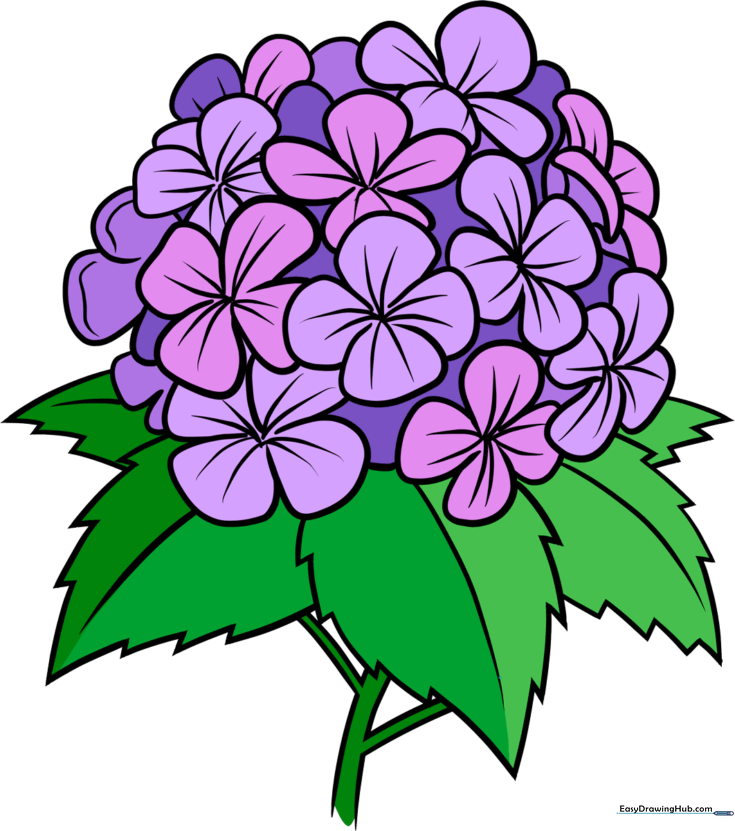
Hydrangea Flower
Hydrangeas are made of many tiny clusters. Tip: Draw small, overlapping 'U' shapes to create the illusion of a full, fluffy flower head without needing to draw every single petal.
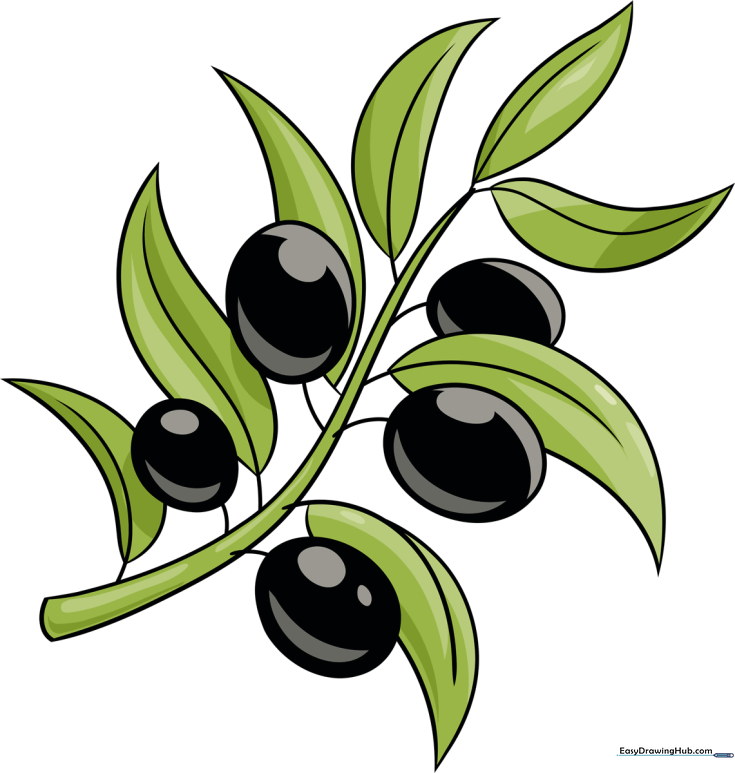
Olive Branch
Perfect for practicing symmetry and leaf shapes. Tip: Keep your lines fluid and curved to make the branch look natural and flexible rather than stiff.
Shamrock
A classic three-leaf clover. Tip: Use three heart shapes connected at the center to get the perfect shamrock look every time.

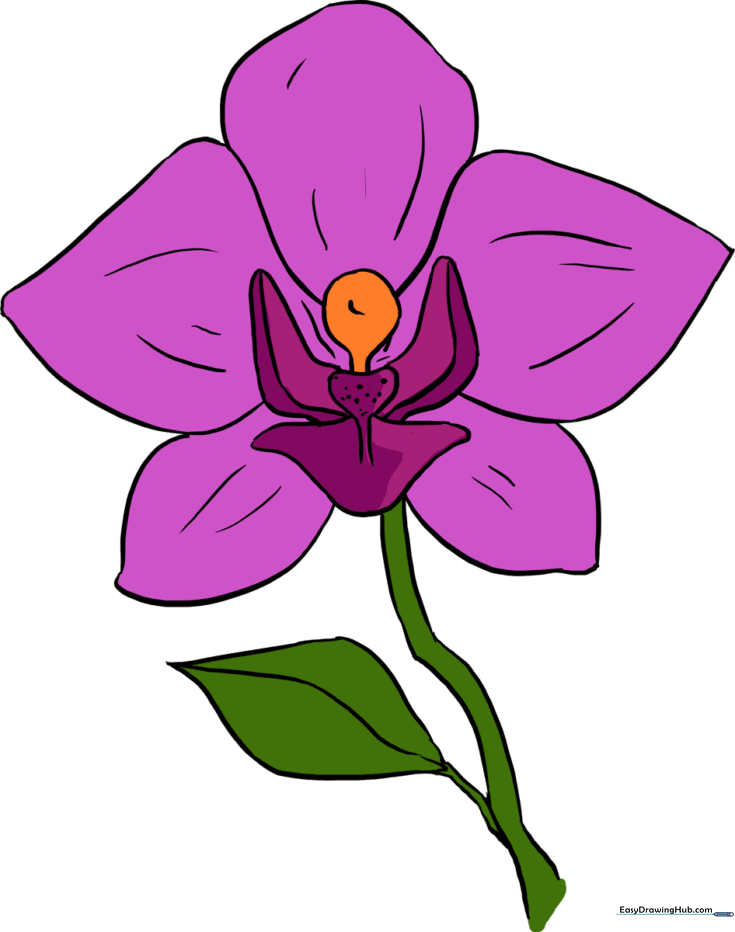
Orchid
Orchids have unique, exotic shapes. Tip: Focus on the 'lip' or center petal first; it’s the most distinct part of the flower and helps anchor your drawing.
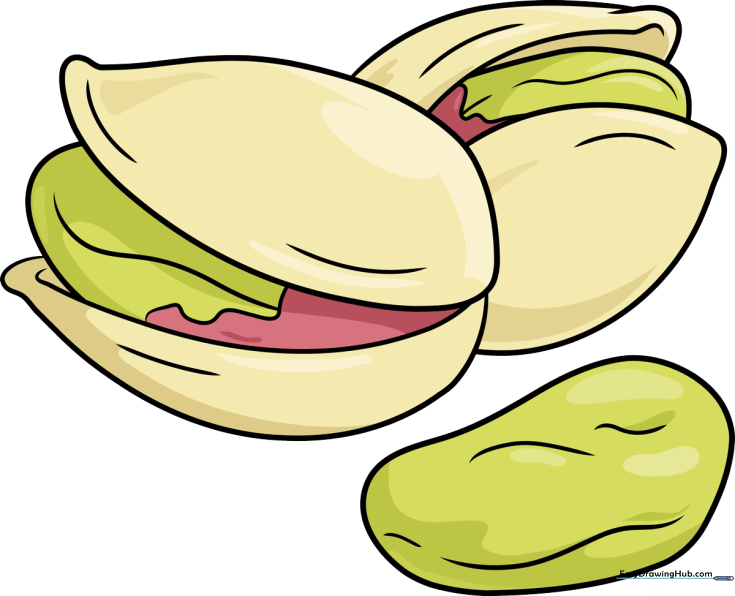
Pistachios
Draw these tasty nuts in their shells! Tip: Use a 'V' shape for the opening of the shell to show the nut peeking out from inside.
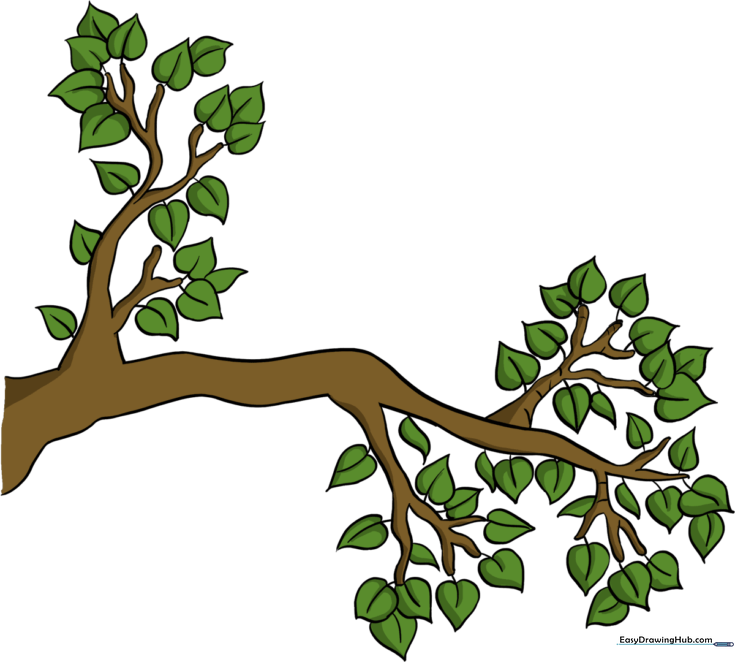
Tree Branch
Learn to draw texture and knots. Tip: Use short, jagged lines for the bark to give your branch a rough, realistic appearance.
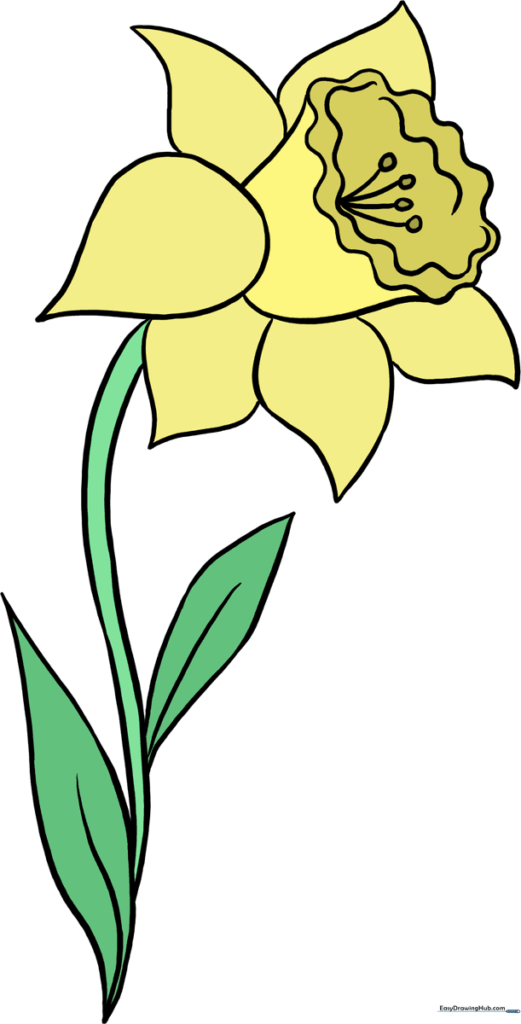
Daffodil
A bright sign of spring. Tip: Draw the trumpet-shaped center first, then add the petals around it like a starburst.
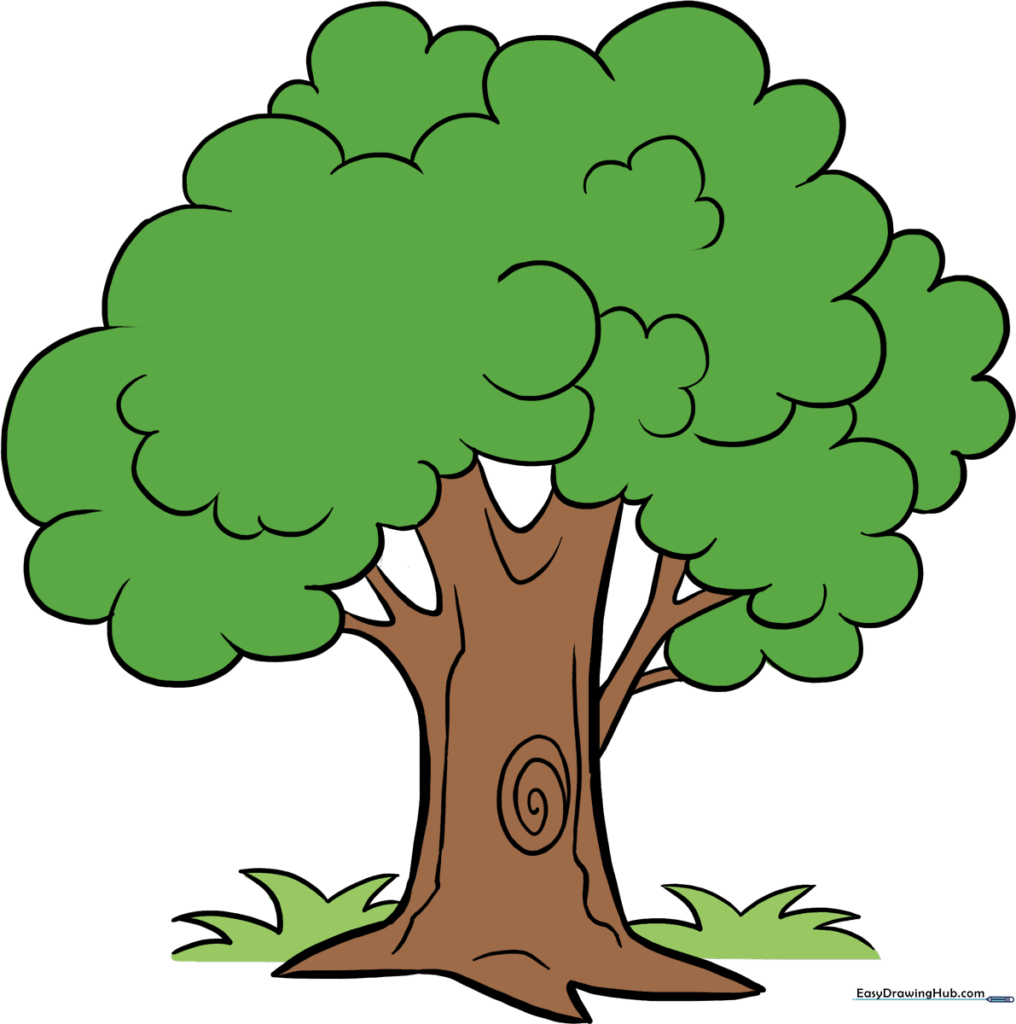
Cartoon Tree
The perfect tree for a storybook scene. Tip: Draw the leafy crown as a series of connected 'cloud' shapes to make it look full and soft.
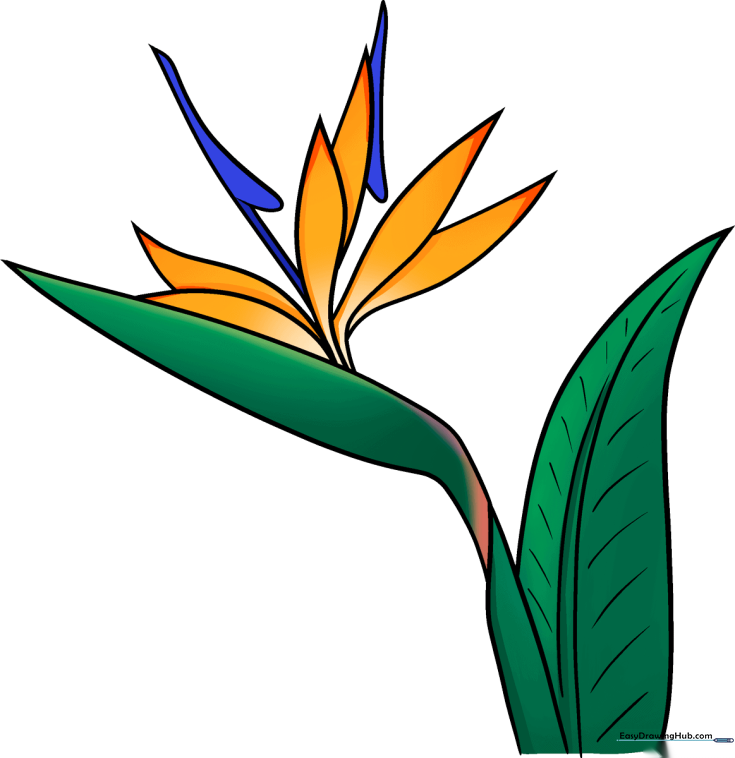
Bird of Paradise Flower
This flower looks just like a bird! Tip: Use sharp, angular lines for the petals to capture the 'beak' and 'crest' shape of this tropical bloom.
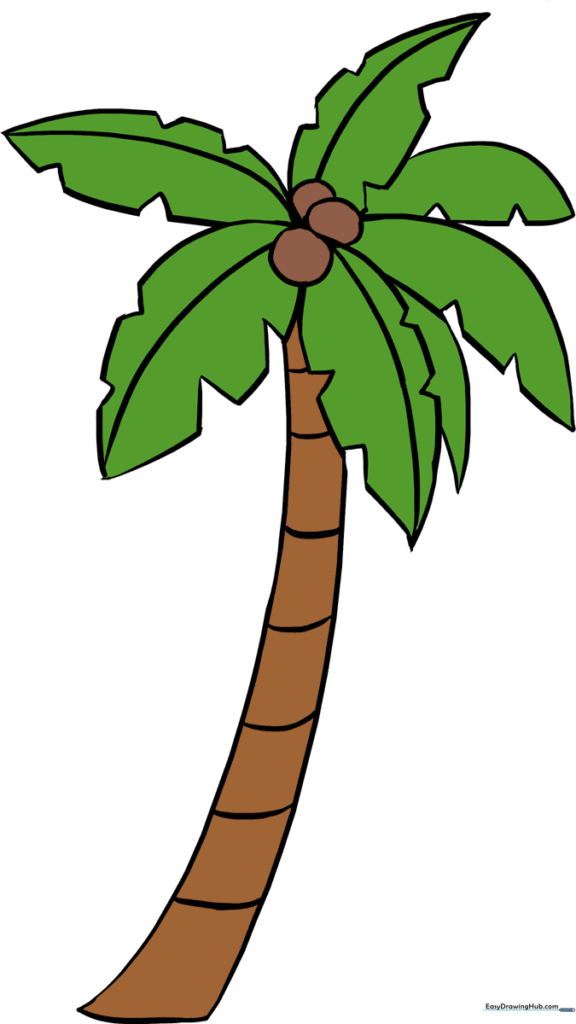
Palm Tree
Bring the beach to your sketchbook. Tip: Draw the trunk with a crisscross pattern to show the texture of the bark, and keep your palm fronds long and sweeping.
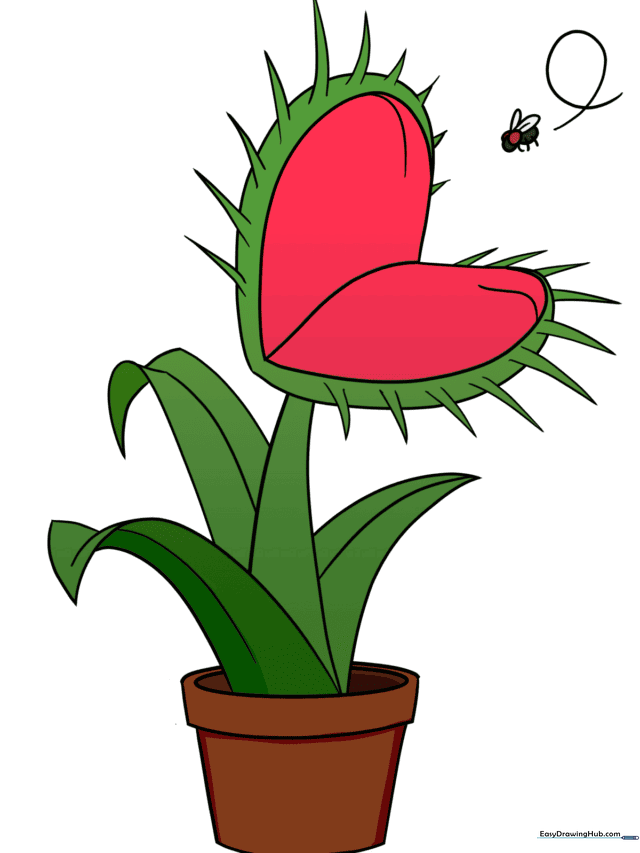
Venus Flytrap
A fun, slightly spooky plant! Tip: Draw the 'teeth' on the leaves as small triangles to give your flytrap a snappy, hungry look.
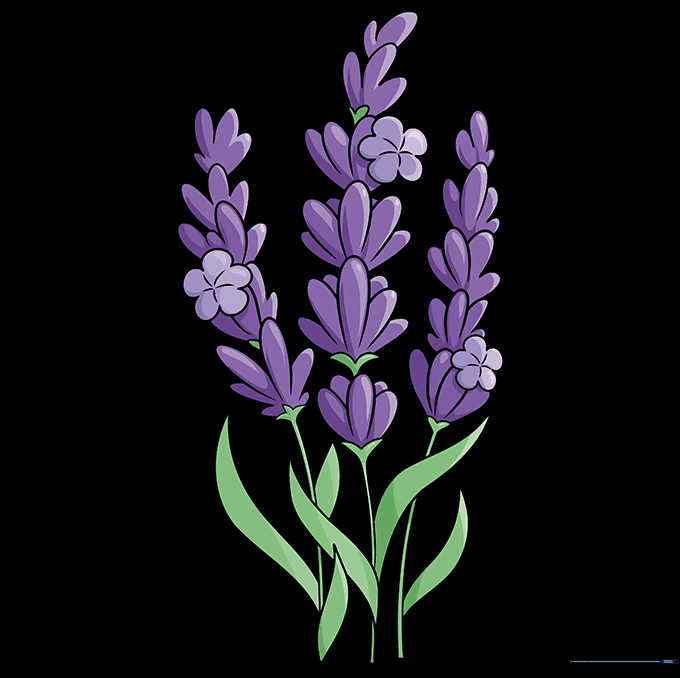
Lavender
Lavender is all about small, repetitive shapes. Tip: Draw tiny, rounded clusters along the stem to represent the fragrant buds.
Lotus Flower
The lotus is elegant and symmetrical. Tip: Start from the center and work your way outward to keep your petals balanced on both sides.

Rainbow Flower
A fun way to practice coloring! Tip: Use a different color for each petal to make your flower pop and look like a real rainbow.

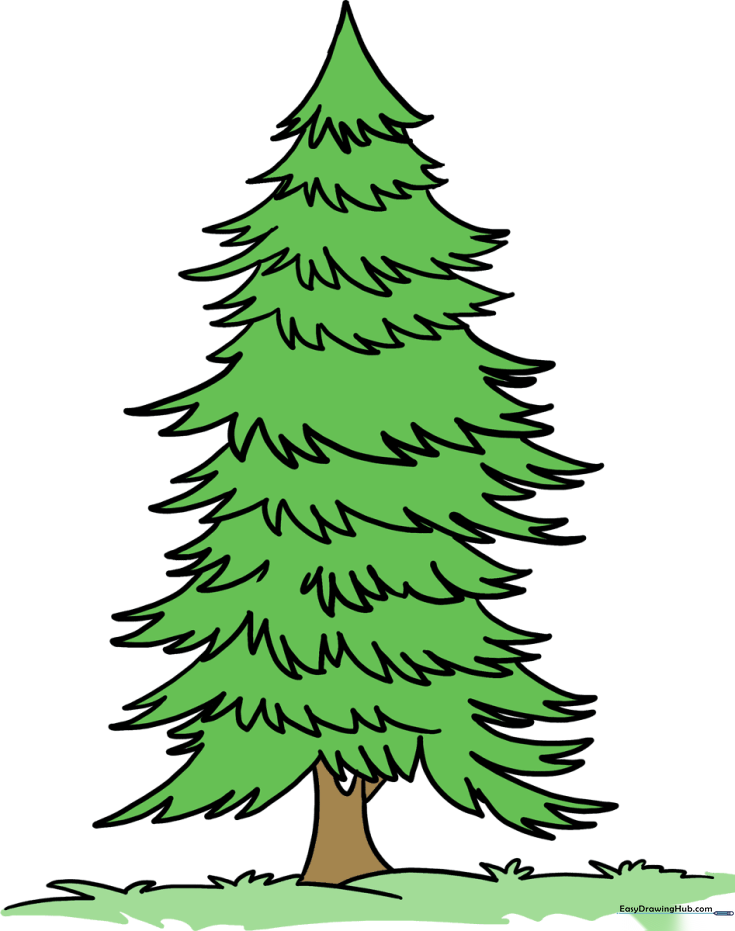
Spruce
Spruce trees are great for practicing triangles. Tip: Use short, diagonal strokes to create the needle effect on the branches.
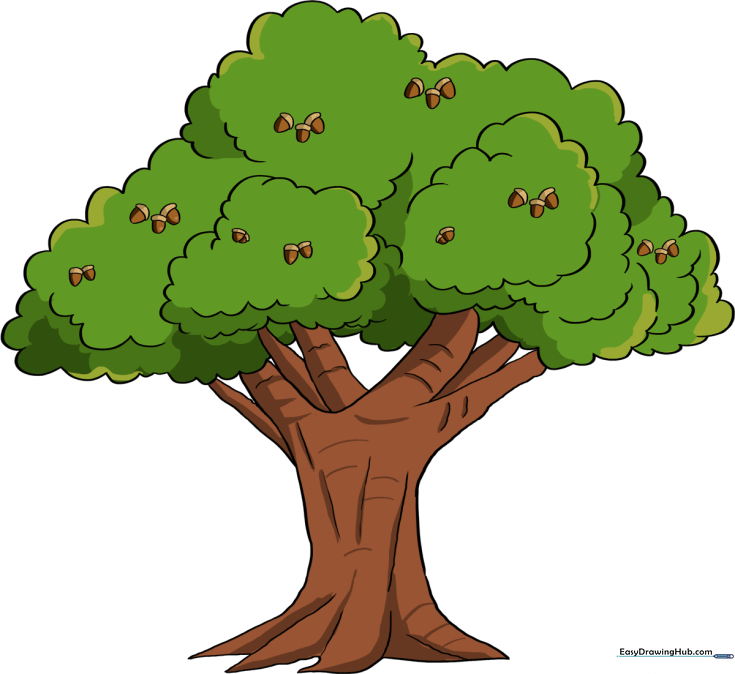
Oak Tree
Oak trees have wide, majestic crowns. Tip: Draw the trunk thick and sturdy, then add large, wavy shapes for the leaves to show its strength.
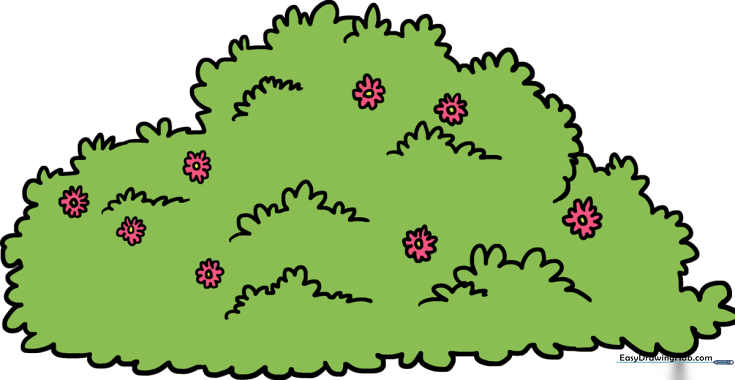
Bush
Bushes are perfect for filling in your landscape drawings. Tip: Use a series of small, overlapping circles to create the bushy, leafy texture.
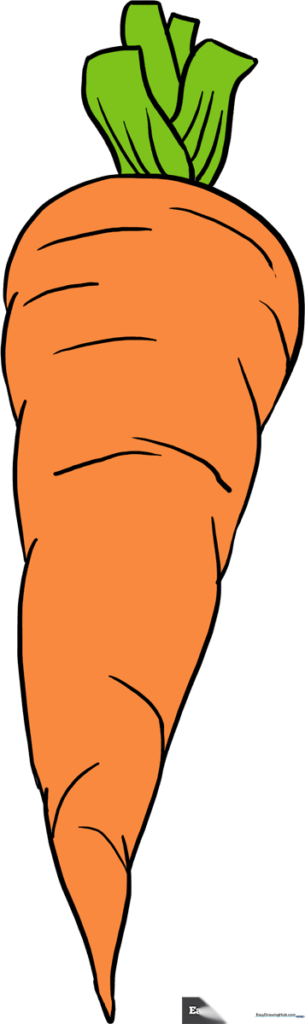
Carrot
A fun root vegetable to draw! Tip: Draw the top leaves as feathery, jagged lines to contrast with the smooth, tapered shape of the carrot.
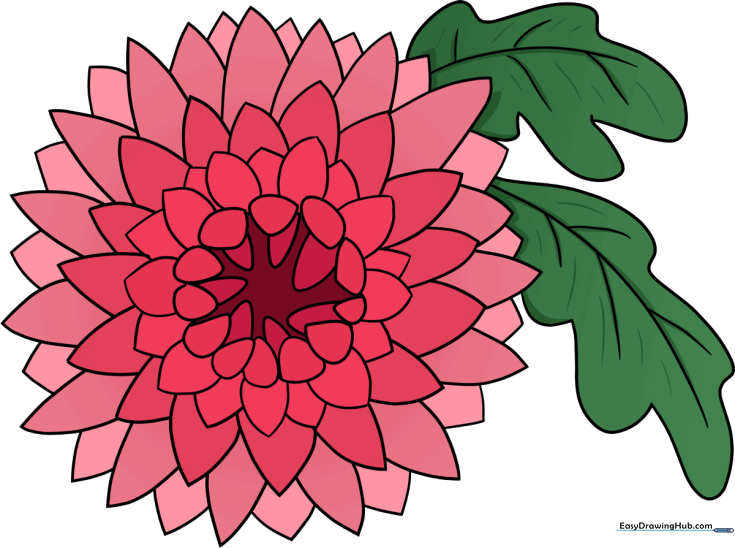
Chrysanthemum
These flowers have many thin petals. Tip: Start with a small circle in the middle and draw many long, thin petals radiating outward to create that 'mum' look.
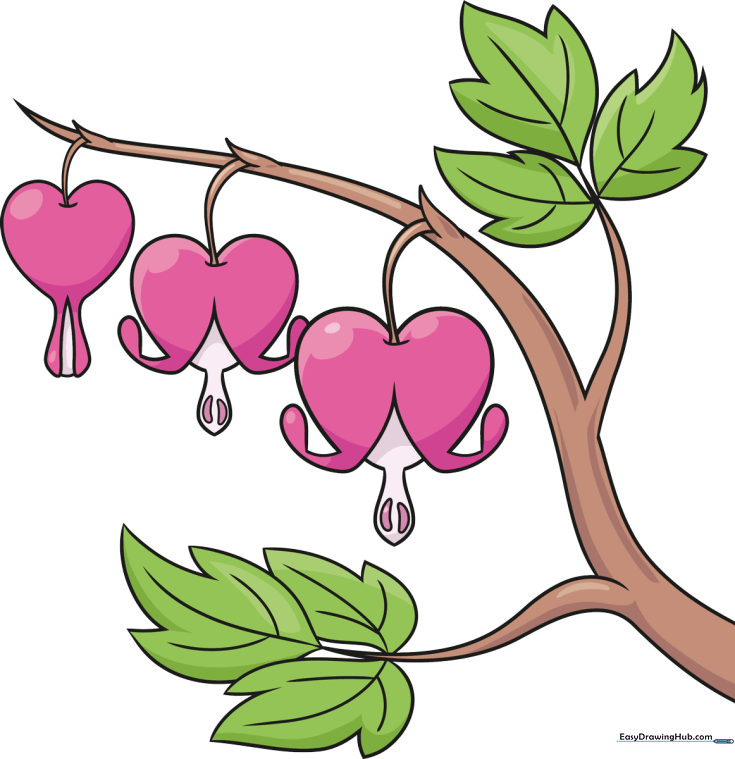
Bleeding Heart Flower
These flowers have a unique, heart-like shape. Tip: Draw a heart shape and then add a small 'tear' drop at the bottom to get the signature look.
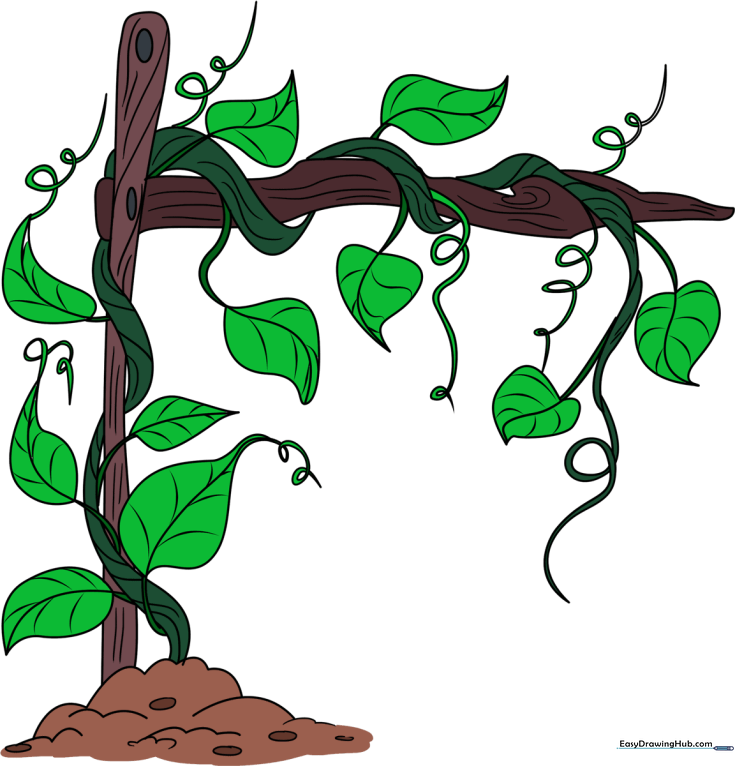
Vines
Vines are great for adding movement to a drawing. Tip: Draw a wavy, winding line first, then add small leaves along the curve to make it look like it's growing.
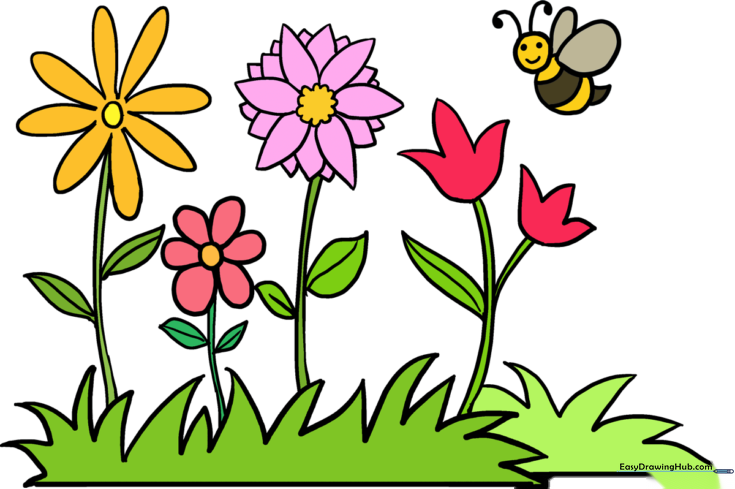
Flower Garden
Combine all your skills! Tip: Draw different sizes and types of flowers to create a lush, full garden scene.
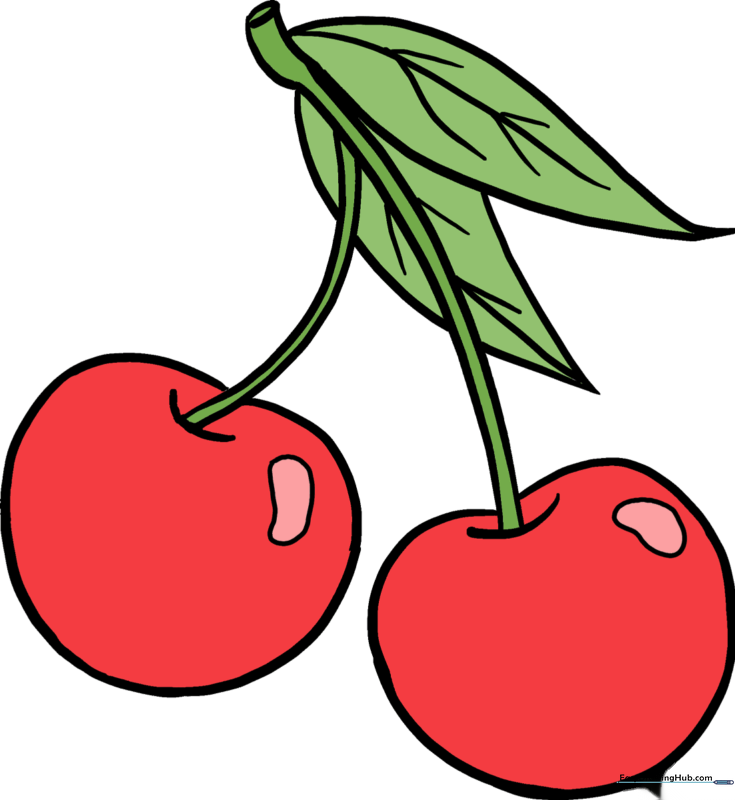
Cherries
Cherries are fun and simple. Tip: Draw two circles connected by a 'V' shaped stem to make them look like a pair of cherries.
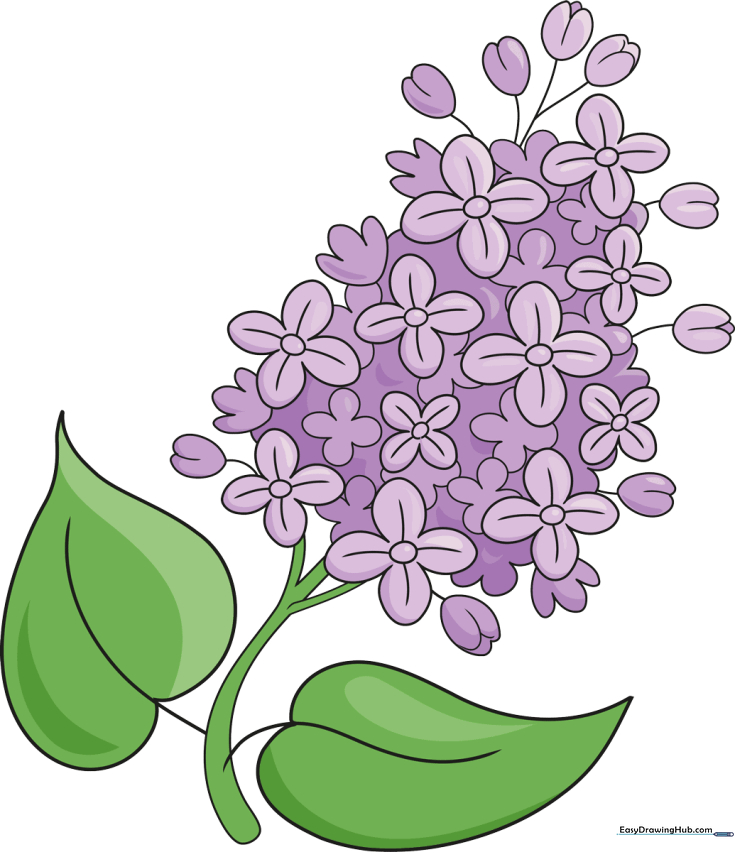
Lilac Flower
Lilacs are beautiful clusters of tiny flowers. Tip: Draw many small, four-petaled shapes clustered together to create the look of a full lilac bloom.
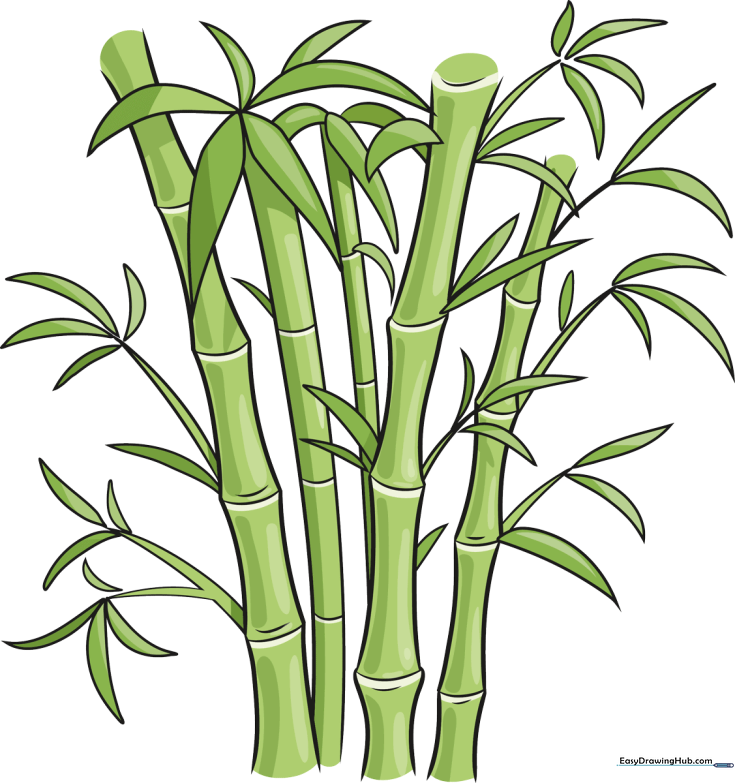
Bamboo
Bamboo is technically a grass, not a tree! Focus on drawing the segmented, cylindrical stalks. Tip: Use parallel lines to create the segments, and keep your pressure light to mimic the smooth texture of the plant.
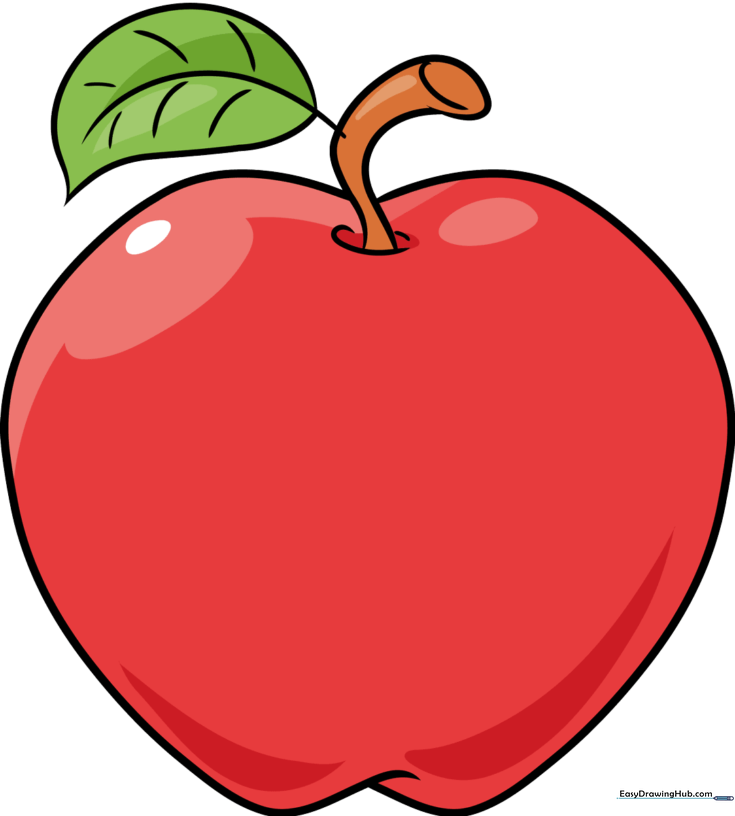
Cartoon Apple
Practice your curves with this classic fruit. Tip: Start with a heart-like shape for the top indentation to give your apple that authentic, rounded look.
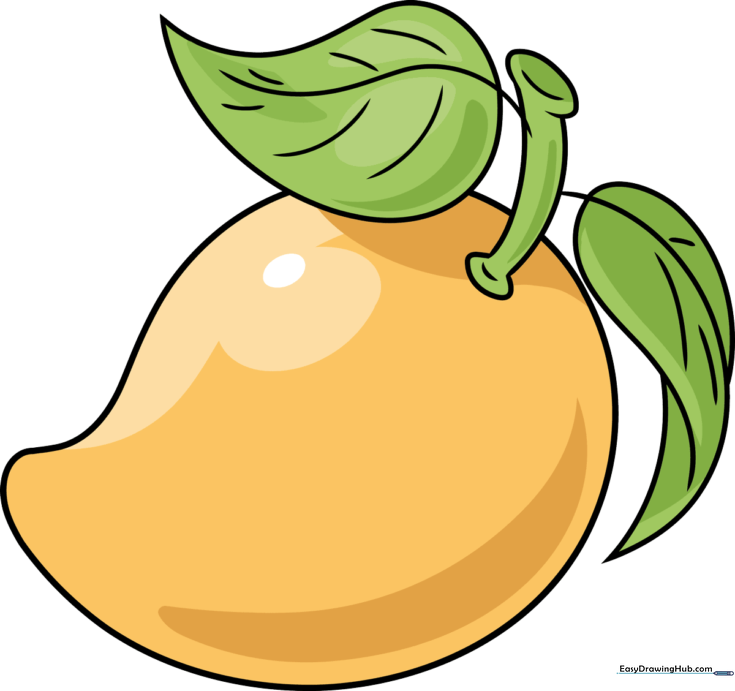
Mango
Capture the tropical teardrop shape of a mango. Tip: When drawing the leaves, use a long, sweeping stroke to create that elegant, pointed tip.
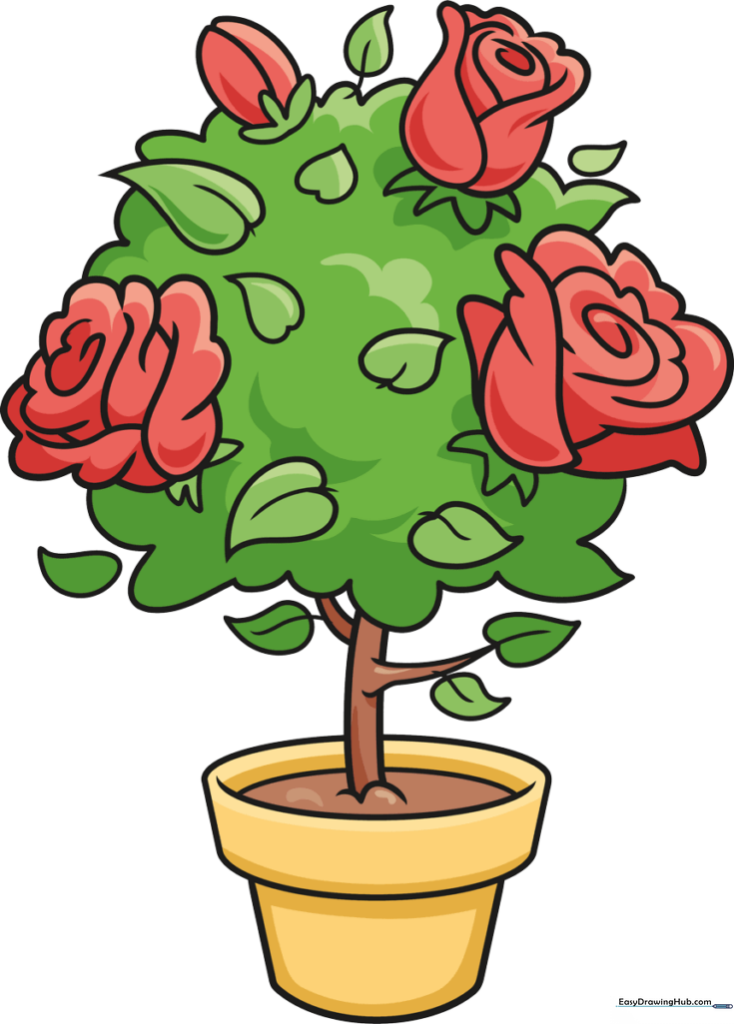
Rose Bush
Drawing a rose bush is great for learning how to layer shapes. Tip: Start with the central blossoms first, then add the buds and leaves around them to create a balanced composition.
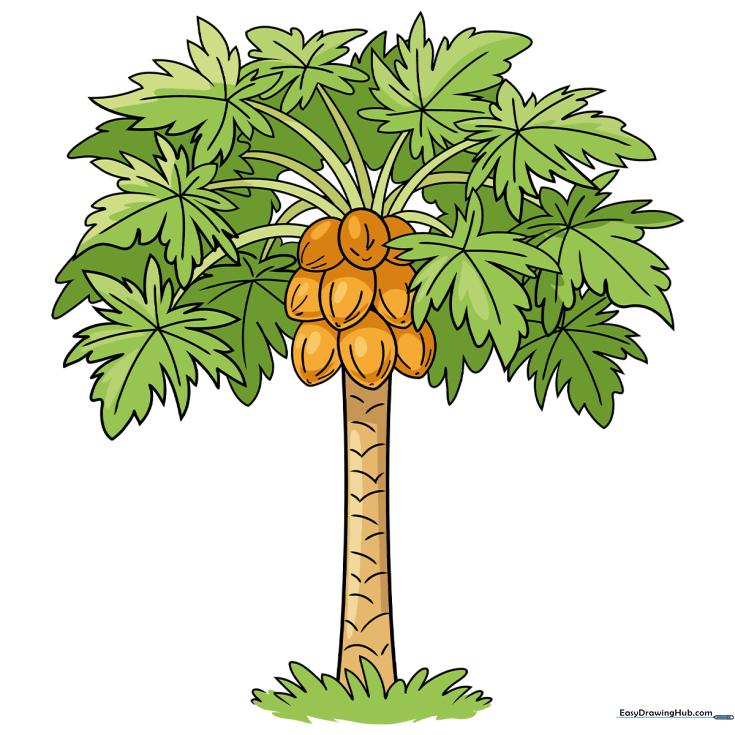
Papaya Tree
Papaya trees have a unique, umbrella-like canopy. Tip: Use short, overlapping strokes to create the texture of the large, palm-like leaves.
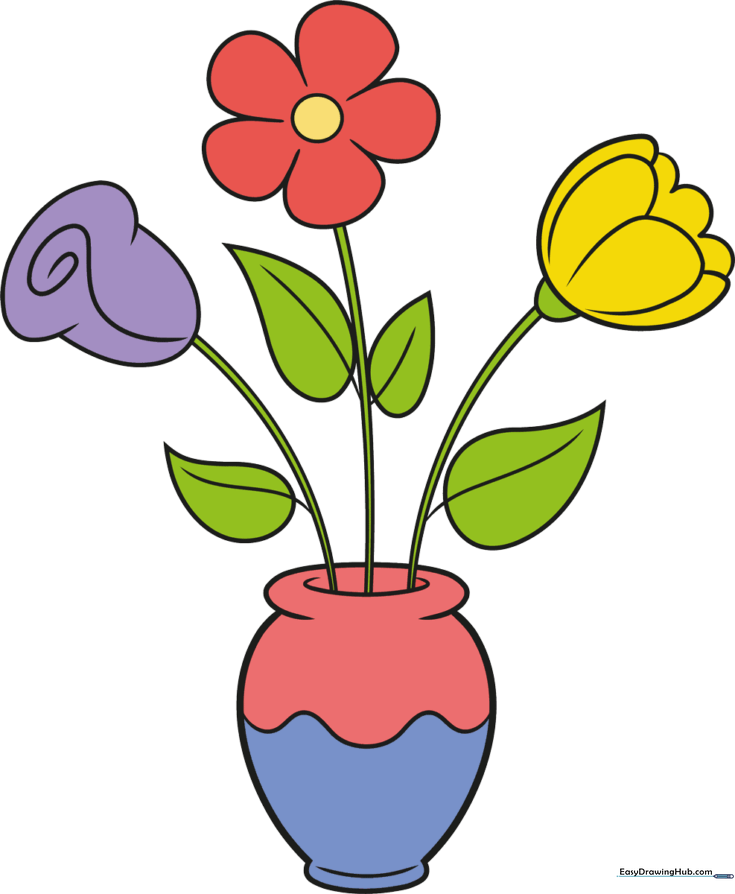
Simple Flowers in a Vase
This is a perfect exercise for learning perspective and arrangement. Tip: Draw the vase first to act as an anchor, then build your flower stems upward from the center.
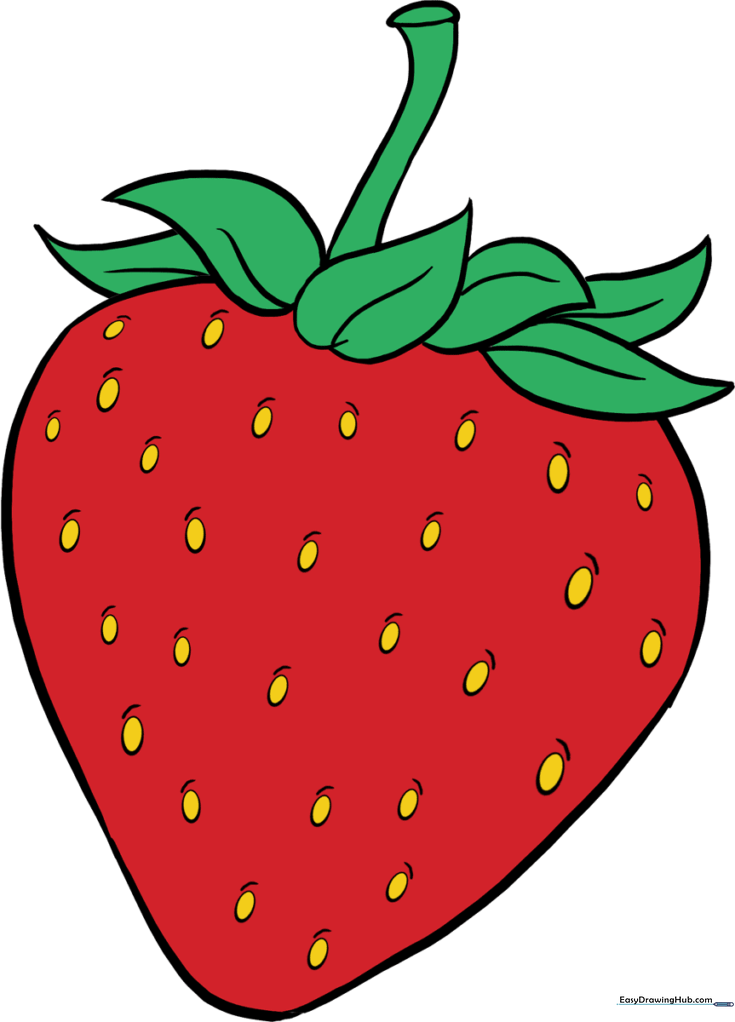
Strawberry
Strawberries are all about texture. Tip: Don't worry about making the seeds perfect; small, irregular dots scattered across the surface create a more realistic look.
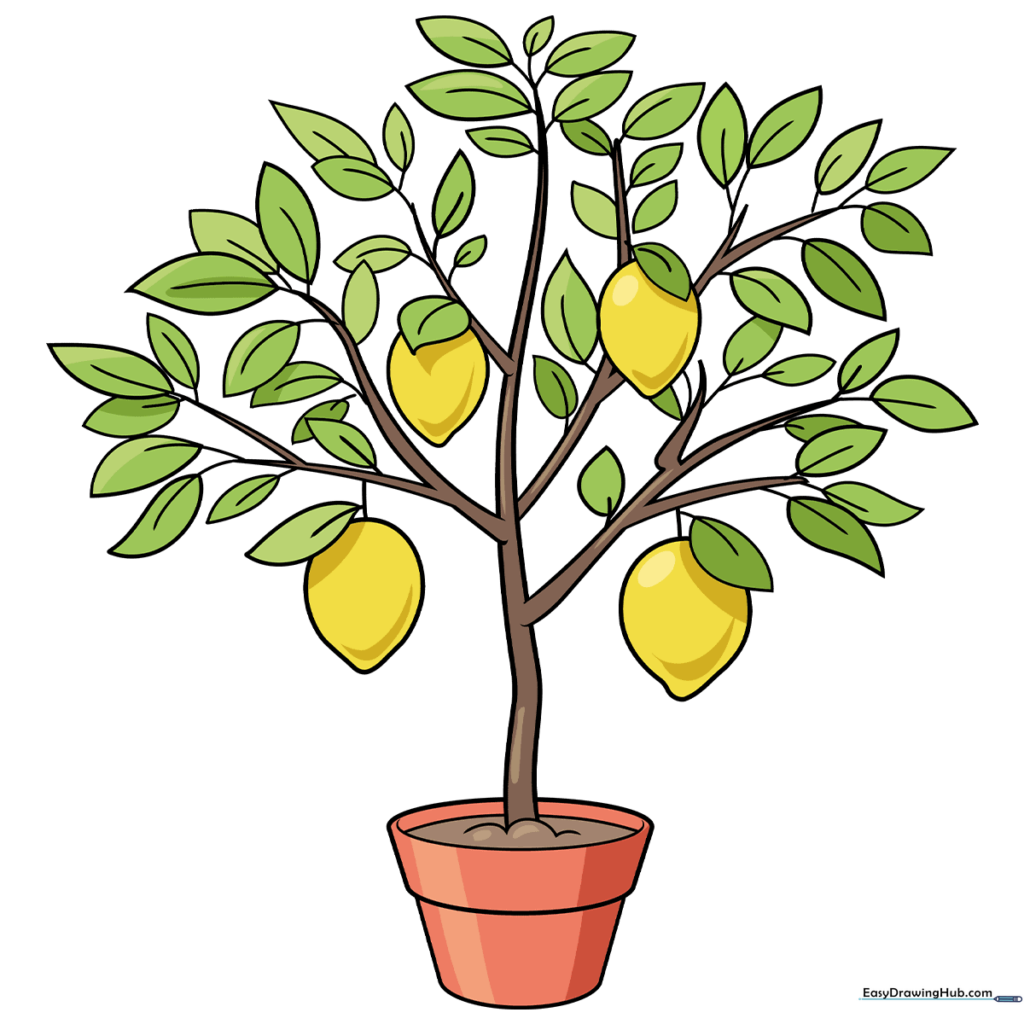
Lemon Tree
This potted lemon tree is a great way to practice drawing oval shapes. Tip: Vary the size of your lemons to make the tree look more natural and full.
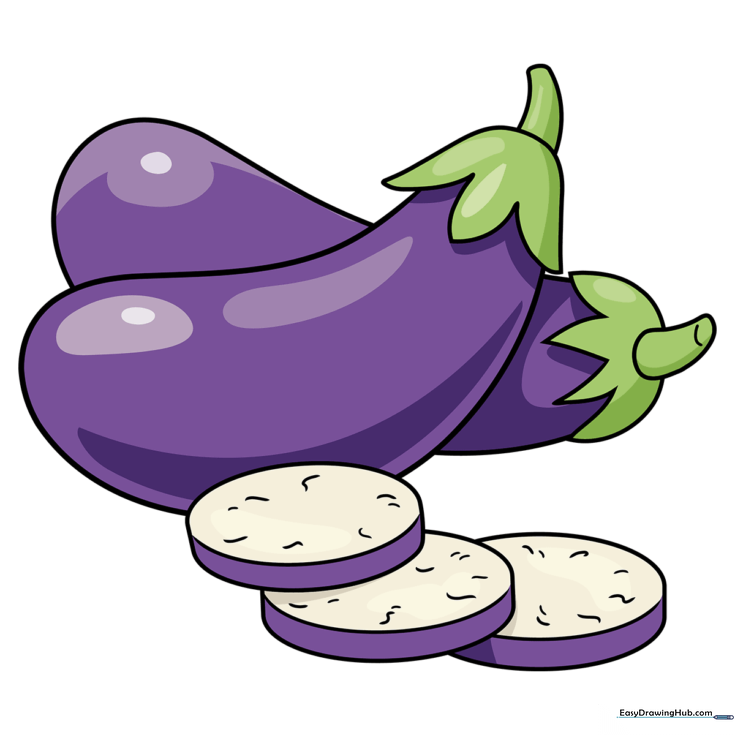
Eggplant
Eggplants have a distinct, bulbous shape. Tip: Draw the stem cap first as a star-like shape, then connect the long, curved body beneath it.
Avocado
Give your fruit some personality! Tip: When drawing the seed, use a circular motion to create a sense of depth, making it look like it's sitting inside the fruit.

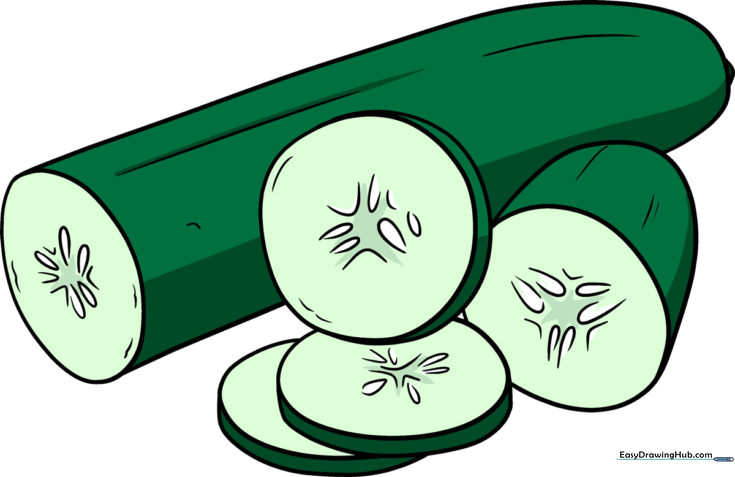
Cucumber
Cucumbers are great for practicing cylindrical shapes. Tip: Draw the seeds in the cross-section as tiny, teardrop shapes to add realistic detail.
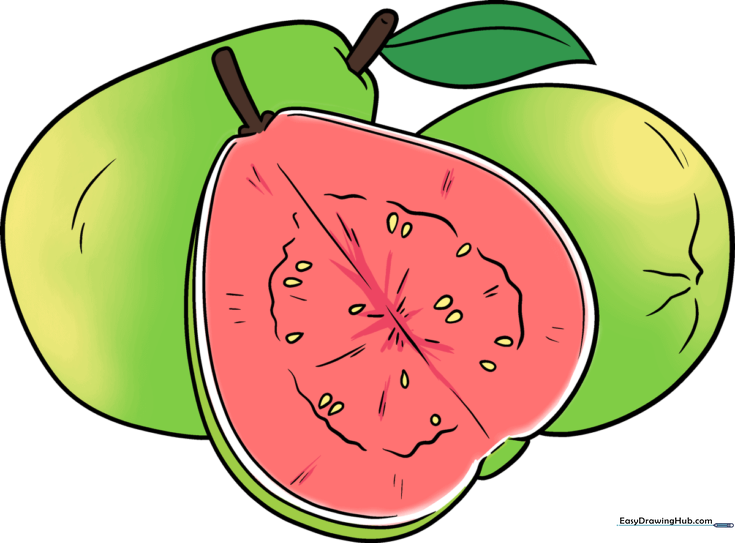
Guava
Guavas have a lovely, rounded teardrop shape. Tip: Use light, dashed lines to suggest the texture of the skin and the interior fruit.
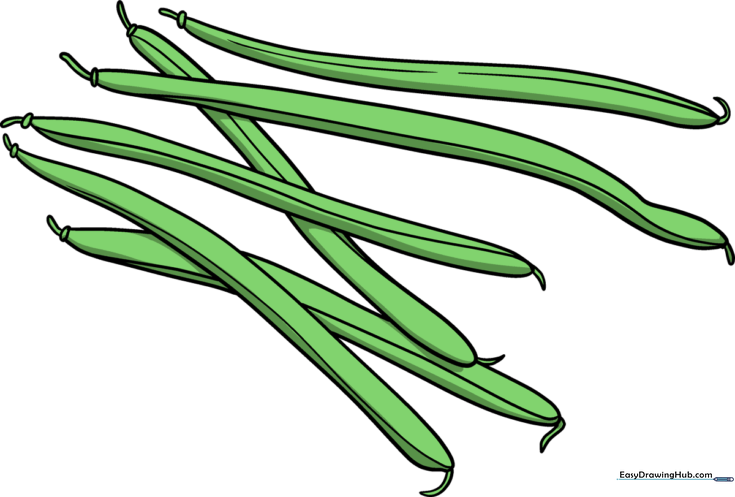
Green Beans
Focus on the organic, slightly curved lines of the bean pods. Tip: Draw the stem and the pointed tail at the ends to make them look fresh from the garden.
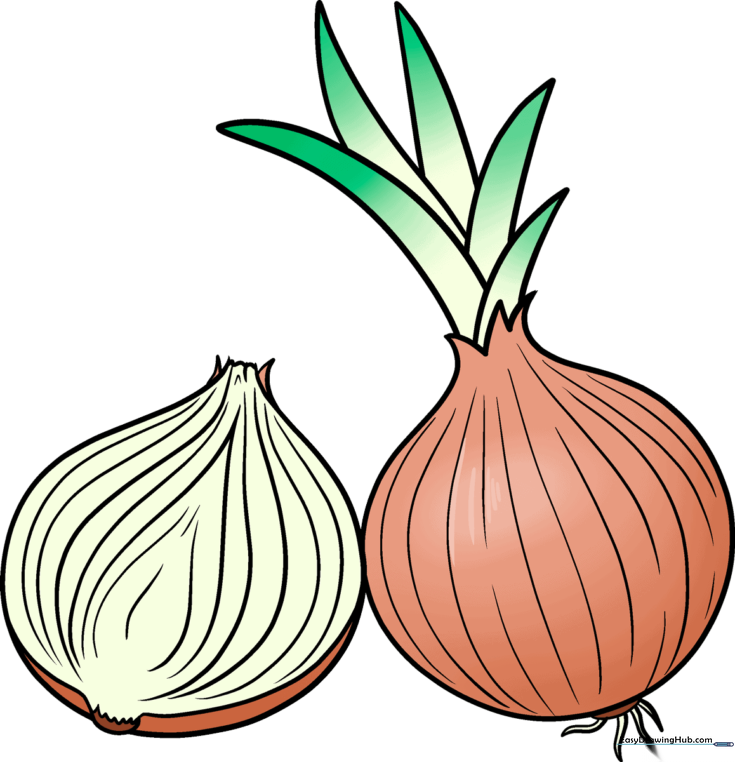
Onion
Onions are great for learning how to draw layers. Tip: Use curved lines to show the papery skin, and draw the roots at the bottom as small, wispy lines.
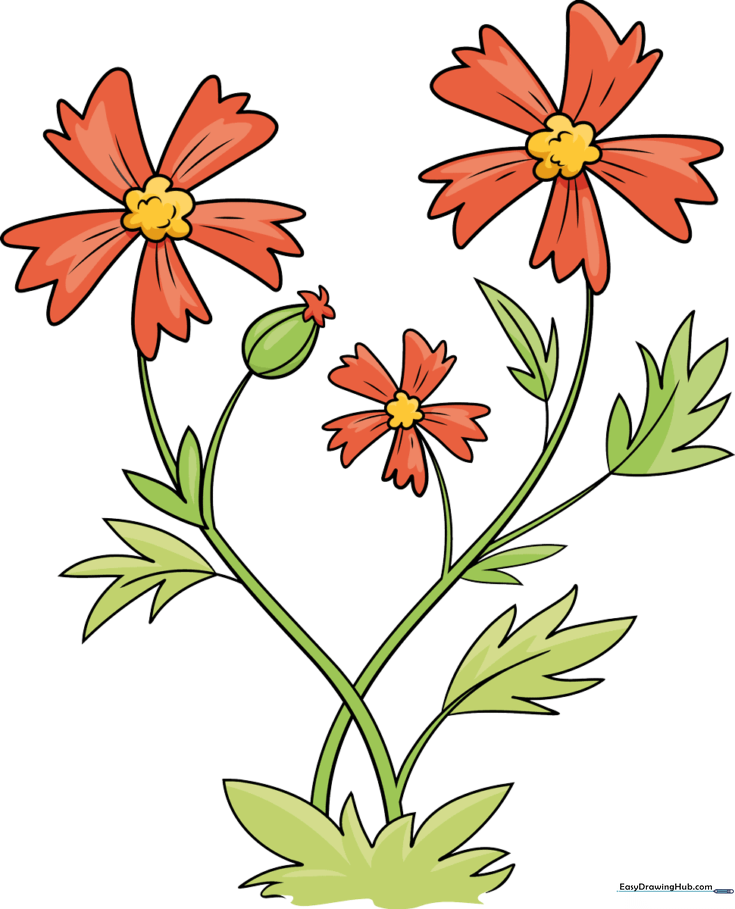
Wild Flower
Wildflowers are forgiving and fun! Tip: Keep your petal shapes slightly irregular to capture the natural, untamed look of a flower in a meadow.
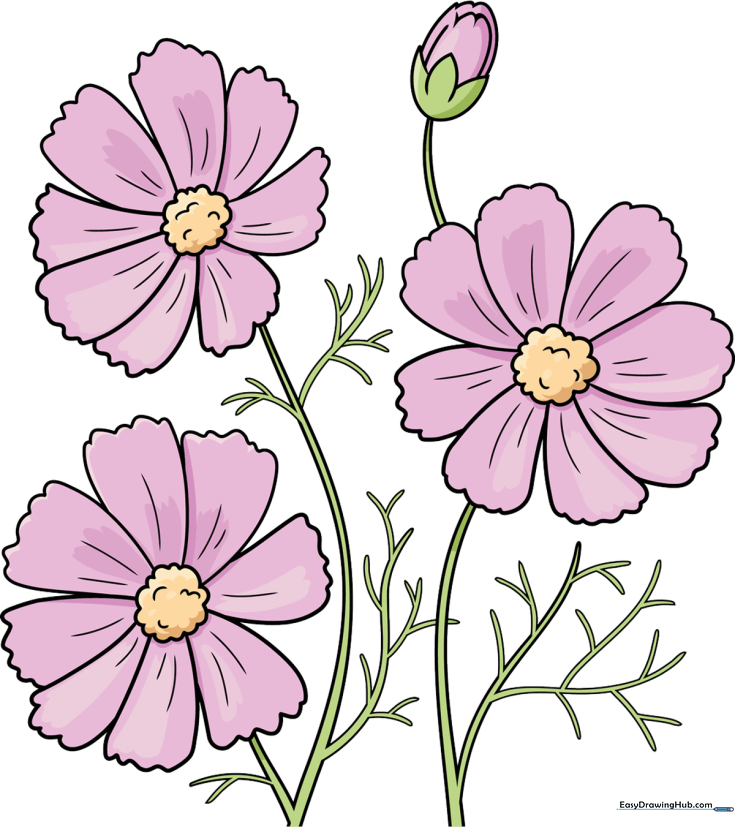
Cosmos Flower
Cosmos flowers have beautiful, delicate petals. Tip: Use a scalloped edge for the petals to give them that signature ruffled appearance.
More Collections