45 Educational Drawing Tutorials: Learn Through Art
🖍️ 44 free tutorials
Transform complex concepts into visual knowledge with these 45 guided drawing tutorials. Perfect for ages 6+, these activities require only paper, a pencil, and an eraser to turn abstract science and history topics into tangible illustrations. Use these step-by-step guides to boost retention and spark curiosity in your young learner.
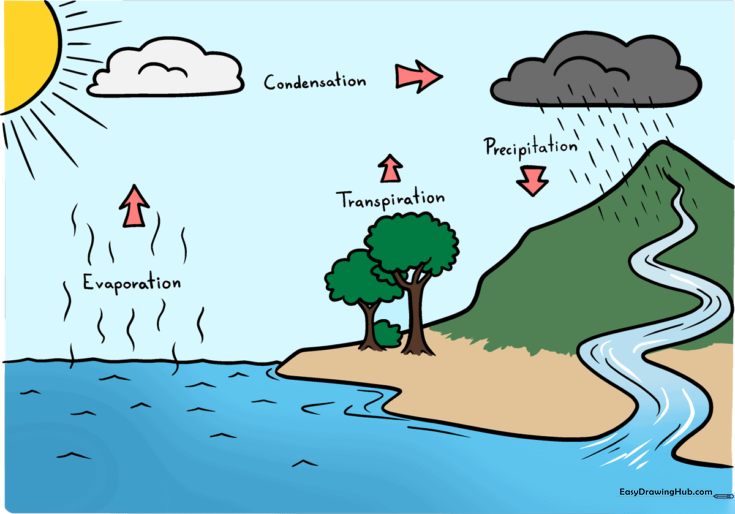
The Water Cycle
Visualize the journey of water through evaporation, condensation, and precipitation. Use blue and gray tones to distinguish between vapor and rain. Tip: Draw arrows to show the continuous flow of the cycle.
Realistic Elephant Head
Capture the majestic texture of elephant skin and the complex curves of the trunk. Focus on shading the deep wrinkles to add depth. Tip: Use a blending stump to soften the shadows around the eyes.

City in One-Point Perspective
Learn to create depth by drawing all lines toward a single vanishing point. This is the foundation of architectural drawing. Tip: Use a ruler to ensure your lines stay perfectly straight.

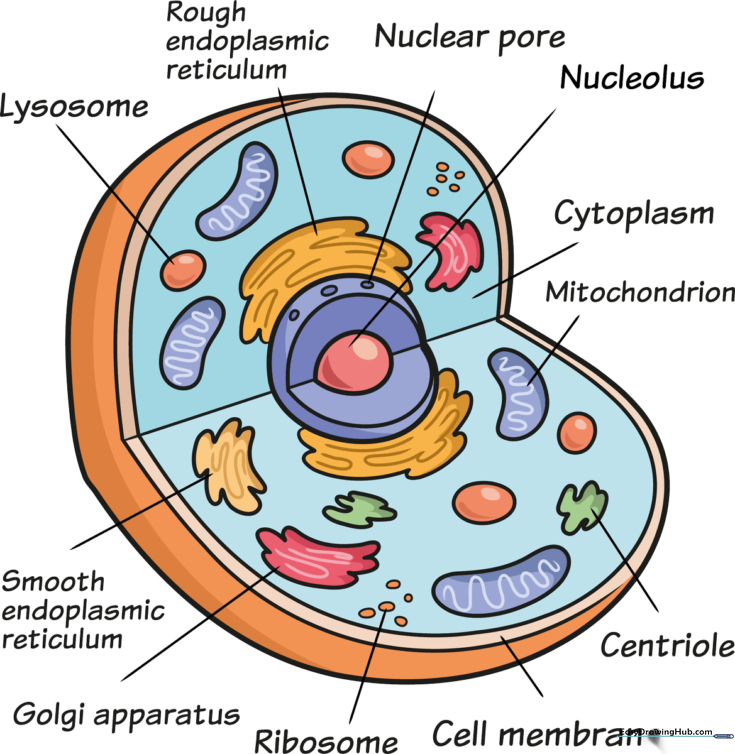
Animal Cell Anatomy
Break down complex biology into simple shapes. Label the nucleus, mitochondria, and cytoplasm as you draw. Tip: Use different colors for each organelle to help with memorization.
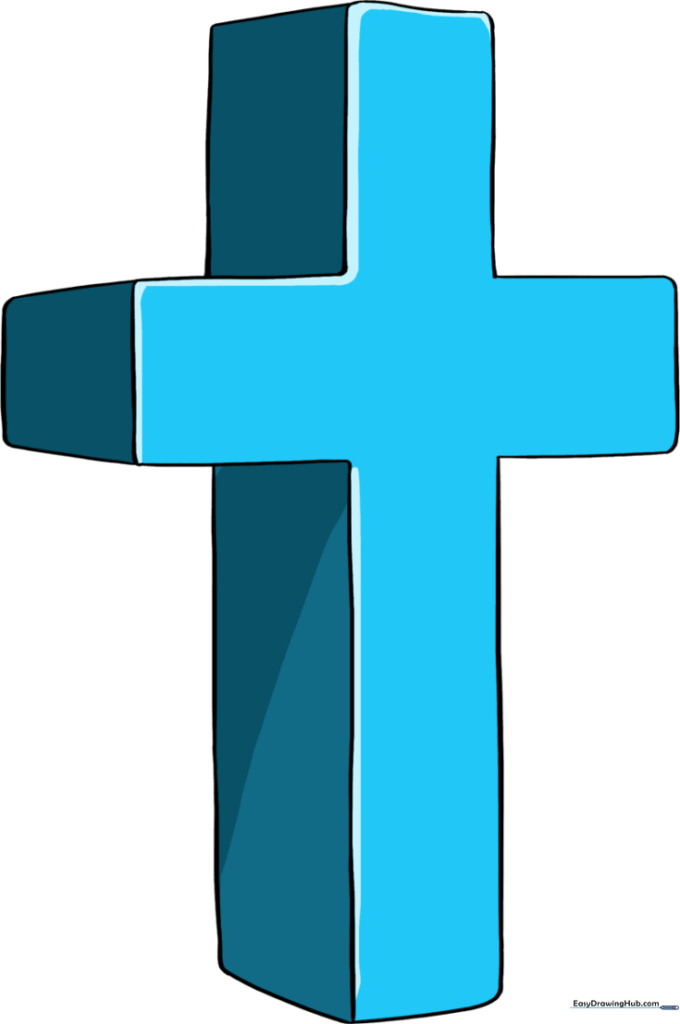
3D Cross
Master the art of creating volume on a flat surface using simple geometric blocks. Focus on the highlights on the top edges. Tip: Keep your shading consistent on one side to make it pop.
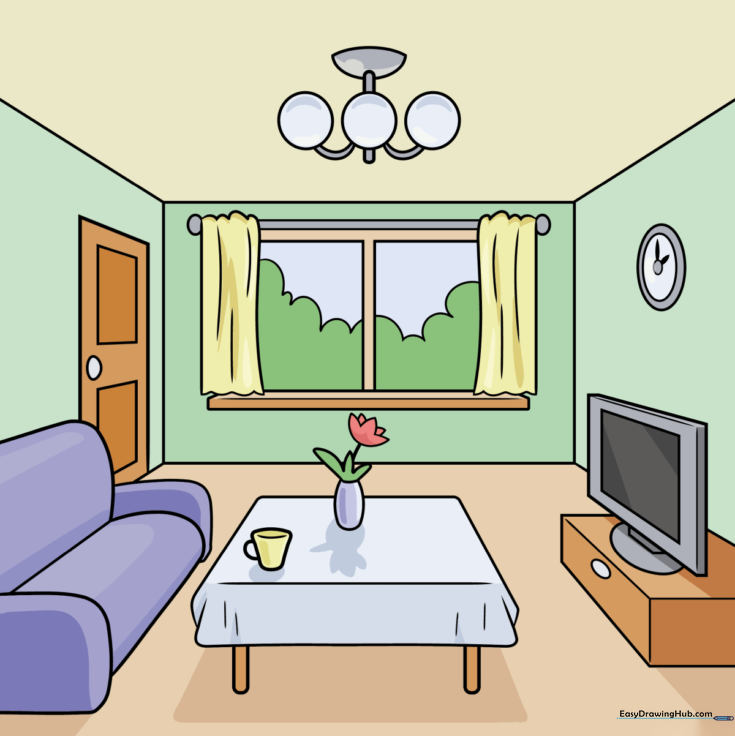
Living Room Perspective
Design your own interior space using one-point perspective. Practice drawing furniture like couches and tables that recede into the distance. Tip: Start with the back wall to anchor your perspective.
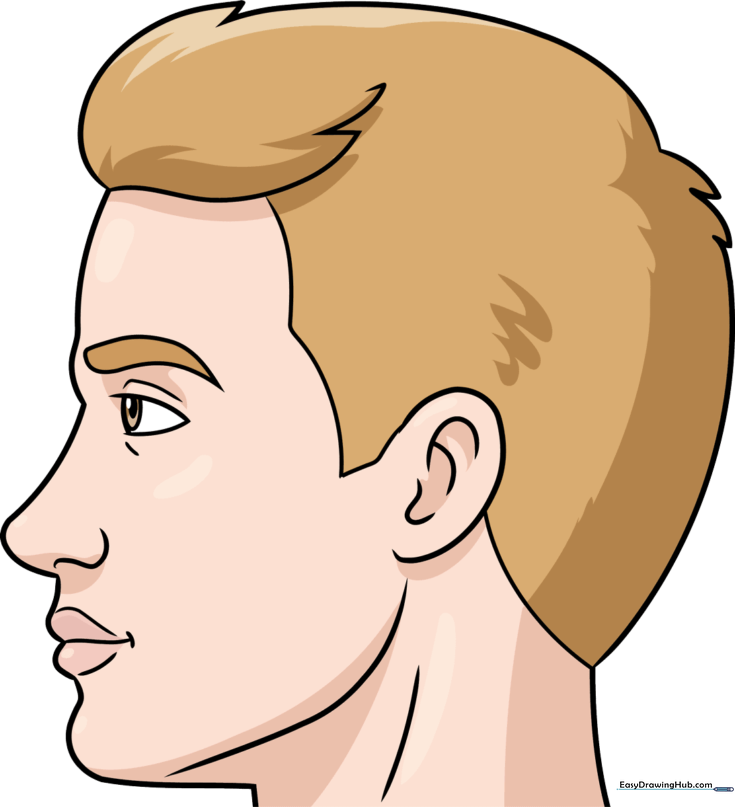
Male Side Profile
Learn the proportions of the human face from a side view. Focus on the curve of the nose and the jawline. Tip: Use a light pencil to sketch the skull shape before adding facial features.
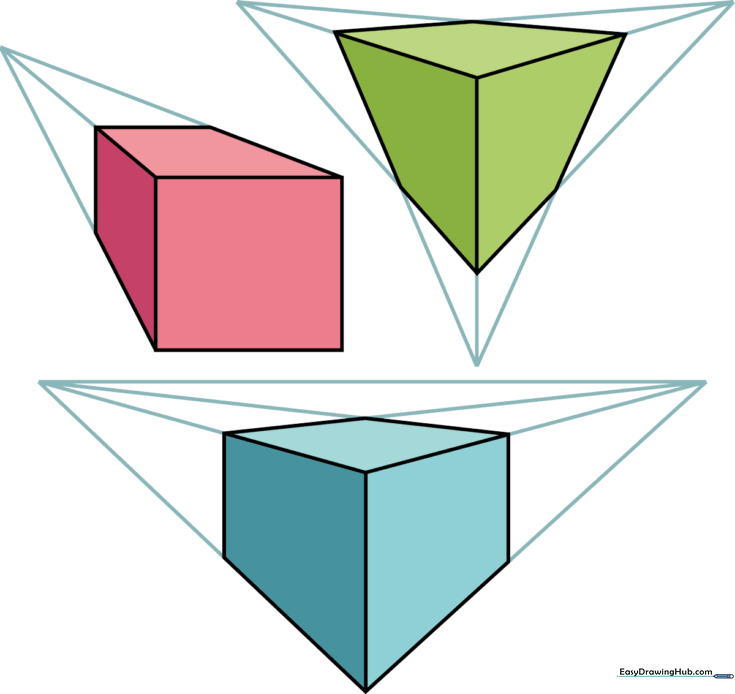
Cube Perspectives
Cubes are the building blocks of all 3D drawing. Practice rotating them to understand how angles change. Tip: Draw transparent cubes to see how the hidden back edges connect.
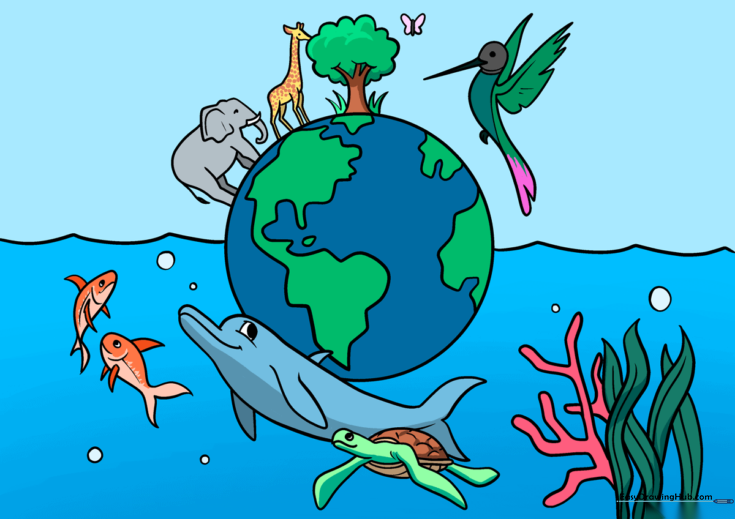
Biodiversity Illustration
Explore the variety of life on Earth by drawing different species together. Focus on the unique shapes of leaves, animals, and insects. Tip: Use a variety of textures to represent different habitats.
3D Heart
Turn a simple heart shape into a 3D object using shading. Focus on the curve of the top lobes to create volume. Tip: Add a small drop shadow underneath to make it look like it's floating.

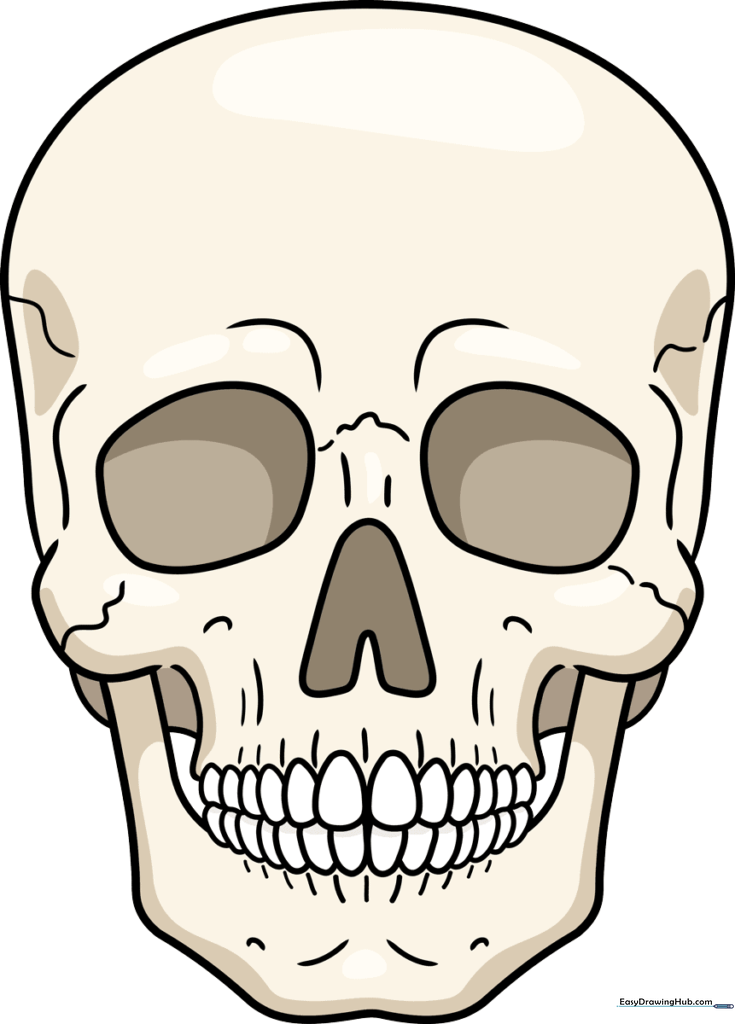
Realistic Skull
Study the anatomy of the human skull. Focus on the eye sockets and the structure of the jaw. Tip: Use cross-hatching to create the texture of bone.
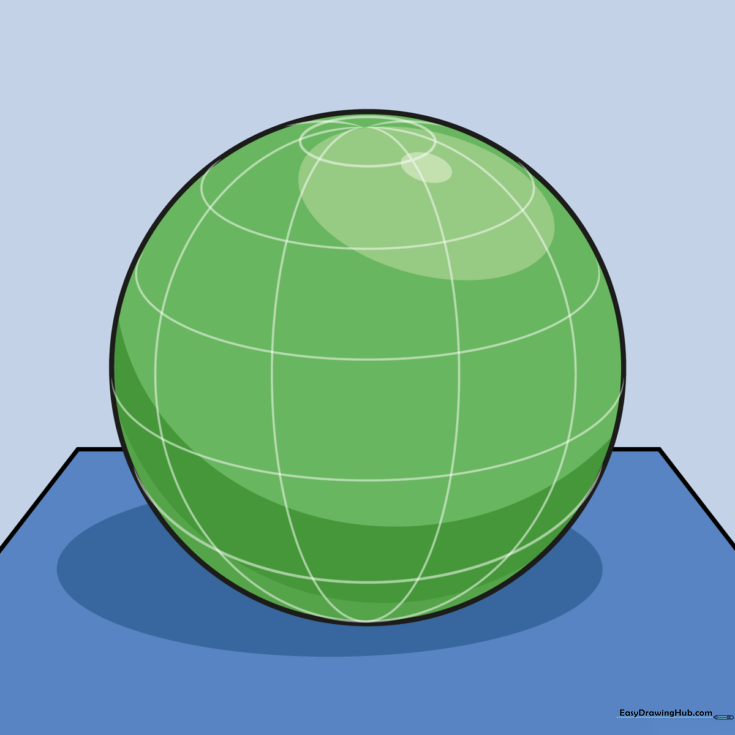
3D Sphere
The sphere is the foundation for drawing planets and balls. Learn how to use a light source to create a realistic shadow. Tip: Keep your shading strokes curved to follow the shape of the sphere.
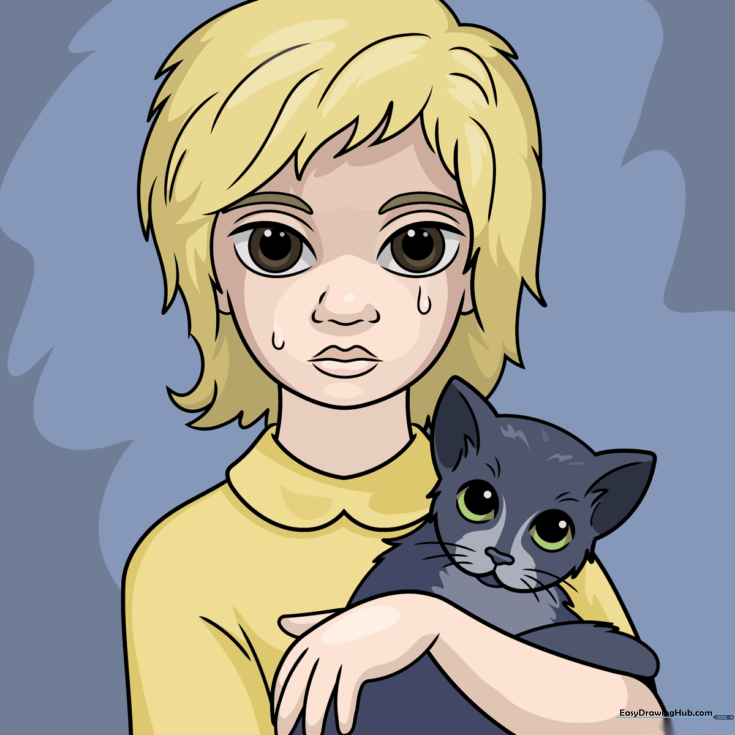
Margaret Keane Style Art
Explore the expressive, large-eyed style of Margaret Keane. Focus on the emotional depth of the eyes. Tip: Use bold, clean lines to define the character's features.
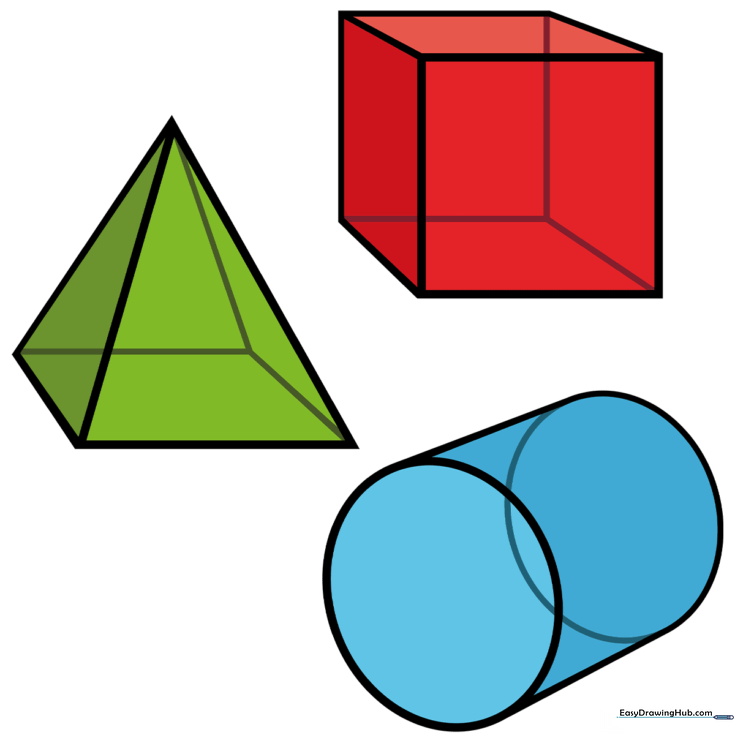
3D Shapes
Learn to draw cubes, cones, and cylinders to understand how 3D objects occupy space. Tip: Use light construction lines first, then darken the outlines once you are happy with the shape.
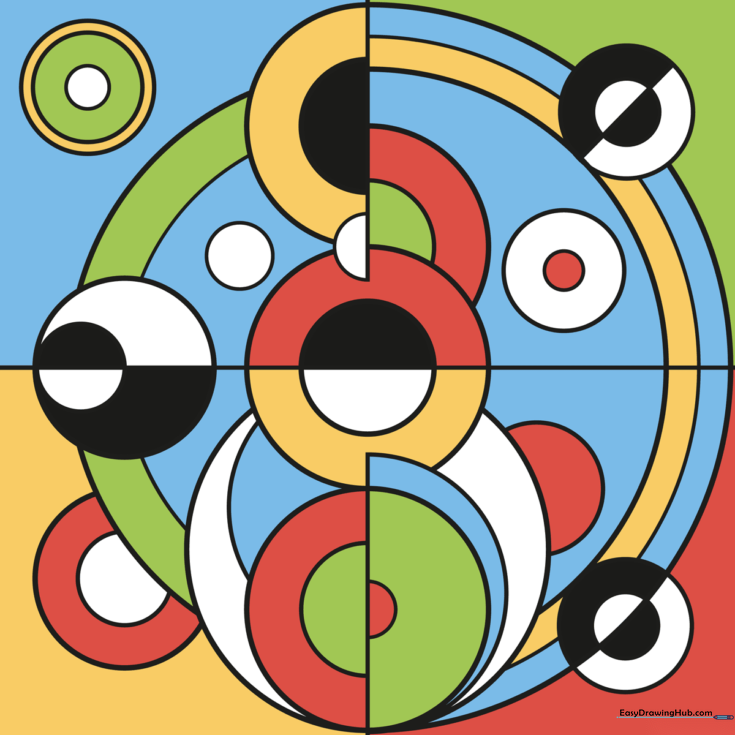
Robert Delaunay Style Art
Experiment with abstract circles and vibrant colors, inspired by Robert Delaunay. Focus on overlapping shapes to create movement. Tip: Use a compass to get perfect circles for your composition.
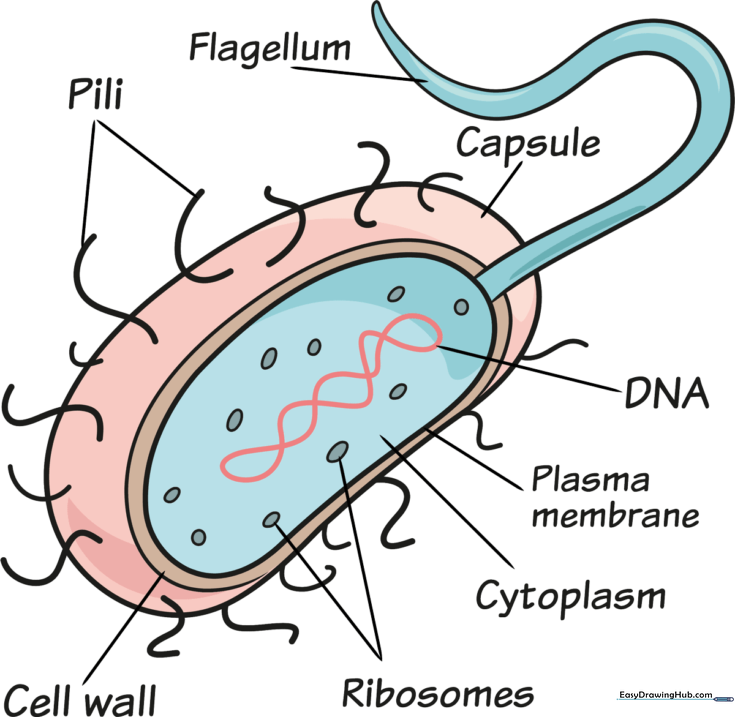
Bacteria Illustration
Draw microscopic organisms using simple, organic shapes. Focus on adding tiny details like flagella. Tip: Use bright, contrasting colors to make your bacteria stand out.
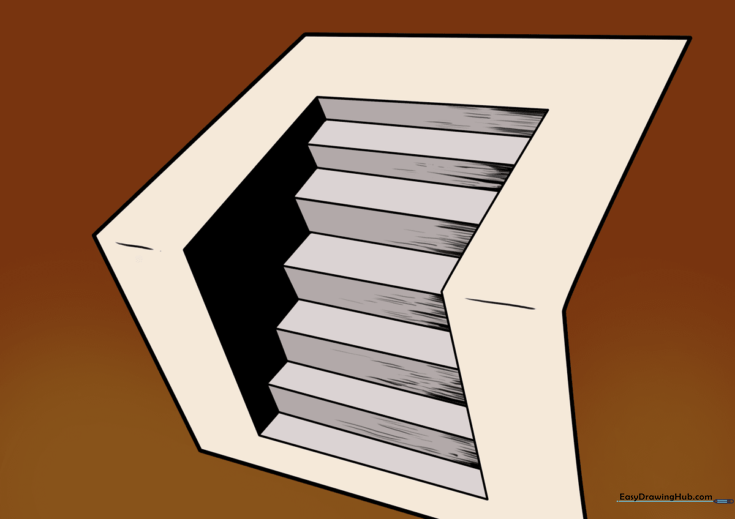
3D Stairs
Create an optical illusion of stairs using perspective lines. Focus on the parallel lines that create the steps. Tip: Use a ruler to keep the edges sharp and clean.
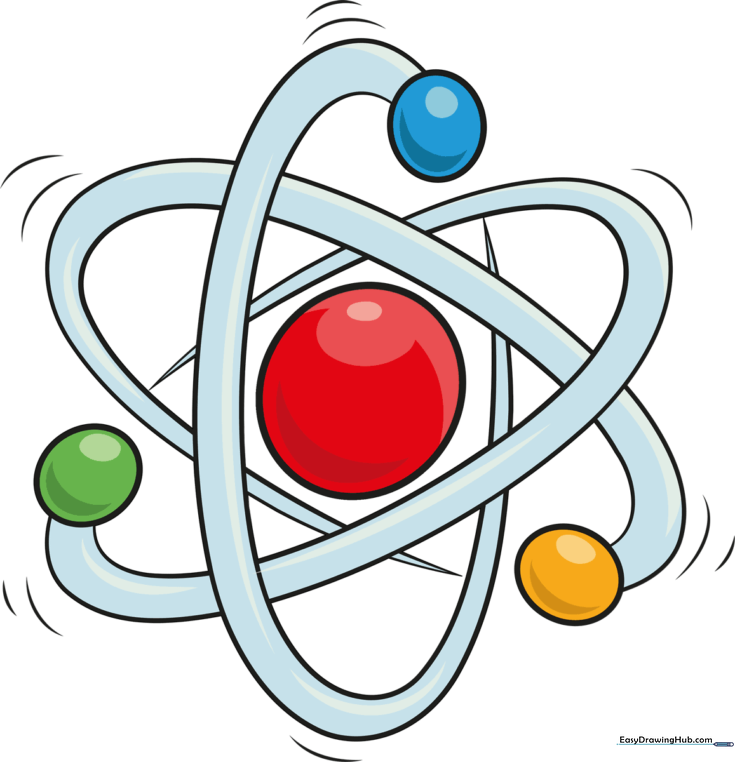
Atom Structure
Visualize the building blocks of matter. Focus on drawing the central nucleus and the orbiting electrons. Tip: Use dashed lines to show the paths of the electrons.
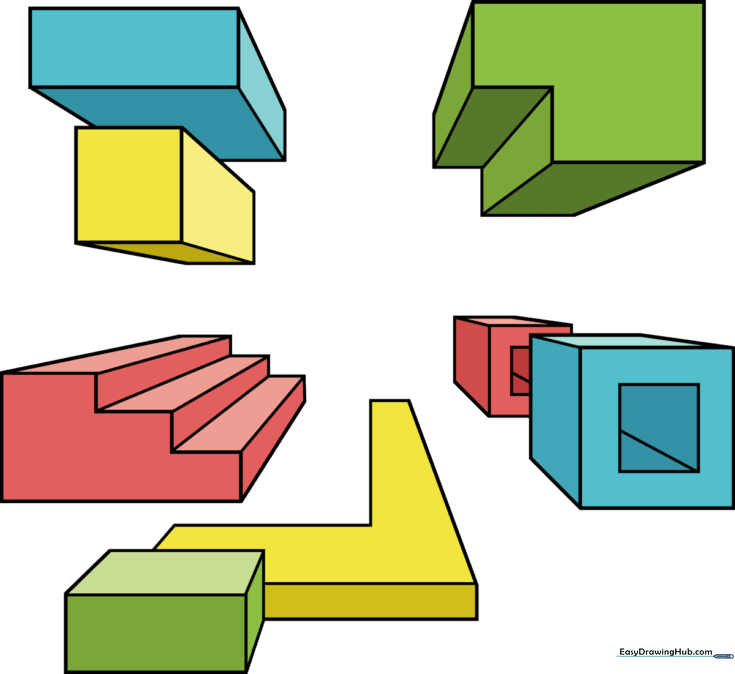
Perspective Exercise
Practice your perspective skills with this simple exercise. Focus on drawing shapes that recede toward a horizon line. Tip: Always draw your horizon line first to set the scene.
Marc Chagall Style Art
Create a whimsical, dream-like scene inspired by Marc Chagall. Focus on using bold colors and floating elements. Tip: Don't worry about realism; focus on the emotion of the scene.

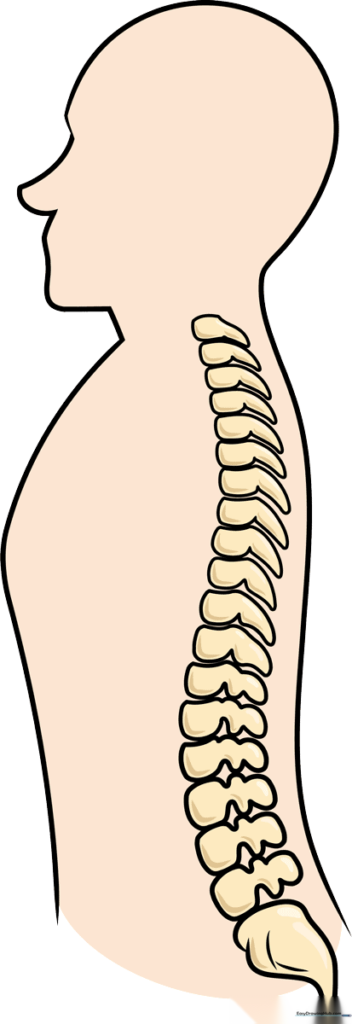
Human Spine
Study the structure of the spine, focusing on the individual vertebrae. Tip: Use a series of small, connected ovals to build the shape of the spine accurately.
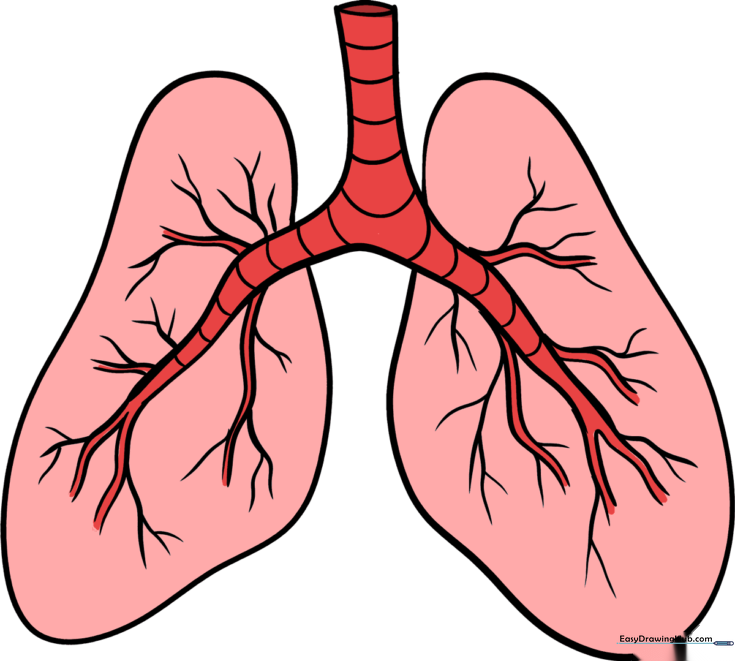
Human Lungs
Learn the anatomy of the lungs. Focus on the branching bronchial tubes. Tip: Use soft, rounded shapes to represent the lung tissue.
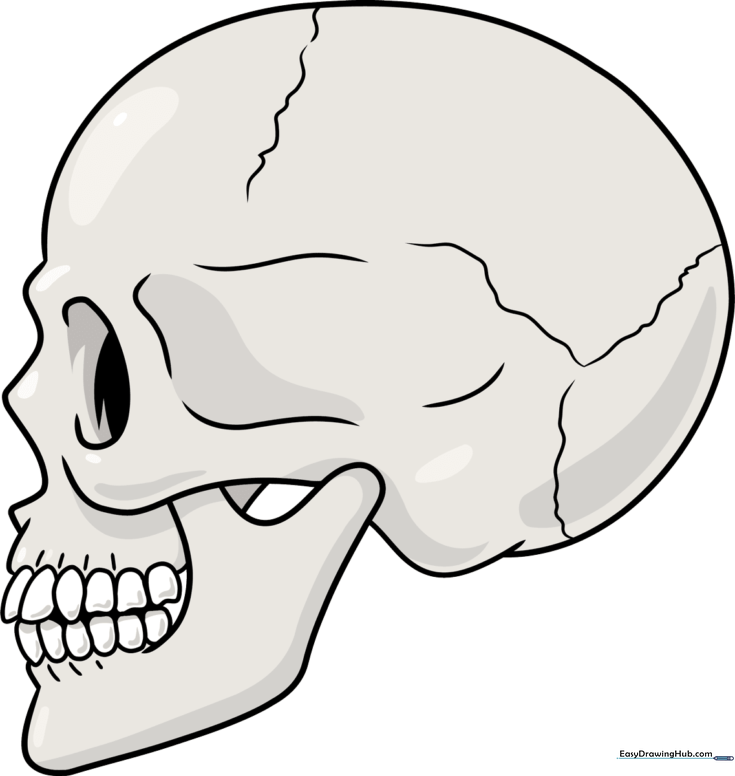
Skull in Profile
Examine the skull from the side to understand the jaw and cranium shape. Tip: Use a light circle as a guide for the cranium before adding the jaw.
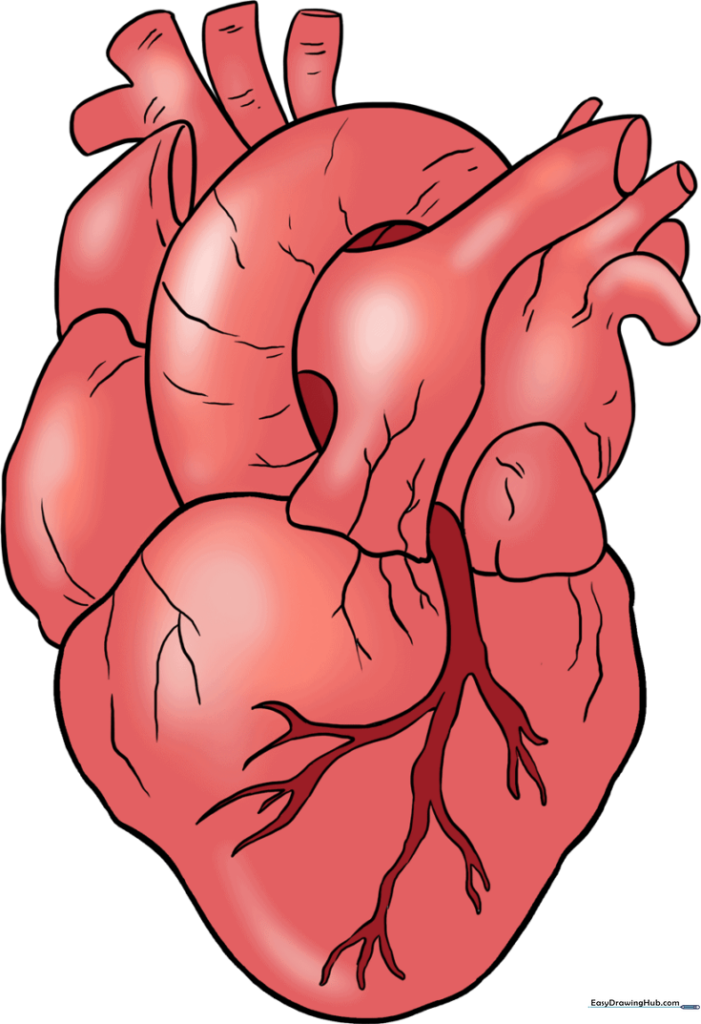
Human Heart Anatomy
Draw the complex structure of the human heart. Focus on the chambers and major vessels. Tip: Use different shades of red to distinguish between oxygenated and deoxygenated blood vessels.
Buildings in Perspective
Learn to draw tall buildings using one-point perspective from a low angle. Focus on how lines converge at the top. Tip: Use a ruler to keep your vertical lines perfectly straight.

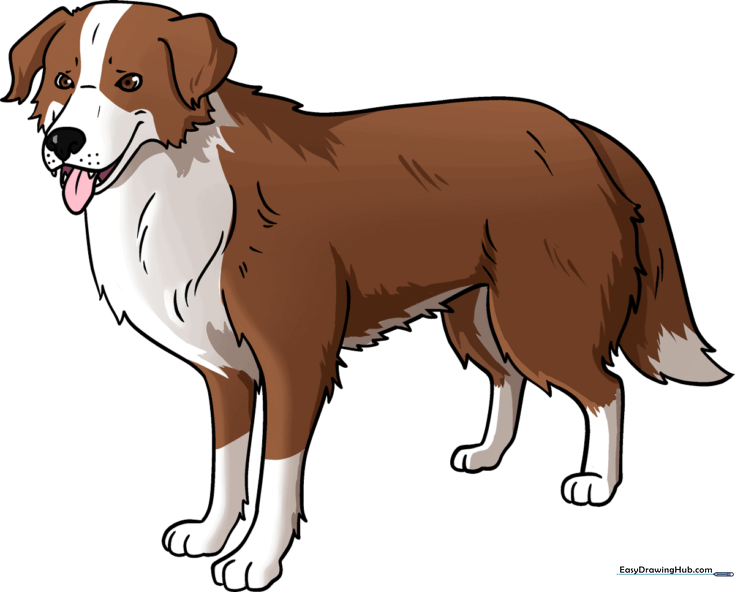
Realistic Dog
Capture the anatomy of a canine with this realistic study. Tip: Focus on the curve of the snout first; it helps anchor the proportions of the entire face.
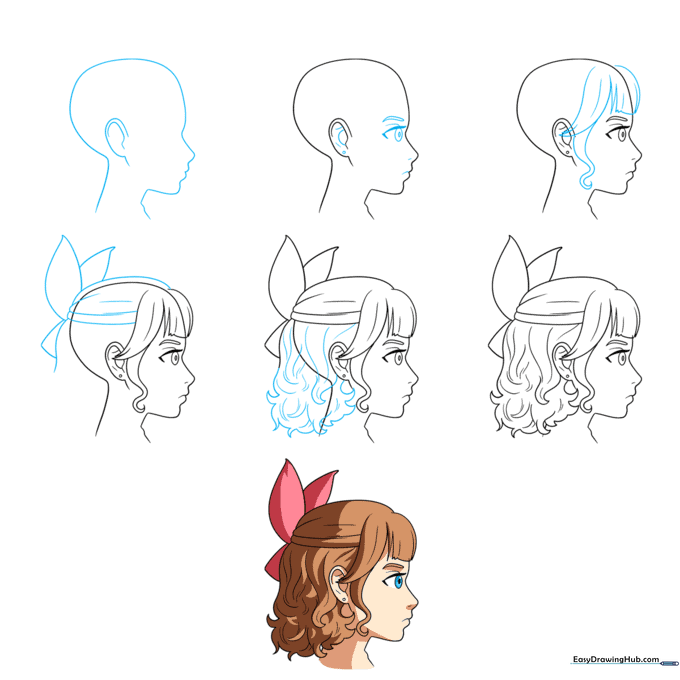
Anime Girl Profile
Learn to draw expressive anime features in side profile. Tip: Keep your lines fluid when drawing the hair curls to give the character a sense of movement.
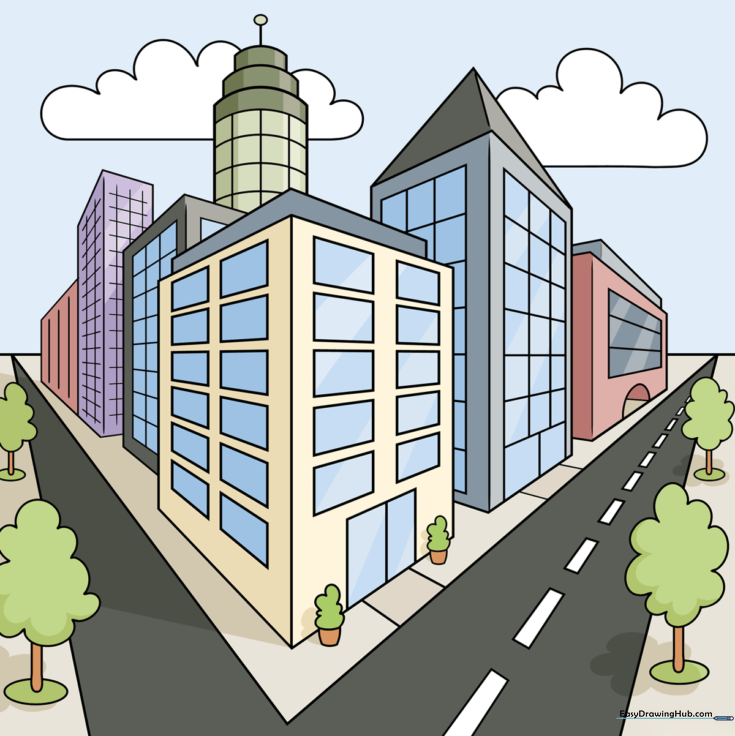
City in Two-Point Perspective
Master architectural depth using two vanishing points. Tip: Use a ruler for your initial guidelines to ensure your skyscrapers look structurally sound.
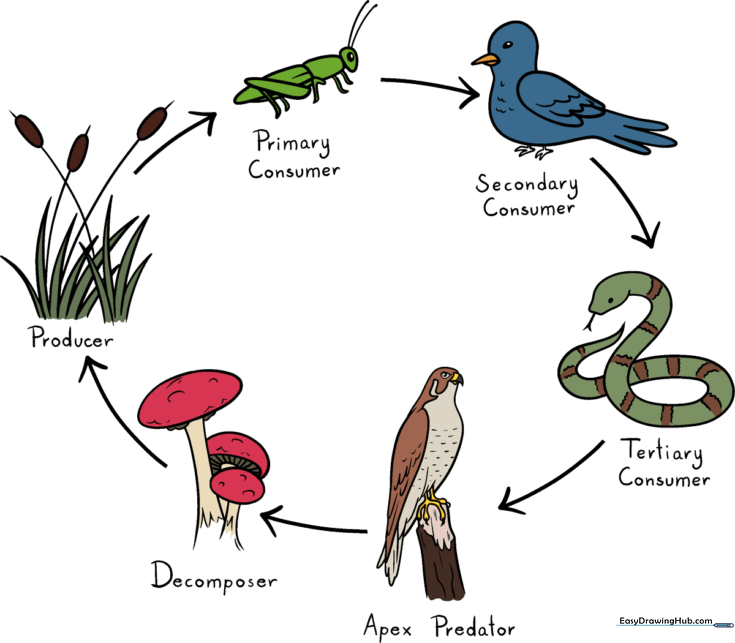
Food Chain Diagram
Combine biology and art by illustrating a food chain. Tip: Use arrows to clearly show the flow of energy from producers to consumers.
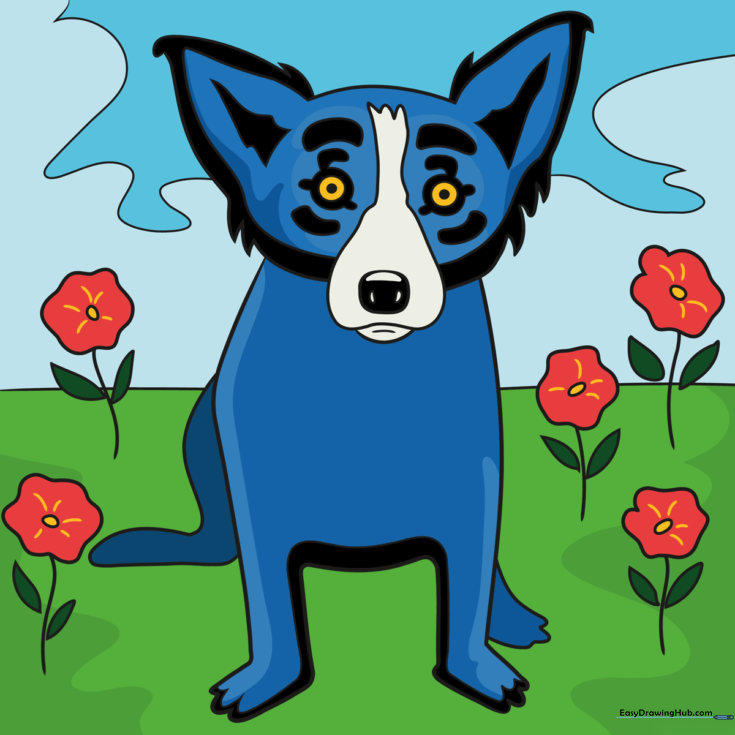
Blue Dog Art Project
Explore pop art inspired by George Rodrigue. Tip: Don't worry about realistic colors; use bold, flat blue tones to capture the iconic style.
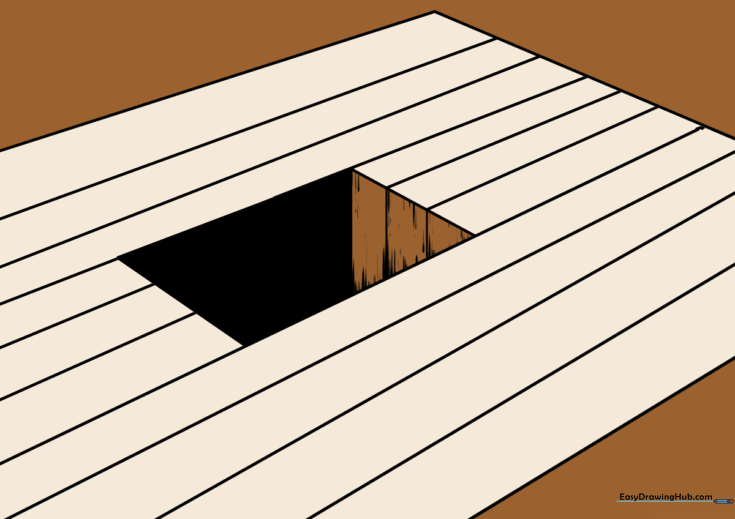
3D Hole Illusion
Create an optical illusion that tricks the eye. Tip: Use heavy shading around the edges of the hole to make it appear as if it is receding into the paper.
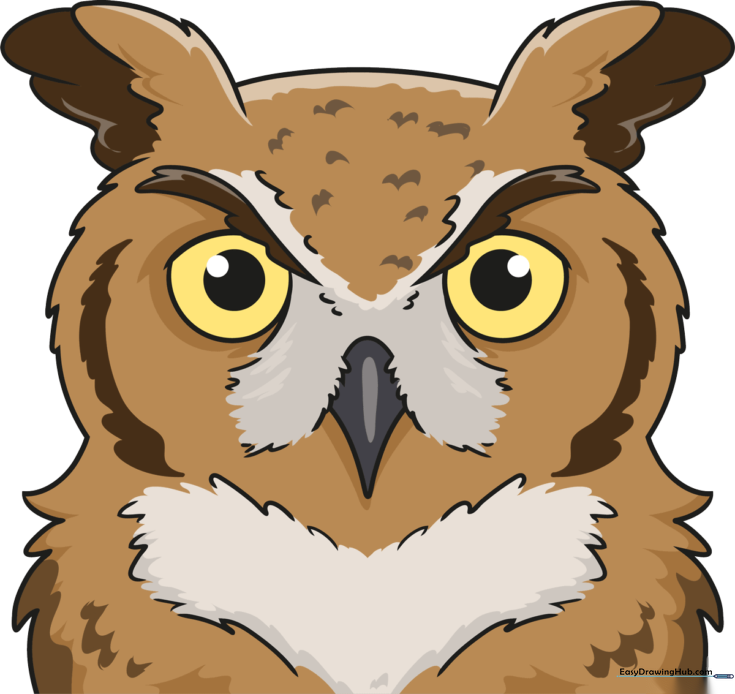
Realistic Owl Face
Focus on symmetry and texture. Tip: Draw the feathers in short, overlapping strokes to create a realistic, fluffy appearance.
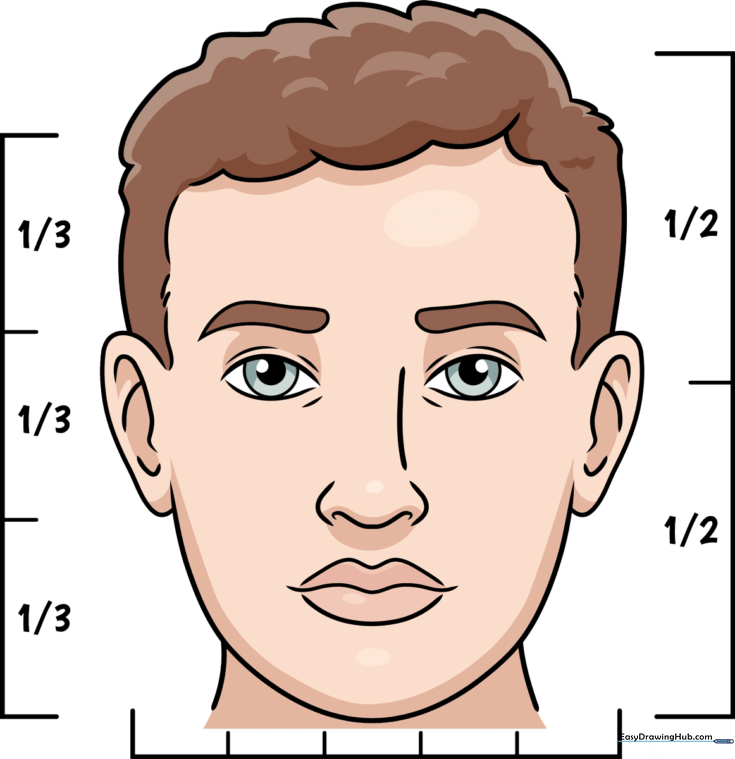
Realistic Face
Learn the proportions of the human face. Tip: Remember that the eyes are typically placed halfway down the head, not at the top.
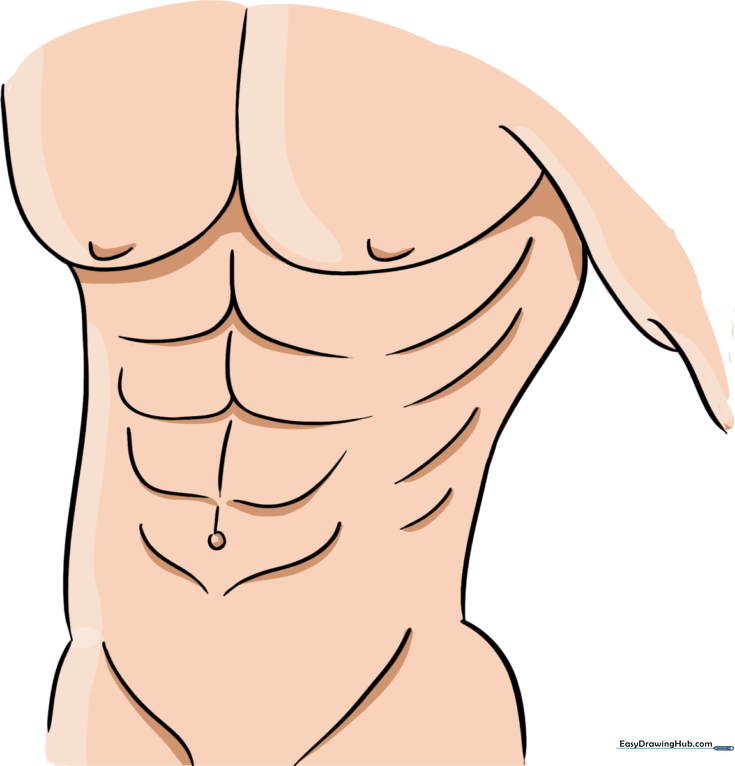
Abdominal Muscles
Study human anatomy through drawing. Tip: Use light, curved lines to define the muscle groups rather than harsh, dark outlines.
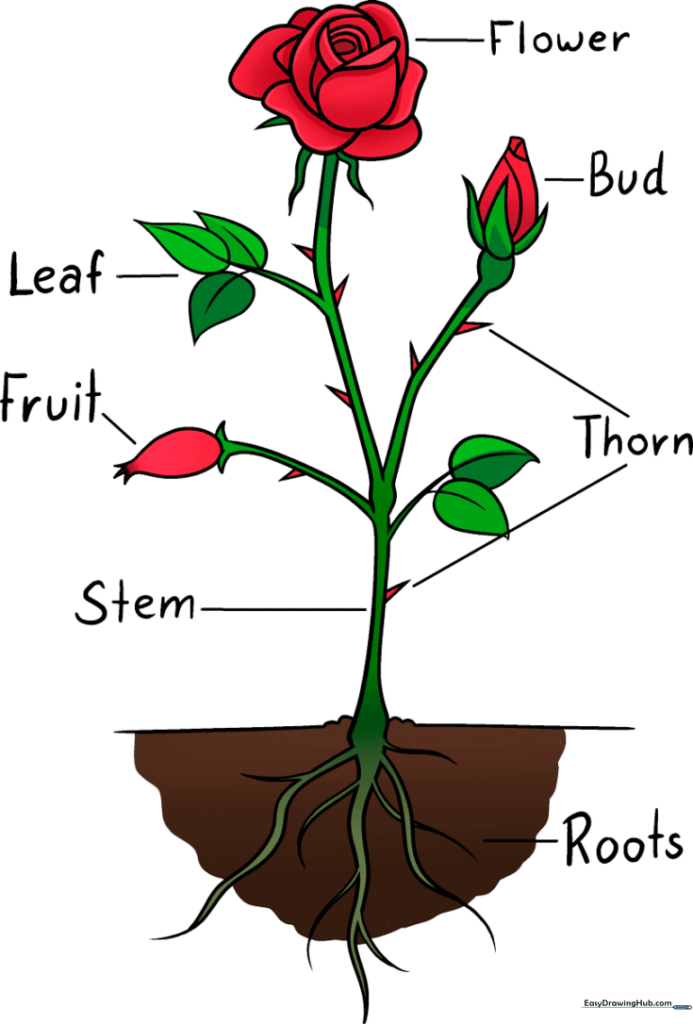
Parts of a Rose
Botanical drawing made simple. Tip: Start with the center bud and work your way outward, layering the petals to create depth.
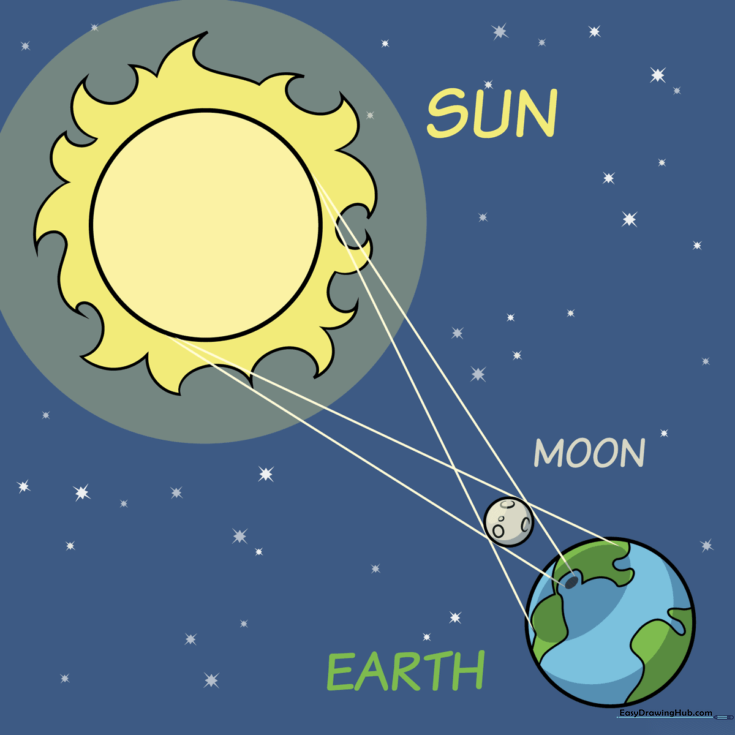
Solar Eclipse
Capture the drama of an eclipse. Tip: Use a circular object to trace the moon, then add light rays radiating outward for a glowing effect.
LOVE Letters in Perspective
Turn typography into 3D art. Tip: Ensure all your perspective lines converge at the same point to keep the letters looking consistent.

3D House
Build a house using basic geometric shapes. Tip: Draw the front face first, then extend the lines backward to create the 3D depth.

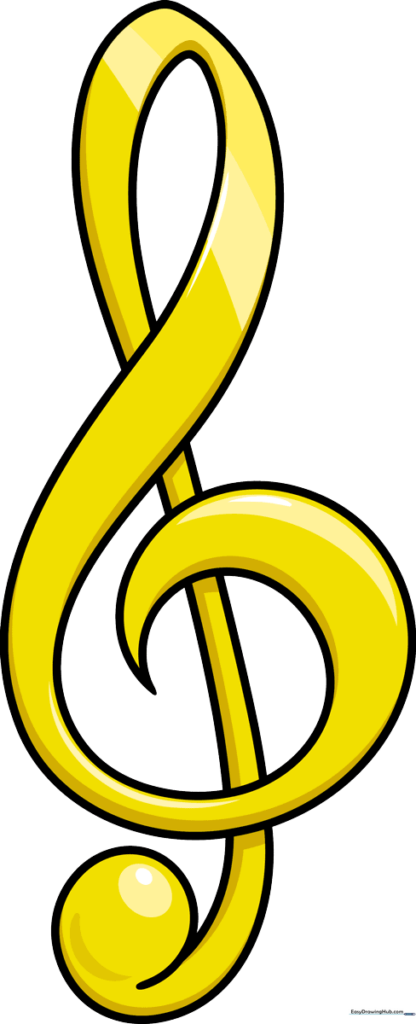
Treble Clef
Practice fluid, continuous lines. Tip: Start from the top and work your way down in one smooth motion to keep the shape elegant.
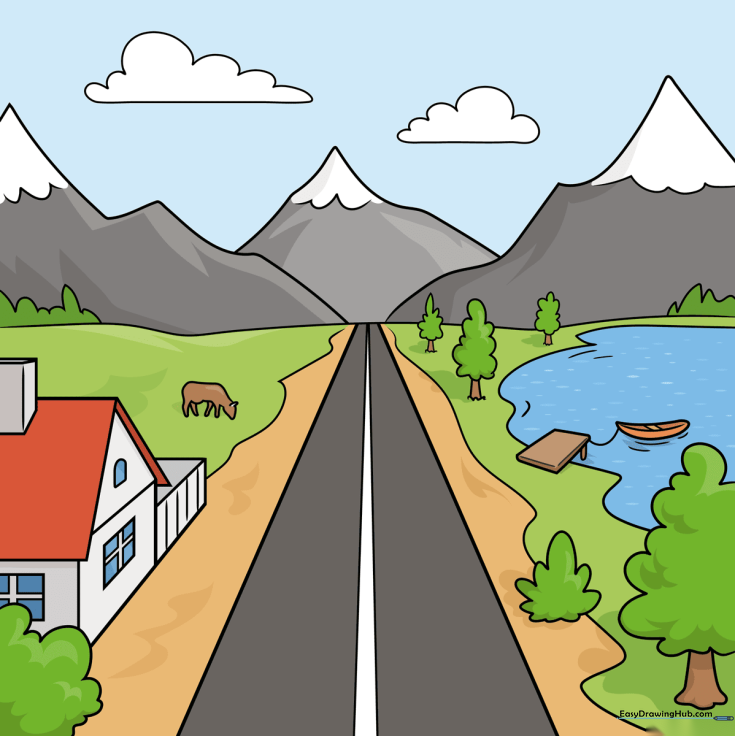
Landscape with Perspective
Create a scenic view with depth. Tip: Objects closer to the bottom of the page should be larger than those near the horizon line.
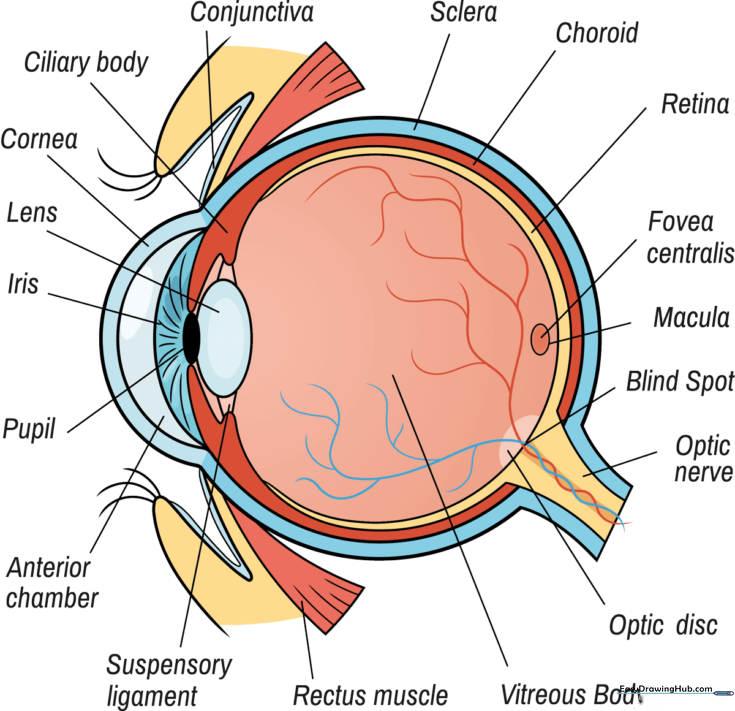
Human Eye Diagram
Combine art with science. Tip: Label your diagram clearly after drawing to help reinforce your understanding of the eye's anatomy.
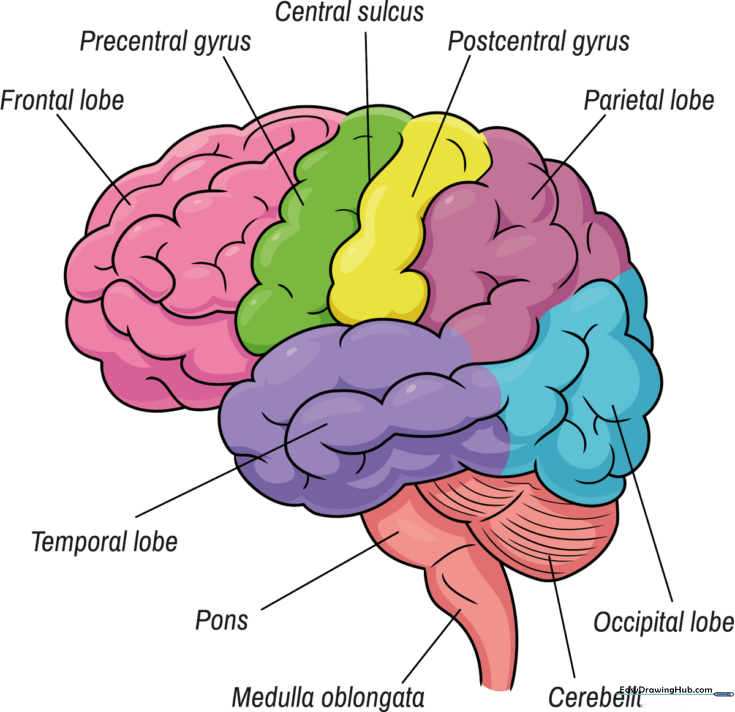
Brain Diagram
Map out the complexity of the brain. Tip: Use different colors for each section to help distinguish the various lobes and parts.
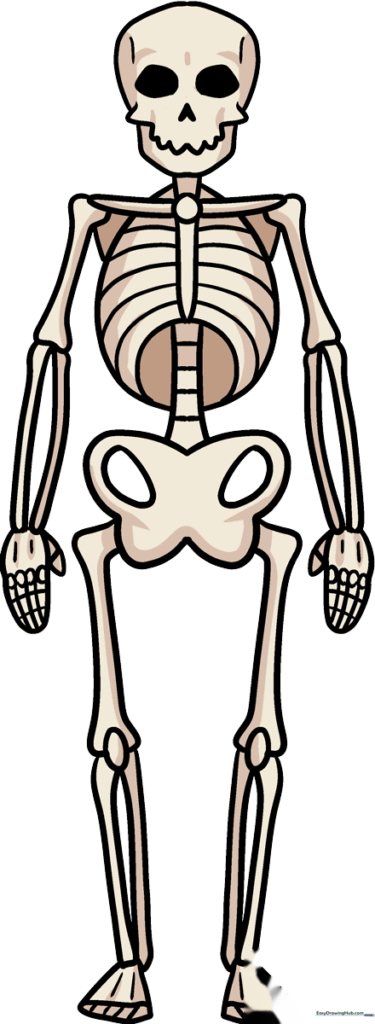
Easy Skeleton
Learn the basic structure of the human body. Tip: Use simple ovals for joints to help you map out where the bones connect.
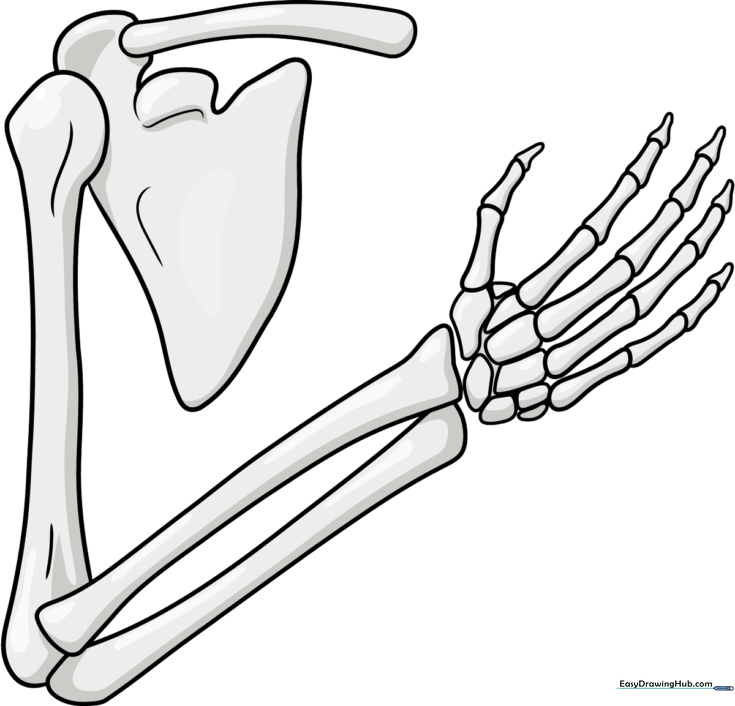
Skeleton Arm
Focus on the details of the arm bones. Tip: Pay close attention to the shape of the hand bones; they are smaller and more complex than the arm bones.
More Collections