66 Easy Drawing Ideas: Simple Step-by-Step Guides for Beginners
🖍️ 66 free tutorials
Looking to build your artistic confidence? This curated collection of 66 beginner-friendly drawing tutorials is designed to help children and adults master basic shapes and proportions. Grab a pencil, a piece of paper, and an eraser—these screen-free activities are perfect for developing fine motor skills and creative expression.
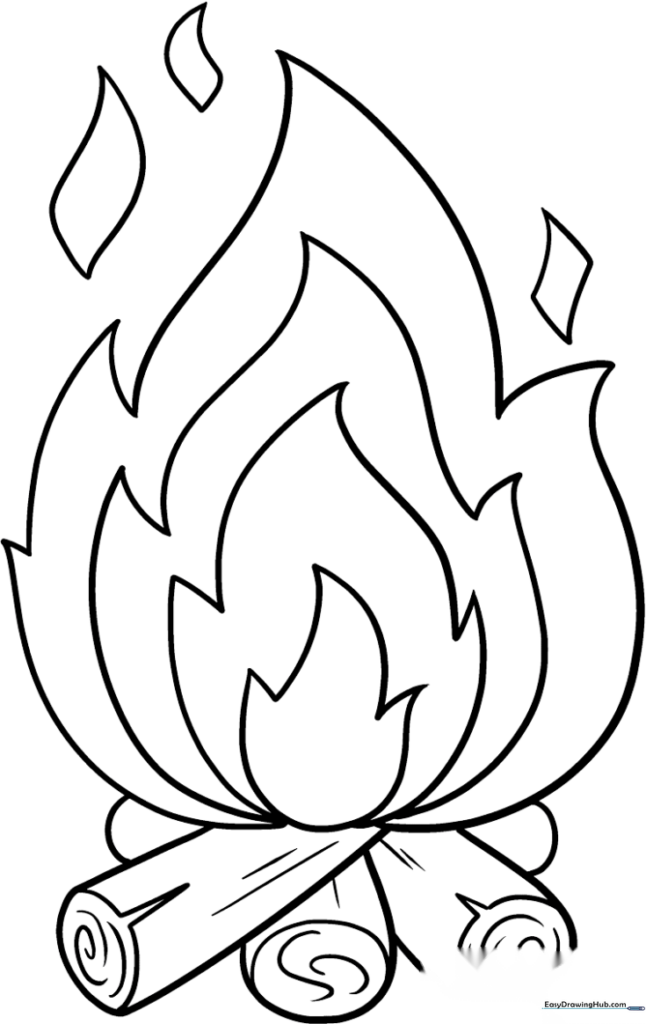
Fire
Learn to draw stylized flames using simple, flowing curves. Tip: Start with a teardrop shape and add smaller, overlapping flames to create a sense of movement.
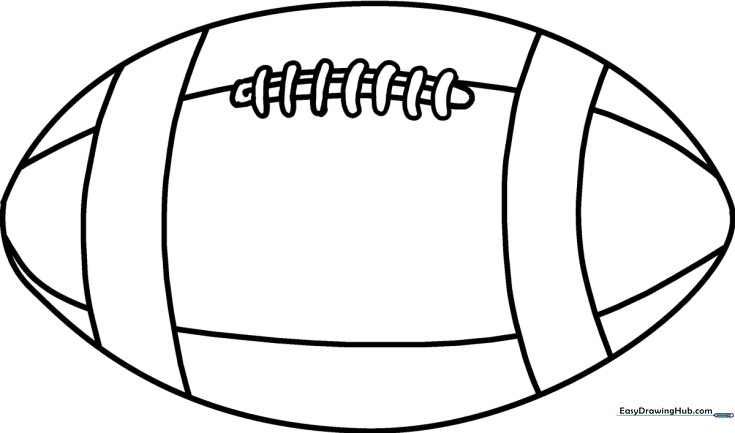
Football
Practice drawing symmetrical ovals and straight lines. Tip: Draw the laces last to ensure they are centered perfectly on the ball's curve.
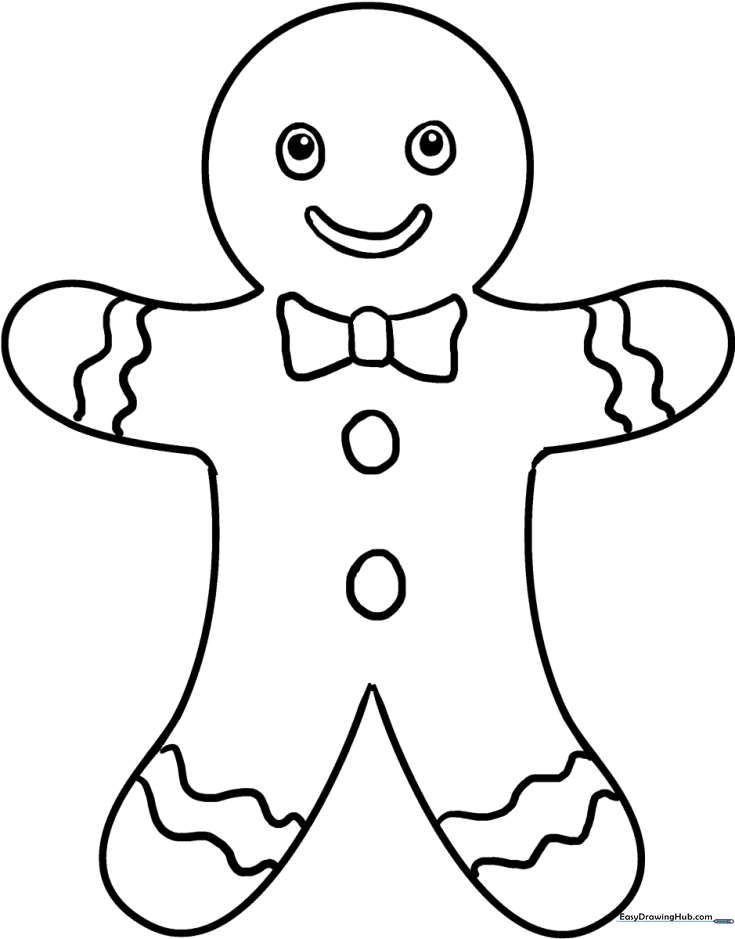
Gingerbread Man
A classic exercise in character design and basic body proportions. Tip: Use rounded corners for the limbs to give your character that soft, baked look.
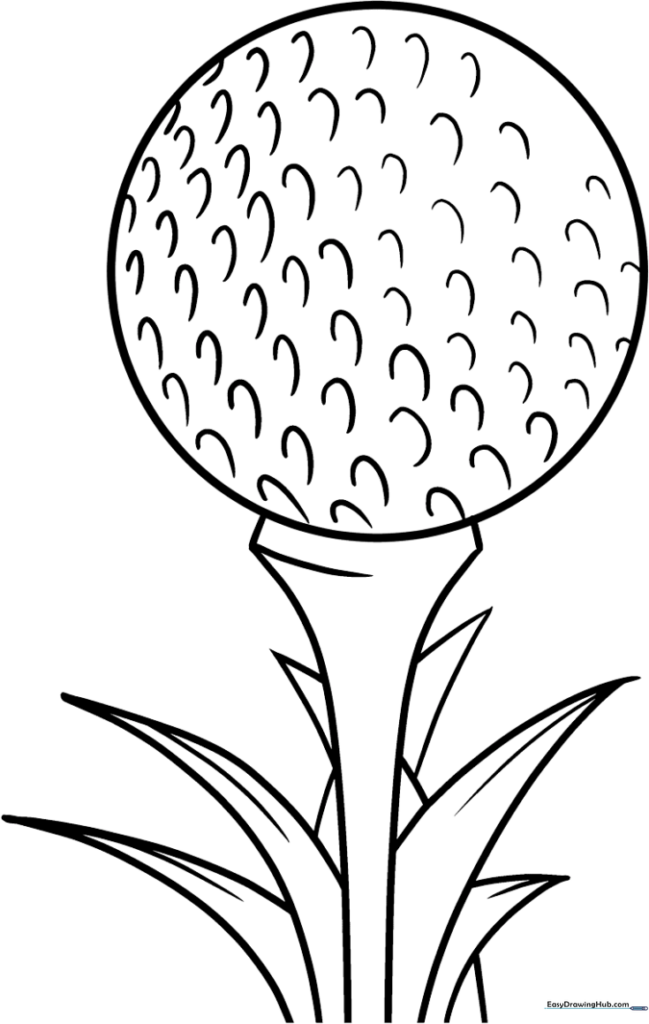
Golf Ball
Focus on pattern repetition. Tip: Draw the dimples as small, light circles to create the realistic texture of a golf ball.
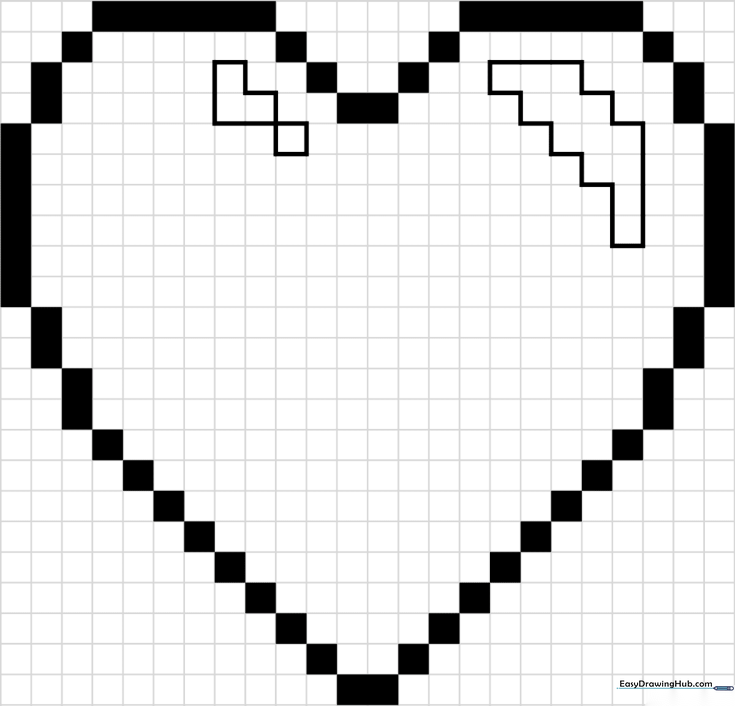
Heart Pixel Art
An excellent introduction to grid-based art. Tip: Use a ruler to draw a light grid first, then fill in the squares to create the heart shape.
Kiss Emoji
Practice drawing expressive facial features. Tip: Focus on the heart shape for the mouth to keep the expression clear and cute.

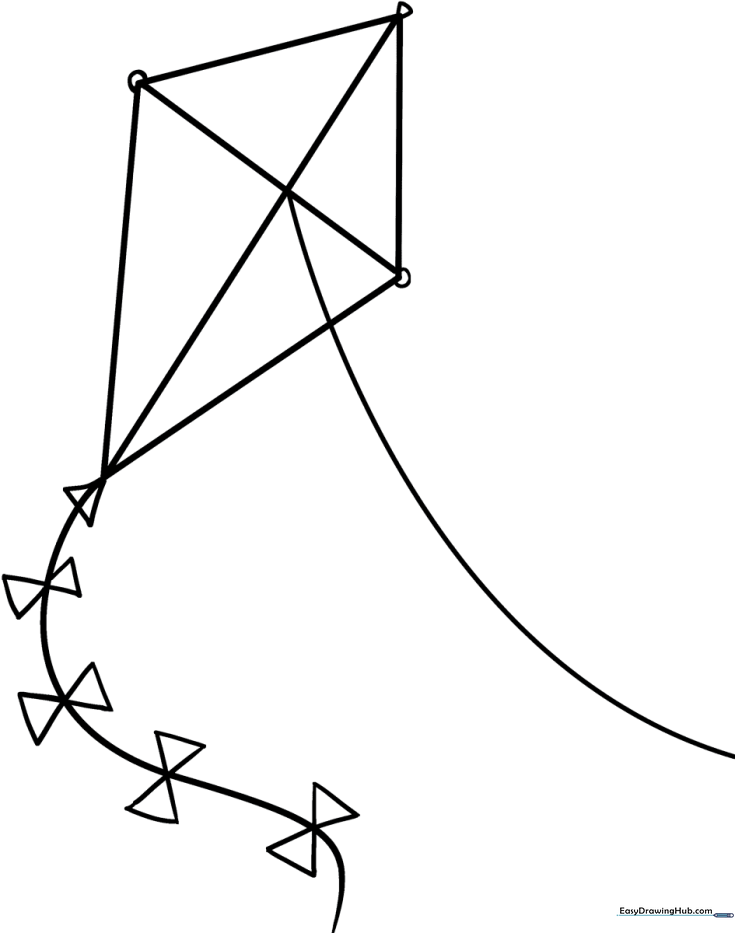
Kite
Master geometric shapes and straight lines. Tip: Draw the diamond frame first, then add the tail with small, evenly spaced bows.
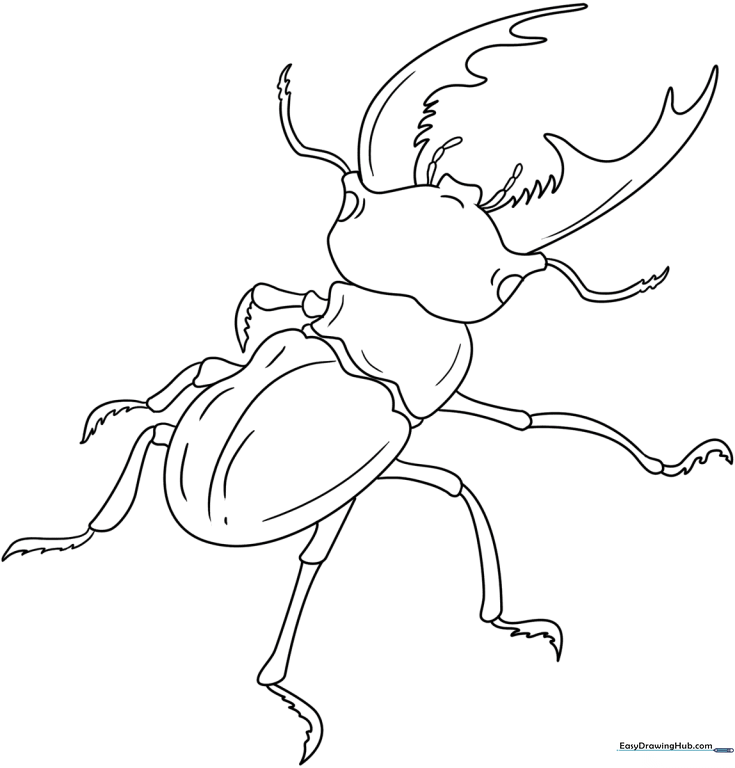
Ladybug
A fun way to practice symmetry and circular shapes. Tip: Draw the spots as varied sizes to make the ladybug look more natural.
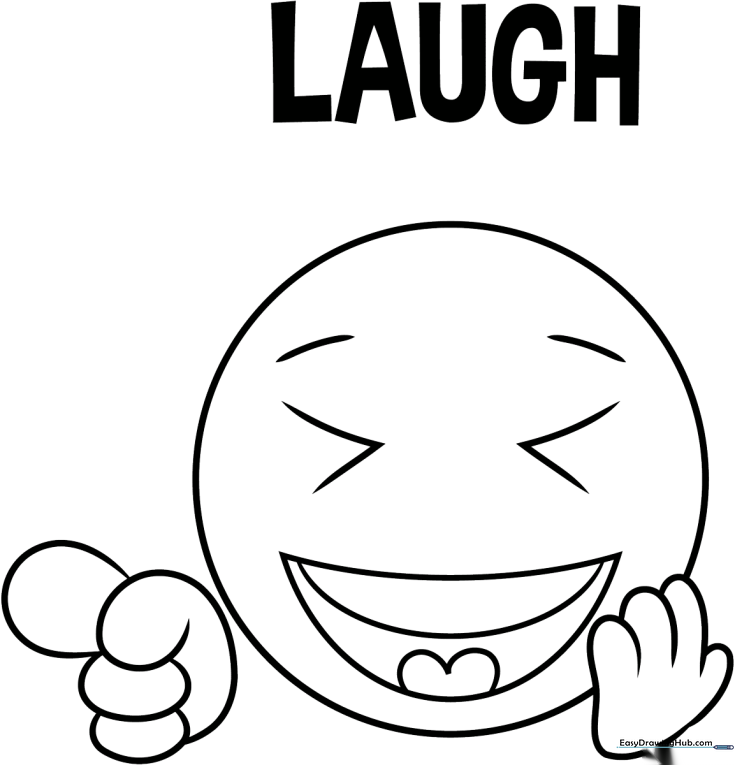
Laughing Emoji with Hands
Focus on combining shapes to create a dynamic pose. Tip: Draw the hands as simple ovals first, then add the fingers to define the shape.
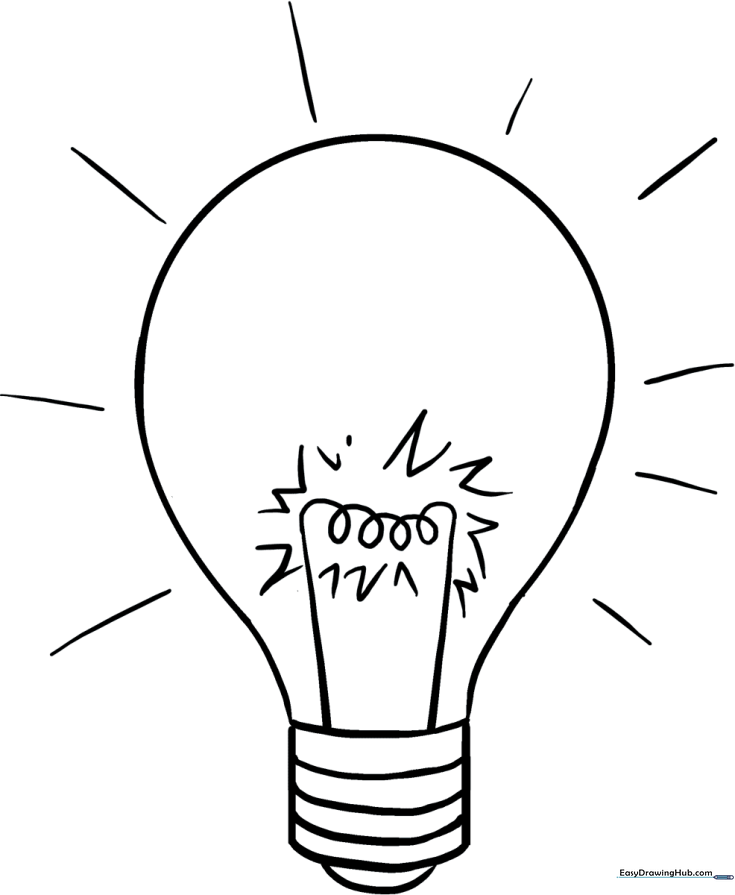
Light Bulb
Learn to draw smooth, continuous curves. Tip: Start with a large circle and add the base, then erase the overlapping lines for a clean look.
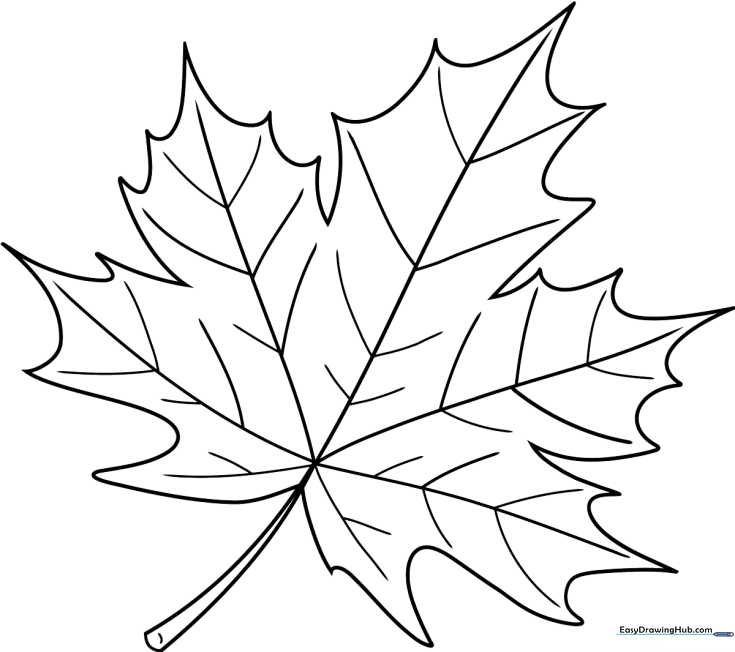
Leaf
Practice drawing organic, asymmetrical shapes. Tip: Draw the center vein first to act as a guide for the leaf's edges.
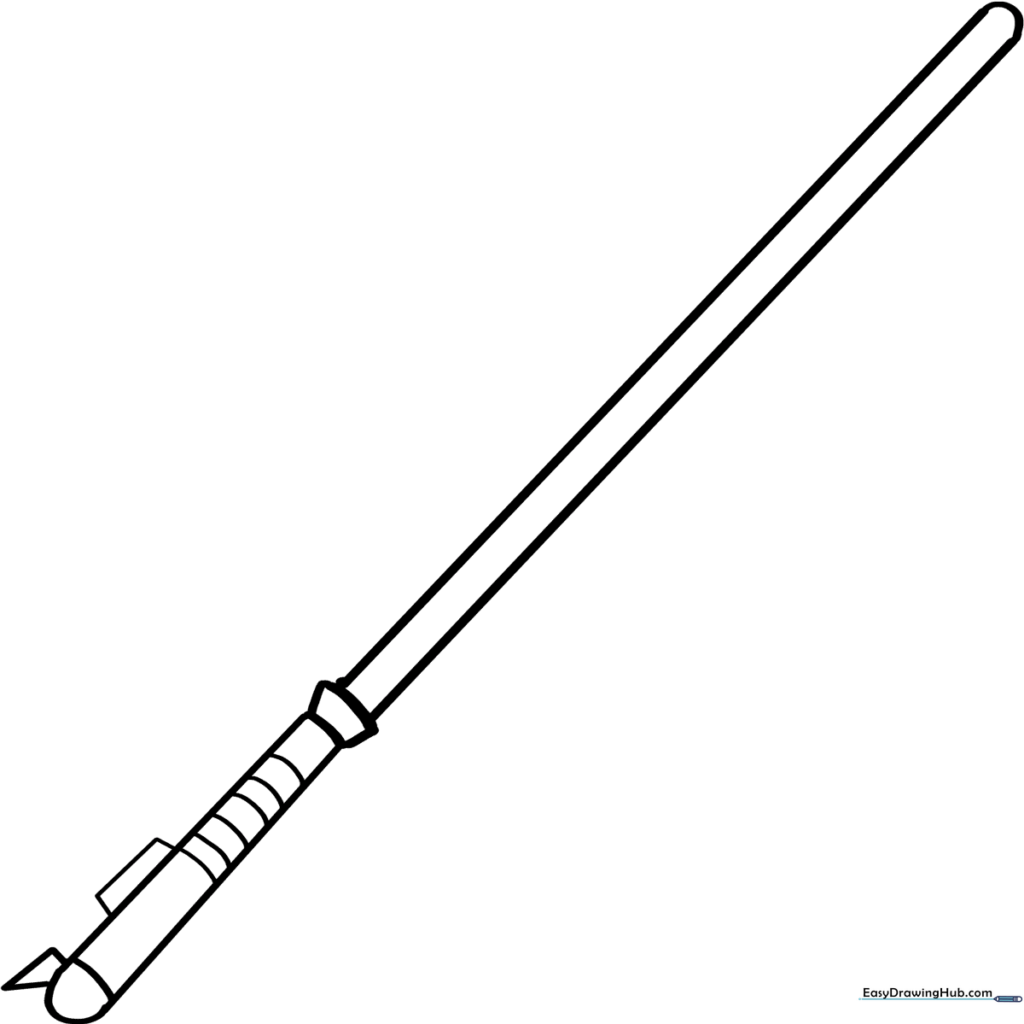
Lightsaber
A great exercise in using straight lines and perspective. Tip: Use a ruler for the handle to keep it looking sharp and mechanical.
Mother’s Day Heart
Practice decorative lettering and shapes. Tip: Add small flourishes or flowers around the heart to personalize your message.

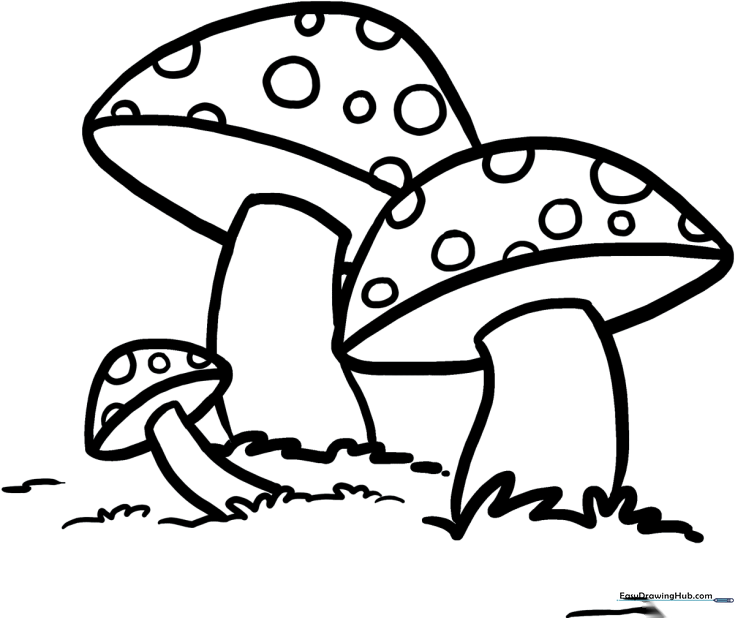
Mushroom
Learn to draw curved, organic forms. Tip: Use a light pencil to sketch the cap and stem, then add the spots to create depth.
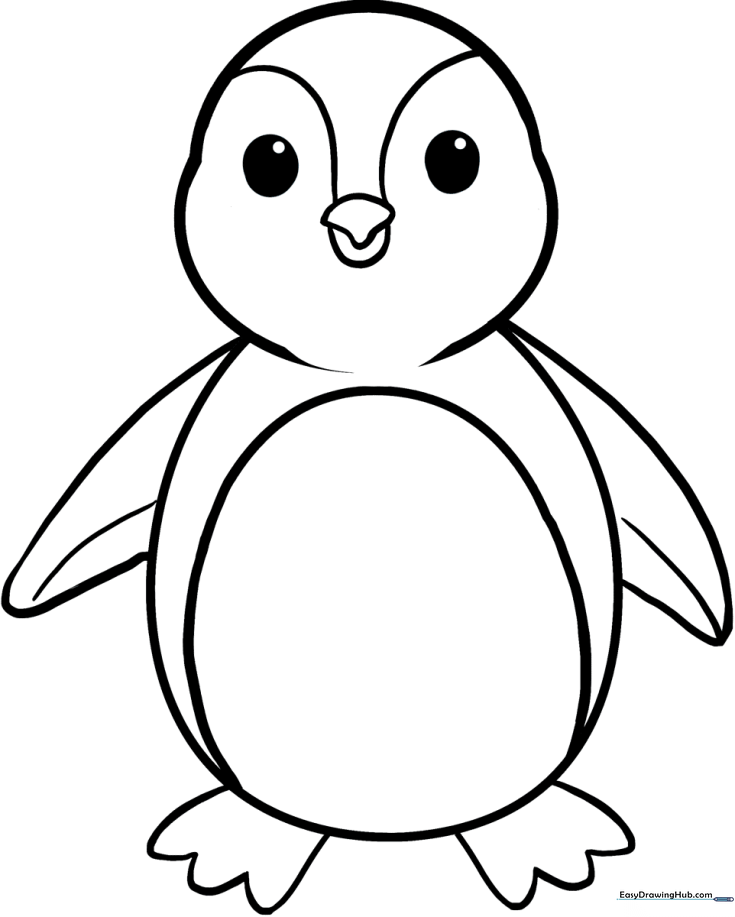
Penguin
A fun character study. Tip: Keep the body shape rounded and simple, then add the beak and feet as small triangles.
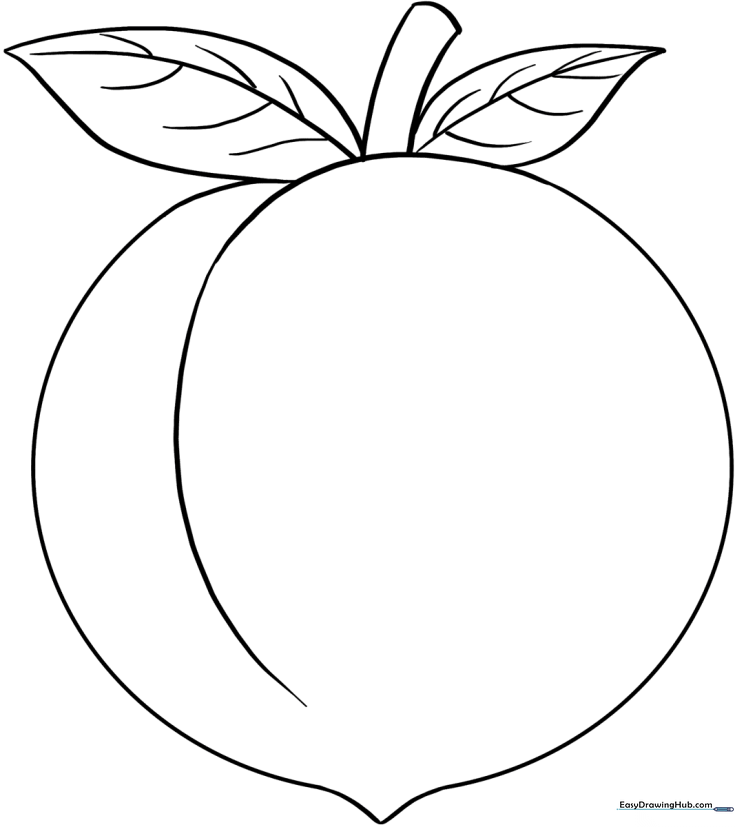
Peach
Practice drawing soft, rounded shapes. Tip: Add a small dimple at the top to give the fruit a realistic look.
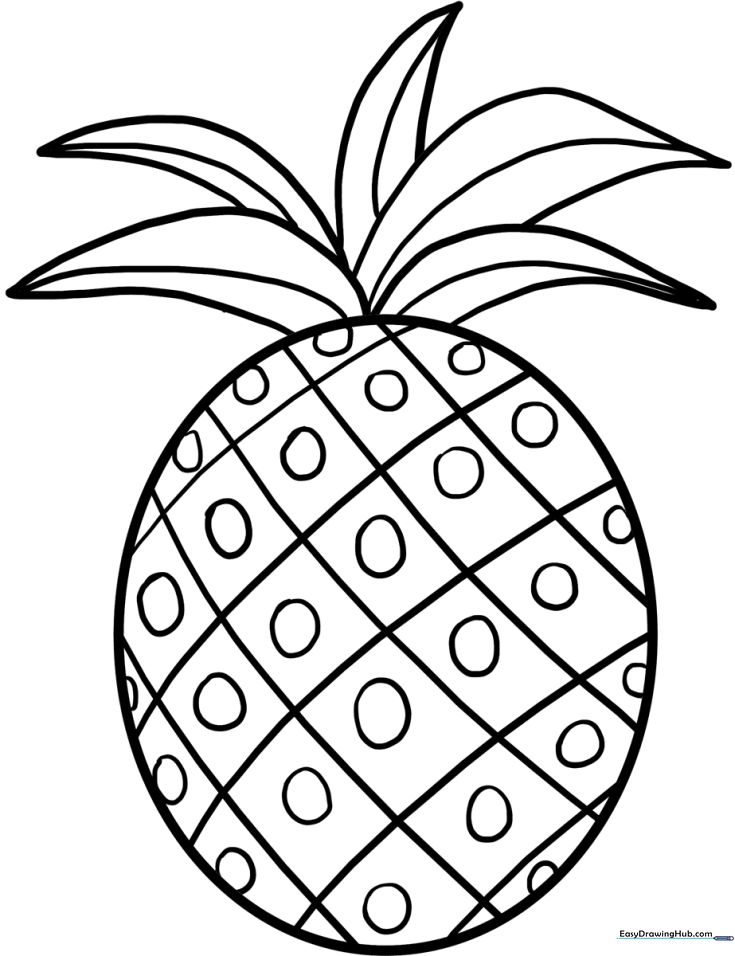
Pineapple
Focus on texture and pattern. Tip: Draw the cross-hatch pattern on the body first, then add the leaves on top.
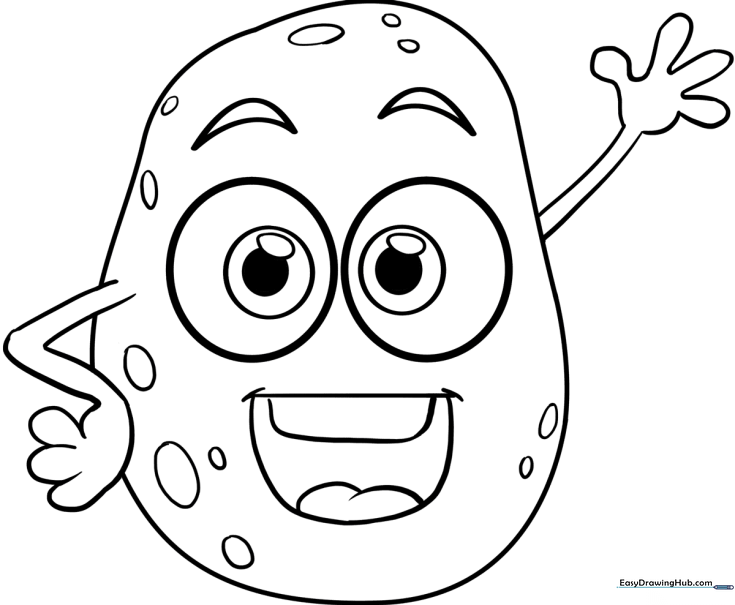
Potato
Practice drawing irregular, natural shapes. Tip: Add a few small dots or lines to represent the 'eyes' of the potato.
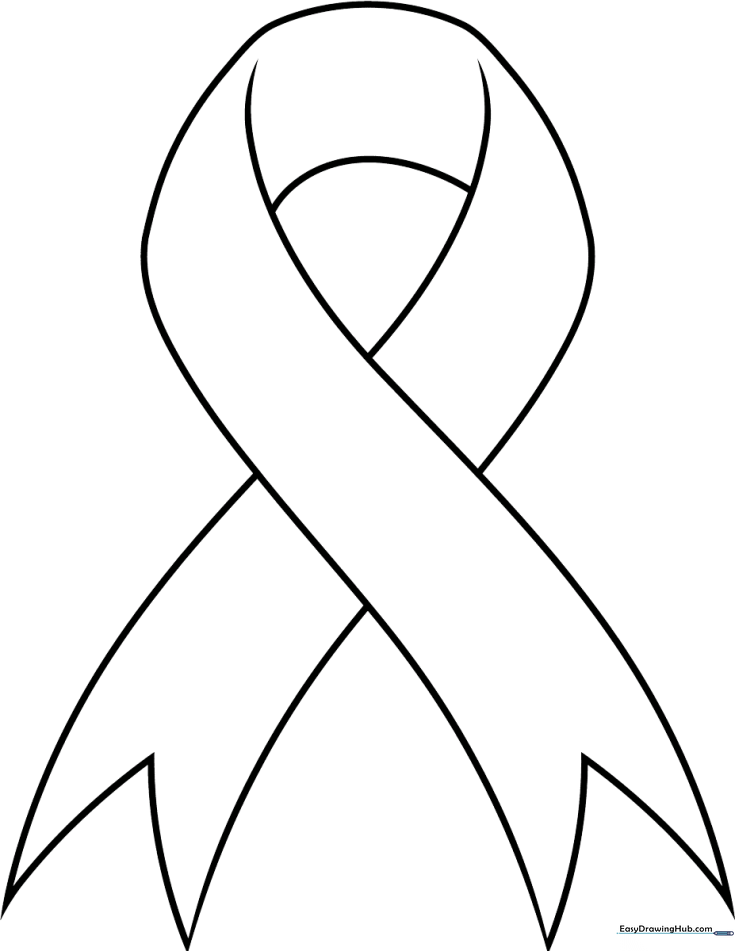
Ribbon
Learn to draw overlapping shapes to create a 3D effect. Tip: Draw the loops first, then connect them with the tails.
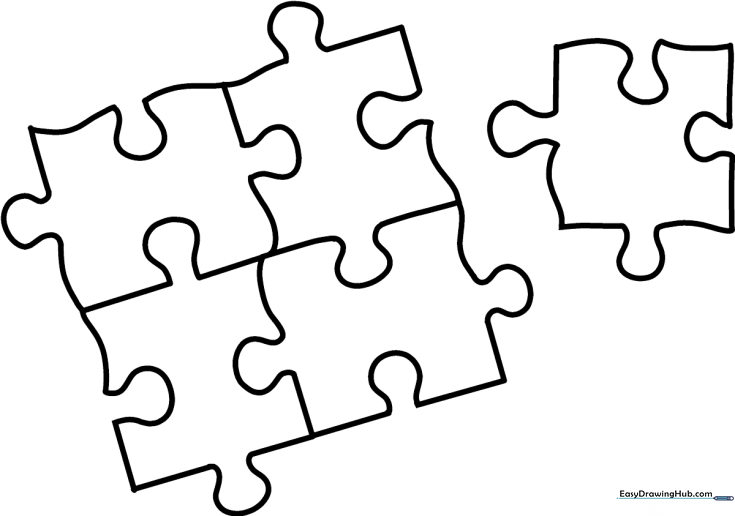
Puzzle
Practice drawing interlocking shapes. Tip: Keep the edges rounded so the pieces look like they fit together perfectly.
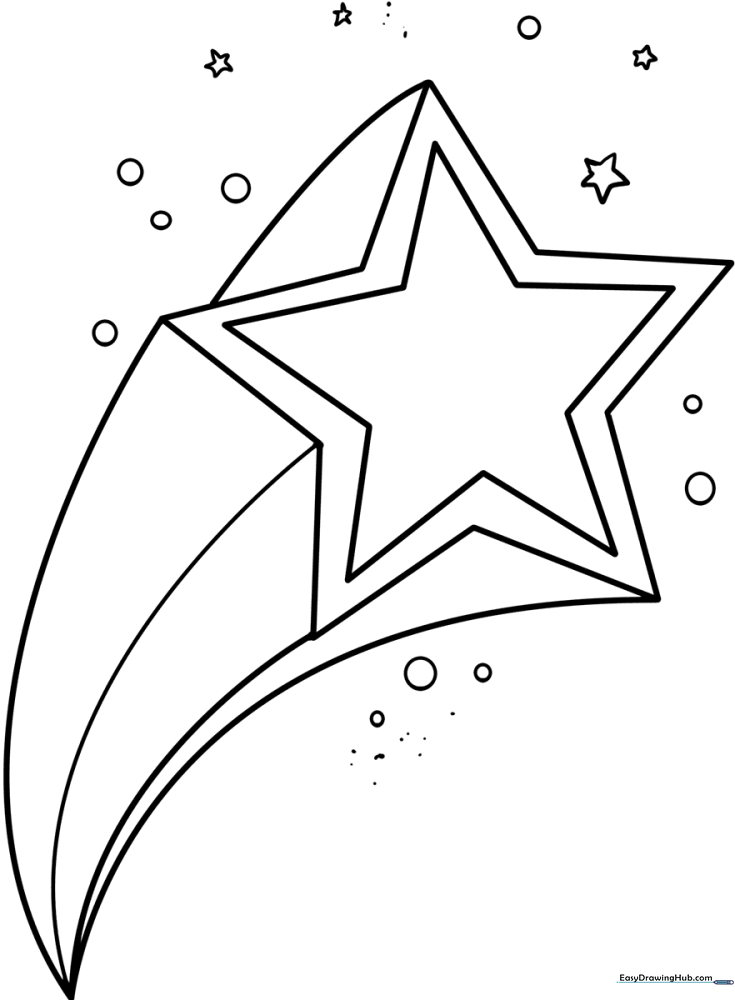
Shooting Star
Focus on motion and speed lines. Tip: Draw the star first, then add long, curved lines trailing behind it to show movement.
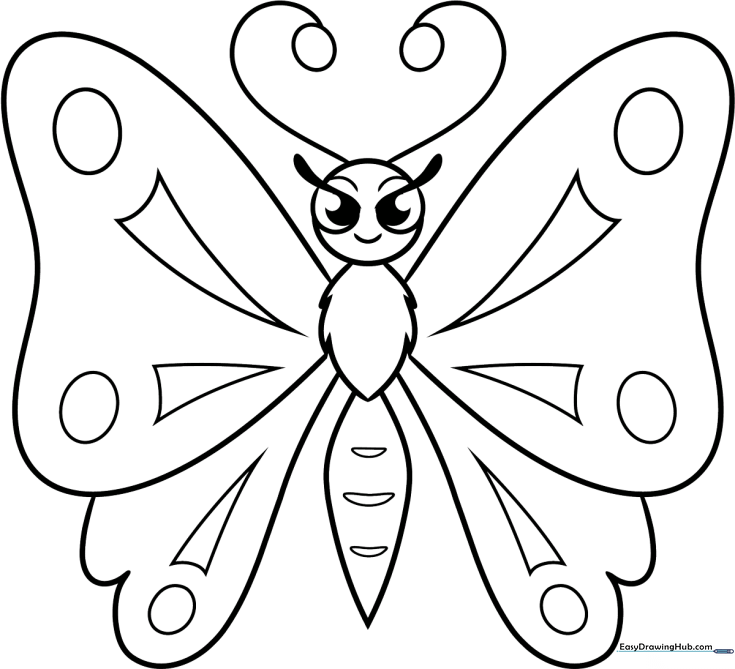
Simple Cute Butterfly
A great lesson in symmetry. Tip: Draw one side of the butterfly, then use a light pencil to mirror the shapes on the other side.
Snake Head
Practice drawing curved, reptilian shapes. Tip: Focus on the eyes and tongue to give your snake personality.

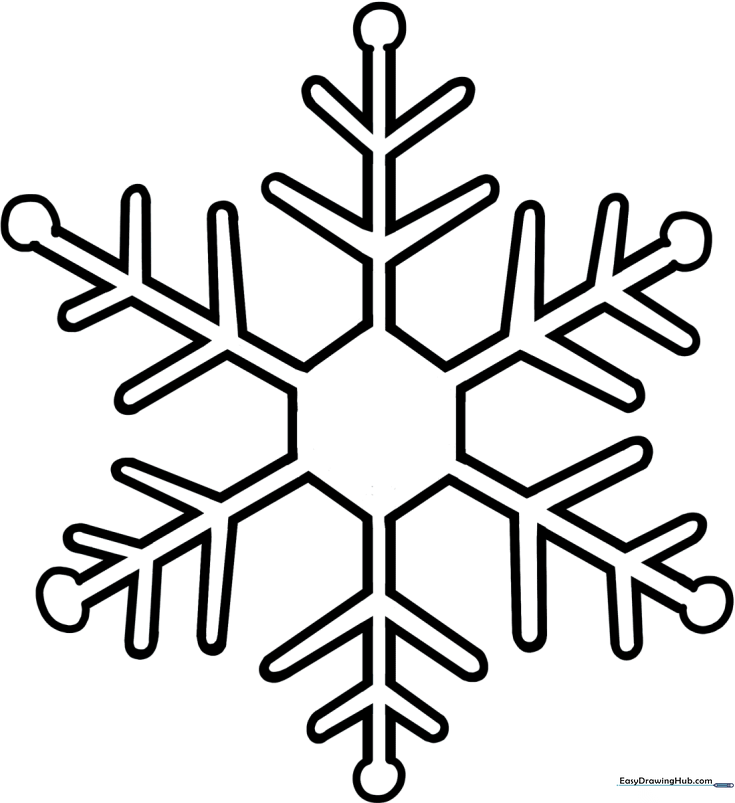
Snowflake
An excellent exercise in radial symmetry. Tip: Draw a cross and an 'X' first, then add branches to each line to create the snowflake pattern.
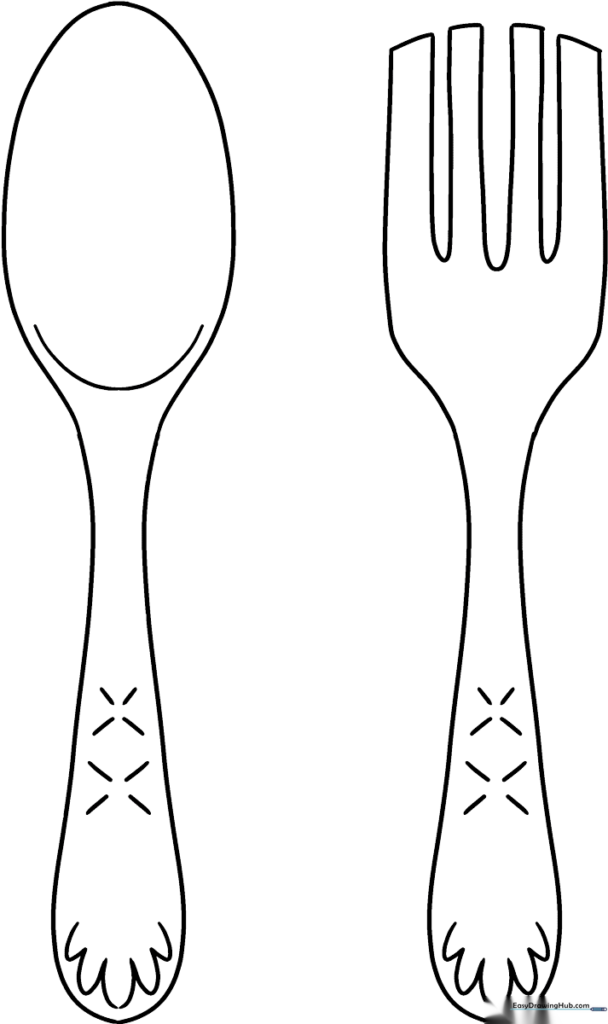
Spoon and Fork
Practice drawing everyday objects. Tip: Use long, smooth strokes for the handles to keep them looking sleek.
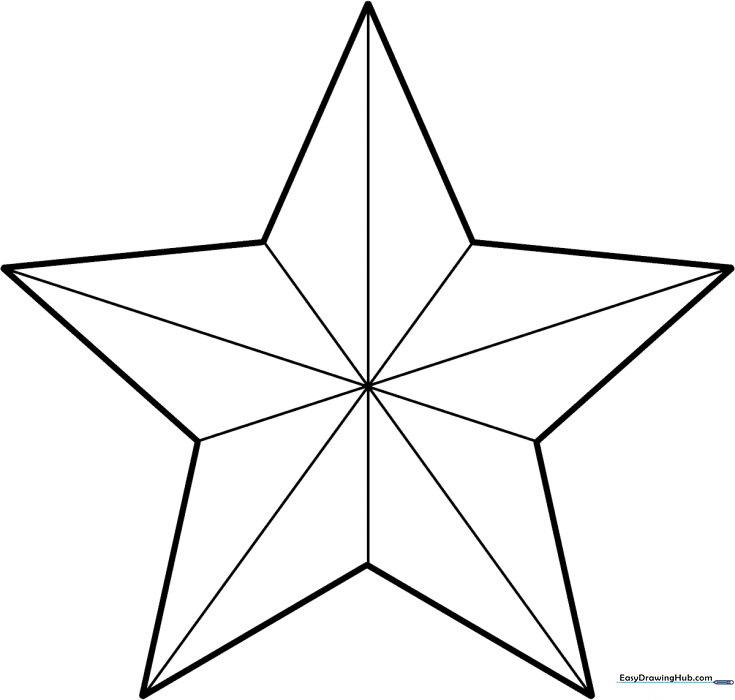
Star
Master the classic five-pointed star. Tip: Use a light pencil to draw an upside-down 'V' first, then connect the points to keep your proportions balanced.
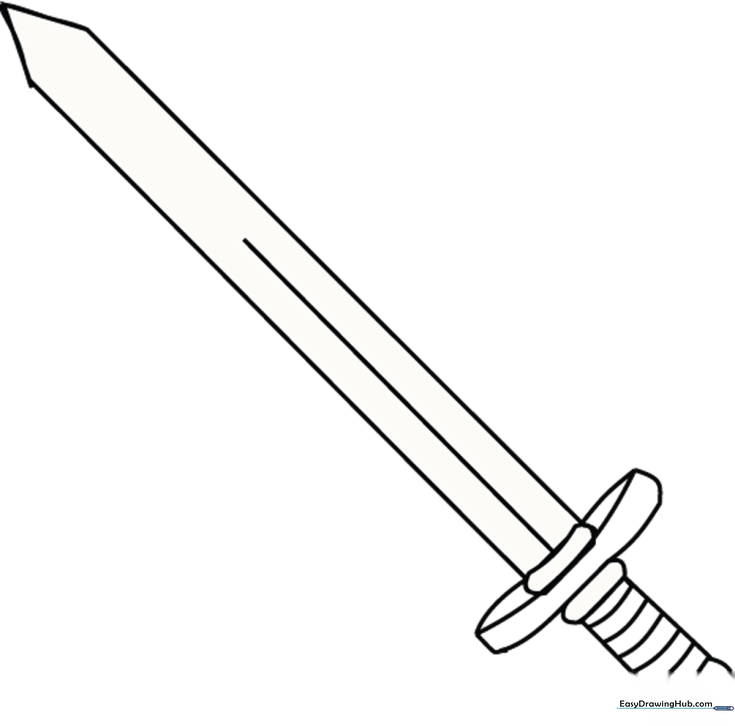
Sword
Create a heroic blade using simple geometric shapes. Tip: Focus on keeping your center line straight to ensure the sword looks balanced and sturdy.
Thumbs up Sign
Practice drawing human hands with this simple gesture. Tip: Start with a rounded rectangle for the palm to get the proportions right before adding the thumb.

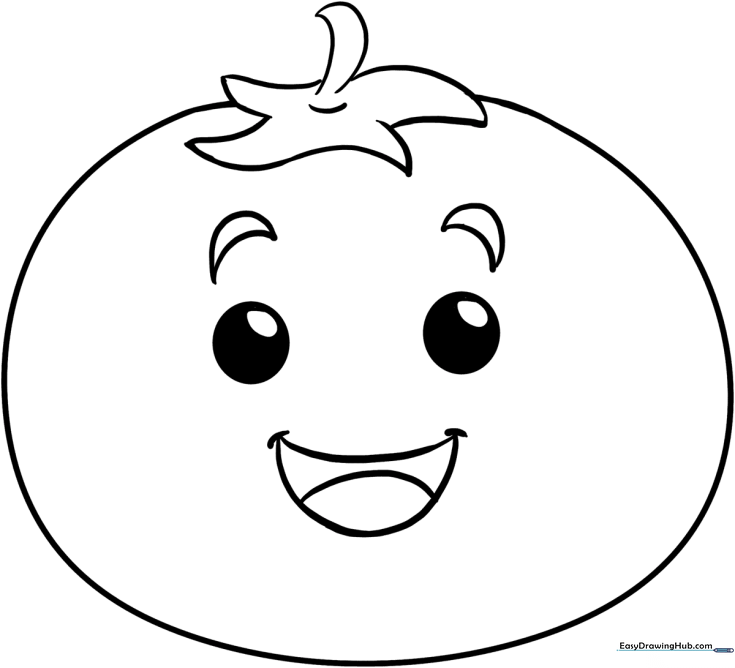
Tomato
Learn to draw organic shapes. Tip: Don't make the circle perfect! A slightly lumpy, round shape makes the tomato look more natural and realistic.
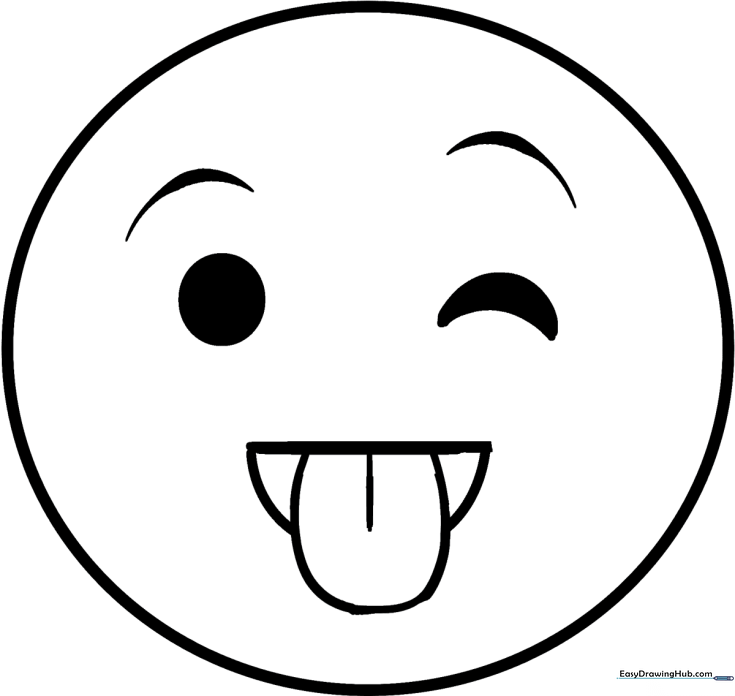
Tongue Out Emoji
Express emotion through facial features. Tip: Draw the eyes first as two small ovals to ensure the expression is centered before adding the tongue.
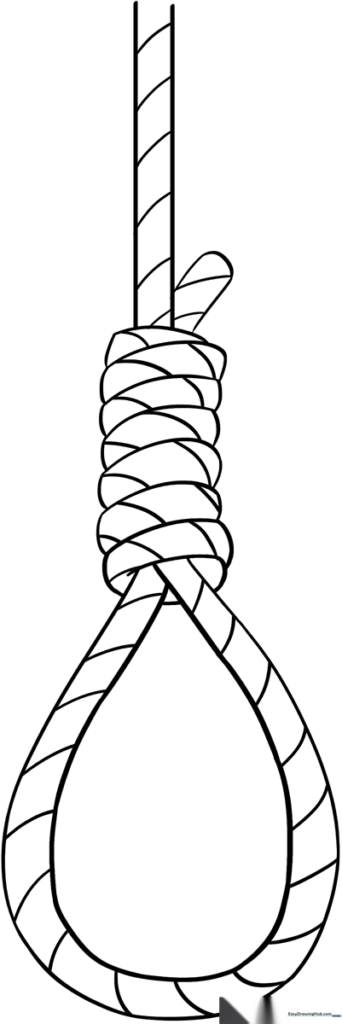
Noose
Focus on line weight and knot detail. Tip: Use short, overlapping curved lines to represent the rope texture, making it look more realistic.
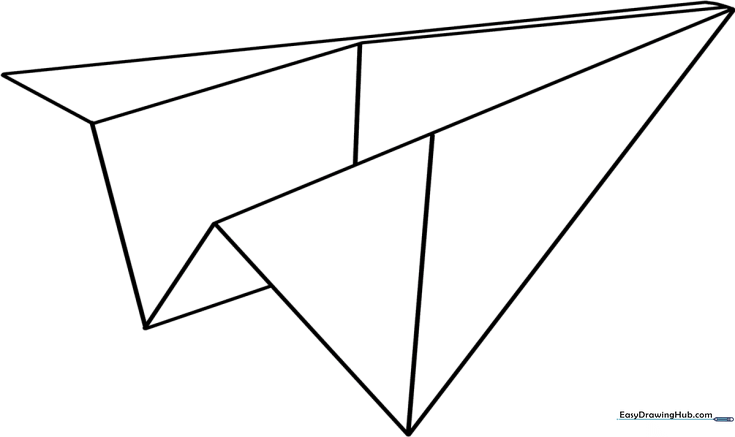
Paper Airplane
Explore symmetry in drawing. Tip: Draw a light center guideline to ensure both wings of the airplane are equal in size and angle.
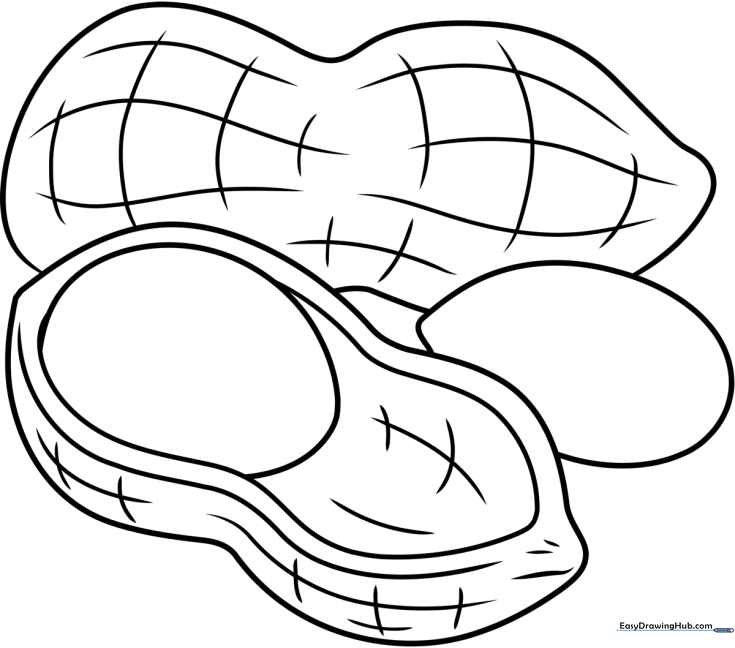
Peanut
Practice drawing organic, bumpy textures. Tip: Use a series of overlapping 'C' shapes to create the shell's unique, uneven surface.
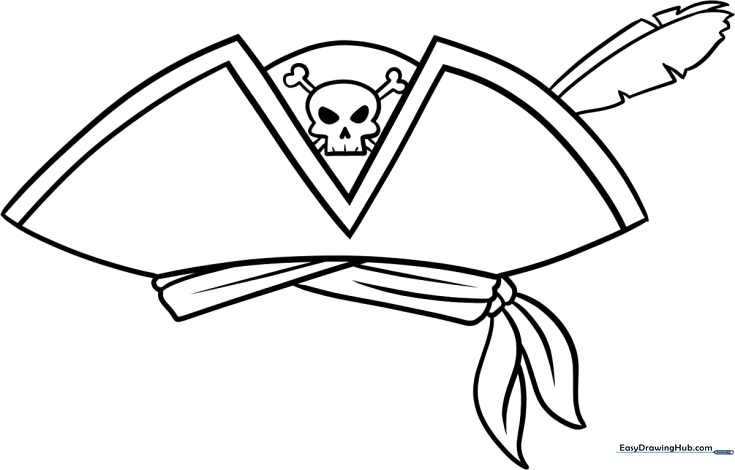
Pirate Hat
Learn to draw curved, flowing shapes. Tip: Start with a wide, flat 'U' shape for the brim to give the hat a sturdy base.
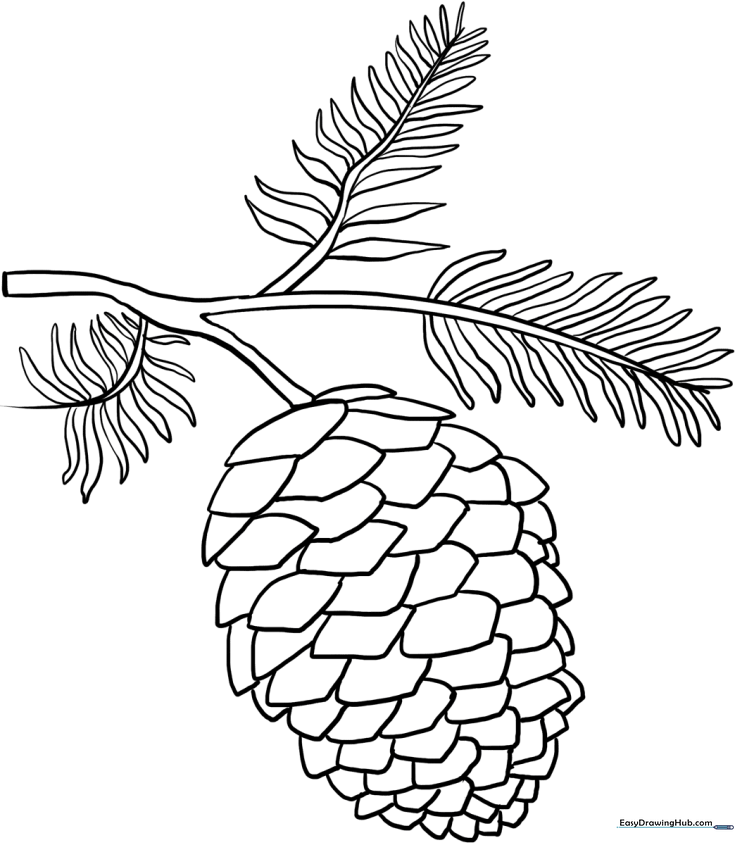
Pinecone
Practice repetitive patterns. Tip: Draw the scales in a staggered, overlapping pattern to mimic the natural growth of a pinecone.
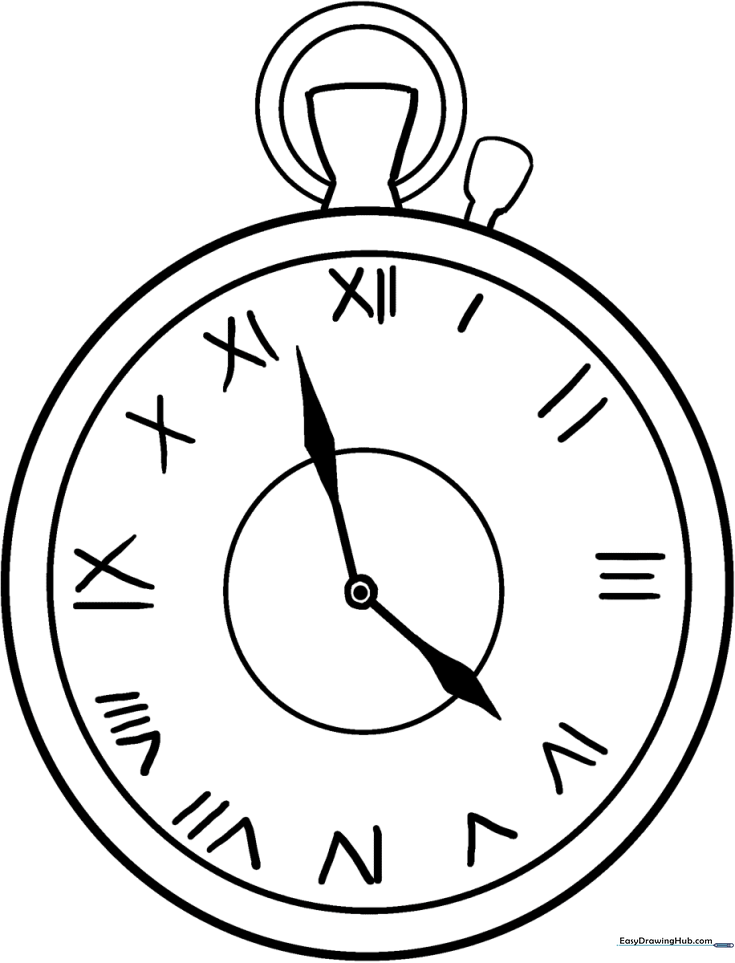
Pocket Watch
Combine circles and straight lines for precision. Tip: Use a circular object to trace the main watch face for a perfectly round start.
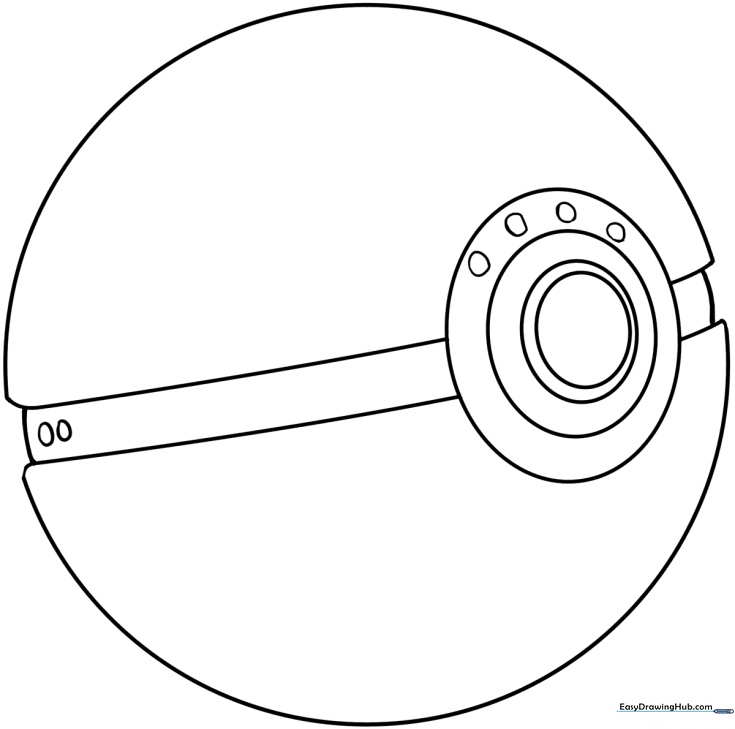
Poke Ball
Mastering perfect circles. Tip: Draw a light cross inside your circle to help you place the center button accurately.
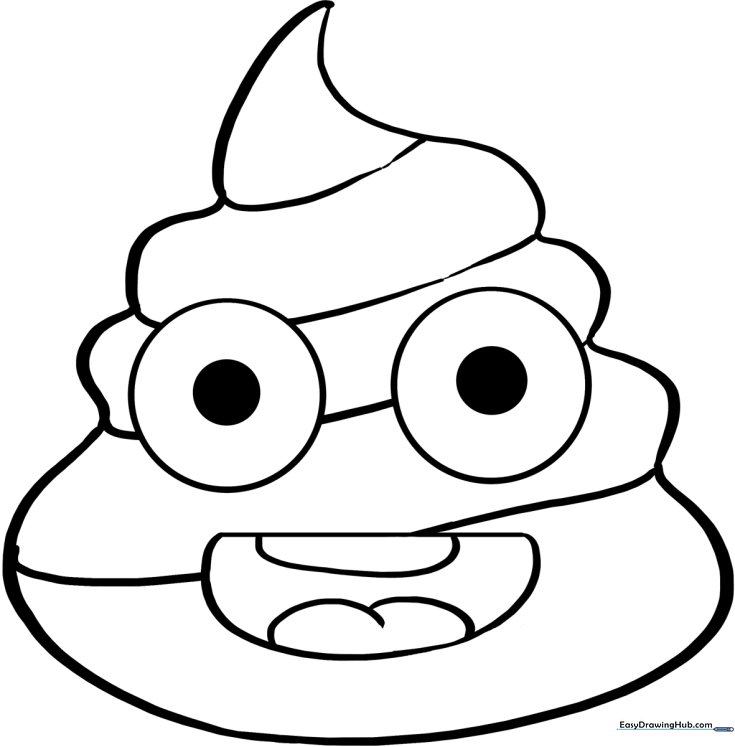
Poop Emoji
Practice drawing spirals. Tip: Start from the center of the spiral and work your way outward to maintain the shape's proportions.
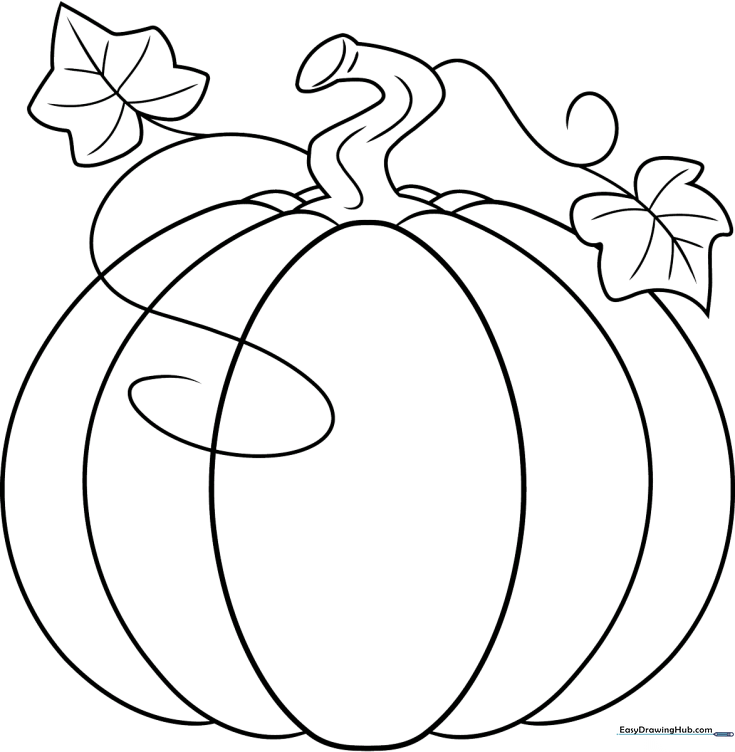
Pumpkin
Learn to draw curved segments. Tip: Draw the center segment first, then add the side segments to keep the pumpkin symmetrical.
Rainbow
Practice drawing parallel curves. Tip: Keep your hand steady and move your whole arm, not just your wrist, to create smooth, long arcs.

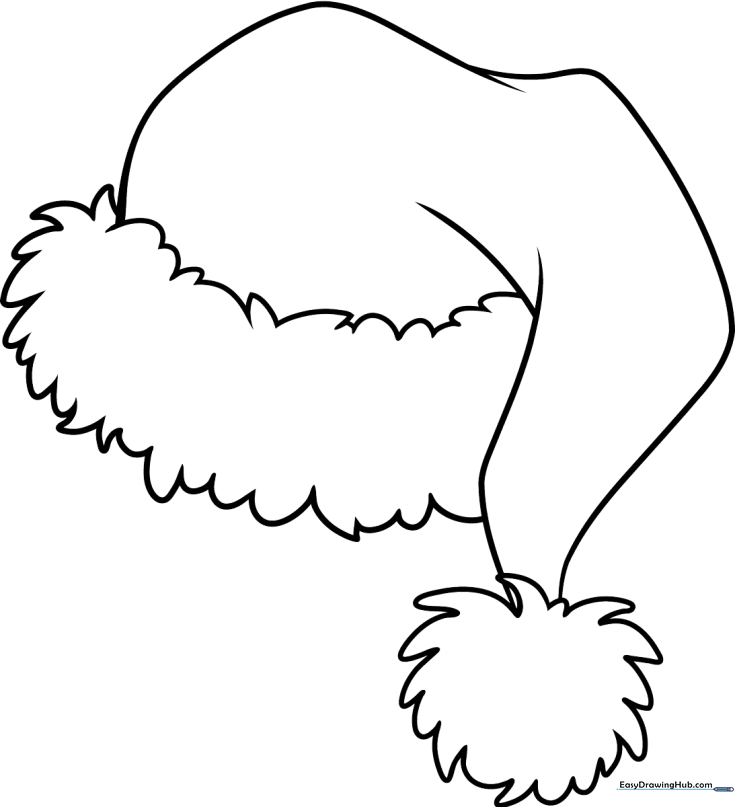
Santa Hat
Focus on soft, fluffy textures. Tip: Use short, jagged lines for the brim to make it look like soft fur.
Sad, Broken Heart
Learn to draw jagged, broken lines. Tip: Draw a standard heart shape first, then add the 'crack' line down the middle to show the break.

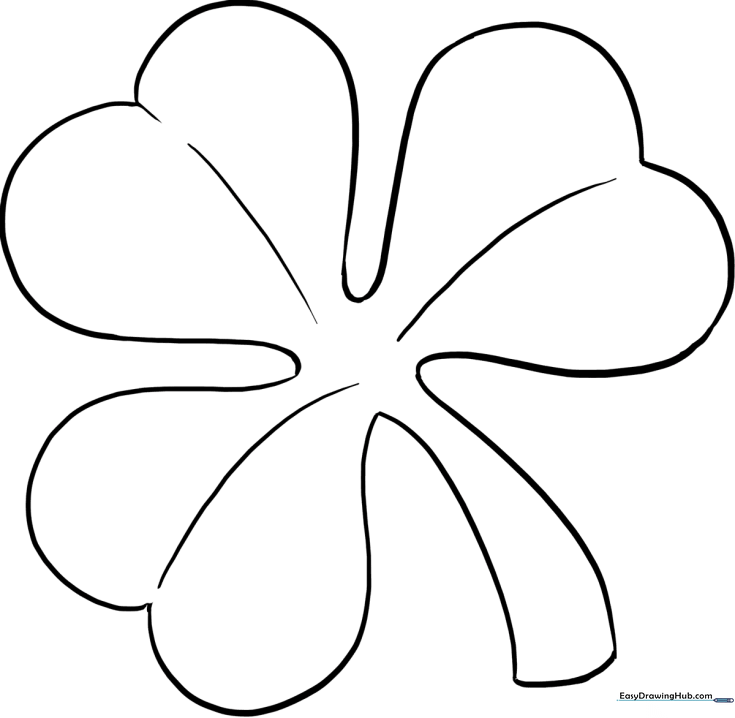
Shamrock
Practice drawing heart-shaped leaves. Tip: Draw three small hearts meeting at a center point to create the perfect shamrock shape.
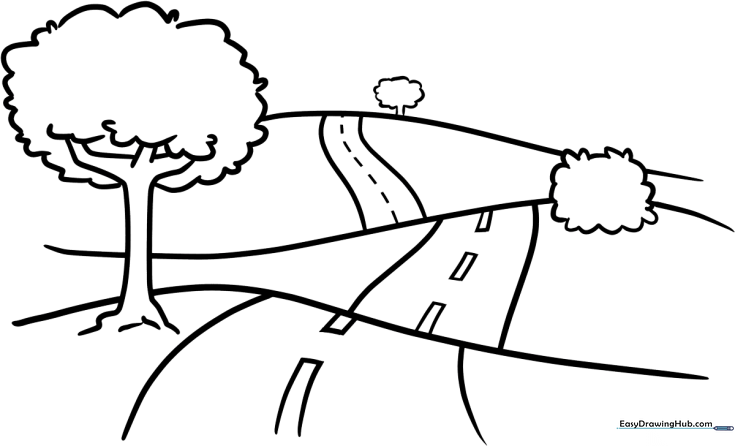
Road
Understand basic perspective. Tip: Draw two lines that get closer together as they move toward the top of the page to create the illusion of depth.
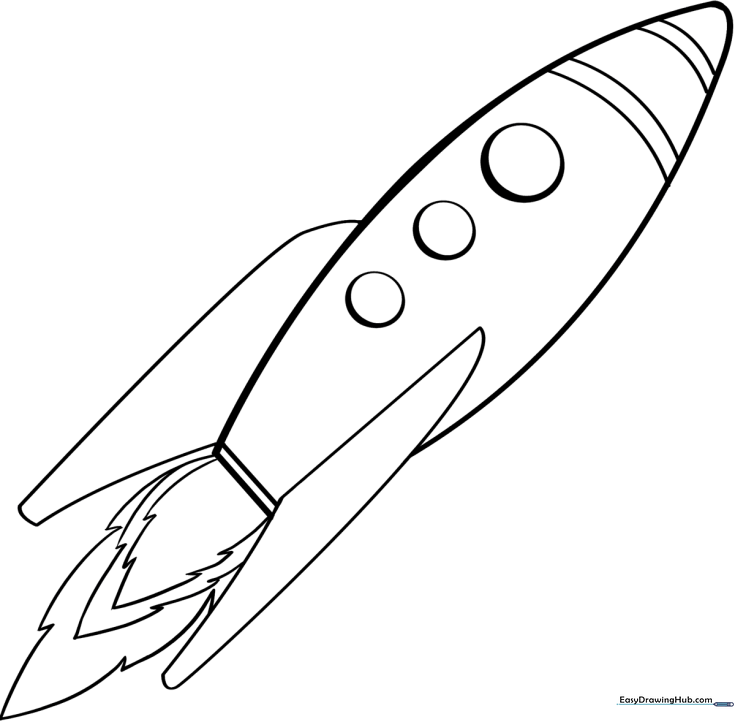
Rocket Ship
Combine basic geometric shapes like triangles and rectangles. Tip: Use a ruler for the straight edges to make your rocket look sleek and fast.
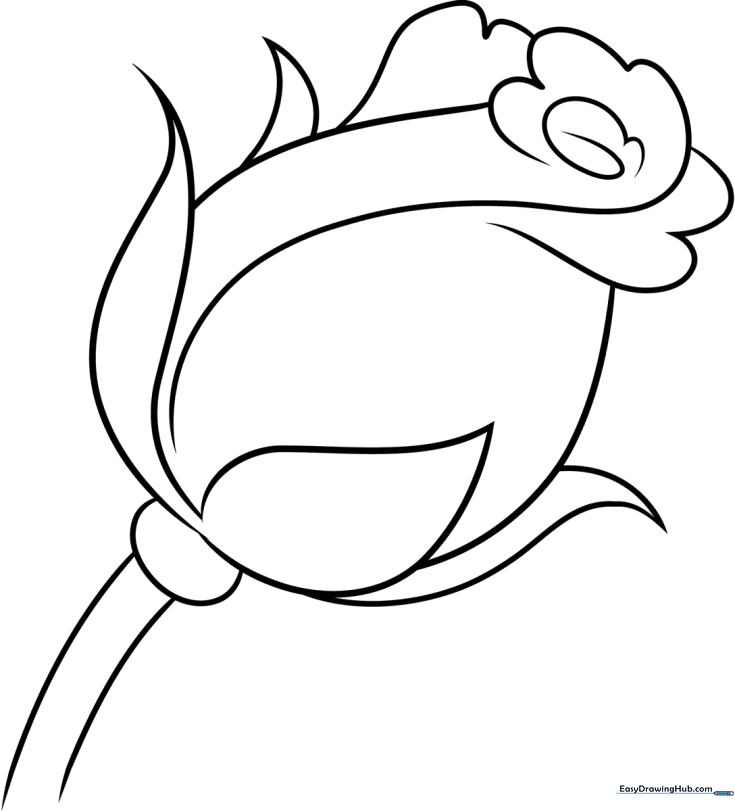
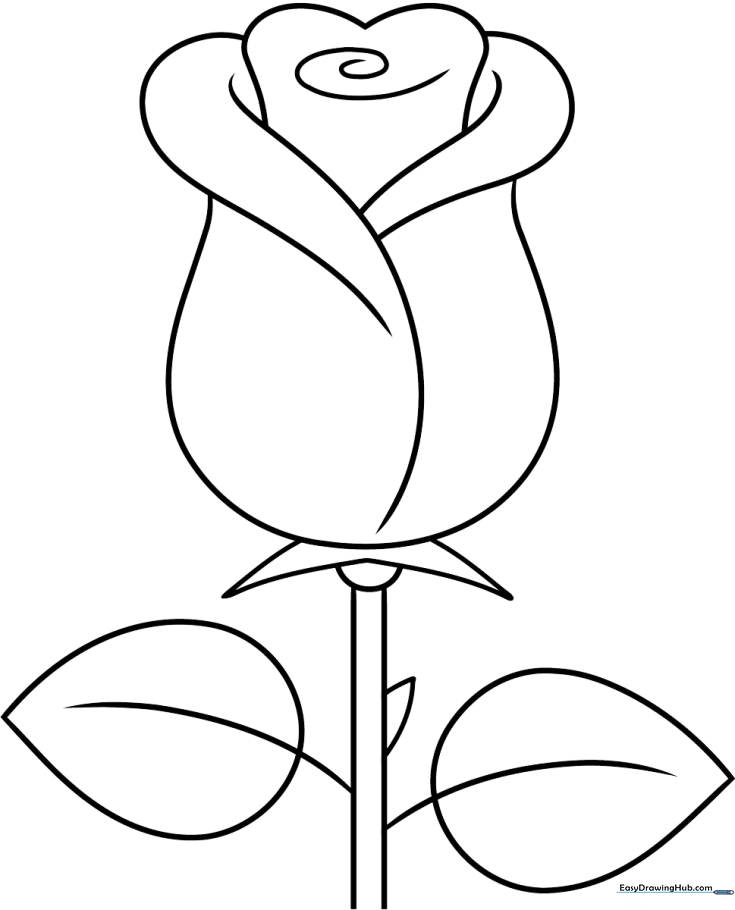
Rose Bud
Practice delicate, swirling lines. Tip: Start with a tight spiral in the center and work outward with loose, overlapping petals.
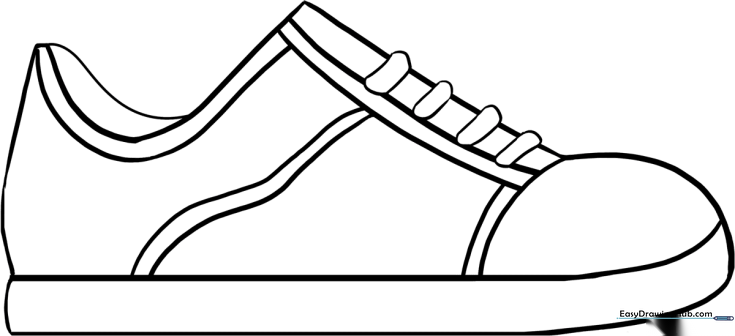
Shoe
Focus on capturing the shape of everyday objects. Tip: Draw the sole first as a long, flat oval to establish the shoe's base.
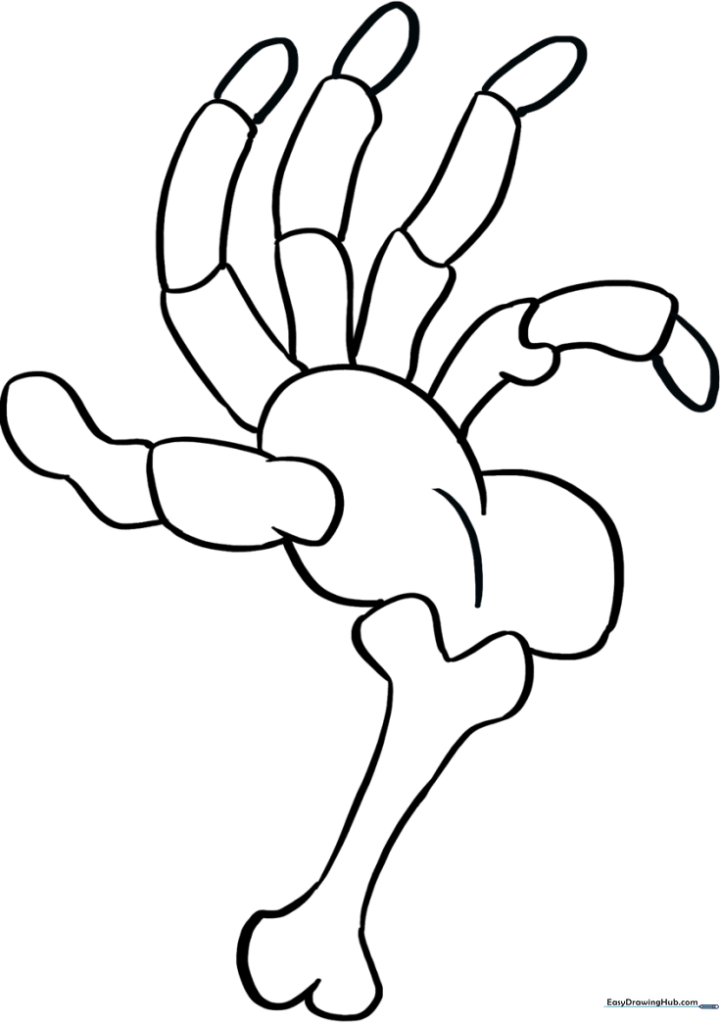
Skeleton Hand
Learn to draw joints and bones. Tip: Use small rectangles for the finger bones to give them a structured, skeletal look.
Simple, Quick Rose
Master the art of minimalism. Tip: Use one continuous, swirling line to create the petals, keeping it loose and expressive.
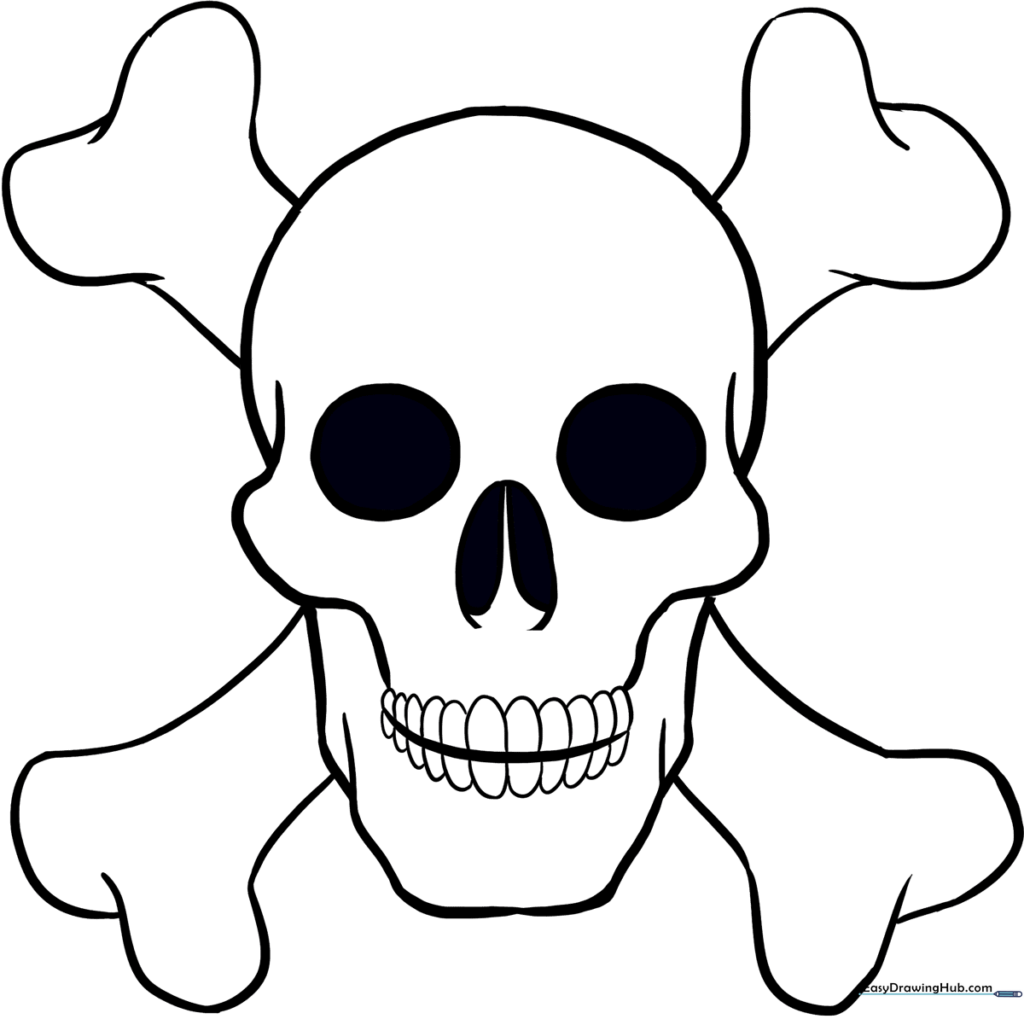
Skull
Understand basic facial proportions. Tip: Draw a circle for the cranium and a square for the jaw to build the skull's structure correctly.
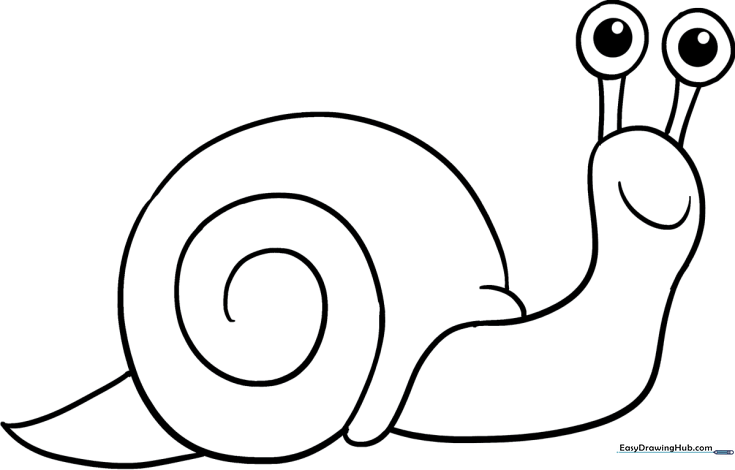
Snail
Practice steady, controlled lines by drawing a snail. Focus on the spiral shell's curvature to build hand-eye coordination.
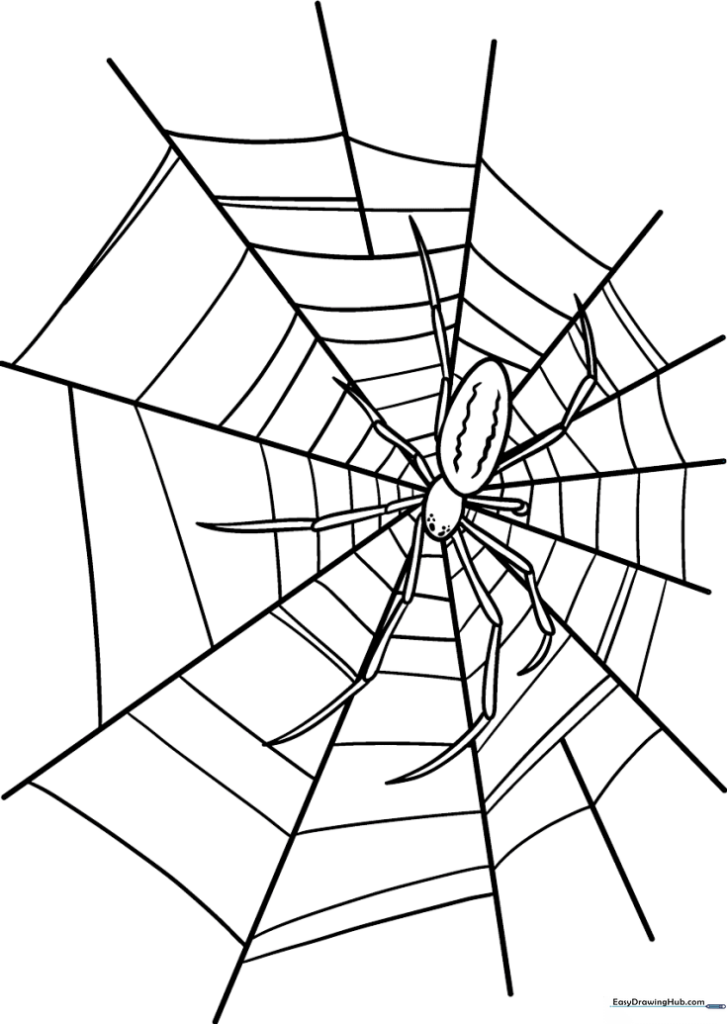
Spider Web with Spider
Learn geometric symmetry by sketching a spider web. Tip: Use a ruler for the straight lines before adding the curved 'u' shapes between them.
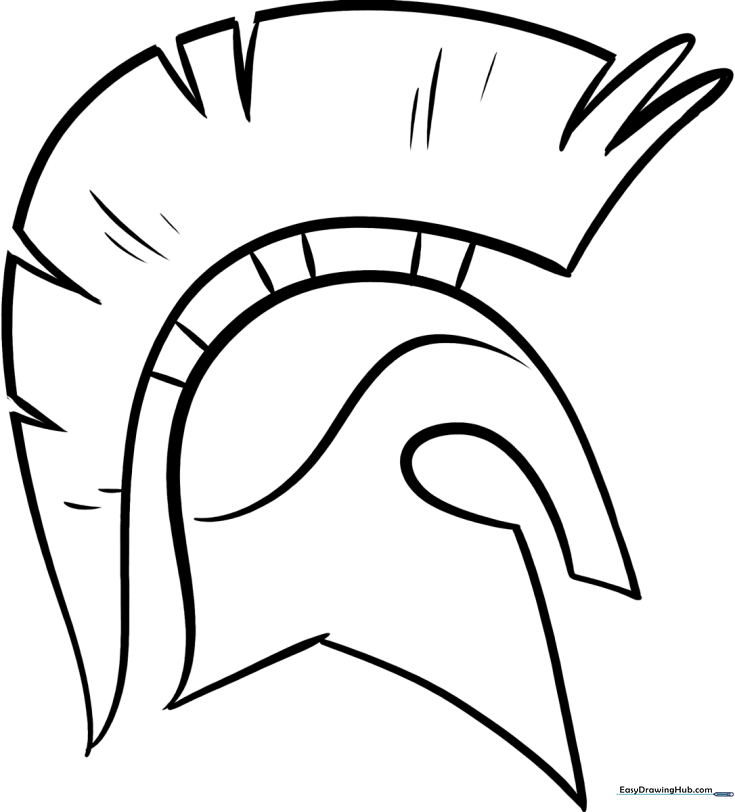
Spartan Helmet
Explore historical shapes and bold outlines. This project is excellent for practicing shading to give the metal a realistic, shiny appearance.
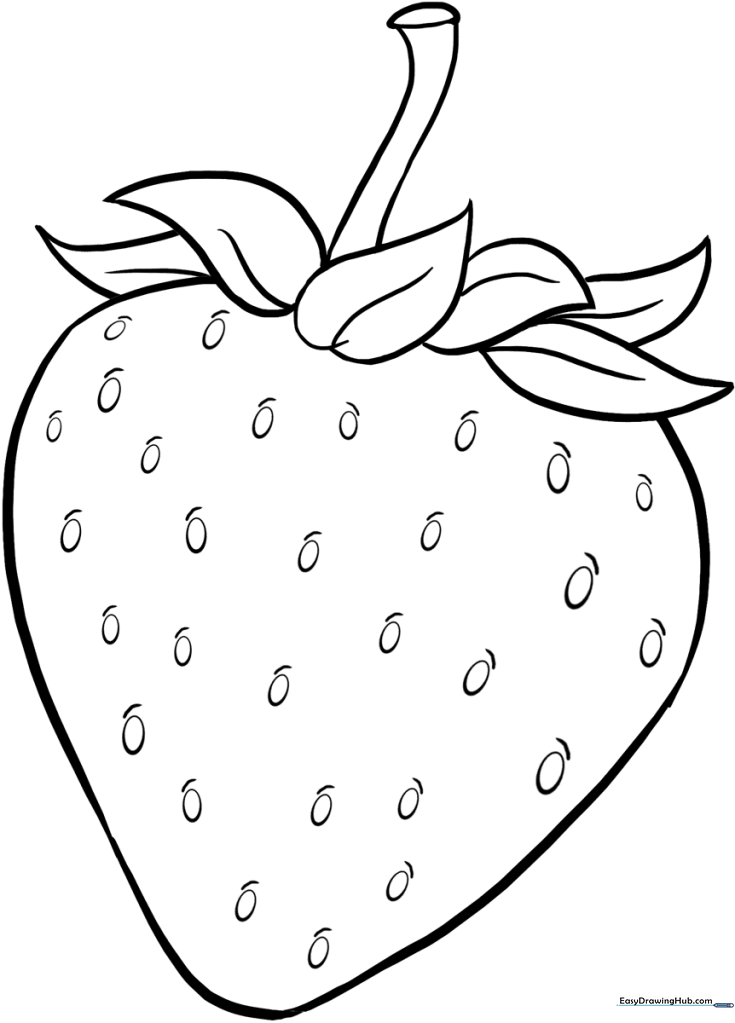
Strawberry
Focus on organic shapes and texture. Add small 'v' shapes to represent seeds, which helps children practice fine pencil control.
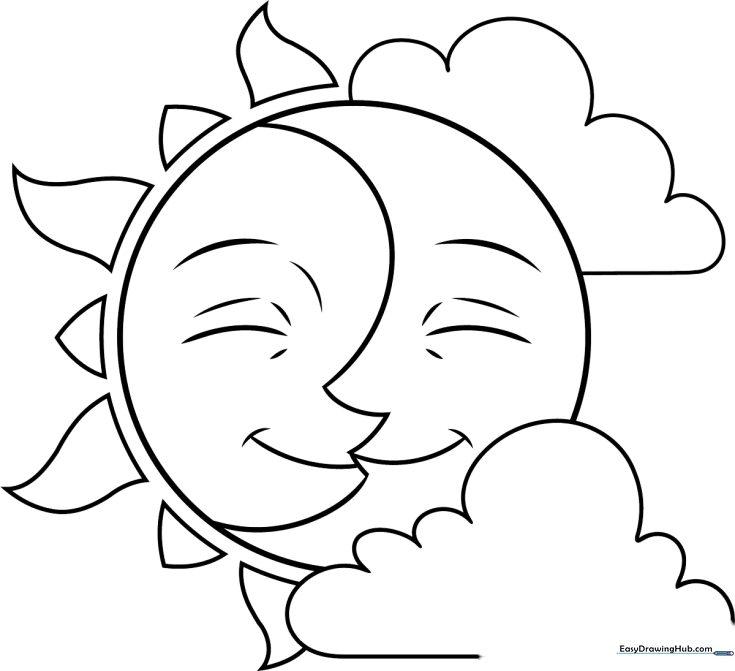
Sun and Moon
Combine celestial elements in one composition. This teaches balance and how to use contrasting expressions to tell a story.
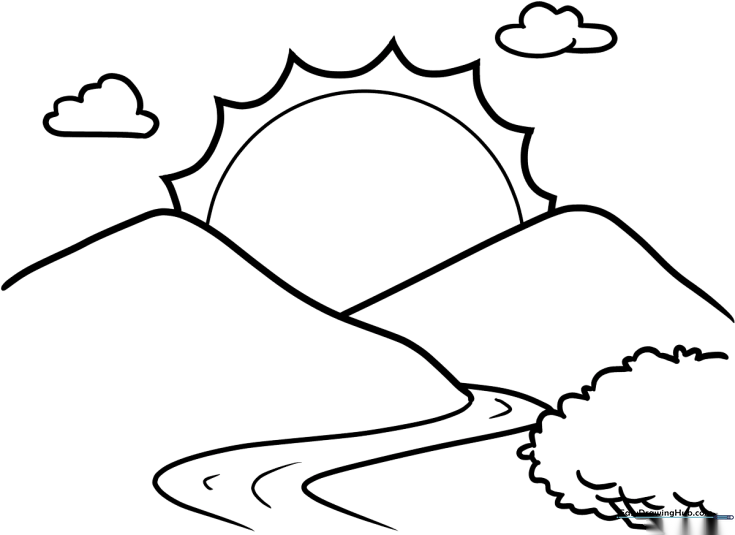
Sunrise
Use this guide to practice horizon lines and light rays. It is a perfect introduction to landscape drawing for young artists.
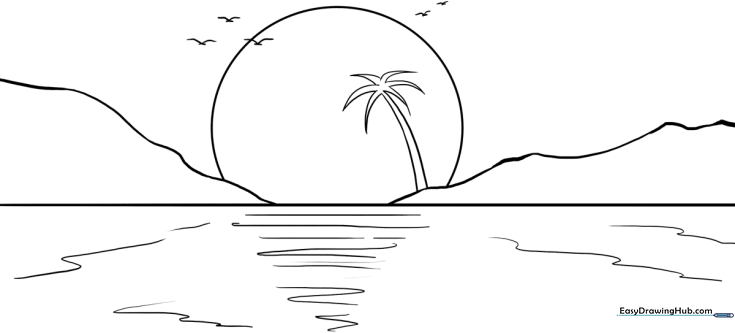
Sunset
Experiment with color blending. This tutorial focuses on creating a peaceful atmosphere through simple shapes and layered horizons.
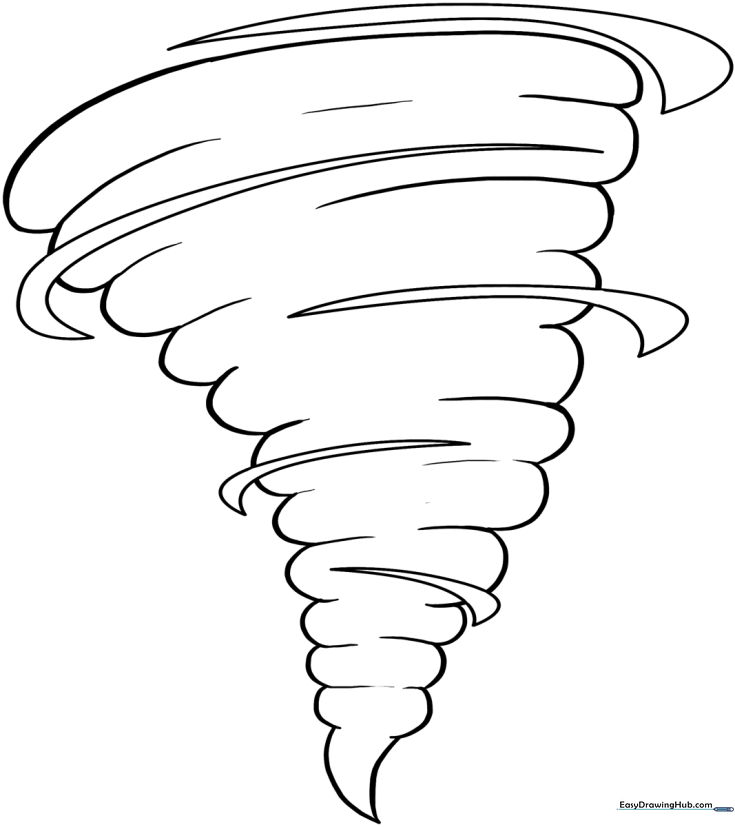
Tornado
Master dynamic, swirling lines. This project helps children understand how to create a sense of motion and energy on paper.
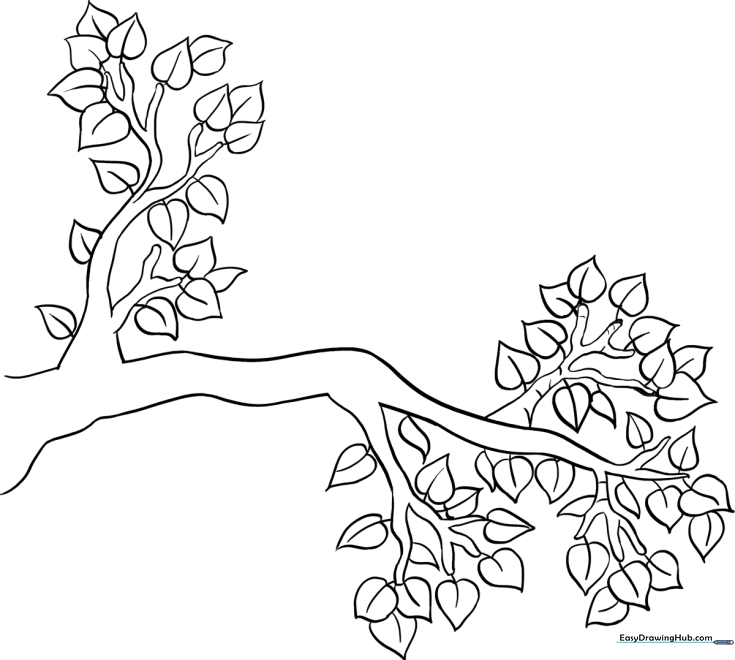
Tree Branch
Practice drawing natural, irregular lines. This is a great exercise for learning how to branch out from a central point.
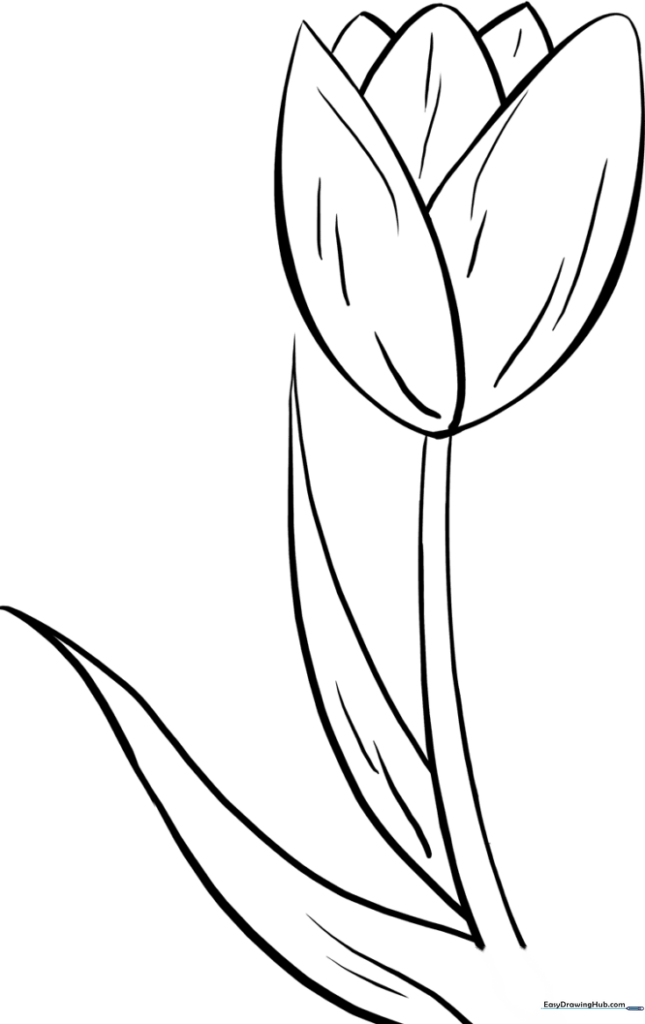
Tulip
Focus on soft, rounded petals and stem structure. This project is excellent for learning how to overlap shapes to create depth.
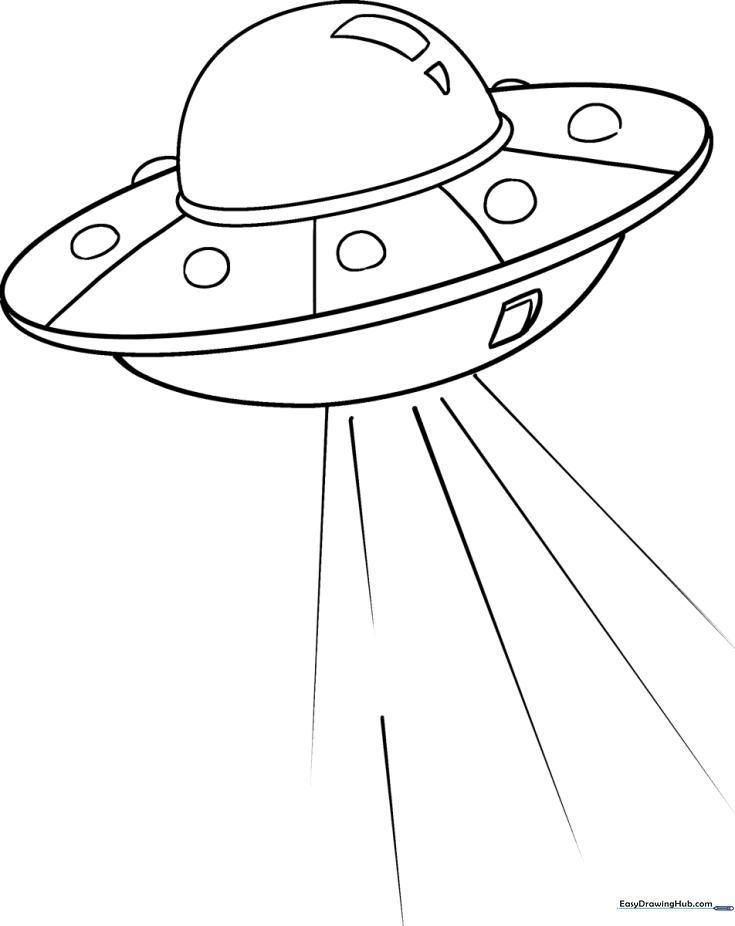
UFO
Explore science fiction shapes. This tutorial uses simple ovals and triangles to build a complex-looking spacecraft.
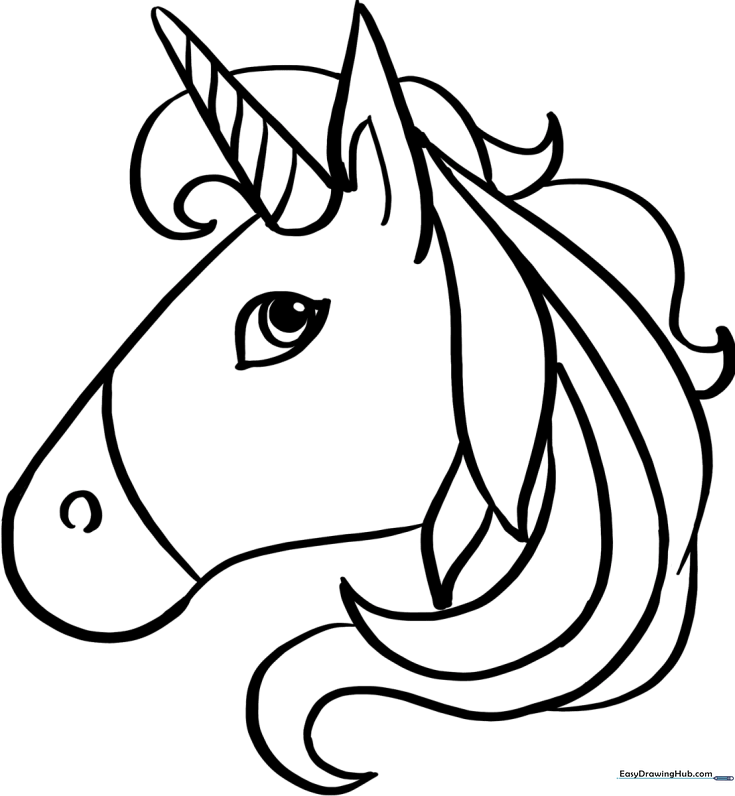
Unicorn Emoji
Practice drawing expressive faces and horns. This is a fun way to learn how to simplify complex characters into recognizable icons.
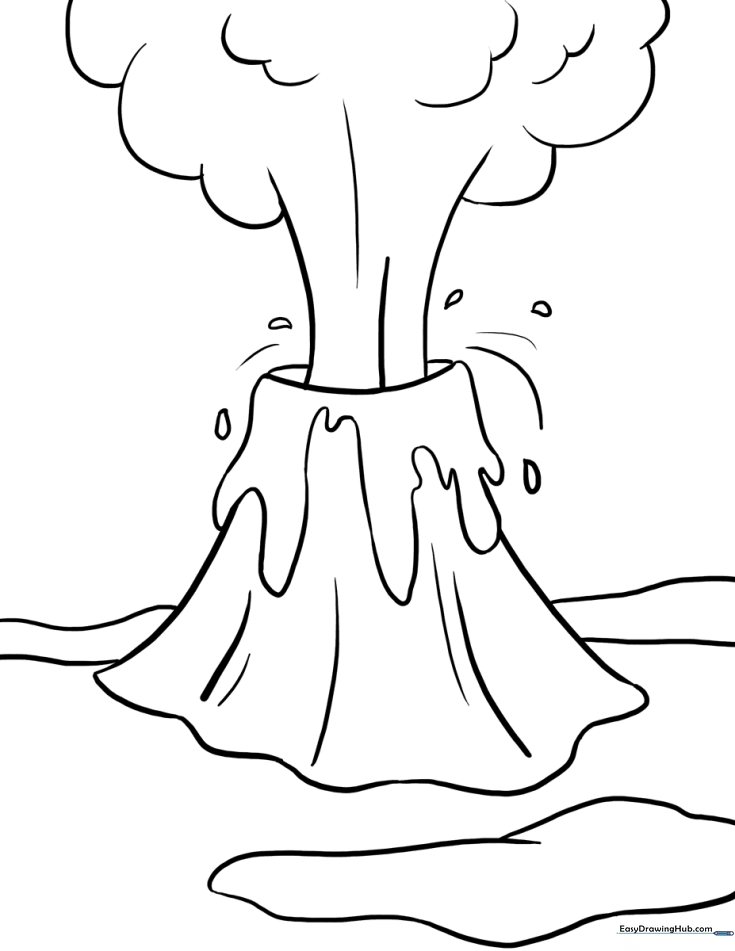
Volcano
Learn how to draw explosive action. This tutorial uses jagged lines to create the mountain and flowing shapes for the lava.
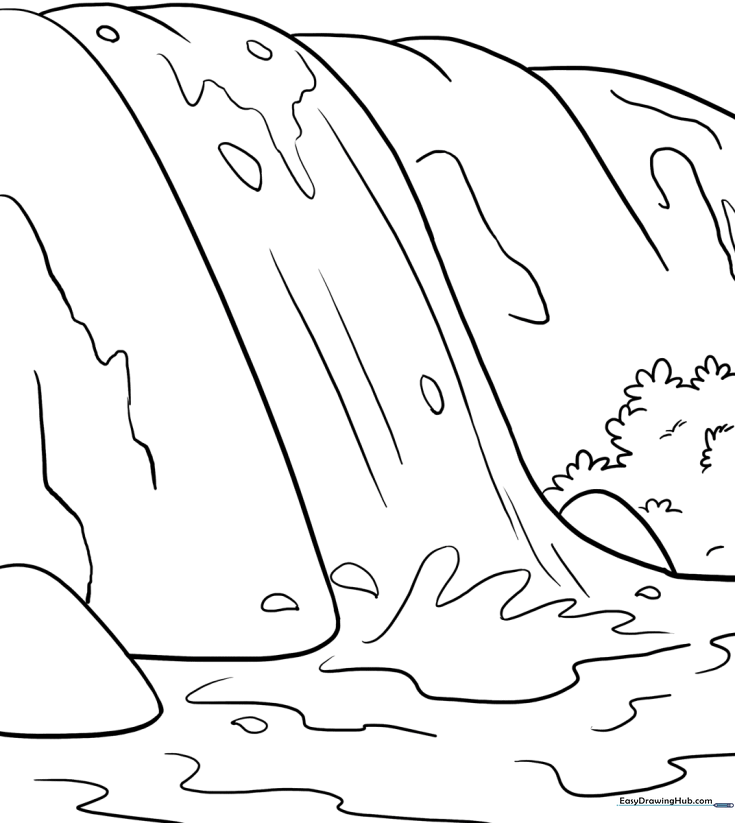
Waterfall
Focus on vertical lines and movement. This project teaches how to represent flowing water using simple, parallel strokes.
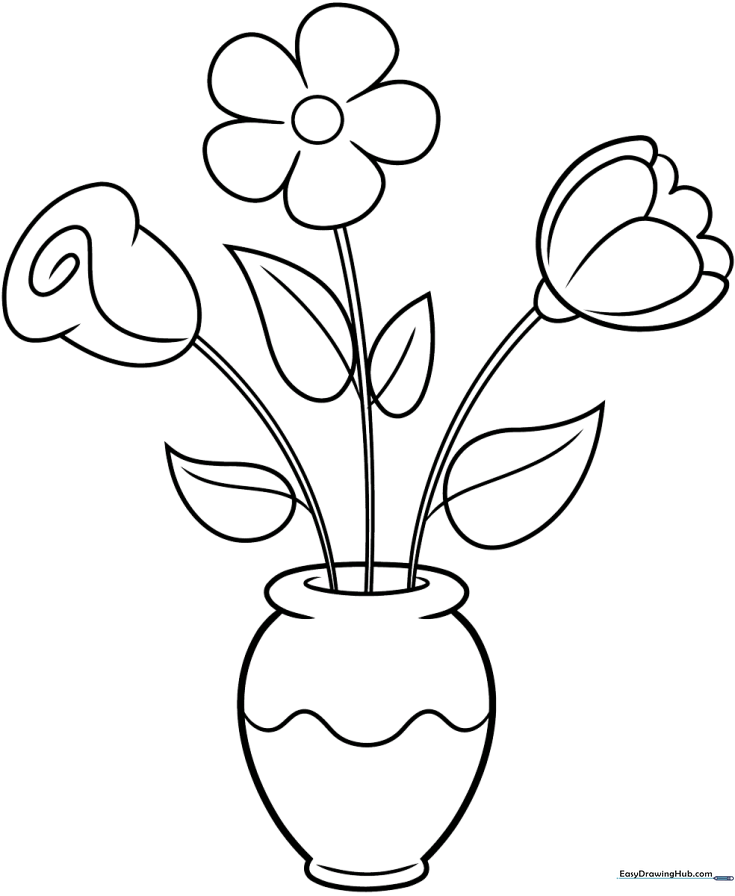
Simple Flowers in a Vase
Combine multiple elements into a still life. This teaches spatial awareness and how to arrange objects on a table.
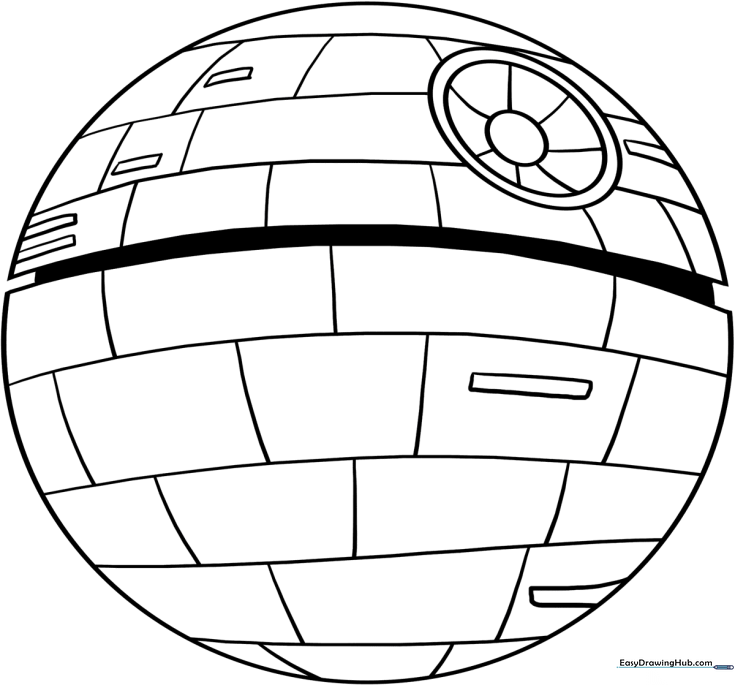
The Death Star from Star Wars
Practice drawing perfect circles and technical details. This project is great for developing patience and precision.
More Collections