How to Draw a Broken Heart: Easy 10-Step Guide
This guided drawing activity is perfect for artists ages 5 and up looking to explore emotional expression through art. You will only need a pencil, an eraser, and your favorite coloring tools to complete this project. Follow along to master the shapes that create a stylized, expressive broken heart.
🎯 Final Result

Step-by-Step Instructions
Step 1: Sketching the First Curve

Draw a long, elegant curved line that looks like a fishhook. Teacher's Tip: Keep your wrist loose and move your whole arm to get a smooth, flowing curve rather than a shaky one.
Step 2: Completing the Heart Shape

Draw a mirror image of your first line to complete the heart. Tip: Focus on keeping the two sides balanced; if one side looks a bit off, don't worry—that's what the eraser is for!
Step 3: Creating the First Jagged Edge

Erase the top center point. Now, draw a jagged, zigzag line from the top down to the bottom point. Tip: Use short, sharp strokes to make the 'break' look authentic and crisp.
Step 4: Matching the Puzzle Pieces
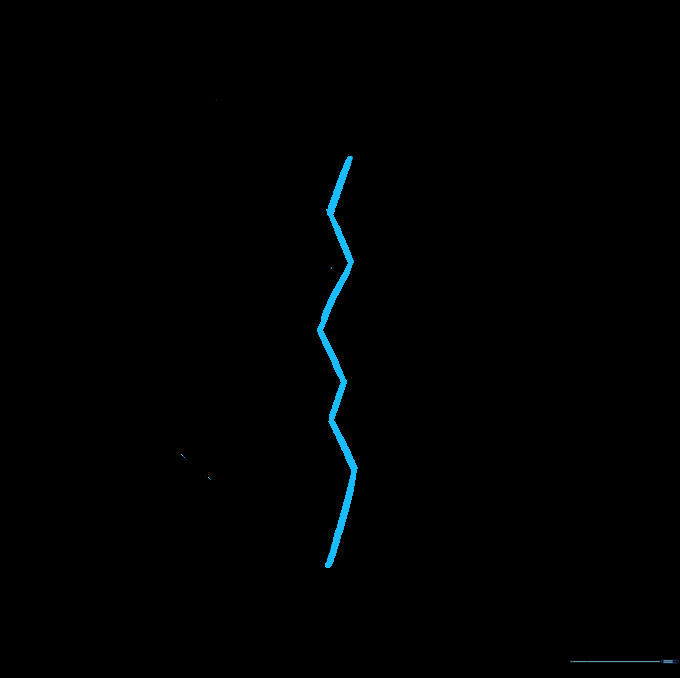
Draw a second jagged line on the other side to match the first. Imagine they are puzzle pieces that could snap back together. Tip: Take your time to ensure the angles of the zigzags align well.
Step 5: Adding the Bandage
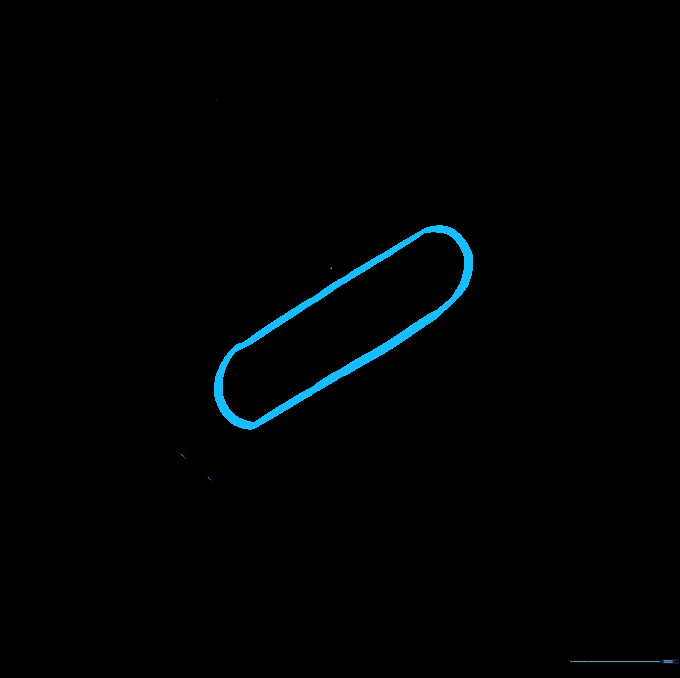
Draw a narrow, rounded rectangle across the center of the heart to act as a bandage. Tip: Keep the corners rounded to make the bandage look soft and flexible.
Step 6: Cleaning the Lines
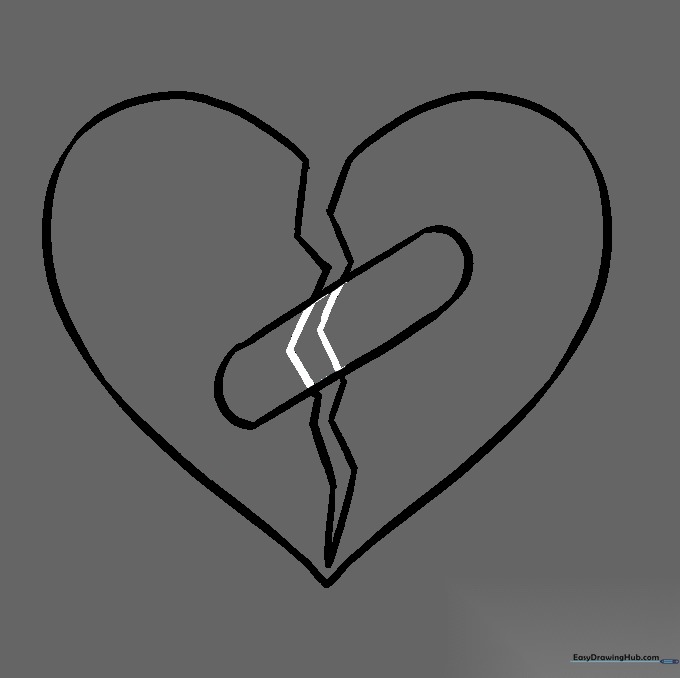
Carefully erase the lines inside the bandage so it looks like it is sitting on top of the heart. Tip: Use a kneaded eraser if you have one; it’s great for picking up small graphite marks without smudging.
Step 7: Detailing the Bandage
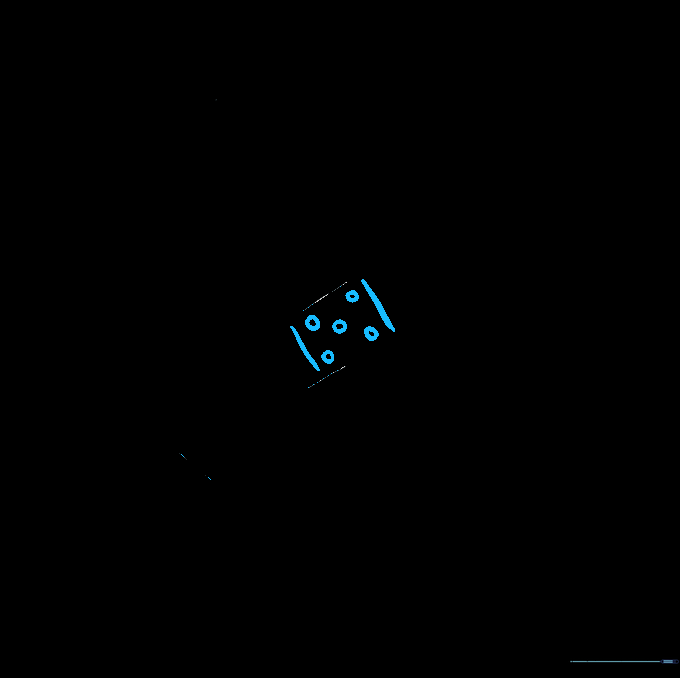
Add two small vertical lines in the center of the bandage and a few tiny circles to represent the texture of the adhesive. Tip: Keep these details small so they don't distract from the main heart shape.
Step 8: Adding Character Cracks
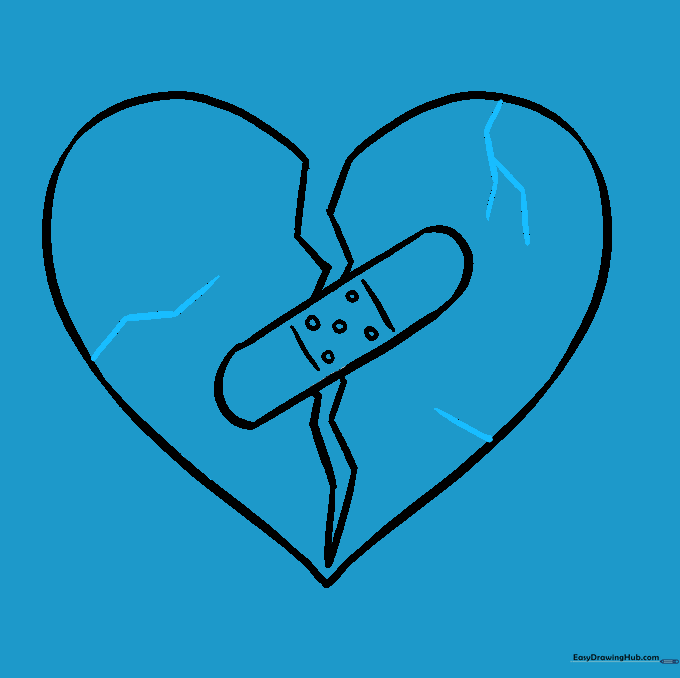
Draw a few extra 'cracks' branching out from the main break using short, angled lines. Tip: Think of how a real glass window cracks—the lines should look sharp and random.
Step 9: Adding Teardrops

Draw a few teardrop shapes falling from the bottom of the heart. Tip: Vary the sizes of the drops to make your drawing look more dynamic and expressive.
Step 10: Bringing It to Life with Color

Time to color! Use bright reds or pinks for the heart, and perhaps a soft beige for the bandage. Tip: Use a darker shade of red near the cracks to add depth and make them 'pop'.
More Tutorials