47 Easy Safari Animal Drawing Tutorials for Kids
🖍️ 47 free tutorials
Bring the savanna to your sketchbook with these 47 beginner-friendly safari animal tutorials. Designed for children ages 5 and up, these lessons require only a pencil, paper, and an eraser to build foundational drawing skills. Follow along to master the unique shapes and features of your favorite wild animals.
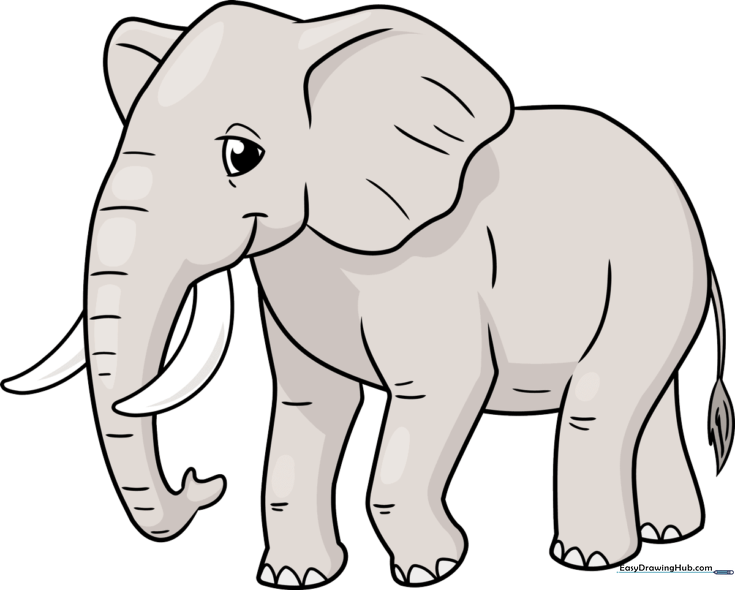
Elephant
Capture the majesty of the world's largest land animal. Tip: Focus on the trunk's curve first to give your elephant a sense of movement and personality.
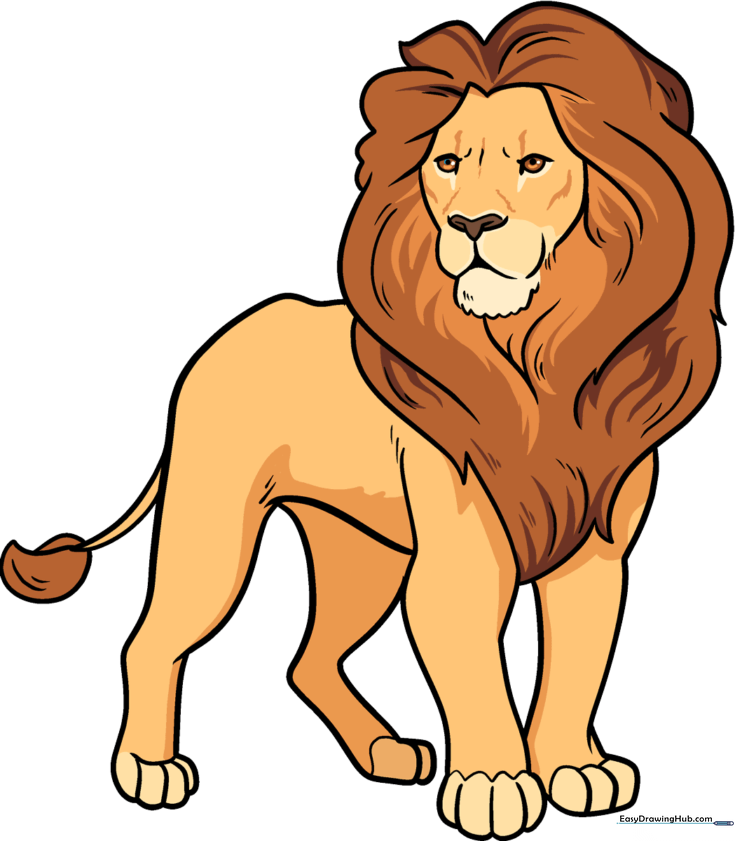
Lion
Draw the King of the Jungle with a bold, fluffy mane. Tip: Use short, jagged pencil strokes for the mane to create a realistic, textured look.
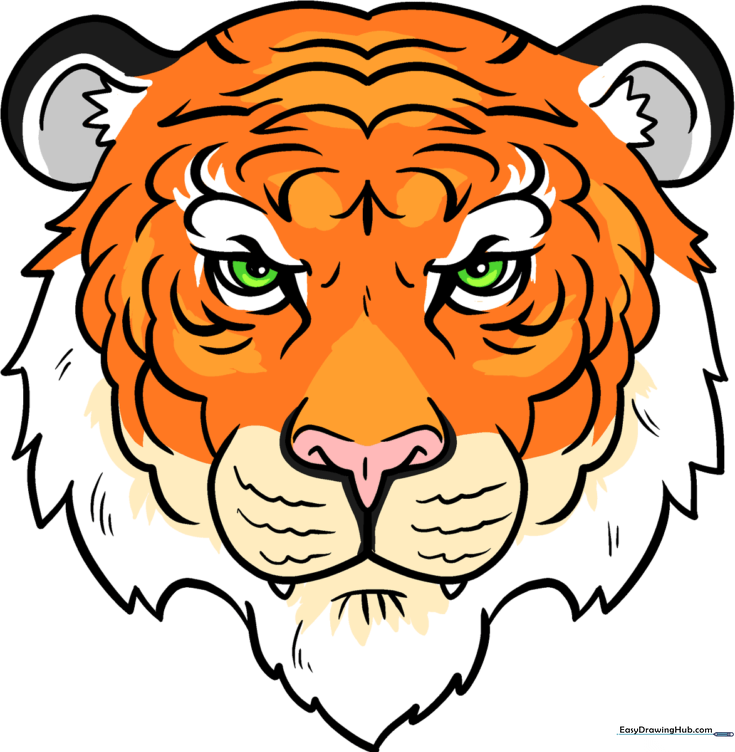
Tiger Face
Focus on the intensity of a tiger's gaze. Tip: Draw the stripes as triangles of varying sizes to make the face look symmetrical and fierce.
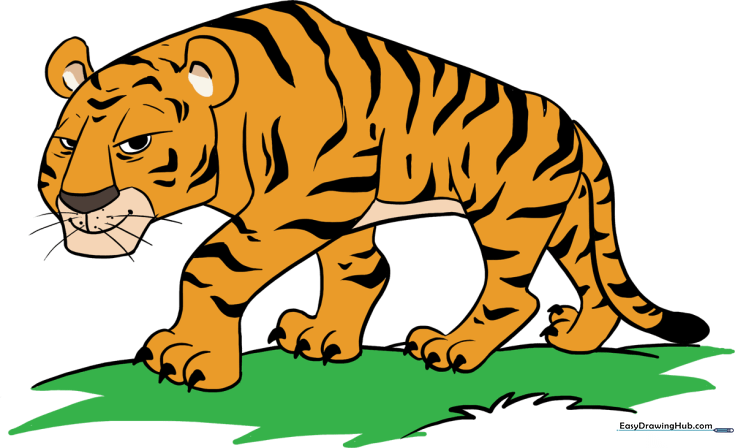
Cartoon Tiger
Create a playful, full-body tiger. Tip: Keep the limbs rounded to give your tiger a soft, approachable, and fun cartoon appearance.
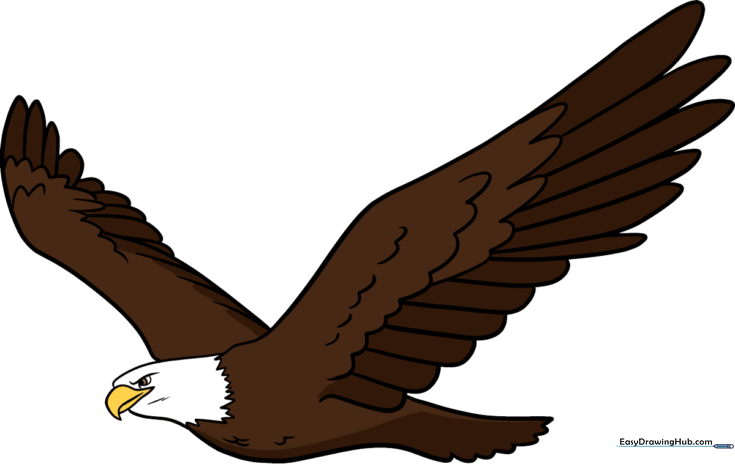
Eagle
Draw a soaring eagle with sharp, defined wings. Tip: Start with a simple 'V' shape for the beak to ensure the proportions remain correct.
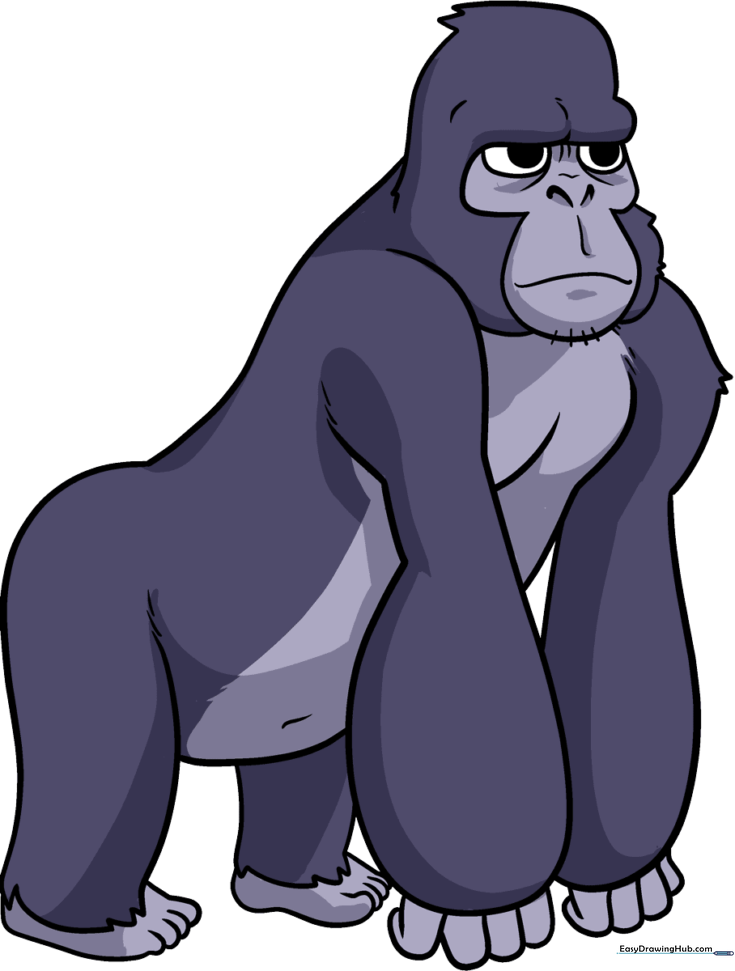
Cartoon Gorilla
Sketch a friendly, strong gorilla. Tip: Use large, oval shapes for the chest and shoulders to emphasize the gorilla's powerful build.
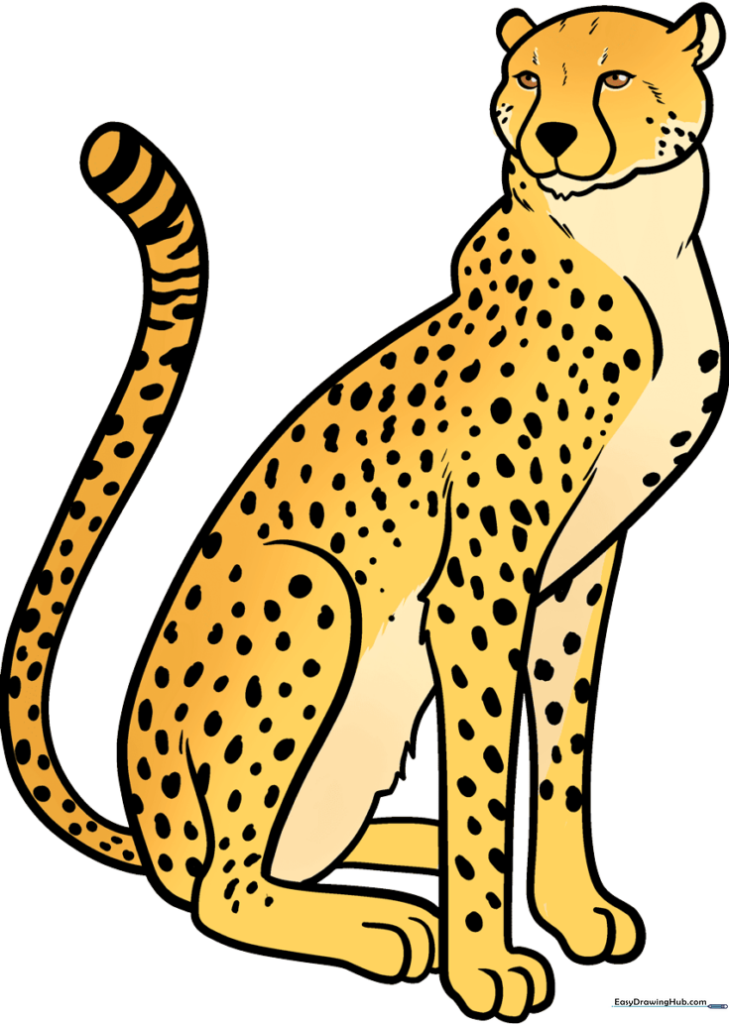
Cheetah
Draw the fastest cat on land. Tip: Add the spots last using small, irregular circles to give your cheetah its signature look.
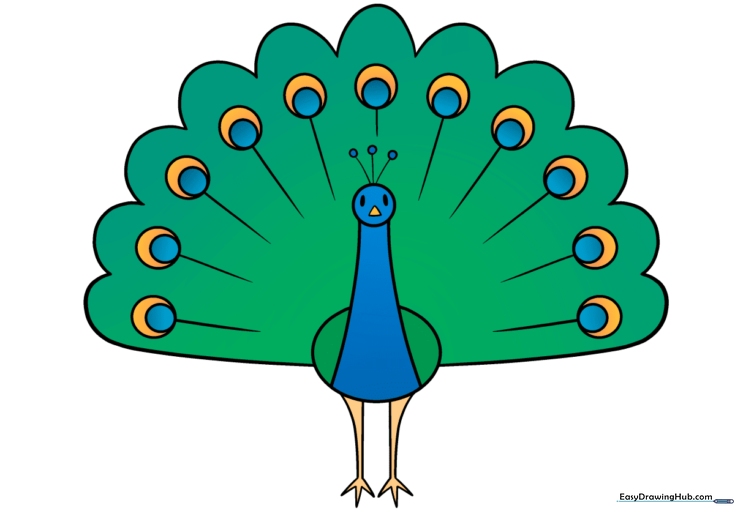
Peacock
Create a stunning peacock with a fanned-out tail. Tip: Use a repeating 'U' shape pattern for the feathers to make the tail look full and vibrant.
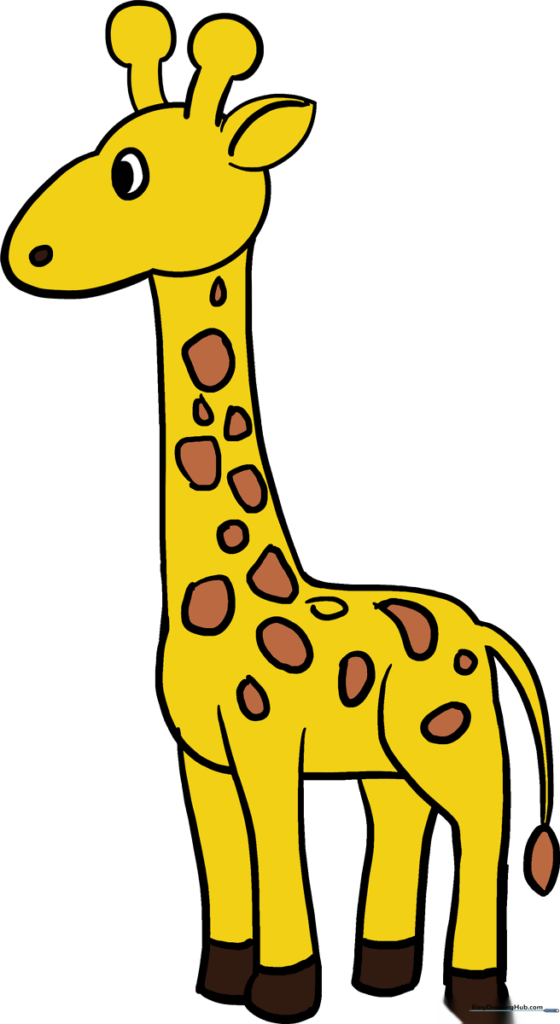
Giraffe
Draw a tall, graceful giraffe. Tip: Keep the neck long and thin, and add small patches to the body to represent its unique coat.
Zebra
Master the art of drawing zebra stripes. Tip: Draw the stripes in different directions to give the body a natural, rounded shape.
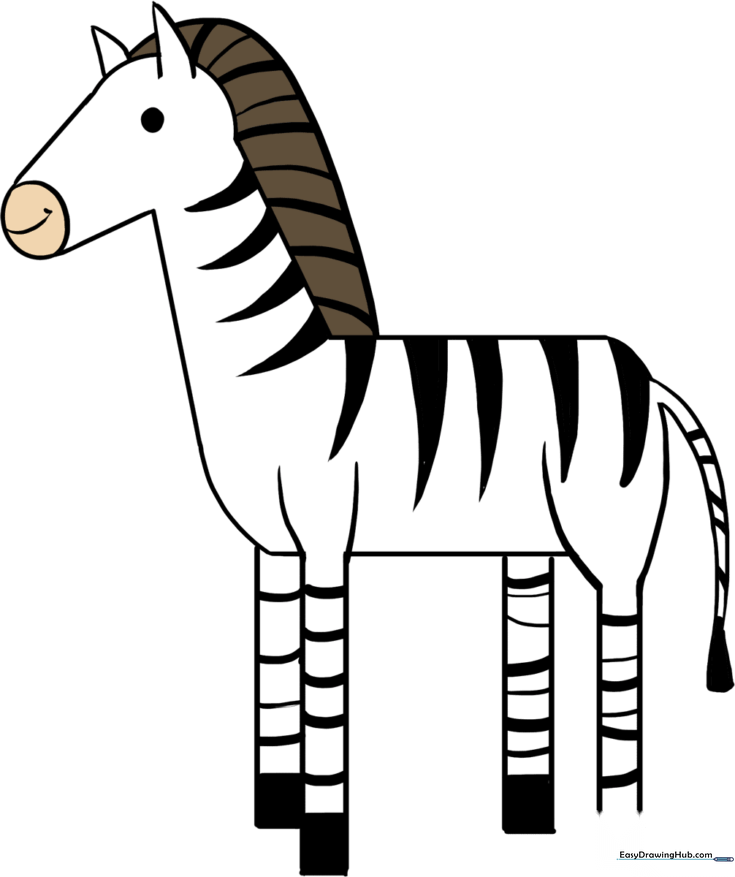
Lion Head
Focus on the details of a lion's face and mane. Tip: Start with a circle for the head and build the mane outward to maintain balance.
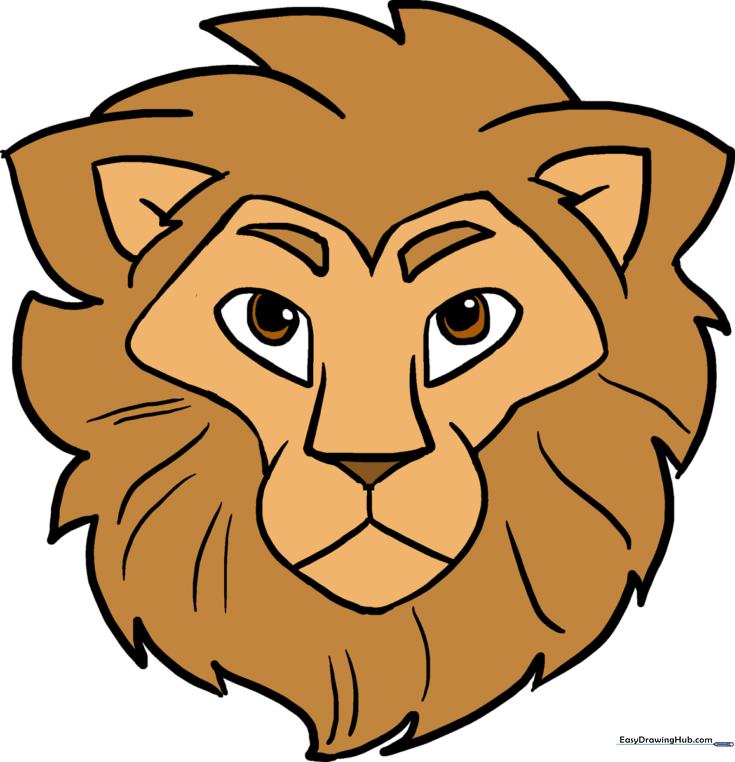
Lizard
Draw a scaly, curious lizard. Tip: Use small, overlapping 'C' shapes along the back to create the texture of scales.
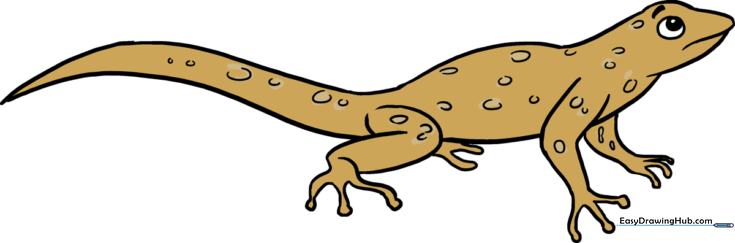
Buffalo
Sketch a sturdy buffalo. Tip: Focus on the large, curved horns to give your drawing a strong, recognizable silhouette.
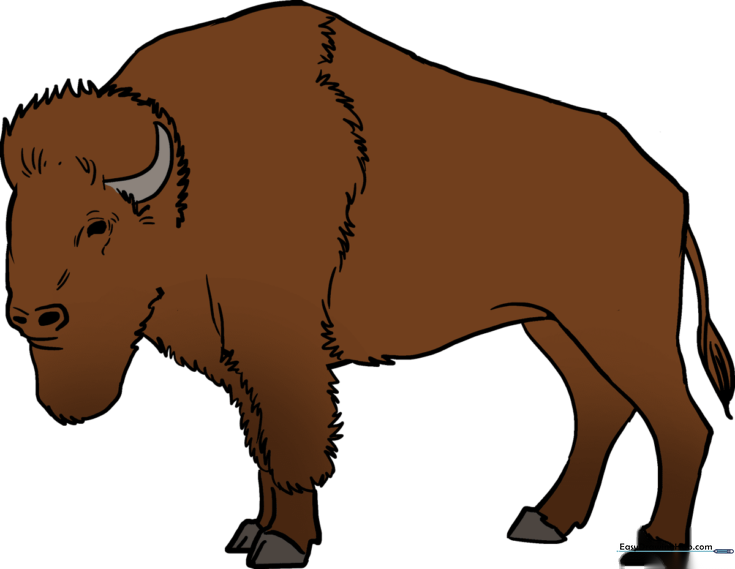
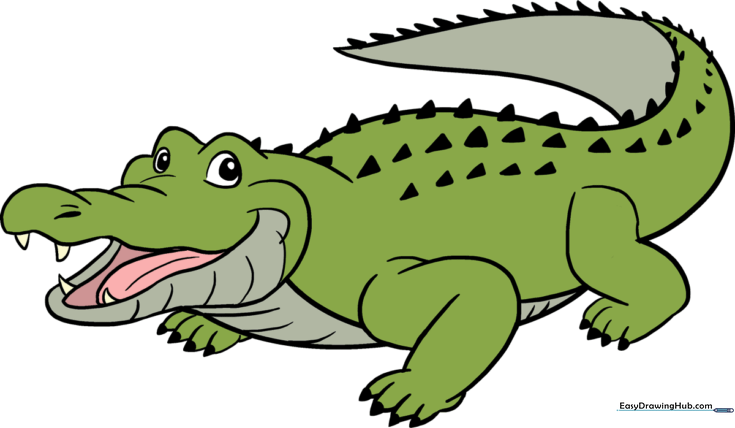
Alligator or Crocodile
Draw a toothy reptile. Tip: Use a long, rectangular shape for the snout to capture the distinct look of a crocodile.
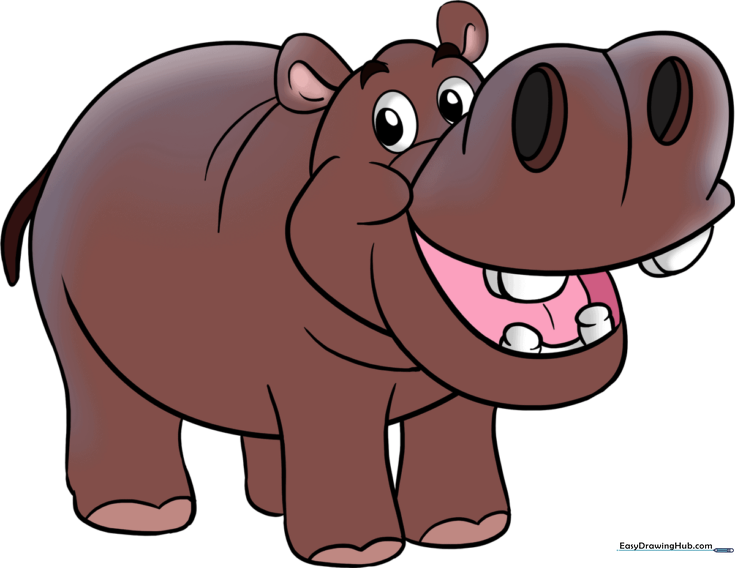
Hippo
Sketch a friendly, round hippo. Tip: Use large, oval shapes for the body to emphasize the hippo's stocky and lovable nature.
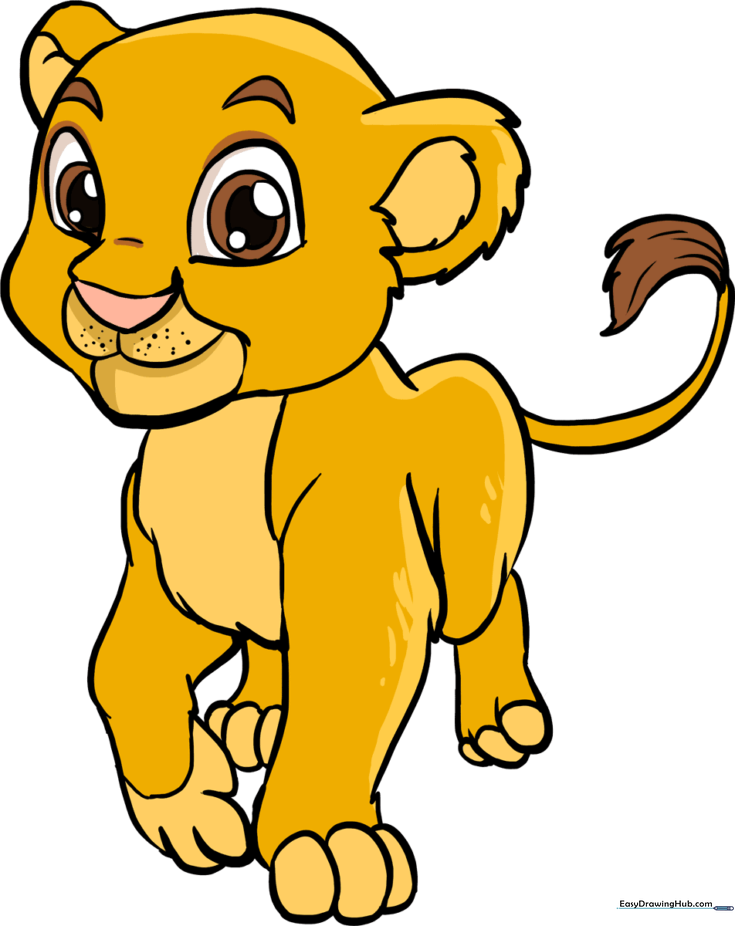
Baby Lion
Draw an adorable lion cub. Tip: Make the eyes slightly larger than those of an adult lion to give the cub a youthful, cute appearance.
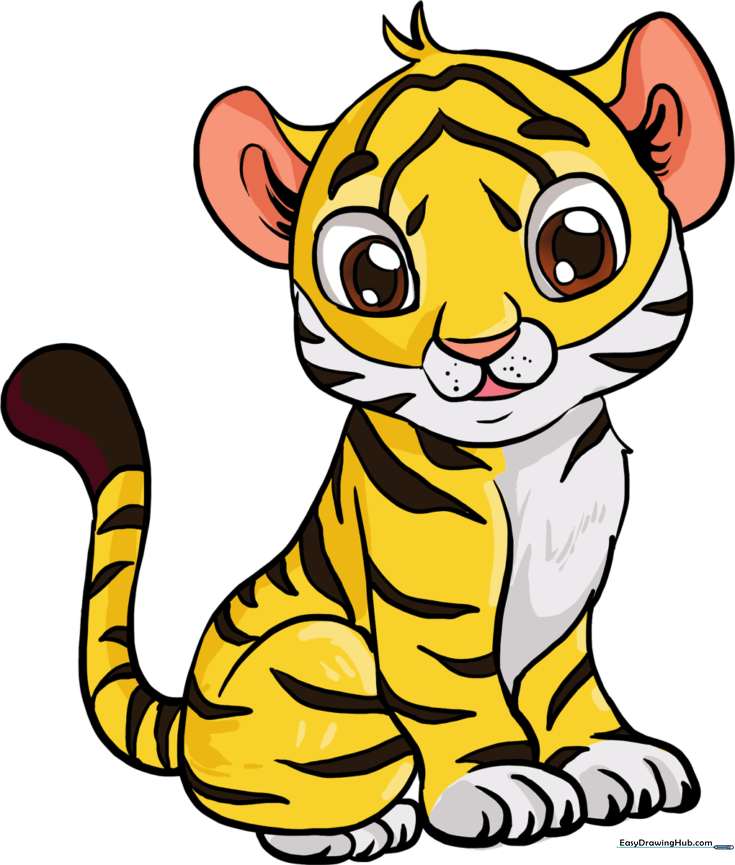
Baby Tiger
Sketch a playful tiger cub. Tip: Keep the stripes simple and light to maintain the cub's soft, cuddly look.
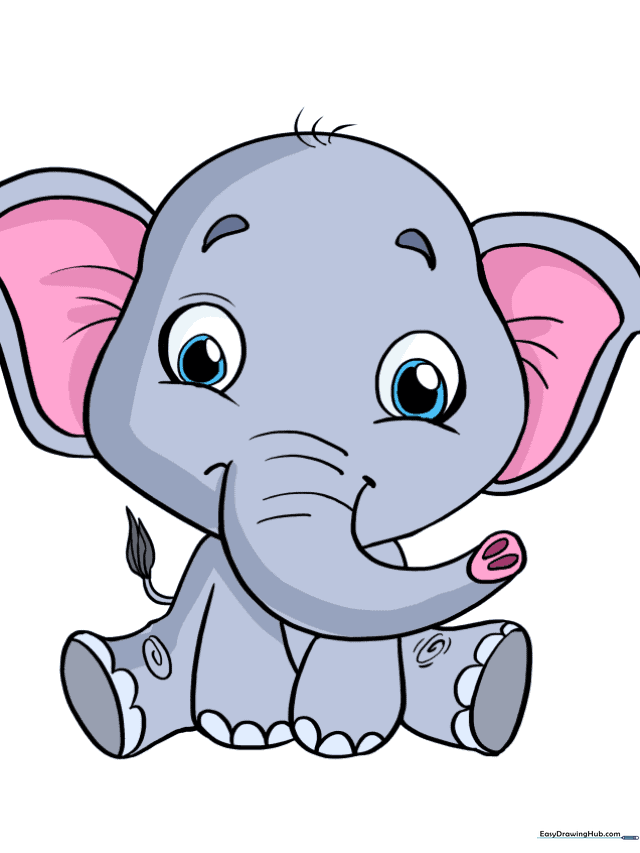
Baby Elephant
Draw a tiny, lovable baby elephant. Tip: Use a shorter, stubbier trunk to emphasize that it is still a baby.
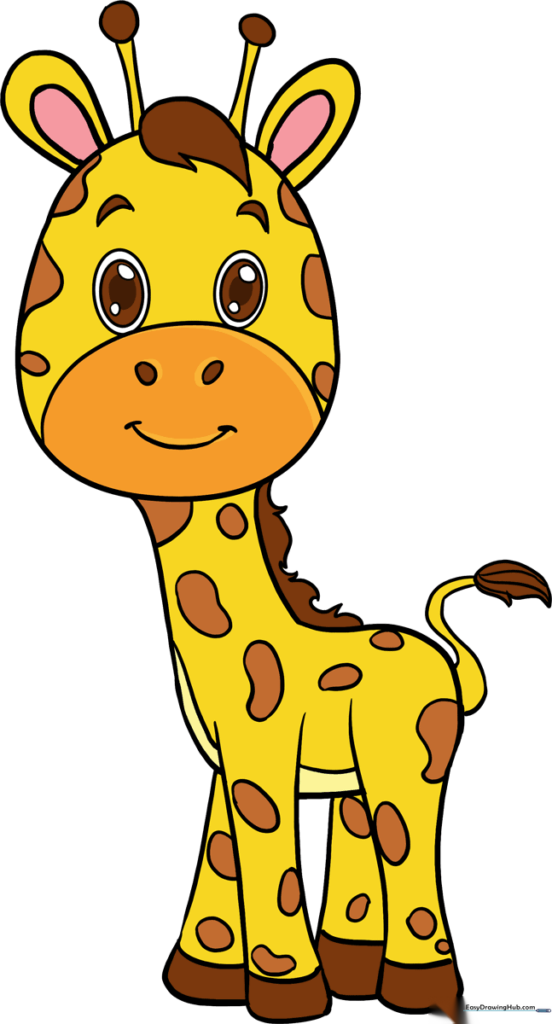
Baby Giraffe
Sketch a cute baby giraffe. Tip: Make the legs slightly wobbly and the neck shorter than an adult's to show its age.
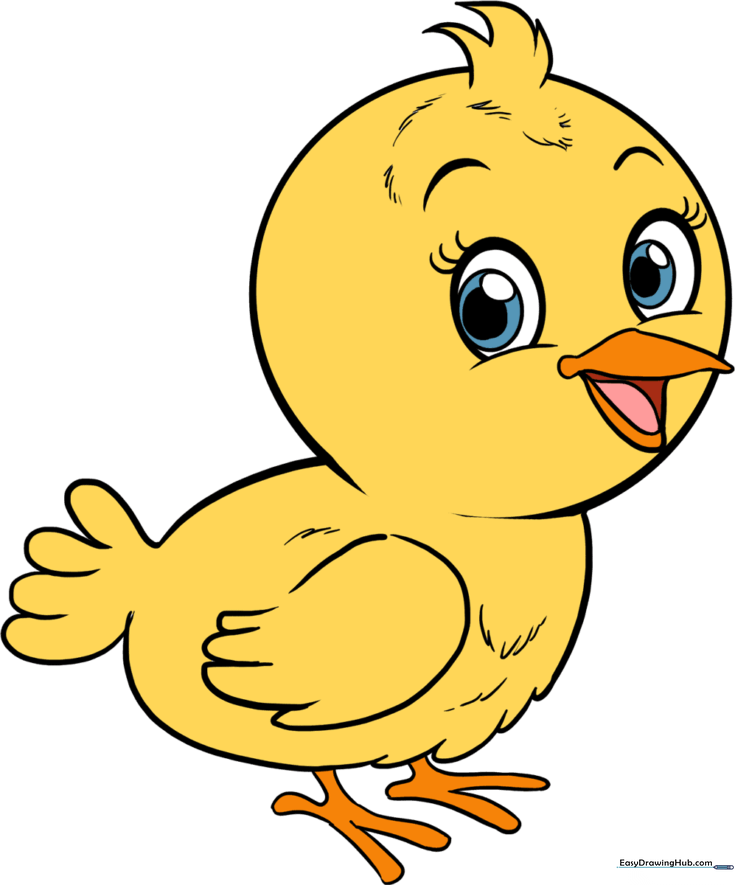
Baby Bird
Draw a tiny, chirping baby bird. Tip: Use a simple 'V' shape for the open beak to make the bird look like it is calling for food.
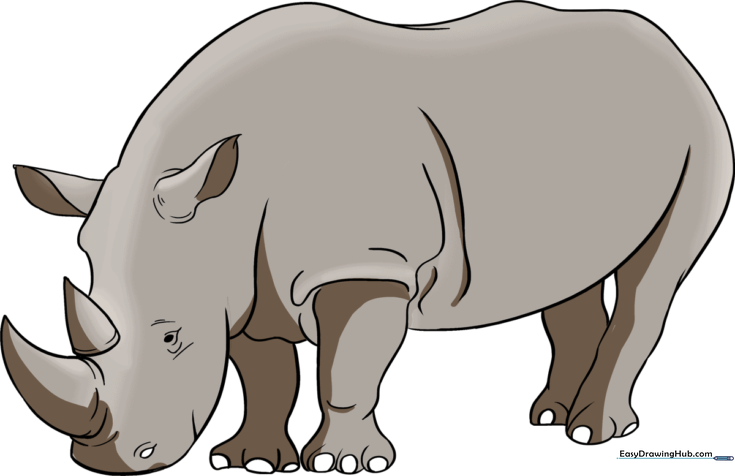
Rhino
Sketch a strong, sturdy rhino. Tip: Focus on the large, iconic horn on the nose to make your drawing instantly recognizable.
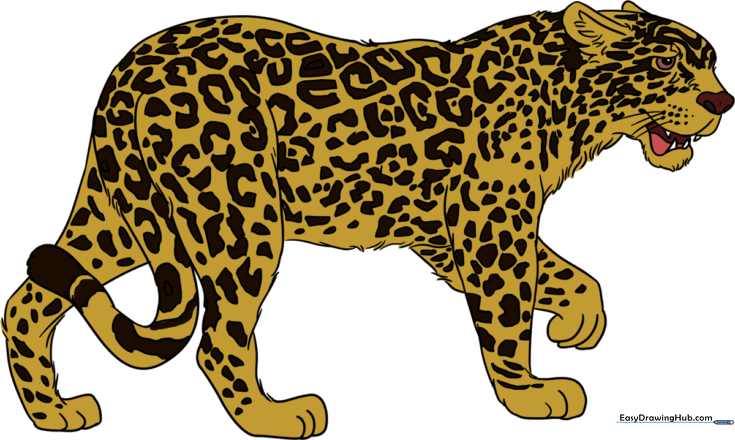
Jaguar
Draw a sleek, powerful jaguar. Tip: Use small, circular patterns for the spots to give the coat a realistic, detailed look.
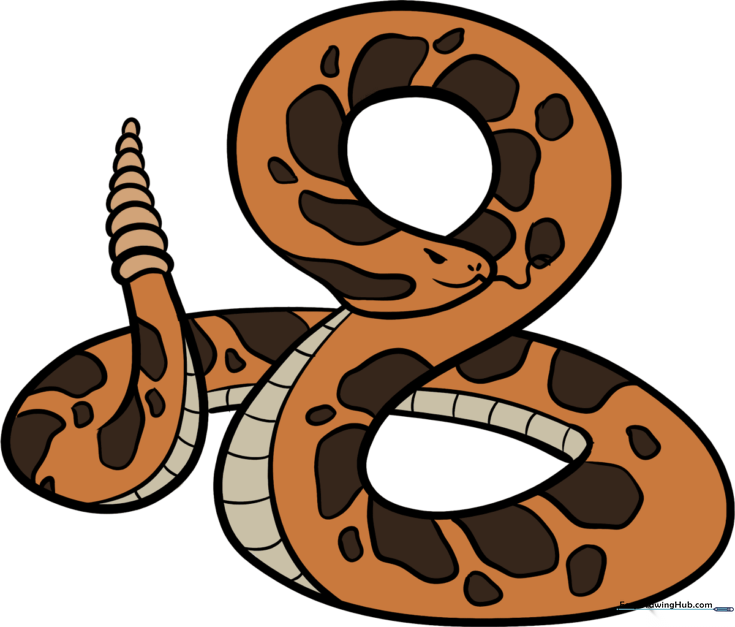
Rattlesnake
Sketch a coiled, alert rattlesnake. Tip: Use a zigzag pattern for the rattle at the end of the tail to add authentic detail.
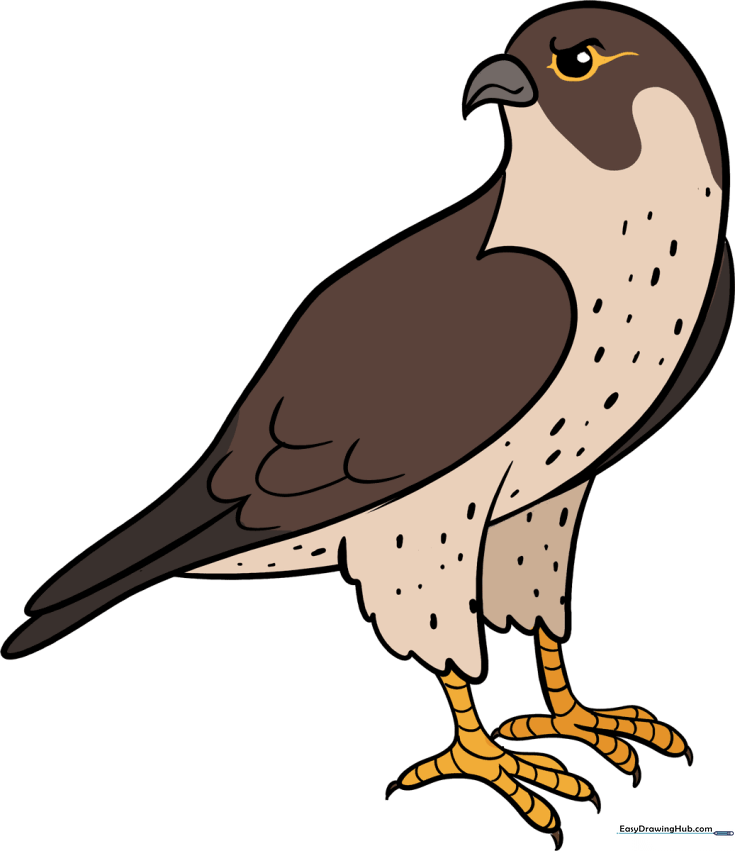
Falcon
Draw a fast, agile falcon. Tip: Keep the wings sharp and pointed to convey the speed and grace of this bird of prey.
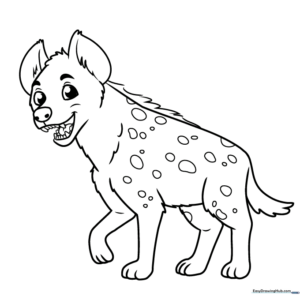
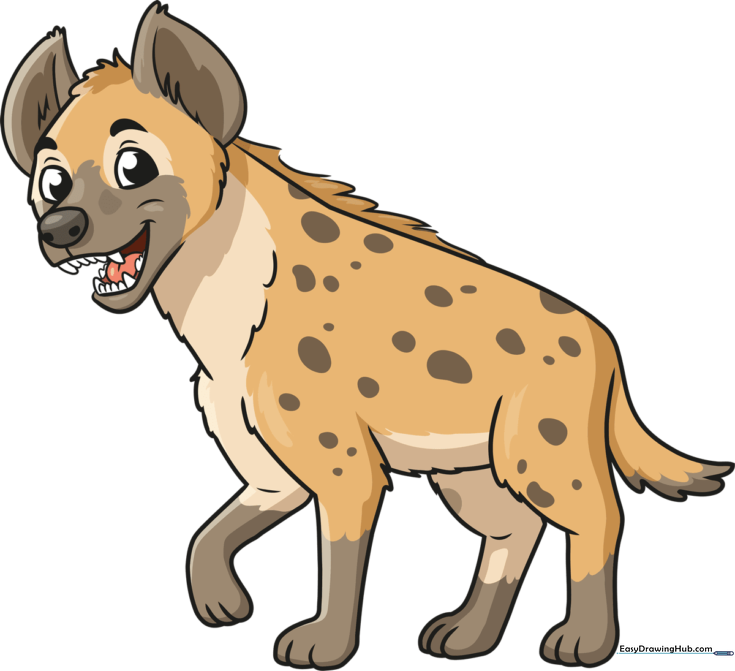
Hyena
Sketch a laughing hyena. Tip: Use a slightly curved mouth to give your hyena its signature 'laughing' expression.
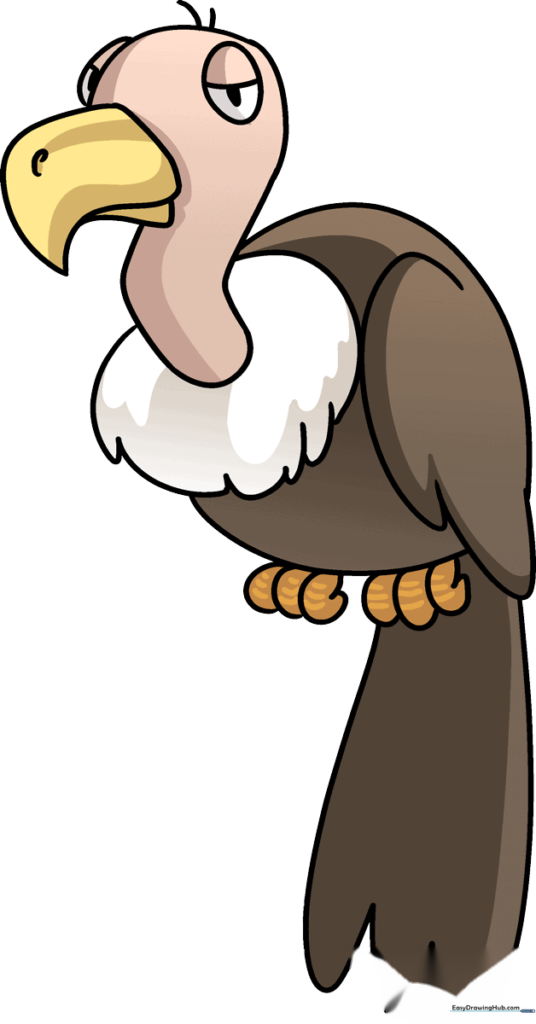
Vulture
Vultures are essential to the ecosystem. Focus on the curve of the beak and the hunched shoulders. Tip: Use light grey for the feathers to keep them looking soft.
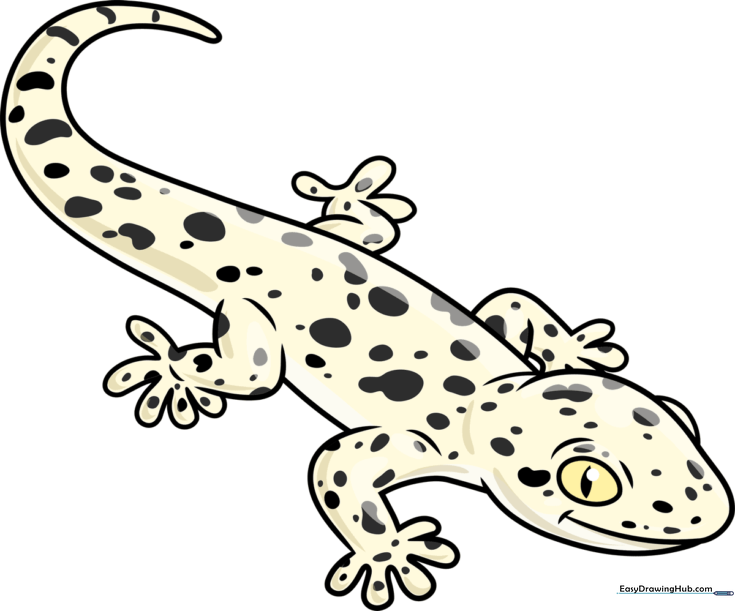
Gecko
Capture the gecko's sticky toes and long, winding tail. Tip: Keep your lines fluid to make the lizard look like it's actively climbing a wall.
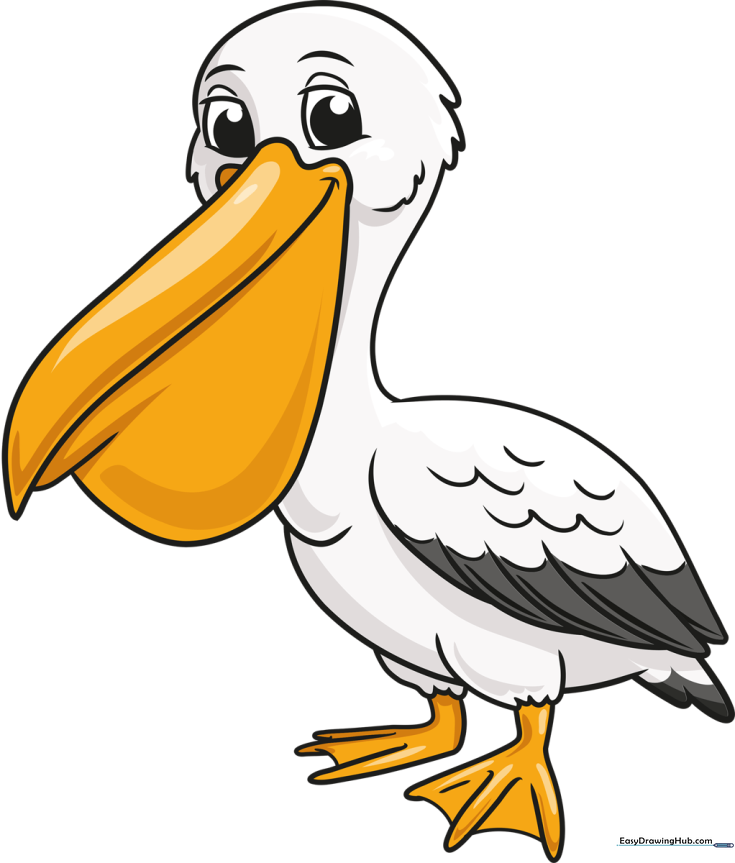
Pelican
Focus on the large, flexible pouch under the beak. Tip: Draw the pouch as a soft 'U' shape to give it a realistic, stretchy look.
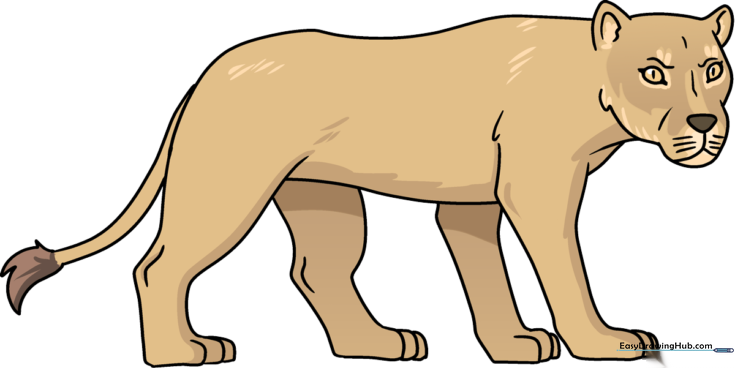
Lioness
The lioness is all about sleek, powerful lines. Tip: Use smooth, long strokes for the body to emphasize her agility and grace.
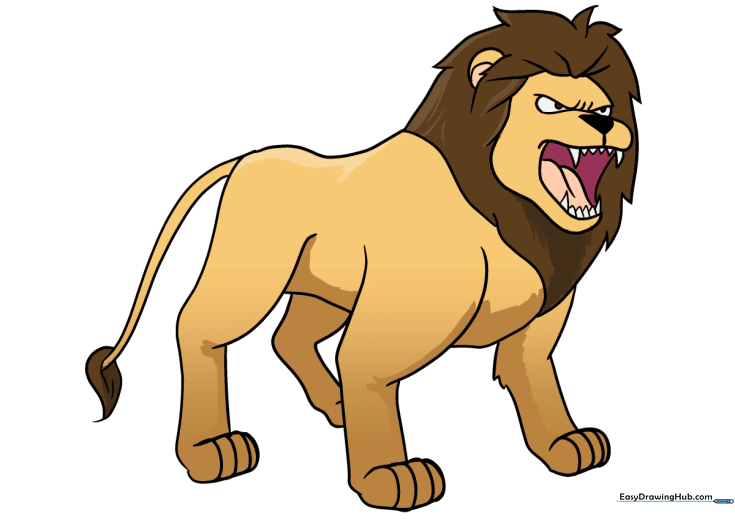
Lion Roaring
Focus on the wide-open mouth and the ruffled mane. Tip: Draw the teeth as simple triangles to make the roar look fierce but easy to manage.
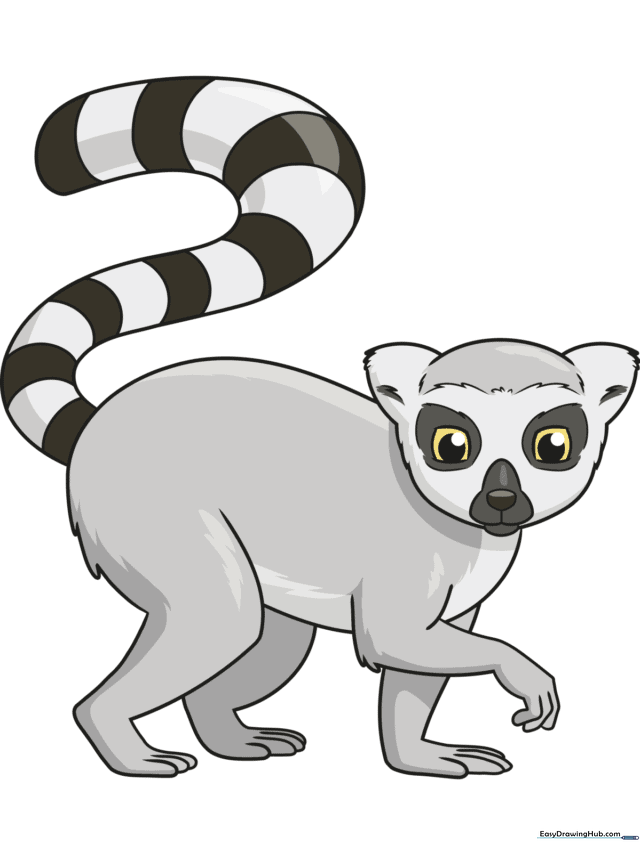
Lemur
Lemurs have distinct, expressive eyes and long, striped tails. Tip: Use a light touch when shading the tail rings to keep them looking natural.
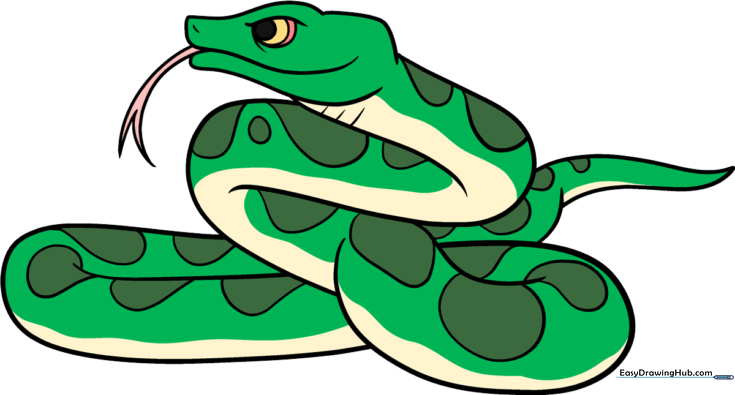
Snake
Practice your 'S' curves! Tip: Use overlapping lines to show the snake coiling; it adds depth to your drawing without needing complex shading.
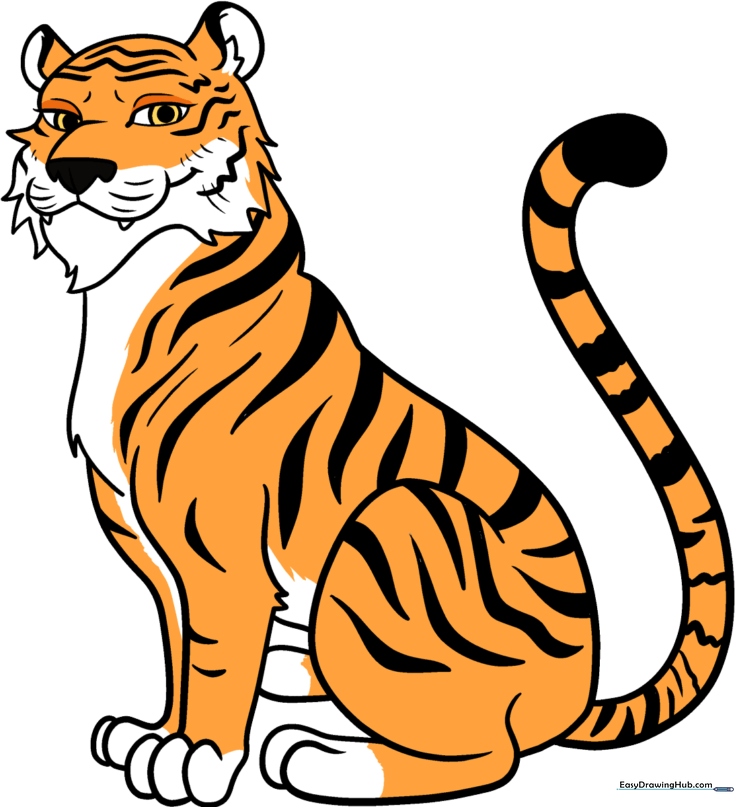
Tiger
Focus on the bold stripes. Tip: Draw the stripes in varying lengths to make the tiger's fur look realistic and textured.
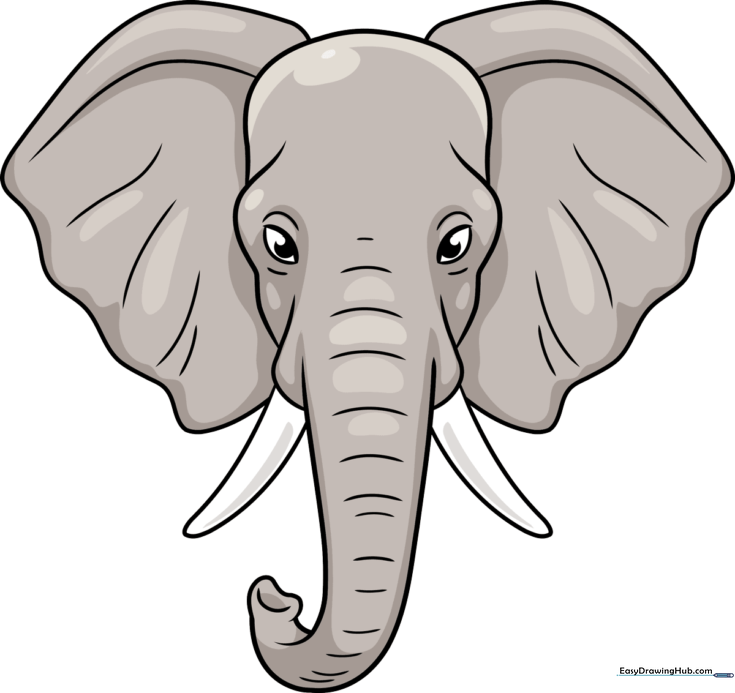
Realistic Elephant Head and Face
Elephants have wonderful, wrinkled skin. Tip: Use short, curved lines to create the texture of the trunk and the folds around the eyes.
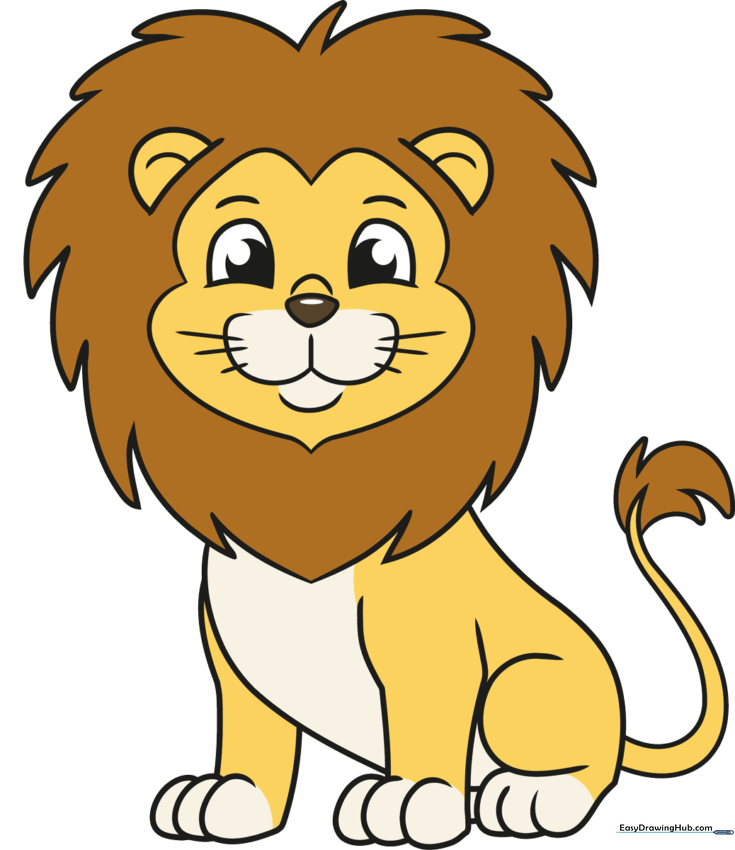
Easy Cartoon Lion
Keep the mane simple by using rounded, cloud-like shapes. Tip: A big, friendly smile makes this lion look approachable and fun to color.
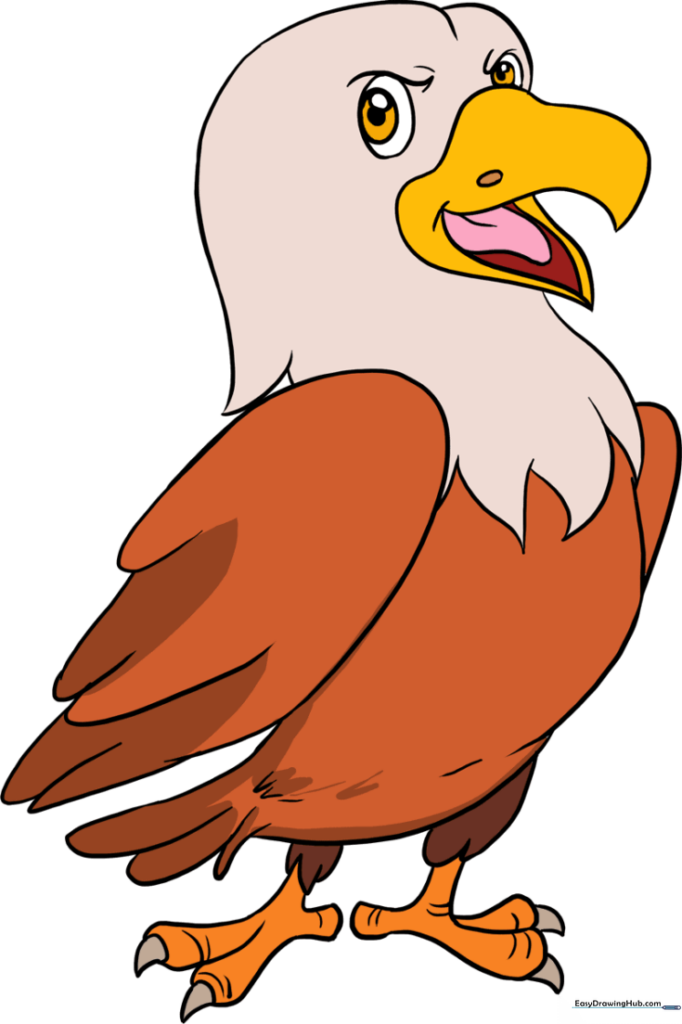
Cartoon Hawk
Focus on the sharp, hooked beak and alert eyes. Tip: Draw the wings tucked close to the body to give the hawk a poised, ready-to-fly look.
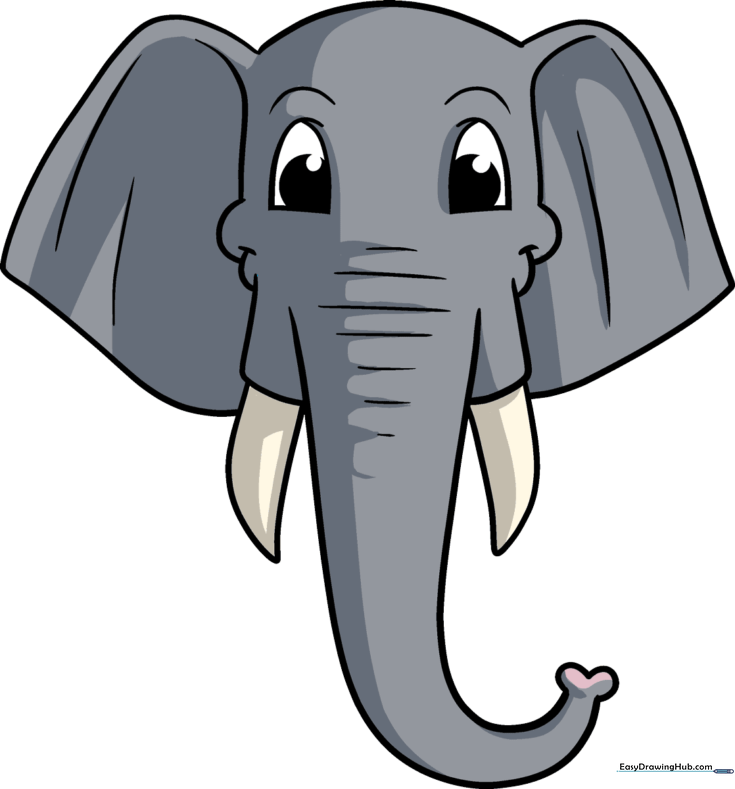
Easy Elephant Head and Face
This is a great starting point for younger artists. Tip: Focus on the large, fan-shaped ears to give your elephant its signature look.
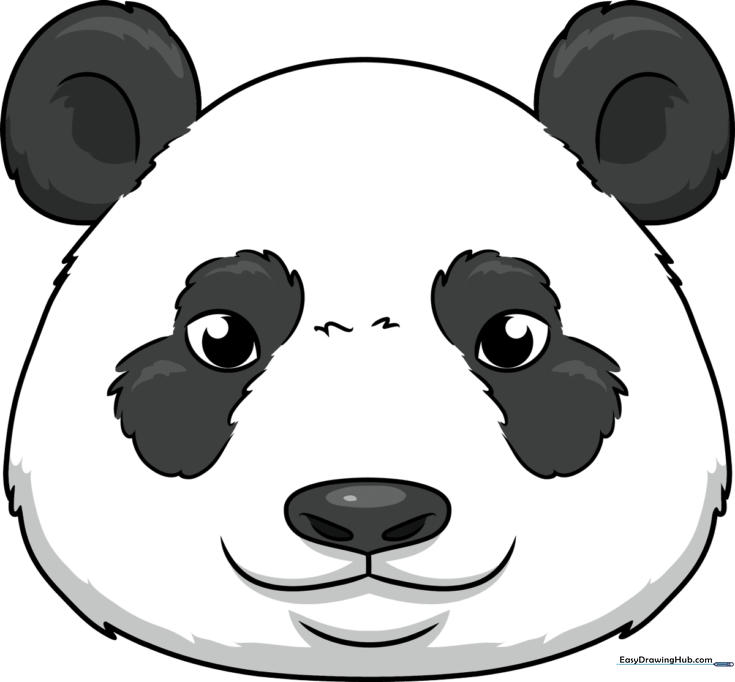
Panda Face
Use soft, rounded shapes to capture the panda's gentle face. Tip: Use a dark pencil for the eye patches to create that iconic contrast.
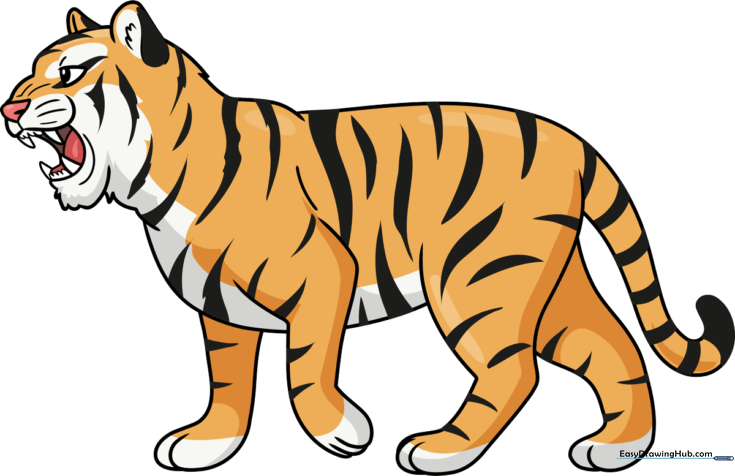
Tiger Roaring
Capture the intensity of a roar by drawing the mouth wide and the ears pulled back. Tip: Add a few whiskers to give your tiger character and life.
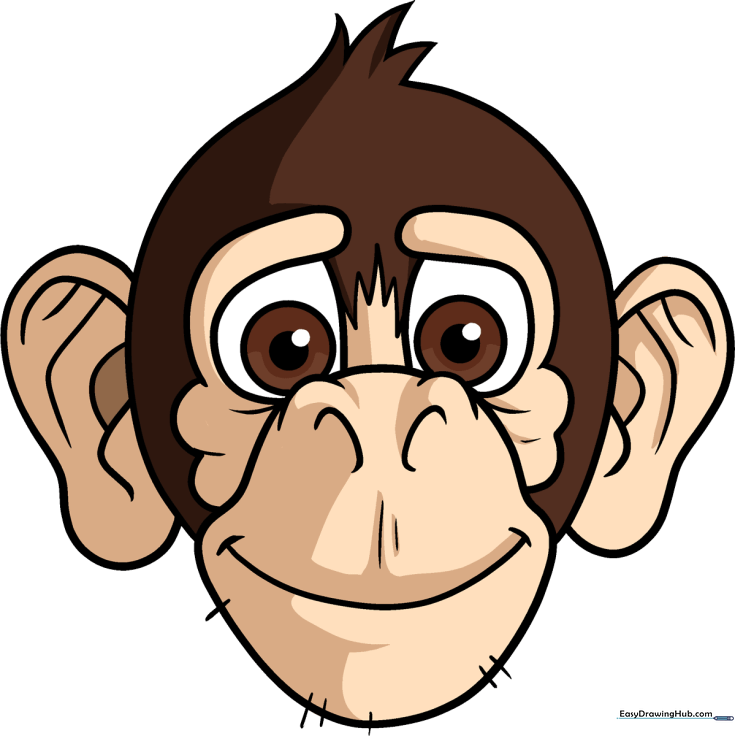
Monkey Face
Monkeys have very expressive faces. Tip: Draw the ears large and round to help balance the features and give the monkey a playful look.
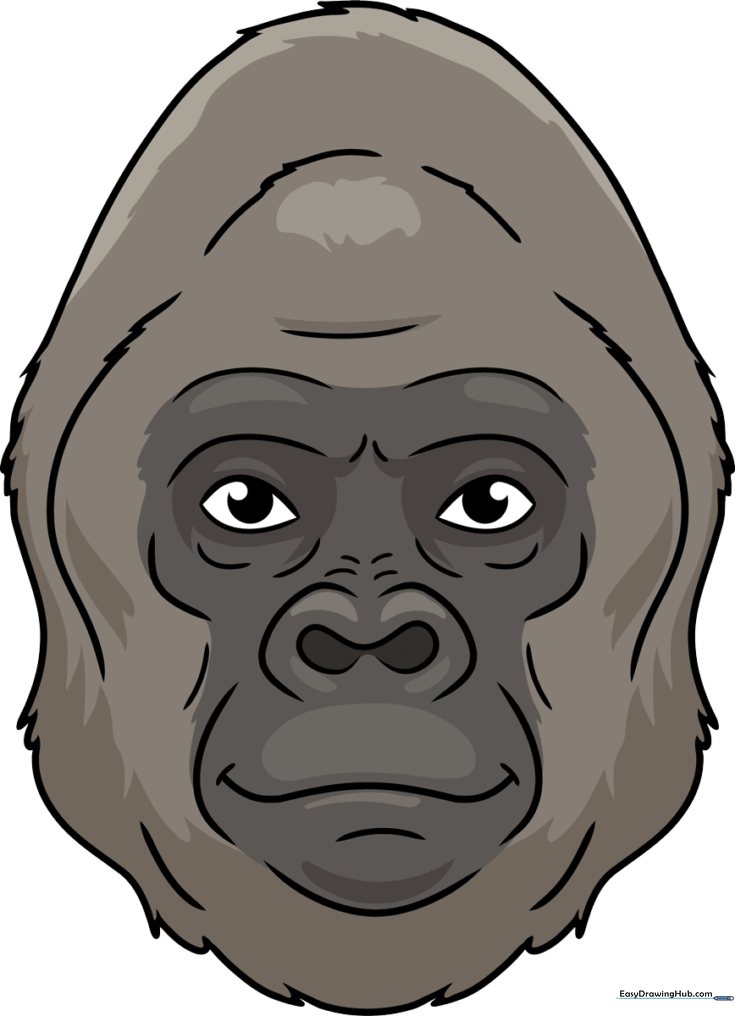
Gorilla Face
Gorillas have strong, prominent brow ridges. Tip: Use heavy, dark lines for the brow to show the gorilla's strength and intelligence.
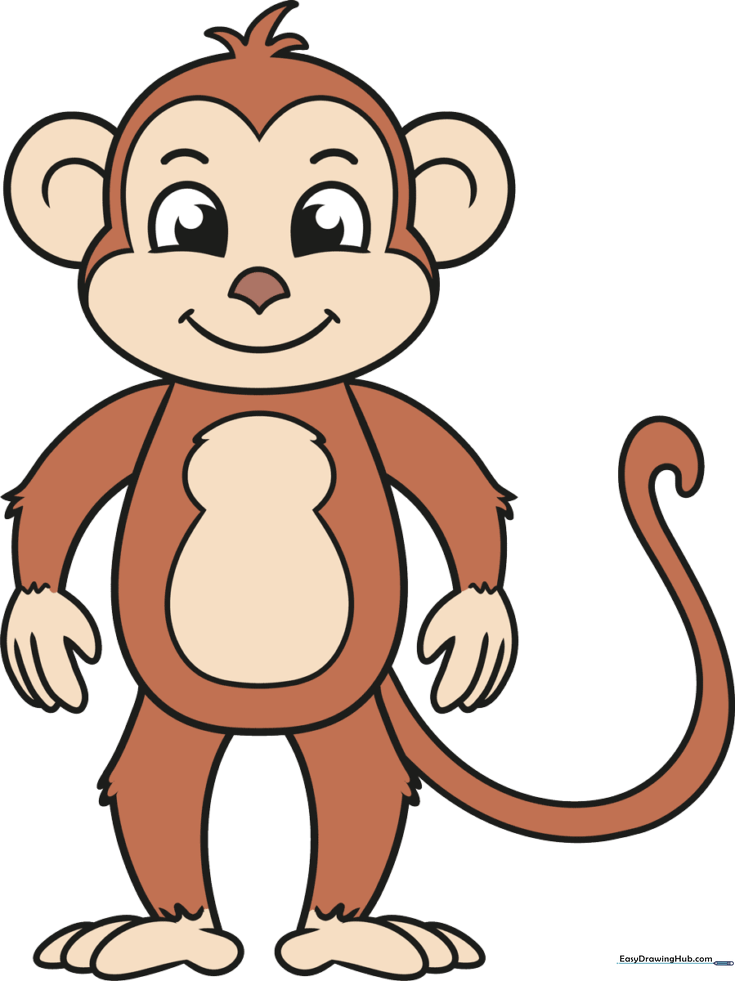
Easy Monkey
Focus on the long, curly tail. Tip: Draw the tail in a 'C' shape to make it look like the monkey is hanging from a branch.
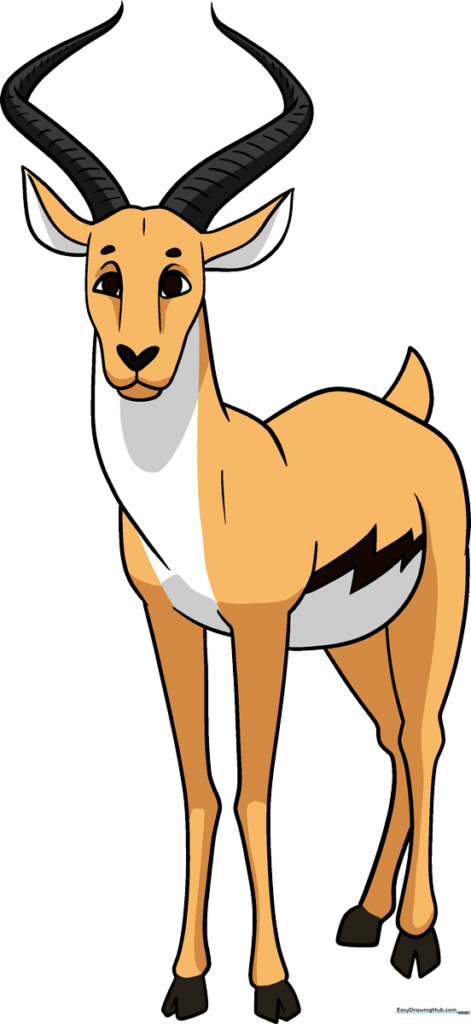
Antelope
Antelopes are known for their slender legs and graceful horns. Tip: Keep the body lines thin to capture their delicate, athletic build.
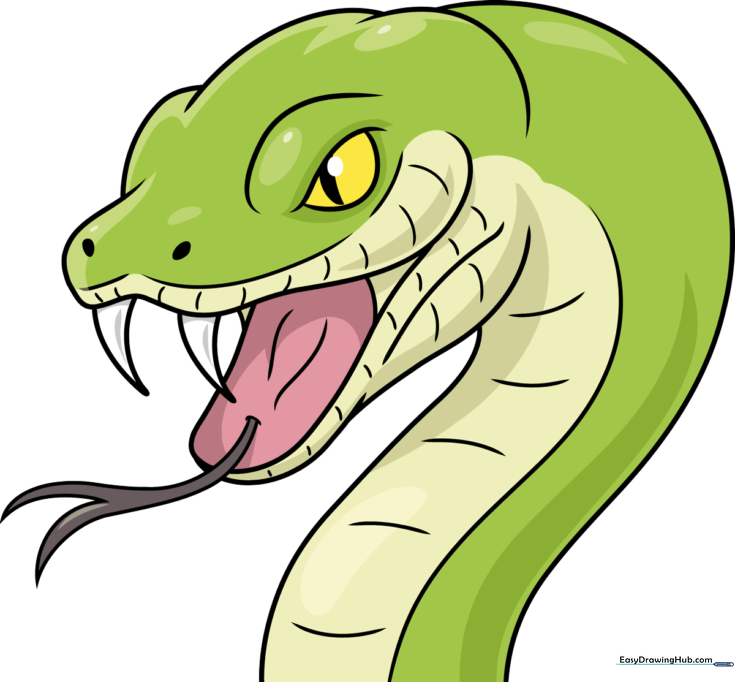
Snake Face and Head
Focus on the narrow, triangular shape of the head. Tip: Draw the fangs as small, sharp points to give the snake a realistic, alert look.
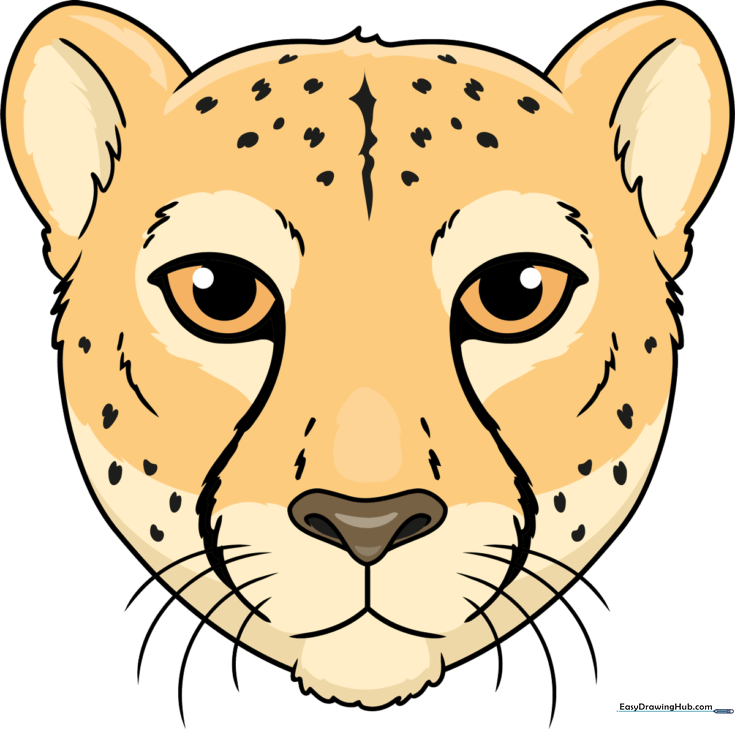
Cheetah Face
The cheetah's tear marks are its most famous feature. Tip: Use a dark pencil to draw these lines from the eyes down to the mouth for a realistic look.
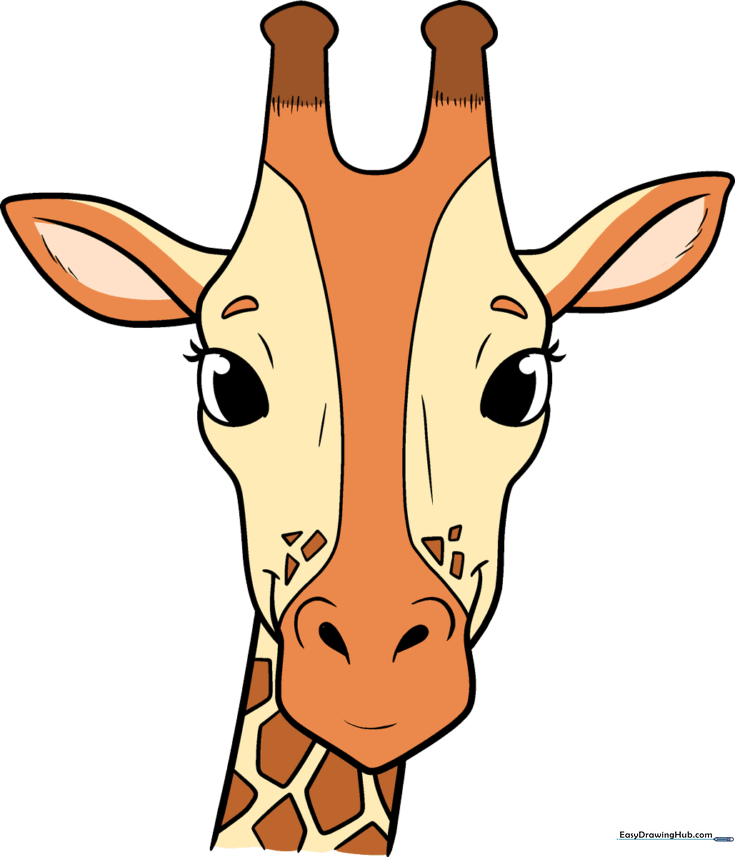
Giraffe Head and Face
Giraffes have long, elegant necks and unique patterns. Tip: Draw the spots as irregular shapes to make the giraffe's coat look authentic.
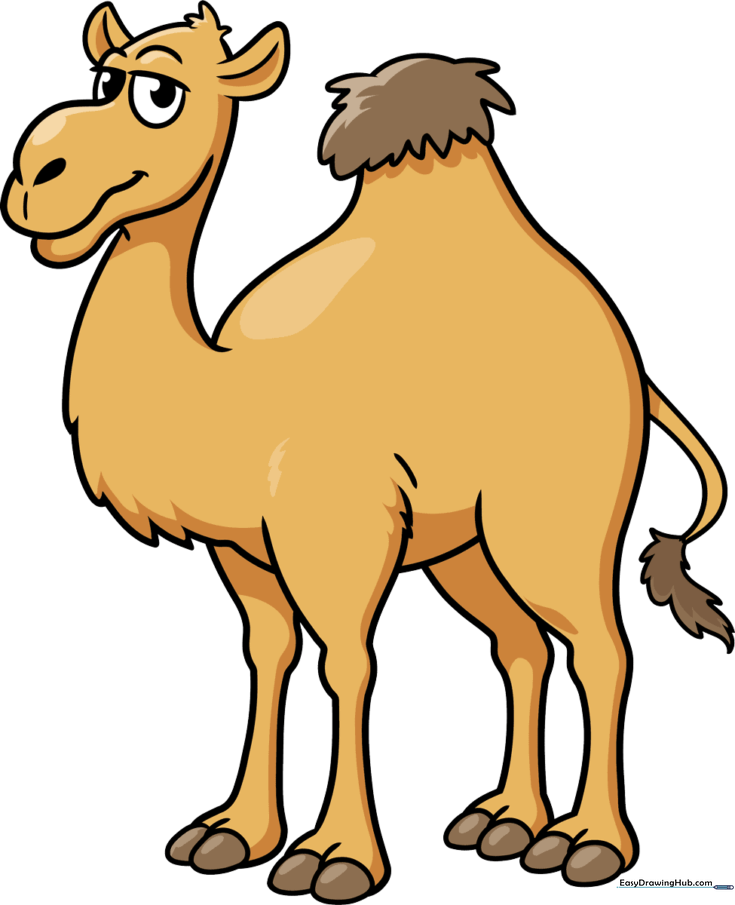
Cartoon Camel
The hump is the most important part! Tip: Draw the hump as a soft, rounded 'D' shape to give the camel its classic silhouette.
More Collections