31 Easy Baby Animal Drawing Tutorials for Kids
🖍️ 31 free tutorials
Looking for a screen-free creative activity? These 31 baby animal drawing tutorials are designed for ages 5 and up, using only basic pencils, paper, and erasers. Each guide breaks down complex shapes into simple, manageable steps to help your child build drawing confidence and artistic precision.
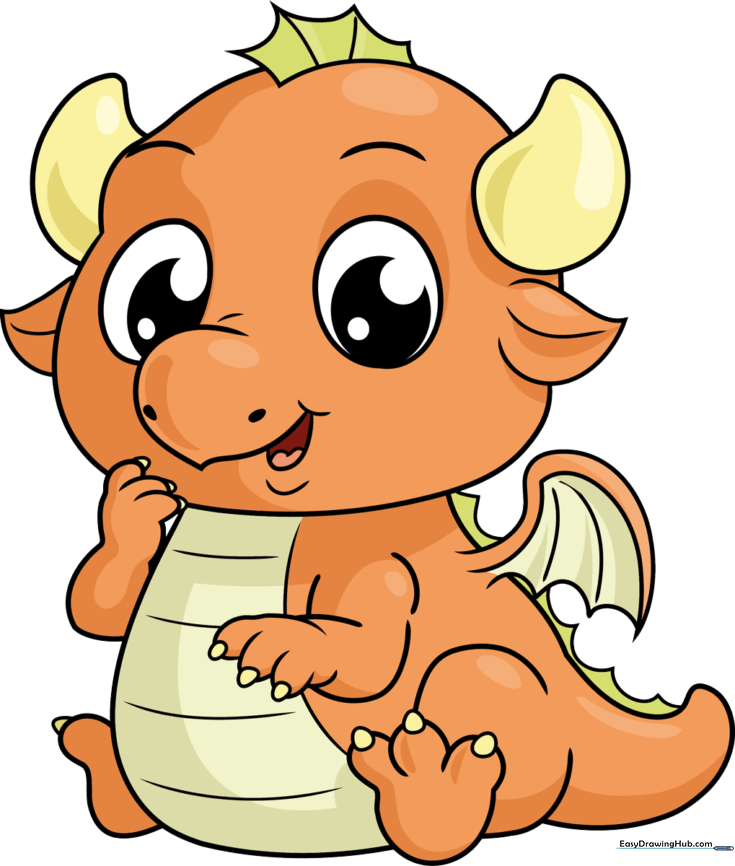
Cute Baby Dragon
Bring a mythical creature to life! Focus on the large, expressive eyes to give your dragon a friendly, newborn look. Tip: Use soft, rounded lines for the wings to make them look like they are still growing.
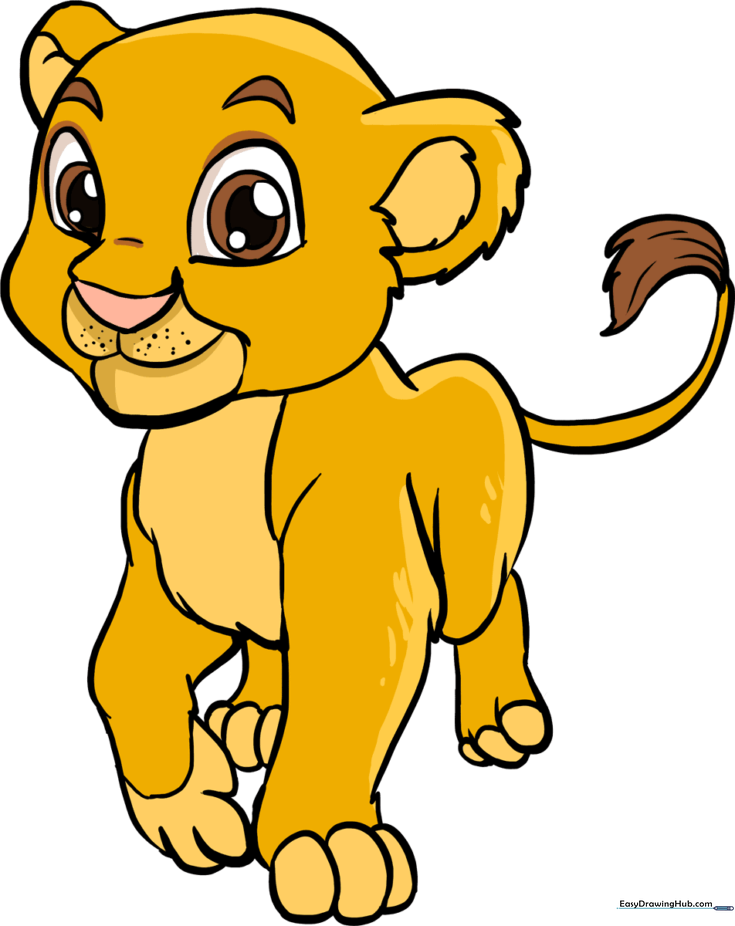
Baby Lion
Capture the spirit of a cub with oversized paws and a curious gaze. Tip: Keep the head slightly larger than the body to emphasize the 'baby' proportions.
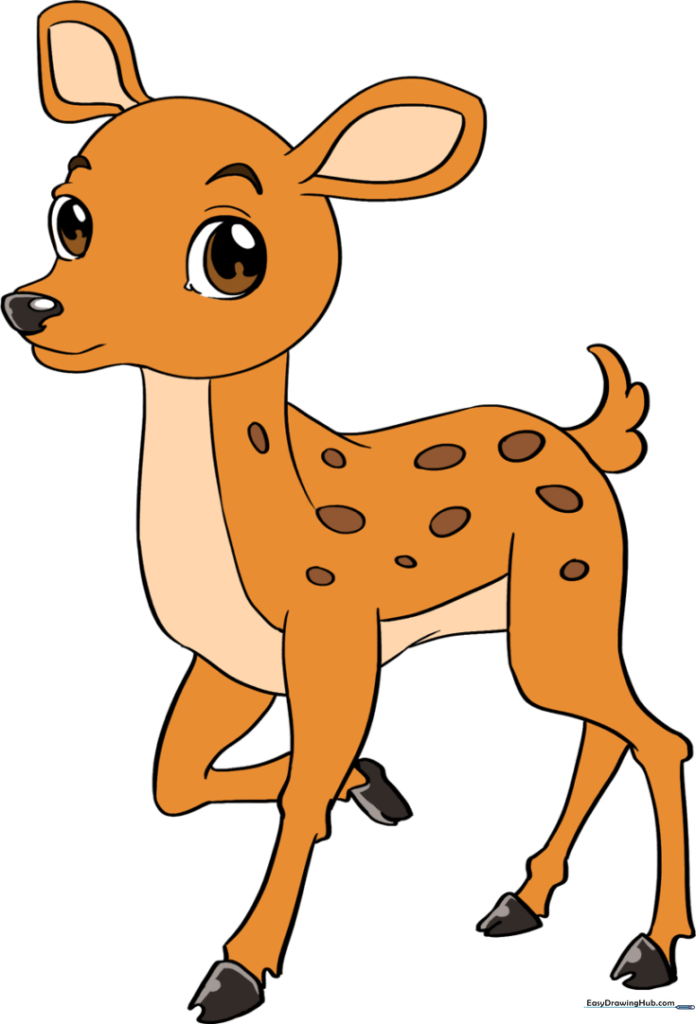
Baby Deer
Focus on the delicate, thin legs and large, gentle eyes of the fawn. Tip: Add small, light circles on the back for spots to give it that classic baby deer look.
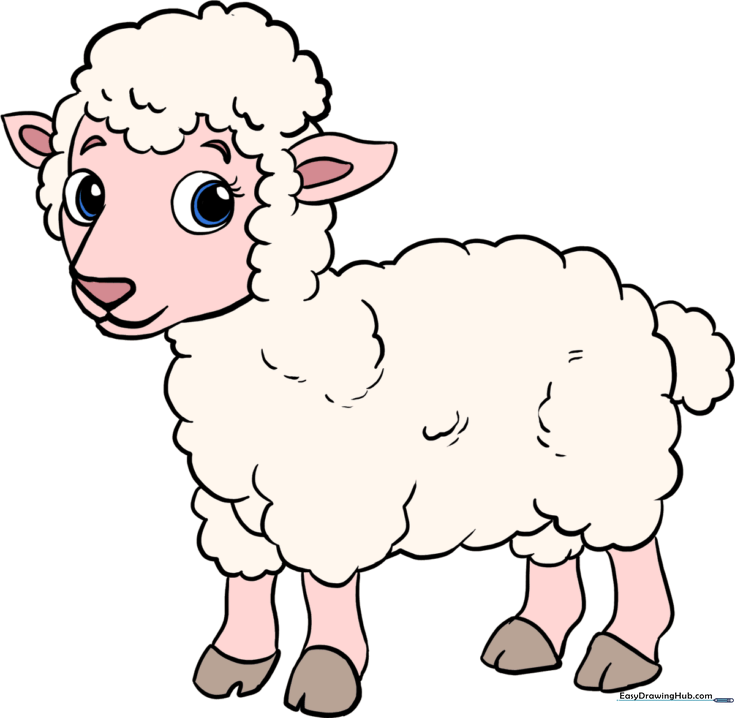
Lamb
Practice your 'bumpy' lines to create the texture of soft, fluffy wool. Tip: Use short, curved strokes around the head and body to make the lamb look extra cuddly.
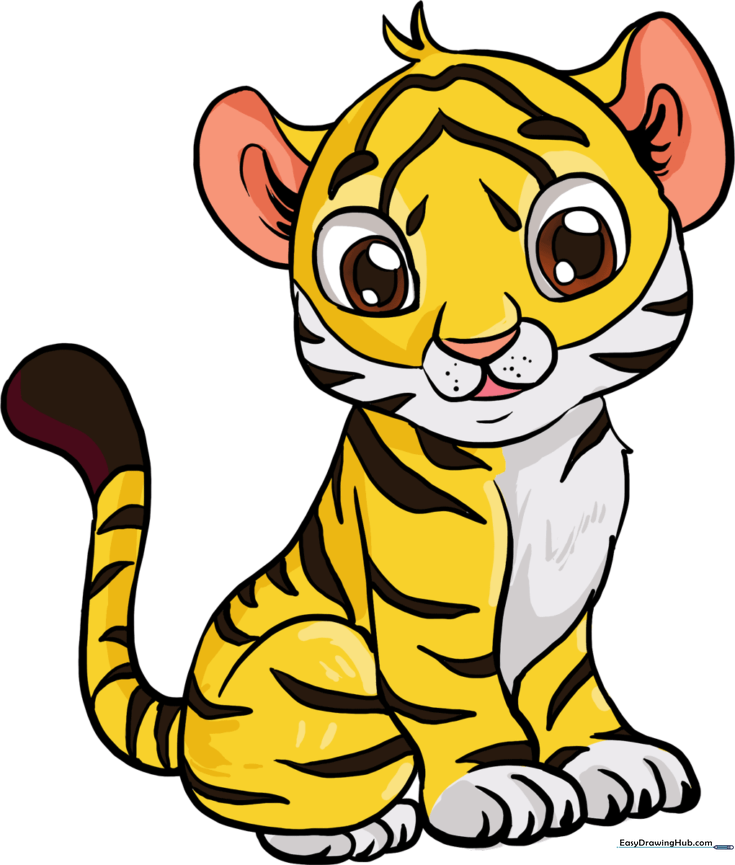
Baby Tiger
Master the art of drawing stripes! Tip: Start with the eyes first to establish the tiger's personality, then add the stripes as 'V' shapes along the body.
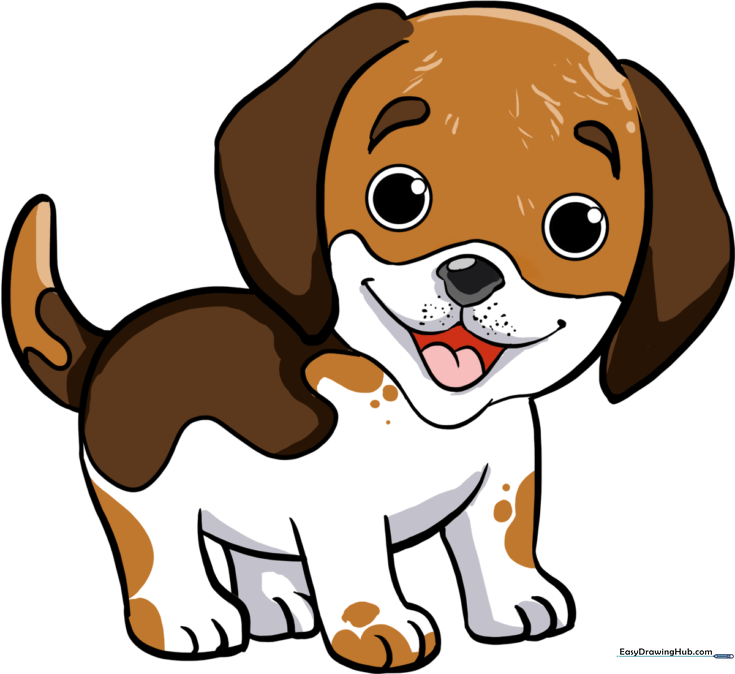
Puppy
This happy beagle puppy is a great lesson in drawing floppy ears. Tip: Draw the ears slightly uneven to make the puppy look like it's tilting its head in excitement.
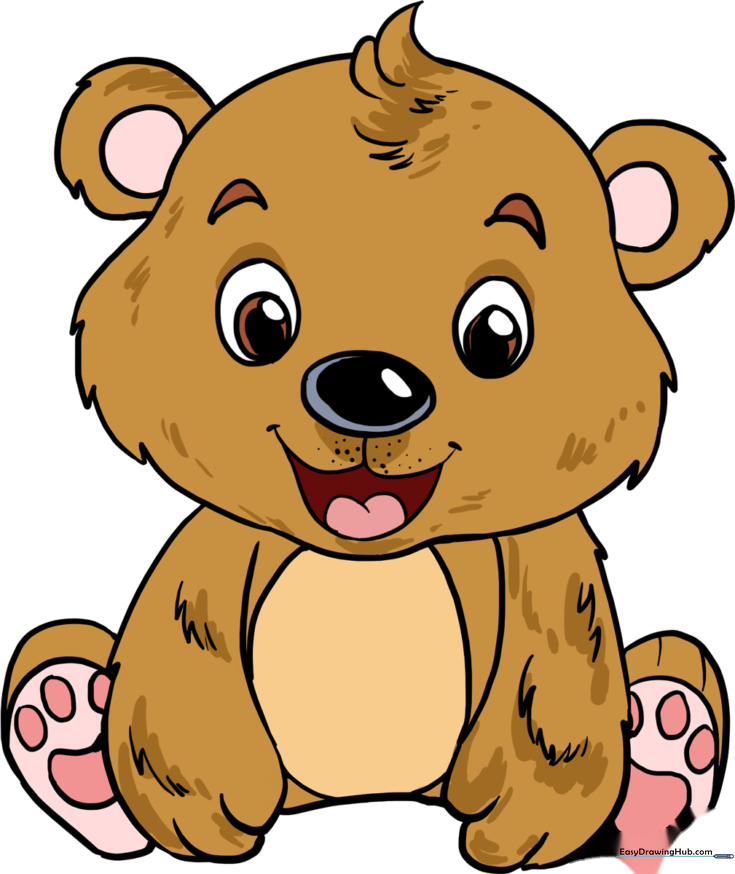
Baby Bear
Create a cozy bear cub with rounded, soft shapes. Tip: Don't forget the tiny 'toe beans' on the paw pads—it's the small details that make the drawing feel complete.
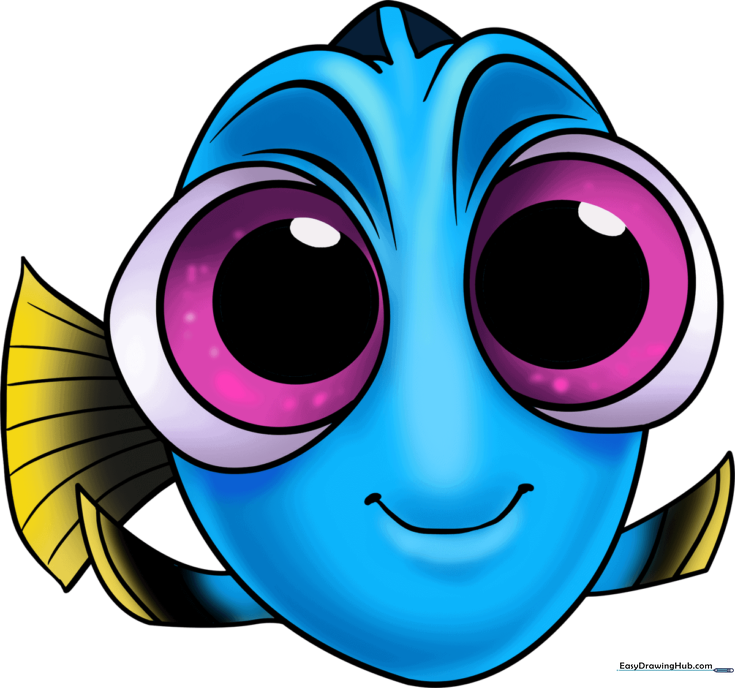
Baby Dory
Capture the fun of this famous fish! Tip: Focus on the large, expressive eyes and the slight curve of the tail to show she is swimming.
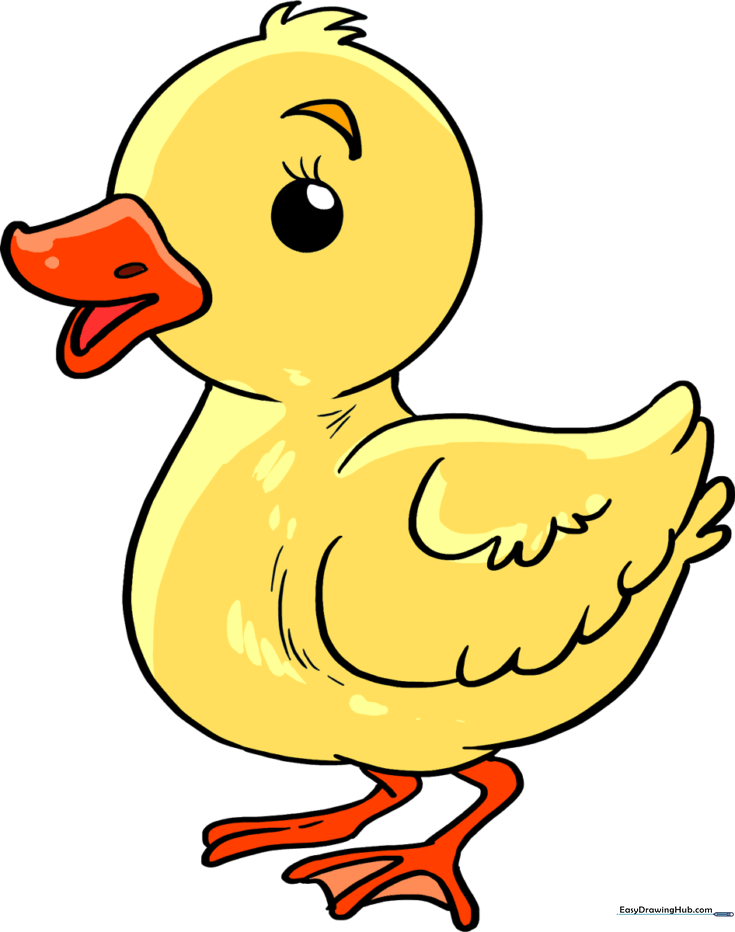
Baby Duck
Ducklings are all about soft, rounded shapes. Tip: Use small, light 'U' shapes for the feathers to give the drawing a downy, soft appearance.
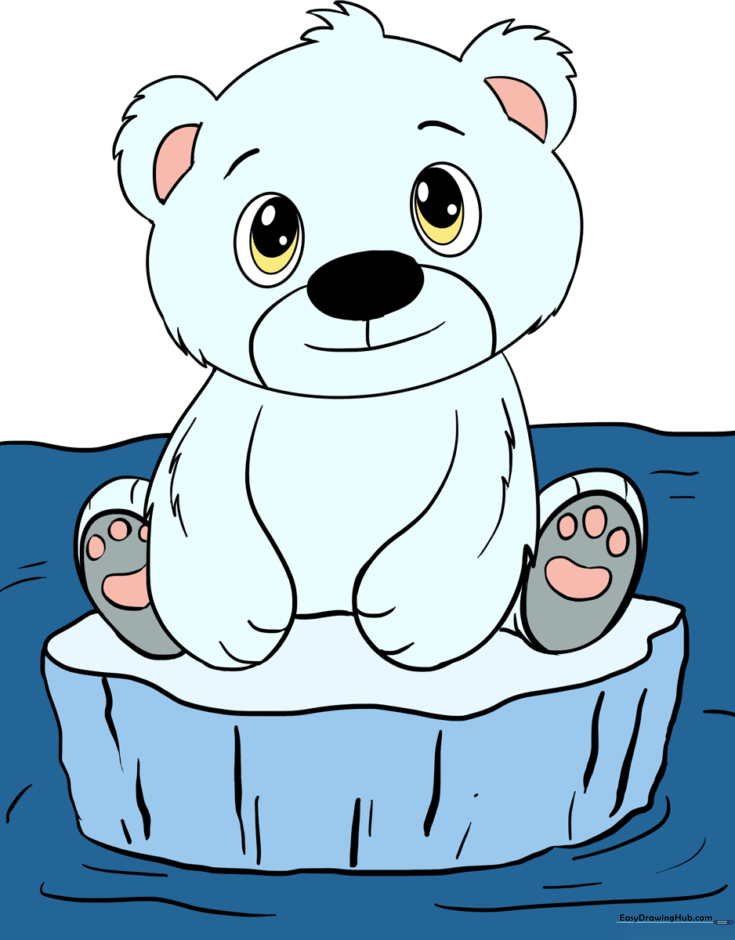
Polar Bear Cub
Draw a cub on an ice floe! Tip: Use light blue shading around the edges of the ice to create a cool, wintery atmosphere.
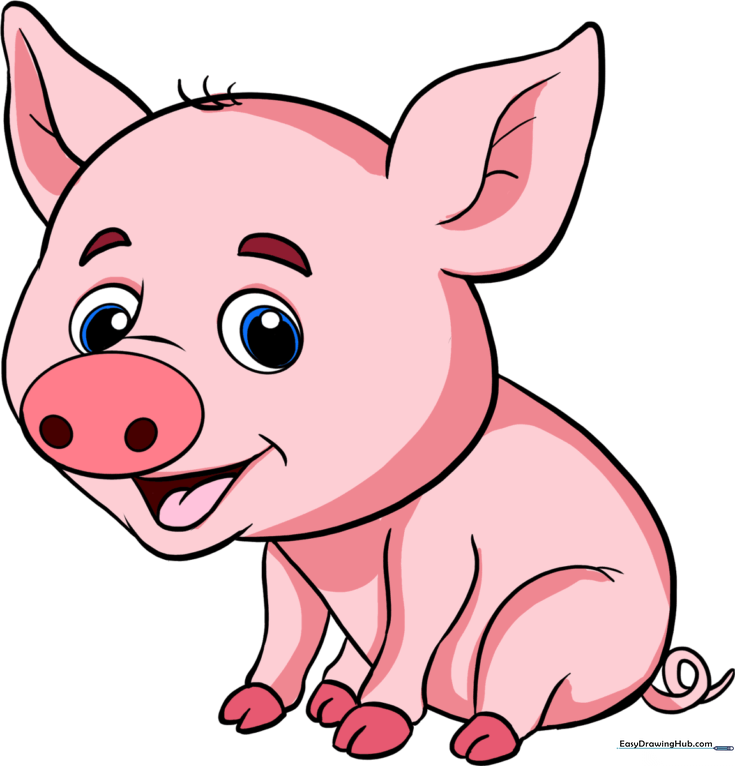
Baby Pig
Focus on the snout and the curly tail—the two most important parts of a pig! Tip: Keep the snout oval-shaped to make it look cute rather than realistic.
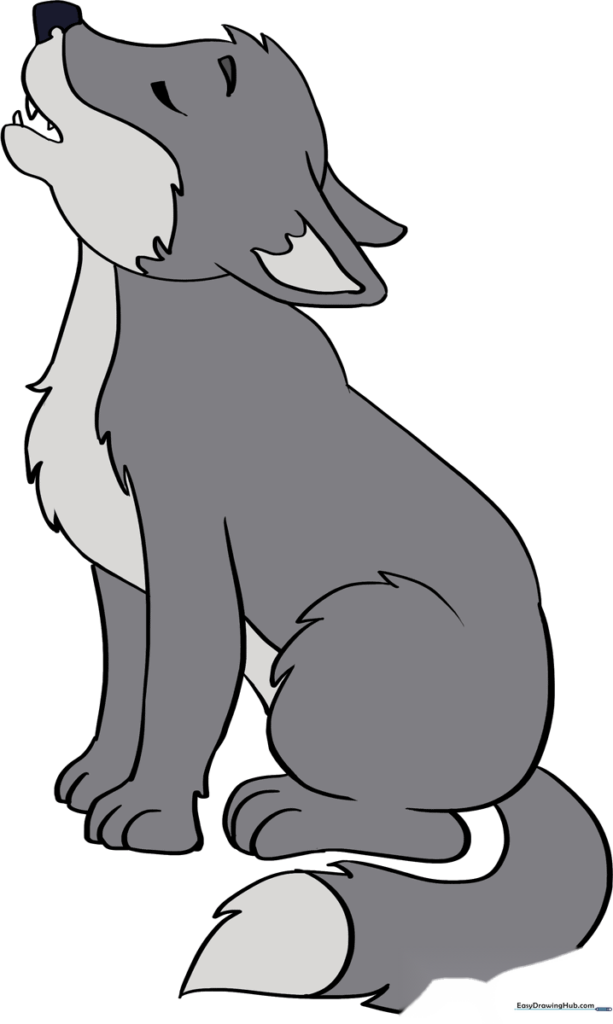
Baby Wolf
Capture the howl! Tip: Draw the head tilted back and the eyes closed to show the wolf pup is really putting its heart into the song.
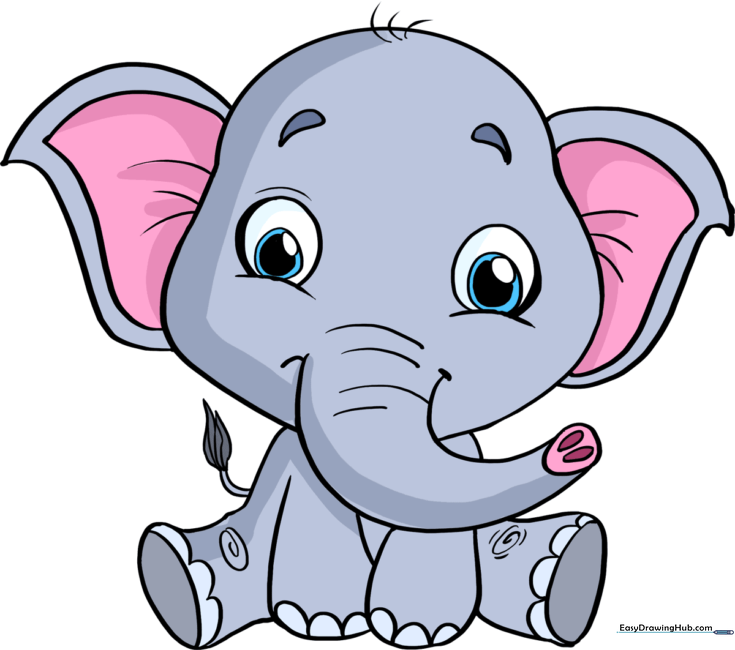
Baby Elephant
Emphasize the large ears and the trunk. Tip: Use soft, curved lines for the trunk to make it look flexible and playful.
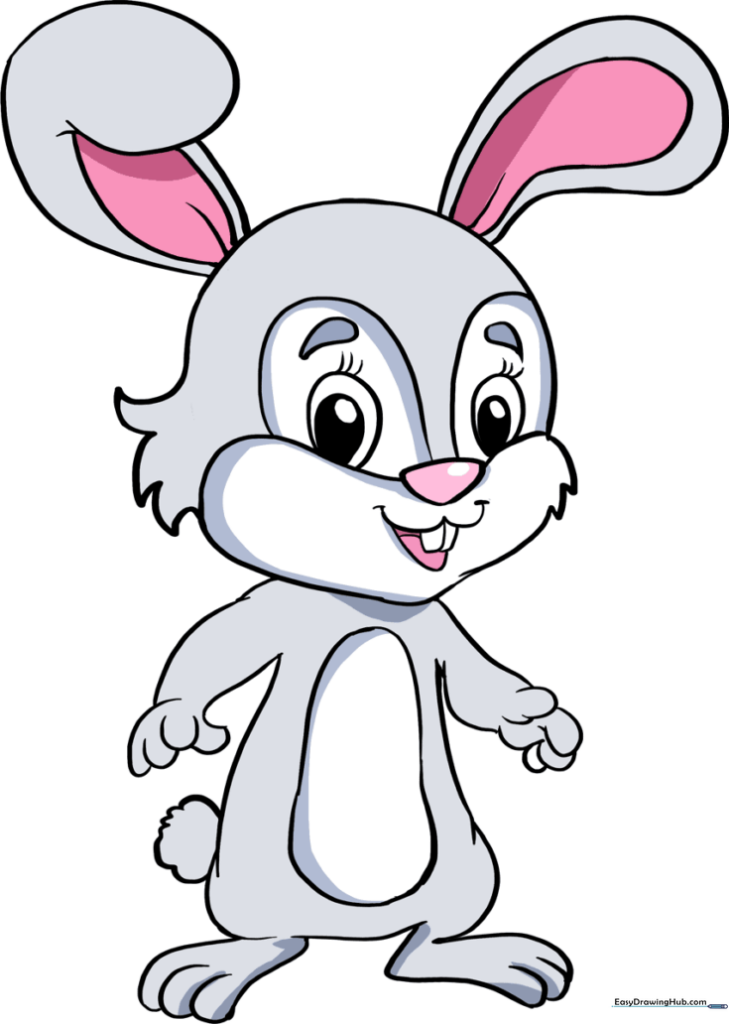
Baby Bunny
Focus on the long, floppy ears and the tiny nose. Tip: Adding a small tuft of hair on top of the head makes the bunny look extra sweet.
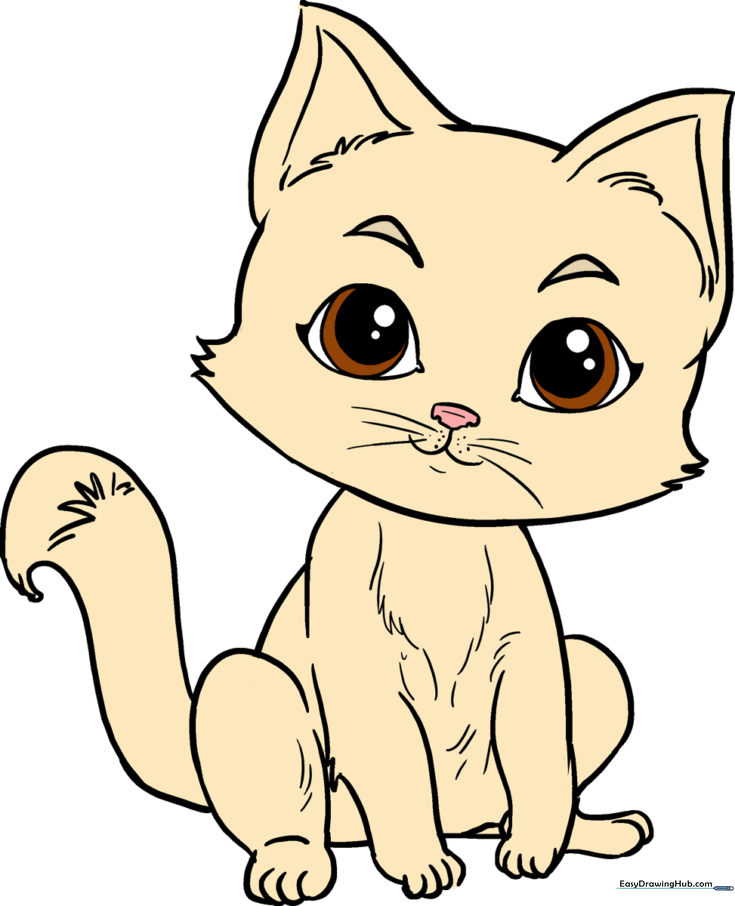
Kitten
Kittens are perfect for practicing simple, expressive shapes. Tip: Keep the whiskers long and thin to give the kitten a curious, alert look.
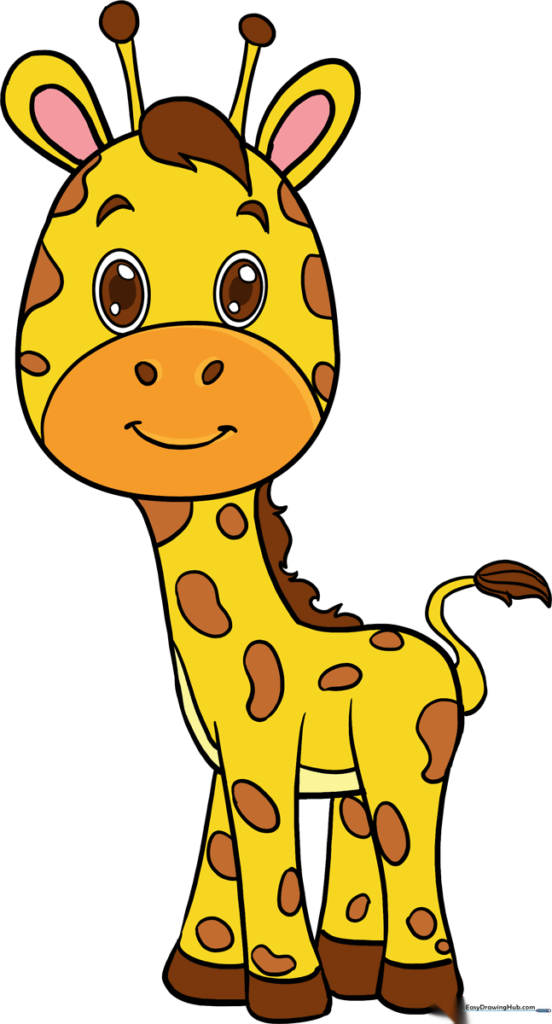
Baby Giraffe
Focus on the long neck and the small horns (ossicones) on the head. Tip: Use a light brown color for the spots to keep the giraffe looking gentle.
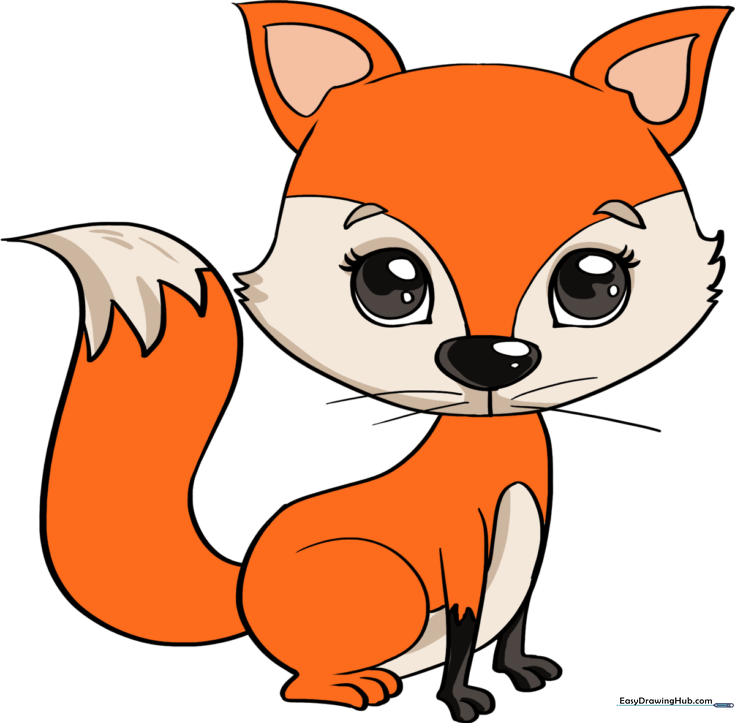
Baby Fox
Fox kits are known for their big ears and bushy tails. Tip: Use a zigzag line for the tip of the tail to show the fluffy fur.
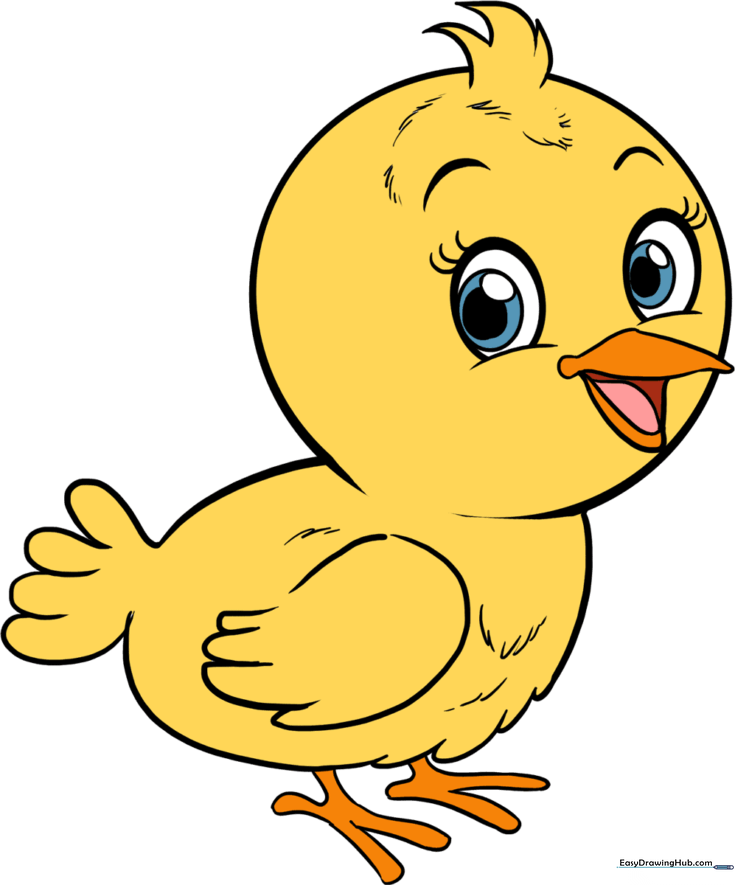
Baby Bird
Focus on the open beak—it's the defining feature of a hungry baby bird! Tip: Keep the body simple and round to emphasize the large head.
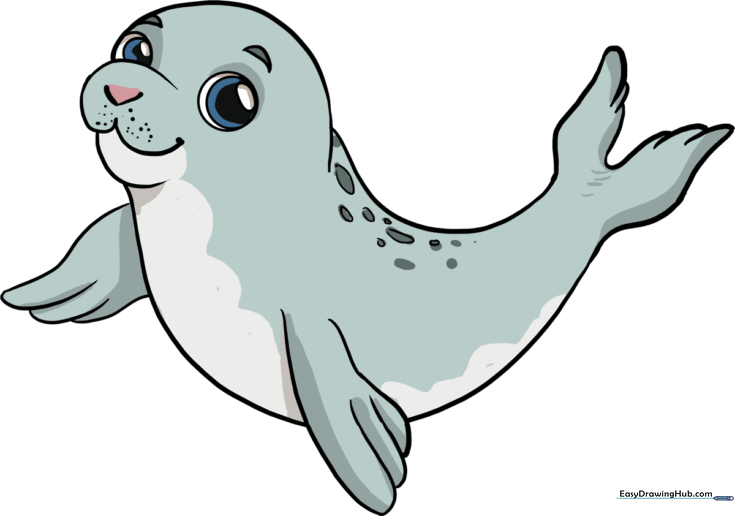
Baby Seal
Seal pups are all about round, smooth shapes. Tip: Keep the eyes very large and dark to give the seal a sweet, soulful expression.
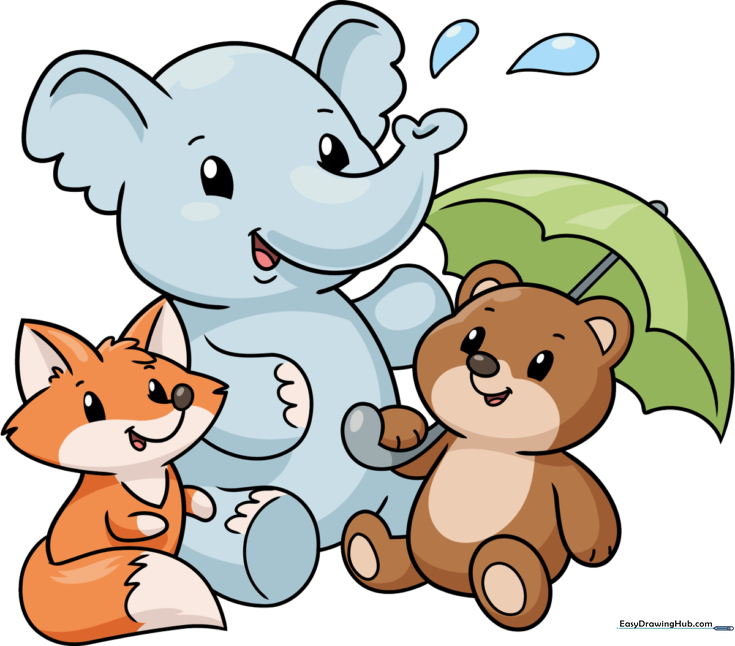
Cute Animals
Why draw one when you can draw three? This scene is great for practicing composition. Tip: Start with the largest animal first, then fit the smaller ones around it.
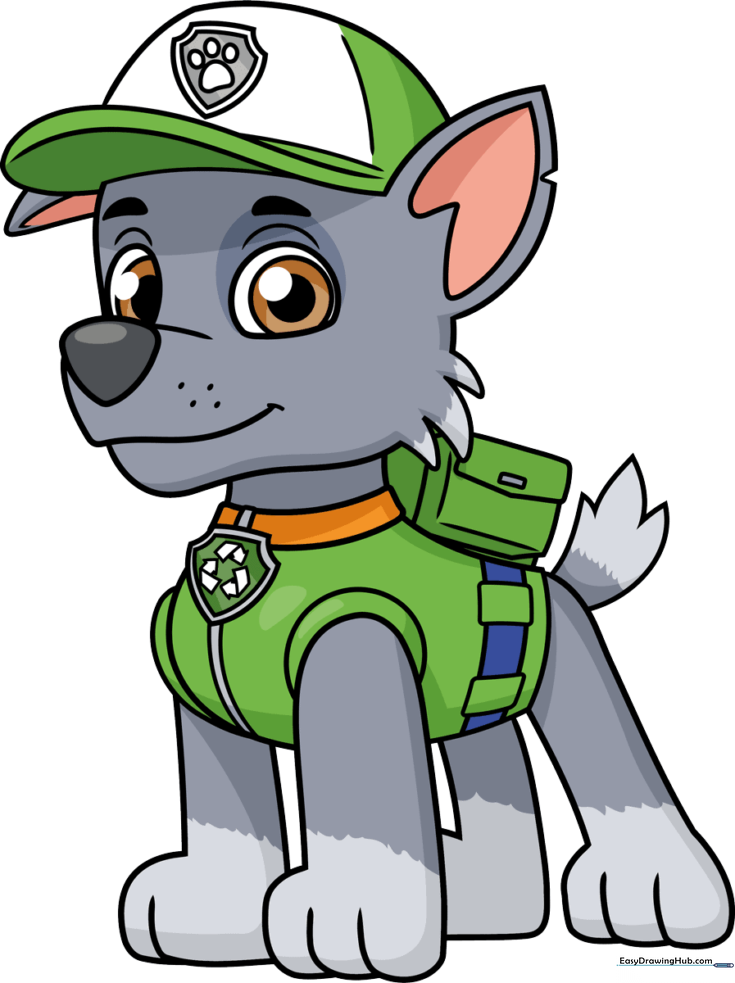
Rocky from Paw Patrol
Rocky is a fun character to draw because of his accessories. Tip: Focus on the recycling logo on his tag—keep it simple with a few basic lines.
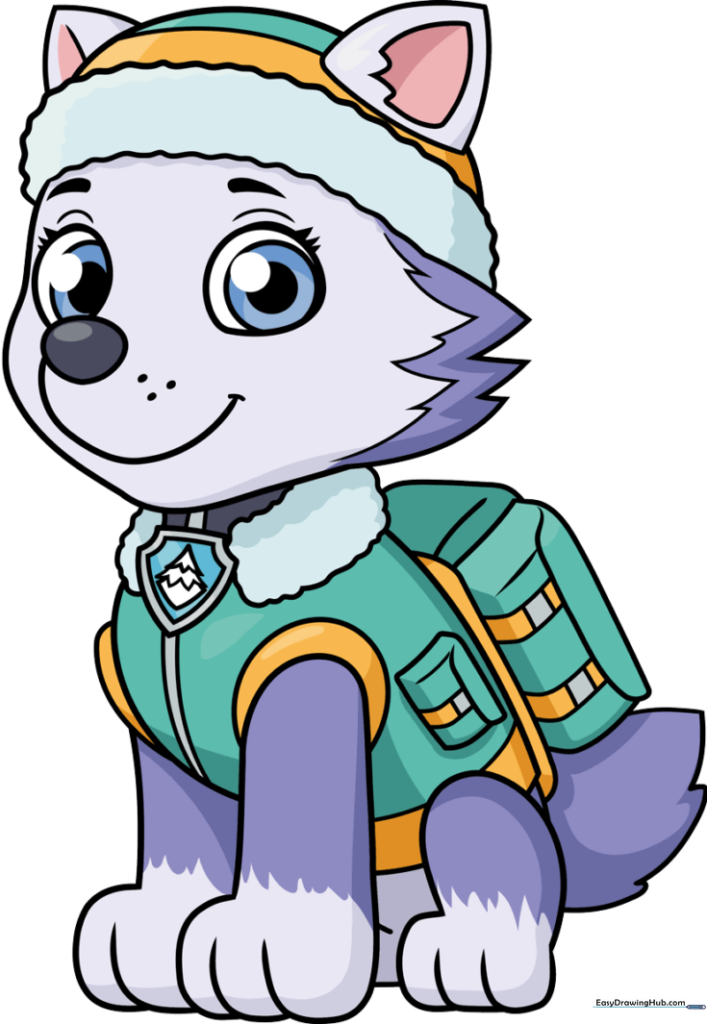
Everest from Paw Patrol
Everest's hat is the key to her look. Tip: Draw the hat first, then build the face underneath to get the proportions just right.
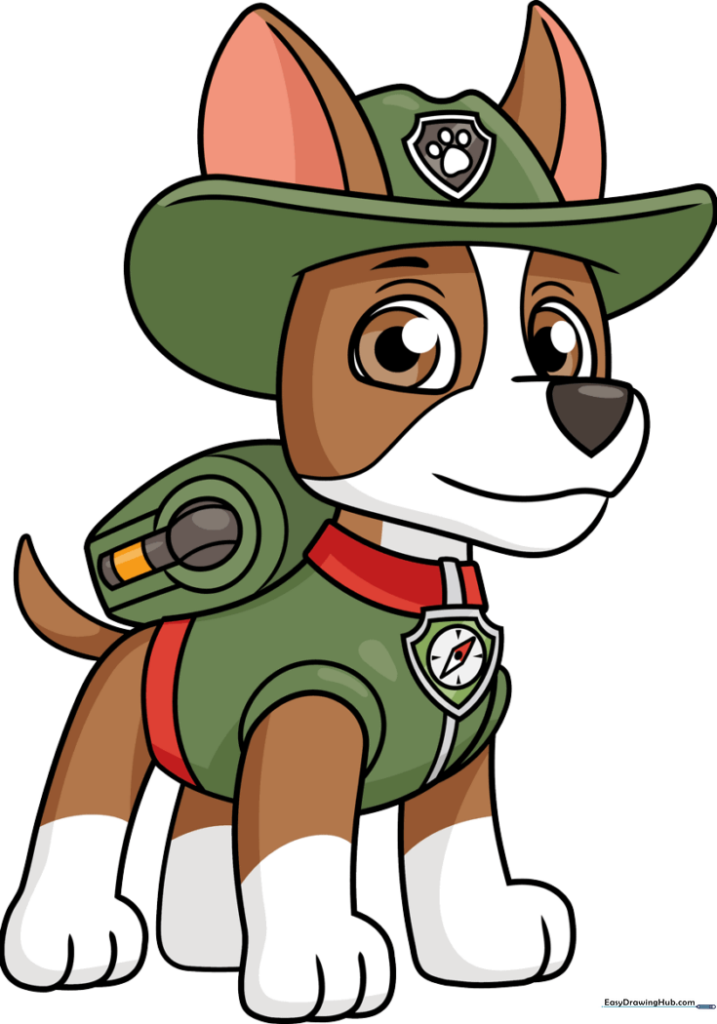
Tracker from Paw Patrol
Tracker's safari hat gives him a unique look. Tip: Use a light touch when drawing the compass on his tag so you don't smudge the details.
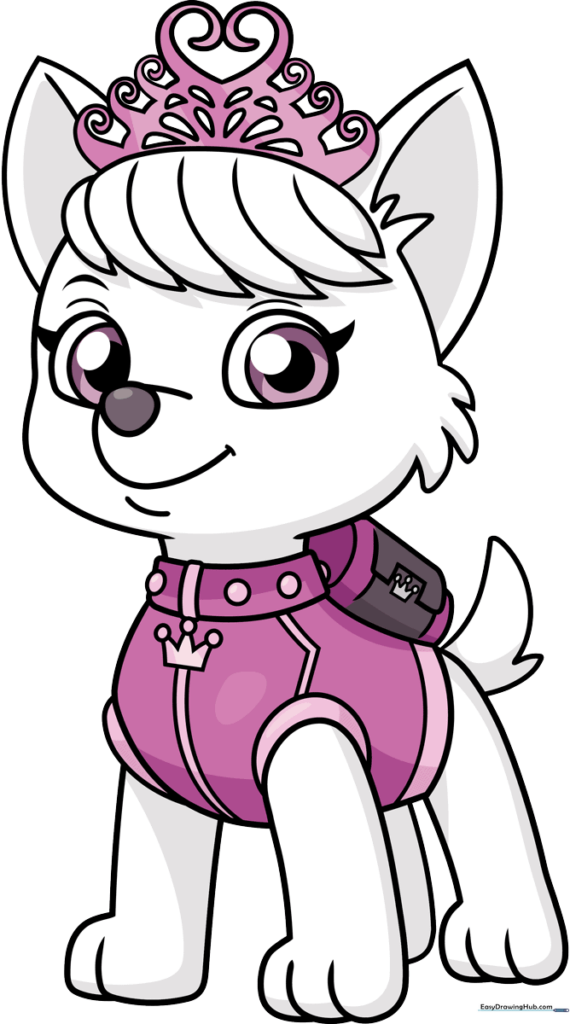
Sweetie from Paw Patrol
Sweetie is all about the crown! Tip: Draw the crown as a simple shape first, then add the details once you're happy with the placement.
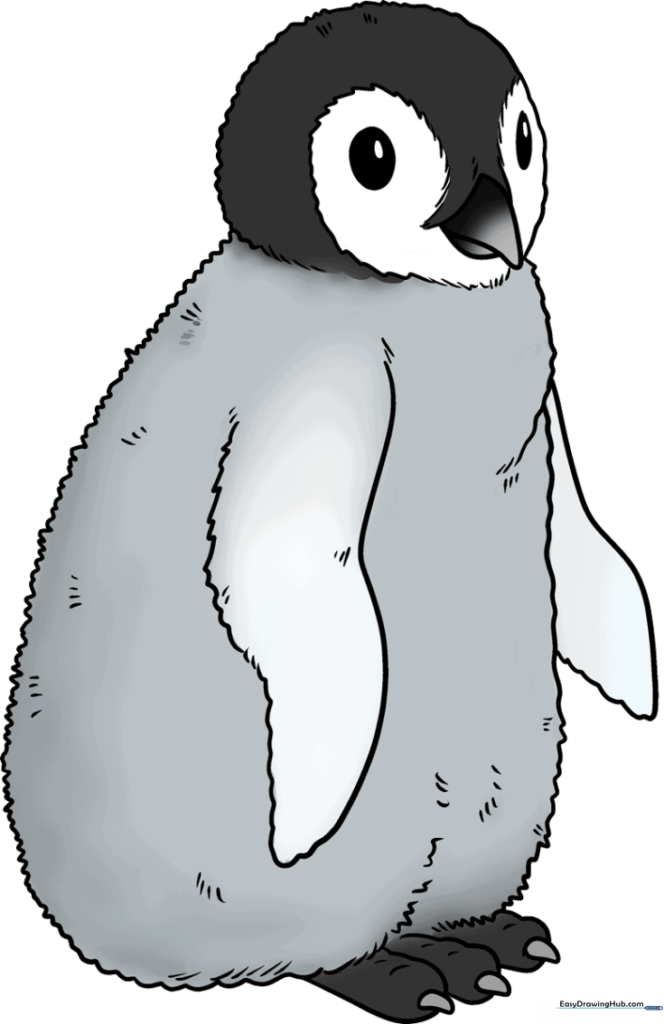
Penguin Chick
Penguin chicks are wonderfully fuzzy. Tip: Use short, quick strokes to create the texture of downy feathers all over the body.
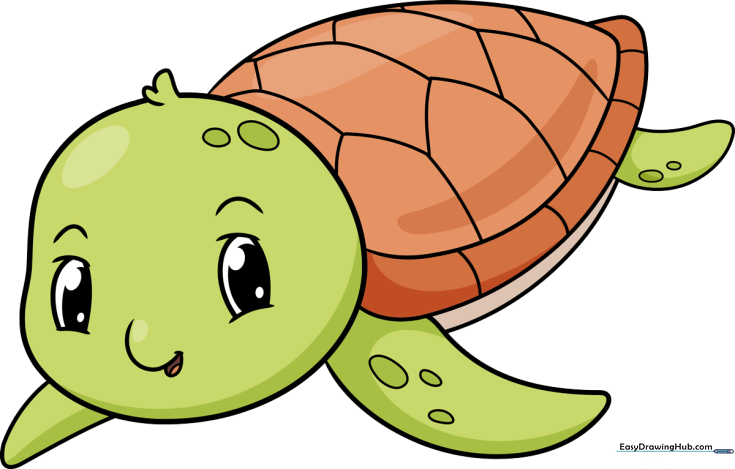
Baby Turtle
Capture the charm of a sea turtle with this chibi-inspired design. Focus on the contrast between the large, expressive eyes and the realistic shell structure. Tip: Use light, rounded strokes for the flippers to give them a soft, organic feel.
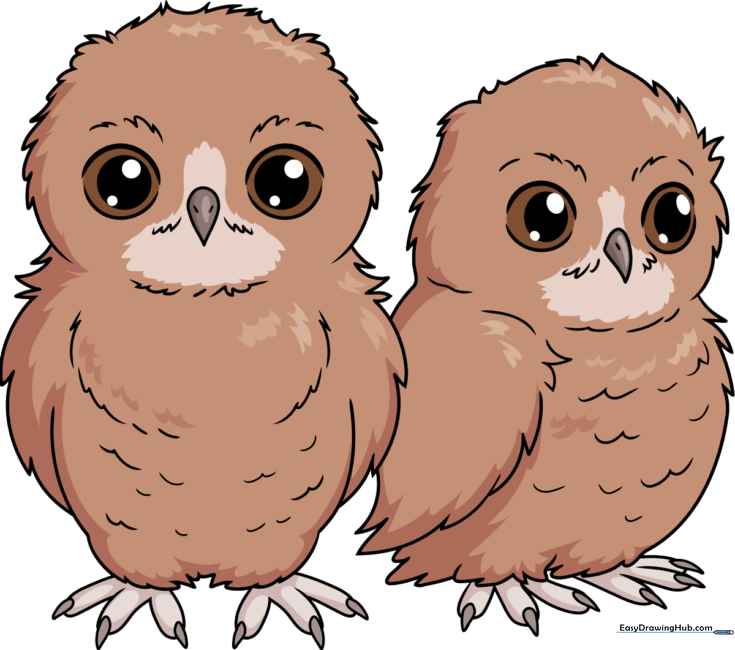
Owl Babies
Practice texture and depth by drawing these fluffy owlets. We use jagged, short lines to mimic the appearance of downy feathers. Tip: Vary your pencil pressure to create shadows under the wings for a more realistic 3D effect.
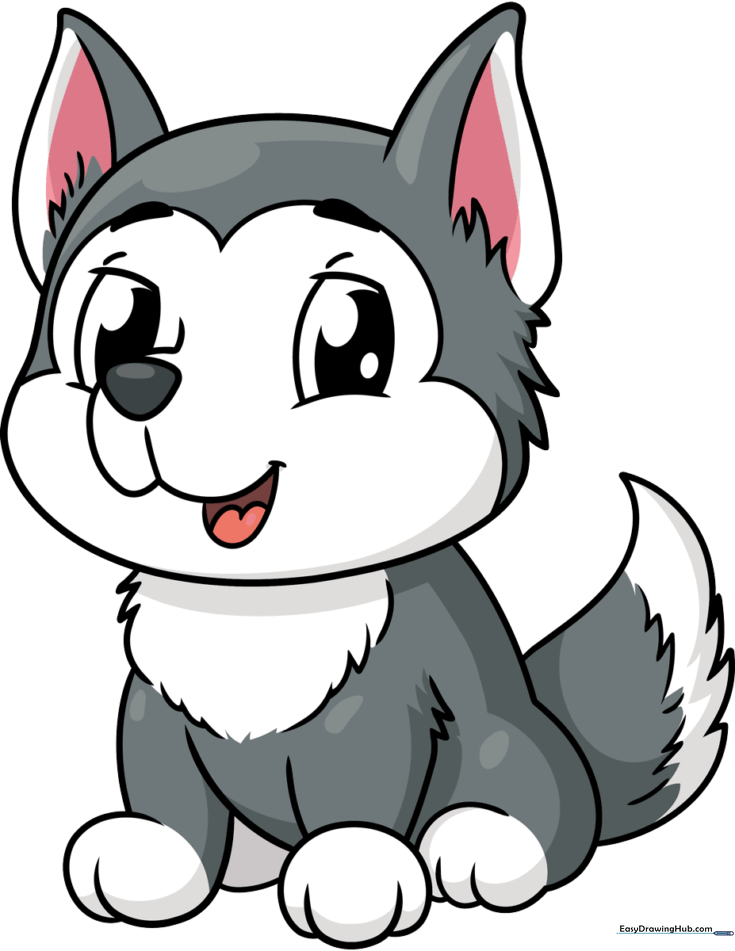
Baby Husky
This puppy tutorial emphasizes breed-specific features like large, upright ears and a bushy tail. Tip: Use light, flicking motions with your pencil to suggest fur direction, making the puppy look soft and huggable.
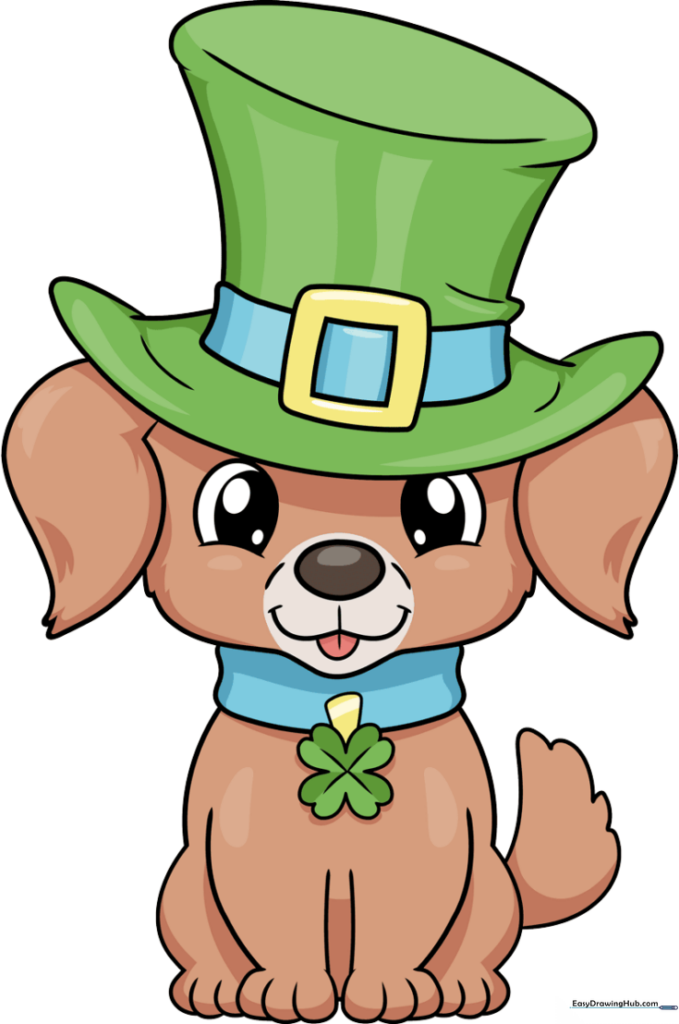
St. Patrick's Day Puppy
Add a festive twist to your puppy drawings with this holiday-themed lesson. Focus on the geometric shapes of the top hat and the delicate clover detail. Tip: Draw the hat slightly tilted to give the puppy a playful, mischievous personality.
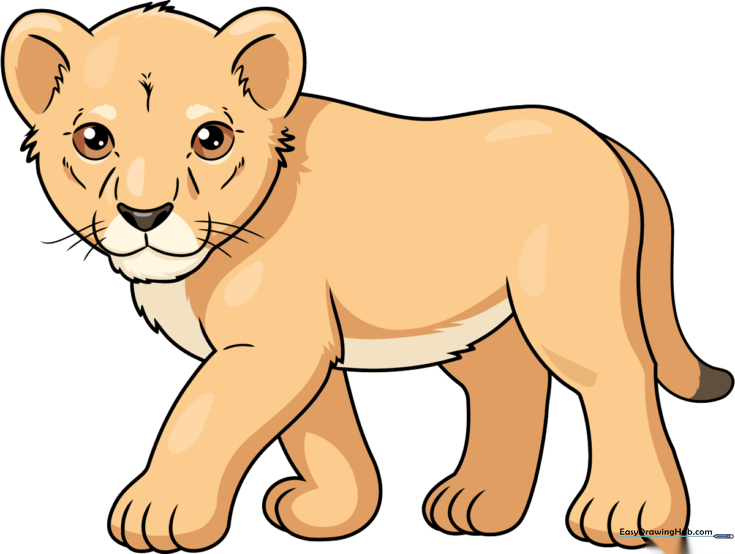
Lion Cub
Create a majestic lion cub with this focus on anatomy and proportion. We break down the facial structure into simple ovals. Tip: Keep the eyes wide and set low on the face to emphasize the 'baby' features of the cub.
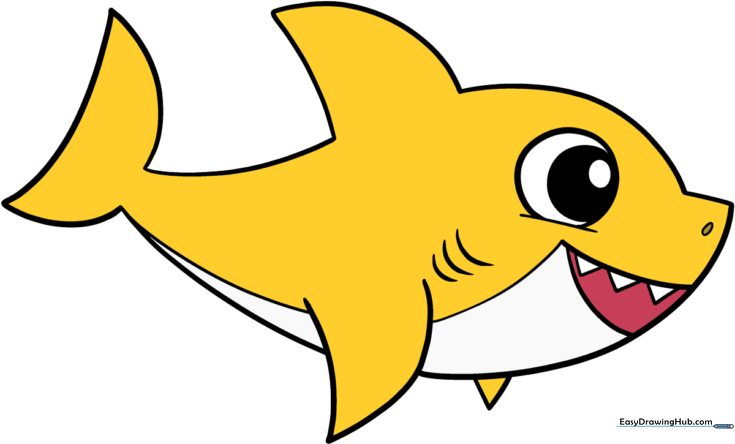
Baby Shark
This iconic character is perfect for beginners using simple triangles and curves. Tip: Focus on the placement of the dorsal fin to give the shark a sense of movement as if it is swimming through the page.
More Collections