27 Easy Reptile Drawing Tutorials: Step-by-Step Guide
🖍️ 27 free tutorials
Ready to bring ancient creatures to life? This collection of 27 reptile drawing tutorials is perfect for artists ages 5 and up. Grab your pencil and paper to explore textures, scales, and anatomy while building your confidence with every stroke.
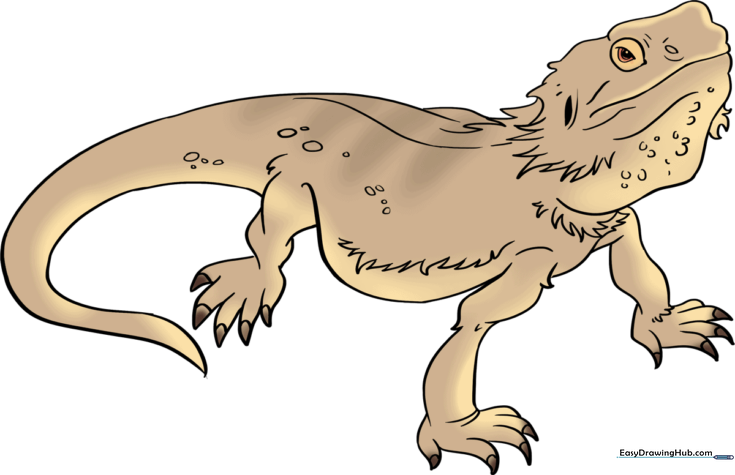
Bearded Dragon
Capture the unique personality of a bearded dragon. Focus on the spiky texture around the neck—use short, V-shaped strokes to make those scales pop.
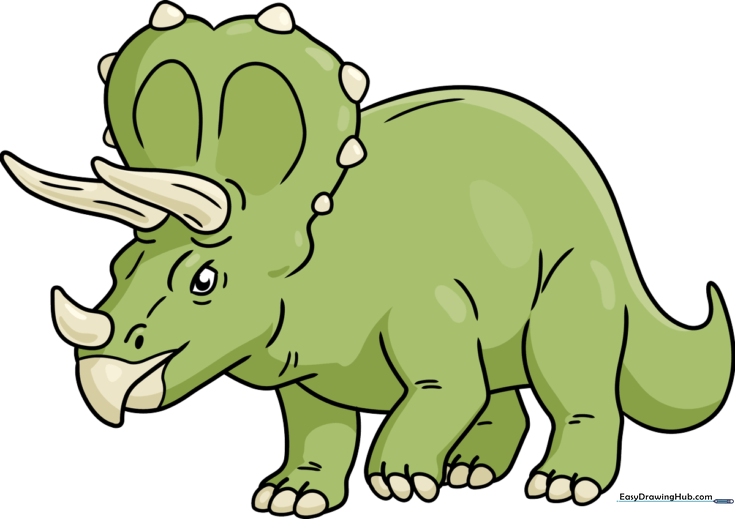
Triceratops
Draw the iconic three-horned dinosaur. Tip: Start with a large oval for the frill to ensure you have enough room for those impressive horns.
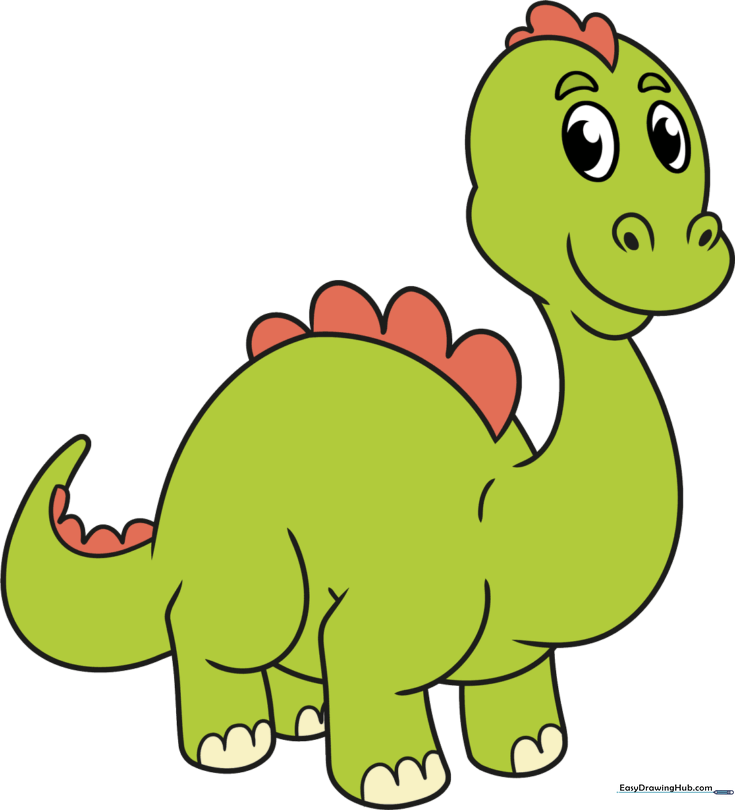
Cute Long-Neck Dinosaur
Perfect for beginners. Use smooth, continuous curves for the long neck and simple U-shapes for the toenails to keep the look friendly and soft.
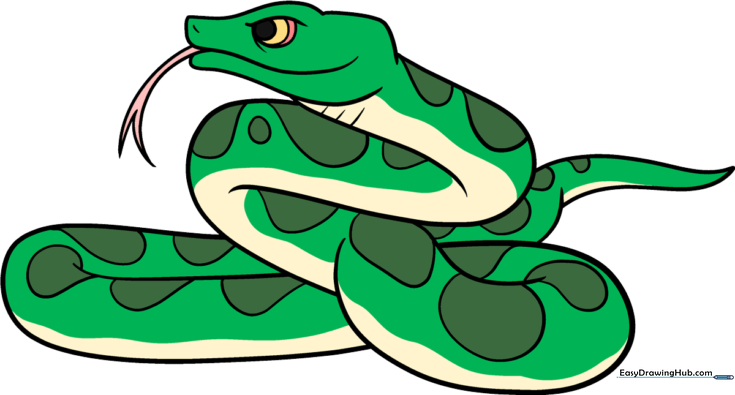
Snake
Master the 'S' curve. Tip: Draw a light guideline first to help your snake look fluid and natural rather than stiff.
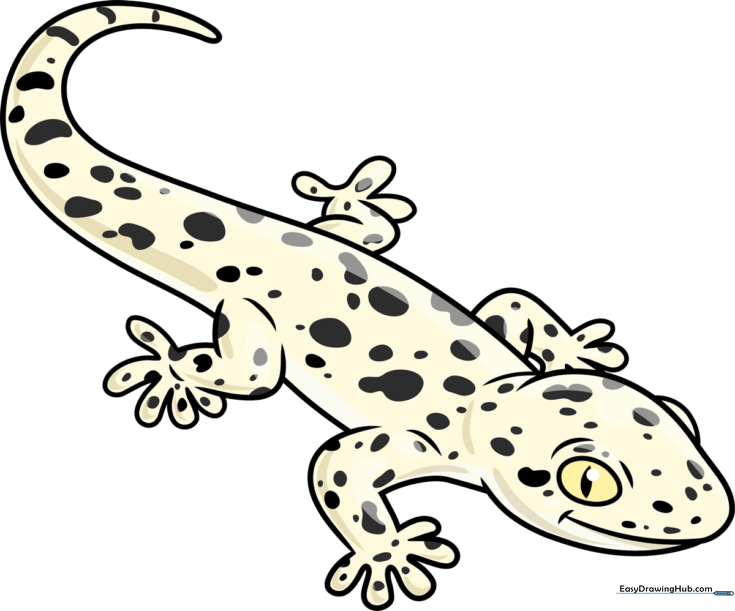
Gecko
Focus on the toes! Geckos have wide, sticky pads. Draw them slightly flattened to show how they cling to surfaces.
Sea Turtle
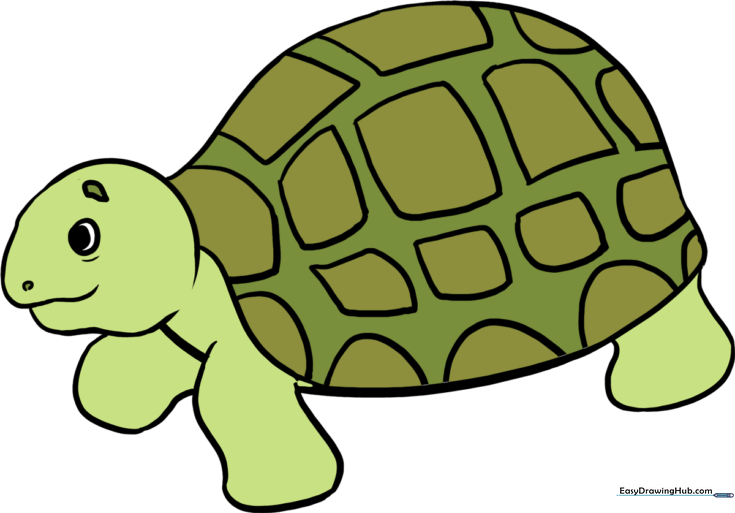
Practice drawing a shell by using a series of connected hexagons. It’s a great way to learn pattern repetition in art.
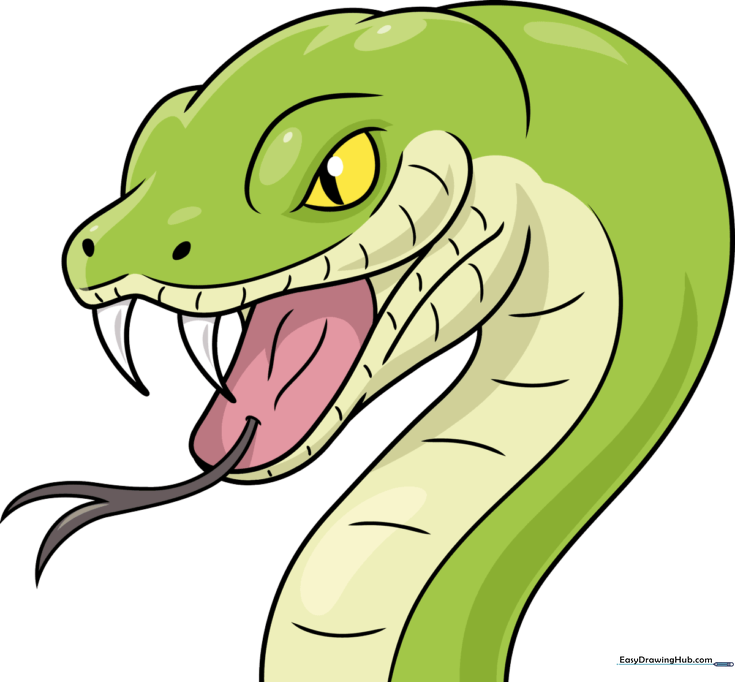
Snake Head
Focus on the eyes and tongue. Use a thin, sharp triangle for the forked tongue to give your snake a realistic, alert look.
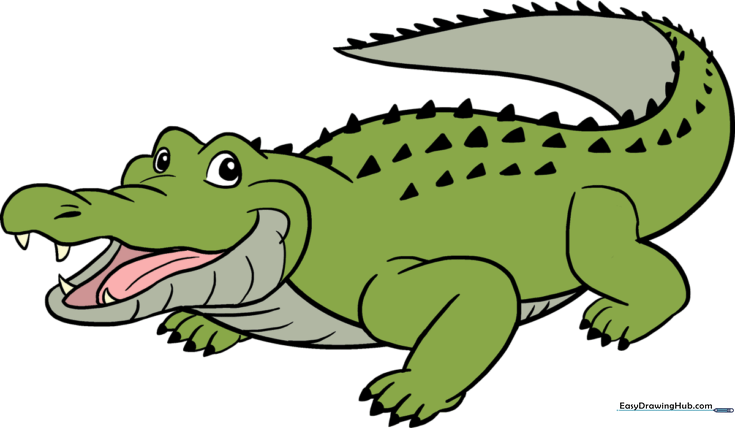
Alligator
Alligators have wide, U-shaped snouts. Use this to distinguish your drawing from a crocodile, which has a pointier, V-shaped snout.
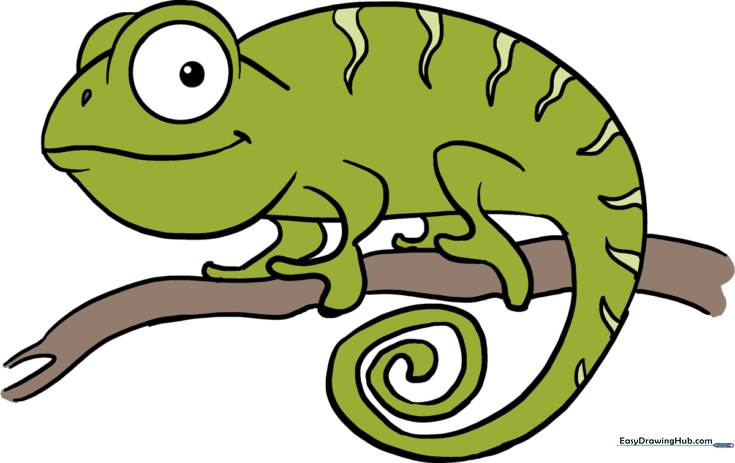
Chameleon
Have fun with the tail! Chameleons have prehensile tails that curl into a tight spiral. Draw the spiral first to anchor your composition.
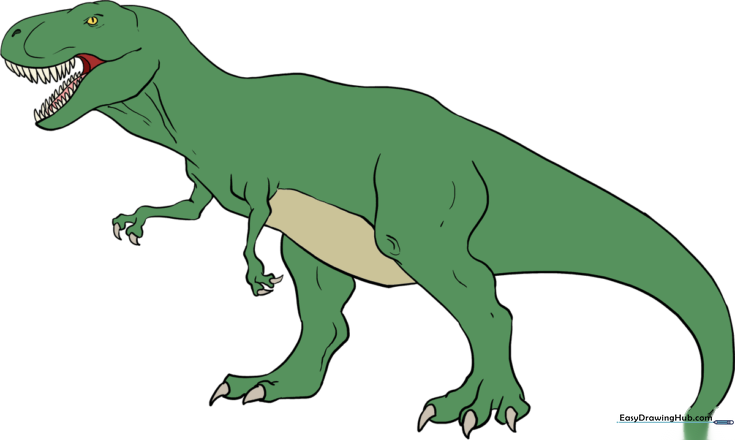
Tyrannosaurus Rex
Focus on the power. Use thick, heavy lines for the legs to show the T. rex's strength, and keep the arms small to maintain correct proportions.
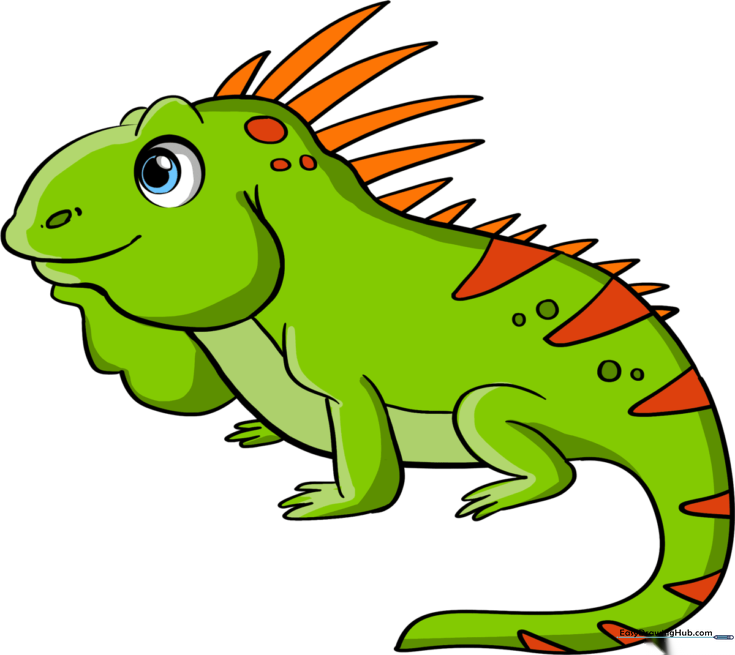
Iguana
Iguanas have a row of soft spines along their backs. Use a 'sawtooth' line to create this texture quickly and effectively.
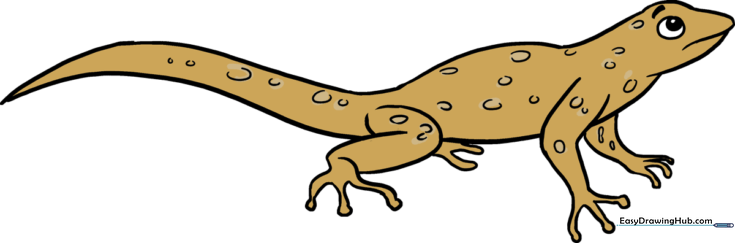
Lizard
The perfect starter lizard. Focus on the body shape—a long, low oval—to learn the basics of reptilian anatomy.
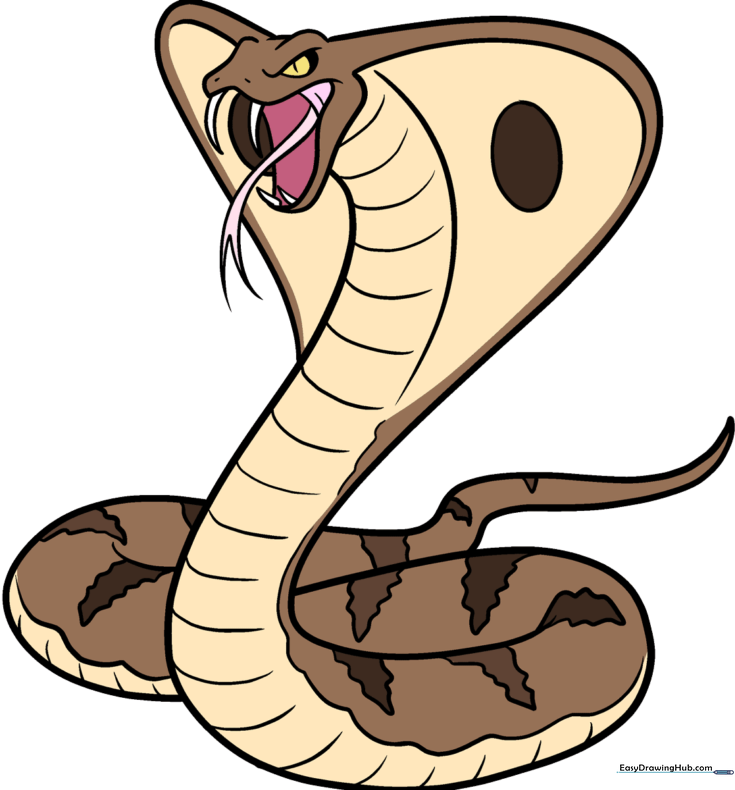
Cobra
The hood is the star. Draw the hood as two large, symmetrical curves extending from the head to give it that classic cobra silhouette.
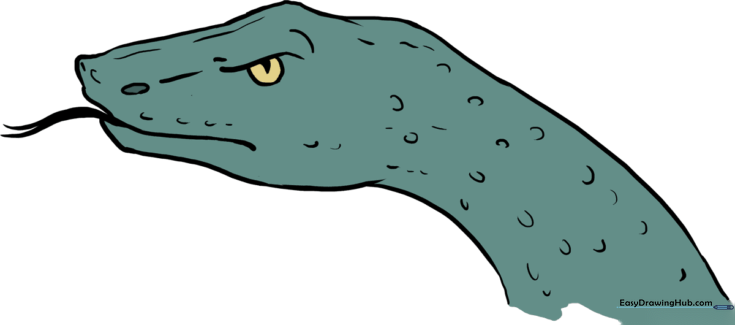
Snake Head
Practice your detail work. Use small, overlapping 'C' shapes to create the look of scales on the snake's skin.
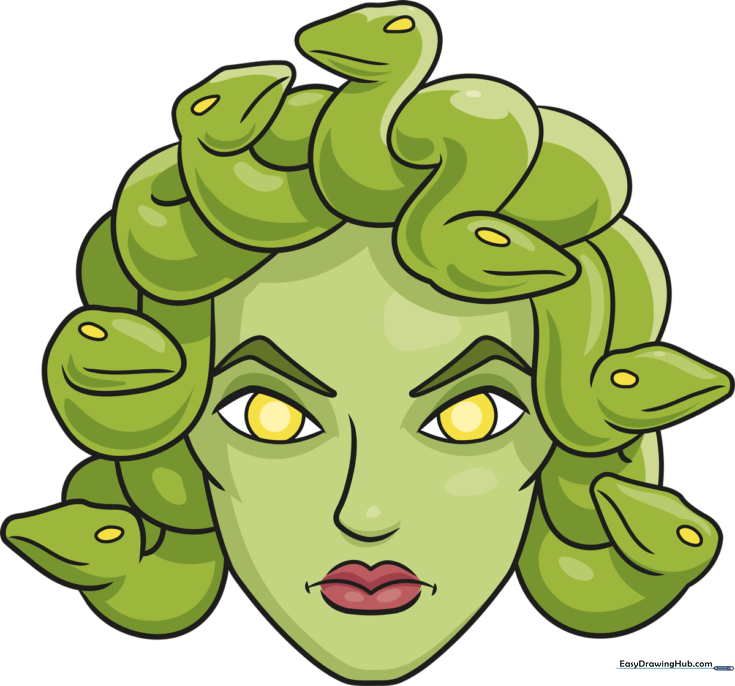
Medusa
A fun challenge! Treat each snake on her head as an individual character. Vary their curves to make the hair look dynamic and alive.
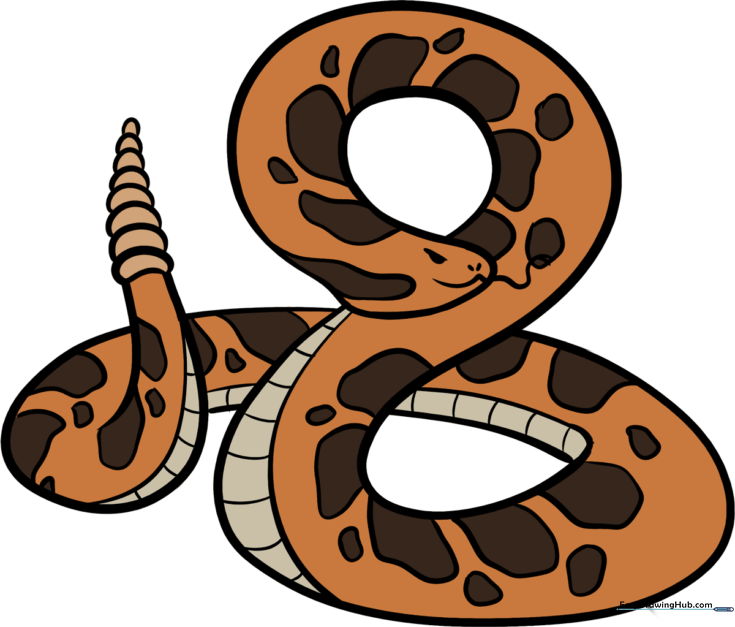
Rattlesnake
Don't forget the rattle! Draw it as a series of stacked, slightly rounded segments at the end of the tail.
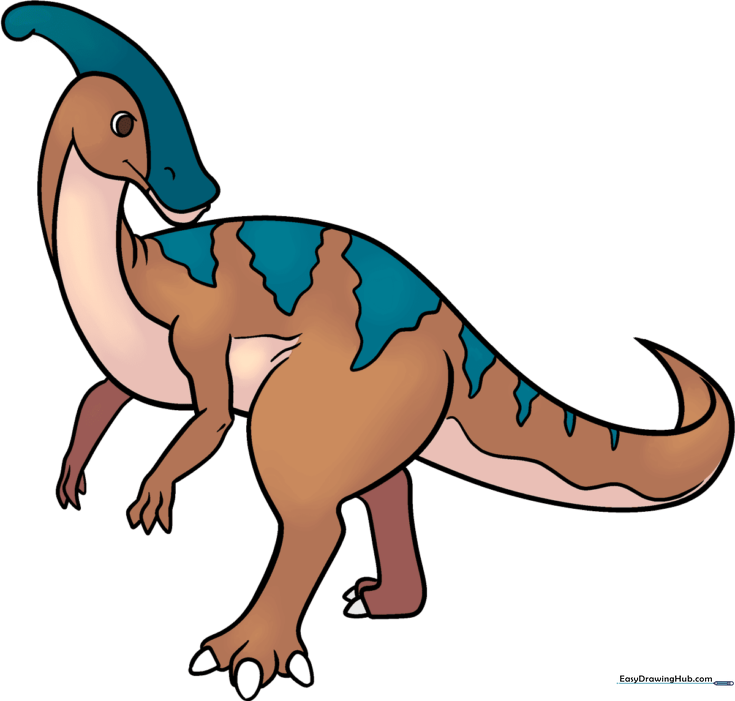
Parasaurolophus
The crest is key. Draw it as a long, elegant tube extending from the back of the head to give this dinosaur its signature look.
Velociraptor
Focus on the claw. The large, curved sickle-claw on the foot is what makes a raptor a raptor—make sure it stands out!
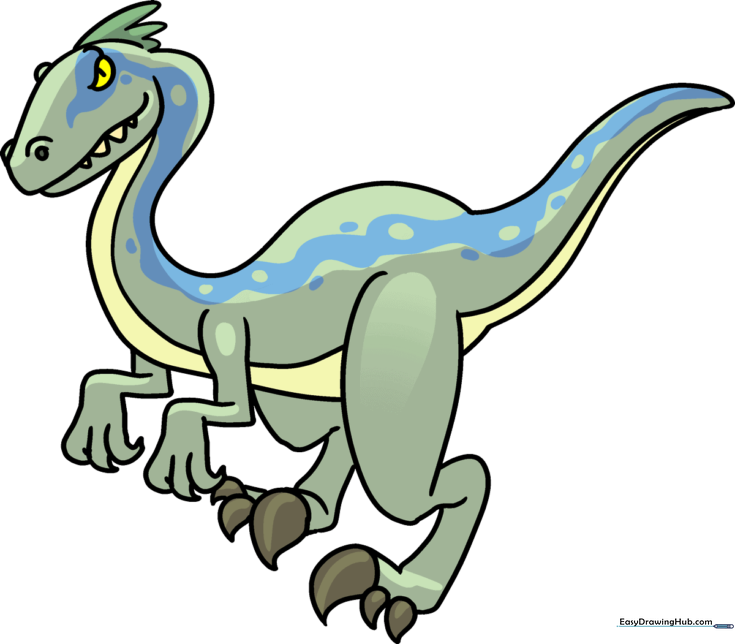
Cartoon Crocodile
Give him a big, toothy grin. Use simple triangles for the teeth to keep the drawing fun and approachable.
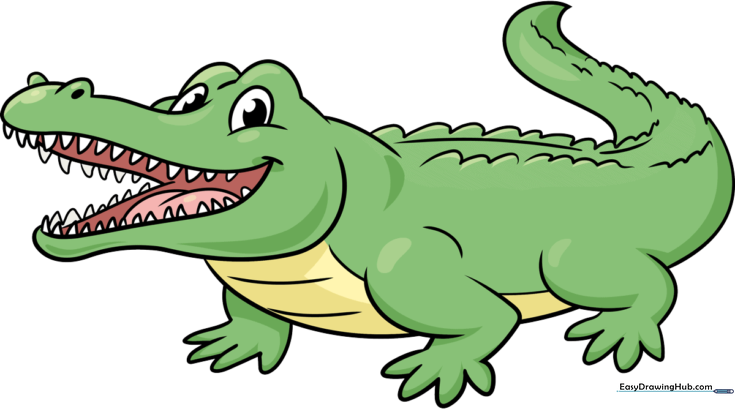
Cartoon Lizard
Play with perspective. Draw the lizard in a climbing pose to show off those amazing, sticky feet.
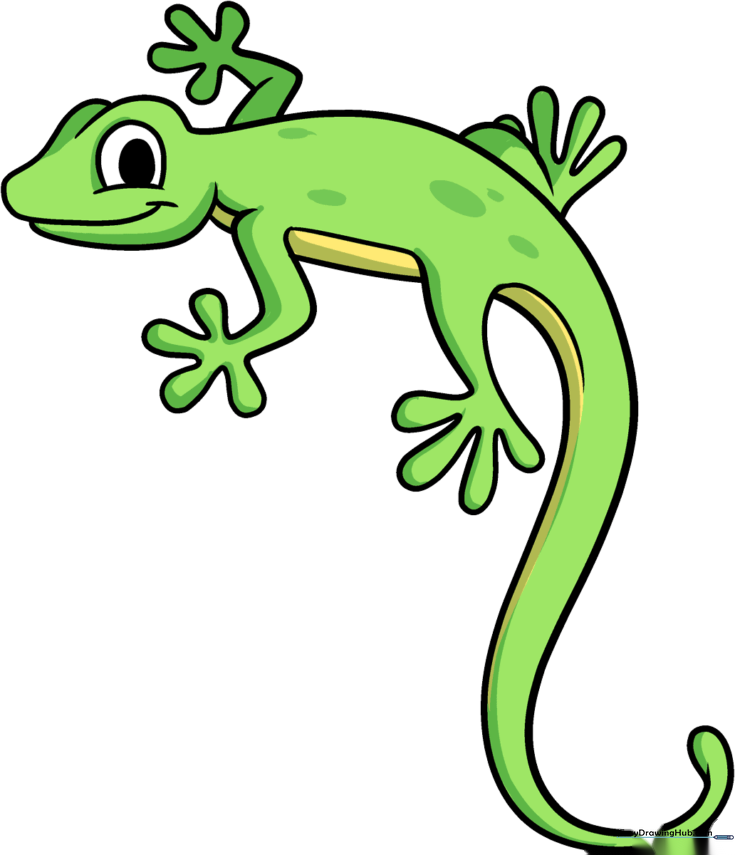
Easy Dinosaur for Kids
Keep it simple. Use basic geometric shapes—circles for the head and ovals for the body—to build your dinosaur step-by-step.
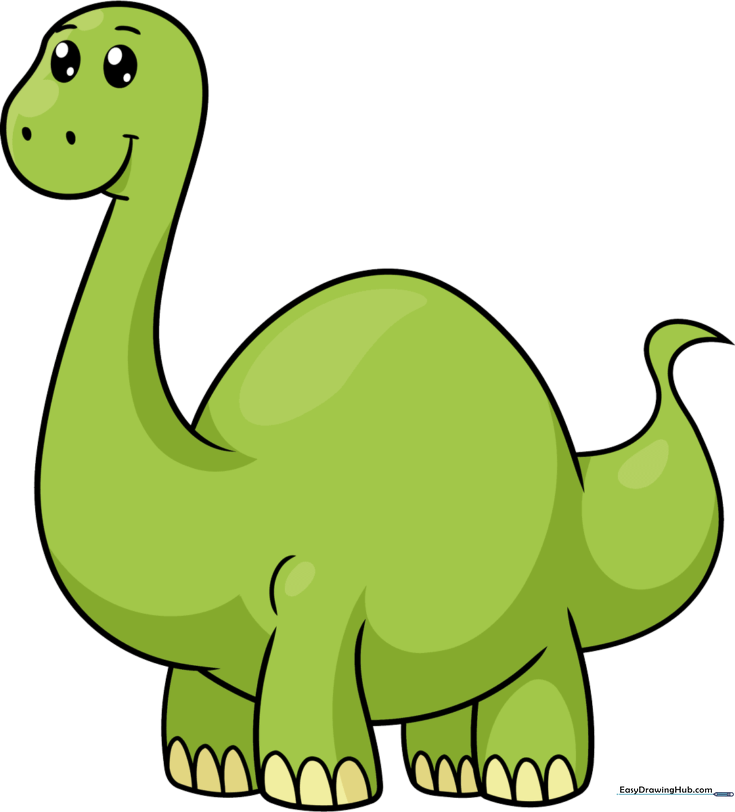
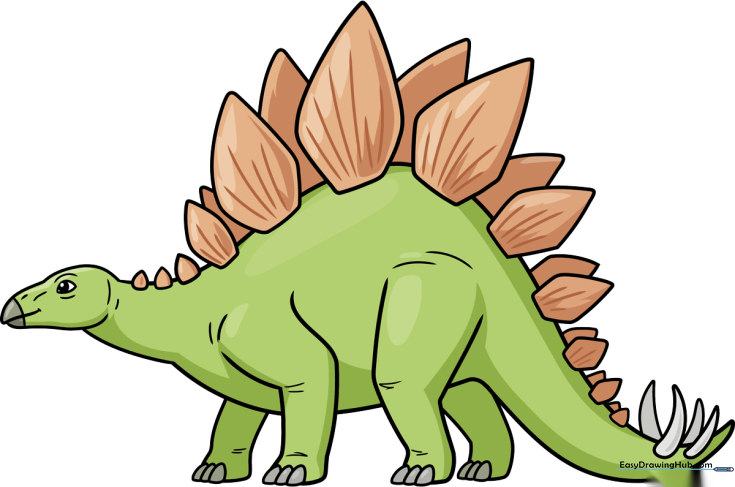
Stegosaurus
The plates are the focus. Draw them as a series of triangles along the back, varying their size for a natural look.
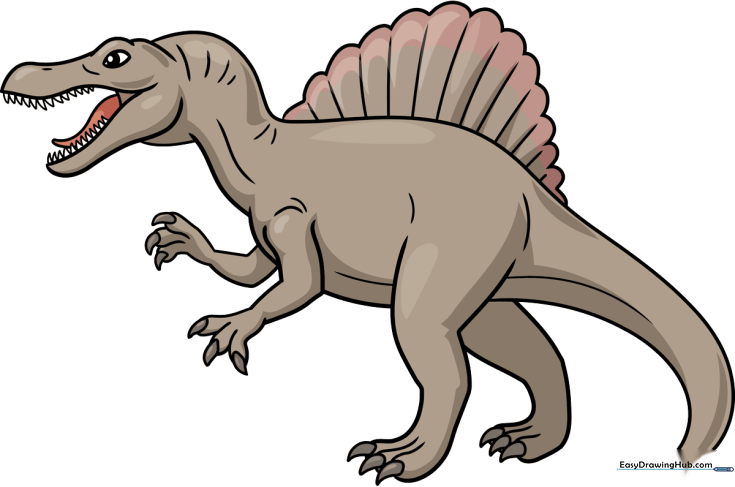
Spinosaurus
Draw the sail as a large, semi-circular fan on the back. Use light, vertical lines inside the sail to represent the supporting spines.
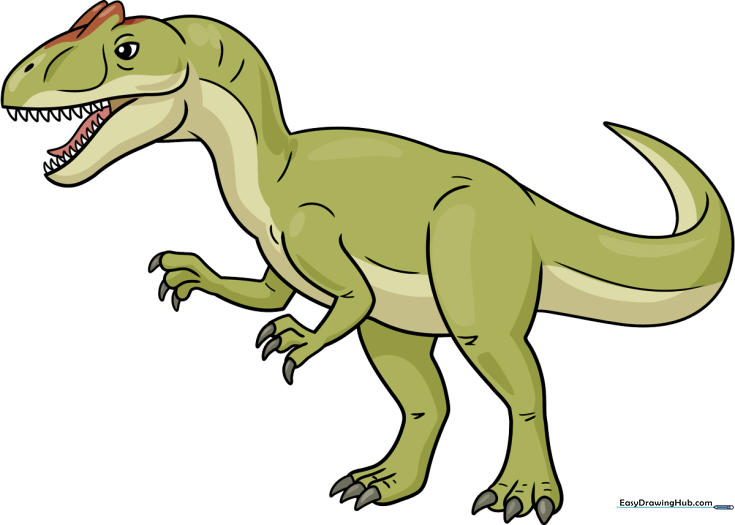
Allosaurus
Focus on the ridges above the eyes. These small, bony bumps give the Allosaurus its fierce, predatory expression.
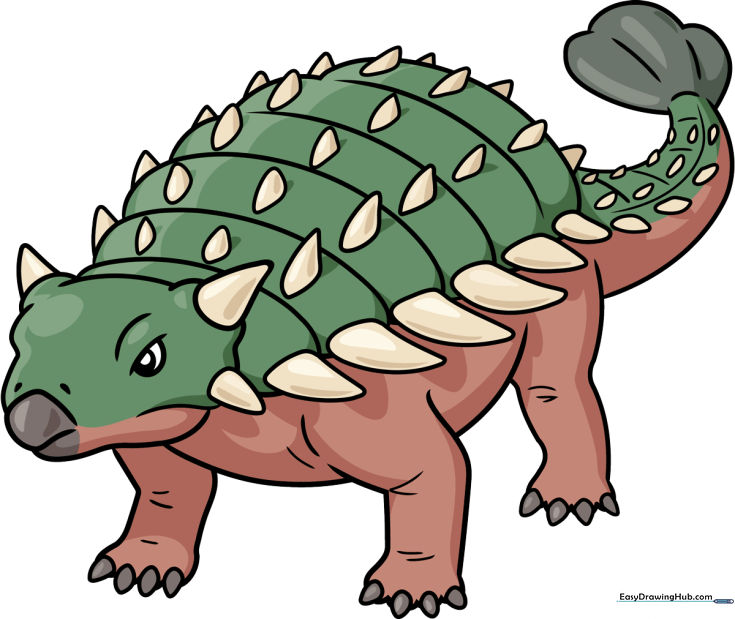
Ankylosaurus
Draw the armor! Use small, irregular shapes across the back to represent the bony plates that protected this tank-like dinosaur.
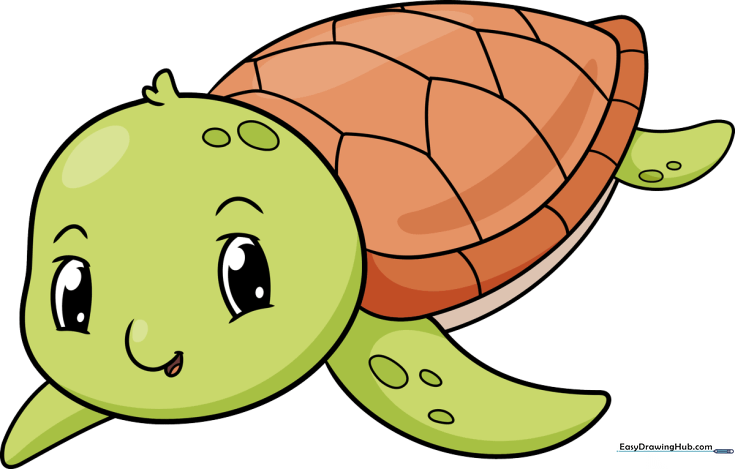
Baby Sea Turtle
Keep it cute. Use larger eyes and a slightly rounded shell to emphasize the 'baby' features of this little sea turtle.
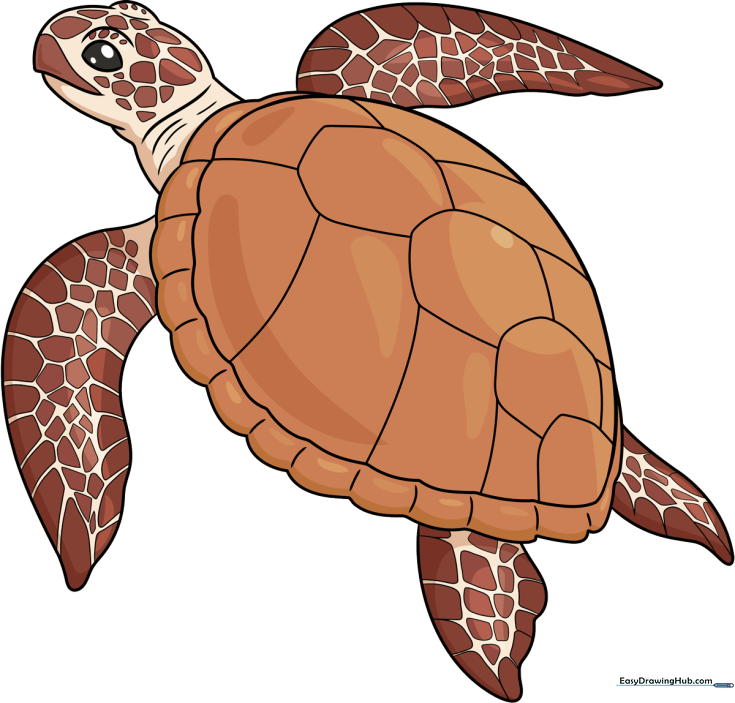
Realistic Sea Turtle
Focus on texture. Add small, irregular shapes to the skin to simulate the look of real turtle scales.
More Collections