35 Easy Science Drawing Ideas: Step-by-Step Tutorials
🖍️ 35 free tutorials
Spark curiosity with these 35 science-themed drawing tutorials, designed for young learners ages 6 and up. You only need a pencil, paper, and an eraser to bring lab equipment, space gear, and scientific wonders to life. These guided lessons help children practice geometric shapes while exploring the tools of discovery.
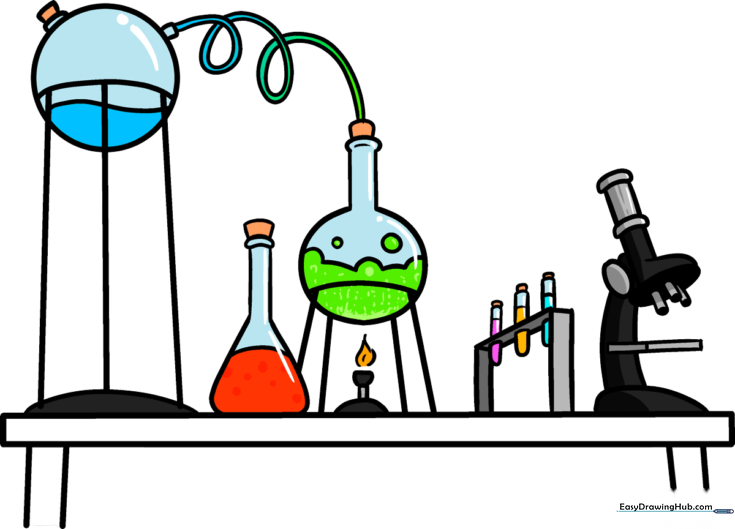
Science Laboratory
Build your own lab setup! This guide breaks down complex equipment like beakers and microscopes into simple, manageable shapes for young scientists.
School Library
Every great discovery starts with research. Practice drawing perspective with these organized bookshelves—a great way to teach children about spatial awareness.

Friendly Robot
Combine geometry and imagination! This tutorial helps kids build a robot using basic squares and circles, perfect for practicing symmetrical drawing.

Laptop Computer
Technology is a key tool for modern science. Use this tutorial to master drawing clean, straight lines and rectangular proportions.

Cartoon Scientist
Bring science to life with a fun, expressive character. This lesson focuses on facial features and hair, helping kids learn to draw personality.

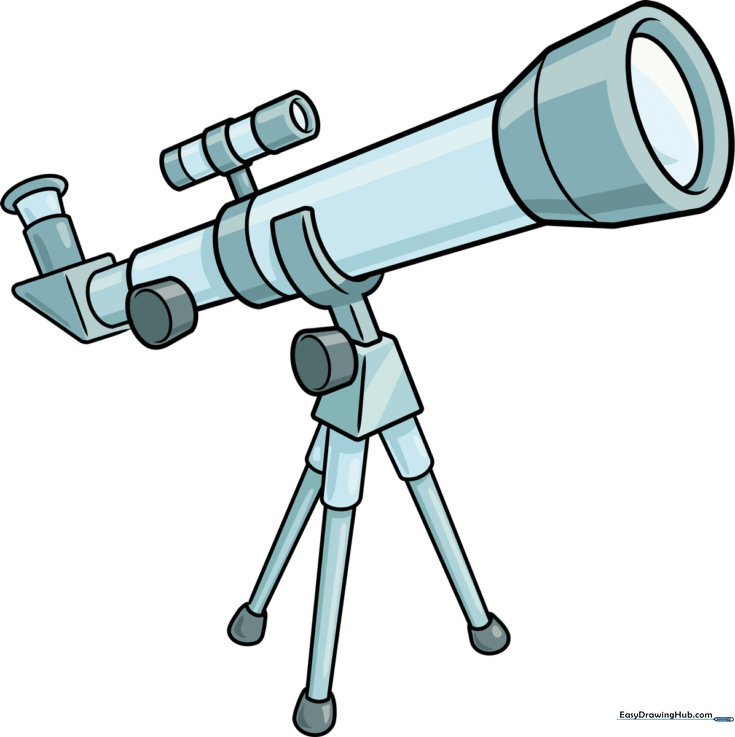
Telescope
Look to the stars! This guide uses overlapping cylinders and triangles to teach kids how to draw complex scientific instruments with ease.
Open Book
Books are the foundation of knowledge. Practice drawing curves and pages to add a classic, studious element to your science-themed drawings.

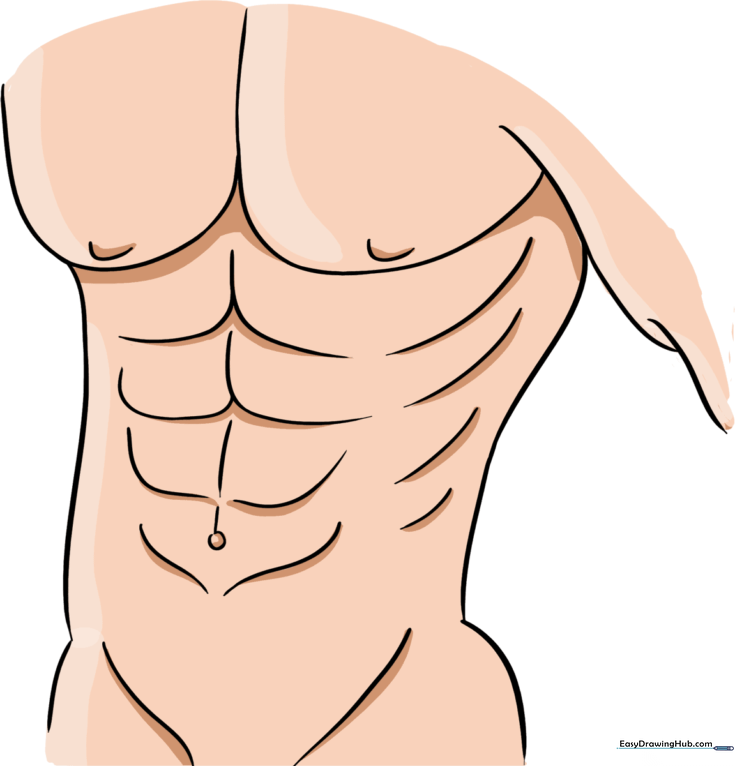
Human Abs
Explore human biology! This simplified diagram helps young learners understand muscle groups through basic shapes and shading techniques.
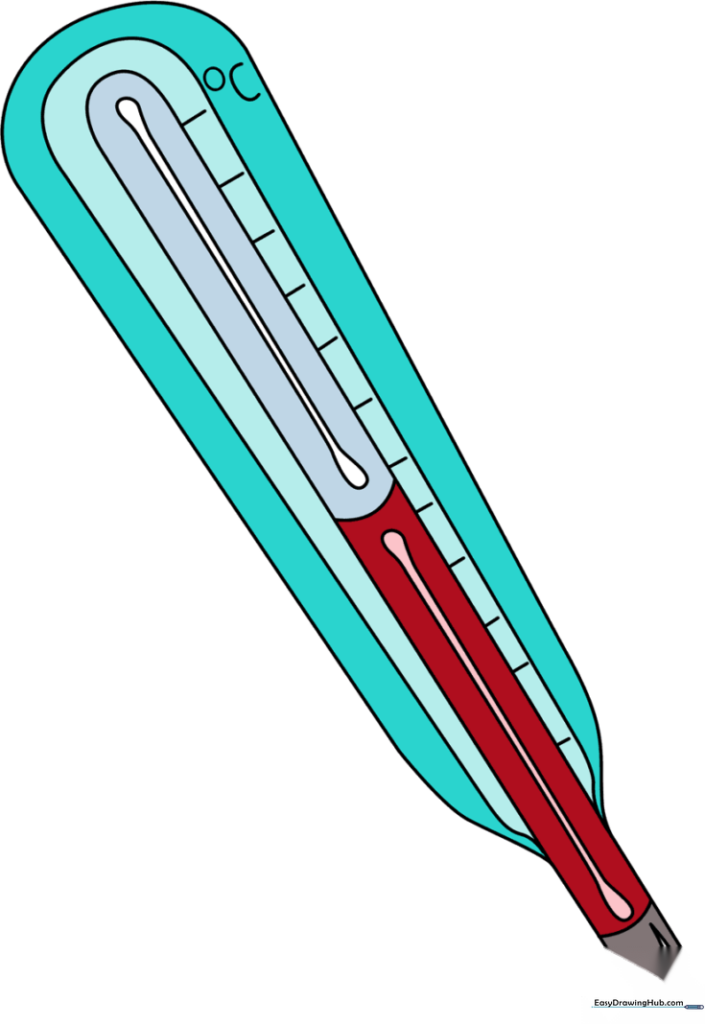
Thermometer
Measure the world around you. This tutorial teaches how to draw a clean, vertical scale—a great exercise for precision and steady hand control.
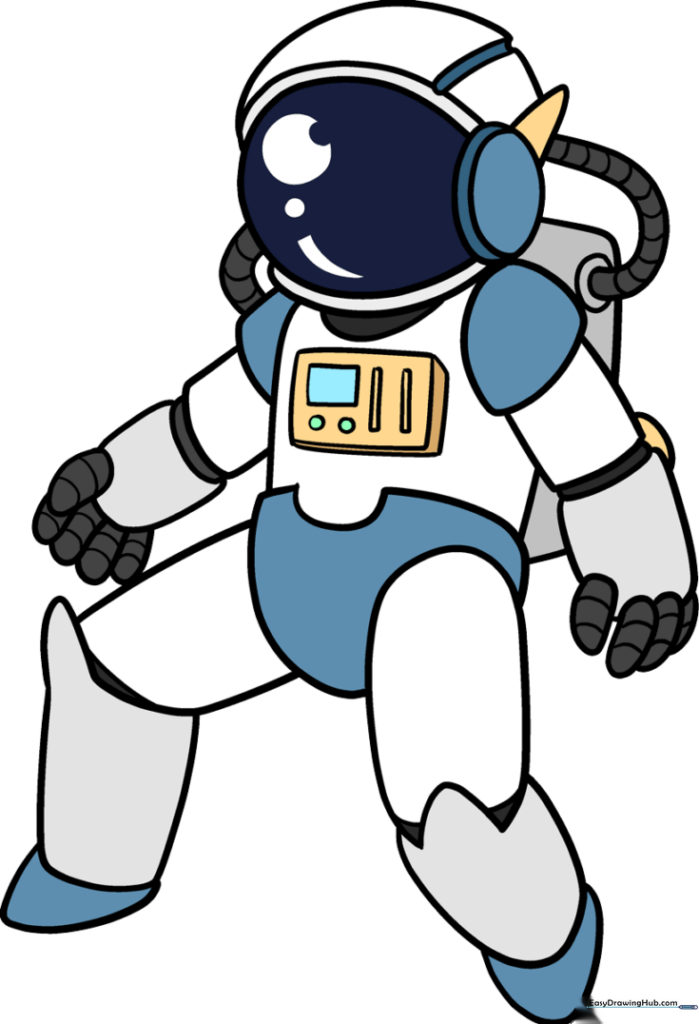
Astronaut
Blast off into space! This tutorial breaks down the complex astronaut suit into simple, rounded forms that are easy for kids to follow.
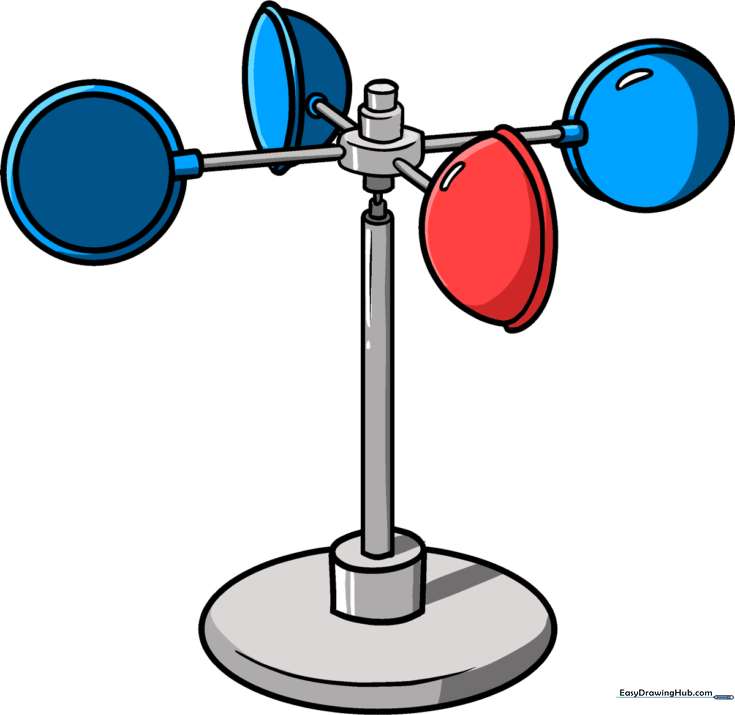
Anemometer
Learn about weather science! This drawing project introduces kids to mechanical parts like spinning cups and central axes.
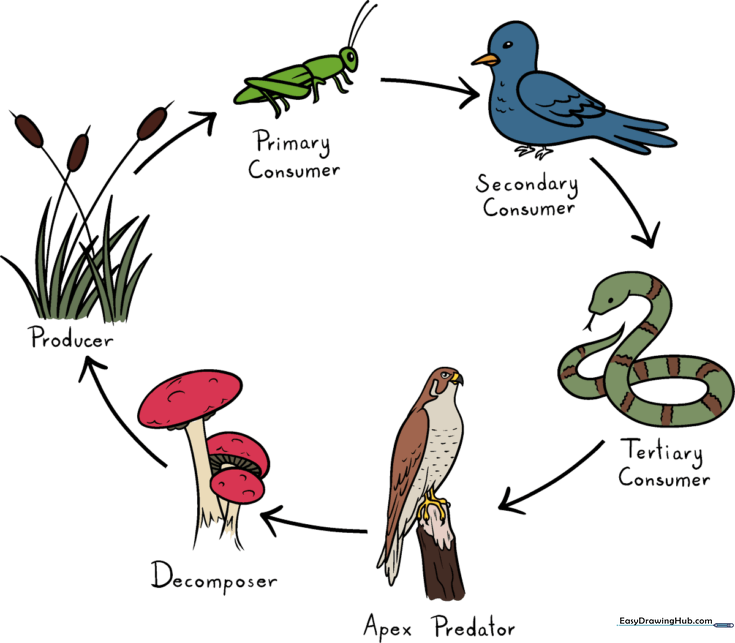
Food Chain
Visualizing ecology is fun! This tutorial guides you through drawing a simple ecosystem, perfect for school projects and science reports.
Explosion
Add some drama to your science sketches! Learn to draw dynamic, jagged shapes that represent energy and movement.
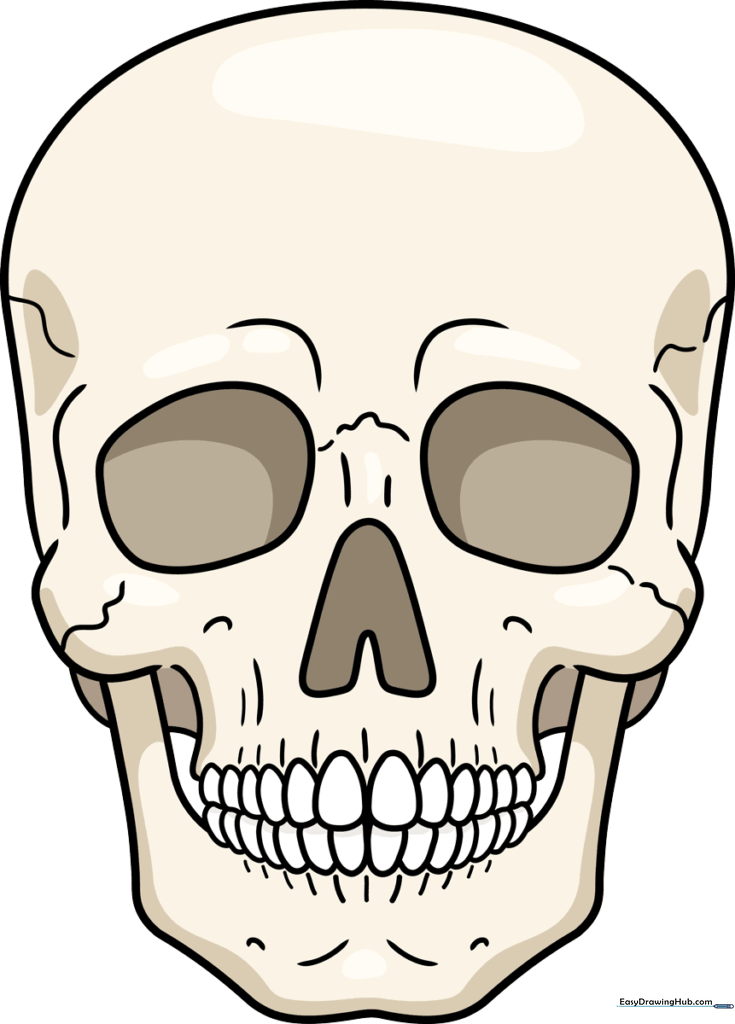
Realistic Skull
A classic study in anatomy. This lesson breaks down the skull into simple sections, making it accessible for young biology enthusiasts.
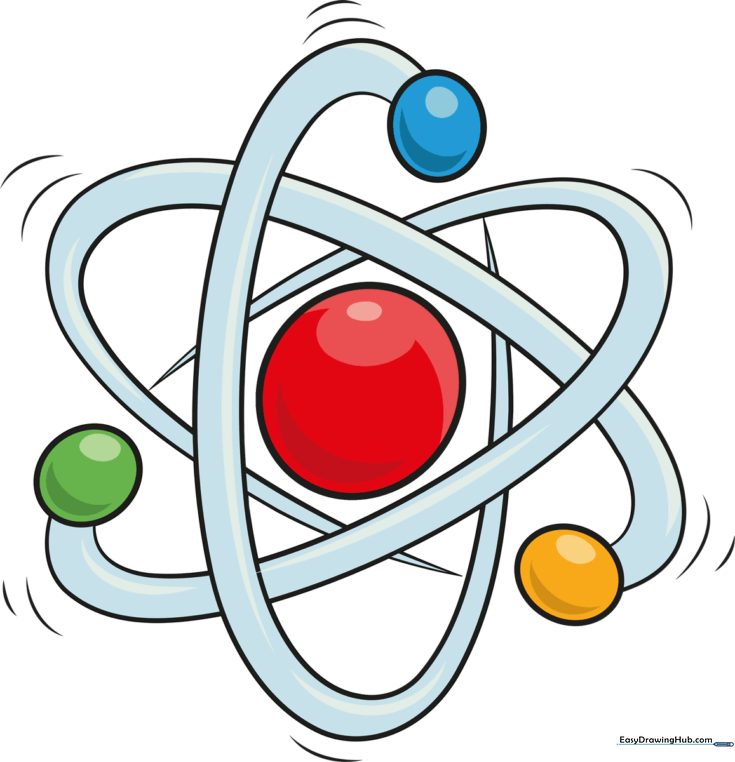
Atom
The building block of everything! This simple, circular design is perfect for practicing symmetry and clean, curved lines.
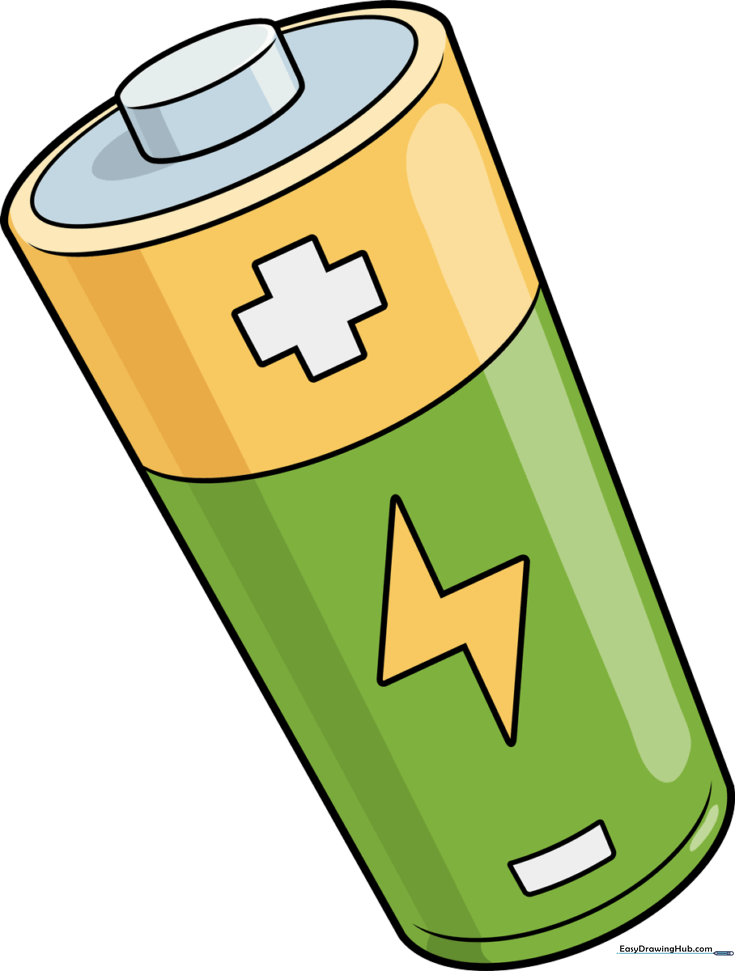
Battery
Learn to draw the power source of your gadgets! This tutorial uses simple rectangular shapes to teach perspective and depth.
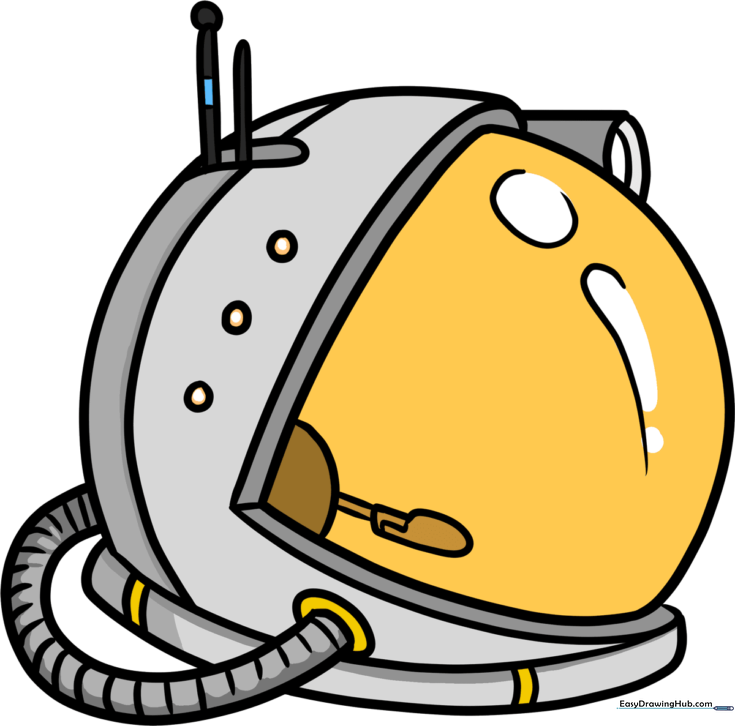
Astronaut Helmet
Focus on the details! This tutorial helps kids practice drawing smooth curves and reflective surfaces on a space helmet.
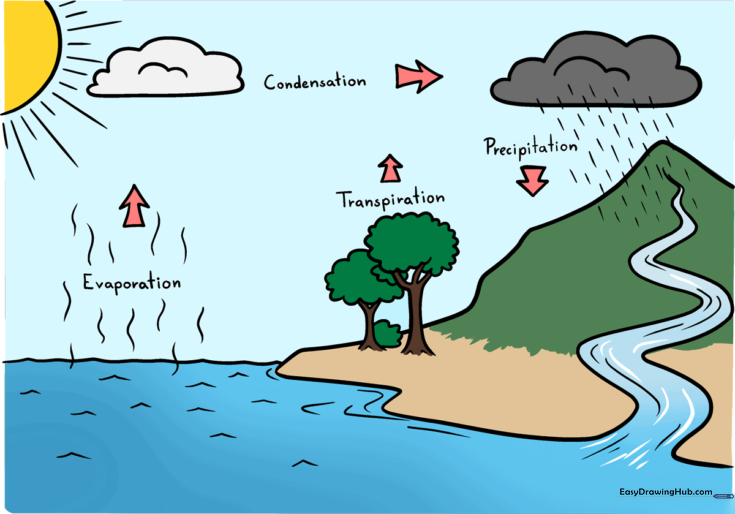
Water Cycle
Make science notes beautiful! This chart explains the water cycle through simple, easy-to-draw symbols for clouds, rain, and mountains.
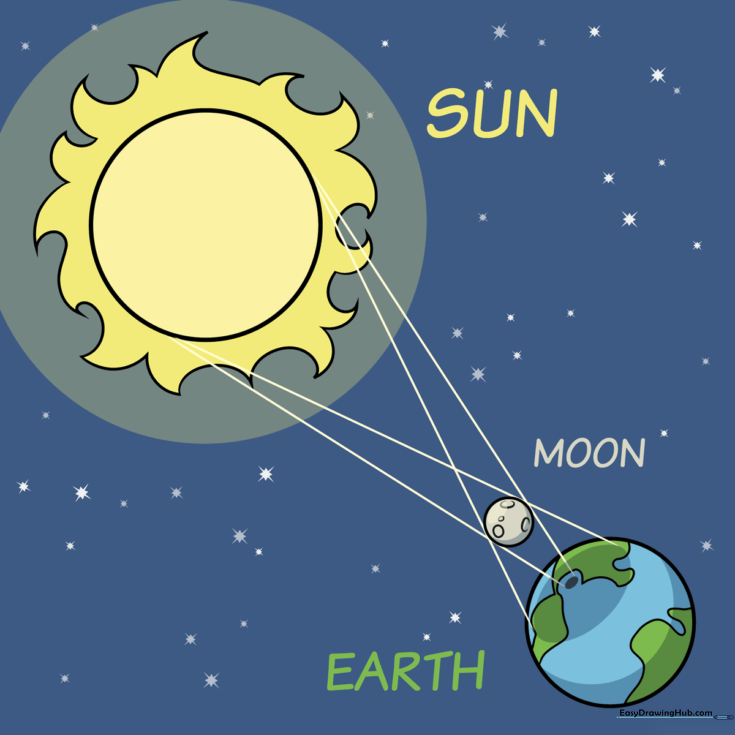
Solar Eclipse
Explore astronomy! This tutorial teaches how to draw the alignment of the sun and moon, perfect for learning about celestial events.
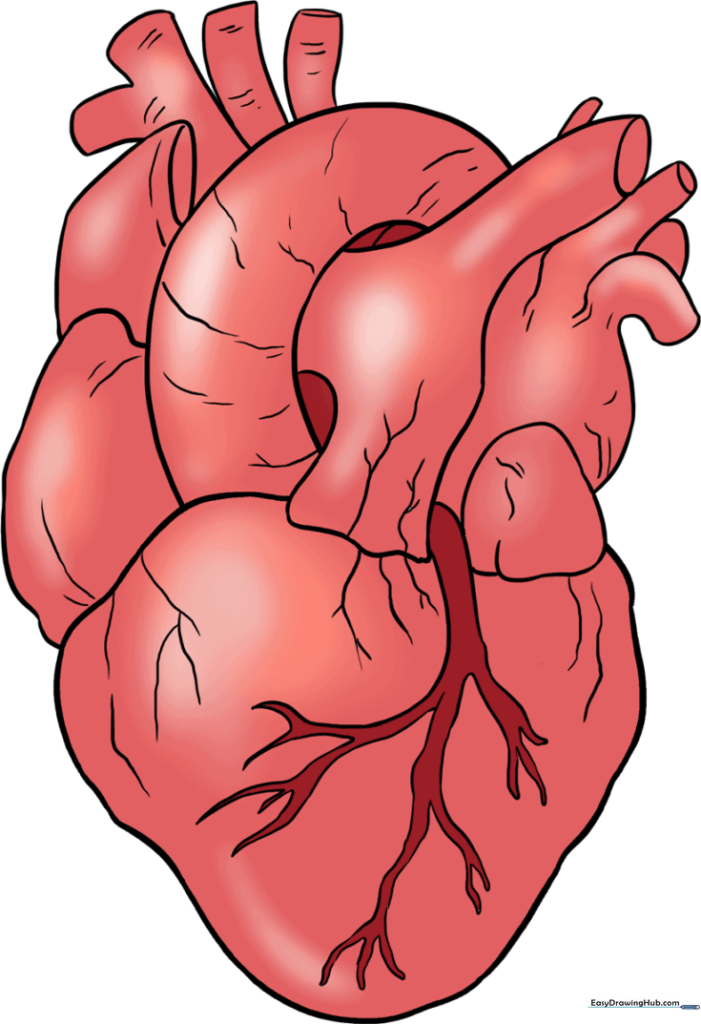
Human Heart
Learn the anatomy of the heart! This guide helps you draw the chambers and arteries with clear, simple lines for a realistic look.
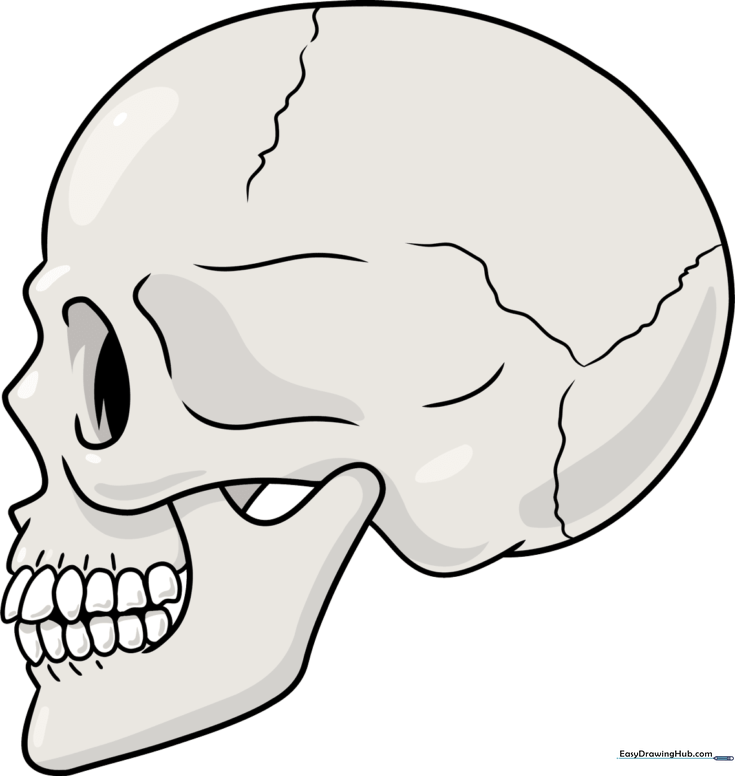
Skull in Profile
A great follow-up to the front-view skull. This lesson helps kids understand how to draw bone structure from a side angle.
Magnifying Glass
See the world up close! This tutorial is perfect for practicing drawing circles and handles, adding a fun tool to your science collection.

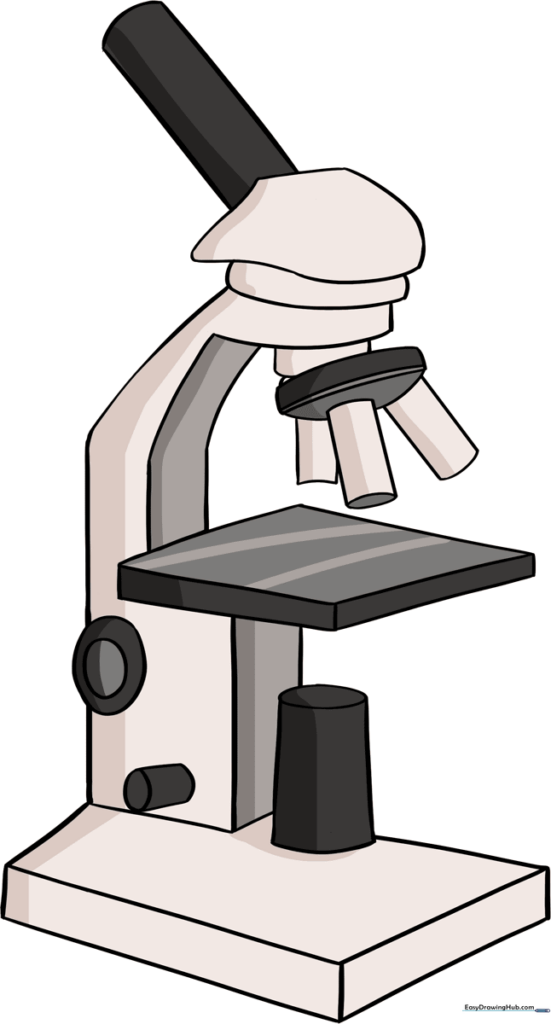
Microscope
Explore the tiny world! This guide breaks down the complex parts of a microscope into simple shapes, making it a fun challenge for young artists.
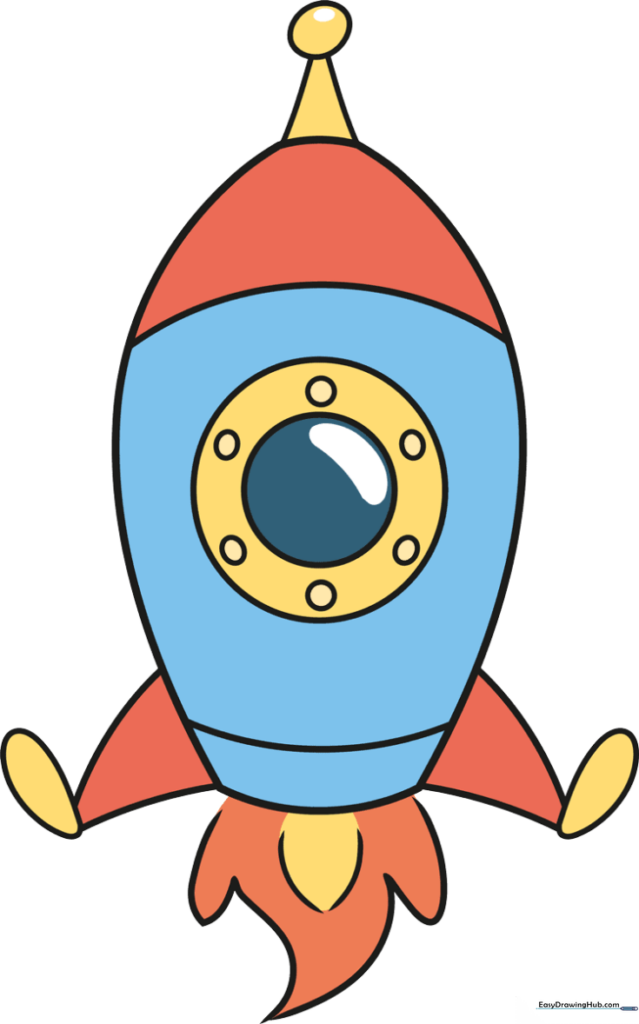
Cartoon Space Rocket
Ready for takeoff! This fun, retro-style rocket is easy to draw using basic shapes and is a great way to spark interest in space travel.
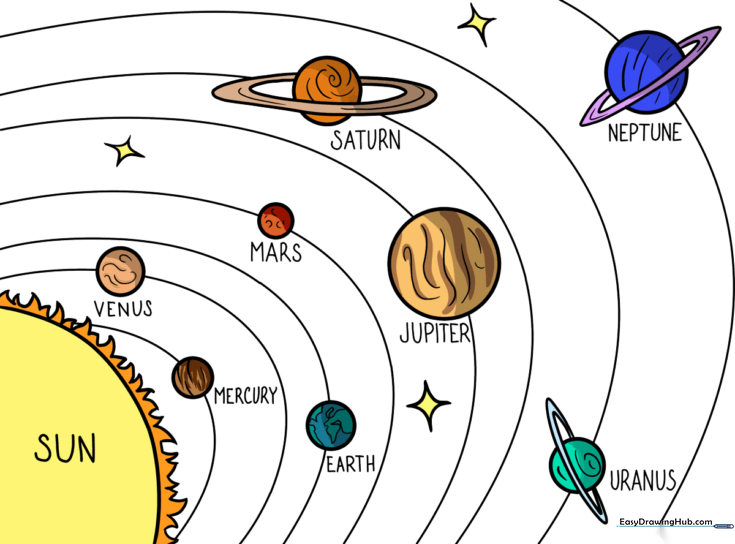
Solar System
Map the planets! This tutorial helps you draw the solar system in order, making it a perfect visual aid for science learning.
Weathervane
Learn to draw a classic rooster weathervane. Tip: Use a ruler to keep the directional arms perfectly straight, then add soft curves to the rooster's feathers for contrast.
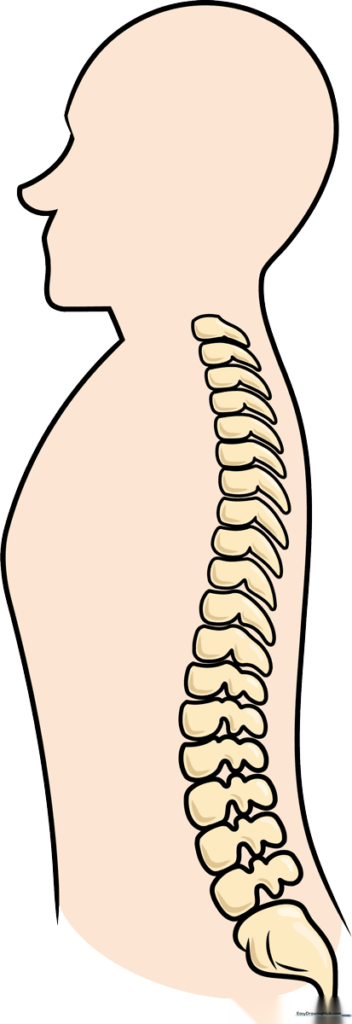
Human Spine
Simplify human anatomy by drawing the vertebrae. Tip: Focus on drawing small, stacked oval shapes to represent the bones, which helps kids understand the spine's flexible structure.
Isaac Newton
Sketch the father of gravity. Tip: Start with the wig's large, rounded curls to capture the 17th-century style, then add the iconic apple as a fun scientific prop.

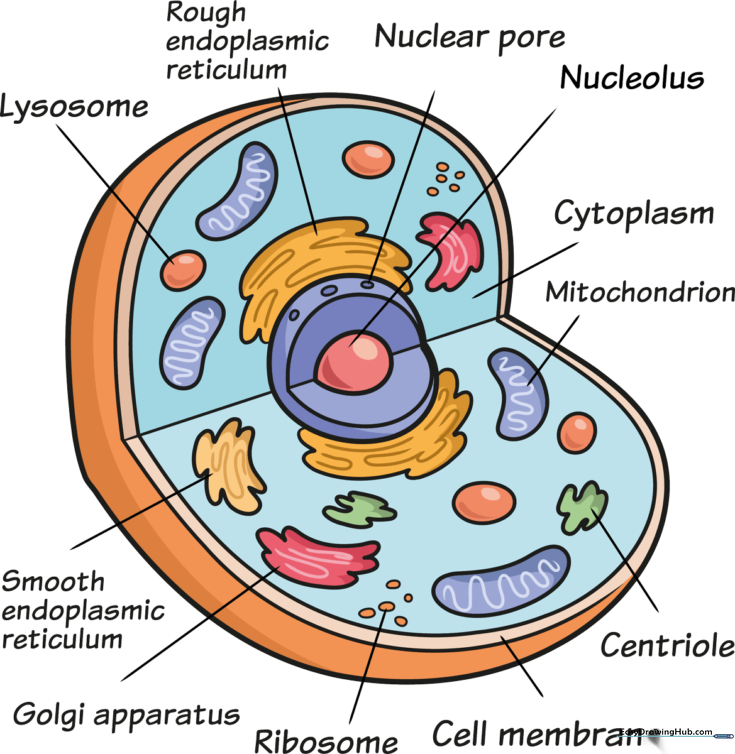
Animal Cell
Map out the parts of a cell. Tip: Use different colors for the nucleus and organelles to help kids memorize the different functions of each cell component.
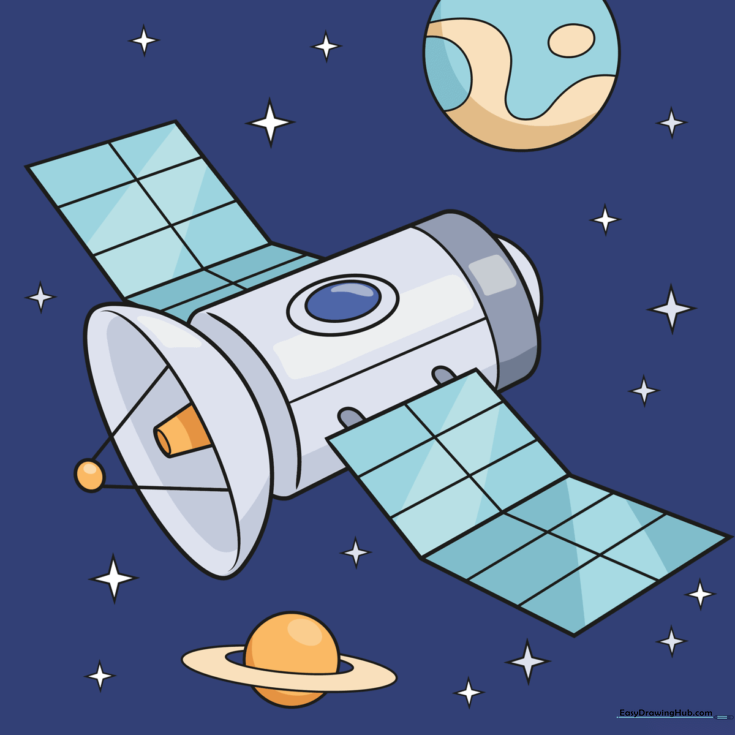
Satellite
Draw a space satellite. Tip: Use geometric shapes like rectangles for the solar panels to practice clean, sharp lines and symmetry.
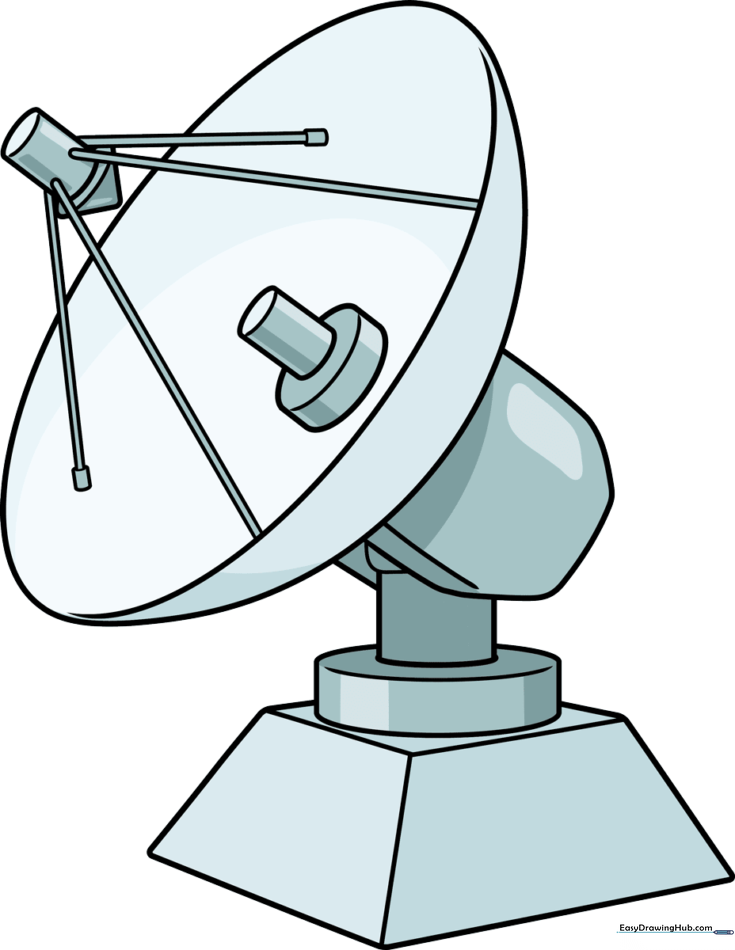
Radar Antenna
Create a radar antenna sketch. Tip: Draw the dish as a wide oval first, then add the support stand to give the object a sense of depth and stability.
Easy Globe
Draw a world globe. Tip: Lightly sketch the continents as irregular blobs before defining their edges; this makes the geography look more natural and less forced.

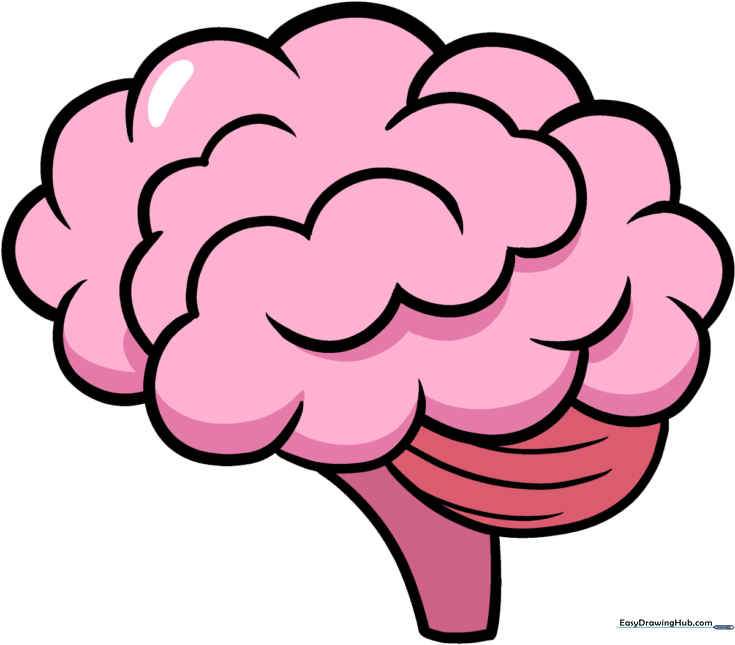
Cartoon Brain
Draw a friendly brain. Tip: Use wavy, interconnected lines to represent the cortical folds. Don't worry about perfection; brains are naturally irregular!
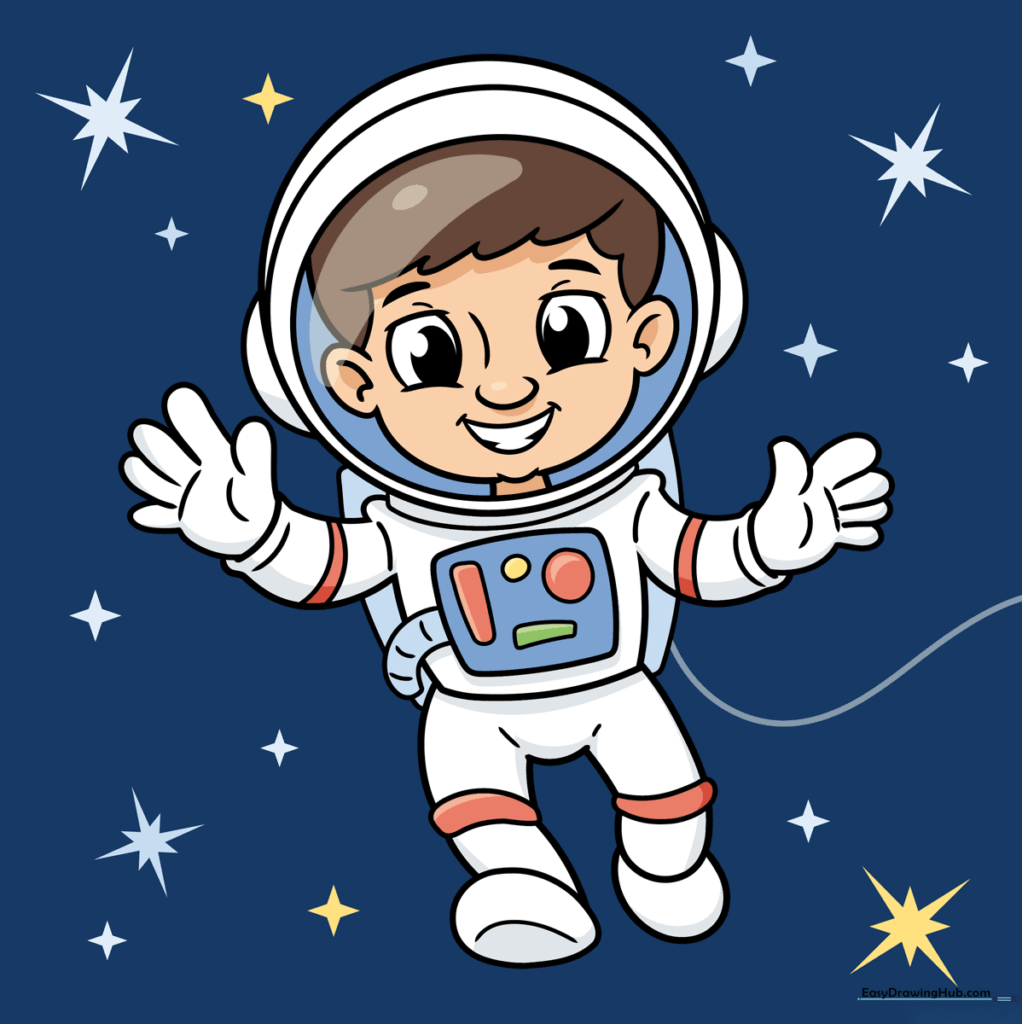
Cartoon Astronaut
Sketch a space explorer. Tip: Draw the helmet as a large, perfect circle first, then add the suit details around it to ensure the proportions look right.
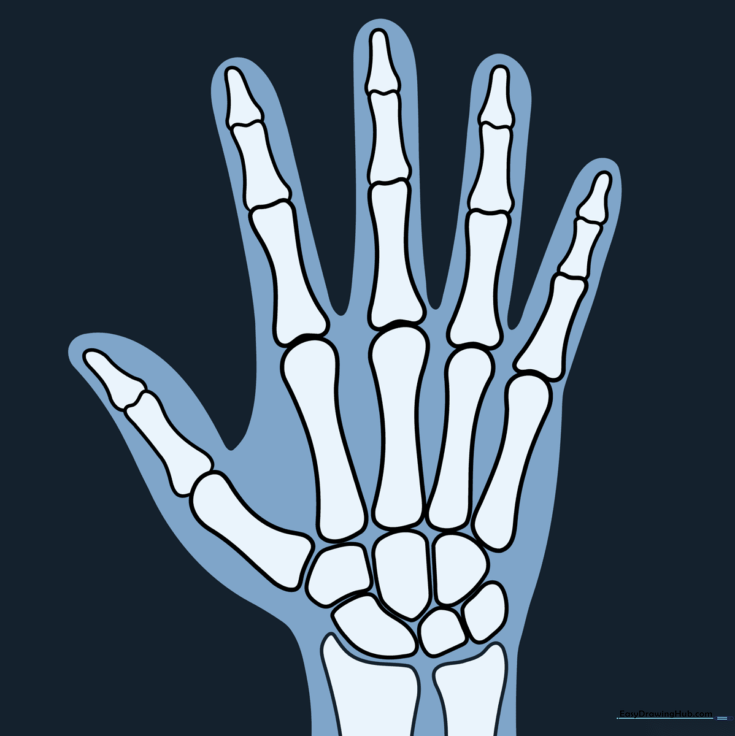
X-Ray
Create a hand X-ray drawing. Tip: Use a black background and white pencil or crayon to create a high-contrast 'medical' look that really pops.
More Collections