28 Easy Weather Drawing Tutorials for Kids & Beginners
🖍️ 28 free tutorials
Bring the elements to life with these 28 guided weather drawing tutorials, perfect for artists ages 5 and up. All you need is a pencil, paper, and an eraser to start exploring everything from gentle rain showers to powerful storms. These lessons help children understand atmospheric concepts while building confidence through simple, repeatable shapes.
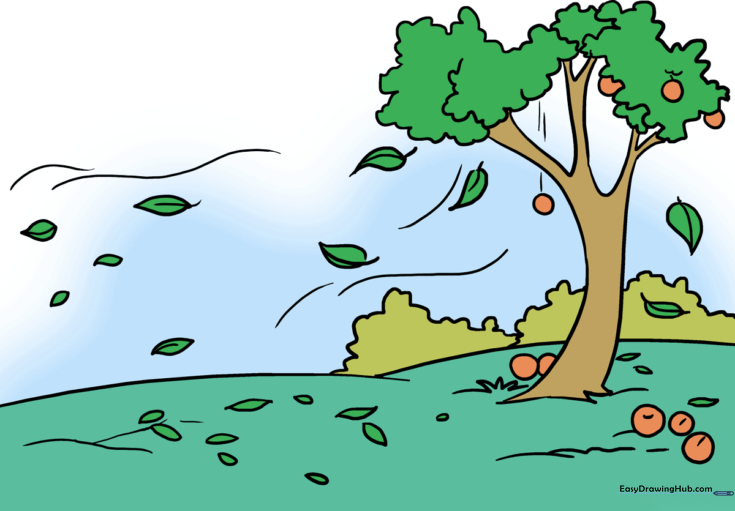
Fall Scenery
Capture the crisp feeling of autumn. Use long, sweeping motion lines to show wind movement and focus on drawing small, teardrop shapes for falling leaves.
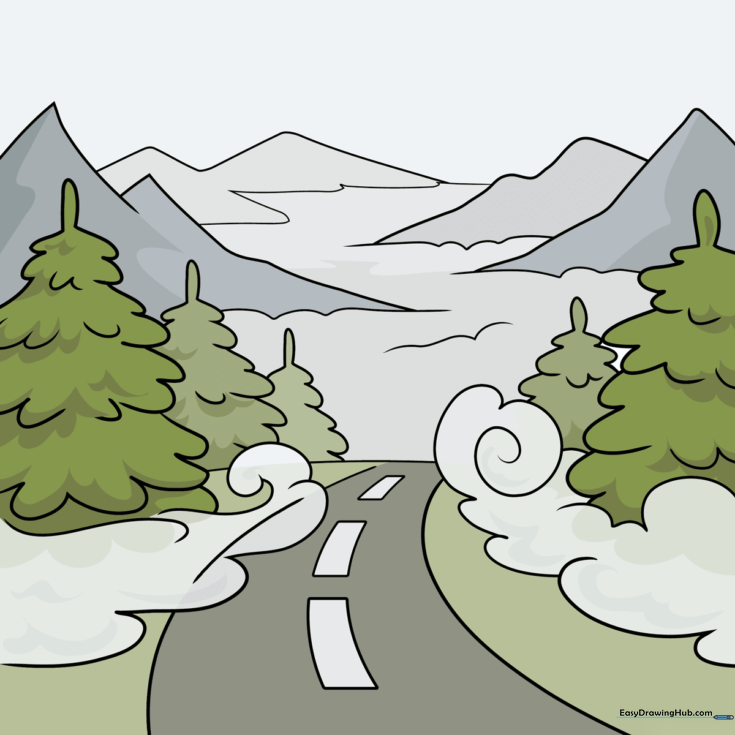
Fog
Fog is just a low-lying cloud. Use soft, hazy pencil strokes at the base of your mountains to create the illusion of mist settling on the ground.
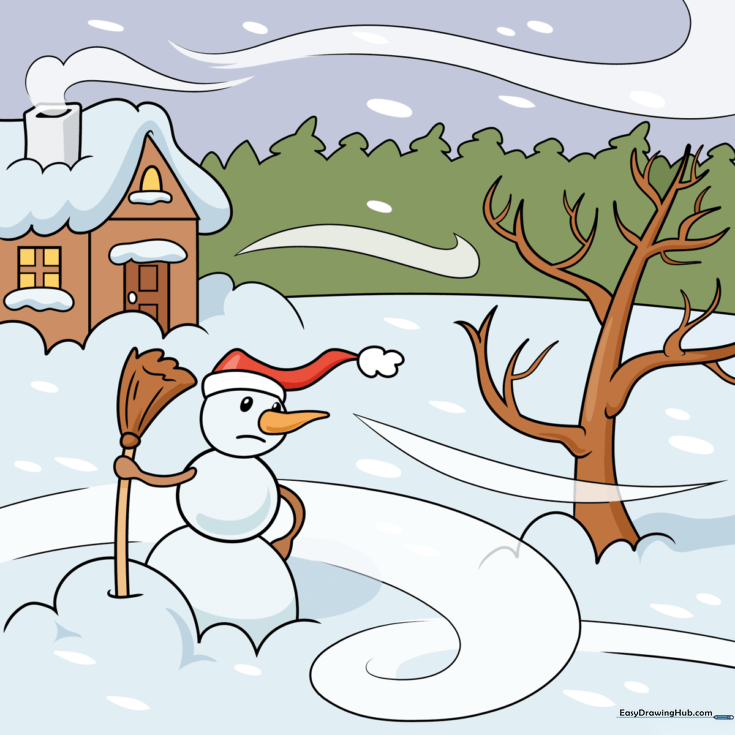
Blizzard
Create a high-energy winter scene. Use diagonal, overlapping lines to represent wind and varying sizes of dots to show heavy, swirling snowfall.
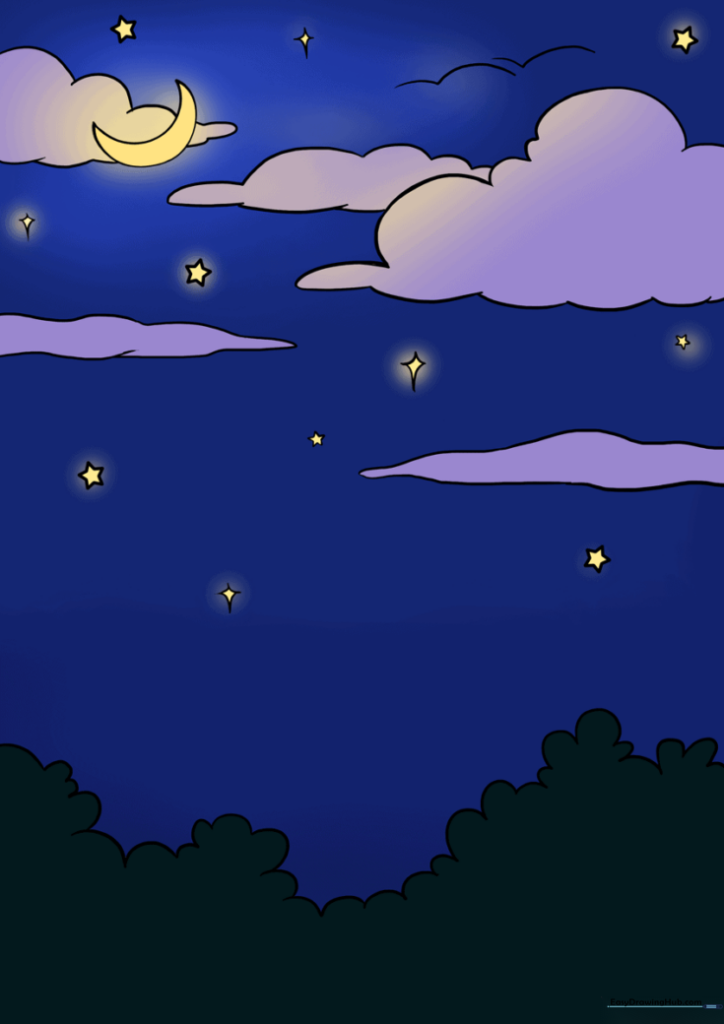
Night Sky
The night sky is a canvas of contrast. Use circular motions for clouds and leave plenty of negative space to represent the dark, vast atmosphere.
Lightning
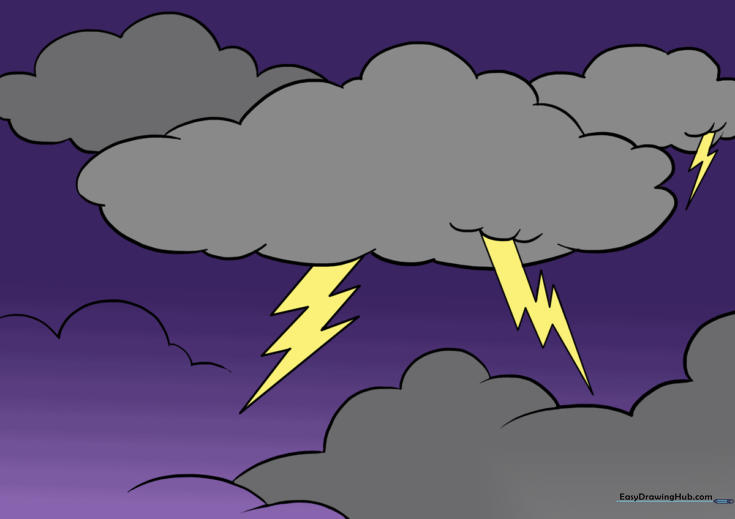
Lightning is all about jagged, sharp angles. Use a 'Z' or 'N' shape as a base, then thicken the lines to make the bolt pop against dark clouds.
Flood
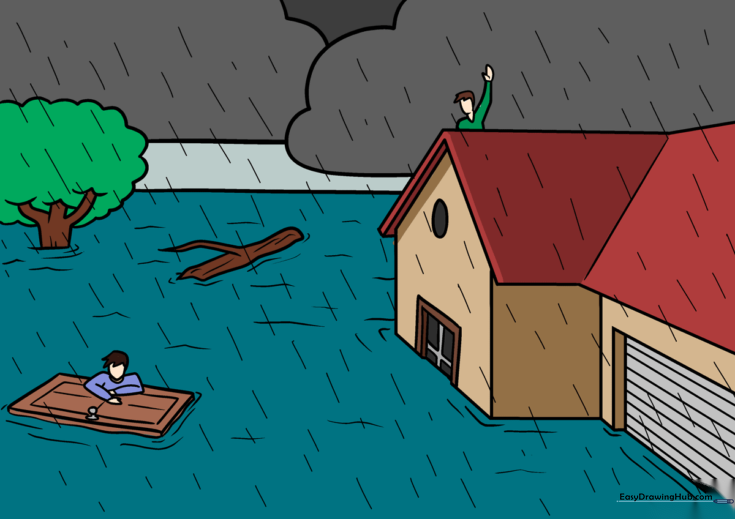
Focus on horizontal lines to represent rising water levels. Use simple shapes for debris to show the impact of heavy rain on the landscape.
Rainbow
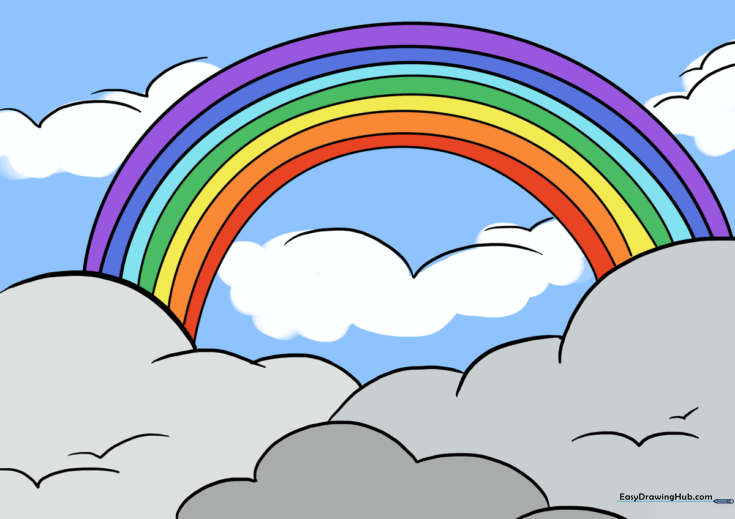
Rainbows are perfect for practicing color order. Use a series of concentric arcs, and remember: Red is always on the outside, purple on the inside!
Drought
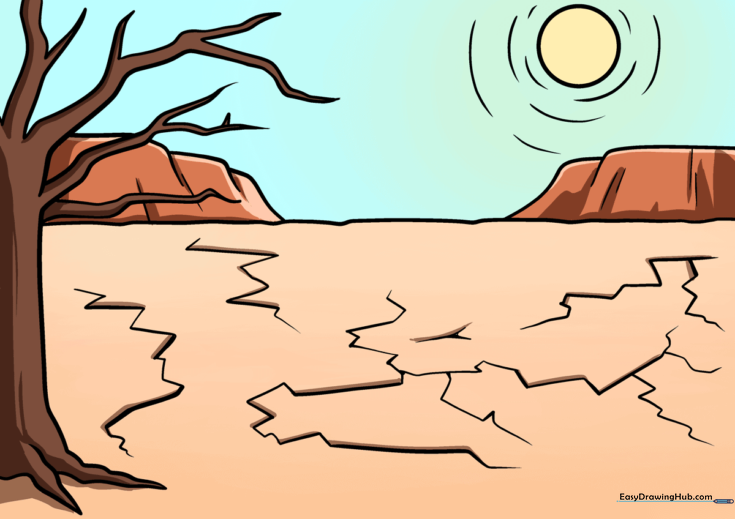
Contrast is key here. Use dry, cracked ground textures and leafless, skeletal tree branches to show the effects of a long dry spell.
Rain
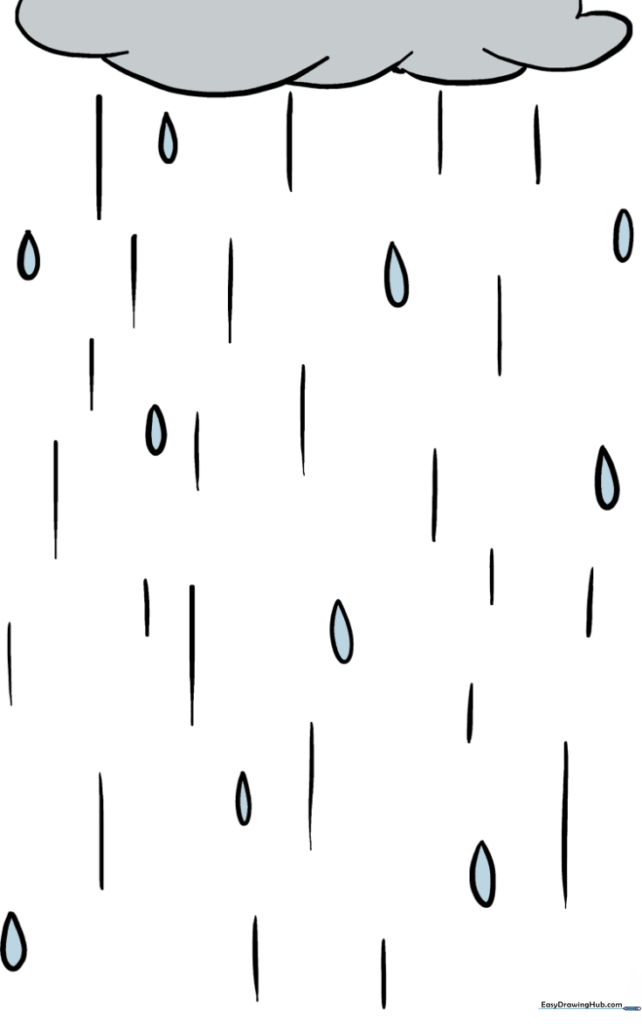
Use short, parallel diagonal lines to create the effect of falling rain. Varying the length of the lines can make the rain look like a light drizzle or a downpour.
Thunderstorm
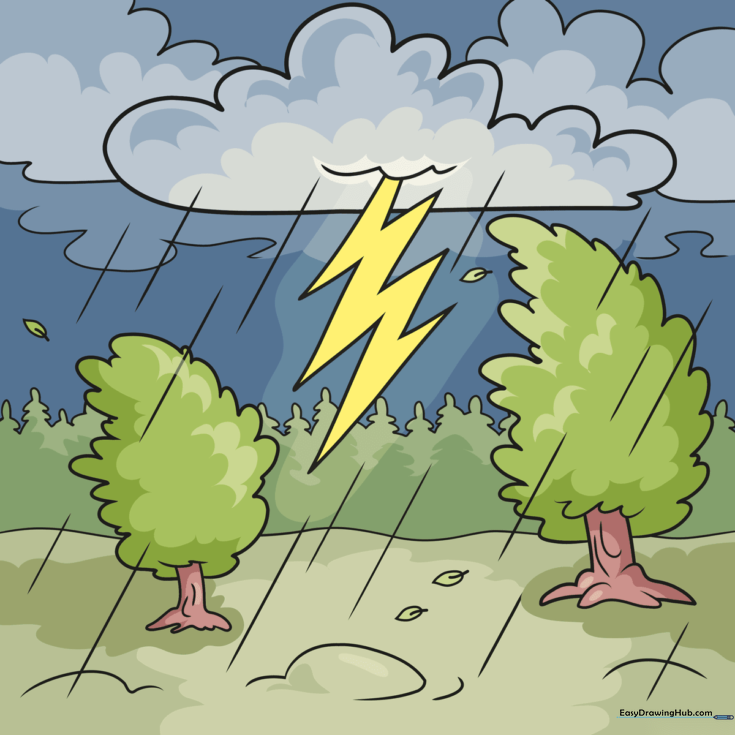
Combine dark, heavy clouds with wind-blown trees to show the power of a storm. Use curved, messy lines to show the wind's direction.
Cute Rainbow and Clouds
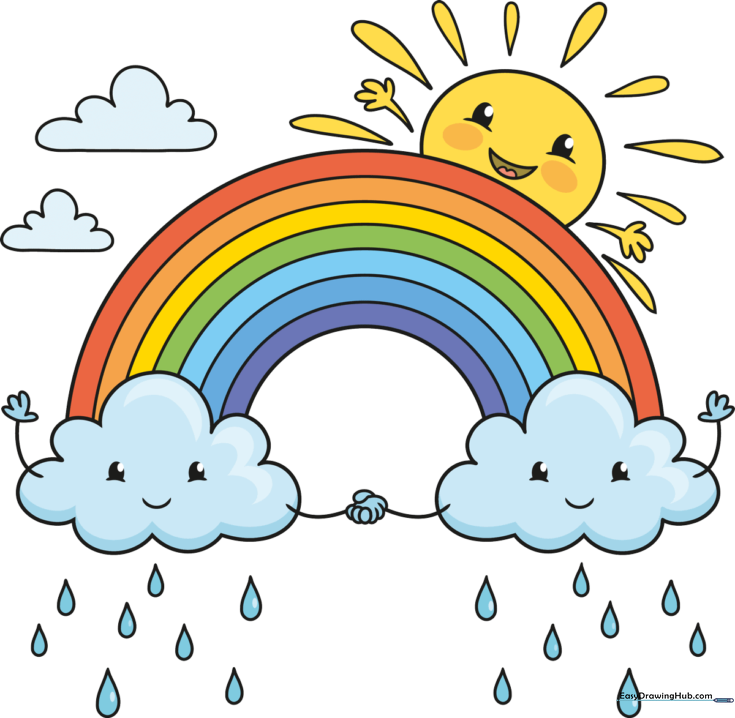
Give your weather personality! Add simple eyes and a smile to your clouds to turn a basic weather drawing into a fun, character-based illustration.
Anemometer
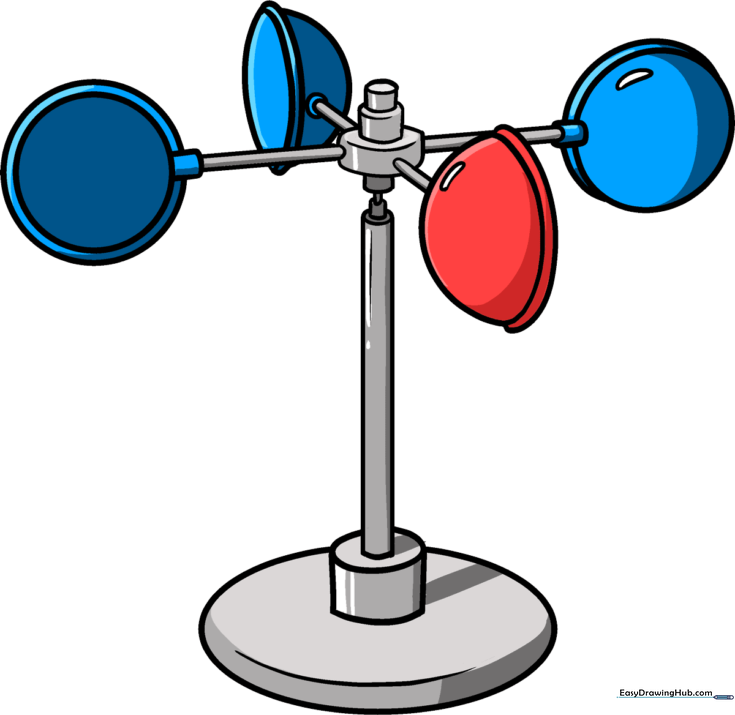
This is a great STEM-art crossover. Focus on the circular cups and the central pole to show how this scientific tool captures wind speed.
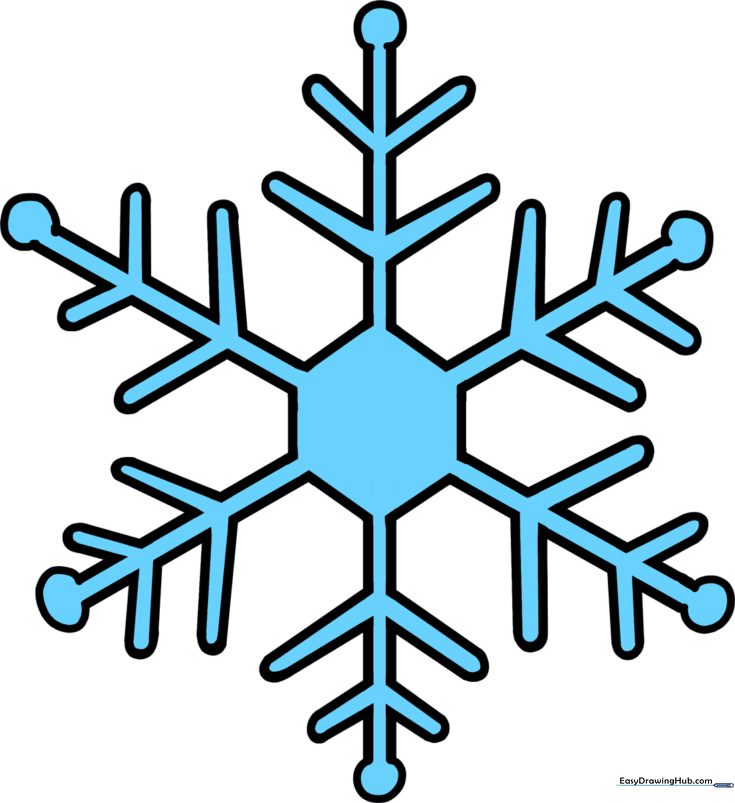
Snowflake
Start with a simple 'X' and a '+' to create a symmetrical base. Add small 'V' shapes to the ends of each arm to build a complex, unique snowflake.
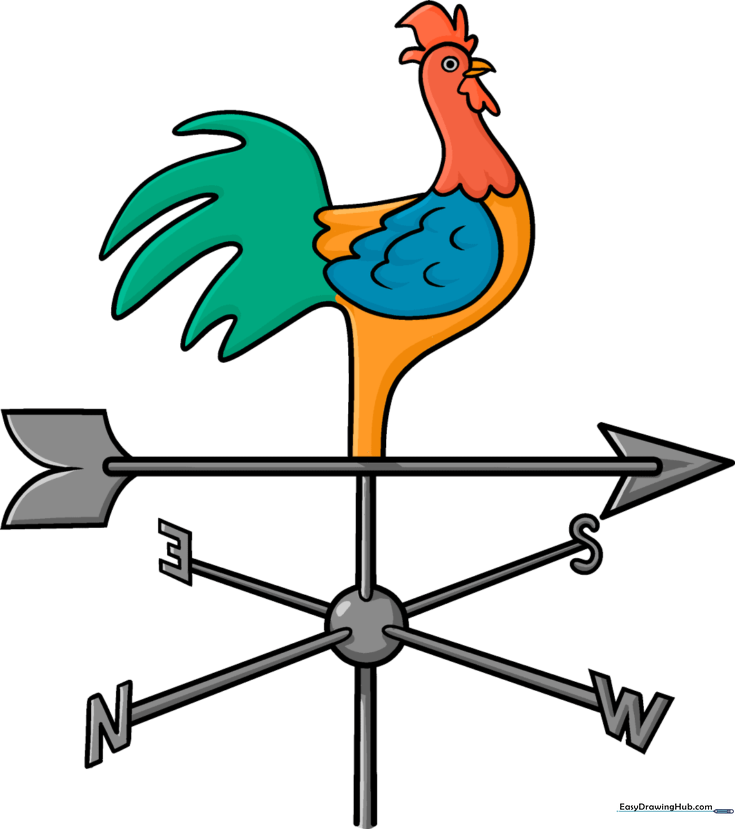
Weathervane
A weathervane is a classic silhouette. Focus on the directional arrows and the decorative animal topper to make your drawing stand out.
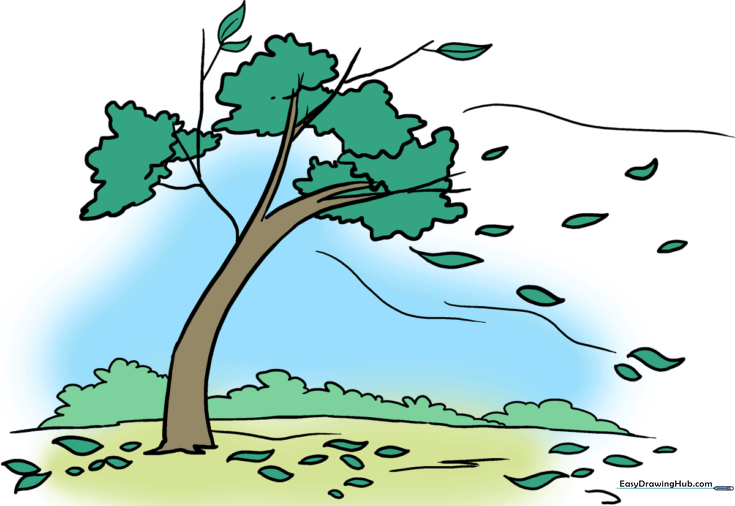
Falling Leaves
Vary the shapes of your leaves to show movement. Some should be flat, others curled, to suggest they are dancing in the autumn breeze.
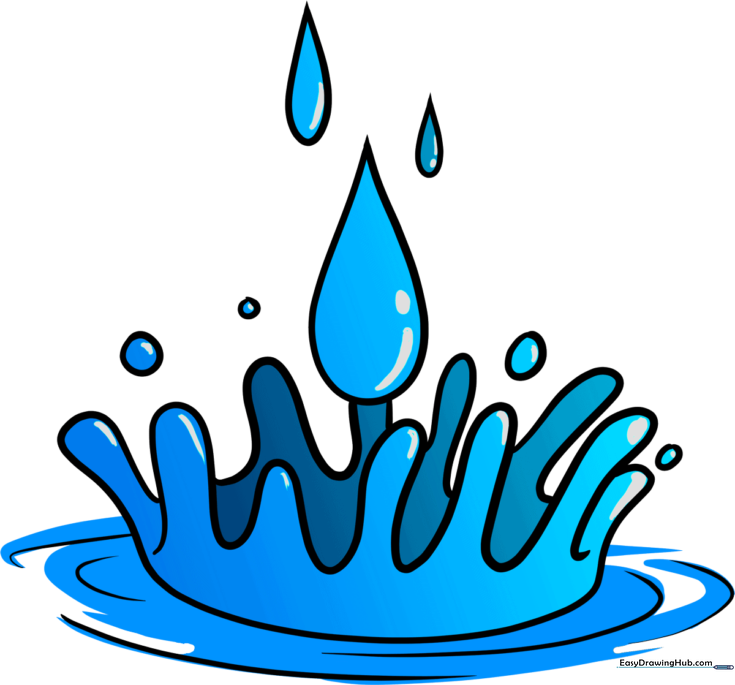
Water Drops
Focus on the 'tear' shape and add a small white highlight on one side. This simple trick makes the water look shiny and realistic.
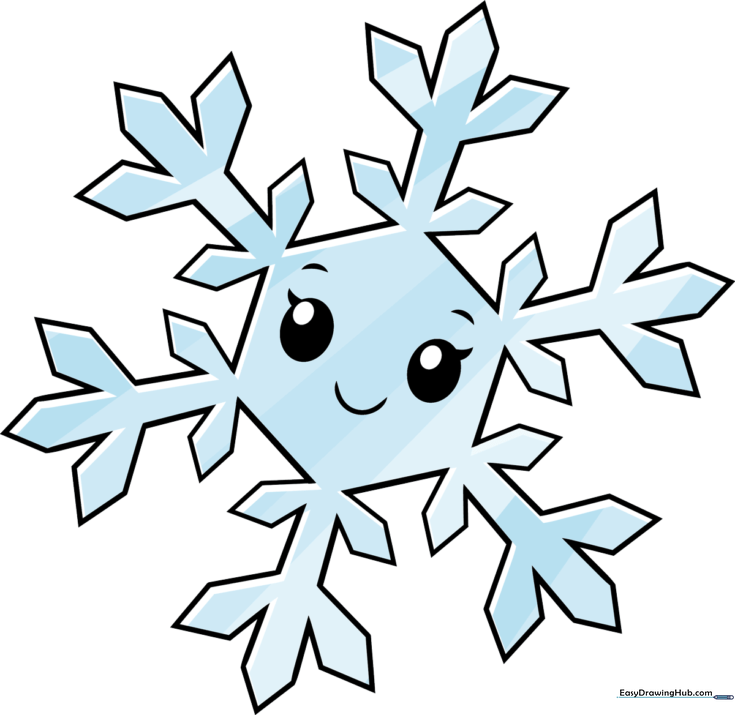
Cartoon Snowflake
Give your snowflake a friendly face! Use simple, clean lines to keep the symmetry, then add big, expressive eyes to make it a fun character.
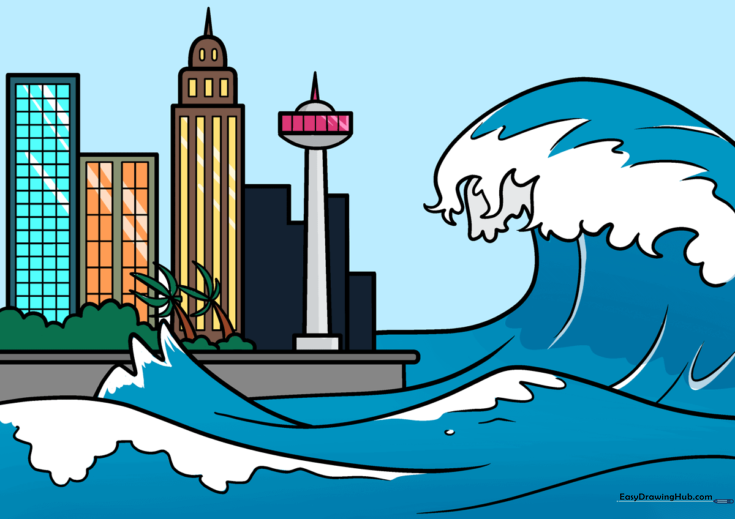
Tsunami
Use large, sweeping curves to create the massive wave. Adding foam at the top with small, bubbly lines helps show the power of the water.
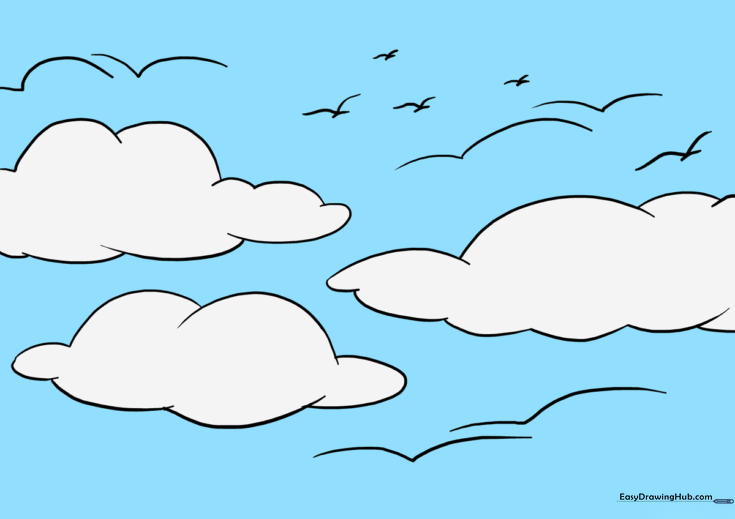
The Sky
The sky is all about layers. Draw your clouds at different heights to create depth, and use light shading to show the time of day.
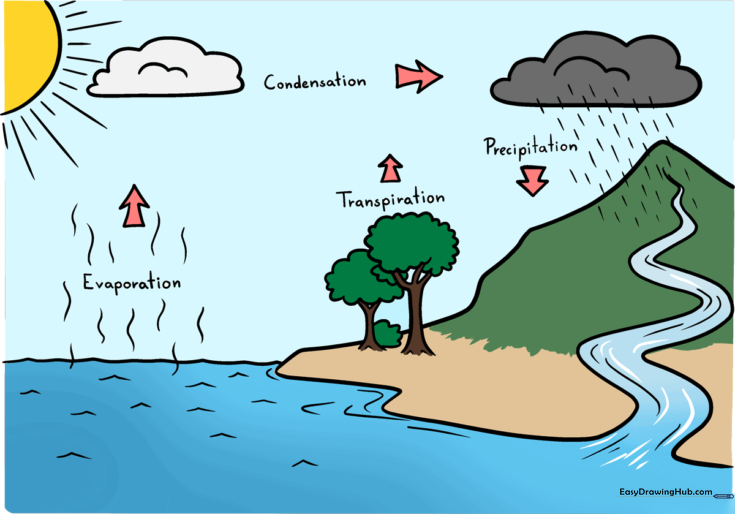
The Water Cycle
This is a great educational project. Use arrows to show the flow of water from the ocean to the clouds and back down to the land.
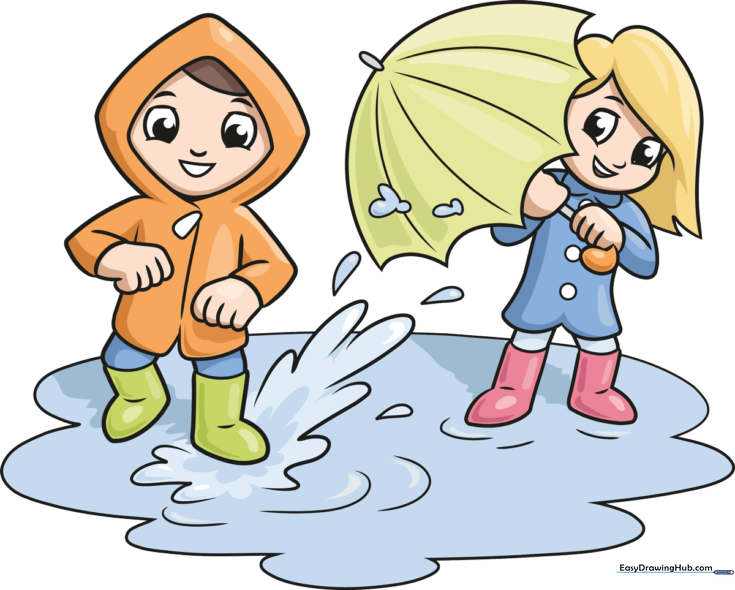
Yourself Stepping in a Puddle and Splashing your Friends
Focus on the action! Draw the splash using upward-curving lines that explode from the puddle. It’s all about capturing the fun of a rainy day.
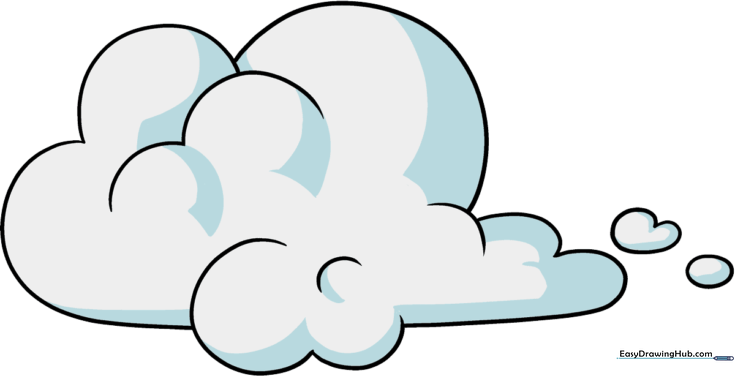
Cartoon Cloud
Use a series of overlapping 'U' shapes to create the fluffy, rounded look of a classic cartoon cloud.
Hurricane
Draw a large spiral to represent the eye of the storm. Use curved, swirling lines around the center to show the intense rotation of the wind.
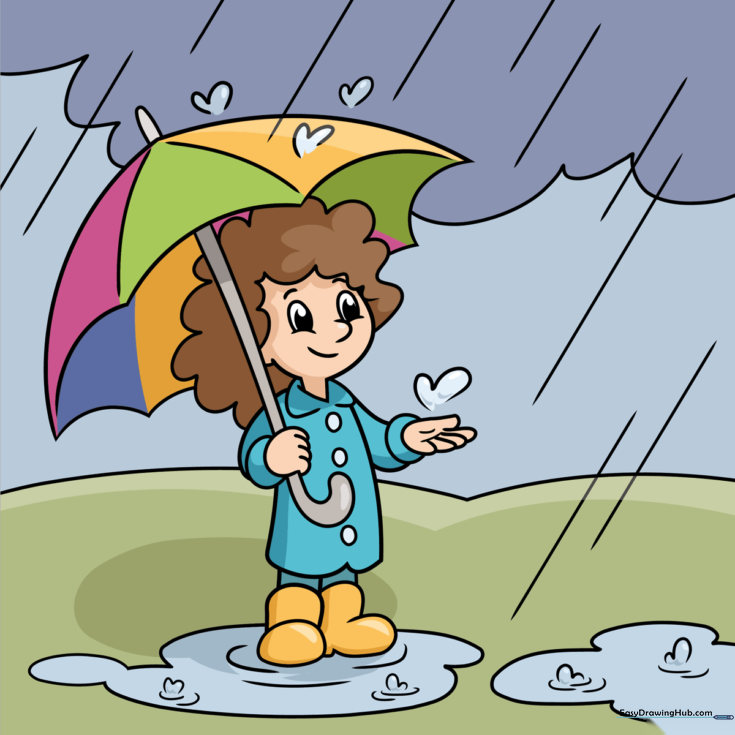
Rainy Day
Focus on the outfit! Drawing a raincoat and umbrella is a great way to practice drawing clothing and accessories on a character.
Umbrella
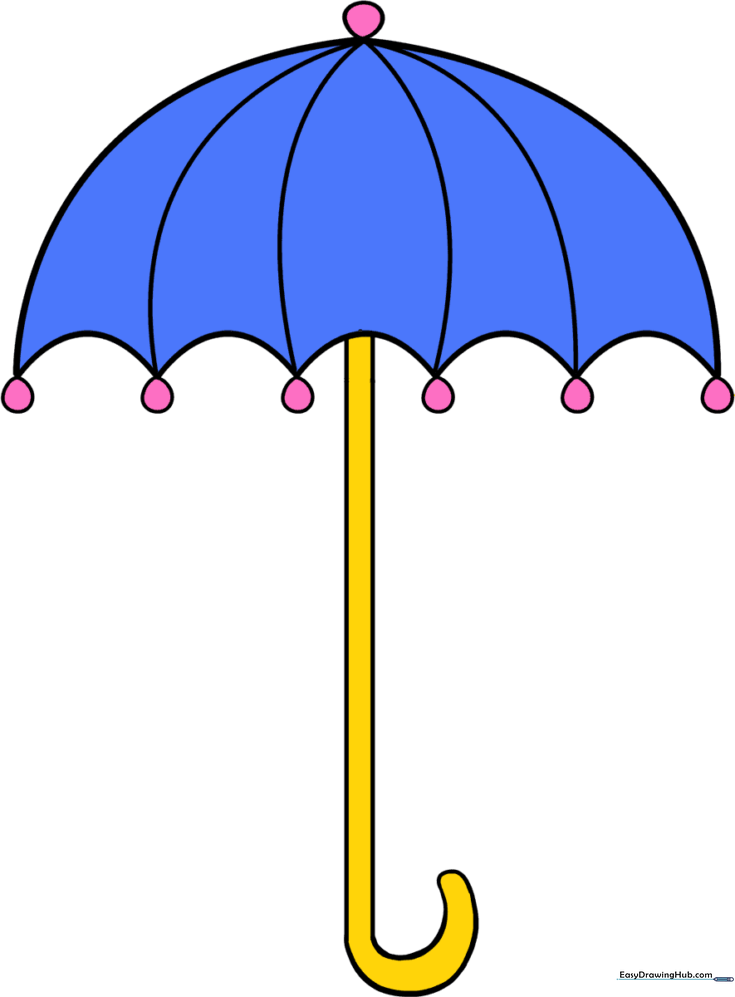
An umbrella is just a series of connected curves. Start with the top arch, then add the handle to complete this simple, useful object.
Clouds
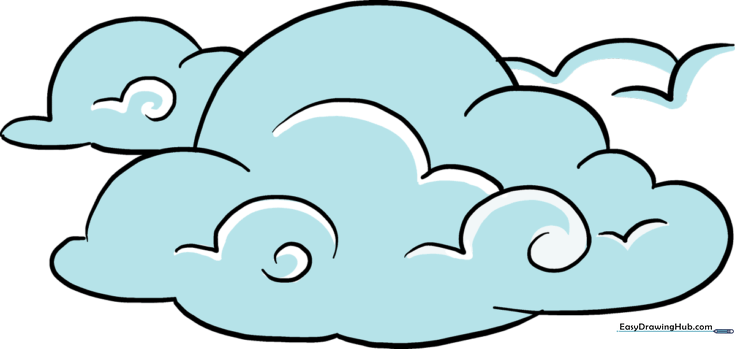
Practice overlapping your shapes. By drawing some clouds in front of others, you create a sense of distance and space in your sky.
Winter Scenery
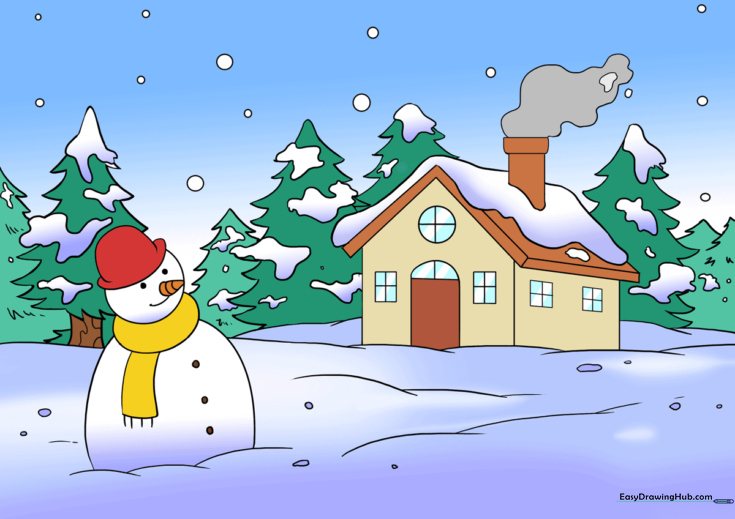
Focus on the details: add small dots for falling snow and use clean, horizontal lines to show snow-covered ground.
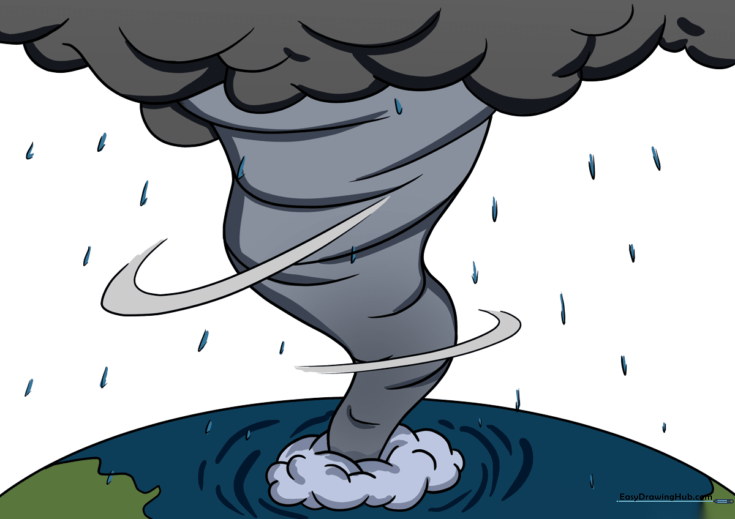
Tornado
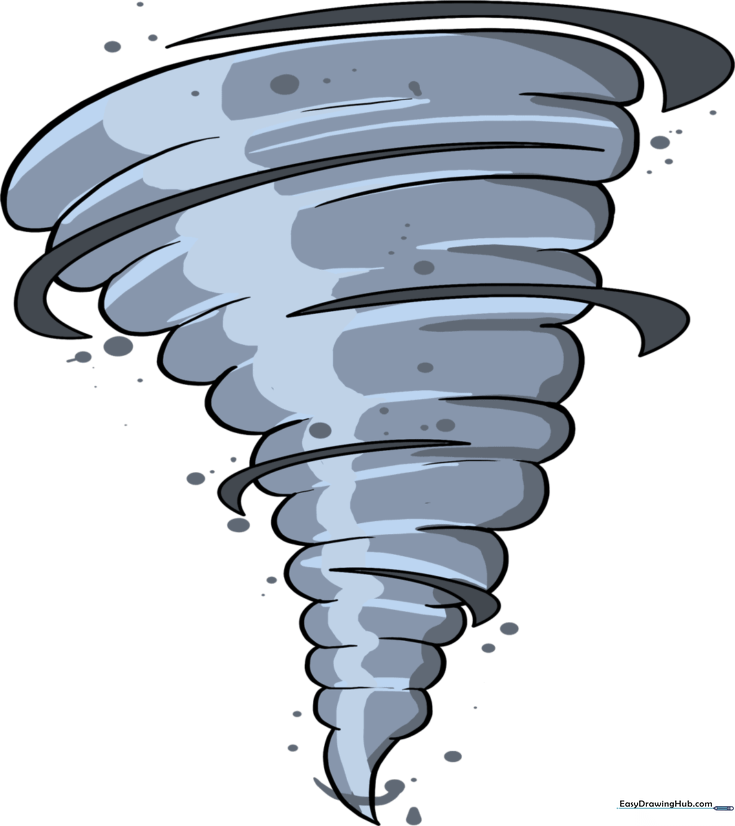
A tornado is a funnel shape. Use curved lines that get wider at the top to show the rotation and power of the storm.
More Collections