17 Easy Vegetable Drawing Tutorials for Kids
🖍️ 17 free tutorials
Bring the garden to your sketchbook with these 17 simple, step-by-step drawing tutorials designed for young artists. All you need is a pencil, paper, and an eraser to start building confidence in your line work. These lessons help children observe natural shapes while developing the fine motor control needed for more complex illustrations.
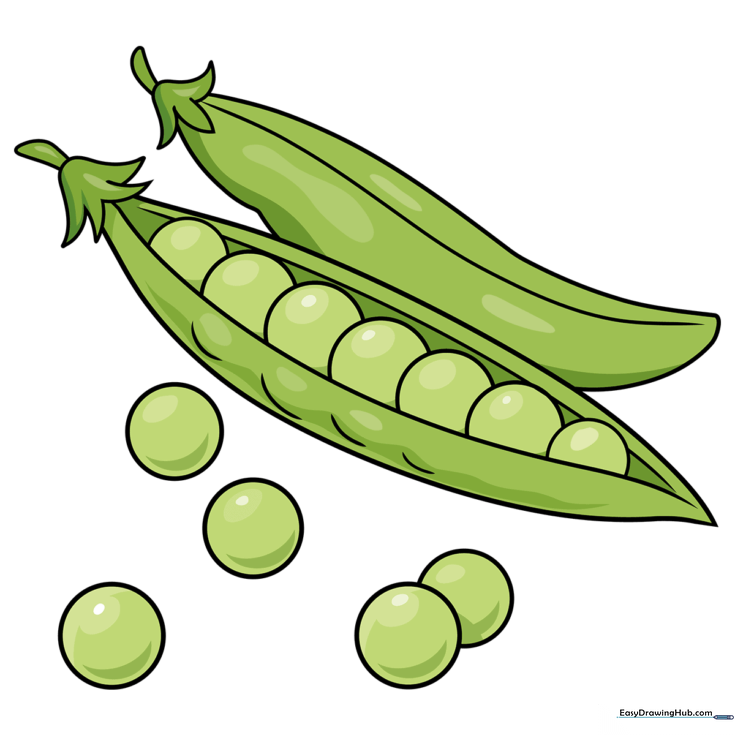
Peas in a Pod
Master the art of drawing organic, curved shapes. Tip: Use light, rounded strokes for the peas to make them look plump inside the pod.
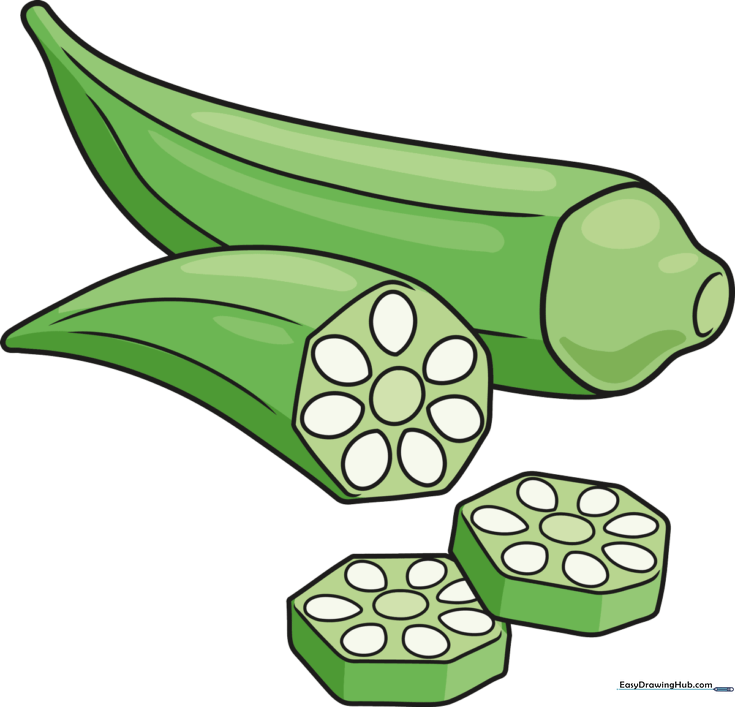
Okra (Lady Finger)
Learn to draw pointed, geometric forms. Tip: Focus on the pentagonal cross-section when drawing the cut piece to show the unique seed arrangement.
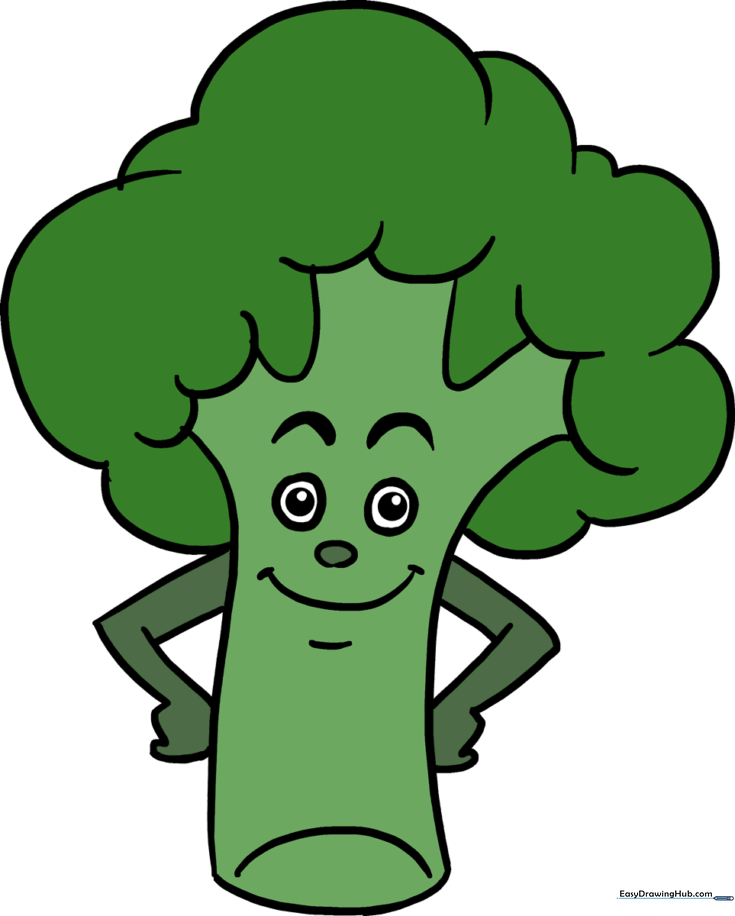
Broccoli Character
Bring personality to your art by adding a face to your veggies. Tip: Use small, cloud-like loops to create the bushy texture of the broccoli florets.
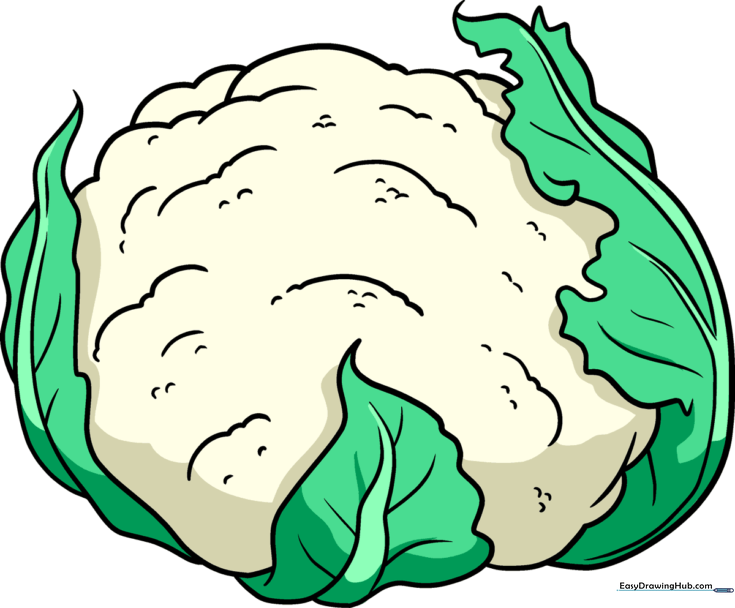
Cauliflower
Practice drawing complex, overlapping textures. Tip: Keep your lines loose and wavy to mimic the natural, bumpy surface of the cauliflower head.
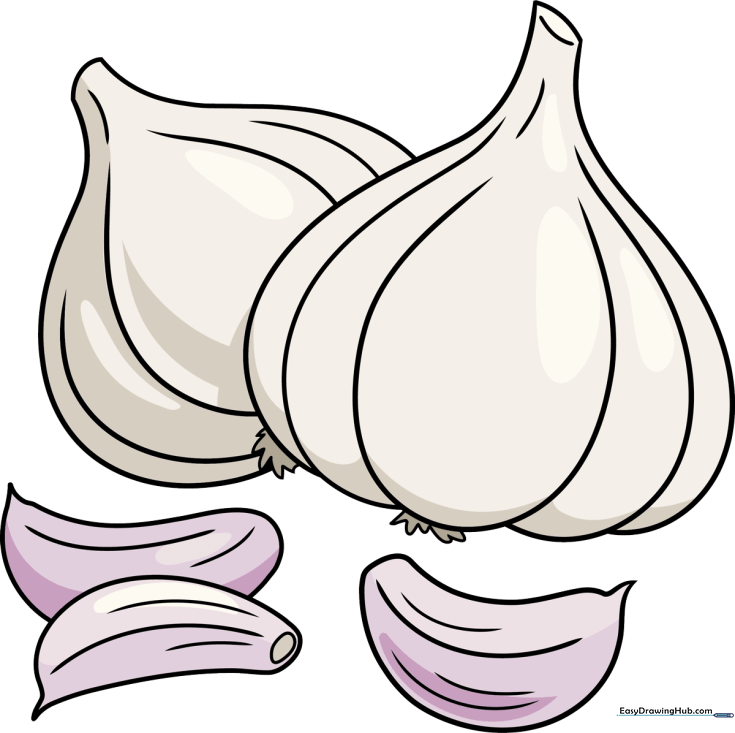
Garlic Bulb
Focus on symmetry and form. Tip: Draw the main bulb as a circle first, then add the cloves as smaller, overlapping curved shapes.
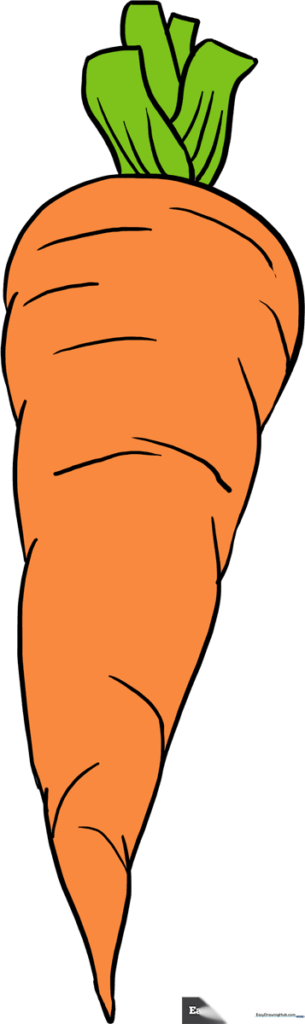
Carrot
Perfect your triangle-based sketching. Tip: Add small horizontal lines on the carrot body to give it a realistic, textured look.
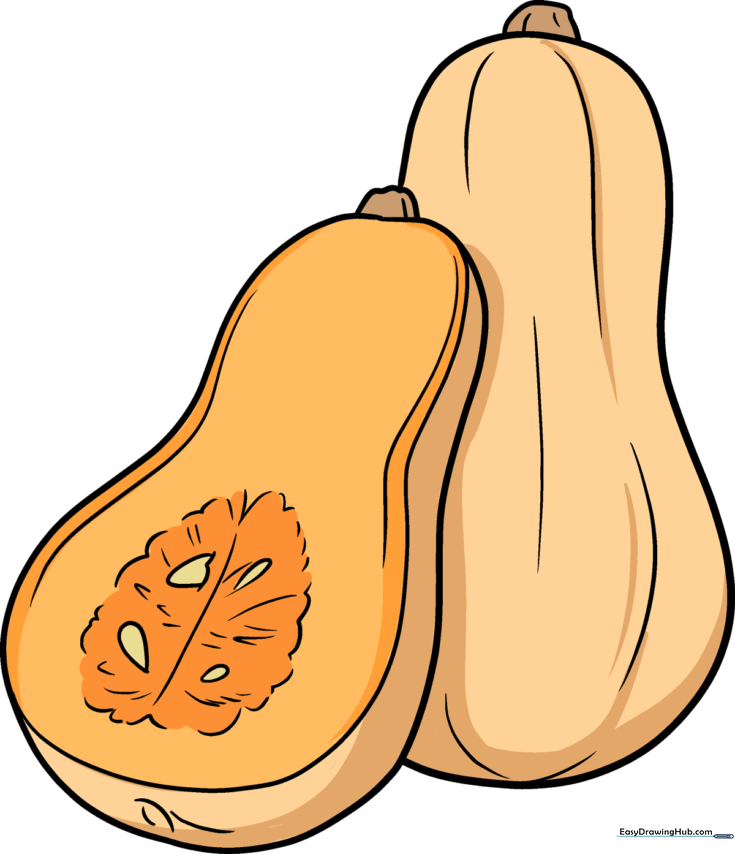
Butternut Squash
Learn to draw organic, irregular shapes. Tip: Start with a 'figure-eight' structure to get the classic squash silhouette correct before adding details.
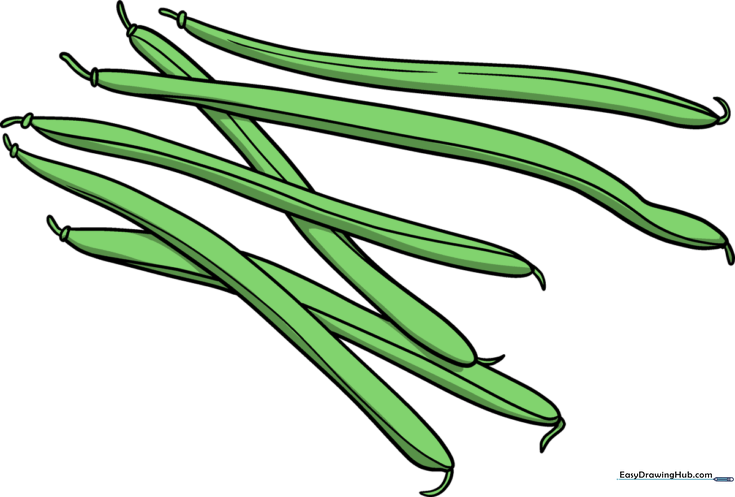
Green Beans
Practice drawing long, flowing lines. Tip: Vary the thickness of your lines to show how the beans twist and overlap in the bunch.
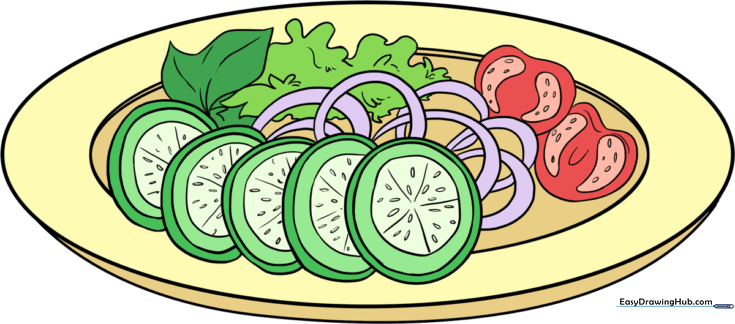
Fresh Salad
Combine multiple shapes into one composition. Tip: Use different line styles—wavy for lettuce, circular for tomatoes—to differentiate the ingredients.
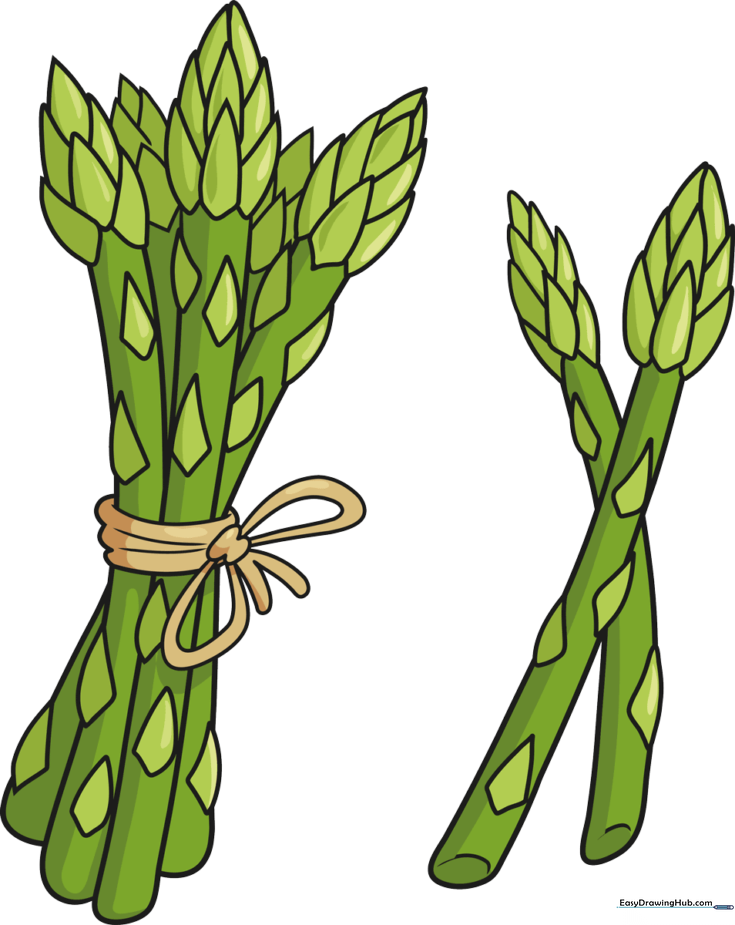
Asparagus Spears
Focus on verticality and texture. Tip: Use small, cross-hatched marks at the tips of the spears to represent the delicate budding leaves.
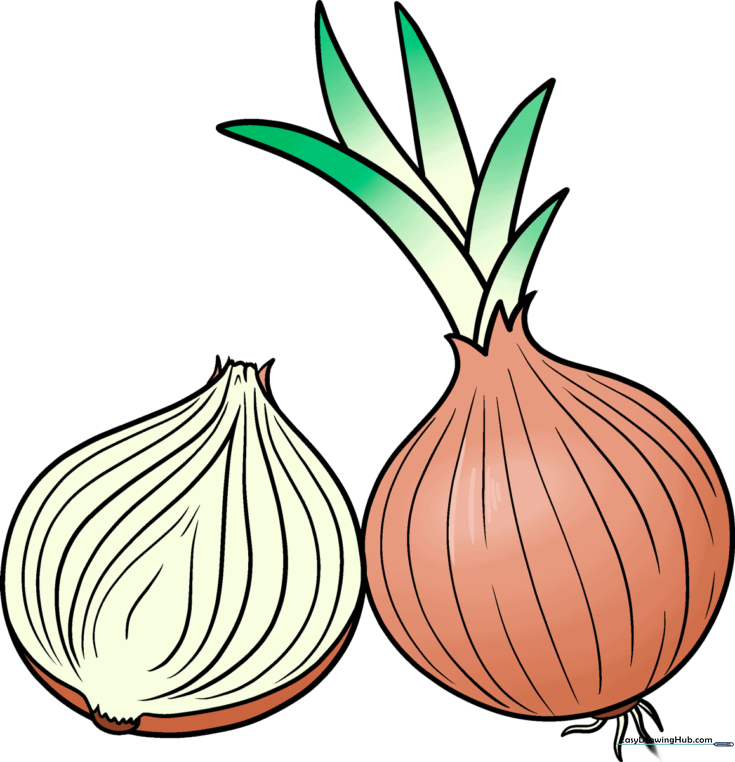
Onion
Practice drawing layers. Tip: When drawing the cut onion, use concentric curved lines to show the internal rings clearly.
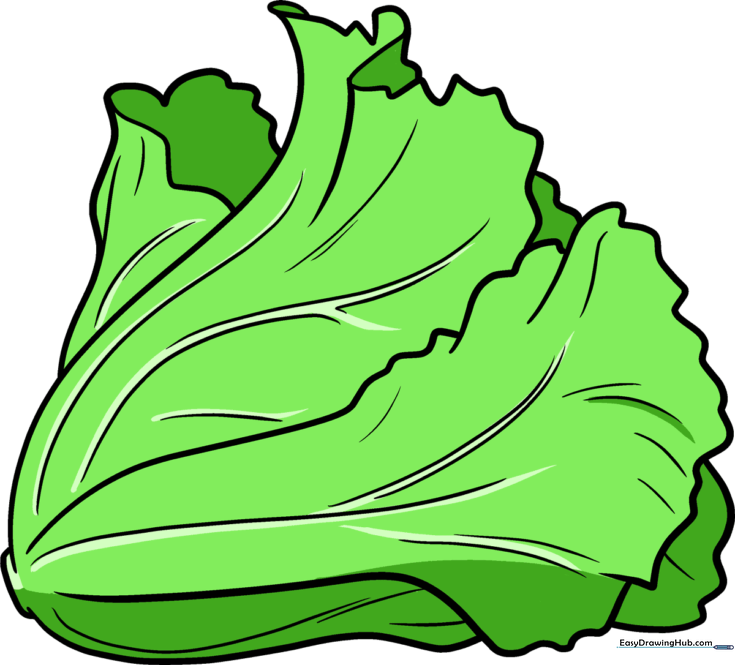
Lettuce
Focus on wavy edges. Tip: Draw the leaves starting from the center and working outward to create a natural, blooming effect.
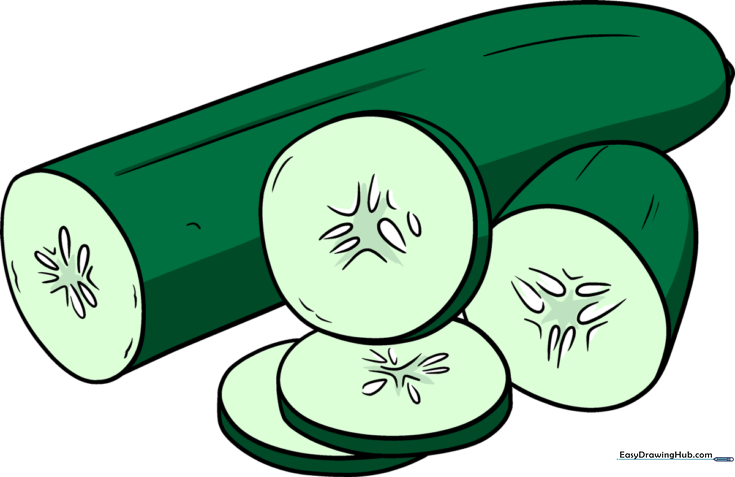
Cucumber
Master the cylindrical form. Tip: Add small, light dots on the skin to give the cucumber a realistic, bumpy texture.
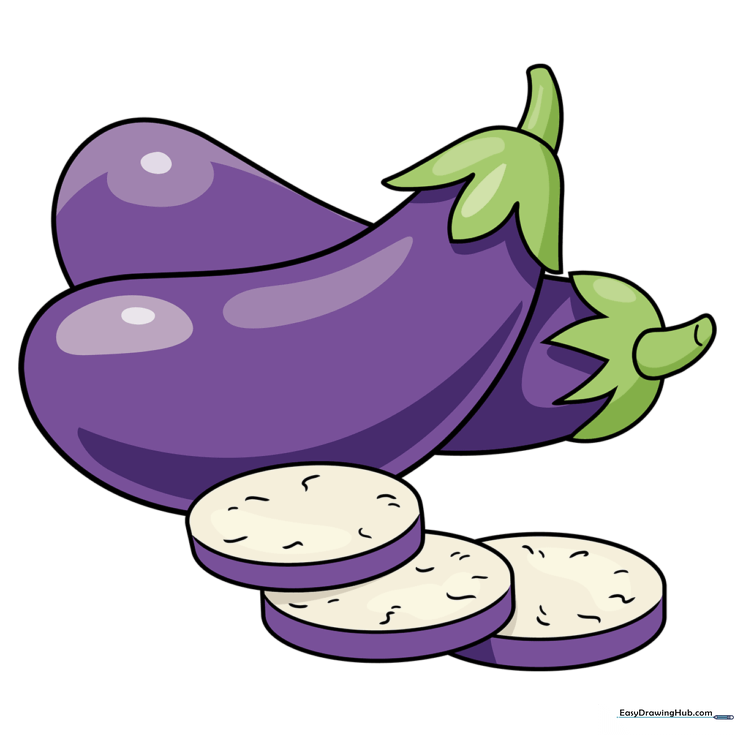
Eggplant
Practice smooth, teardrop-shaped curves. Tip: Don't forget the leafy green cap at the top; it adds a nice contrast to the smooth, rounded body.
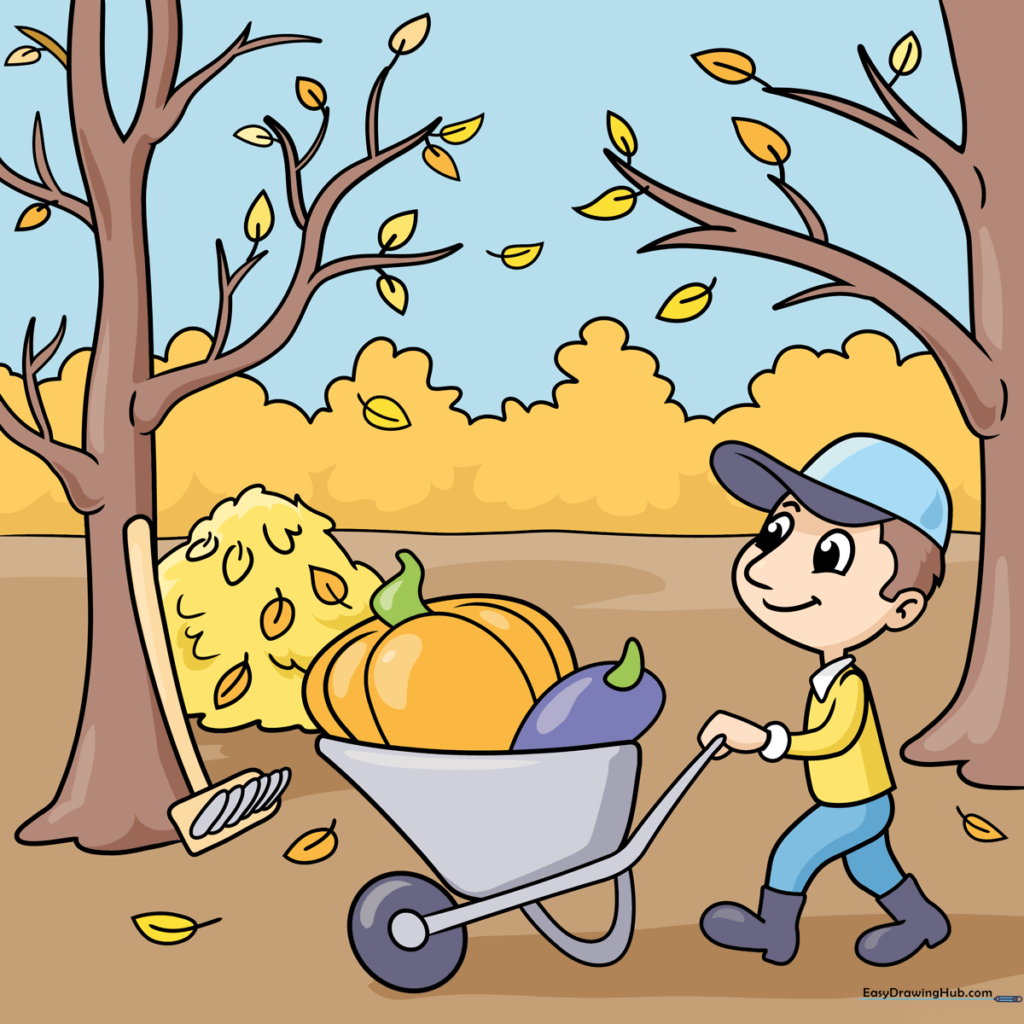
Autumn Harvest
Create a scene! Tip: Draw the wheelbarrow first as a base, then 'fill' it with your favorite vegetables to practice composition.
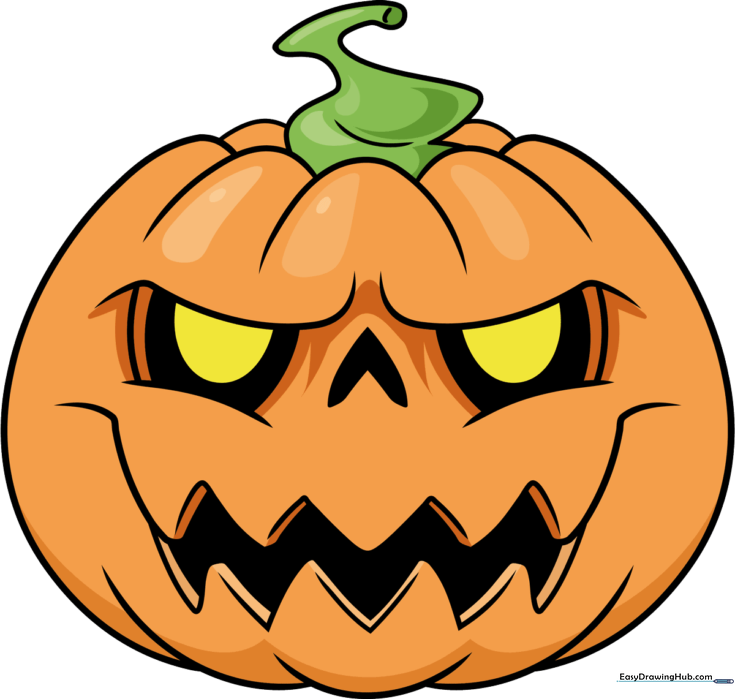
Halloween Jack-o'-Lantern
Have fun with expressive faces. Tip: Use sharp, triangular shapes for the eyes and mouth to give your pumpkin a spooky, classic look.
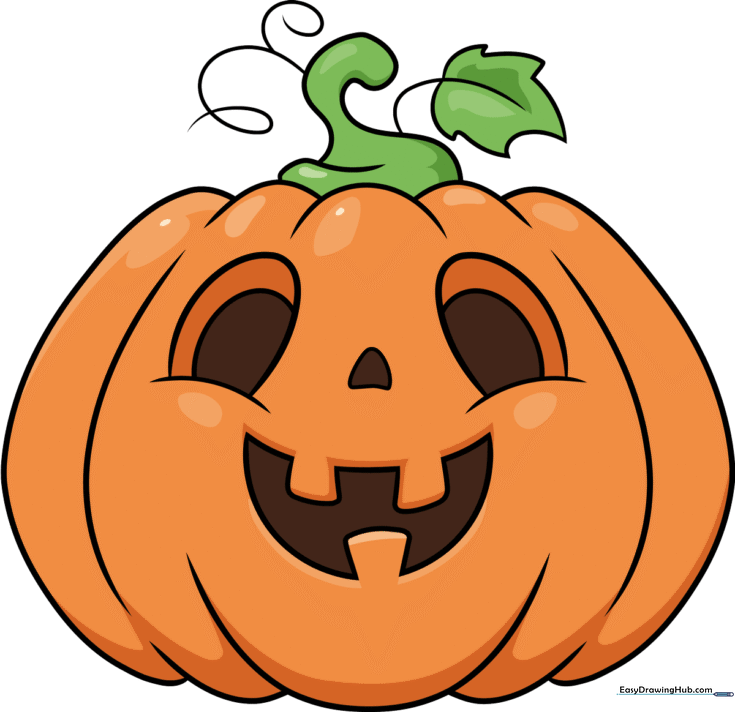
Cartoon Pumpkin
Focus on ridged, round forms. Tip: Draw vertical, curved lines along the sides of the pumpkin to emphasize its round, plump shape.
More Collections