19 Easy Realistic Drawing Tutorials: Step-by-Step Guide
🖍️ 19 free tutorials
Ready to move beyond cartoons and capture the world as you see it? These 19 tutorials are designed for artists ages 8+ to practice essential observational skills using just a pencil and paper. By breaking complex subjects into simple geometric shapes, you will learn to master proportions and shading with ease.
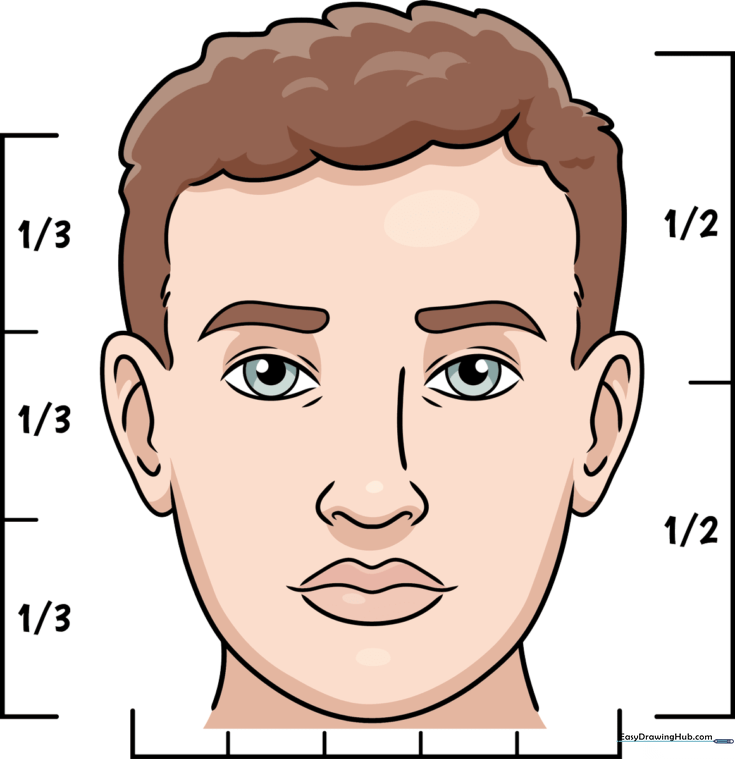
Realistic Face
Learn the secret to lifelike portraits: proper facial proportions. Focus on the 'rule of thirds' for eye and nose placement to create a balanced, human look. Tip: Keep your initial guidelines very light so they disappear under your shading.
Easy Realistic Goldfish
Capture the fluid movement of a goldfish by focusing on the fin rays and scale patterns. Tip: Use short, curved strokes to suggest scales rather than drawing every single one.
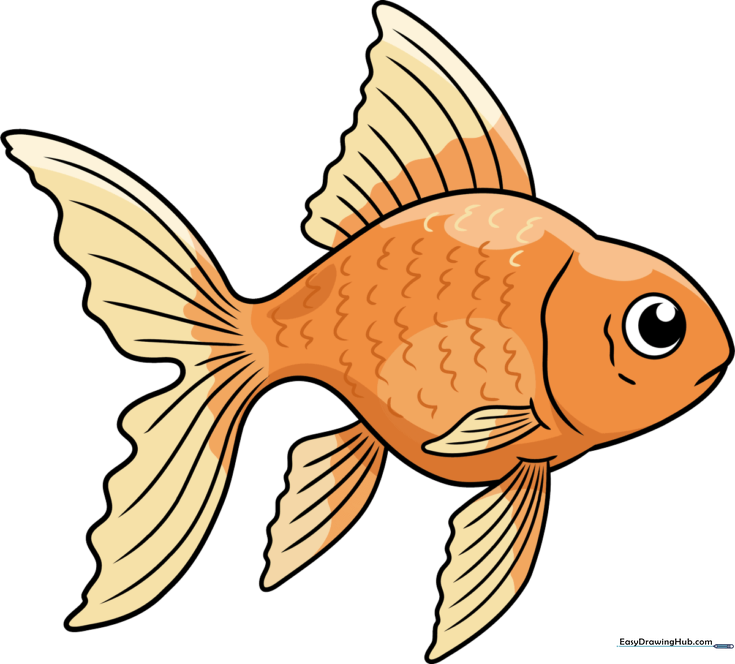
Realistic Owl Face
The key to this owl is the feather texture around the eyes. Tip: Use quick, flicking pencil motions to mimic the look of soft, layered feathers.
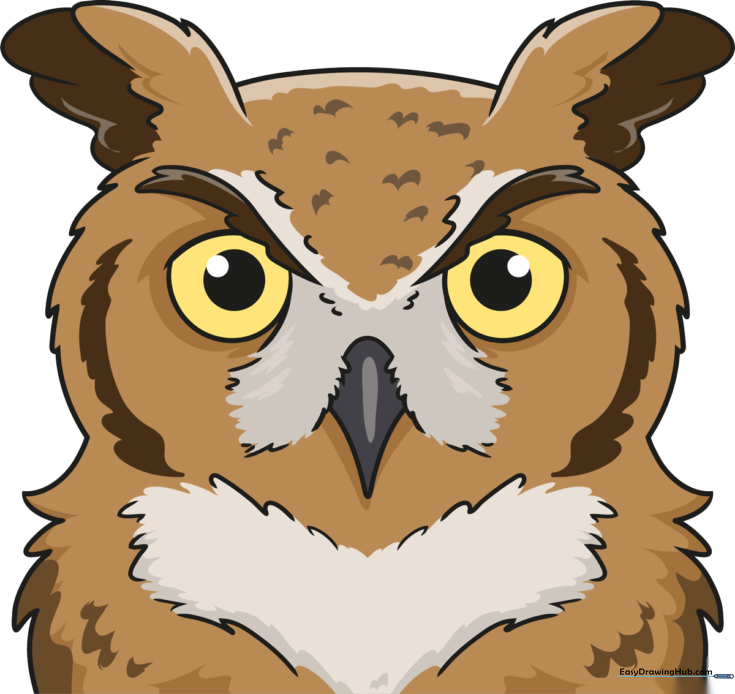
Easy Realistic Cat Face
Bring your cat to life by focusing on the direction of the fur. Tip: Draw whiskers with one confident, quick stroke to keep them looking sharp and natural.
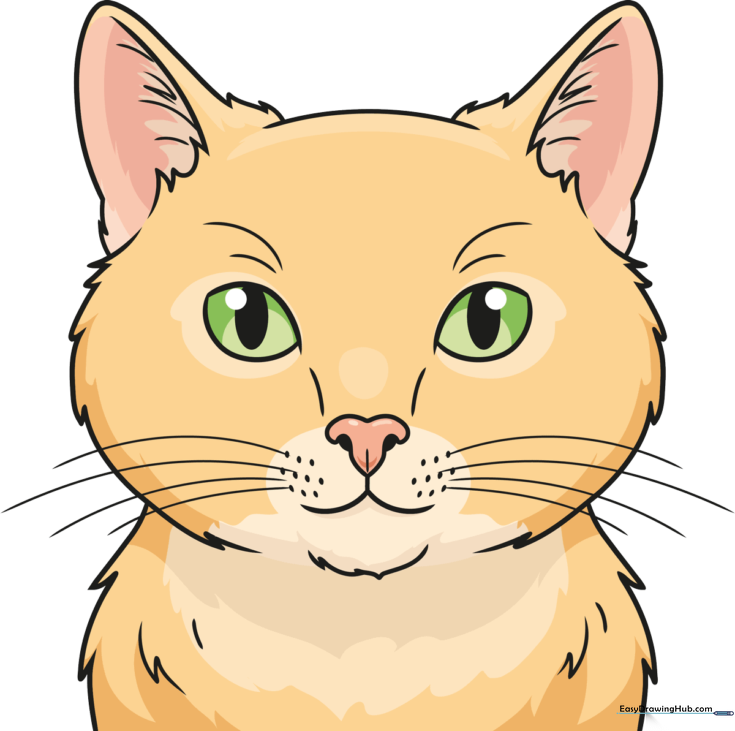
Realistic Rose Flower
Roses are all about overlapping petals. Tip: Start from the center bud and work outward, varying the size of the petals to create depth.

Realistic Dragon
Even mythical creatures need anatomy! Focus on the muscular structure of the limbs and the leathery texture of the wings. Tip: Use cross-hatching to add shadows to the scales.
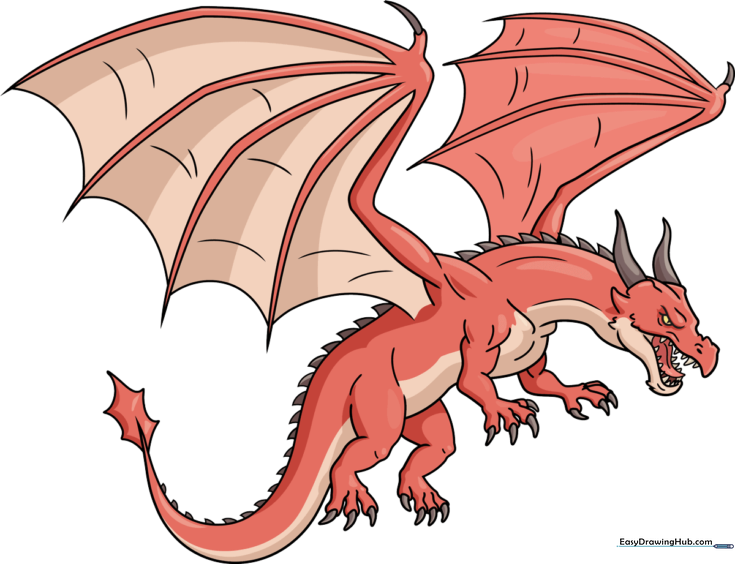
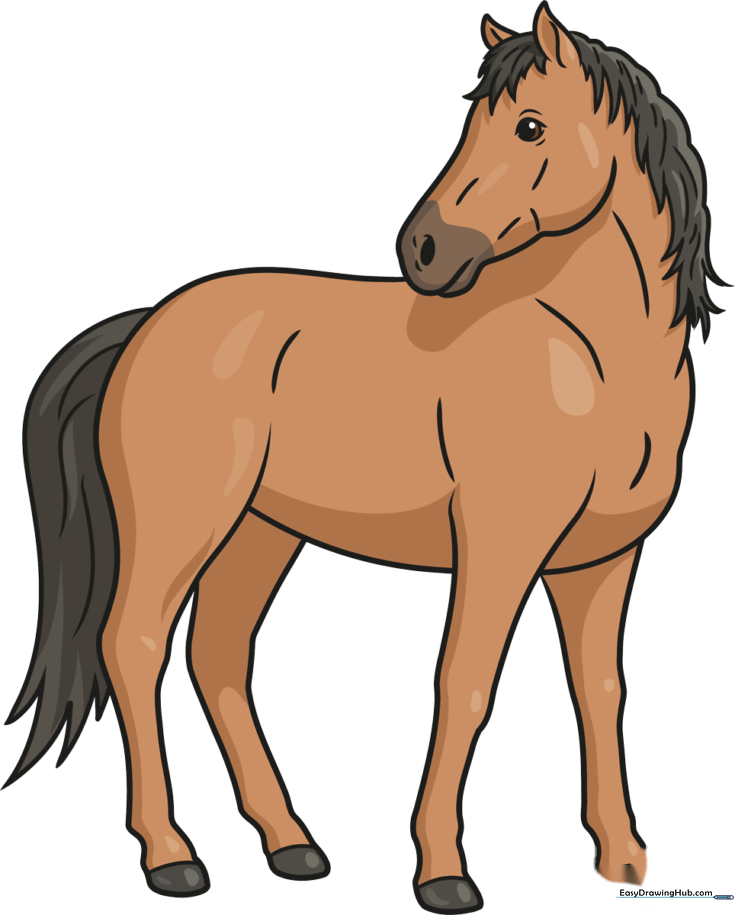
Easy Realistic Horse
Horses have beautiful, flowing lines. Tip: Pay close attention to the curve of the neck and the way the mane falls—this creates the 'majestic' look.
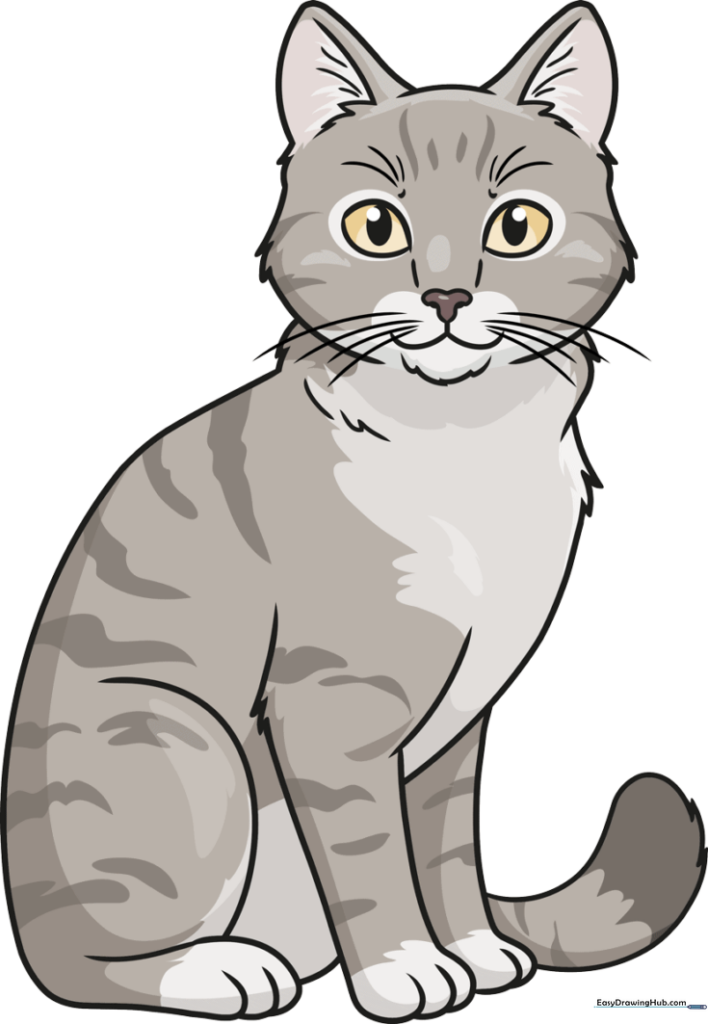
Realistic Cat
Now that you've mastered the face, let's draw the full body. Tip: Use light, sketchy lines to build the body shape before committing to the final fur texture.
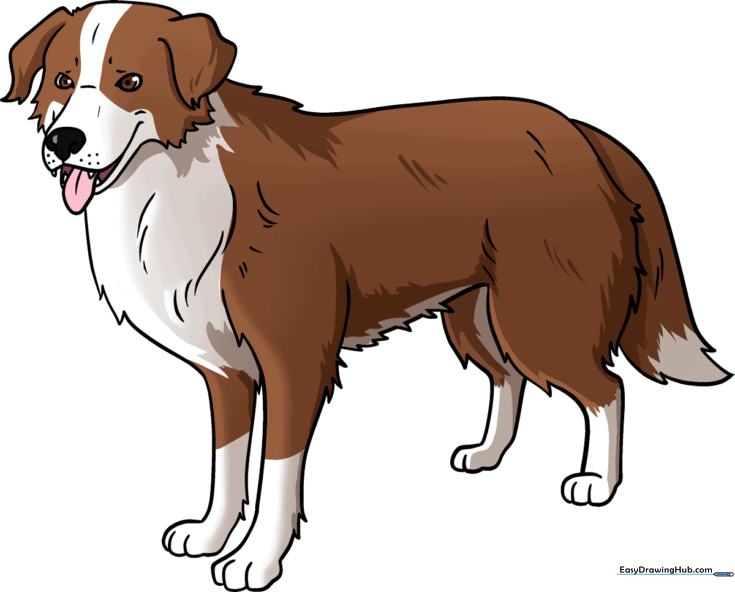
Realistic Dog
Focus on the long, flowing fur of this herding dog. Tip: Use long, sweeping pencil strokes to represent the coat, following the natural shape of the dog's body.
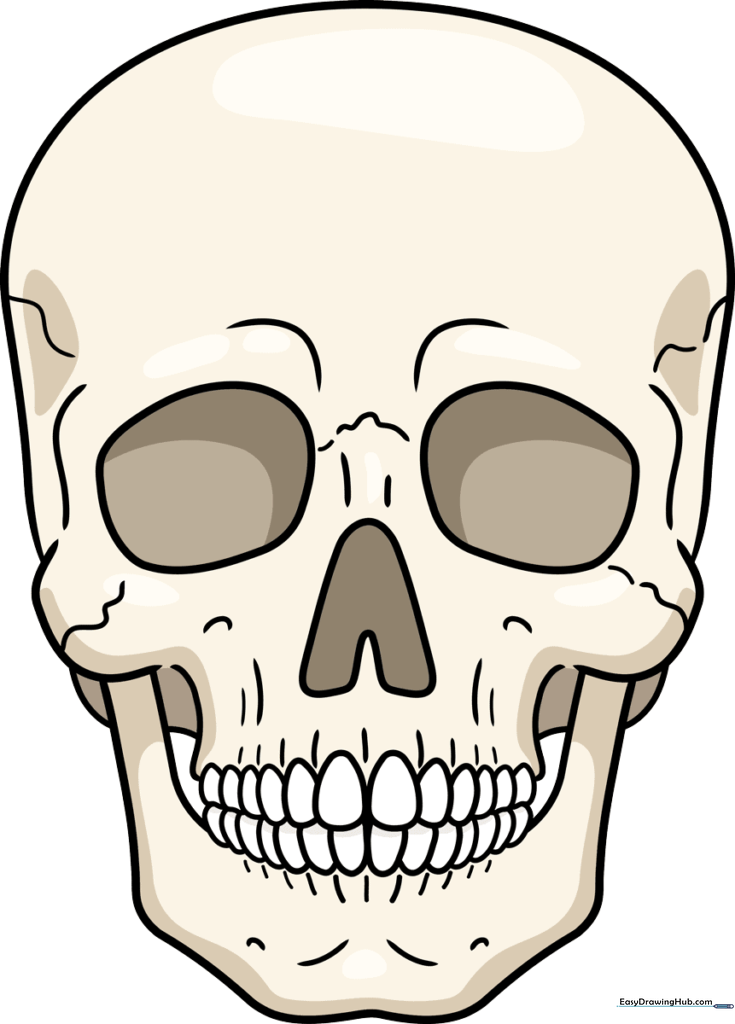
Realistic Skull
Understanding the skull is the ultimate way to improve your portrait drawing. Tip: Focus on the dark, hollow areas of the eye sockets and nose to create high-contrast realism.
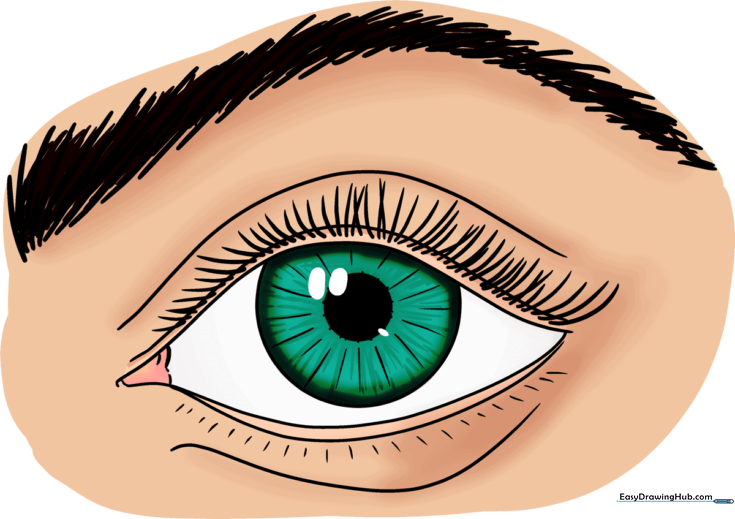
Realistic Eye for Beginners
The eye is the window to the soul! Tip: Don't forget the tiny highlight in the pupil—this simple white dot makes the eye look wet and alive.
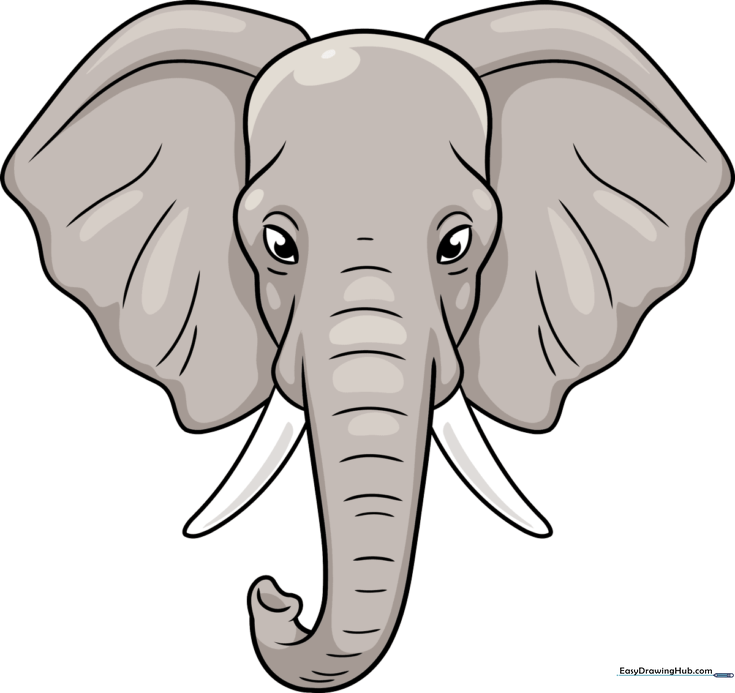
Realistic Elephant Head and Face
Elephants have wonderful, wrinkled skin. Tip: Use irregular, wavy lines to create the texture of the trunk and the folds around the eyes.
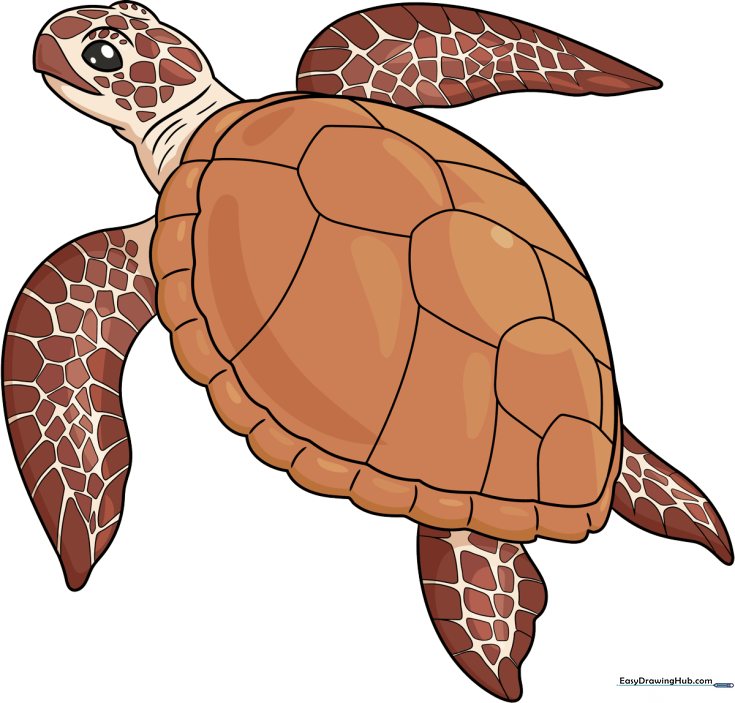
Realistic Sea Turtle
The shell pattern is the star here. Tip: Draw the shell plates first as a grid, then add shading to each plate to give them a rounded, 3D look.
Easy Realistic Bunny
Focus on the softness of the fur. Tip: Use very light, short strokes around the edges of the body to make the bunny look fluffy rather than sharp.

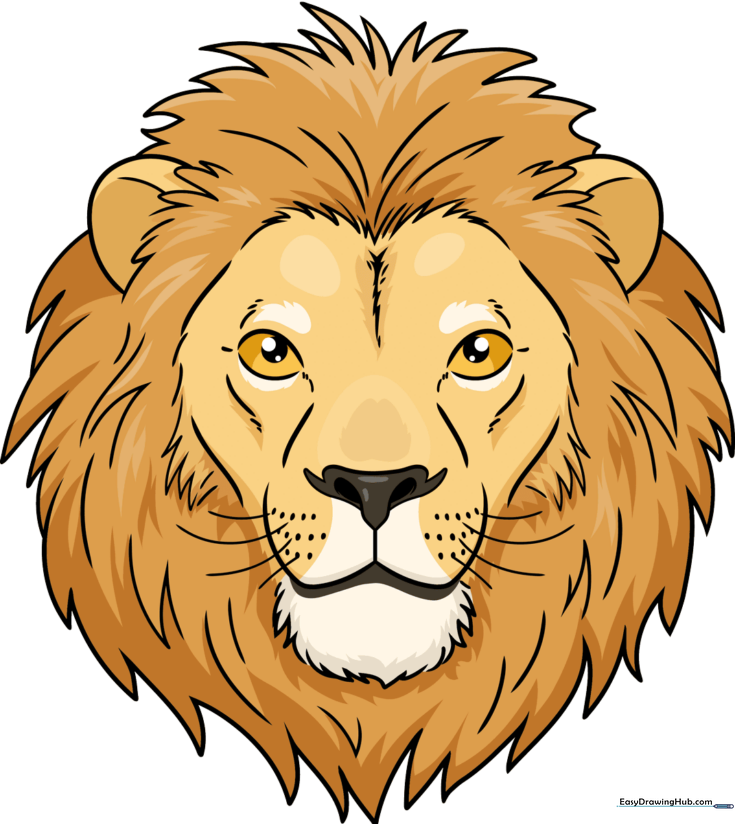
Easy Realistic Lion
The mane is what makes a lion look powerful. Tip: Draw the mane in clumps rather than individual hairs to keep the drawing from looking messy.
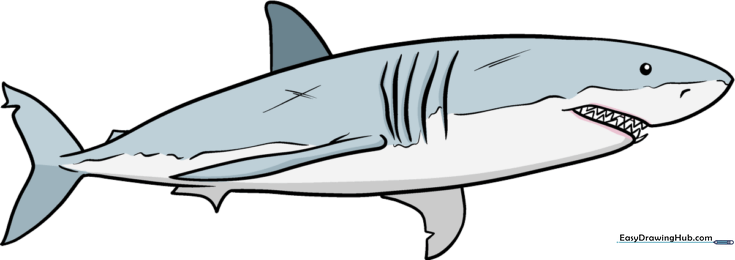
Easy Realistic Shark
Sharks have a sleek, torpedo shape. Tip: Use smooth, long lines for the body and add small notches in the fins to show character and realism.
John F. Kennedy
Portraiture is all about capturing the eyes and the expression. Tip: Focus on the shadows around the eyes and mouth to capture the likeness of the subject.

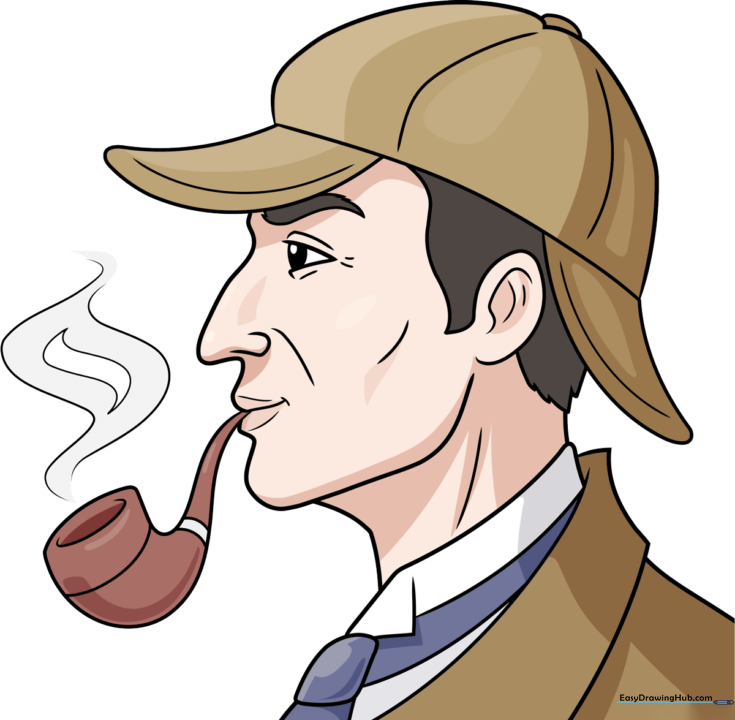
Sherlock Holmes
Capture the sharp, intelligent features of the detective. Tip: Use angular lines for the cheekbones and chin to emphasize his keen, analytical look.
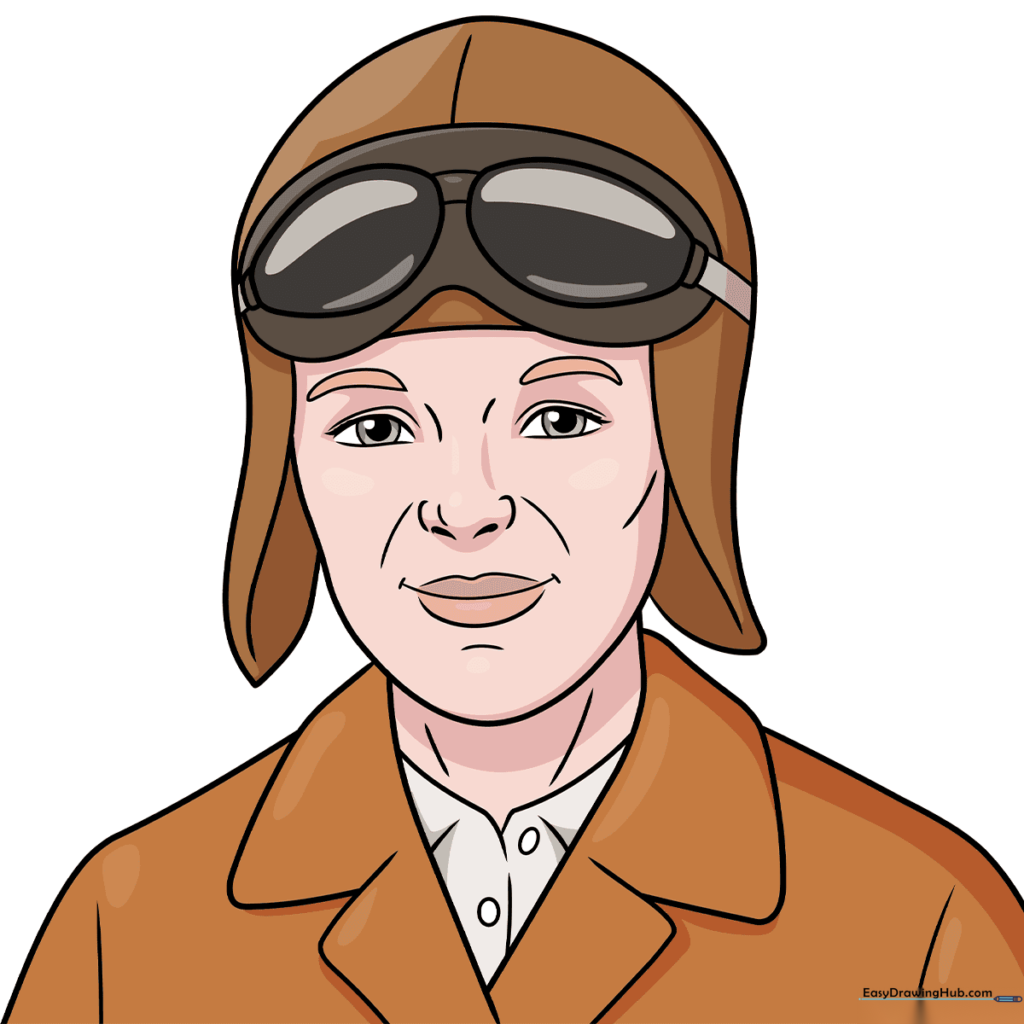
Amelia Earhart
Draw the iconic aviator by focusing on the goggles and the soft, determined expression of her face. Tip: Use smooth shading to define the shape of the leather aviator cap.
More Collections