20 Easy Wild Cat Drawing Tutorials for Kids & Beginners
🖍️ 20 free tutorials
Bring the safari to your sketchbook with these 20 guided wild cat tutorials, perfect for artists ages 5 and up. All you need is a pencil, paper, and an eraser to start building confidence in your drawing skills. Follow along to capture the unique features of lions, tigers, and cheetahs with simple, manageable shapes.
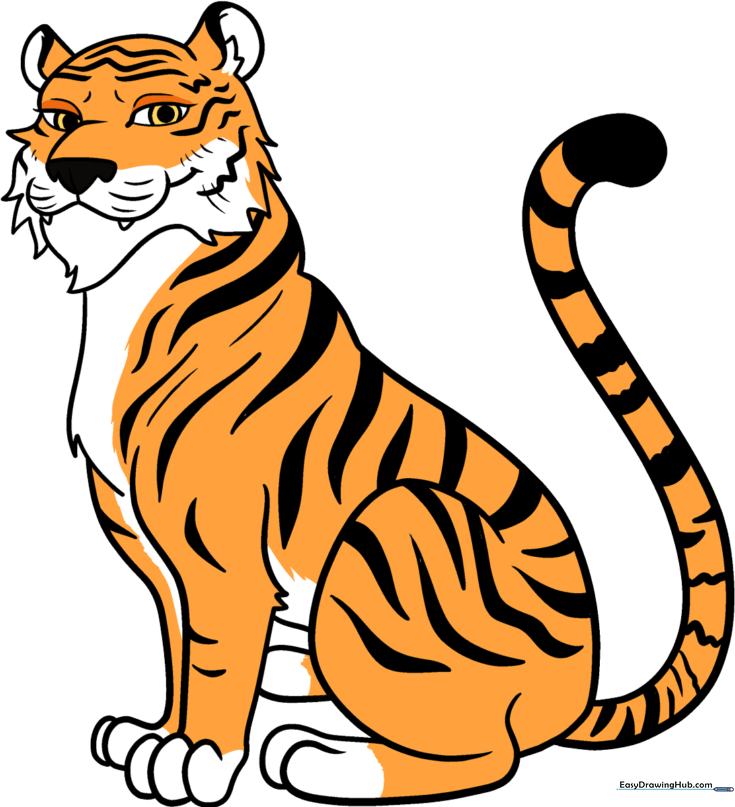
Tiger
Capture a tiger in a relaxed sitting pose. Focus on the profile body shape while keeping the face turned toward the viewer. Tip: Use light, sketchy lines for the stripes so they look natural and organic.
Cheetah
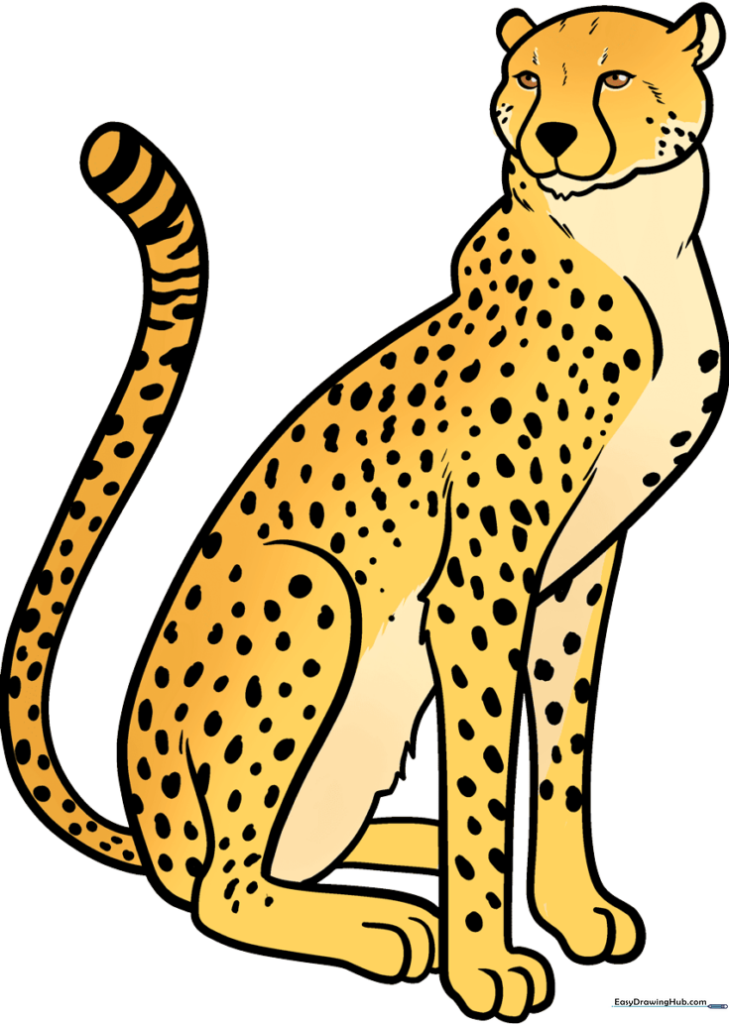
Draw the world's fastest land animal with ease. We emphasize the long, sleek body and powerful legs that give the cheetah its speed. Tip: Keep your pencil strokes fluid to capture that sense of motion.
Tiger Roaring
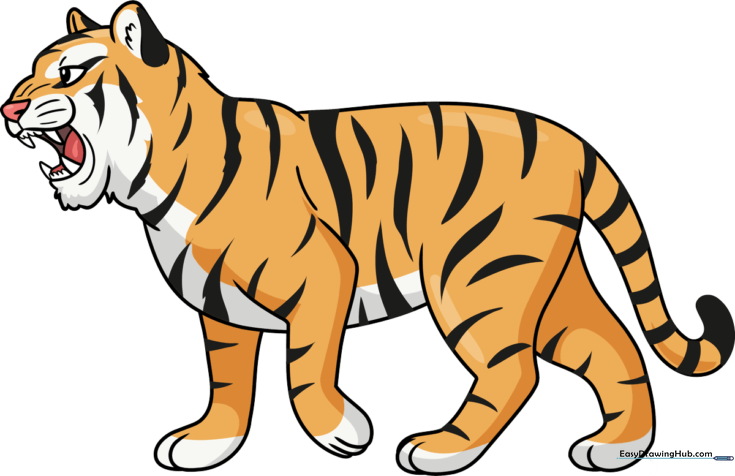
Practice drawing dynamic action poses. This roaring tiger features an open mouth and raised paw. Tip: Use a 'V' shape for the teeth to make the roar look fierce but fun.
Lioness
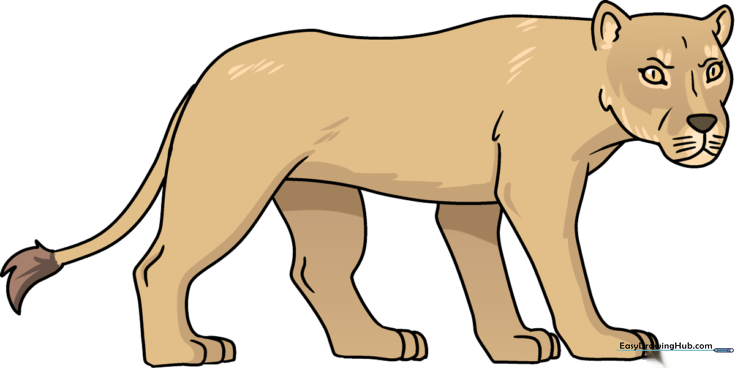
Focus on the graceful, strong anatomy of the lioness. Without the mane, you can really see the structure of the head and neck. Tip: Use soft, curved lines to define her muscular shoulders.
Jaguar
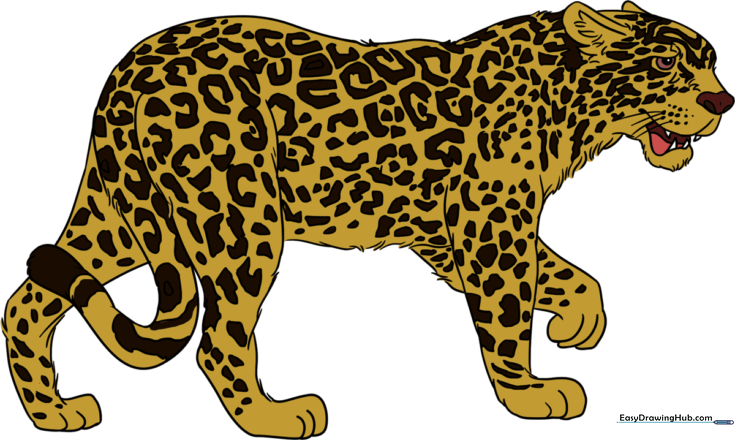
Learn to draw the iconic 'rosette' spots that distinguish the jaguar. Tip: Draw the spots as small, irregular circles with a dot in the center to get that authentic look.
Snow Leopard
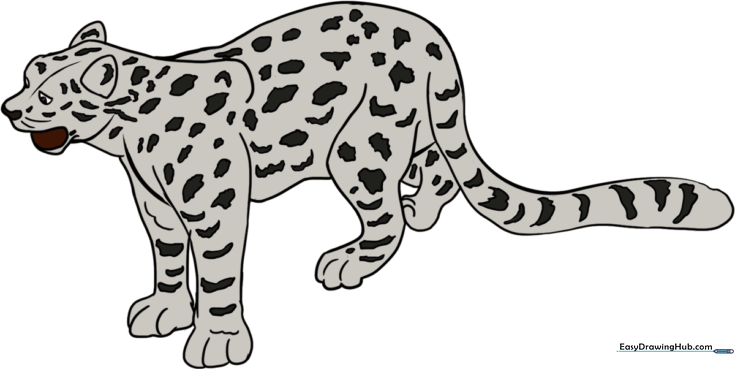
Capture the beauty of the mountain-dwelling snow leopard. Their thick fur is key to their look. Tip: Use light, fluffy pencil strokes around the edges to suggest a dense, warm coat.
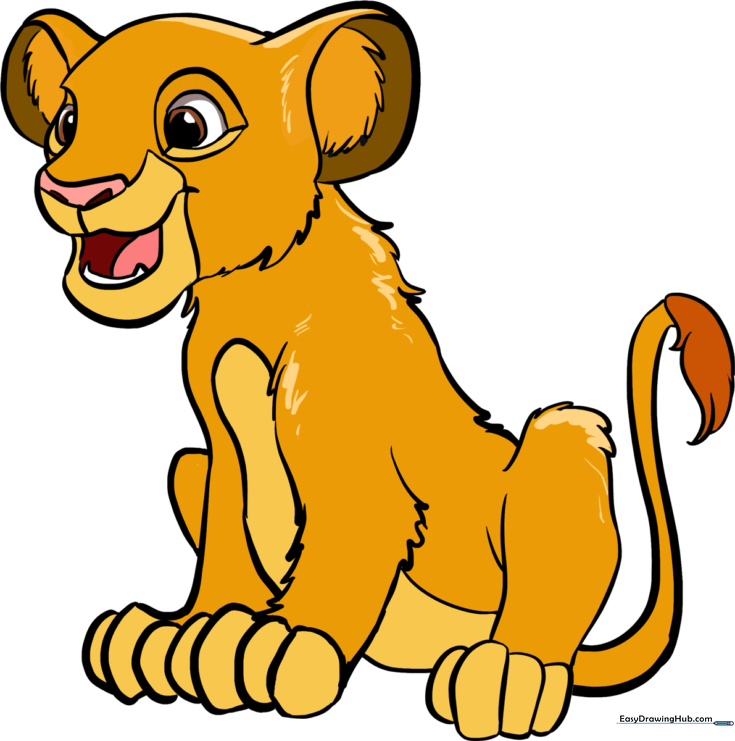
Simba from the Lion King
Draw everyone's favorite cub! Focus on the large, expressive eyes that give Simba his youthful, curious look. Tip: Keep the ears rounded and slightly oversized to emphasize his cub-like features.
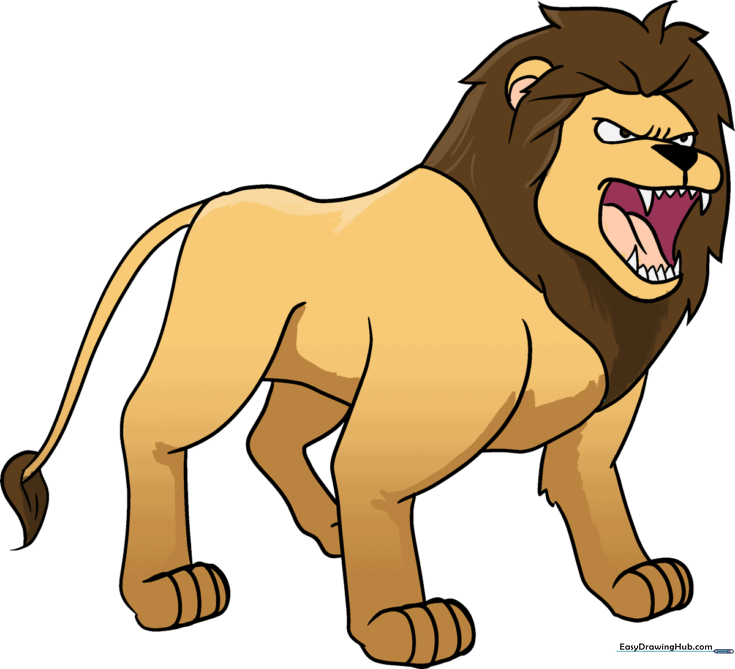
Lion Roaring
Master the 3/4 perspective with this roaring lion. This angle adds depth to your drawing. Tip: Use long, sweeping lines to create the flow of the mane around the face.
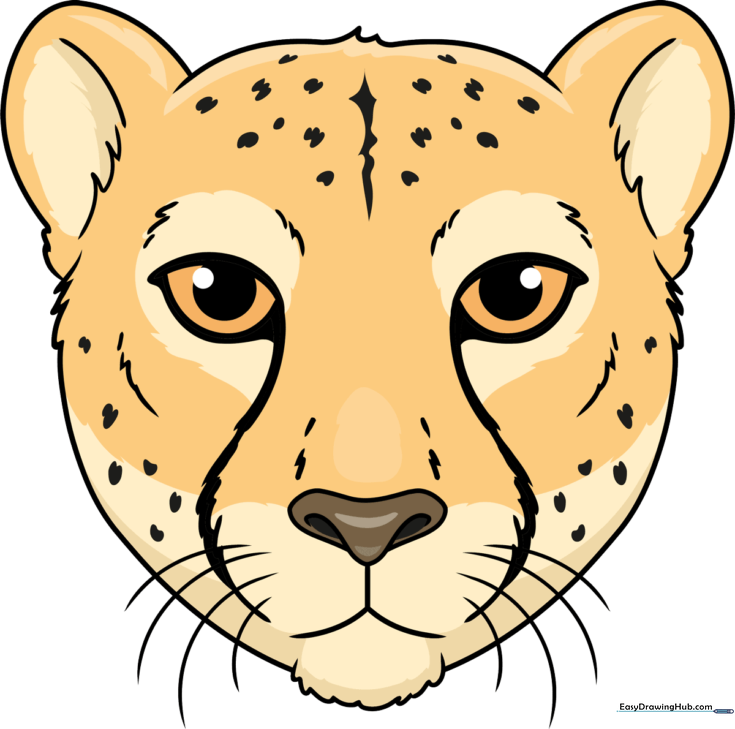
Cheetah Face
Focus on the details of the cheetah's face, specifically the 'tear marks' running from the eyes. Tip: Use a dark pencil to make these lines bold, as they are a signature feature of the cheetah.
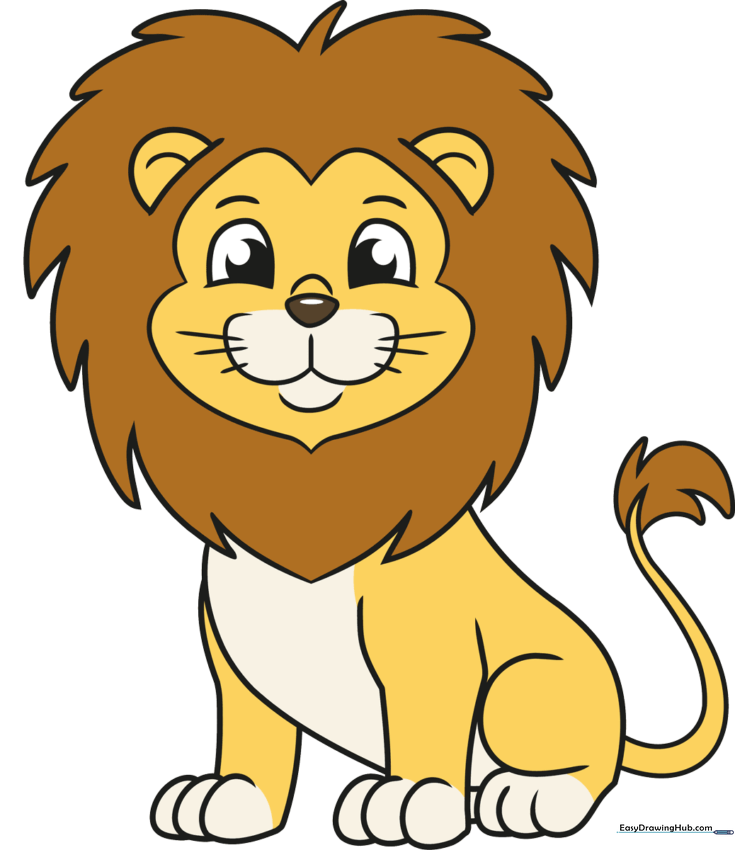
Easy Cartoon Lion
A perfect starting point for beginners. This friendly lion uses simple shapes to build a character. Tip: Start with a large circle for the head and add the mane as a series of connected 'U' shapes.
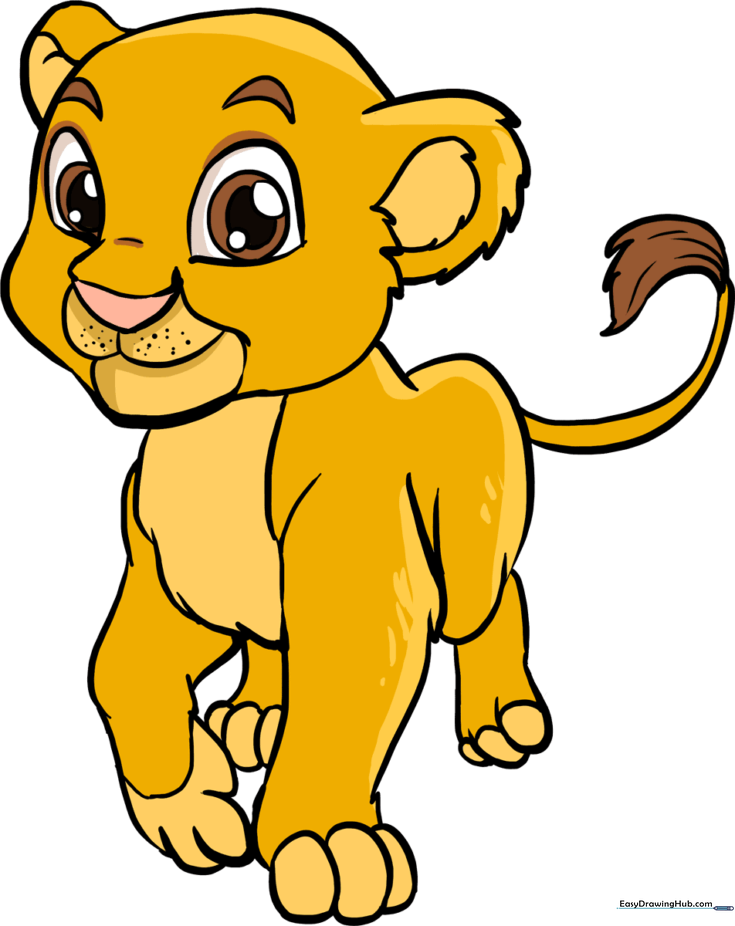
Baby Lion
Draw an adorable lion cub. Since they don't have manes yet, focus on the soft, rounded features of the face. Tip: Keep the eyes wide and spaced apart to give the cub a sweet, innocent expression.
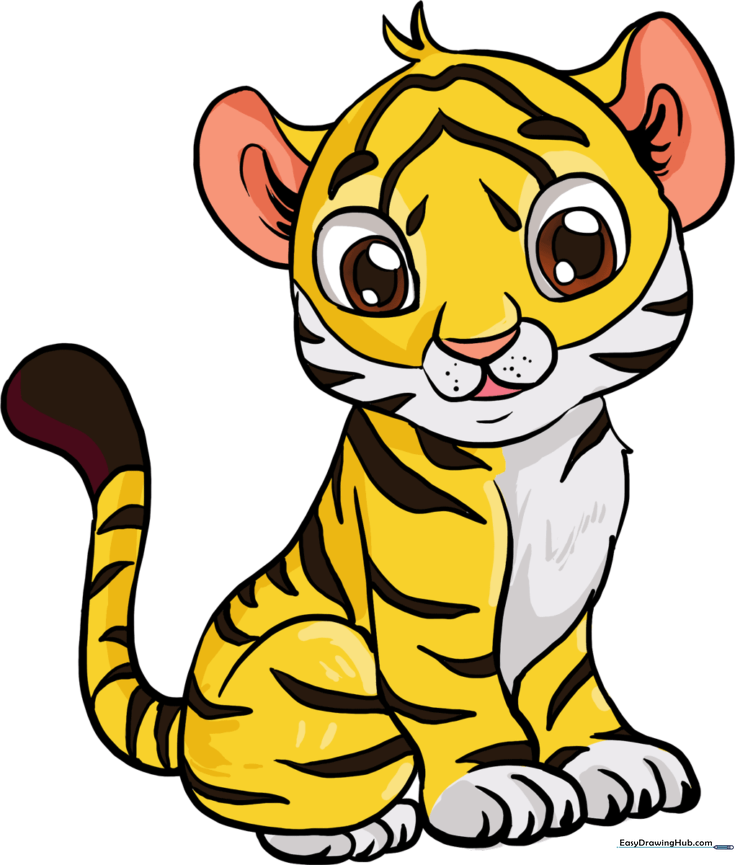
Baby Tiger
This chibi-style baby tiger is all about big features. Tip: Make the eyes extra large and the ears slightly rounded to enhance the 'cute' factor of this little tiger.
Tribal Lion
Explore a more artistic, graphic style. This tribal lion uses bold, black-and-white lines. Tip: Focus on creating clean, continuous lines to make the tribal patterns stand out.

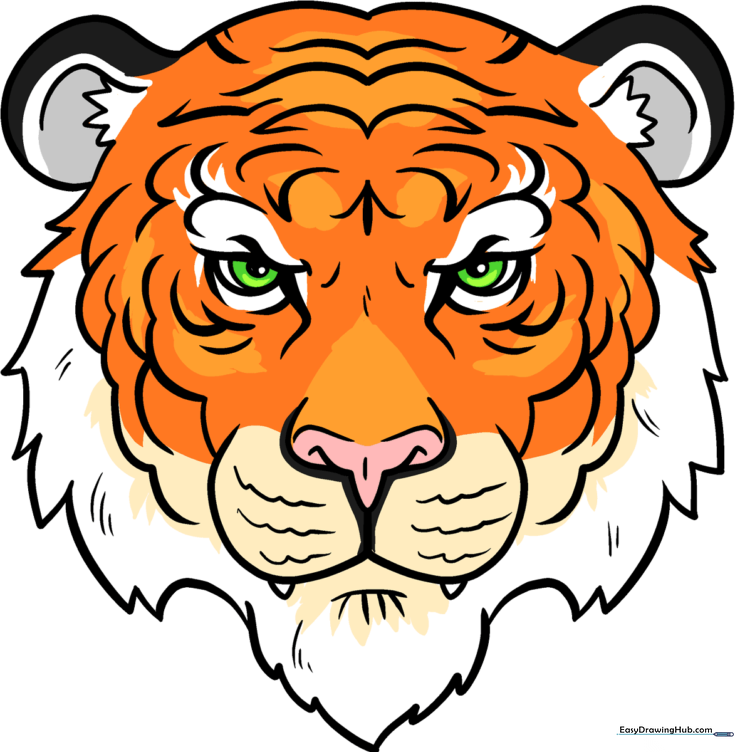
Tiger Face
Focus on the symmetry of the tiger's face. Tip: Use a light vertical guideline down the center of your paper to ensure the eyes and stripes are balanced on both sides.
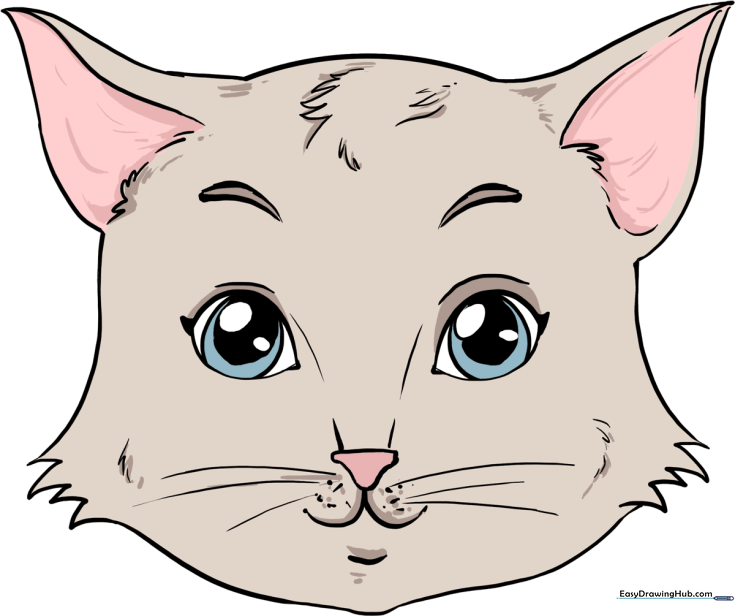
Cat Face
Many wildcats share features with our domestic friends. Use this tutorial to master the basic feline face structure. Tip: Keep the nose small and triangular for a realistic look.
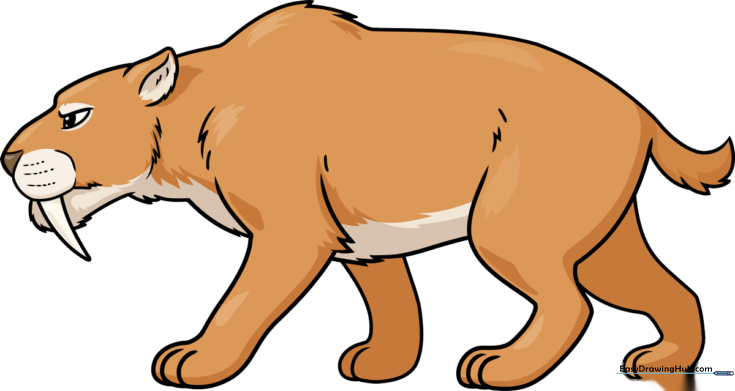
Saber Tooth Tiger (Smilodon)
Travel back in time! The key to this drawing is the long, curved canine teeth. Tip: Draw the teeth first, then build the jaw around them to get the proportions just right.
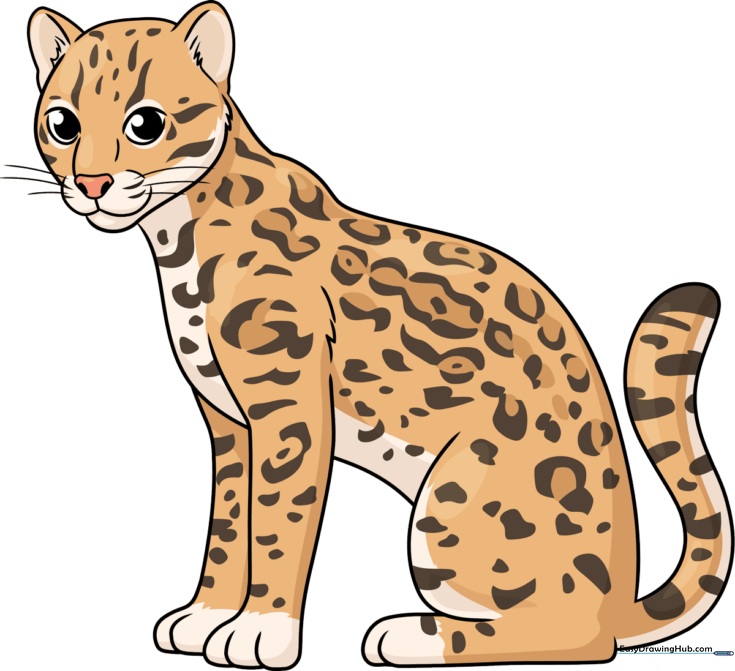
Ocelot
The ocelot is a beautiful, spotted cat. Tip: Use a variety of spot sizes—some larger and some smaller—to make the coat look natural and textured.
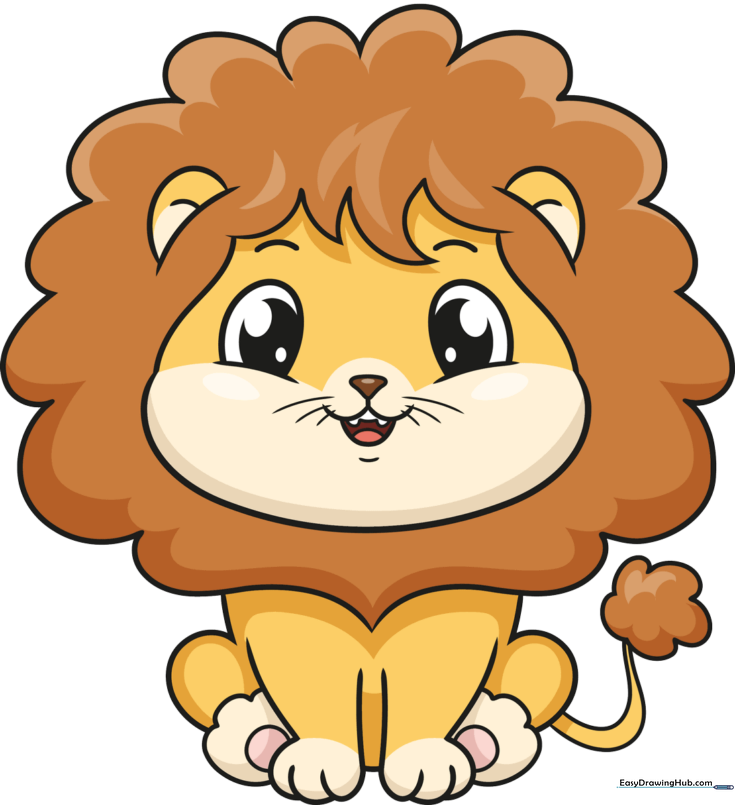
Cute Lion for Kids
This design is all about charm. With a big head and a tiny body, it's a fun, low-pressure drawing activity. Tip: Add a little smile to give your lion personality.
Easy Realistic Lion
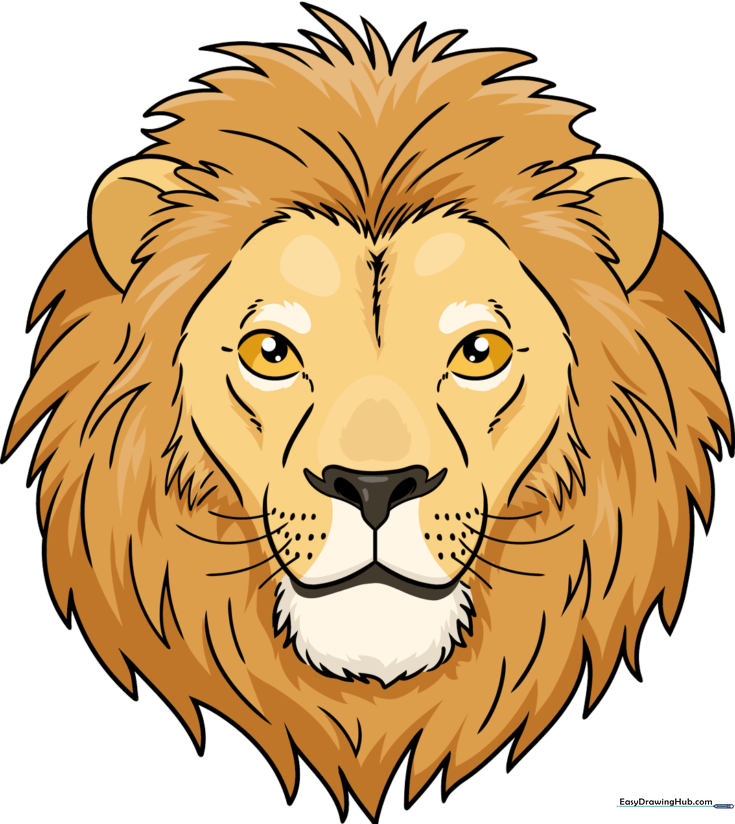
Ready for more detail? This tutorial helps you transition to realistic drawing. Tip: Use short, layered strokes to create the texture of the mane rather than one solid shape.
Lion Cub
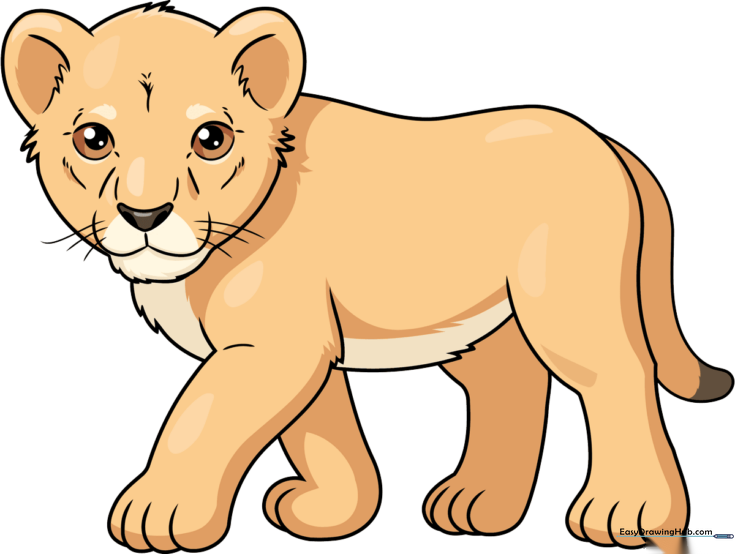
A sweet, realistic-style lion cub. Tip: Focus on the soft, fuzzy texture of the cub's fur by using light, short pencil marks around the edges of the body.
More Collections