35 Fun Science Coloring Pages for Kids (Free Printables)
🖍️ 35 free sheets
Bring STEM concepts to life with our collection of 35 science-themed coloring pages, designed for curious minds ages 5 and up. Whether you are supplementing a classroom lesson or looking for a screen-free afternoon activity, these sheets reinforce scientific vocabulary through creative play. All you need are your favorite crayons, markers, or colored pencils to start exploring the wonders of the laboratory and beyond.
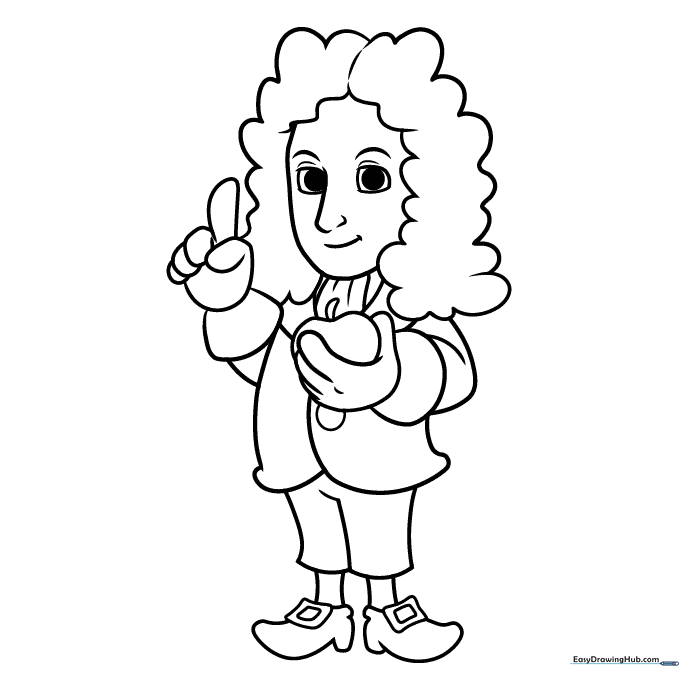
Isaac Newton & Gravity
Explore the legend of the falling apple. Tip: Use vibrant reds for the apple to make it pop against Newton's scholarly robes.
Friendly Robot
Robotics is the future of science! Tip: Use metallic silver or bright primary colors to give your robot a futuristic, high-tech look.

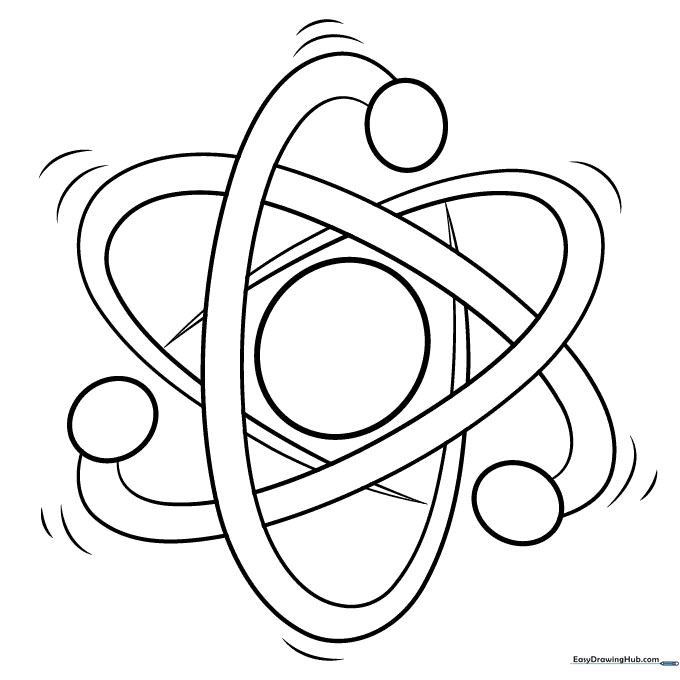
Lithium Atom Model
Visualize the building blocks of matter. Tip: Color the nucleus and electrons in contrasting shades to clearly distinguish the parts of the atom.
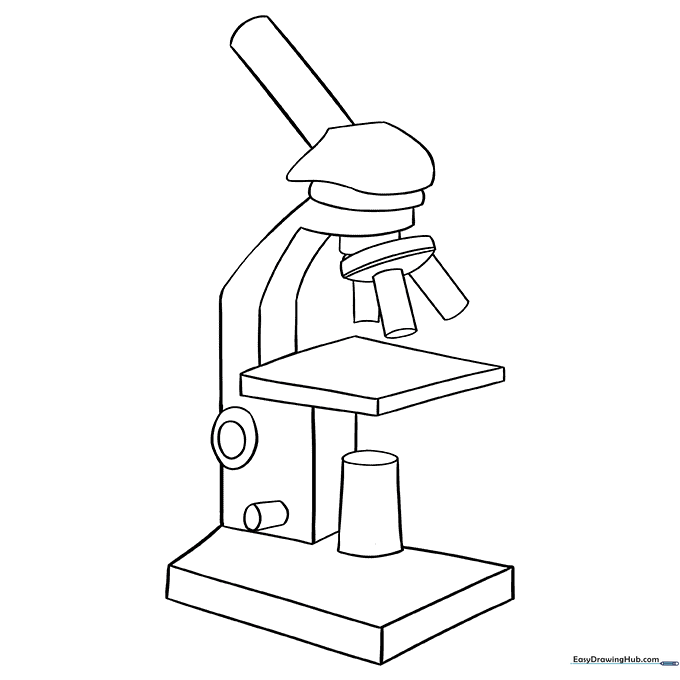
Laboratory Microscope
Peer into the microscopic world. Tip: Use shades of grey or black for the metal frame to make the lens area stand out.
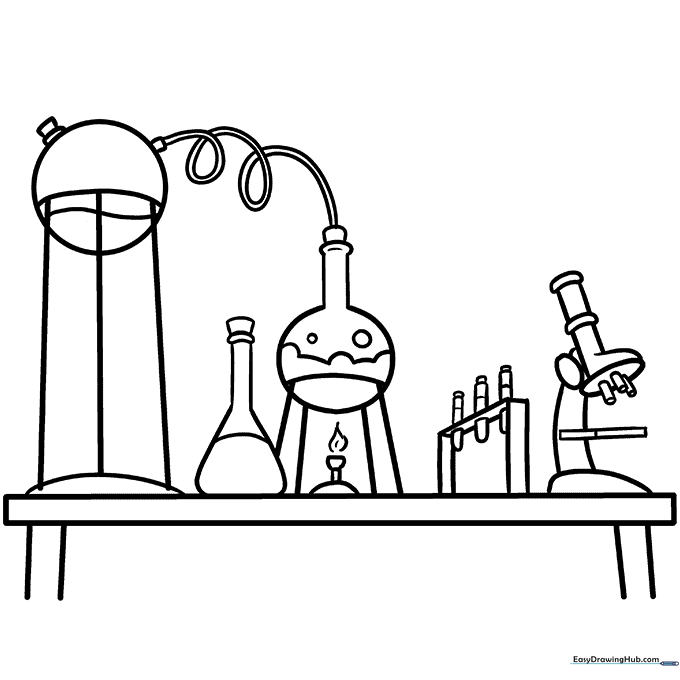
Chemistry Lab Setup
A collection of beakers and vials ready for an experiment. Tip: Use bright, neon colors for the liquids to show bubbling chemical reactions.
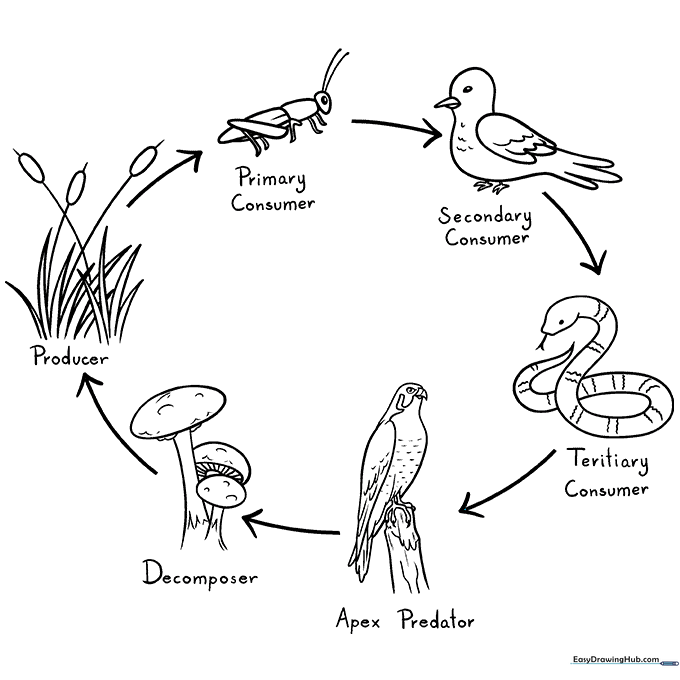
Nature's Food Chain
Understand how energy flows through ecosystems. Tip: Use earthy tones for plants and animals to keep the scene looking natural.
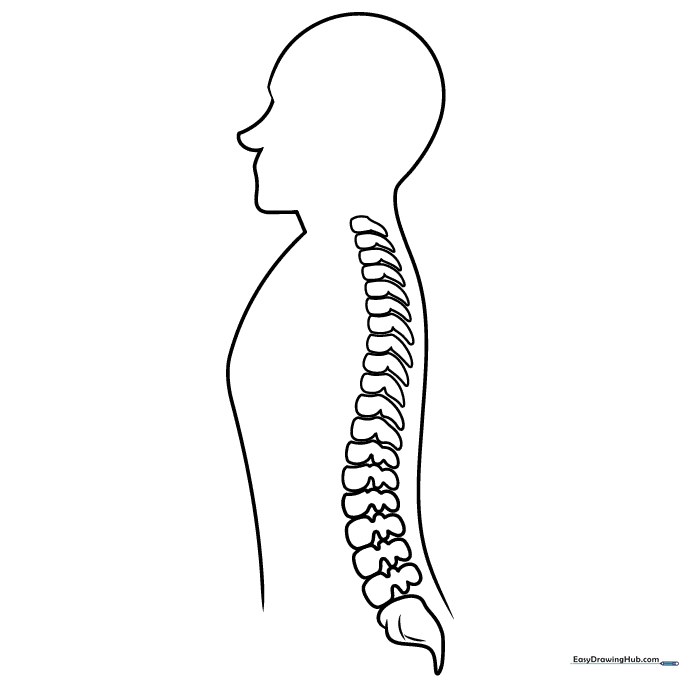
Human Spine Anatomy
Learn about the structure that keeps us upright. Tip: Use a light tan or beige for the bones to give them a realistic, skeletal appearance.
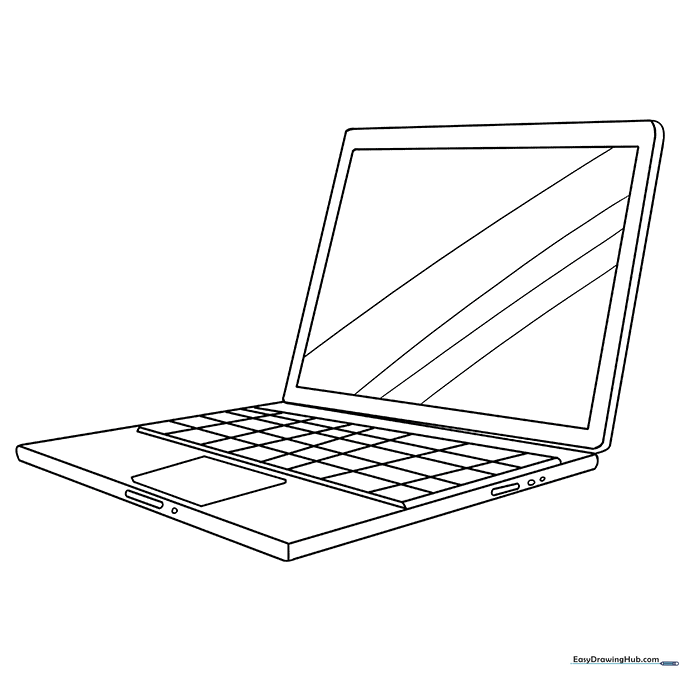
Modern Computer
The tool that powers modern science. Tip: Customize the screen with your own scientific drawing, like a star or a molecule!
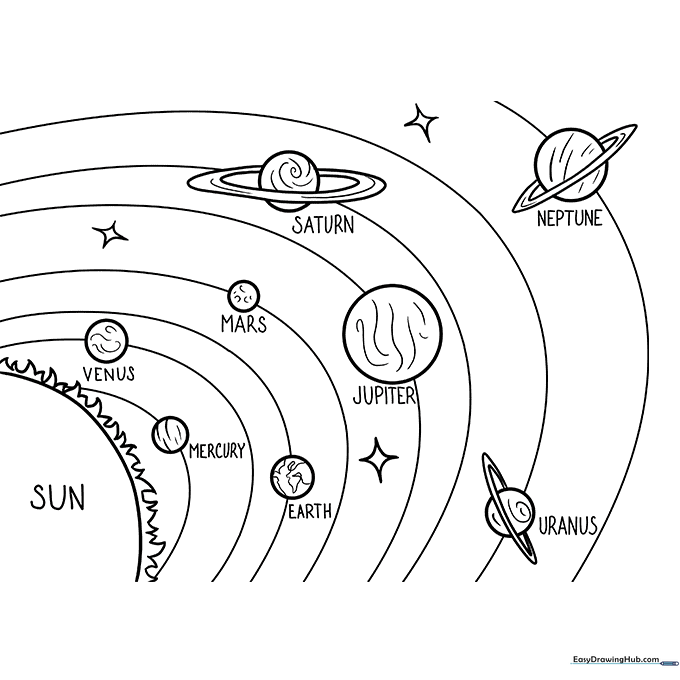
Our Solar System
Journey through space. Tip: Use distinct colors for each planet—red for Mars, blue for Earth, and orange for Jupiter—to help with memorization.
Astronaut Helmet
Gear up for a space mission. Tip: Use a light blue or white for the visor reflection to create a shiny, glass-like effect.

Open Science Book
Knowledge is the foundation of discovery. Tip: Use different colors for the pages and the cover to make the book look open and inviting.

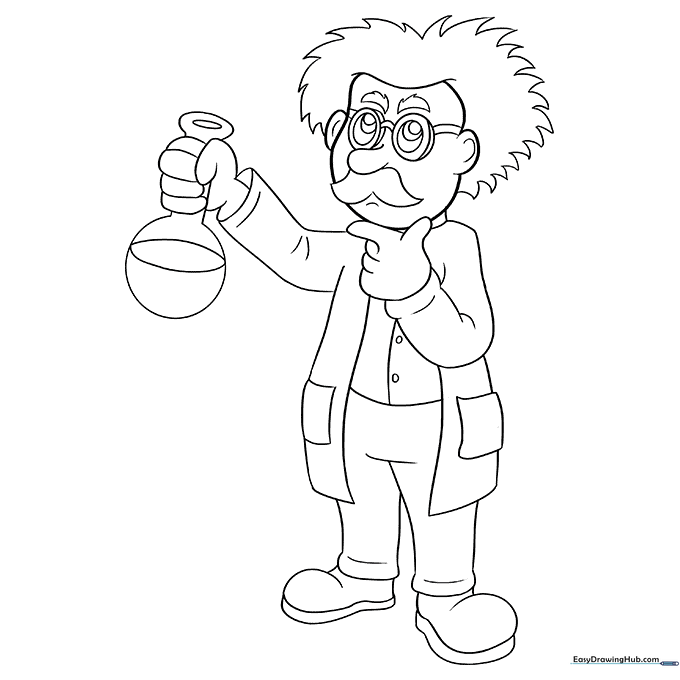
Cartoon Scientist
Meet your new lab partner! Tip: Give him wild, Einstein-inspired hair using grey or white to show his genius energy.
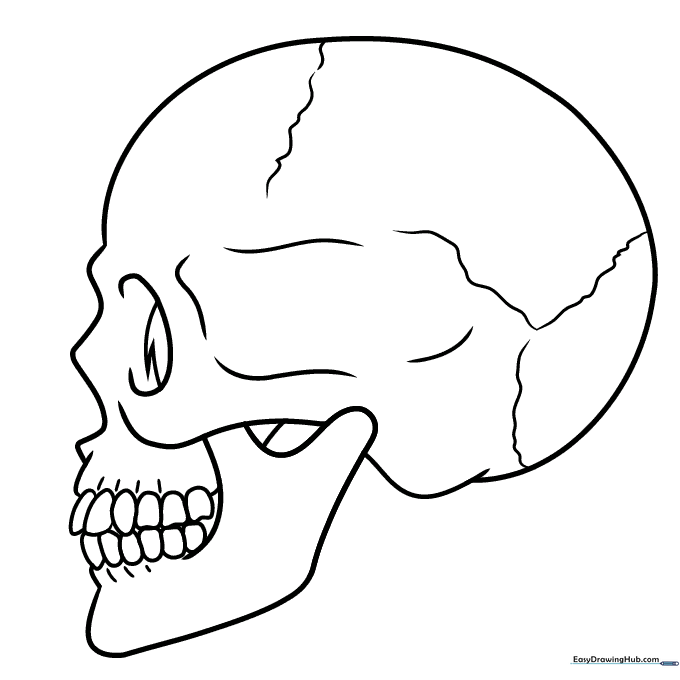
Skull Anatomy Profile
A classic study in human biology. Tip: Use soft shading around the eye sockets to add depth to the bone structure.
Library Bookshelf
Where all great scientific discoveries are recorded. Tip: Color the book spines in a rainbow pattern to make your library look vibrant.

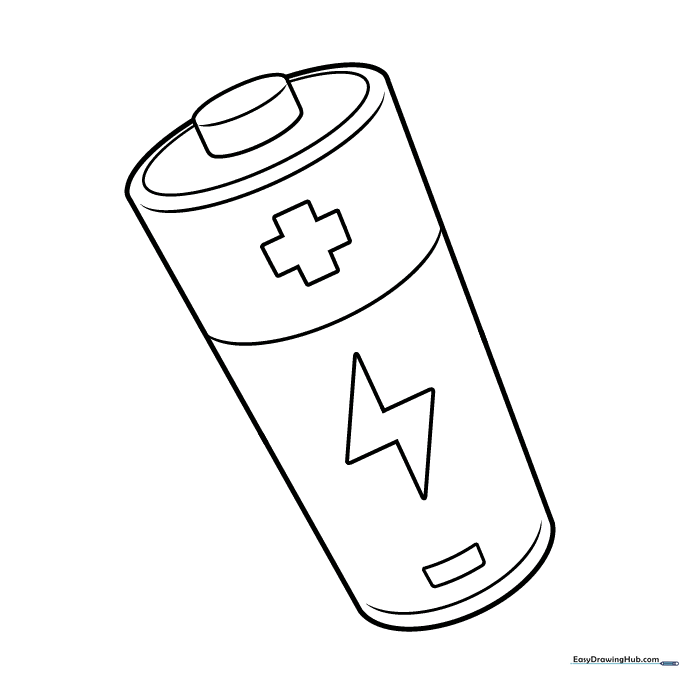
Power Battery
The heart of portable electronics. Tip: Use red for the positive (+) end and blue for the negative (-) end to learn about polarity.
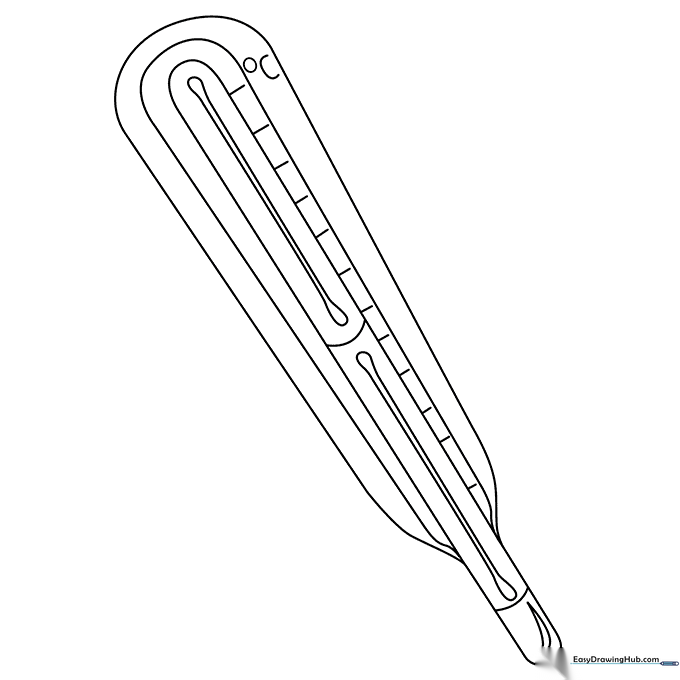
Laboratory Thermometer
Measure the heat of your reactions. Tip: Color the liquid inside red to represent a high temperature reading.
Magnifying Glass
Look closer at the world around you. Tip: Use a light blue tint for the lens to give it a glass-like quality.

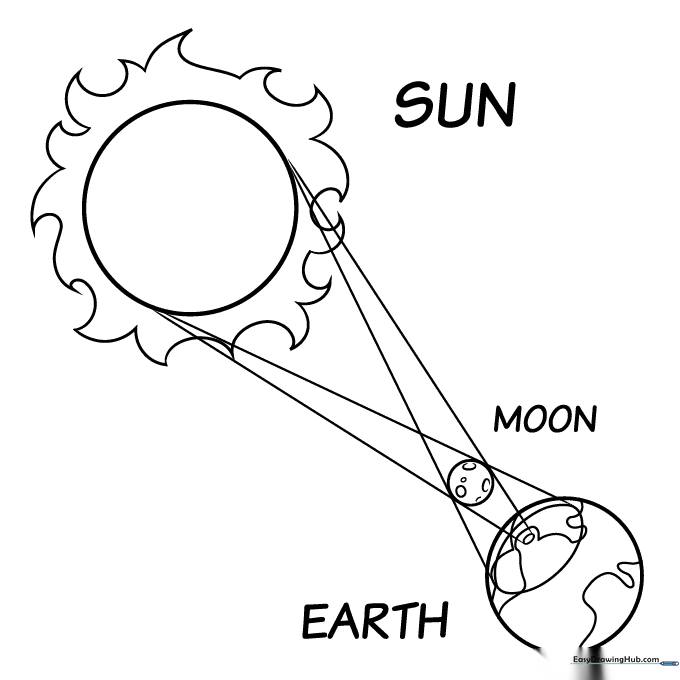
Solar Eclipse
A rare celestial event. Tip: Use dark colors for the moon and a bright yellow or orange for the sun's corona.
Muscular System (Abs)
Study the human body in motion. Tip: Use different shades of pink or red to highlight the muscle groups.

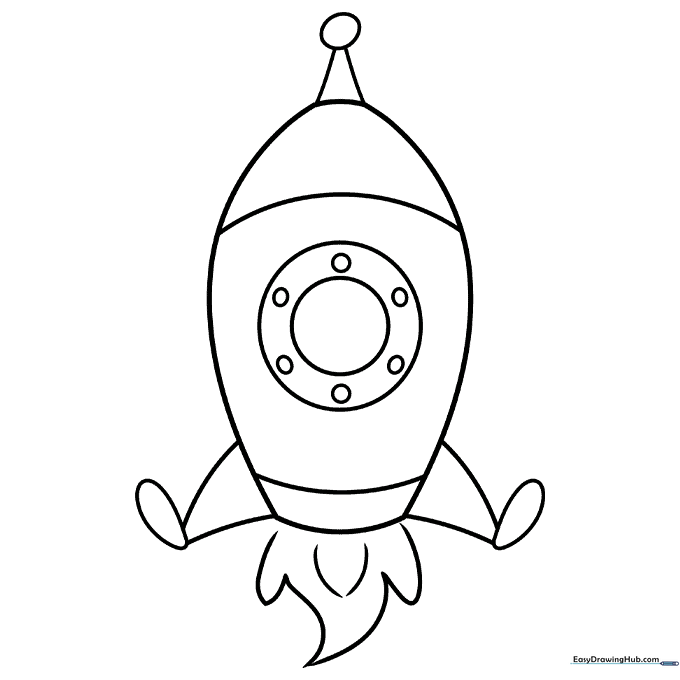
Space Rocket
Blast off into the unknown! Tip: Use bright reds and oranges for the rocket flames to show power and speed.
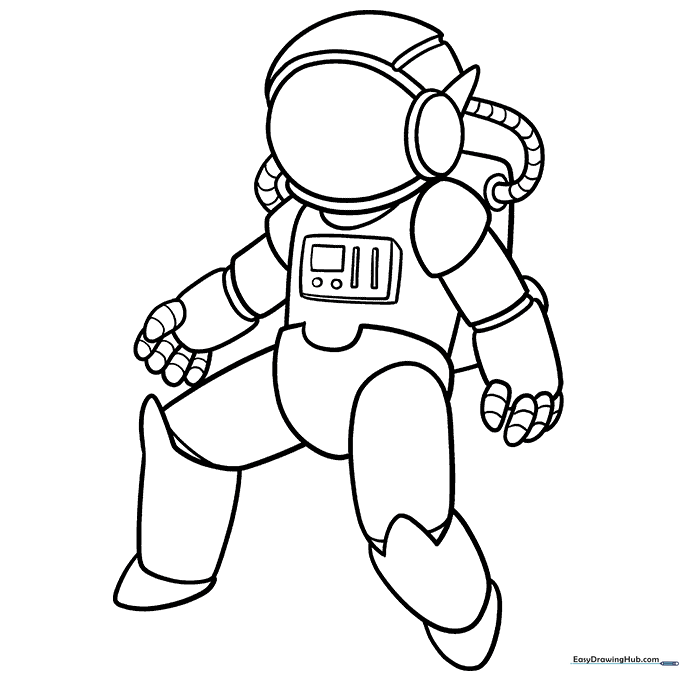
Astronaut Explorer
Ready for a spacewalk. Tip: Use metallic silver for the suit and draw a custom flag on the shoulder patch.
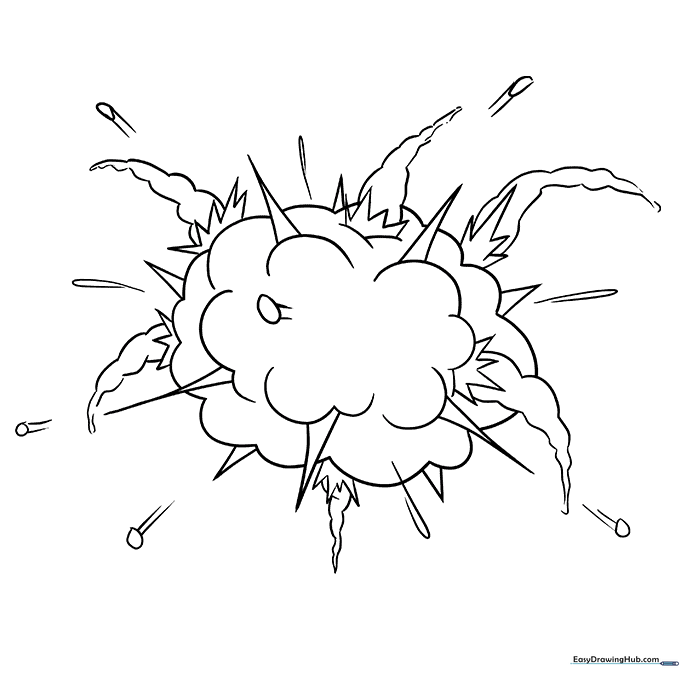
Big Bang Explosion
The origin of the universe. Tip: Use a mix of yellows, oranges, and reds to create a dynamic, energetic explosion effect.
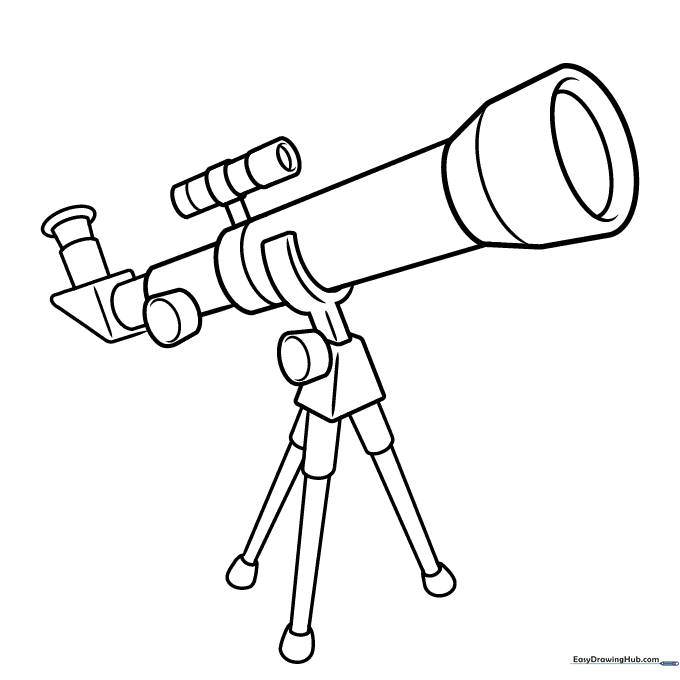
Astronomical Telescope
Study the stars and galaxies. Tip: Use dark blue or black for the telescope body to match the night sky.
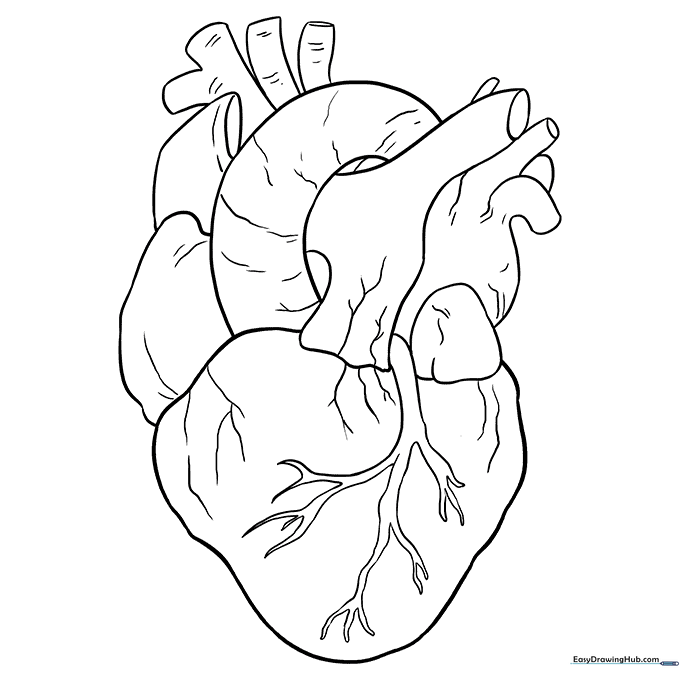
Human Heart Anatomy
The engine of the body. Tip: Use blue for veins carrying deoxygenated blood and red for arteries to learn about circulation.
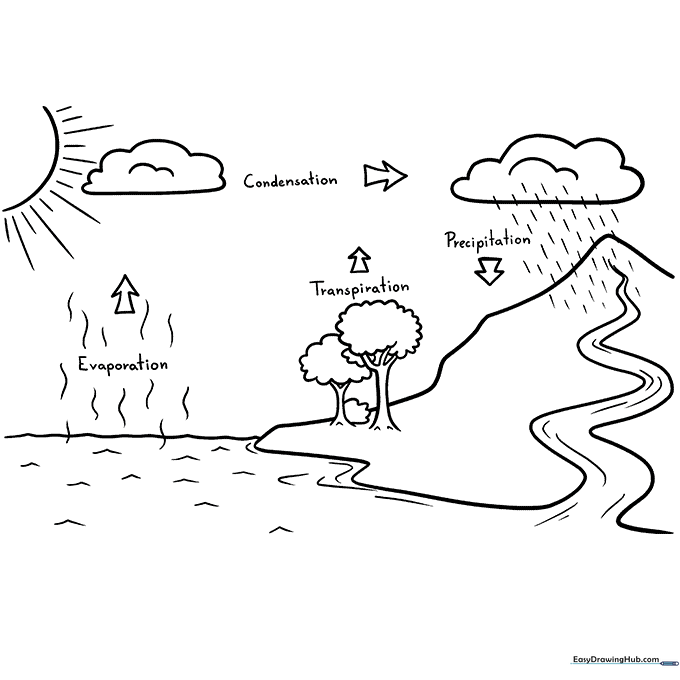
The Water Cycle
Follow the journey of a raindrop. Tip: Use light blue for rain and clouds, and green for the earth to show the cycle in action.
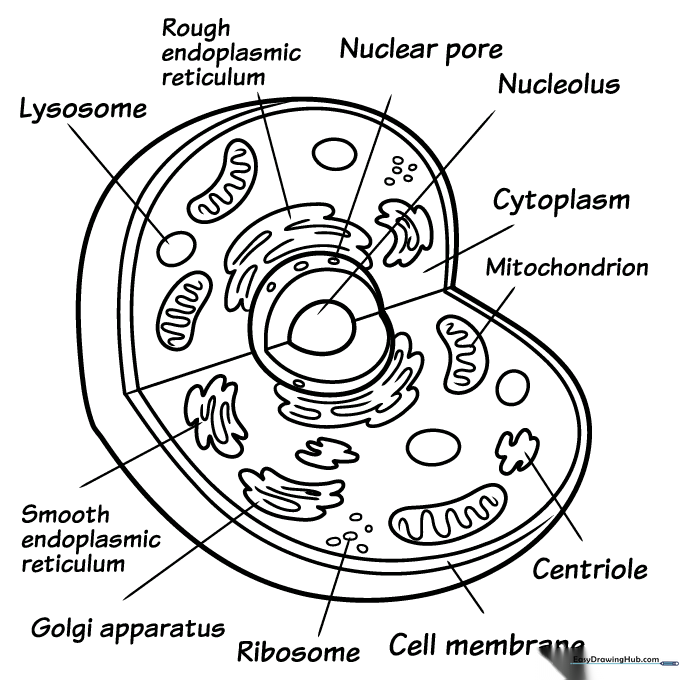
Animal Cell Diagram
Explore the building blocks of life. Use a color-coding system to distinguish between the nucleus, mitochondria, and ribosomes. Teacher's Tip: Use light pastels for the cytoplasm so the darker organelle labels remain easy to read.
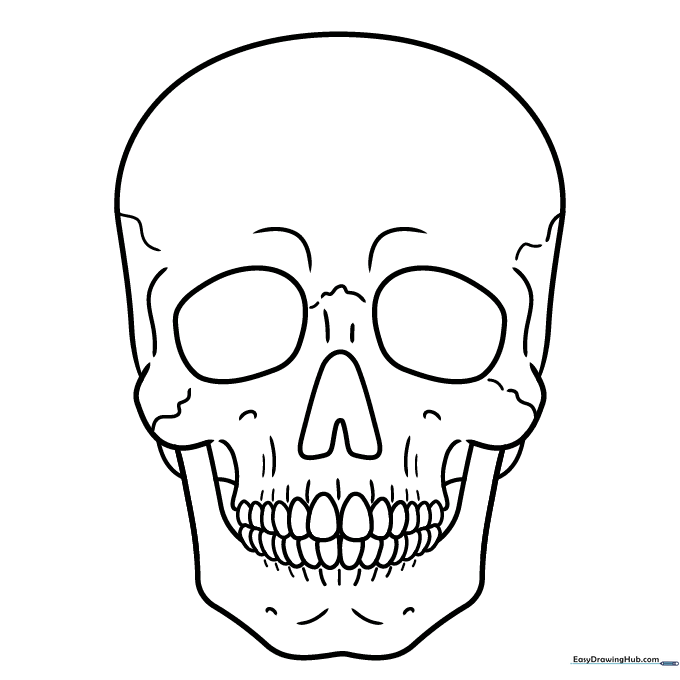
Anatomical Skull Study
A great resource for budding anthropologists. Focus on shading the eye sockets and nasal cavity to create depth. Teacher's Tip: Use a light grey wash before adding white highlights to give the bone a realistic, textured look.
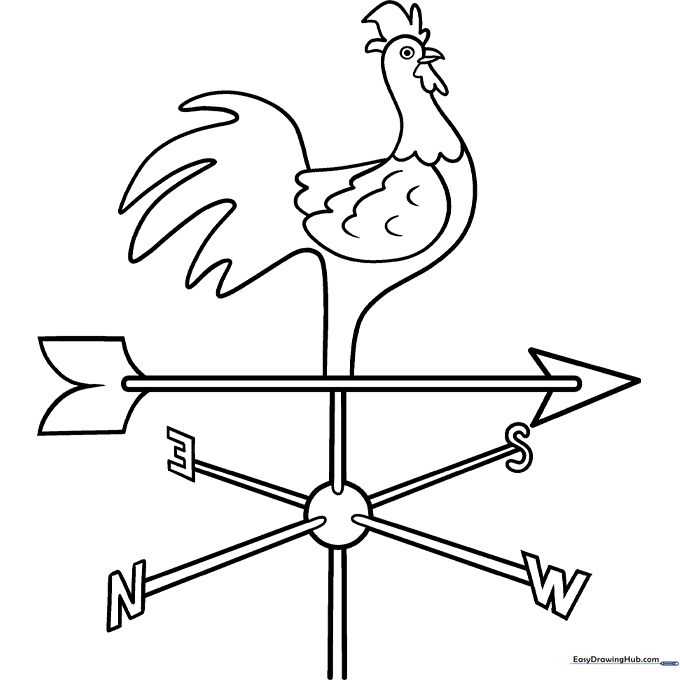
Classic Weathervane
Learn about meteorology and wind direction. Practice your steady hand by coloring the intricate rooster silhouette. Teacher's Tip: Use metallic gold or copper markers to make the metal parts pop against a sky-blue background.
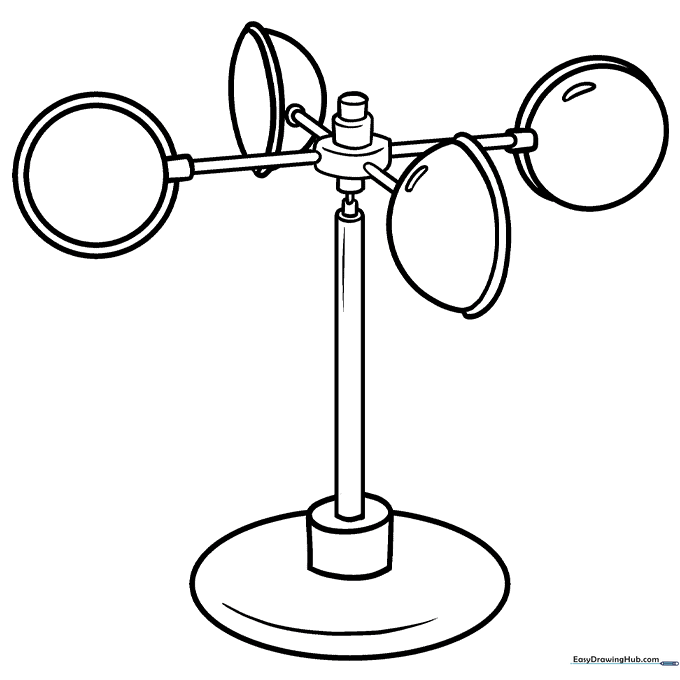
Anemometer Tool
Visualize how wind speed is measured. Color the rotating cups in a pattern to track the motion. Teacher's Tip: Use a bright, contrasting color for the center axis to emphasize the point of rotation.
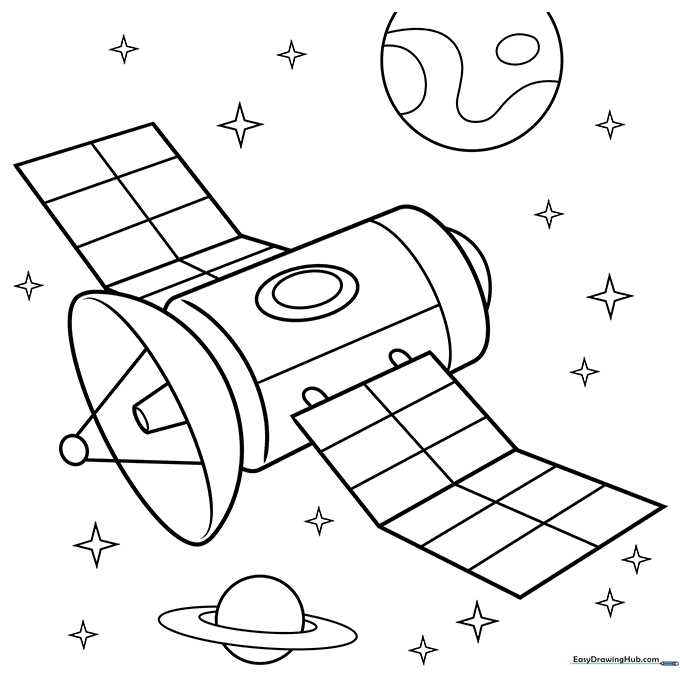
Orbiting Satellite
Explore space technology. Use silver and metallic grey to capture the look of high-tech solar panels. Teacher's Tip: Add small white dots around the satellite to represent stars in the deep vacuum of space.
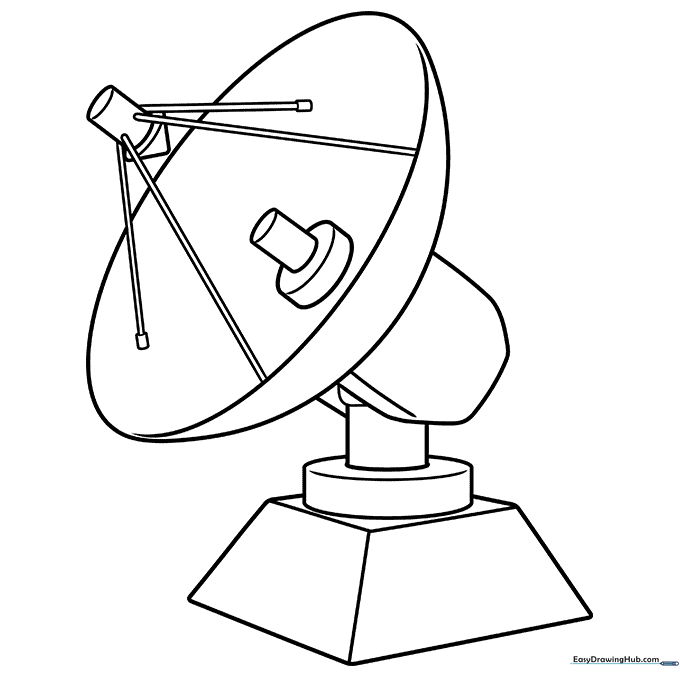
Radar Antenna Dish
Understand how we communicate across long distances. Focus on the curvature of the dish to show its shape. Teacher's Tip: Use light pressure with your pencil to create a smooth, reflective gradient on the dish surface.
World Globe Model
A perfect geography companion. Use traditional blues for oceans and varied greens for continents. Teacher's Tip: Try using two shades of green—one for forests and one for plains—to add geographical detail.

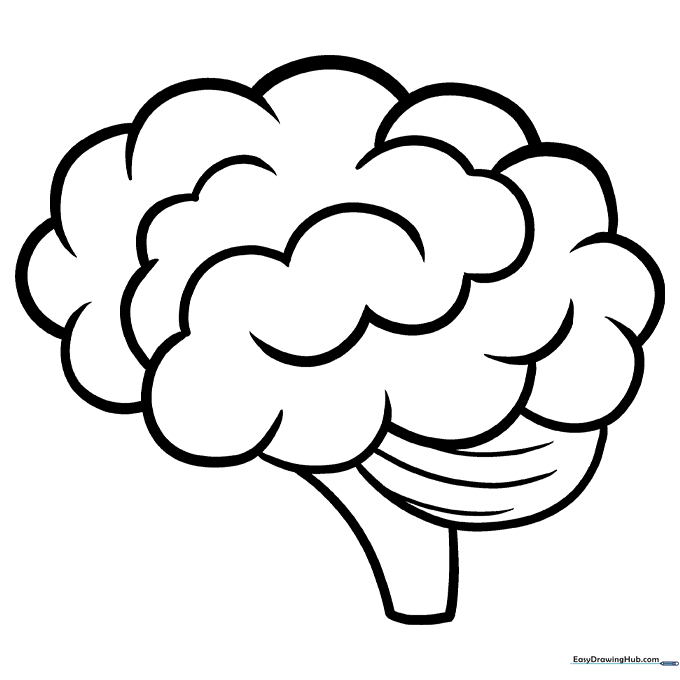
Human Brain Anatomy
Discover the control center of the body. Use soft pinks and purples to color the lobes. Teacher's Tip: Use a fine-tip marker to trace the folds (gyri) to make the brain look more realistic and textured.
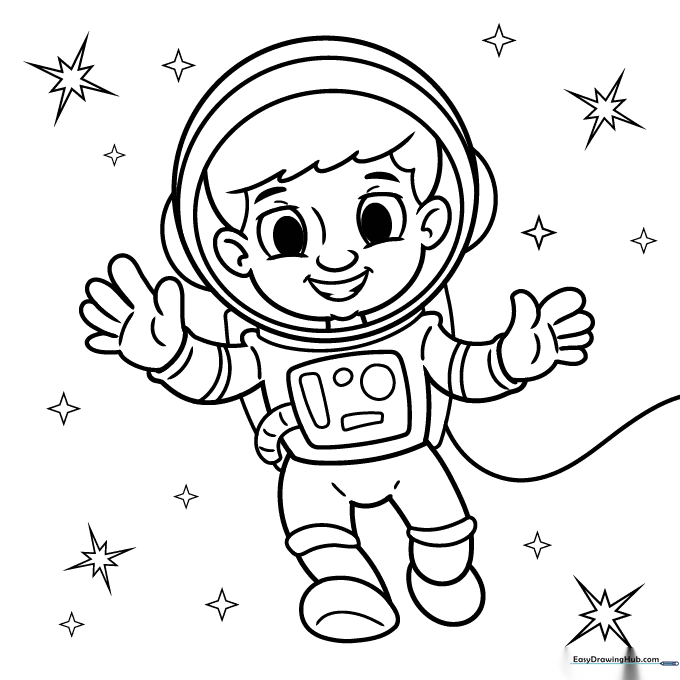
Astronaut Explorer
Celebrate space exploration. Keep the suit bright white, but have fun with the visor reflection. Teacher's Tip: Use a gold or yellow metallic pencil for the visor to mimic the sun-shielding coating on real space helmets.
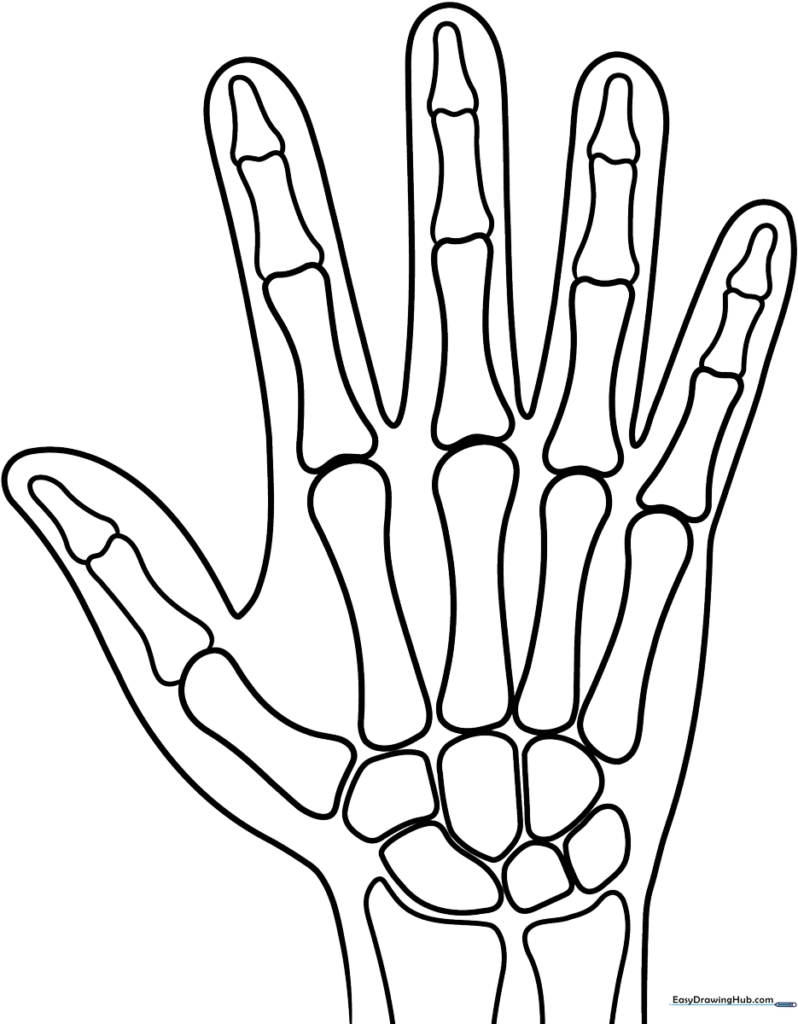
Medical X-Ray Hand
Learn about medical imaging and skeletal structure. Use a dark background to make the bones stand out. Teacher's Tip: Use a white gel pen to add highlights to the edges of the bones for a 'glowing' medical effect.
More Collections