70 Human Body Coloring Pages: Fun Anatomy Lessons for Kids
🖍️ 70 free sheets
Turn anatomy lessons into a creative, screen-free activity with these 70 printable human body coloring pages. Designed for ages 5 and up, these sheets help children visualize complex systems like the skeletal, muscular, and digestive structures. Simply grab your favorite crayons or colored pencils and start labeling as you color to reinforce key science concepts.
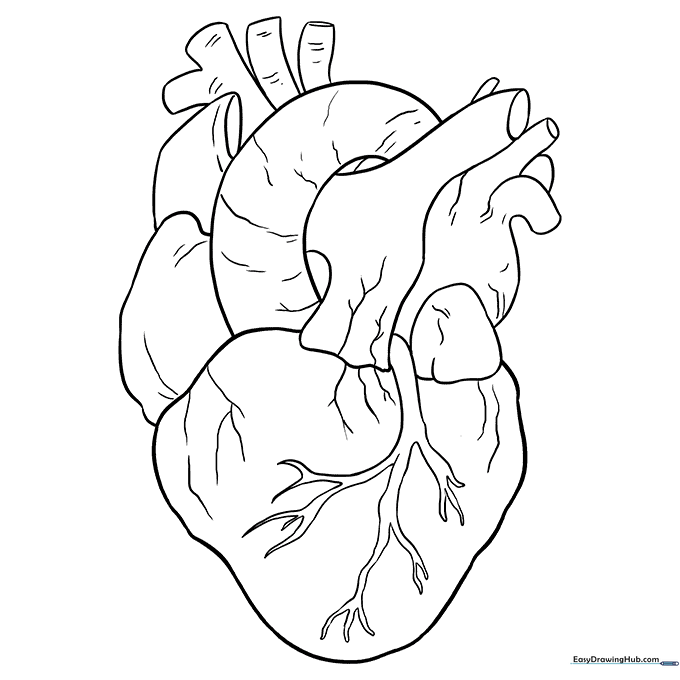
Human Heart Anatomy Sheet
Color the oxygenated blood flow in vibrant red and the returning flow in blue. Teacher's Tip: Use this to explain how the heart acts as a pump for the whole body.
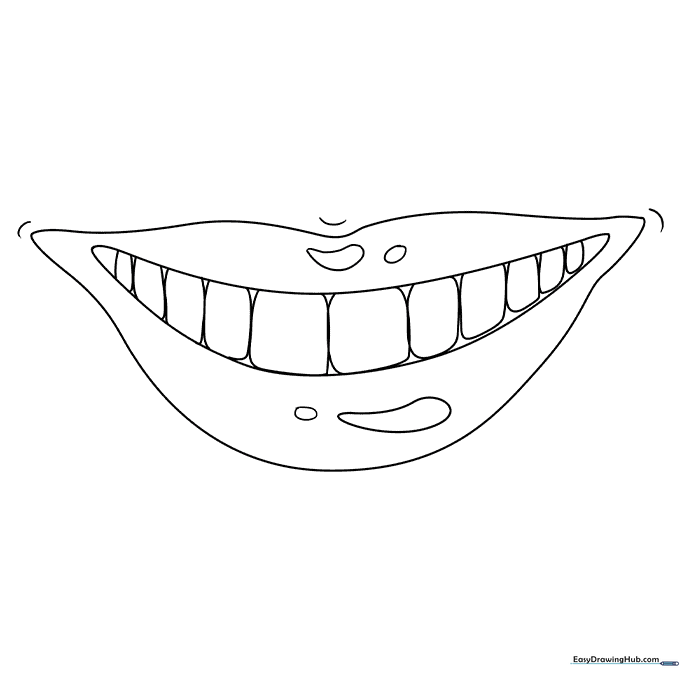
Teeth and Lips Study
Practice shading techniques on the lips and keep the teeth bright. Teacher's Tip: Discuss oral hygiene while coloring to make the lesson stick.
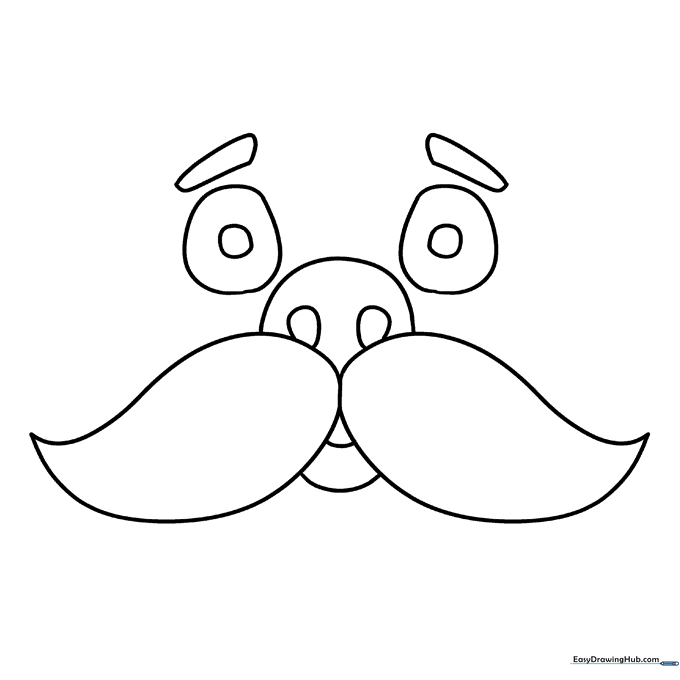
Mustache Grooming Sheet
Focus on texture and line direction when coloring this mustache. Teacher's Tip: Use short, flicking strokes to mimic the look of real hair.
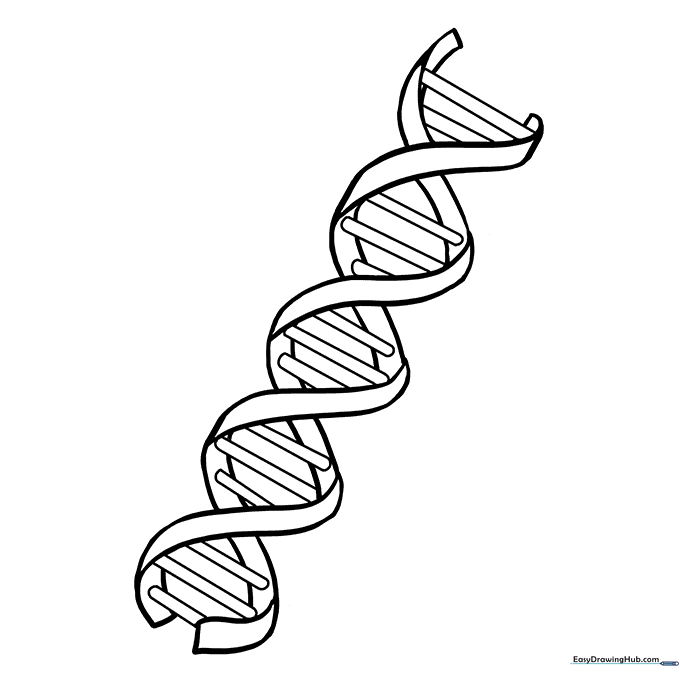
DNA Helix Diagram
Color-code the four base pairs to understand genetic structure. Teacher's Tip: Use a consistent color key to help memorize the four nucleotides.
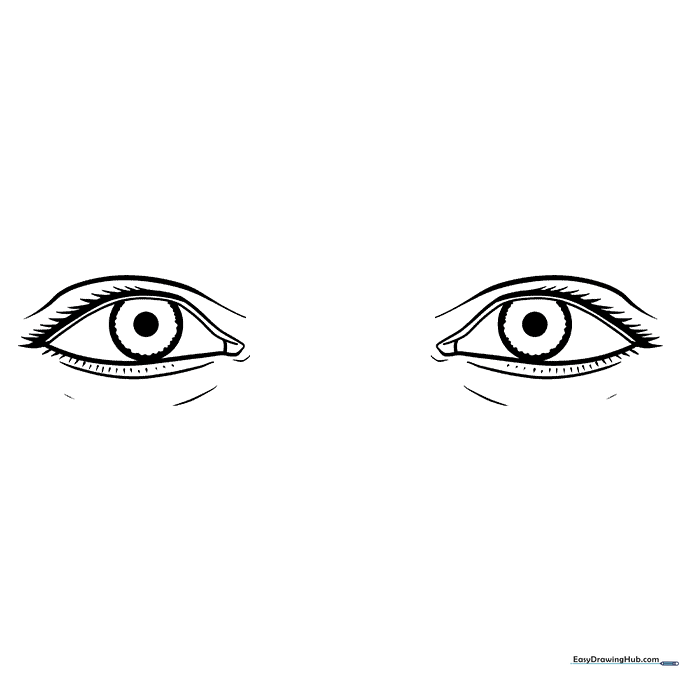
Human Eye Anatomy
Focus on the iris and pupil. Teacher's Tip: Use light pressure to create a gradient from the pupil outward for a realistic look.
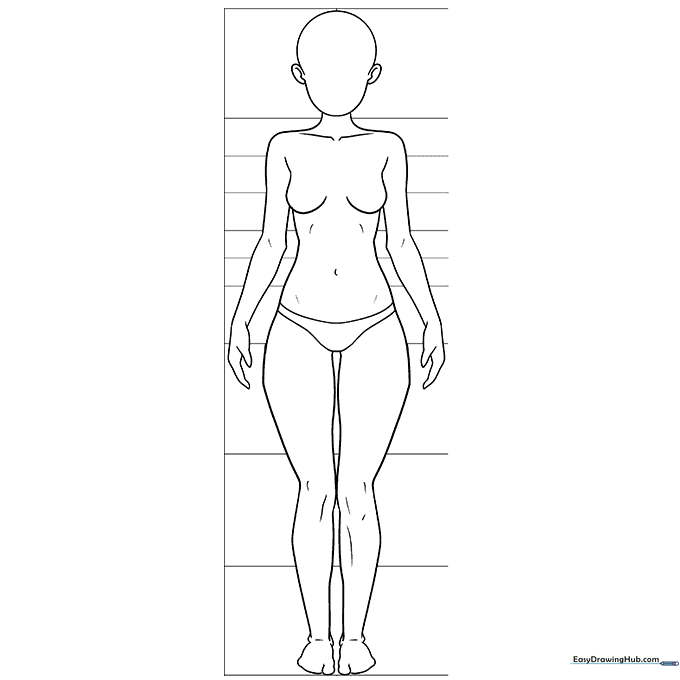
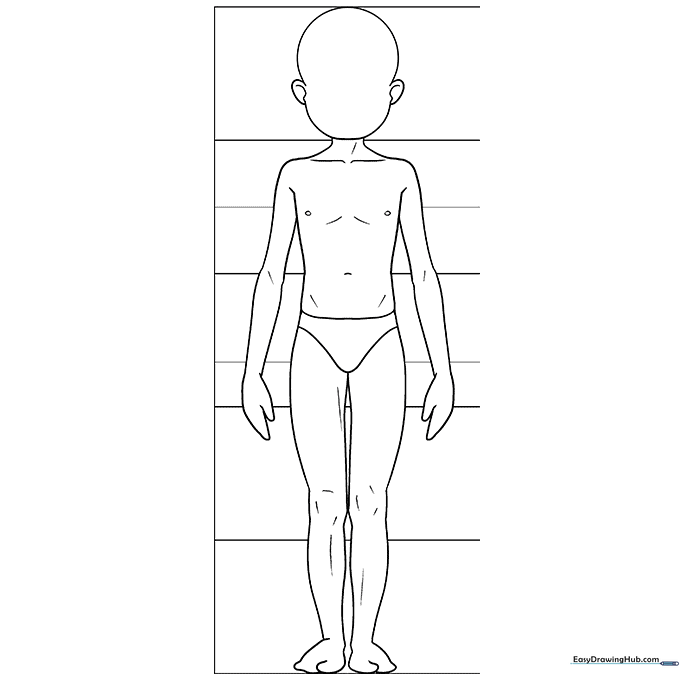
Anime Body Proportions
Learn the basics of human figure drawing with this anime-style template. Teacher's Tip: Use this to practice drawing clothing over the body frame.
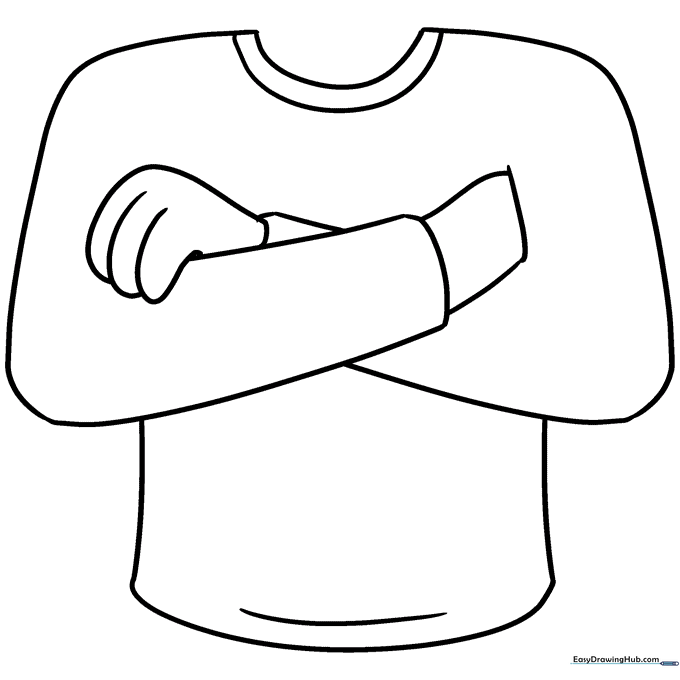
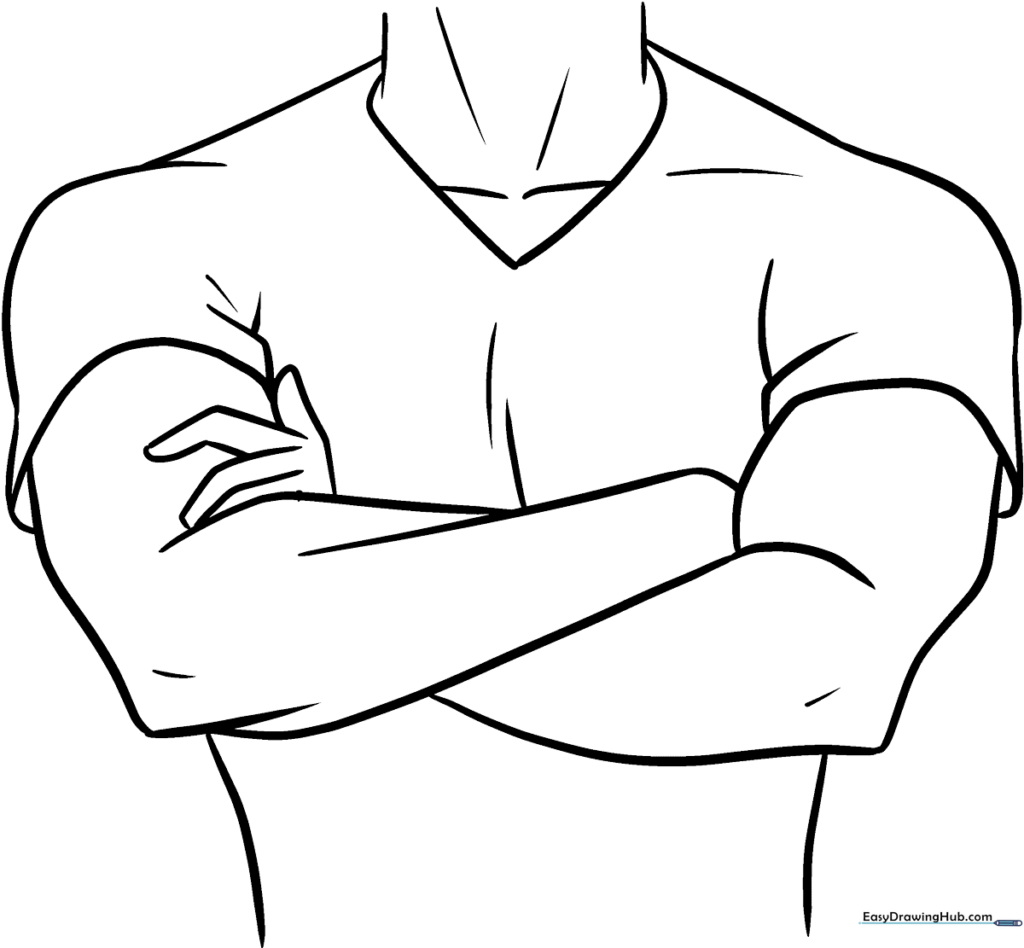
Crossed Arms Gesture
Explore how body language conveys emotion. Teacher's Tip: Ask the child what emotion they think this character is feeling while they color.
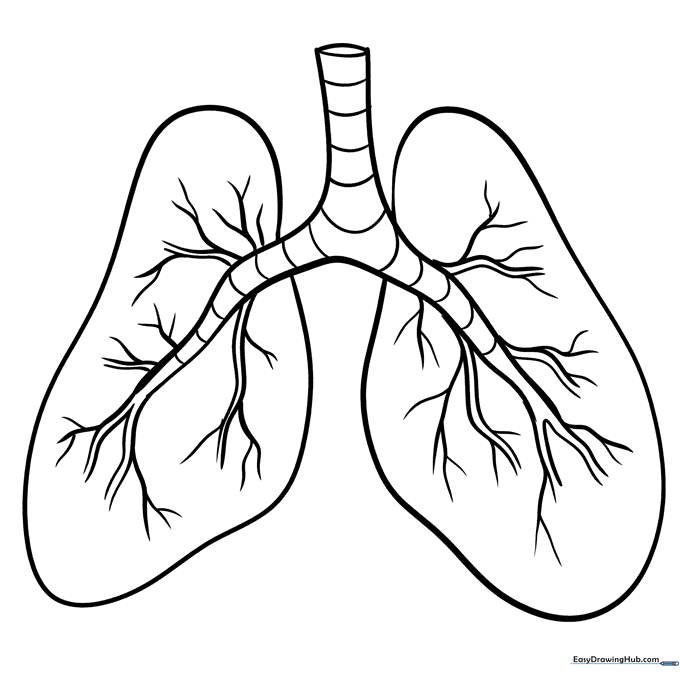
Lung Anatomy Sheet
Learn about the respiratory system. Teacher's Tip: Use light pink for healthy tissue and discuss why we keep our lungs clean.
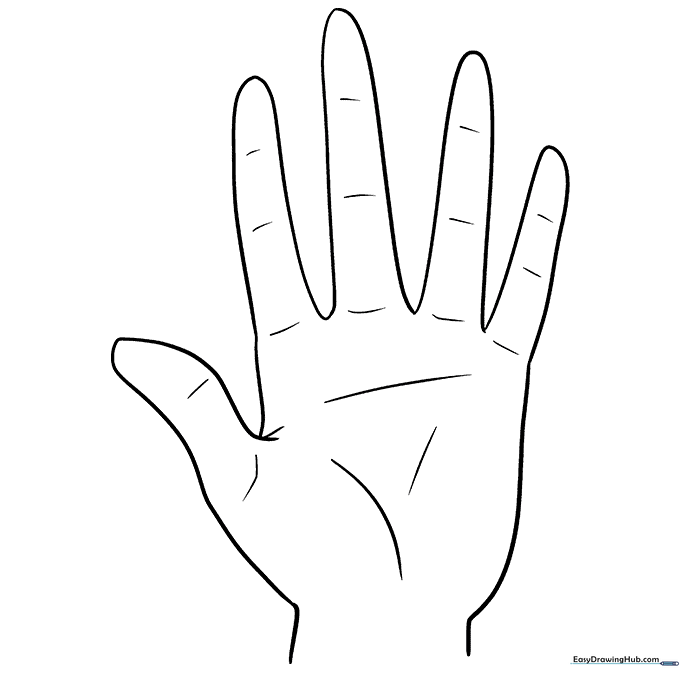
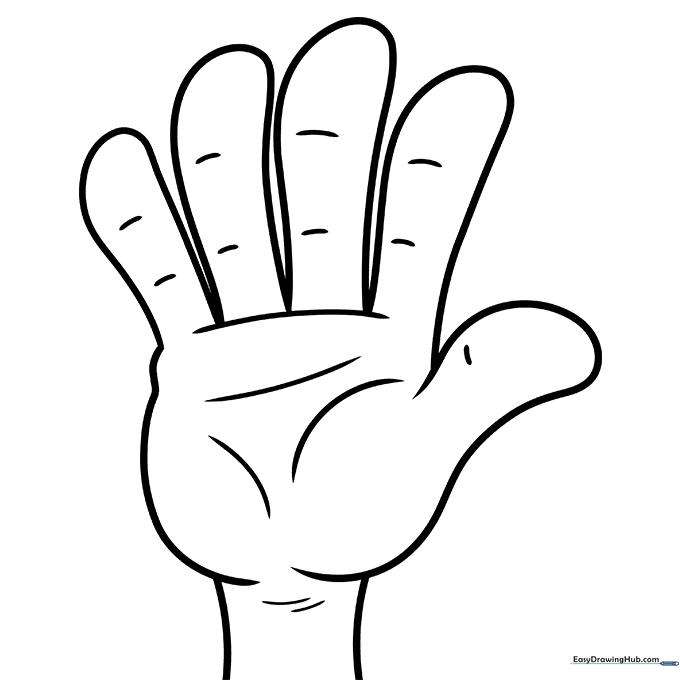
Hand Gesture Study
Hands are notoriously difficult to draw; use this sheet to study finger placement. Teacher's Tip: Trace the lines first to build muscle memory.
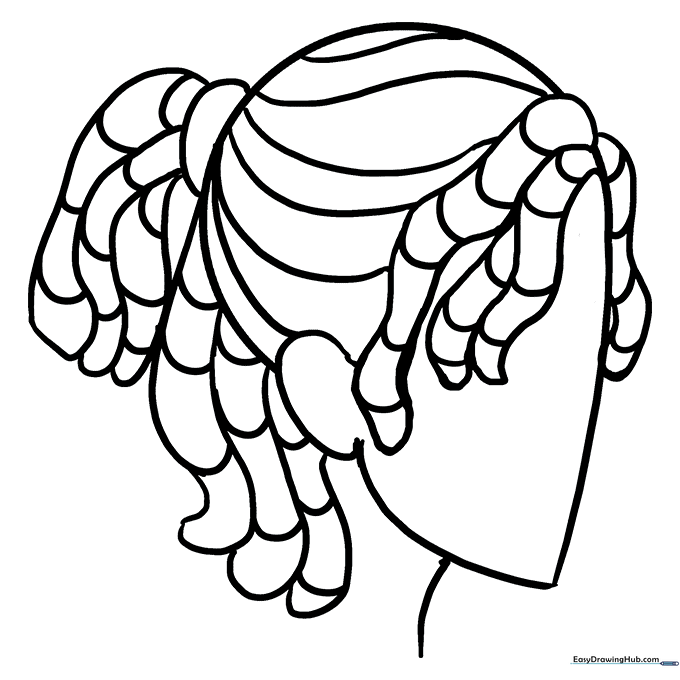
Dreadlocks Hair Study
Focus on the cylindrical shape of each lock. Teacher's Tip: Use varying shades of brown to add depth and dimension to the hair.
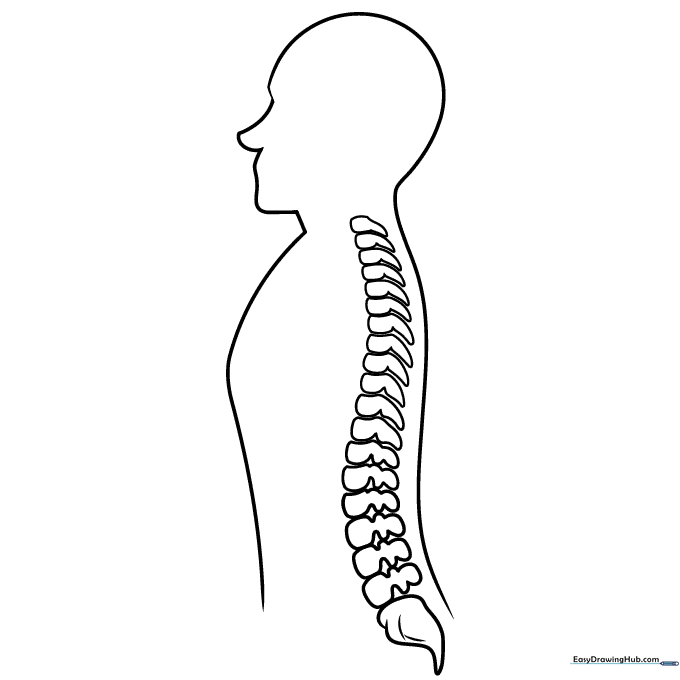
Spine Anatomy Sheet
A clear profile view of the human spine. Teacher's Tip: Count the vertebrae as you color to learn about the structure of the back.
Praying Hands Detail
Focus on the knuckles and fingernails. Teacher's Tip: Use a light peach or tan for skin, and leave a tiny white spot on the nails for a highlight.

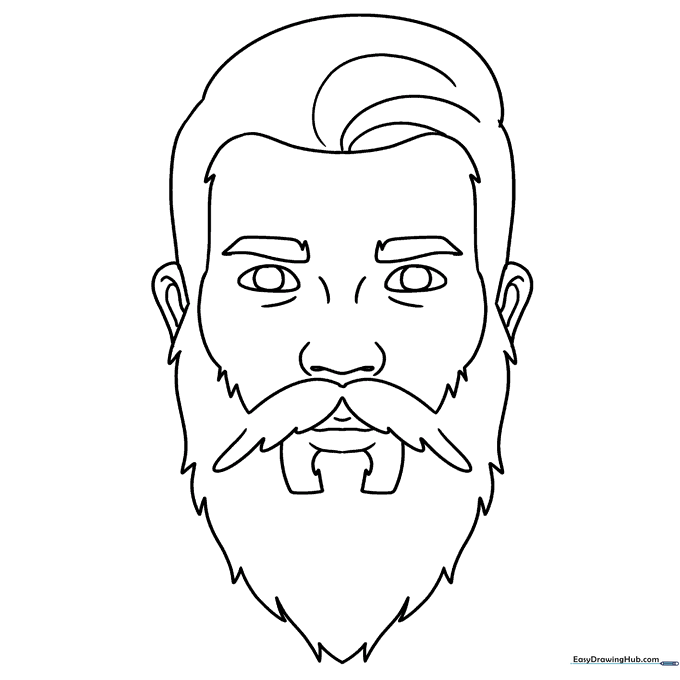
Beard Grooming Sheet
Coloring facial hair is all about the flow of the lines. Teacher's Tip: Follow the direction of the hair growth with your pencil strokes.
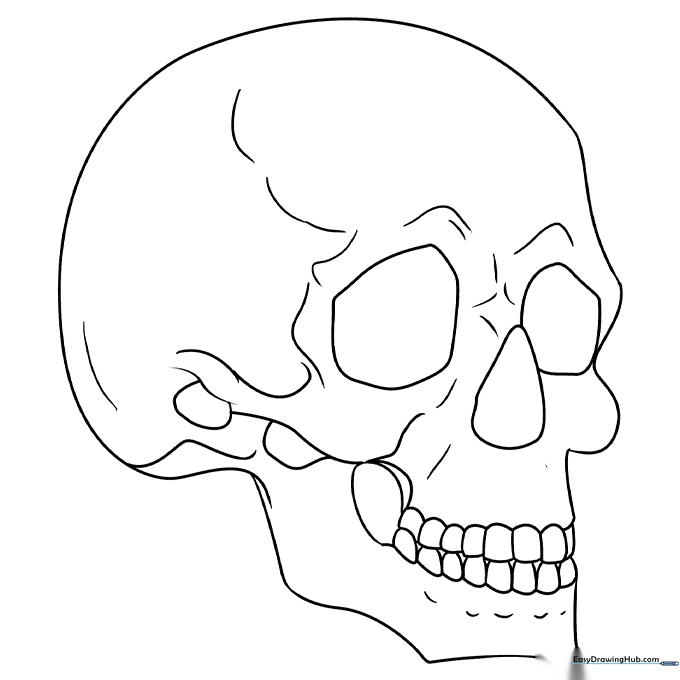
Skull 3/4 View
A detailed look at the bones of the cranium. Teacher's Tip: Use different shades of grey to distinguish between the different bone plates.
Symbolic Heart Sheet
A fun, simple heart shape. Teacher's Tip: Use this to talk about the difference between the symbolic heart and the real anatomical heart.

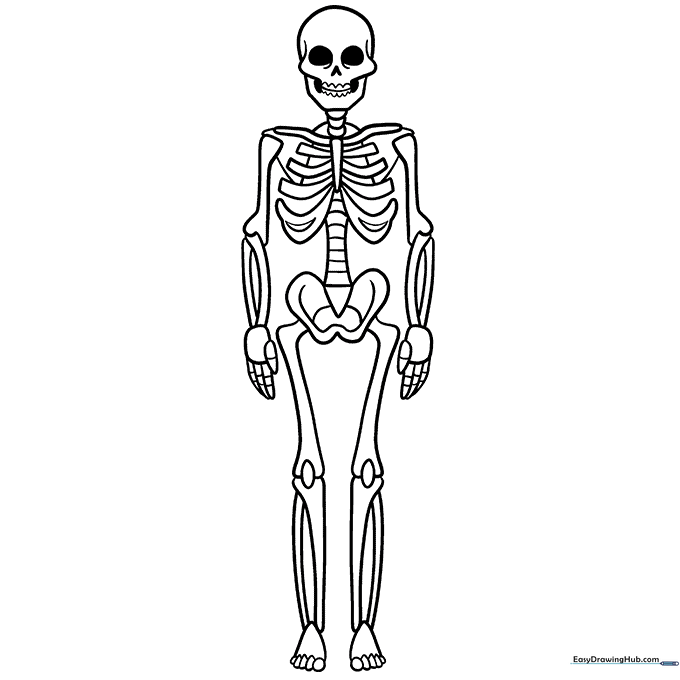
Cartoon Skeleton
A friendly skeleton to make anatomy less intimidating. Teacher's Tip: Use a white gel pen to add highlights to the bones after coloring.
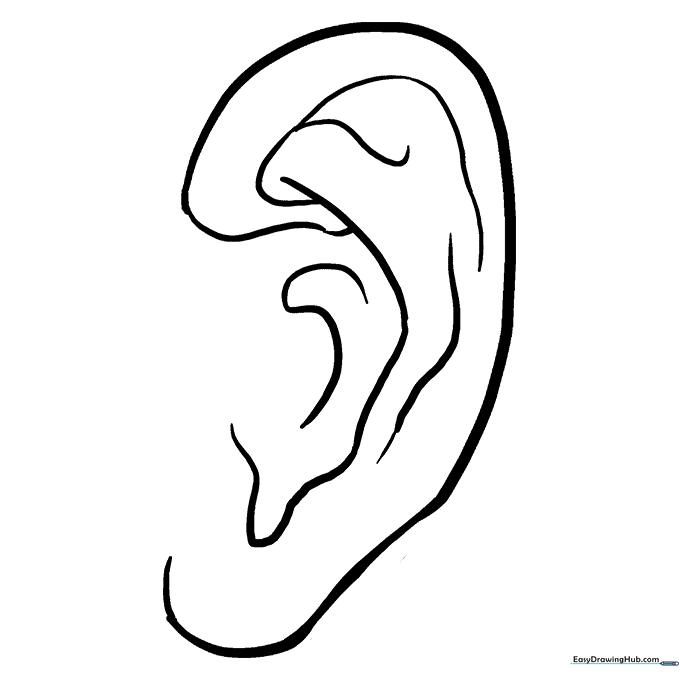
Ear Anatomy Sheet
Observe the complex folds of the outer ear. Teacher's Tip: Use light shading to define the inner ridges of the ear.
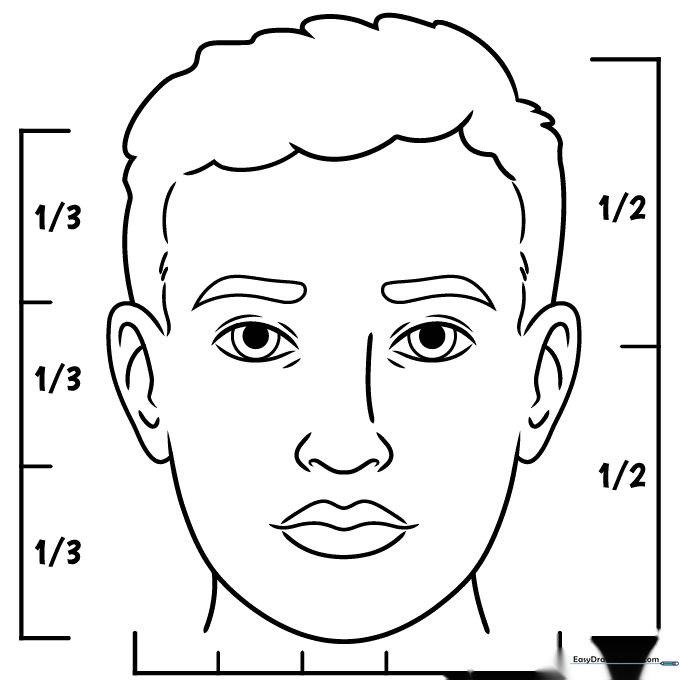
Realistic Face Portrait
Practice facial proportions with this portrait. Teacher's Tip: Keep skin tones consistent by testing your colors on a scrap piece of paper first.
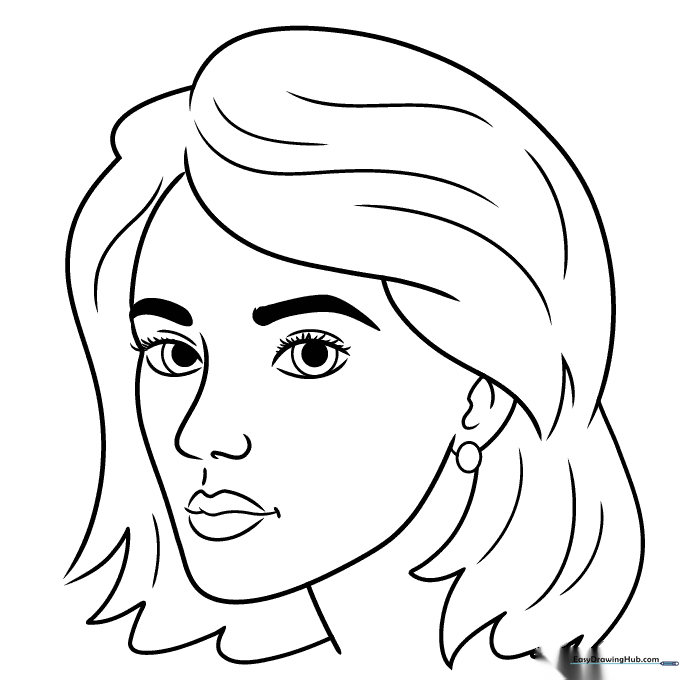
Face 3/4 View Portrait
A great exercise in perspective. Teacher's Tip: Notice how the features shift slightly when the face is turned to the side.
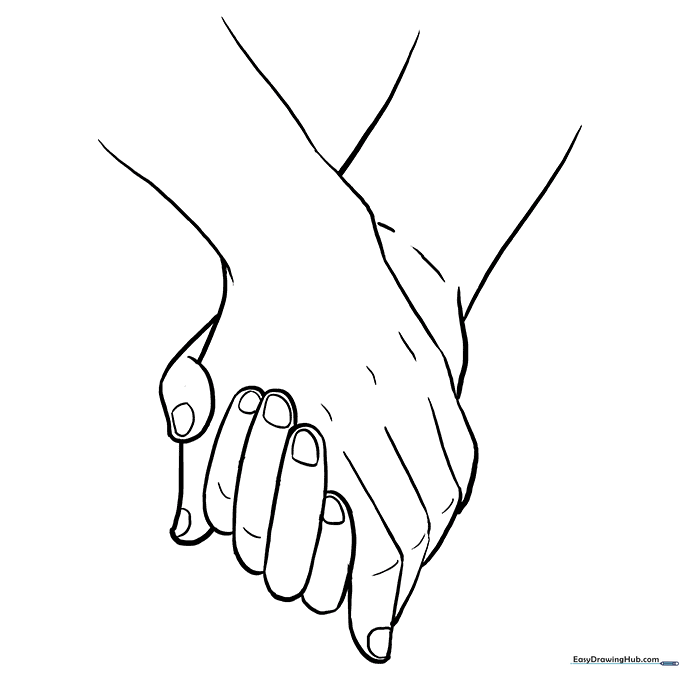
Holding Hands Study
A sweet scene to practice skin tones and overlapping shapes. Teacher's Tip: Use a darker shade where the hands touch to create depth.
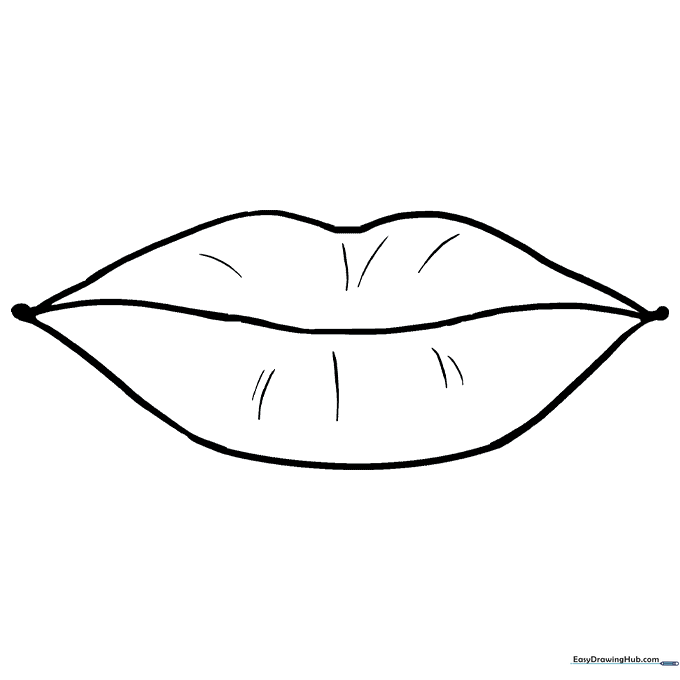
Lips Coloring Practice
Experiment with different lipstick colors. Teacher's Tip: Use a slightly darker shade on the top lip to show natural shadow.
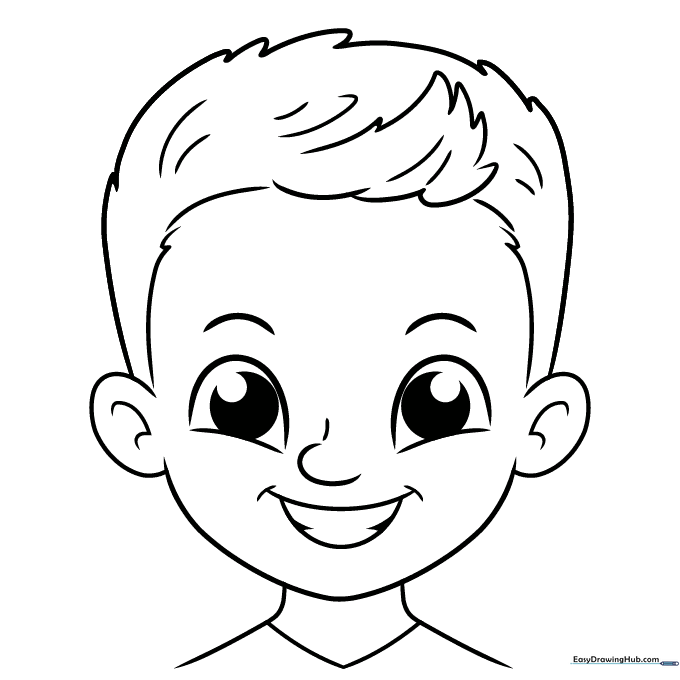
Boy Face Portrait
A friendly portrait for beginners. Teacher's Tip: Encourage the child to color the eyes to match their own or a friend's.
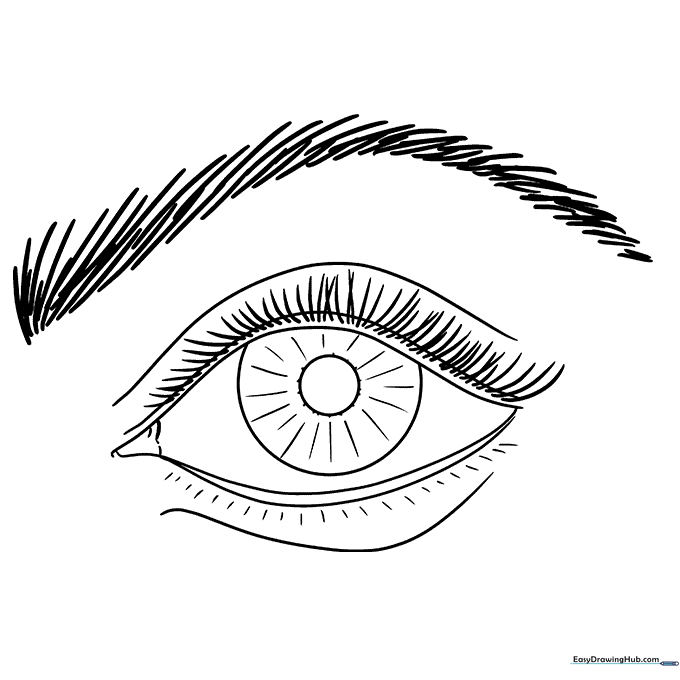
Realistic Eye Study
Focus on the intricate details of the iris. Teacher's Tip: Use streaks of color radiating from the center to make the eye look realistic.
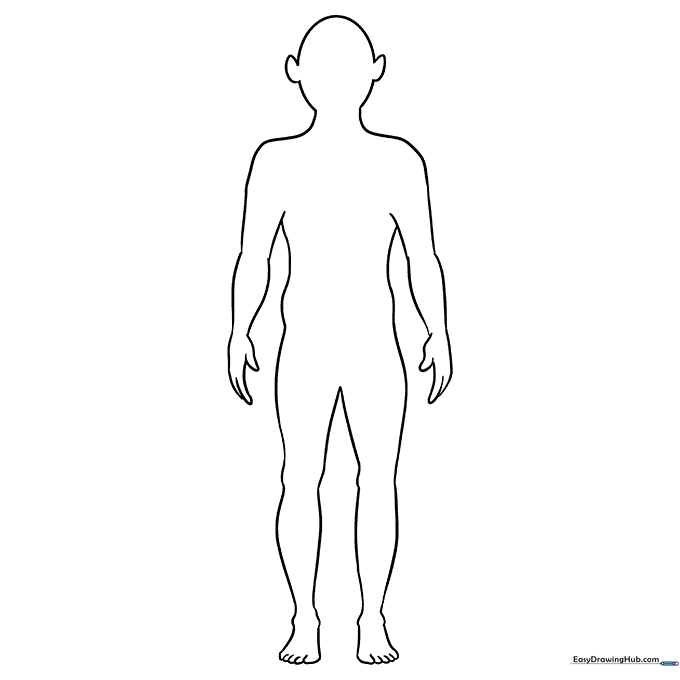
Human Body Outline
A blank canvas for your science project. Teacher's Tip: Use this to draw in organs or bones as you learn about them in class.
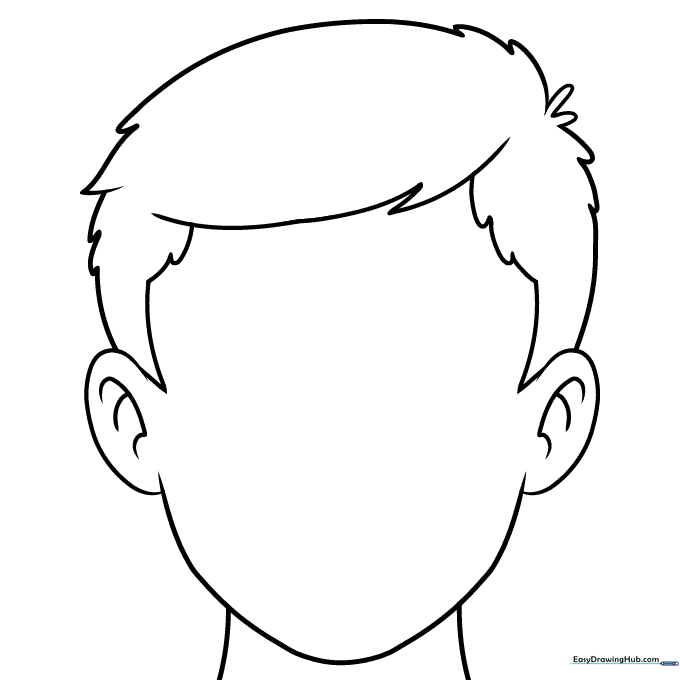
Blank Face Template
Design your own character! Teacher's Tip: Use this to practice drawing different hairstyles and facial expressions.
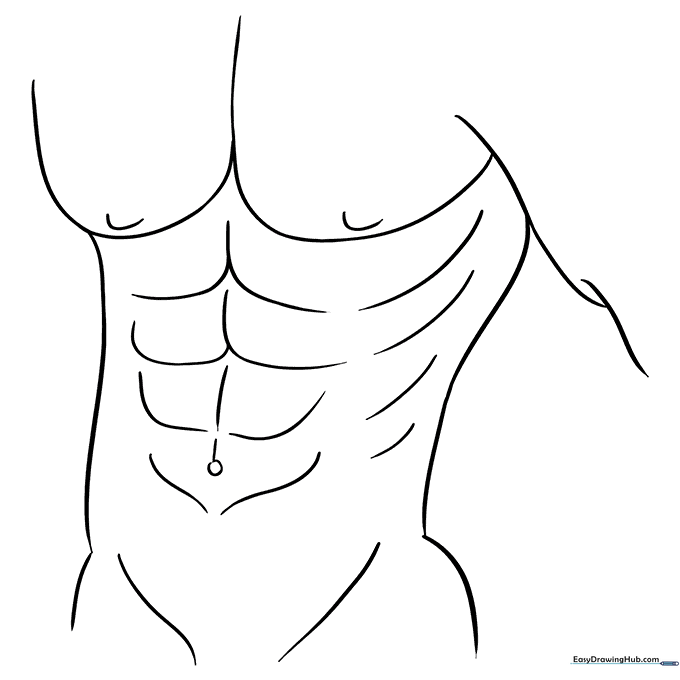
Abdominal Muscles Coloring Page
Focus on muscle definition by using a darker shade along the edges of each section. This helps young artists understand how light and shadow create depth.
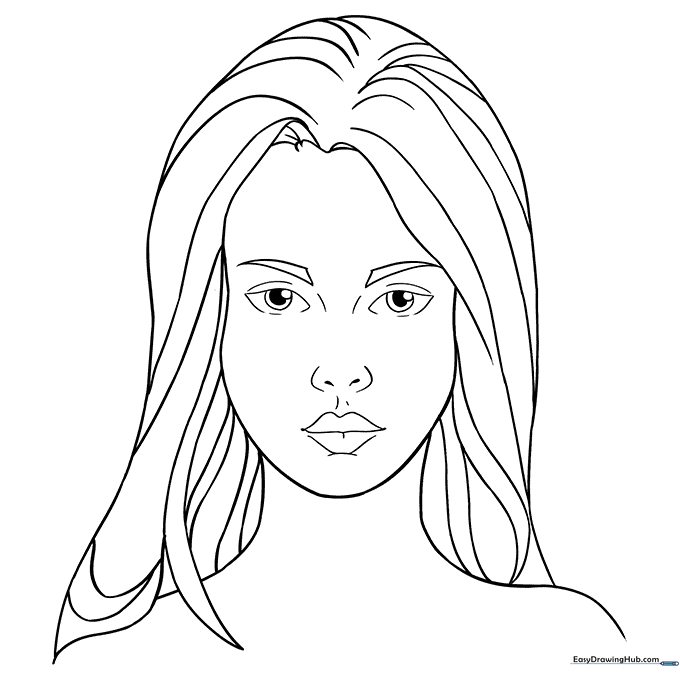
Portrait Face Coloring Page
Encourage students to experiment with skin tones and eye colors. This page is a great exercise for practicing facial feature proportions.
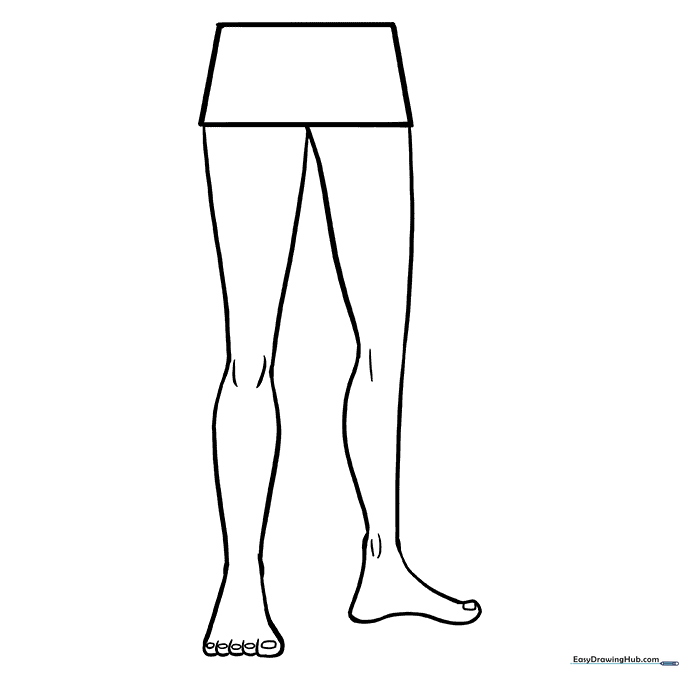
Legs and Feet Coloring Page
A fun way to discuss anatomy and fashion. Use this to teach color coordination by matching the clothing to the footwear.
Expressive Tears Coloring Page
Use cool blues for the tears to represent emotion. This is a helpful tool for discussing how artists use color to convey feelings.

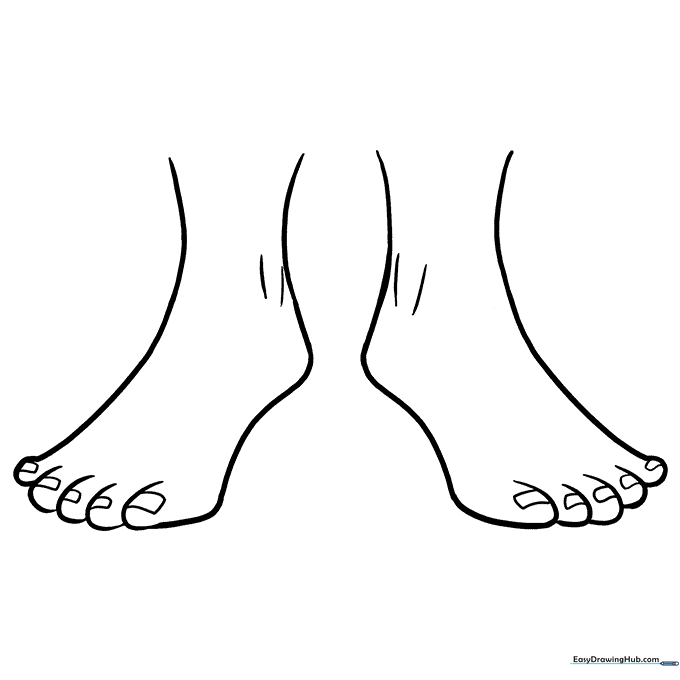
Detailed Feet Coloring Page
Perfect for practicing fine detail work. Encourage students to add patterns to the toenails for a creative 'pedicure' effect.
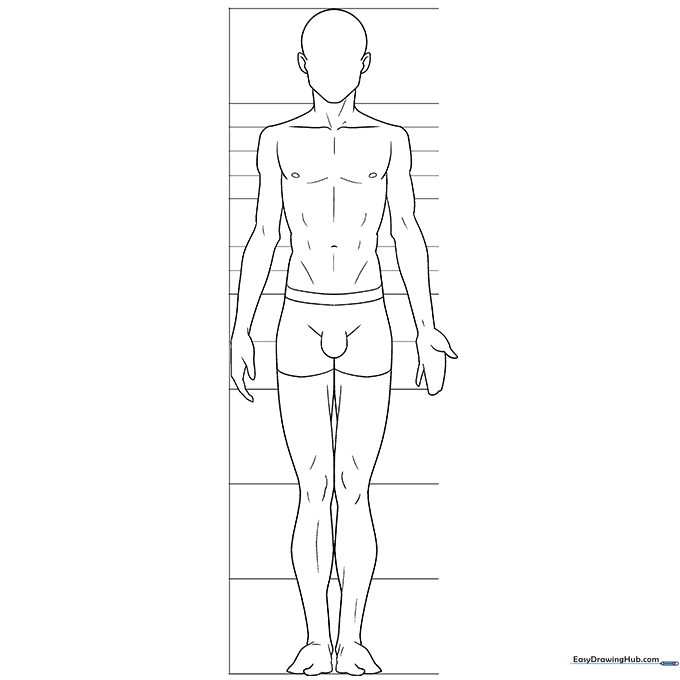
Anime Male Body Template
A great base for character design. Use this to practice drawing clothing layers or adding unique facial expressions to the blank head.
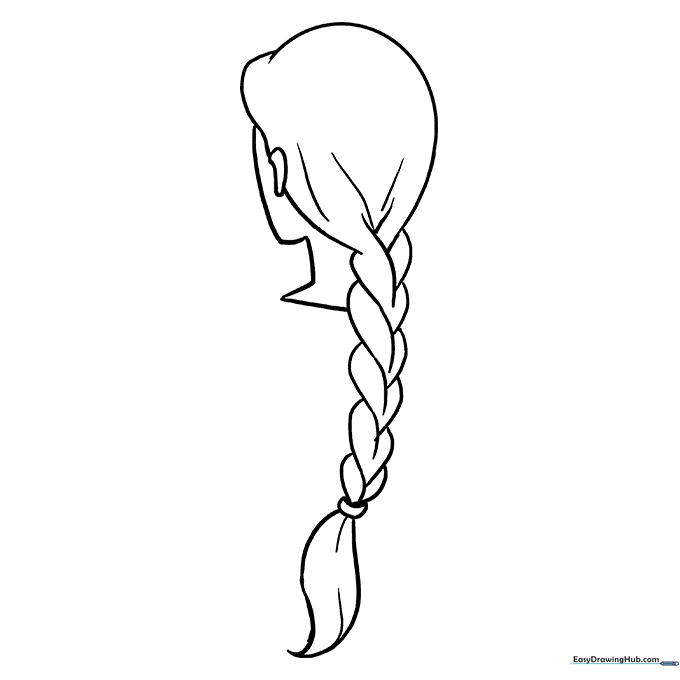
Braided Hairstyle Coloring Page
Focus on the texture of the braid. Use varied pressure with your pencil to show how light hits the curves of the hair.
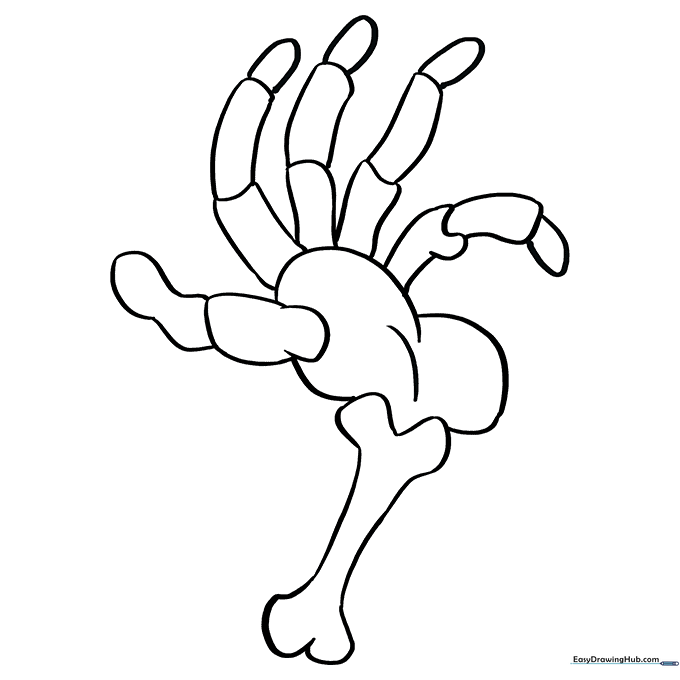
Skeleton Hand Coloring Page
Great for science-themed art. Use light grey or off-white to make the bones look realistic, then add shadows in the joints.
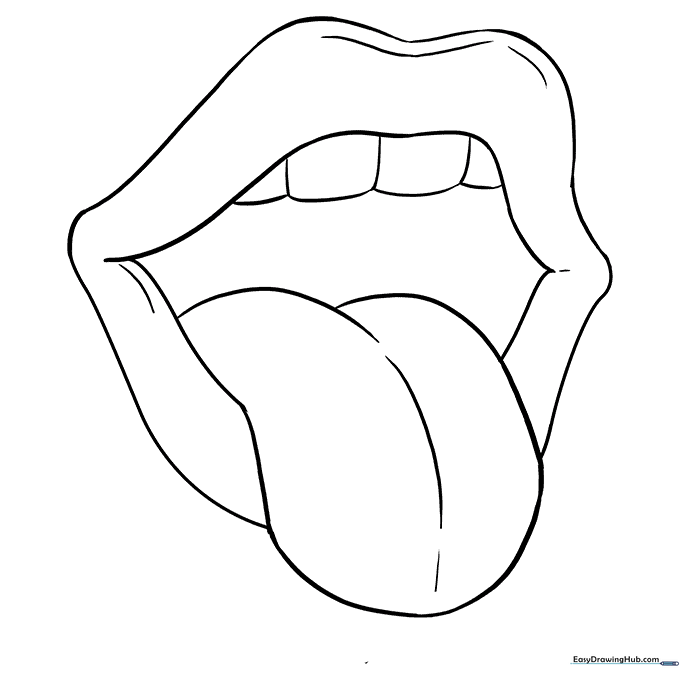
Mouth and Tongue Anatomy
Use different shades of pink and red to distinguish the tongue from the lips. This is a fun way to learn about oral anatomy.
Skull and Crossbones Page
Classic pirate-themed imagery. Try using a dark background to make the white skull pop, or color it with earthy tones for a fossil look.

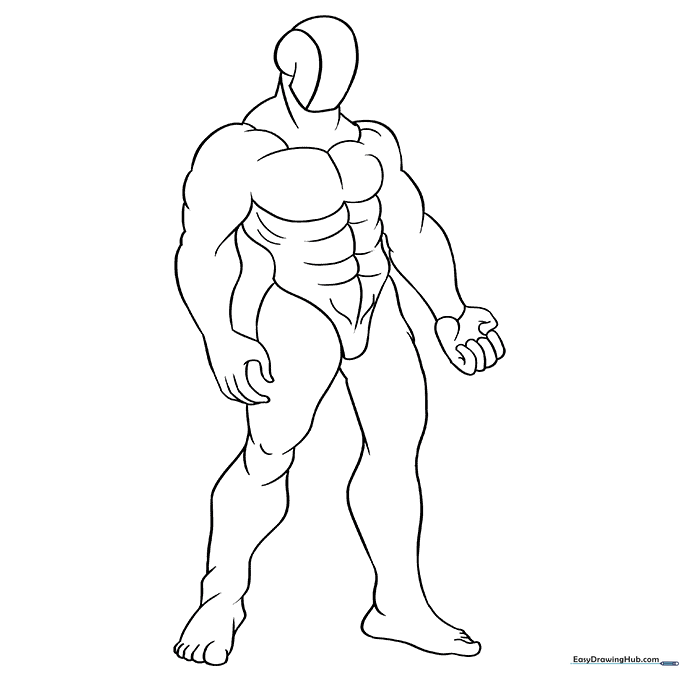
Muscular Body Outline
An excellent resource for learning basic muscle groups. Use this to draw your own custom outfits over the top.
Nose Anatomy Coloring Page
Focus on the bridge and nostrils. Use soft shading to show the rounded shape of the nose tip.

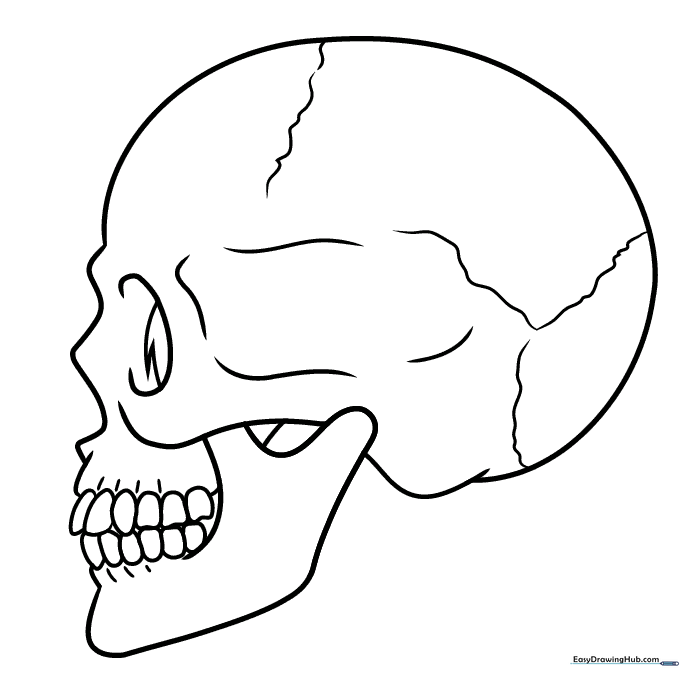
Skull Profile Coloring Page
Perfect for learning the side profile of the human skull. Use a mix of tan and brown to give it an aged, archaeological appearance.
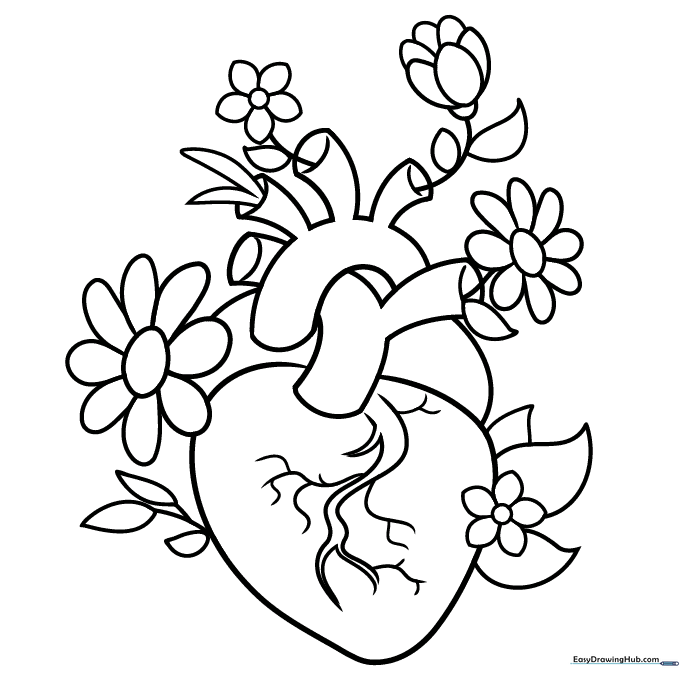
Anatomical Heart with Flowers
A beautiful blend of science and nature. Use vibrant reds for the heart and soft pastels for the flowers to create a striking contrast.
Broken Heart Coloring Page
A symbolic way to explore emotions. Use bright colors for the bandaid to make it stand out against the cracked heart surface.

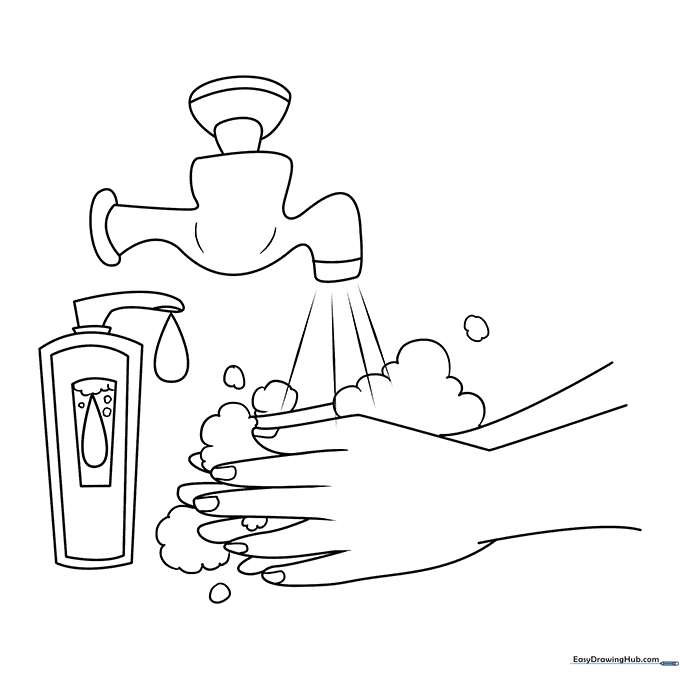
Washing Hands Reminder
A practical and educational page. Use bright, clean colors to emphasize the importance of hygiene.
Clenched Fist Coloring Page
Focus on the knuckles and the tension in the hand. Use shading to show the strength and grip of the fist.

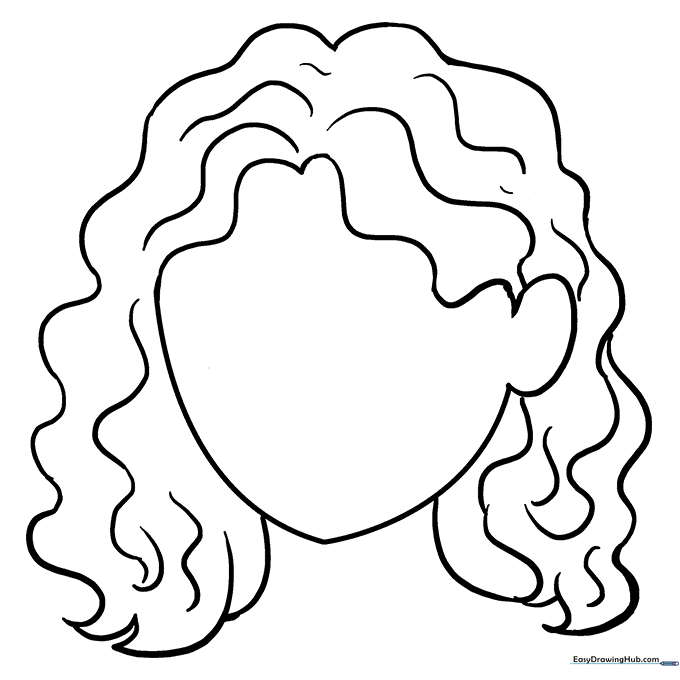
Curly Hair Coloring Page
Have fun with color! Use different shades to highlight the individual curls and give the hair volume.
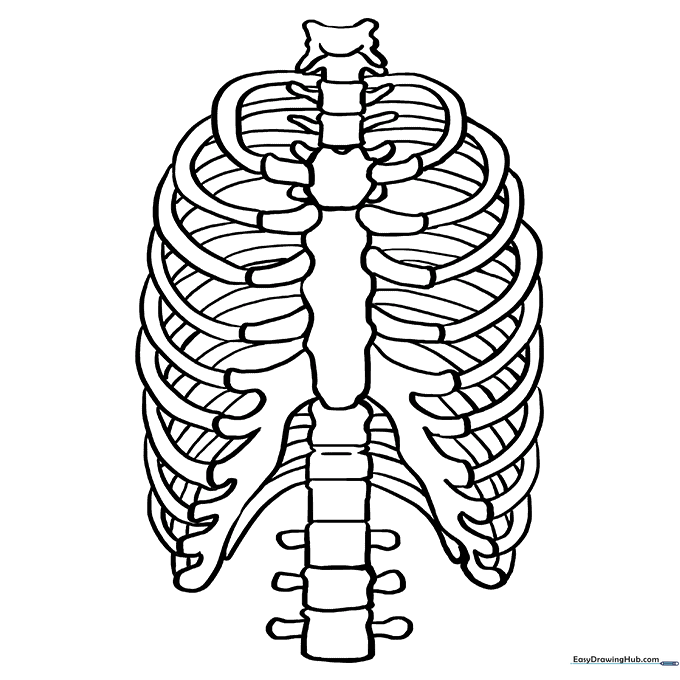
Rib Cage Anatomy Page
A great anatomy lesson. Color the bones a neutral tone and use bright colors for the internal organs to make them stand out.
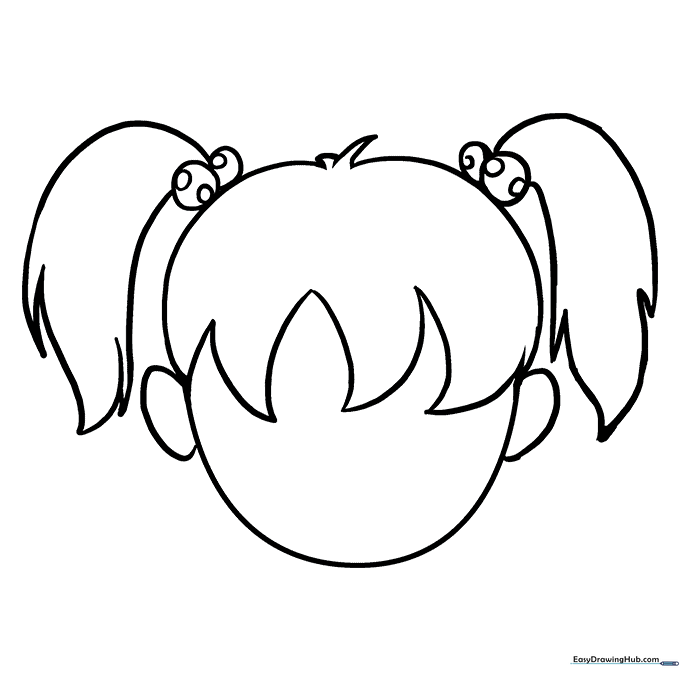
Pigtails Hairstyle Coloring Page
Cute and simple. Encourage students to add patterns like polka dots or stripes to the hair bows.
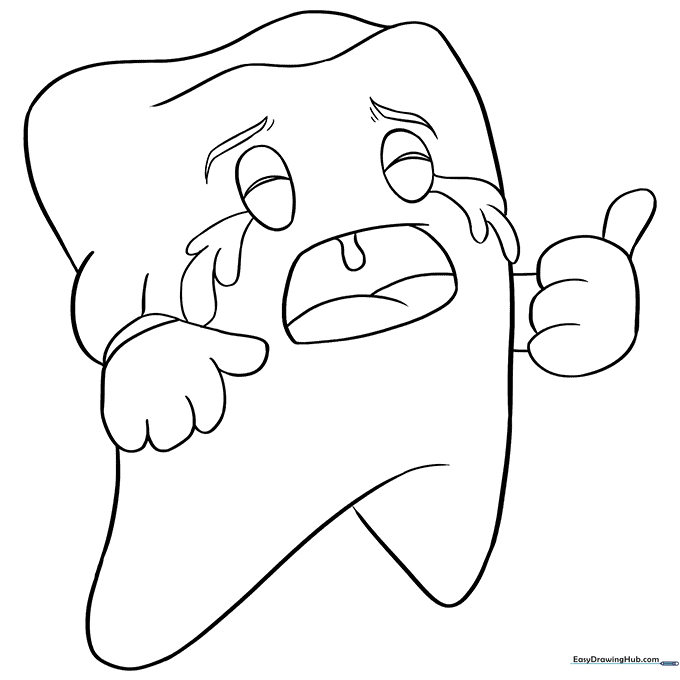
Cartoon Tooth Coloring Page
A fun way to teach dental health. Use bright white for the tooth and maybe a little blue for the 'tears' if you want to show a toothache!
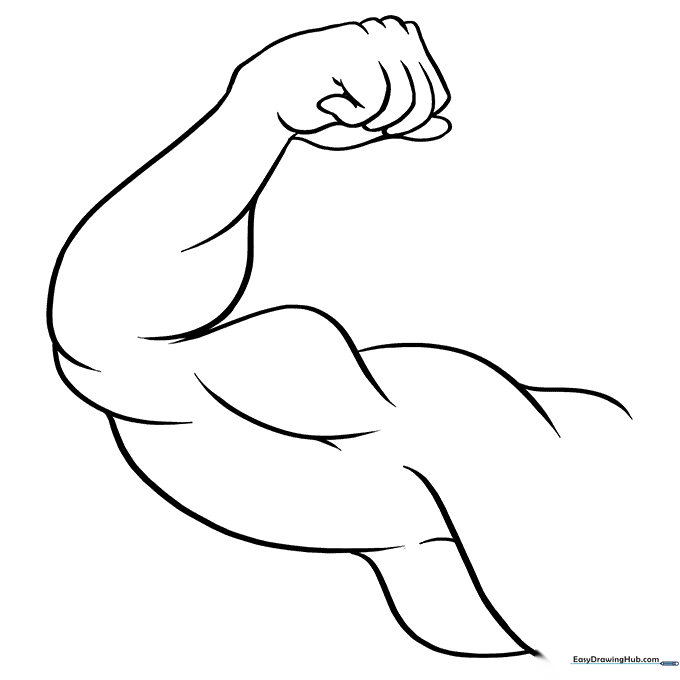
Biceps Muscle Coloring Page
Focus on the curve of the arm. Use shading to emphasize the strength of the muscle.
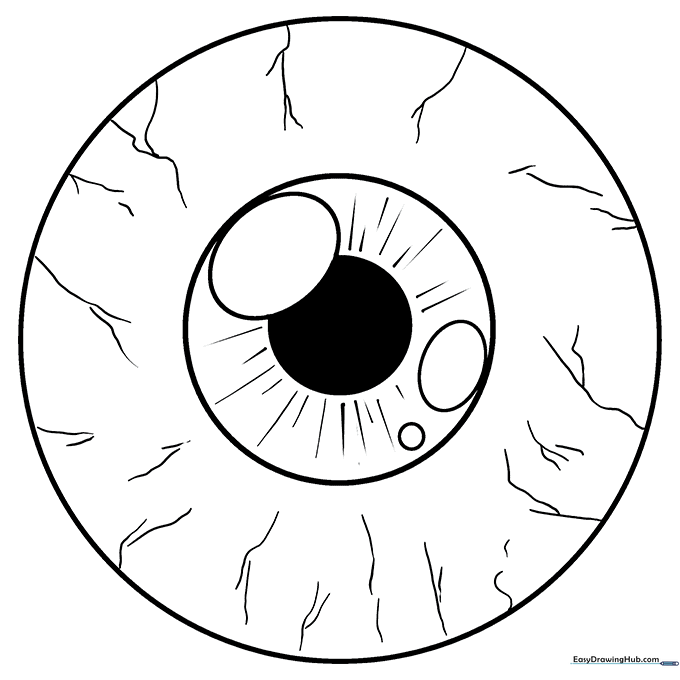
Eyeball Anatomy Coloring Page
Experiment with iris colors! You can make it realistic with browns and blues, or fantasy-themed with bright purples and greens.
Anime Boy Body Template
A versatile template for character design. Use this to practice drawing different hairstyles and outfits.
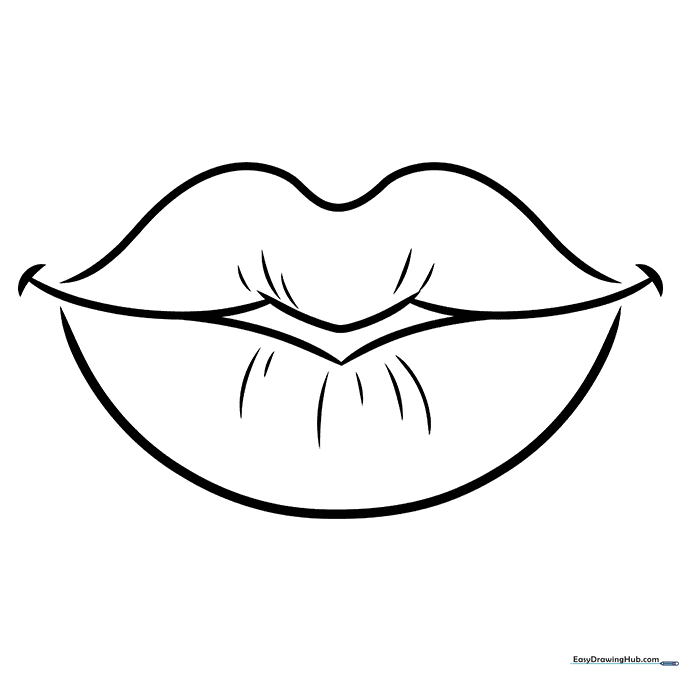
Cartoon Lips Coloring Page
Practice blending colors to create a glossy look. Use a lighter shade in the center of the lips to simulate a highlight.
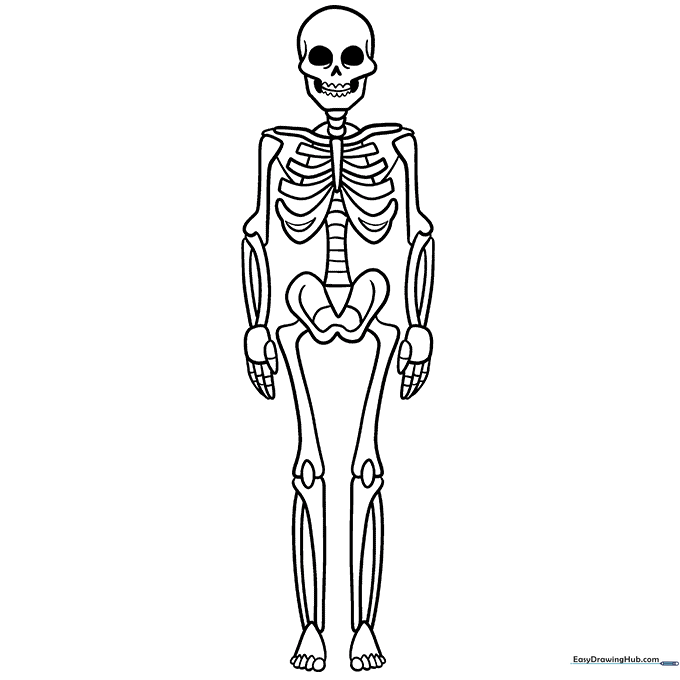
Skeleton Anatomy Sheet
Explore the structure of the human frame. Tip: Use a light grey for the bones and a darker charcoal to shade the joints for a realistic 3D effect.
Heart Hands Gesture
A beautiful way to discuss empathy and anatomy. Tip: Try blending two different skin tones on the fingers to represent the diversity of people coming together.

Expressive Hand Covering Face
Use this page to talk about body language and non-verbal communication. Tip: Focus on the pressure of the pencil to create shadows where the hand meets the face.

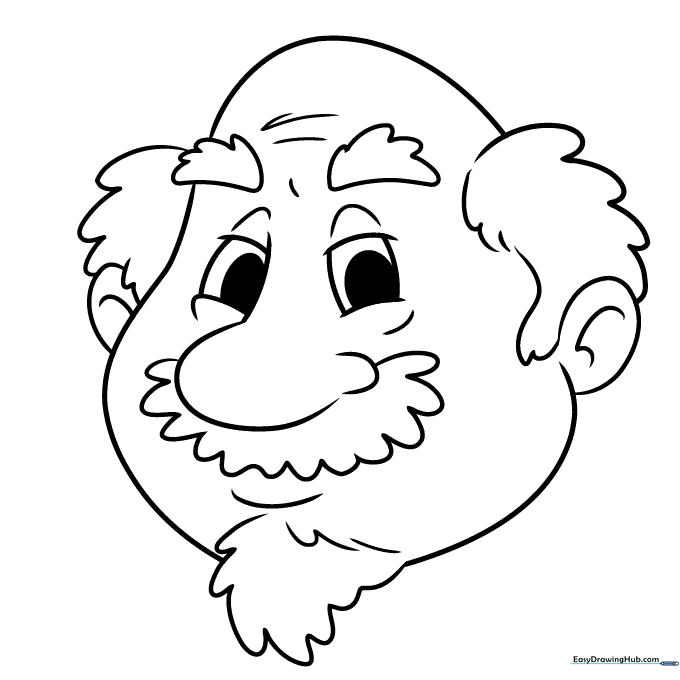
Portrait of an Elder
Anatomy changes with age. Tip: Use light, feathery strokes for the hair and emphasize the lines around the eyes to show character and wisdom.
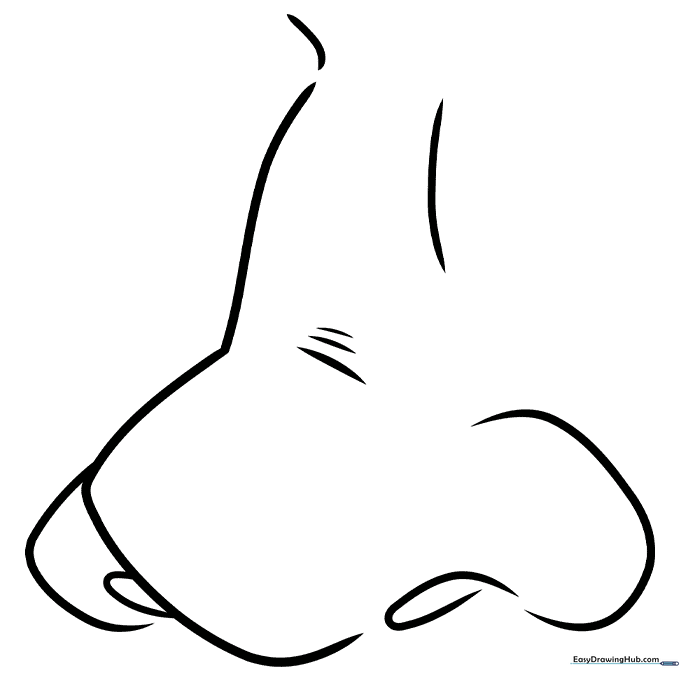
Cartoon Nose Study
Noses come in all shapes and sizes! Tip: Use a soft pink or peach to highlight the bridge of the nose, making it look rounded and three-dimensional.
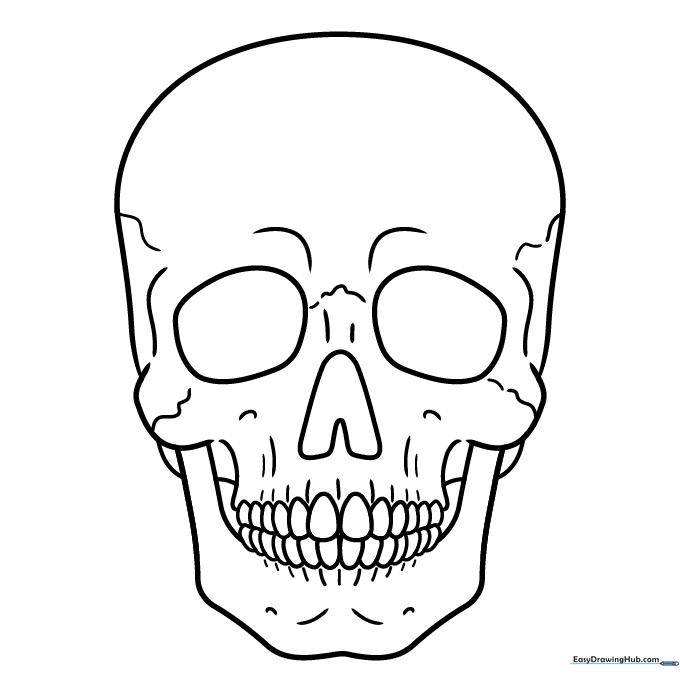
Realistic Skull Study
A classic anatomy reference. Tip: Use a mix of cream and light brown to give the bone an aged, realistic texture rather than just flat white.
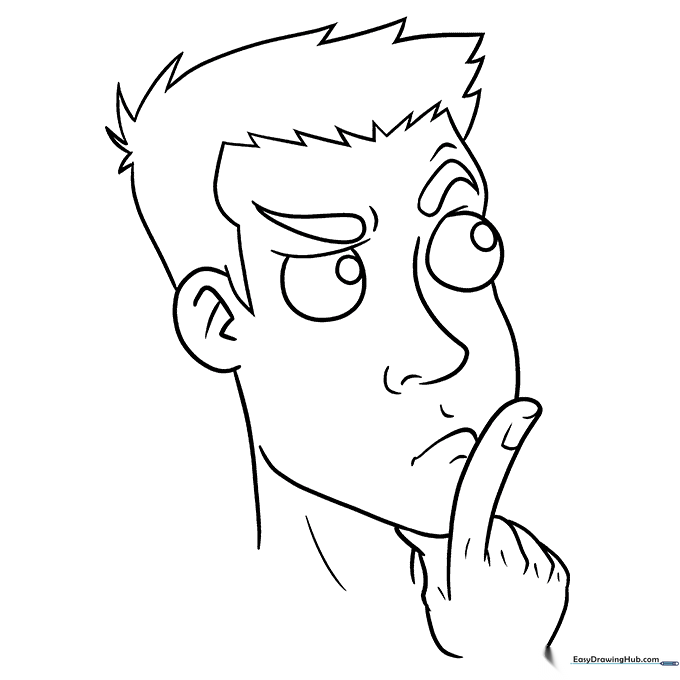
Thinking Face Expression
Capturing a moment of deep thought. Tip: Focus on the eyes and eyebrows; coloring them with a slight tilt can change the entire mood of the character.
Human Brain Diagram
The control center of the body! Tip: Use different shades of pink and purple to distinguish between the different lobes of the brain.
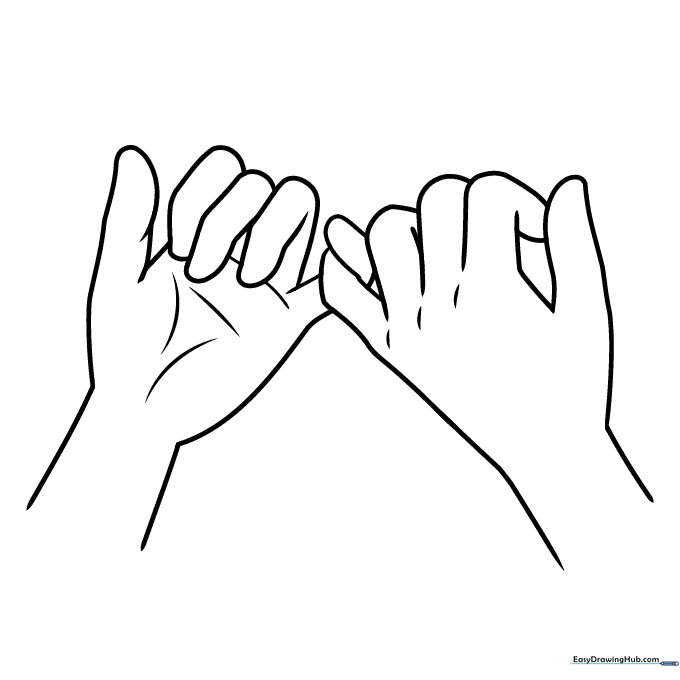
Pinky Promise Hands
A sweet gesture of friendship. Tip: Use contrasting colors for the two hands to emphasize the connection between two different people.
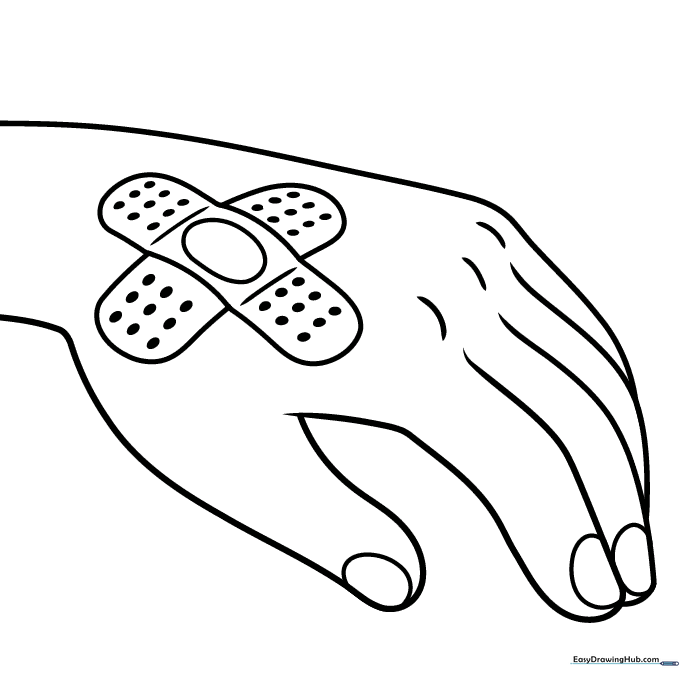
Band-Aid Anatomy Aid
A simple way to learn about skin care and healing. Tip: Get creative with the bandage—add polka dots or stripes to make it a fun, personalized design.
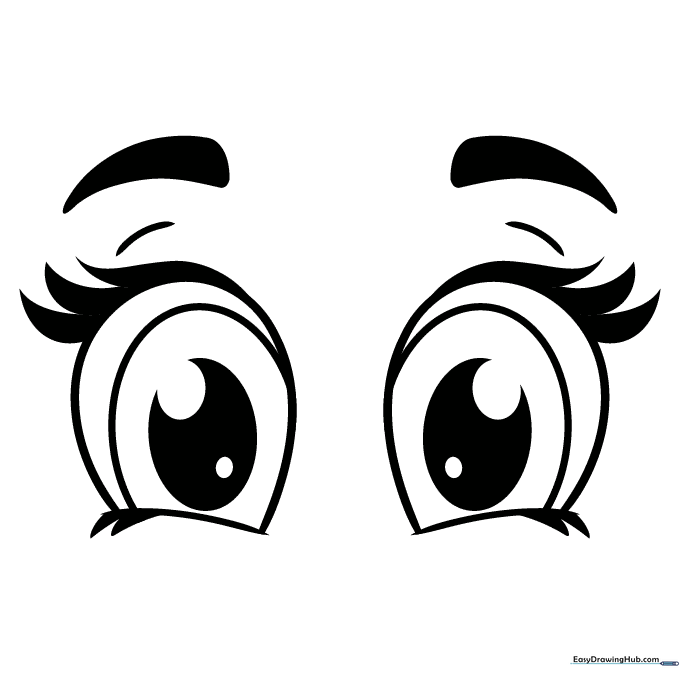
Cartoon Eye Study
Eyes are the window to the soul! Tip: Use a white gel pen to add a tiny 'glint' in the pupil after coloring to make the eyes look bright and alive.
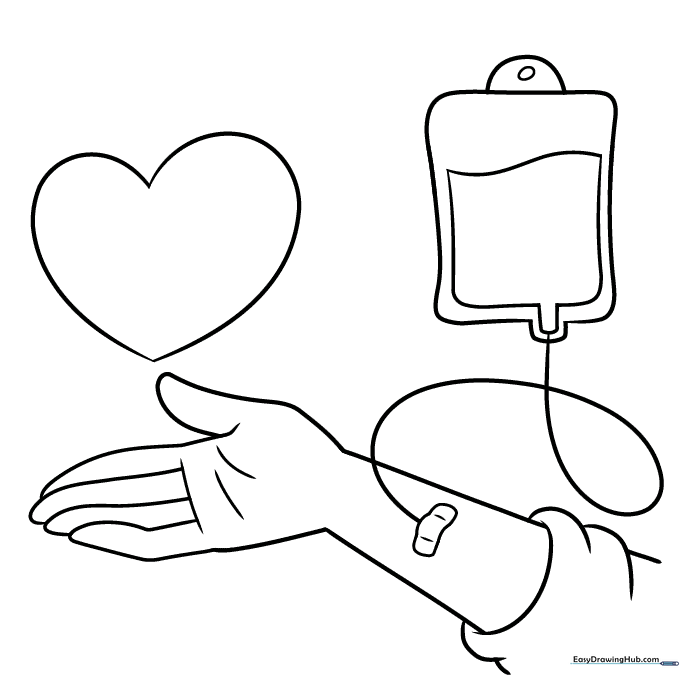
Blood Donor Awareness
Learn about the importance of blood donation. Tip: Use a vibrant red for the heart, but add a touch of orange to the edges to show depth.
Cartoon Hand Study
Hands are tricky to draw, but fun to color! Tip: Practice shading the knuckles with a slightly darker tone to give the hand a realistic structure.
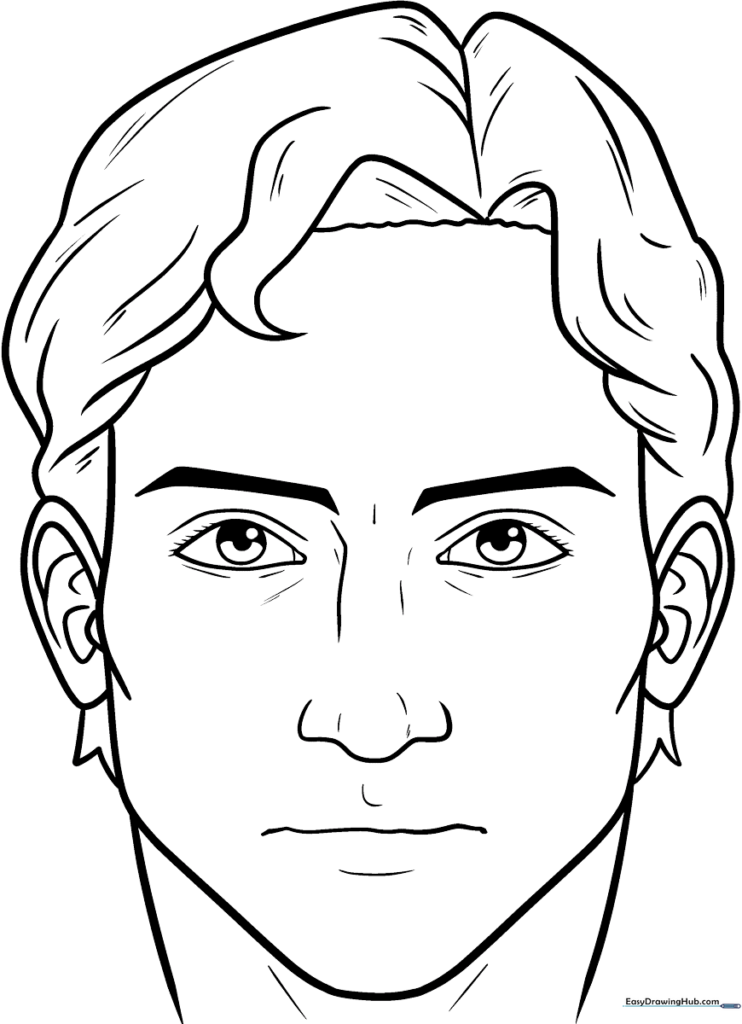
Facial Anatomy Practice
A great base for learning facial proportions. Tip: Use light, circular motions for skin tones to avoid streaks and create a smooth, natural look.
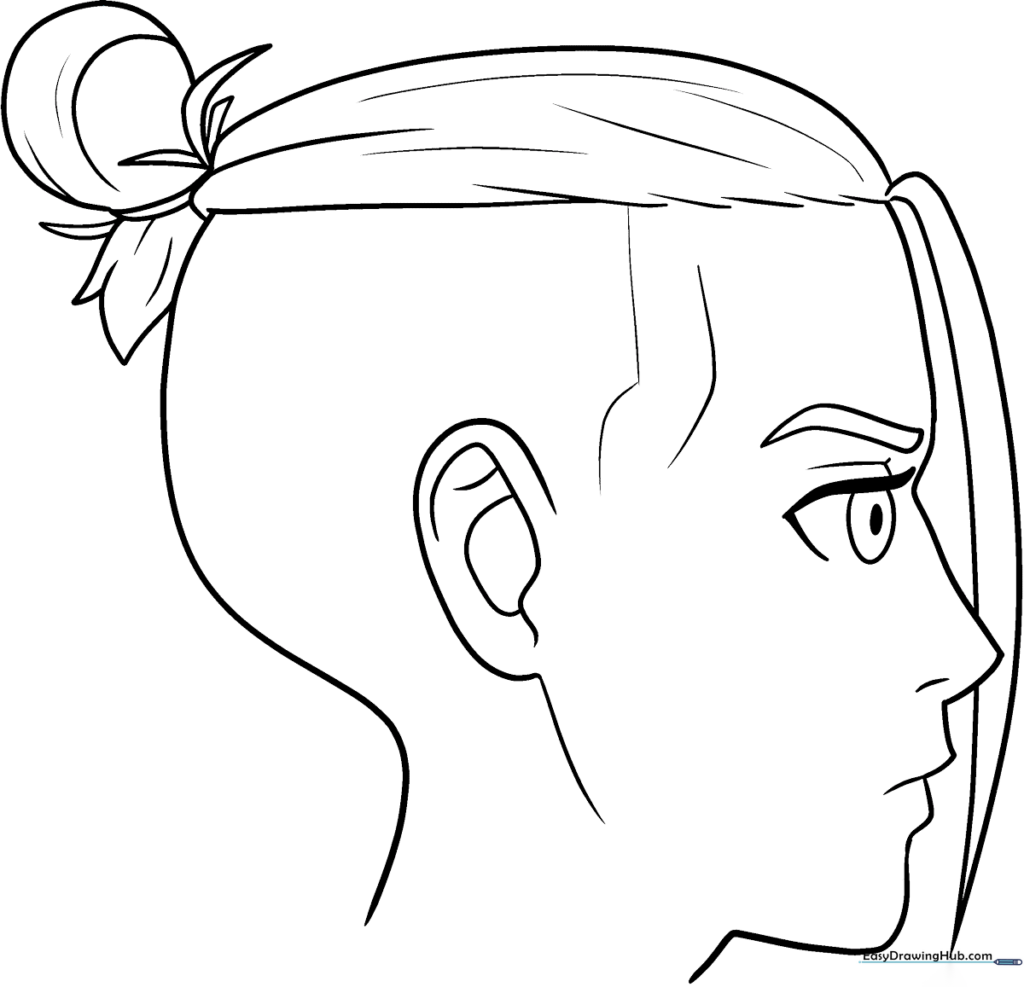
Anime Hair Anatomy
Anime style is all about flow. Tip: Use long, sweeping strokes following the direction of the hair to create a sense of movement and volume.
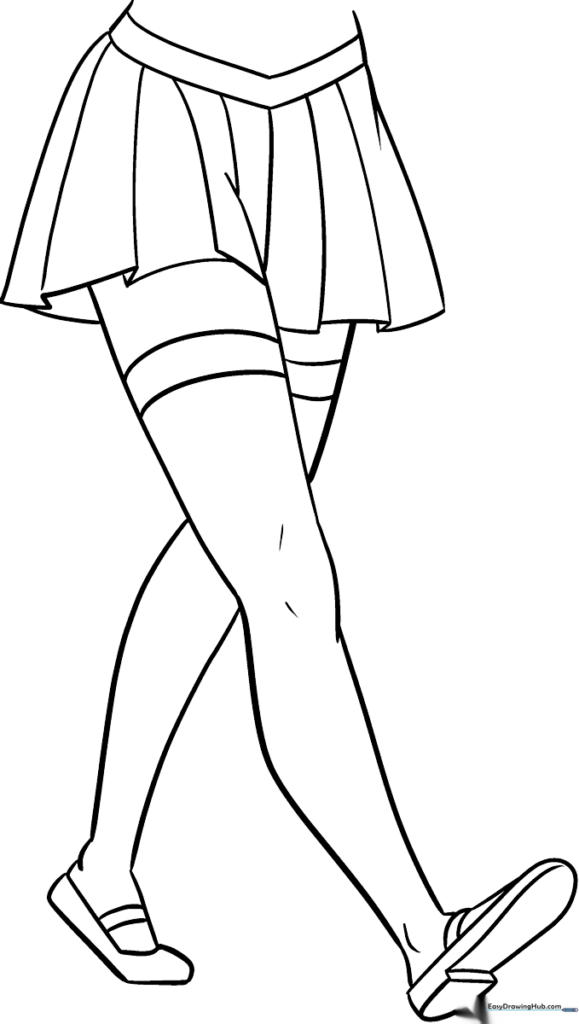
Anime Leg Anatomy
Focus on the proportions of the legs. Tip: Use darker colors for the skirt and shoes to ground the character, making the legs stand out.
Anime Arm Anatomy
Show off those muscles! Tip: Use a darker shade of your skin tone to shade the muscles, which helps define the arm's shape and strength.
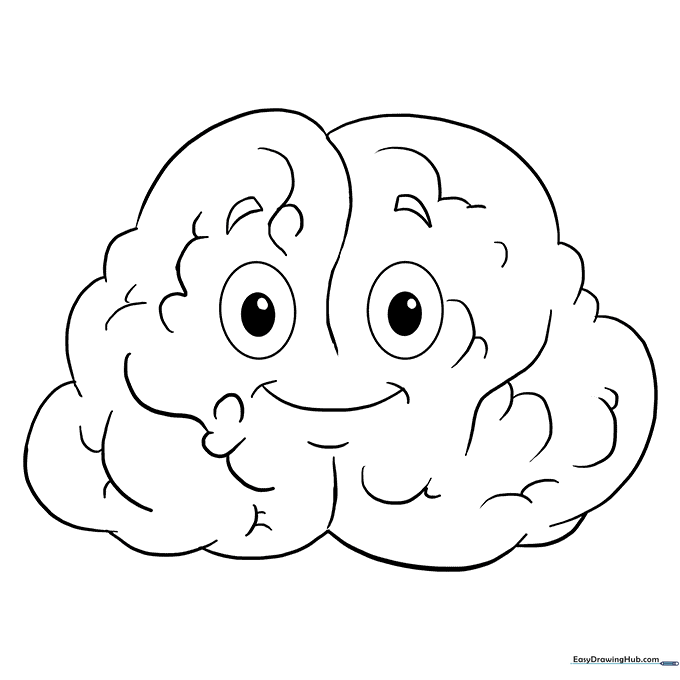
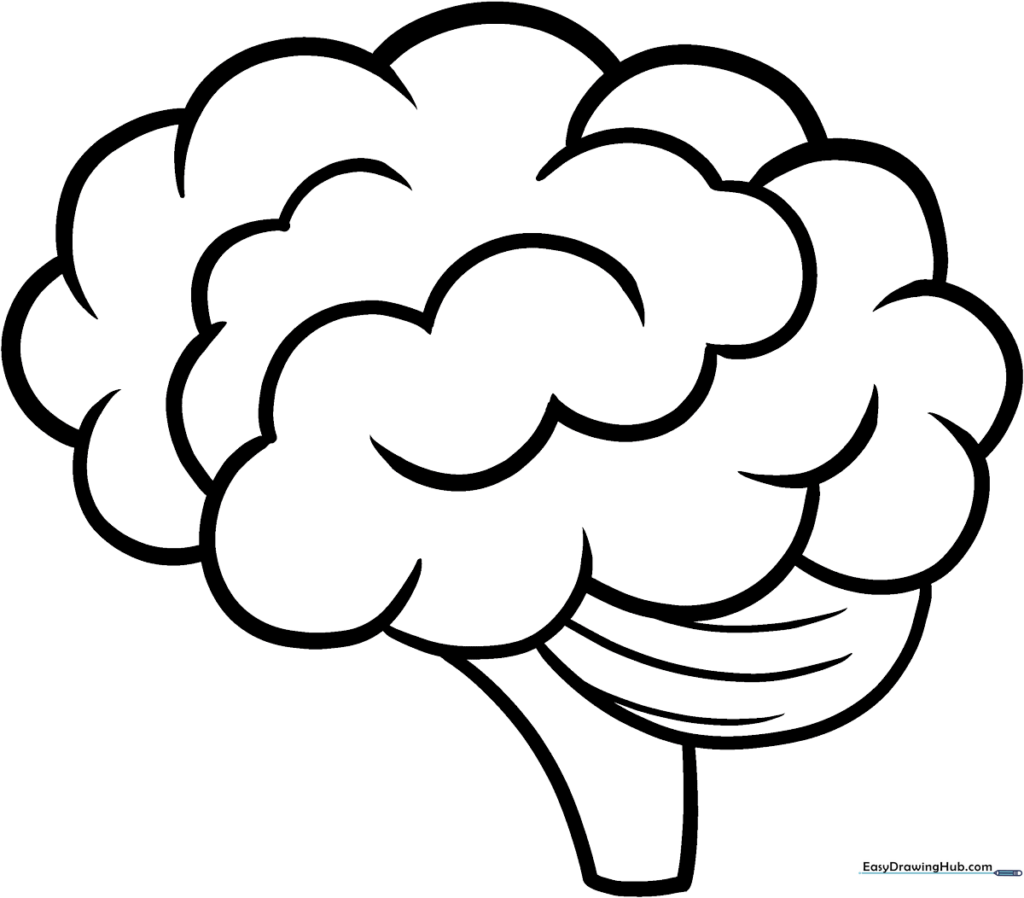
Cartoon Brain Study
A fun take on the brain. Tip: Use a light blue for the background to make the pink brain pop, and use darker pink for the deep folds.
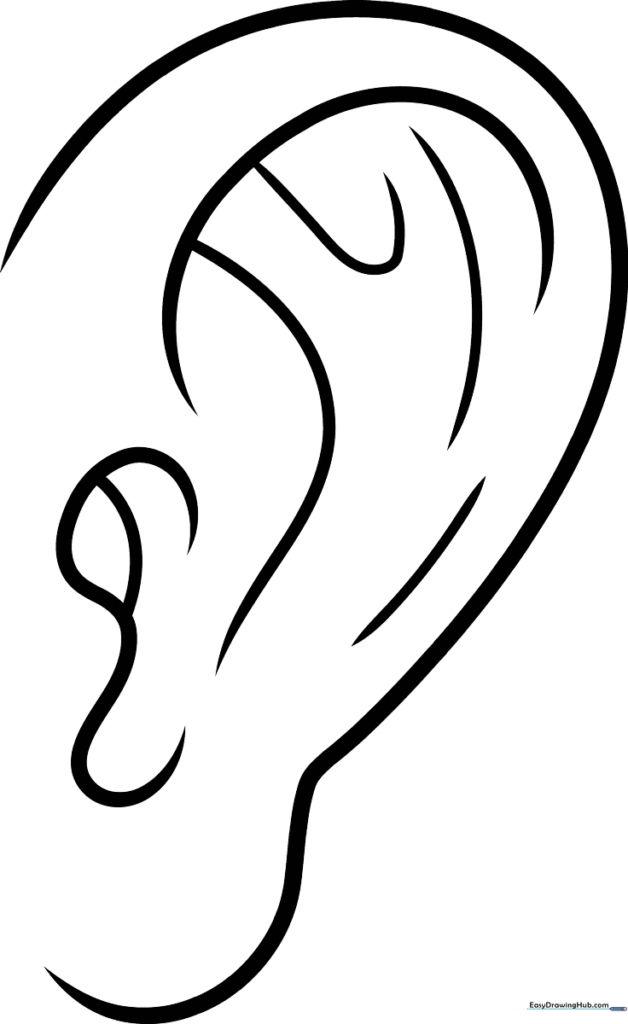
Ear Anatomy Study
Ears have complex curves. Tip: Use a darker shade in the inner folds to create shadows, which will make the ear look realistic and deep.
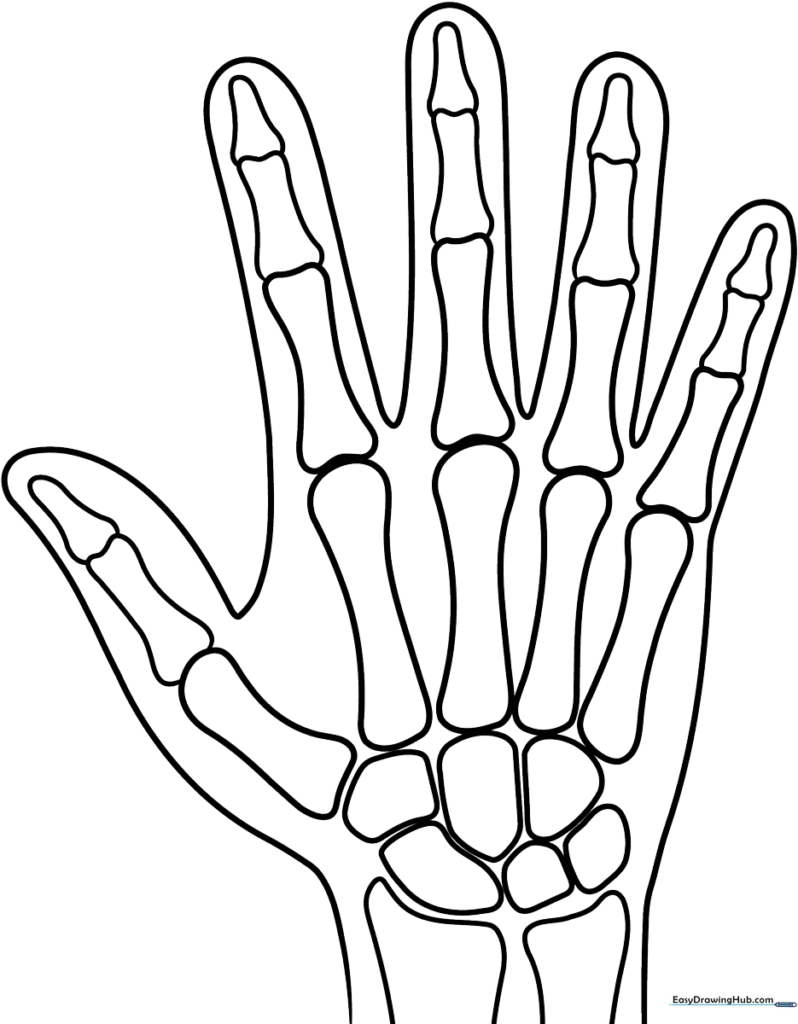
X-Ray Anatomy Sheet
See through the skin! Tip: Use a dark blue or black background and a bright white or neon green for the bones to mimic a real X-ray effect.
More Collections