How to Draw Spider-Man’s Logo: Easy 19-Step Guide
Ready to draw the legendary Spider-Man emblem? This tutorial is perfect for young artists and Marvel fans looking to practice symmetry and geometric shapes. You will need a pencil, an eraser, and a steady hand to capture the sharp, iconic lines of this superhero symbol.
🎯 Final Result
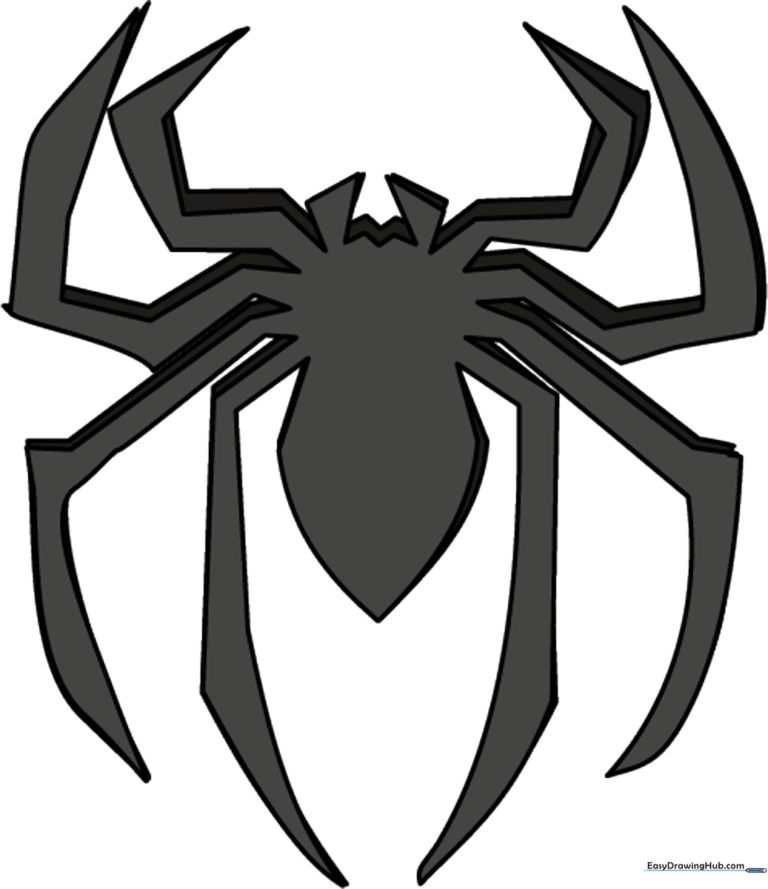
Step-by-Step Instructions
Step 1: Establishing the Center

Draw a set of perpendicular lines to act as your anchor. Teacher's Tip: Keep these lines very faint—they are just a map to help you keep the logo symmetrical.
Step 2: Shaping the Body
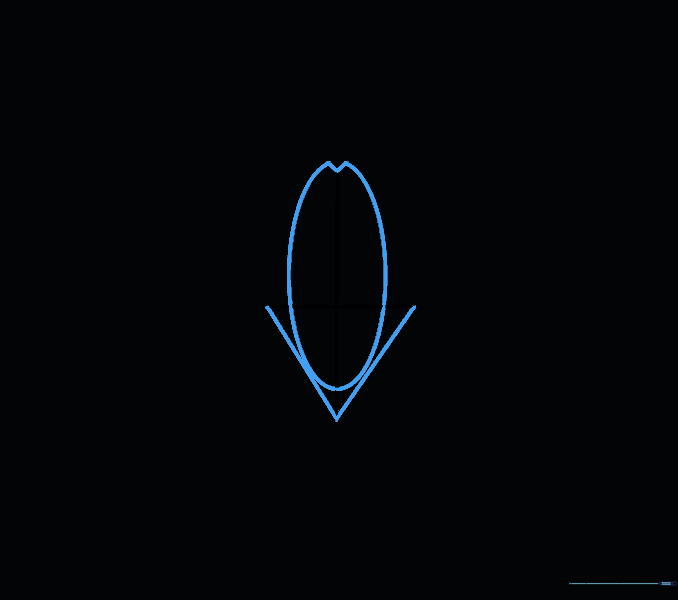
Connect the ends of your lines to form a triangular base, then add the oval shape for the main body. Tip: Use smooth, fluid motions to ensure the oval looks rounded and organic.
Step 3: Adding Top Details
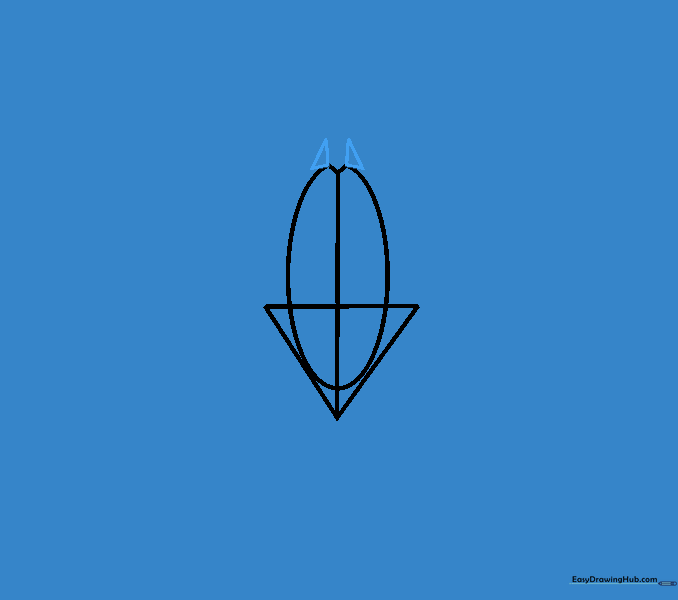
Draw a small triangle above each short diagonal line. Tip: Keep these triangles sharp and pointed to match the aggressive style of the logo.
Step 4: Constructing the Hexagons
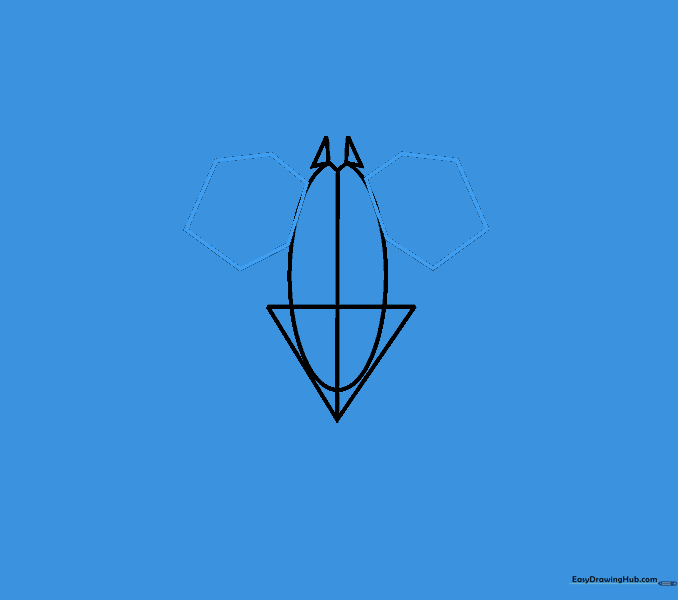
Sketch a hexagon on each side of the oval. Tip: Think of these as the 'shoulders' of the spider; keep them roughly the same size for balance.
Step 5: Defining the Mid-Line
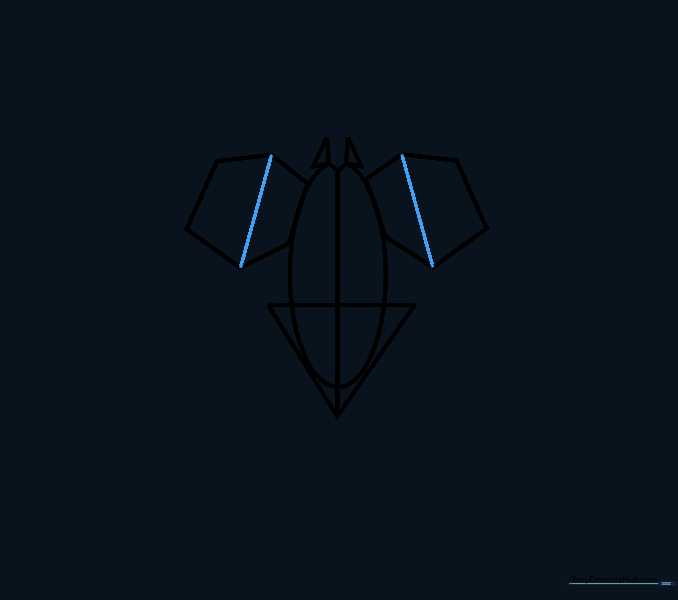
Draw a straight line through the center of each hexagon. Tip: Use a ruler if you struggle with straight lines, but try freehand first to build your muscle memory!
Step 6: Creating Joint Angles
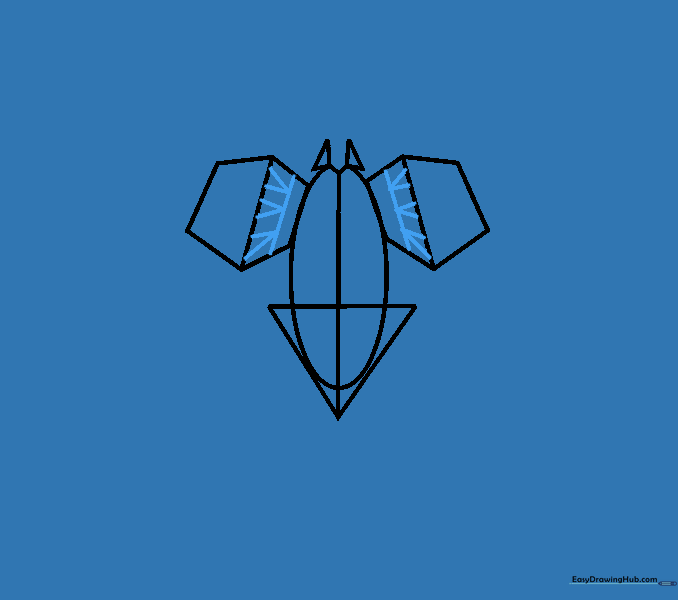
Add parallel lines and small triangles inside the hexagons. Tip: The points of these triangles should face inward toward the center of the spider.
Step 7: Sketching the Legs
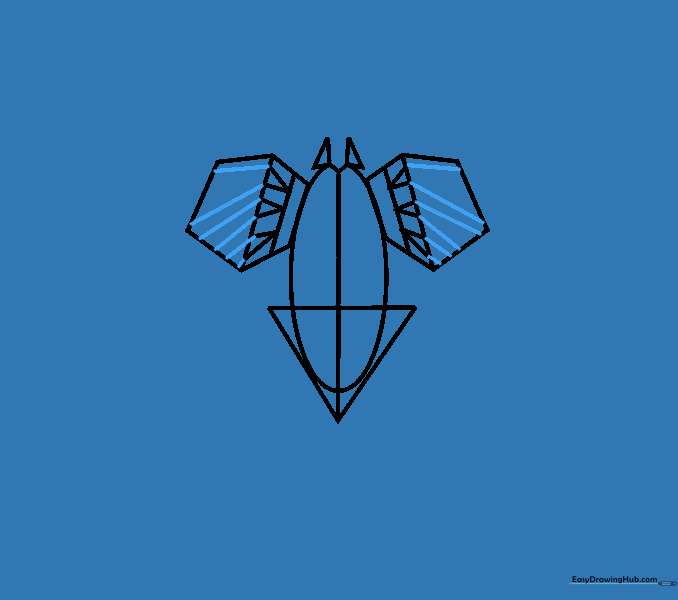
Extend six lines from the middle of the hexagons to form the legs. Tip: Vary the angles—some horizontal, some slanted—to give the spider a dynamic, active look.
Step 8: Refining the Top

Add small triangles next to the ones at the top of the oval. Tip: Keep these symmetrical to ensure the spider doesn't look lopsided.
Step 9: Building the First Leg
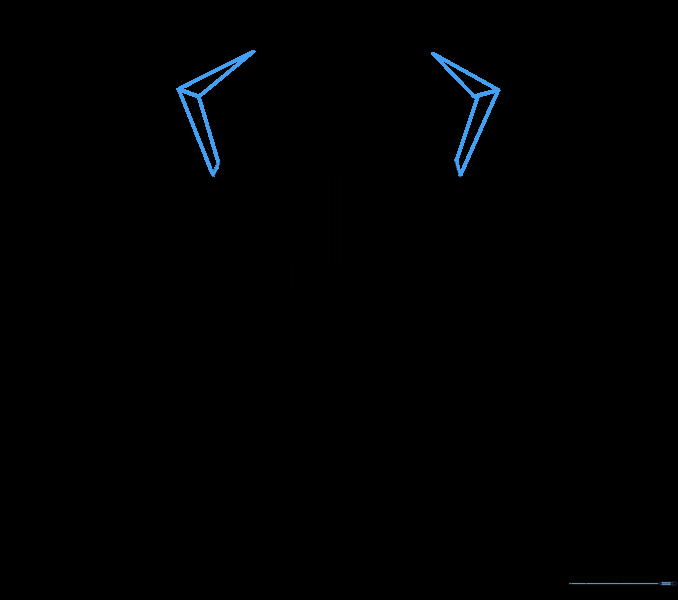
Extend diagonal lines from the left hexagon and connect them to form the first leg segment. Tip: Mirror this exactly on the right side.
Step 10: The Second Leg Segment
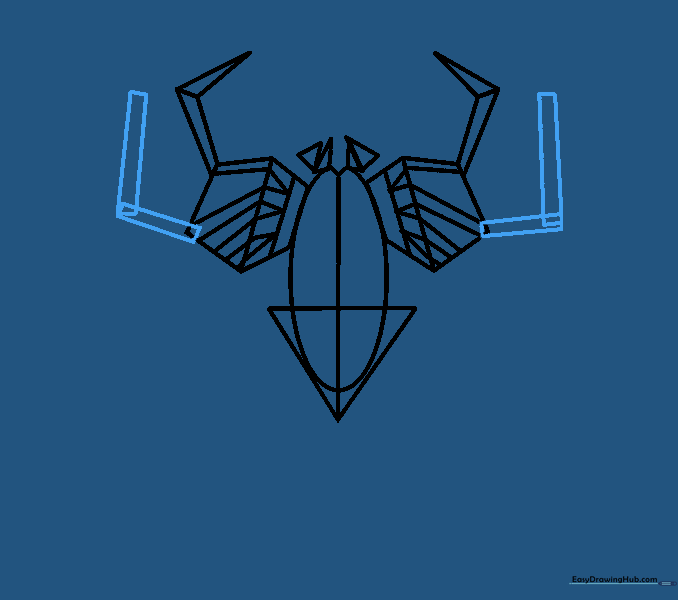
Continue the legs by drawing parallel lines that form a rectangular joint. Tip: Keep the lines clean and sharp to maintain the 'tech' look of the logo.
Step 11: Pointing the Legs
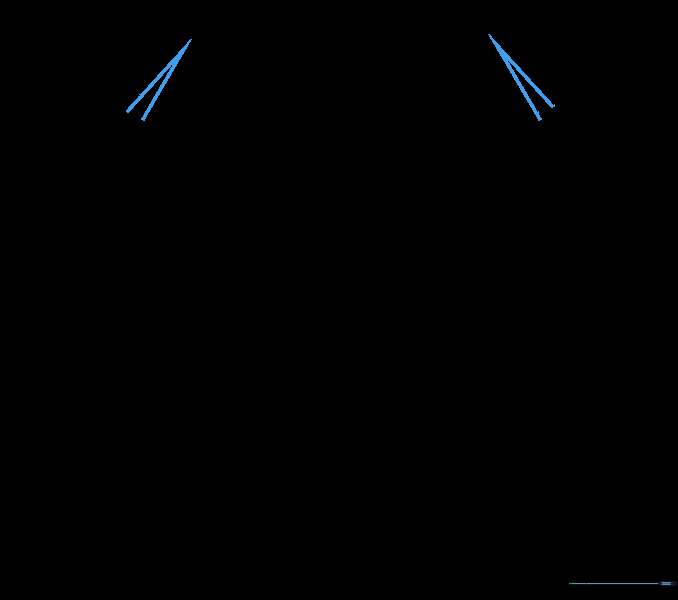
Extend diagonal lines from the second leg segment to a sharp point. Tip: Imagine you are drawing a needle; keep the tips very thin.
Step 12: The Third Leg
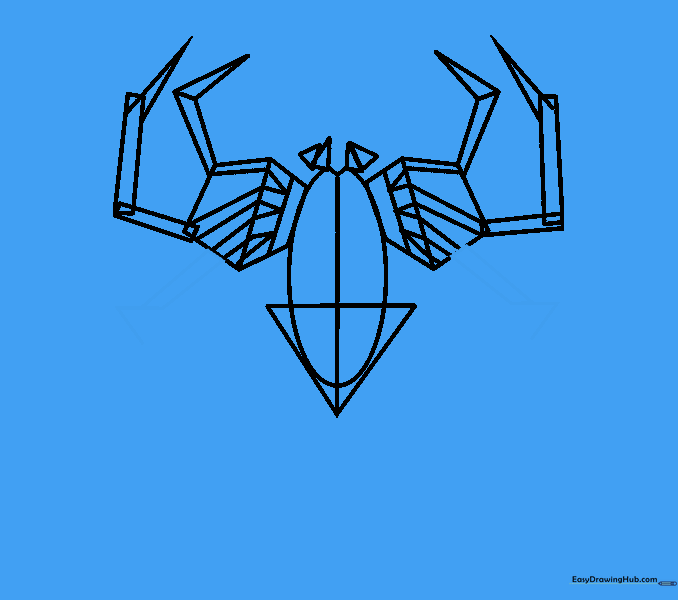
Draw the third leg segment by extending parallel lines downward. Tip: Make sure this leg is slightly longer than the others for a natural spider silhouette.
Step 13: Completing the Leg Structure
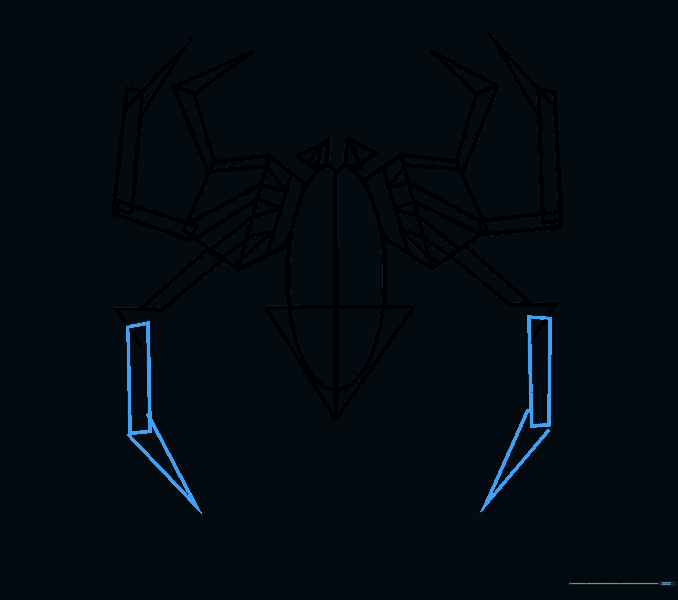
Add the final rectangular joints and pointed ends to the third legs. Tip: Check your symmetry one last time before moving to the final details.
Step 14: Final Leg Details
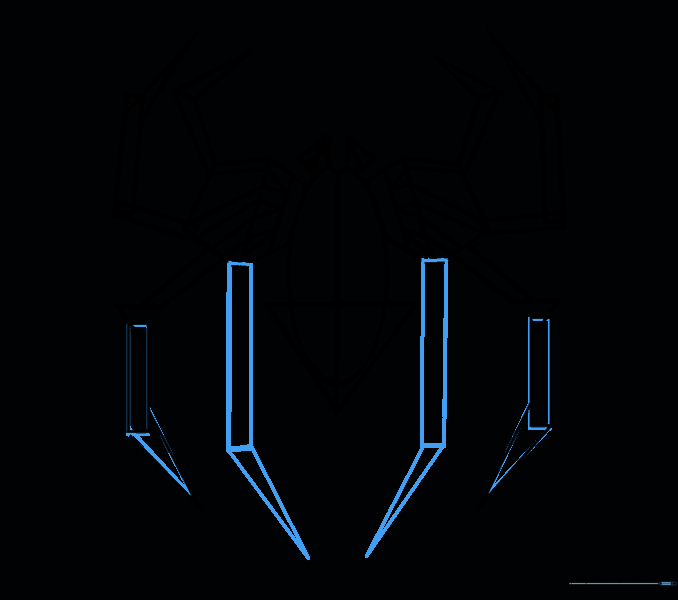
Add the last parallel lines to the bottom of the hexagons. Tip: Ensure these lines connect smoothly to the existing leg structure.
Step 15: Cleaning Up
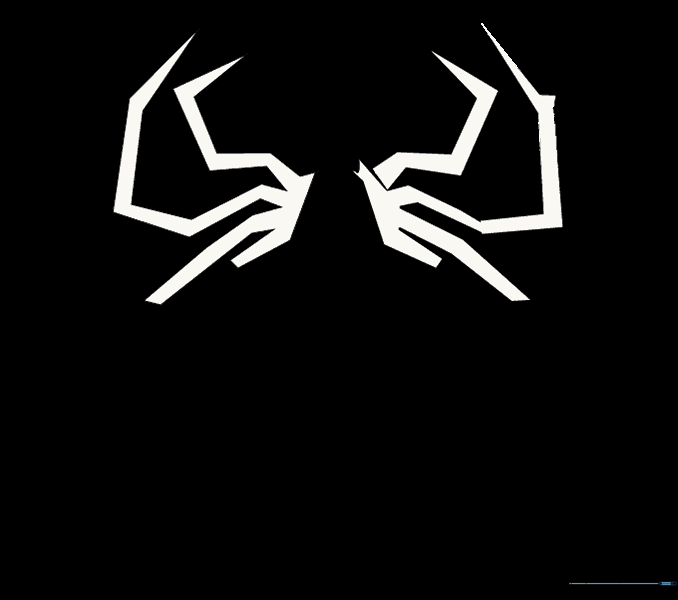
Erase the internal guide lines from the upper legs. Tip: Use a kneaded eraser if you have one—it's gentler on the paper.
Step 16: Clearing the Body
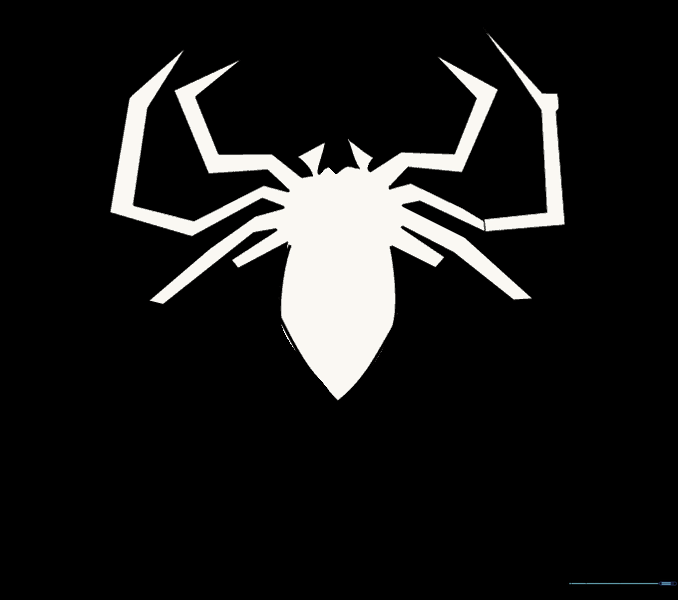
Erase the remaining guide lines inside the main body. Tip: Be careful not to smudge your pencil work while erasing.
Step 17: Rounding the Legs
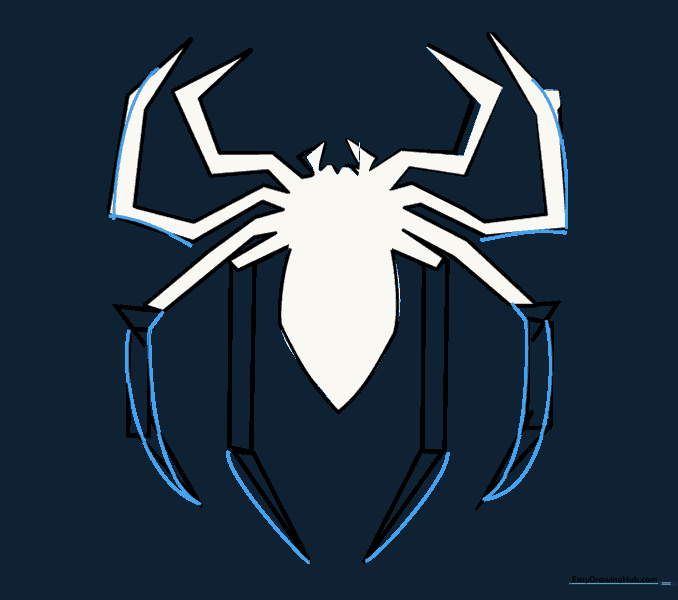
Smooth out the bottom legs by drawing gentle curves between the joints. Tip: This adds a more organic, 'alive' feel to the spider.
Step 18: Final Polish
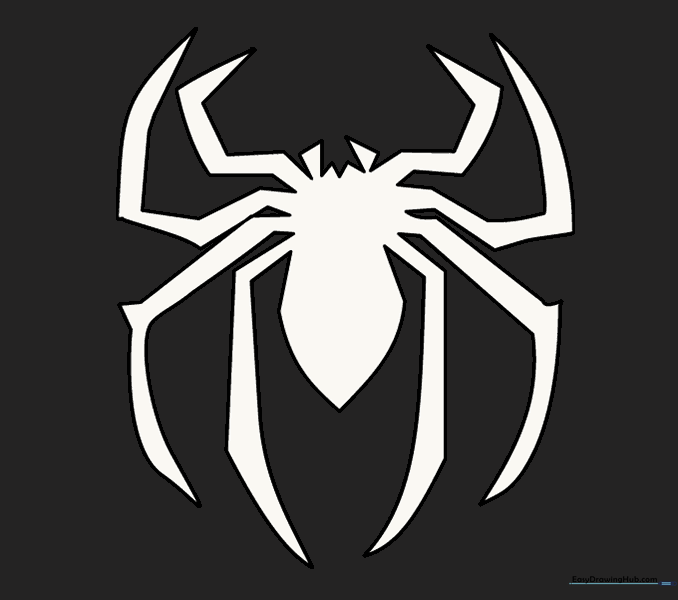
Erase any remaining stray marks. Tip: Hold your paper up to the light to ensure you haven't missed any faint guide lines.
Step 19: Adding Color
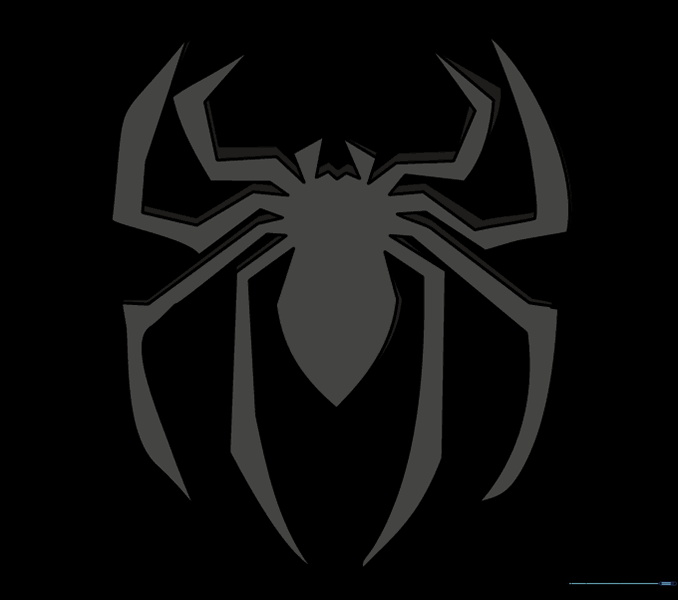
Shade or color your spider logo. Tip: Use a deep, bold black to make the emblem pop against the background.
More Tutorials


