How to Draw an Arrow: Easy 10-Step Guide for Kids
Looking for a fun way to practice straight lines and symmetry? This arrow drawing guide is perfect for artists ages 5 and up. Grab your pencil, eraser, and paper to master this classic shape in just a few minutes.
🎯 Final Result
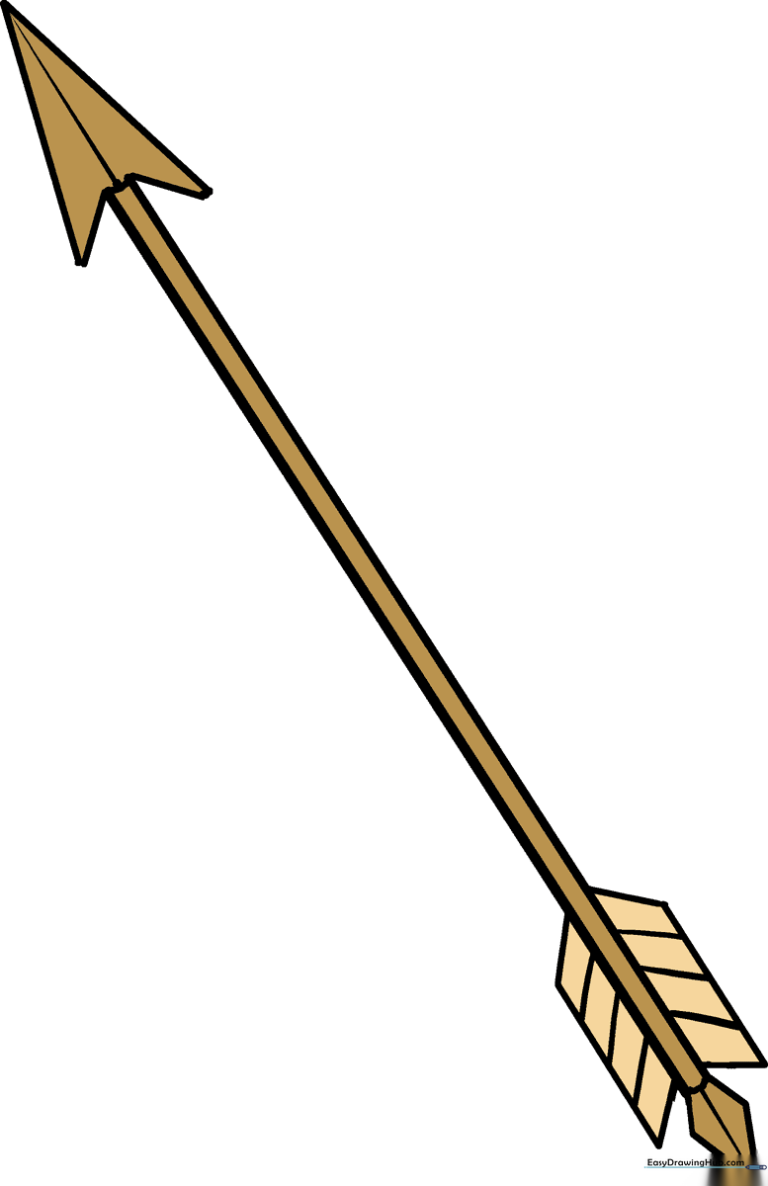
Step-by-Step Instructions
Sketching the Arrow Shaft
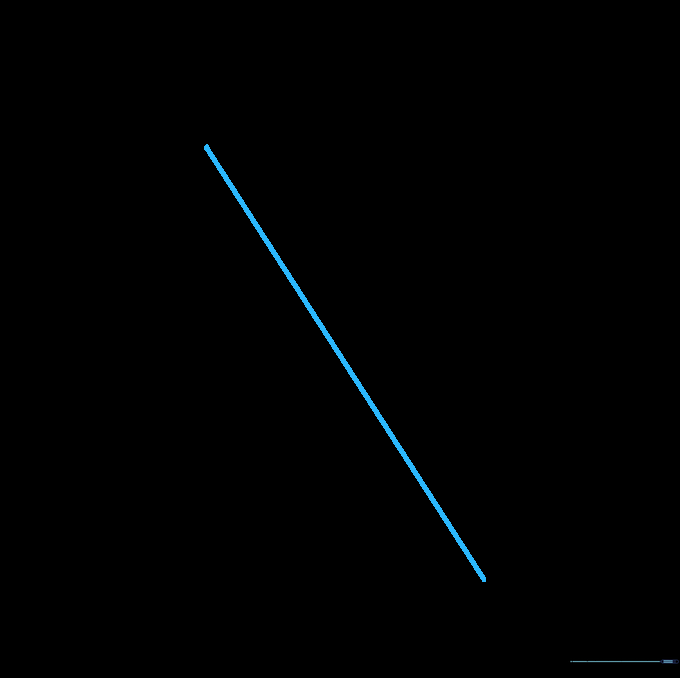
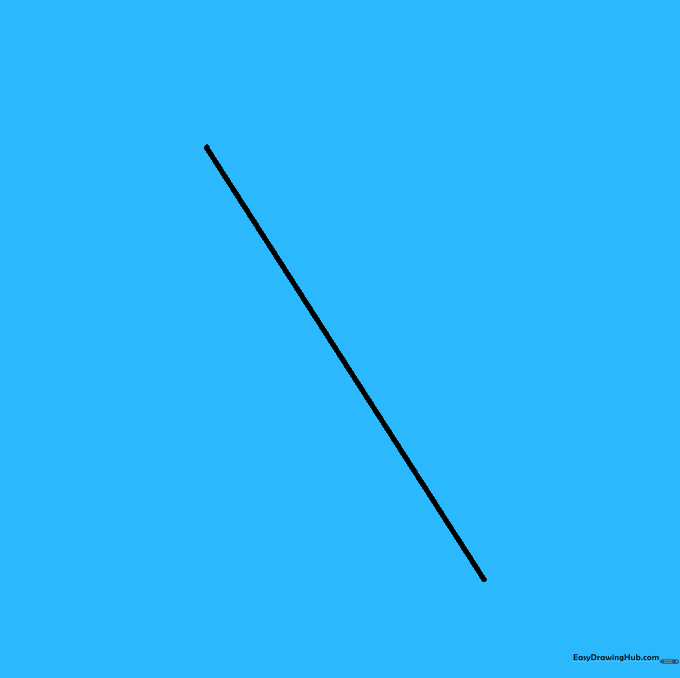
Draw a long, straight vertical line to serve as the main shaft. Teacher's Tip: Use a ruler if you want it perfectly straight, but freehand is great for building steady hand control!
Creating the Shaft Thickness
Draw a second line parallel to the first, leaving a small gap. Tip: Keep the gap consistent from top to bottom to make your arrow look sturdy and professional.
Starting the Arrowhead
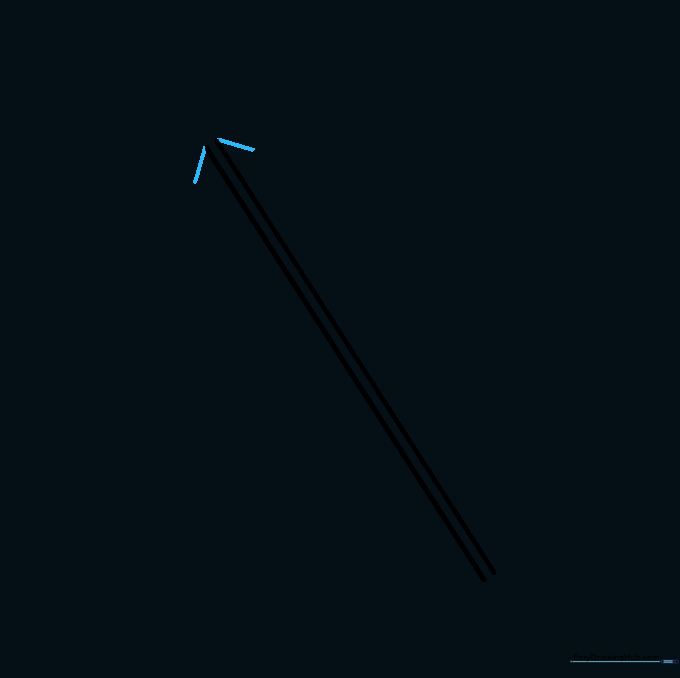
At the top, draw two short diagonal lines pointing outward. Tip: Imagine you are drawing the top half of a triangle; keep the angles equal on both sides.
Closing the Arrowhead
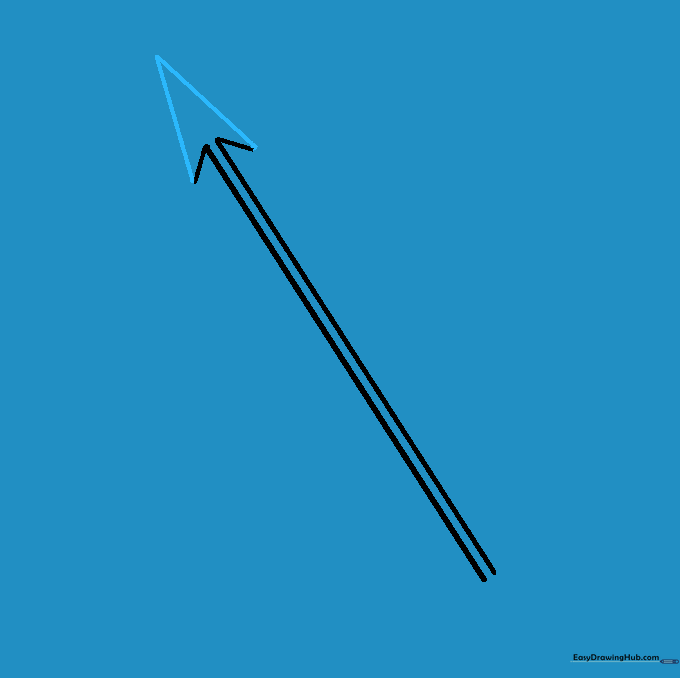
Connect the diagonal lines to a sharp point at the top. Tip: A sharper point makes the arrow look faster and more aerodynamic!
Drafting the Nock
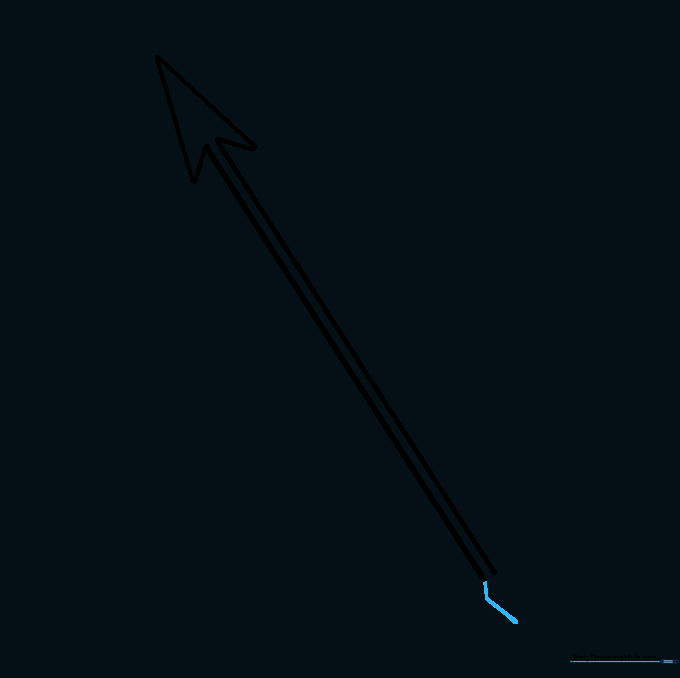
At the bottom of the shaft, draw two small lines angling outward. This is the 'nock' where the arrow meets the bowstring. Tip: Keep these lines small so they don't overpower the shaft.
Completing the Nock

Close the nock shape with two more lines to create a small diamond or 'V' shape at the base. Tip: Ensure the center of the nock aligns perfectly with the center of your shaft.
Adding Dimension
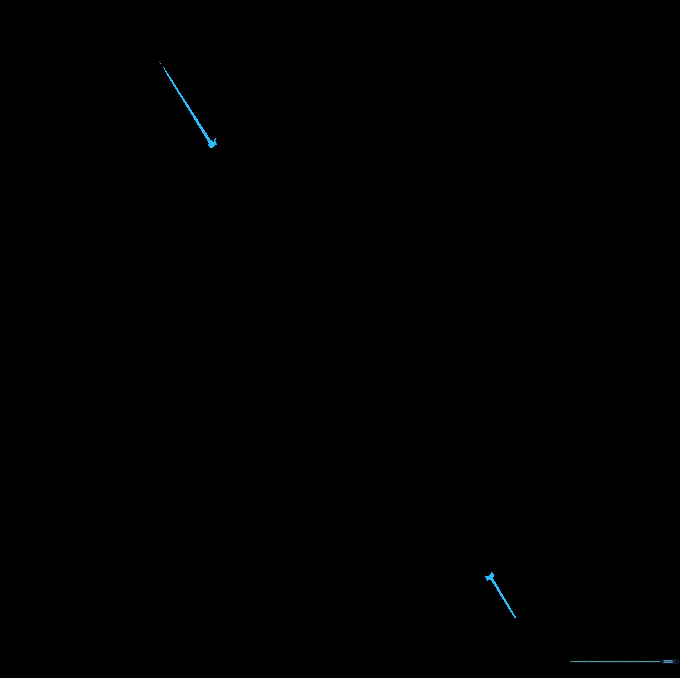
Draw a line down the center of the arrowhead and nock to give them a 3D look. Tip: Adding these 'seams' makes your drawing look much more realistic.
Drawing the Fletching
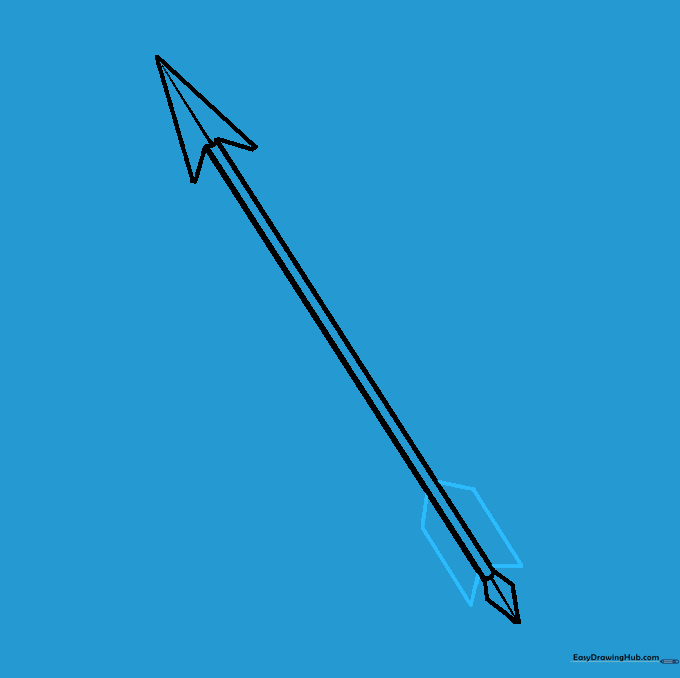
Add two slanted shapes (parallelograms) near the bottom of the shaft for the feathers. Tip: Make sure they are symmetrical so your arrow looks balanced.
Adding Texture to Feathers
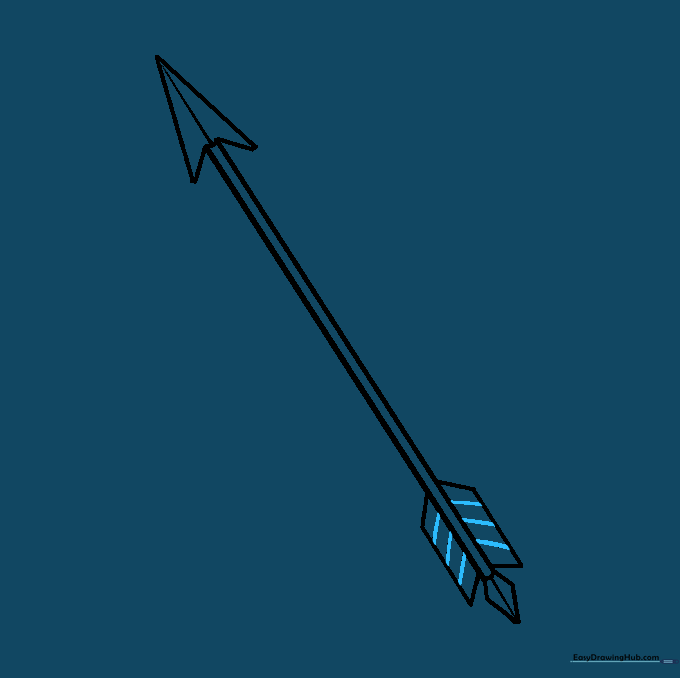
Draw small, parallel lines across the feathers to show texture. Tip: Keep these lines light and close together to mimic the look of real bird feathers.
Coloring Your Arrow
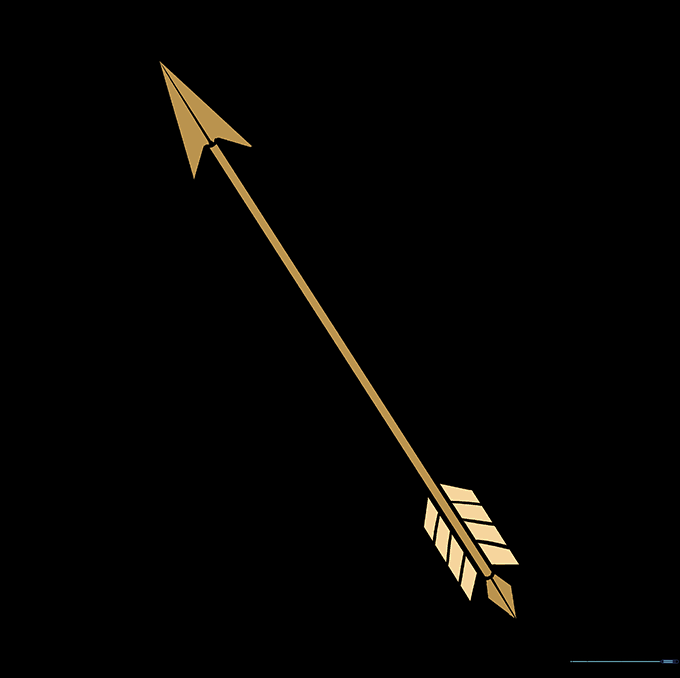
Time to color! Use earthy browns for a traditional wooden arrow, or bright neon colors for a modern, high-tech look. Tip: Use a darker shade on one side of the shaft to create a simple shadow effect.
More Tutorials