61 Free Bird Coloring Pages: Printable Fun for Kids
🖍️ 61 free sheets
These 61 bird coloring pages are designed to help children ages 3-8 develop fine motor control and color recognition. Whether you are using crayons, markers, or colored pencils, these sheets provide a relaxing, screen-free creative outlet. Simply print your favorites and let your child explore the vibrant world of avian art.
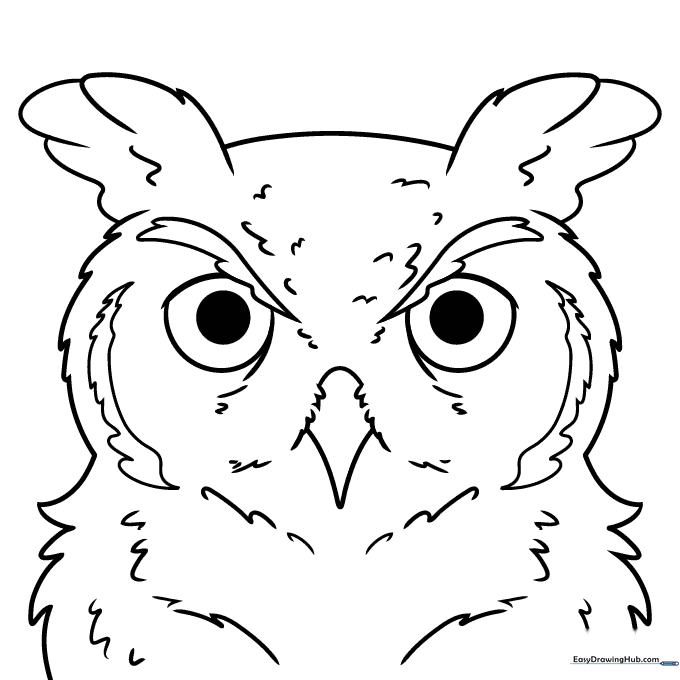
Realistic Owl Face
Focus on texture with this great horned owl. Tip: Use short, overlapping strokes with your pencil to mimic the look of soft feathers around those large, expressive eyes.
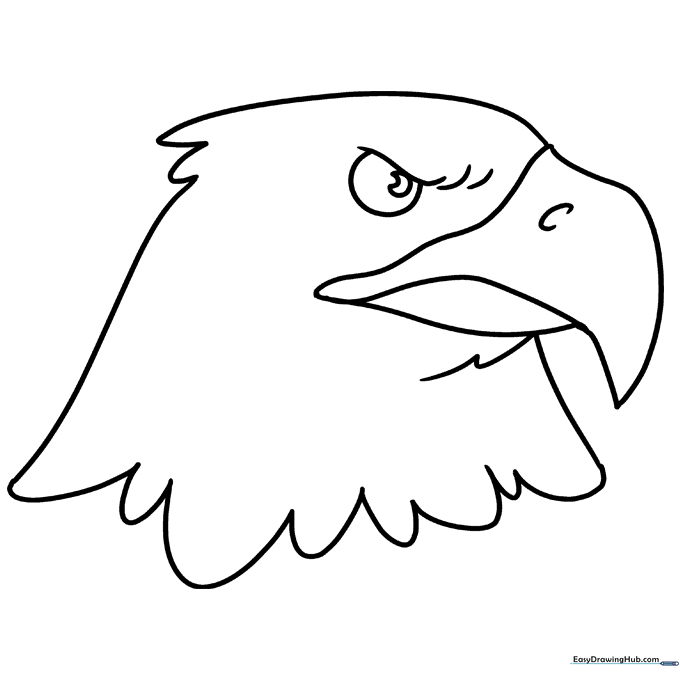
Majestic Eagle Head
Capture the strength of the bald eagle. Tip: Keep the head white and use a bright yellow for the beak to make the features pop against a dark background.
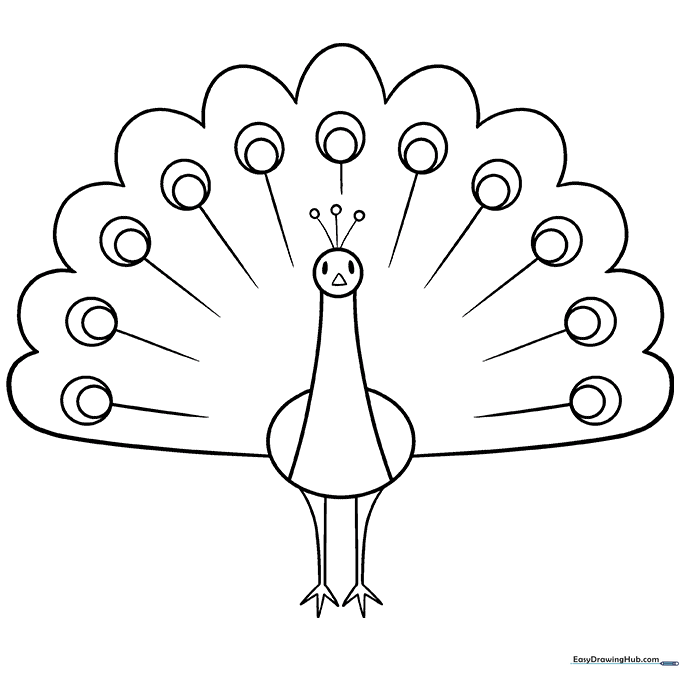
Elegant Peacock
Peacocks are a masterclass in color. Tip: Use metallic or glitter gel pens to highlight the 'eyes' on the tail feathers for a truly iridescent effect.
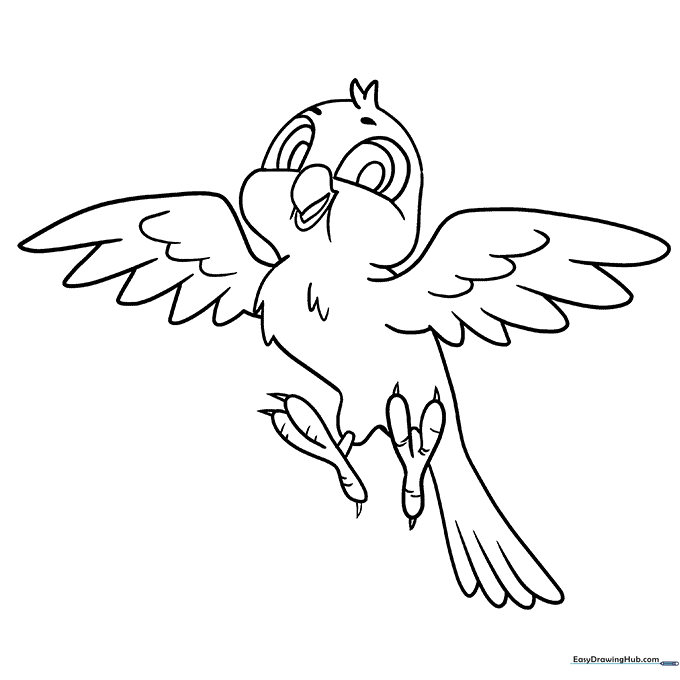
Cheerful Cartoon Bird
Perfect for younger artists. Tip: Encourage kids to experiment with bright, non-traditional colors to give this little bird a unique personality.
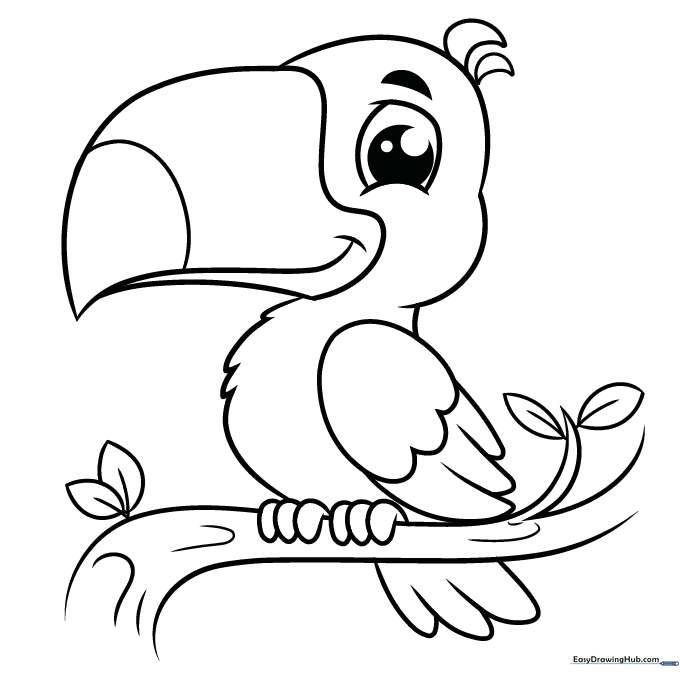
Tropical Toucan
The toucan's beak is the star of the show. Tip: Use a gradient technique, blending orange into yellow, to capture the vibrant look of a real toucan's beak.
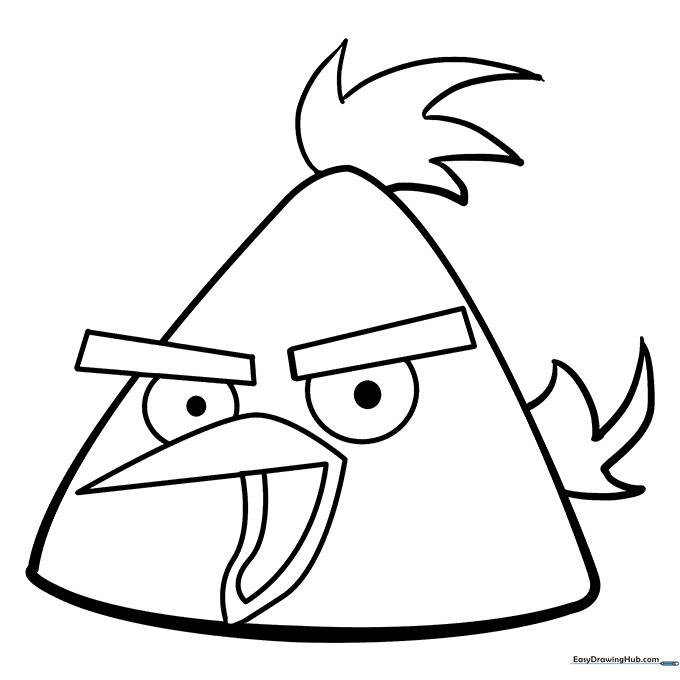
Yellow Angry Bird
Bring the game to life. Tip: Use bold, solid colors to match the iconic look of the character, and don't forget to color the eyebrows a deep, contrasting black.
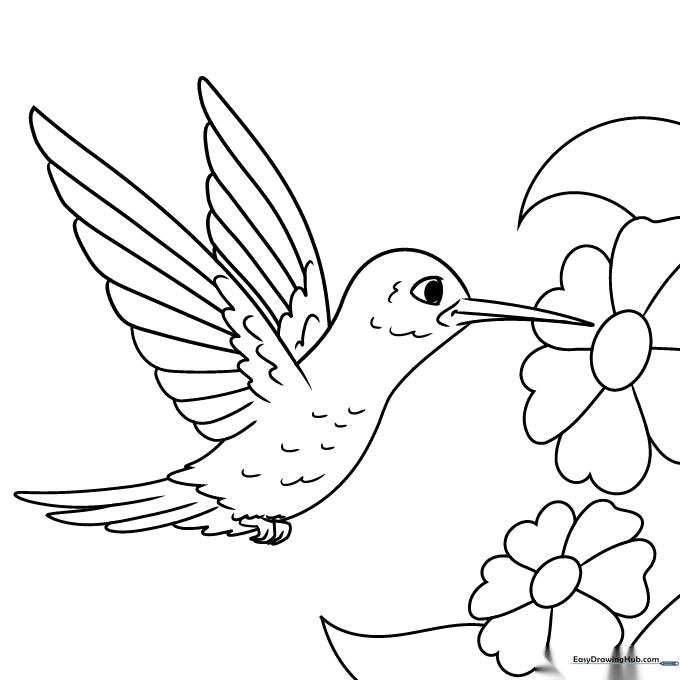
Delicate Hummingbird
Hummingbirds are fast and light. Tip: Use light, feathery strokes to color the wings to give them a sense of motion and speed.
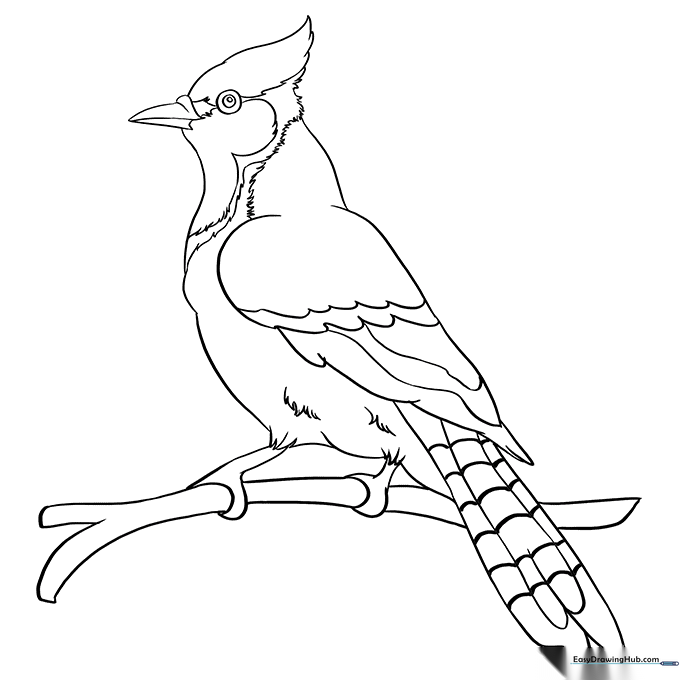
Striking Blue Jay
Blue jays are known for their bold patterns. Tip: Use a light blue base and layer a darker blue on top to create depth in the feathers.
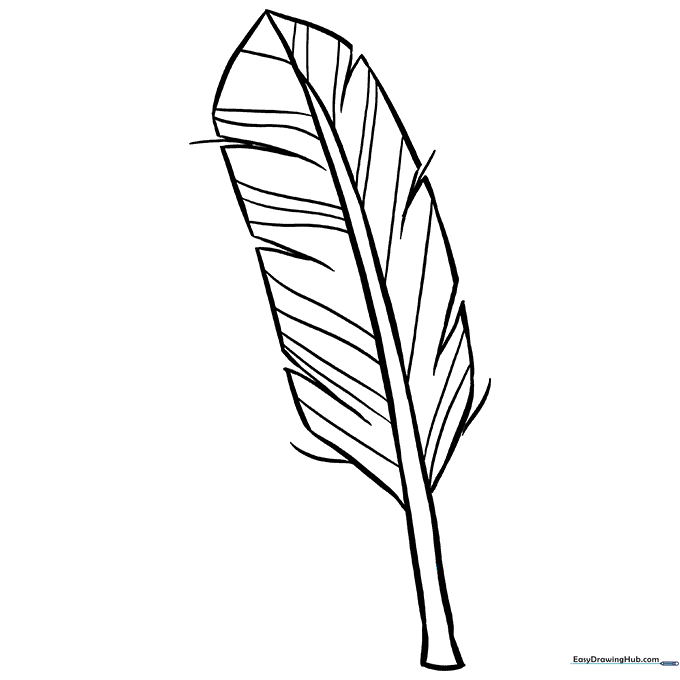
Detailed Feather
A great exercise for focus. Tip: Use a fine-tip marker to trace the central shaft (rachis) before coloring the barbs to practice steady hand control.
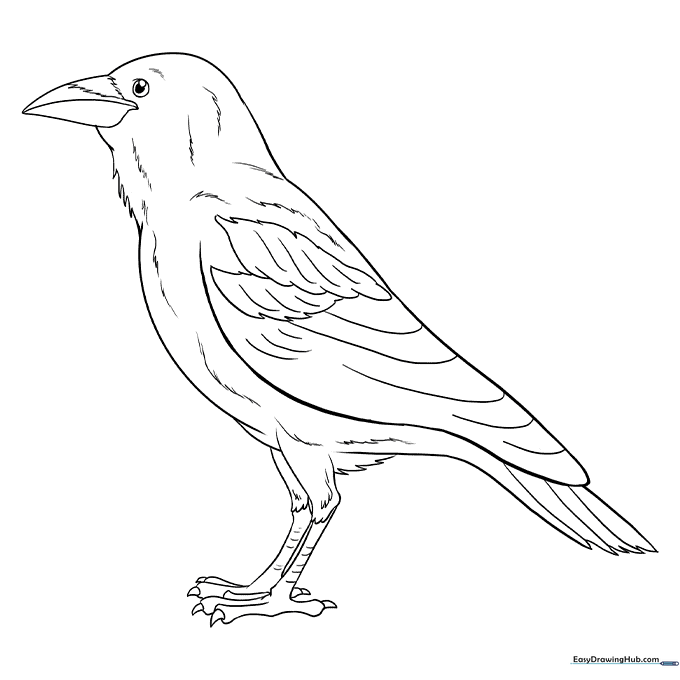
Mysterious Raven
Ravens are beautiful in their simplicity. Tip: Use different shades of black, charcoal, and dark blue to create a 'shimmer' effect on the feathers.
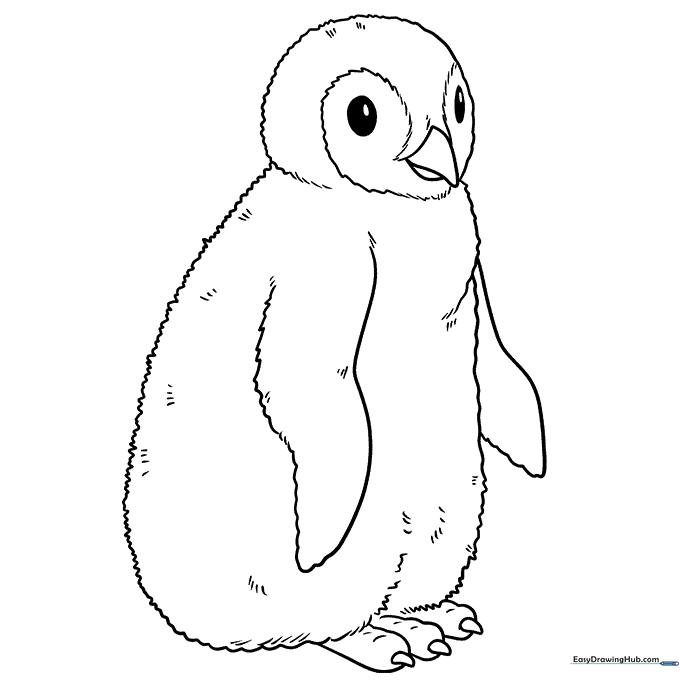
Fluffy Penguin Chick
So cute! Tip: Use a soft grey pencil and smudge it slightly with your finger to create that fuzzy, downy texture unique to baby penguins.
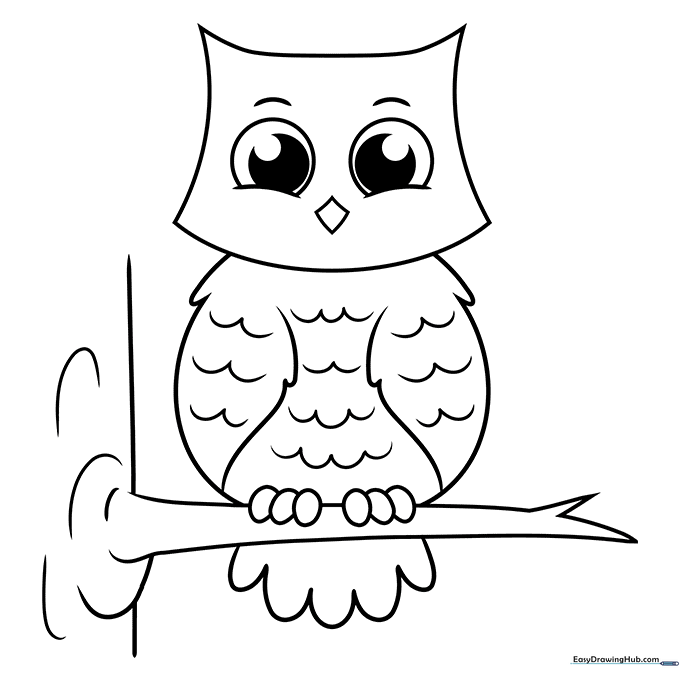
Easy Cartoon Owl
A fun, friendly character. Tip: Use warm earth tones like brown and tan to make this owl look like he belongs in a cozy forest.
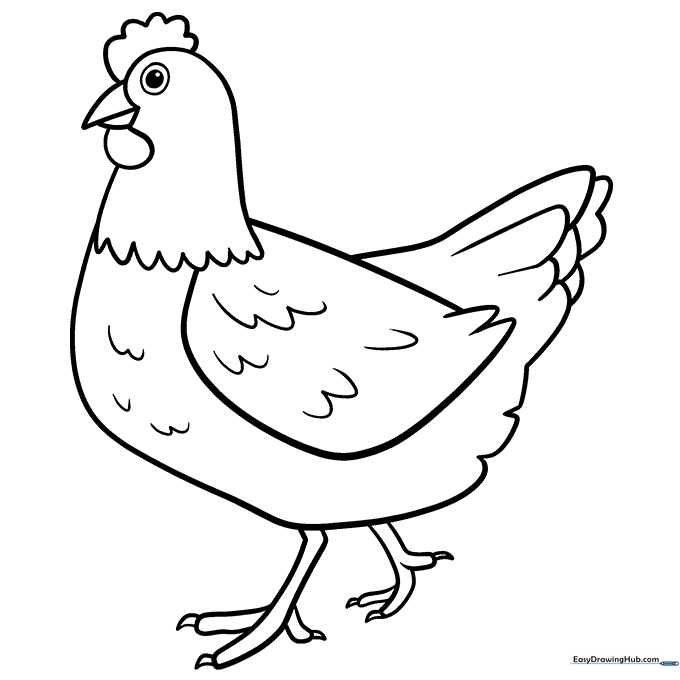
Barnyard Chicken
Chickens come in so many patterns! Tip: Try drawing small 'v' shapes on the feathers to create a realistic speckled or barred pattern.
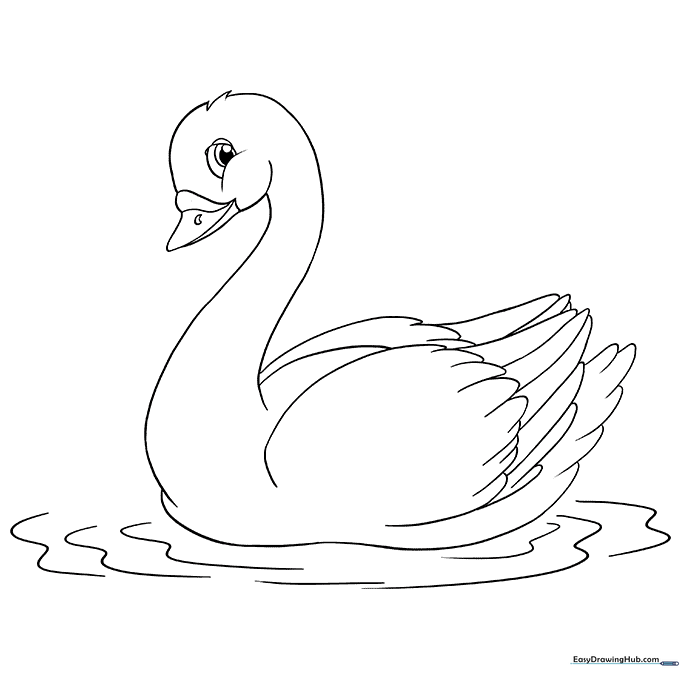
Graceful Swan
Swans are symbols of elegance. Tip: Use a very light grey to shade the curves of the neck to give the bird a 3D, rounded appearance.
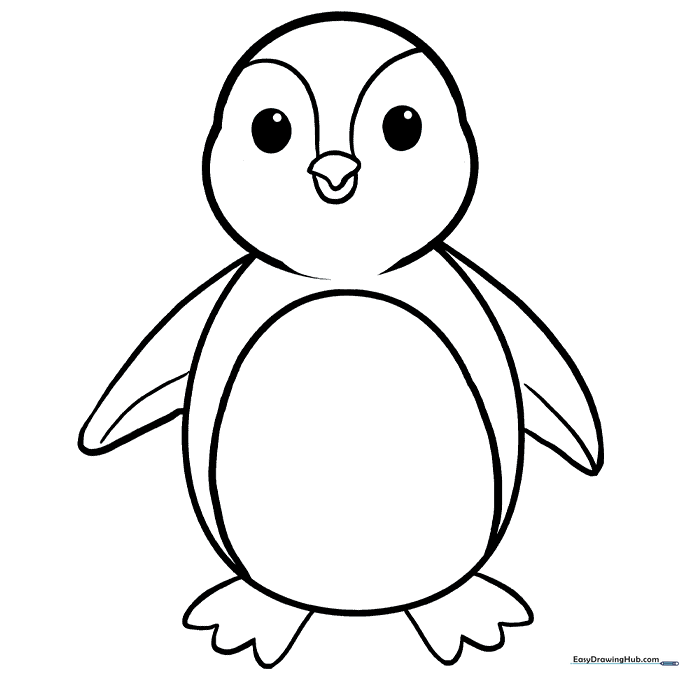
Classic Penguin
Ready for the ice! Tip: Use a black marker for the body and a white gel pen to add highlights to the eyes and beak for a polished look.
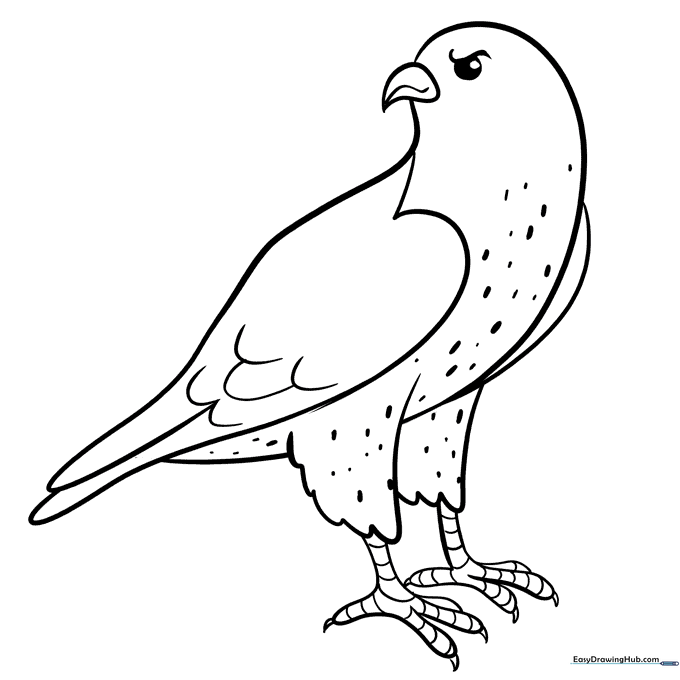
Swift Falcon
The fastest bird in the sky. Tip: Use sharp, angular strokes when coloring the wings to emphasize the falcon's speed and aerodynamic shape.
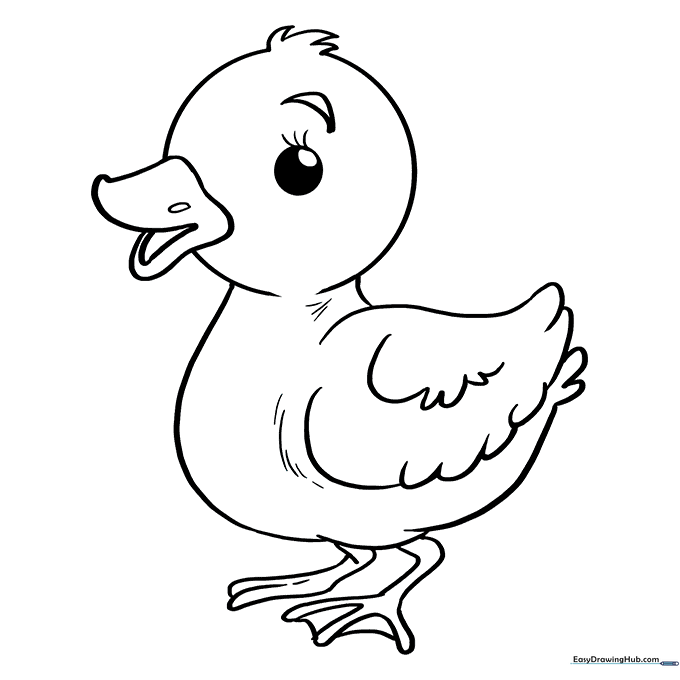
Baby Duck
Irresistibly cute. Tip: Use a soft yellow for the body and a bright orange for the feet to make this little duckling look cheerful and vibrant.
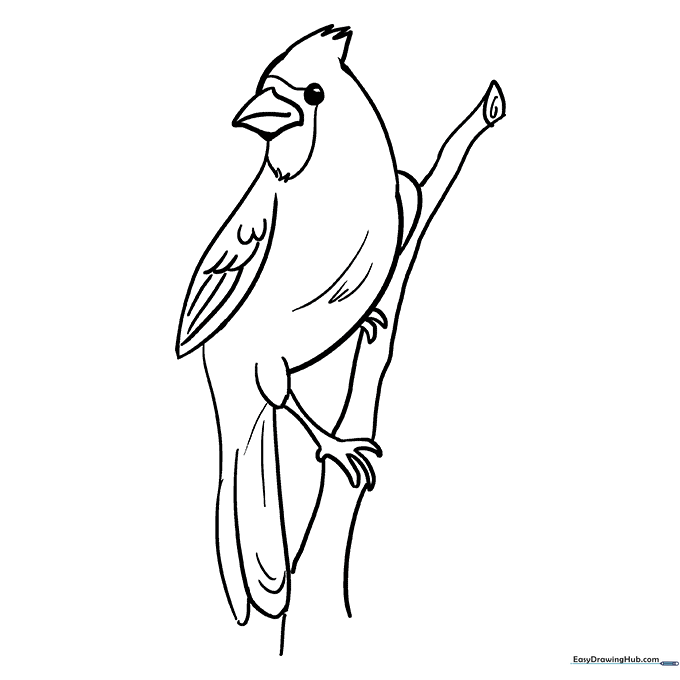
Bright Cardinal
A winter favorite. Tip: Use a deep, saturated red for the male cardinal and a softer, muted brown for the female to show the difference between them.
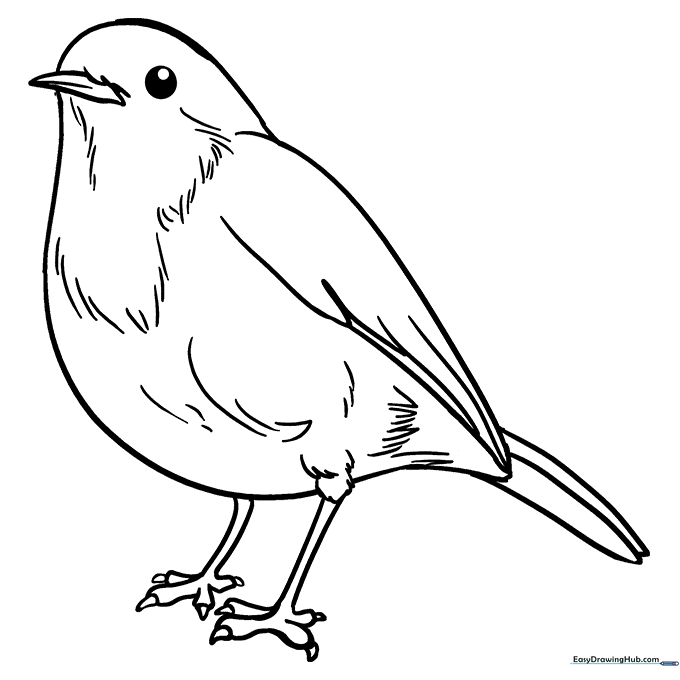
Friendly Robin
The classic garden bird. Tip: Use a warm orange-red for the chest and a soft cream for the belly to capture the robin's distinct markings.
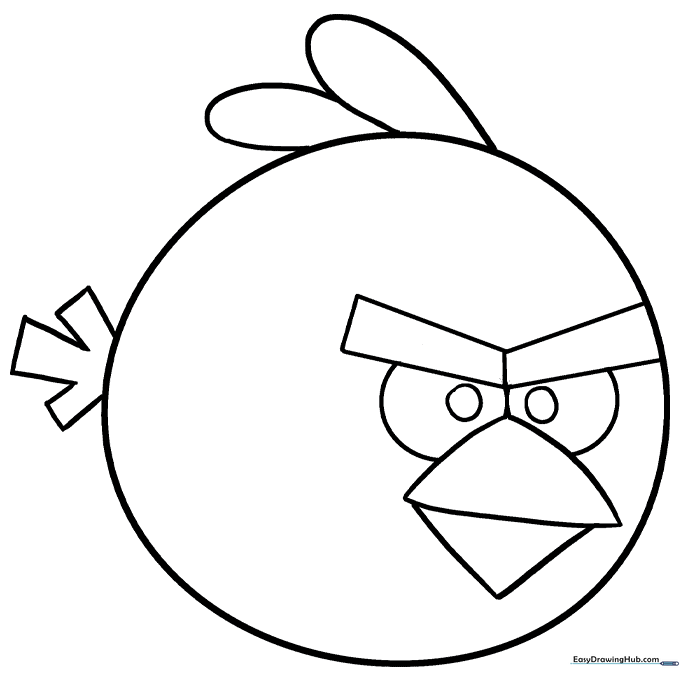
Angry Birds Red
The leader of the flock. Tip: Use a bright, primary red for the body and a contrasting yellow for the beak to make him stand out.
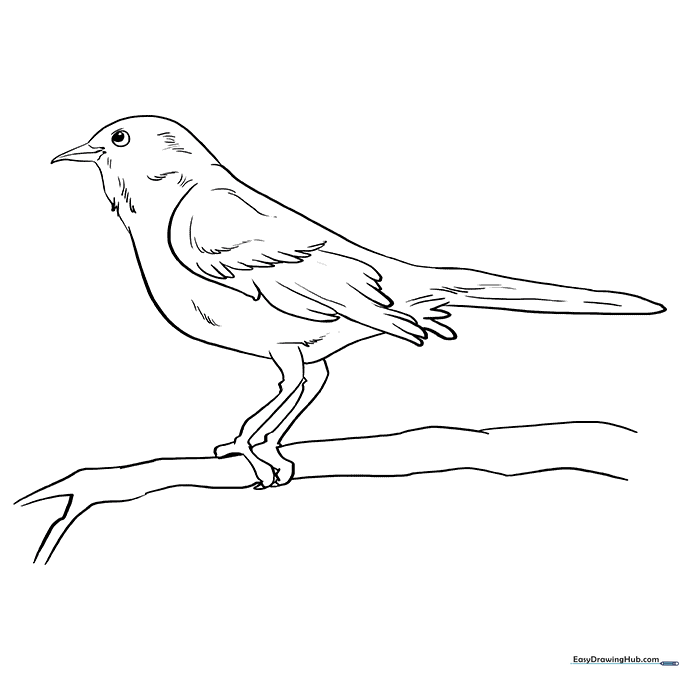
Songbird Mockingbird
A master of mimicry. Tip: Use subtle shades of grey and white to color the wings, and try to keep the lines clean to highlight the bird's sleek profile.
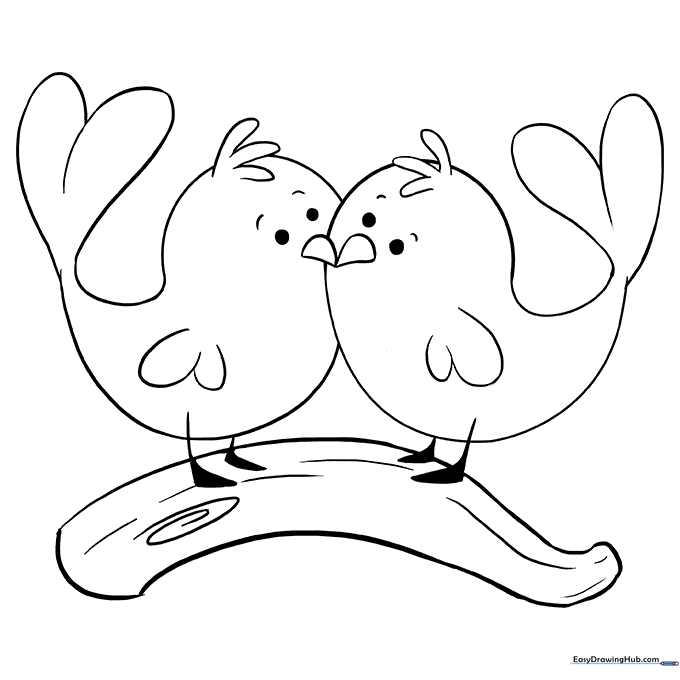
Sweet Love Birds
Perfect for a handmade card. Tip: Use pastel colors like soft pink and light blue to give these birds a romantic, gentle feel.
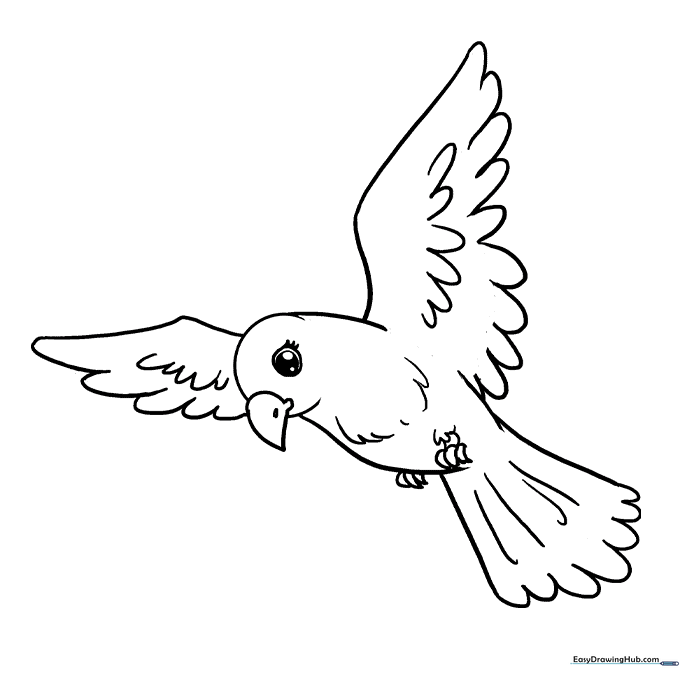
Classic Bird
A blank slate for your imagination. Tip: Use this page to practice color theory—try using complementary colors on the wings and body to make the bird stand out.
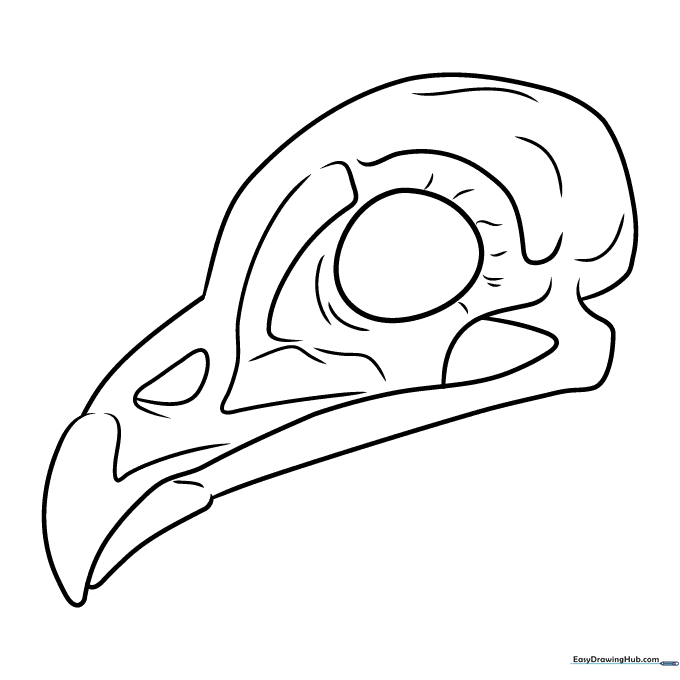
Bird Skull
A fascinating look at anatomy. Tip: Use a light cream or off-white for the bone, and add subtle shadows with a light grey pencil to give it depth.
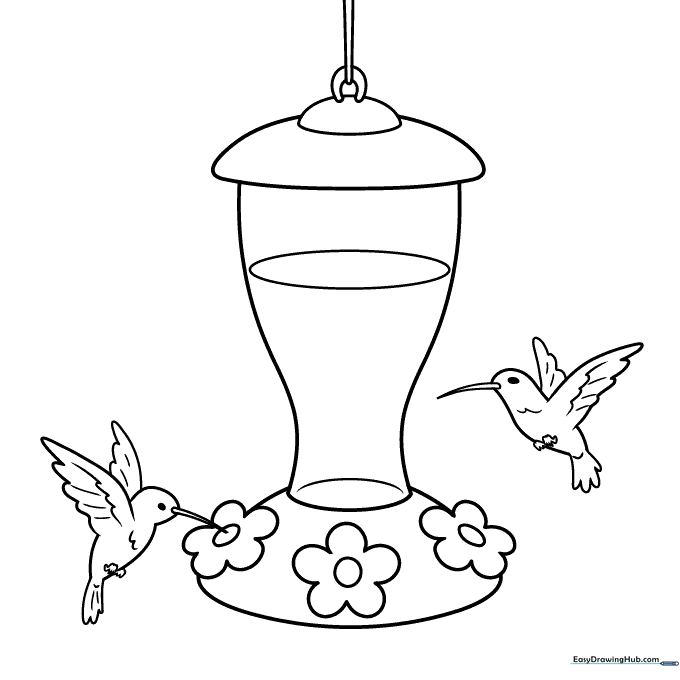
Hummingbird Feeder
A fun scene to color. Tip: Use a bright, vibrant red for the sugar water in the feeder—it's the color that attracts hummingbirds in nature!
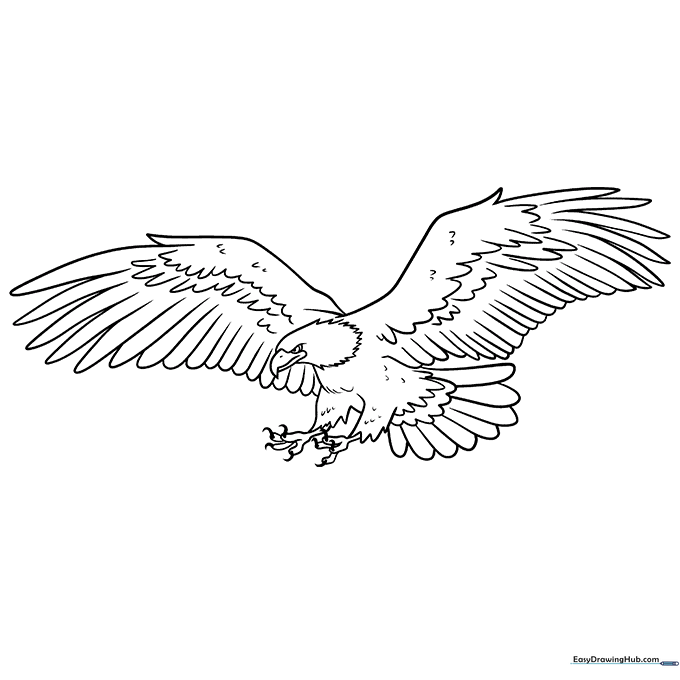
Bald Eagle in Flight
Capture the majesty of the bald eagle. Tip: Use a light grey for the feathers near the tail to show depth, and keep the head bright white for that iconic look.
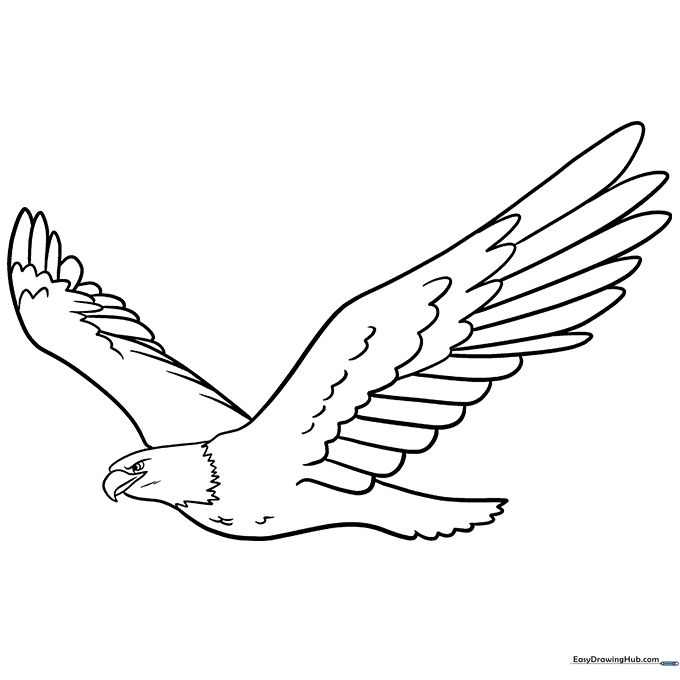
Majestic Eagle Portrait
Focus on the sharp beak and intense gaze. Tip: Use short, flicking strokes with your colored pencil to mimic the texture of real feathers.
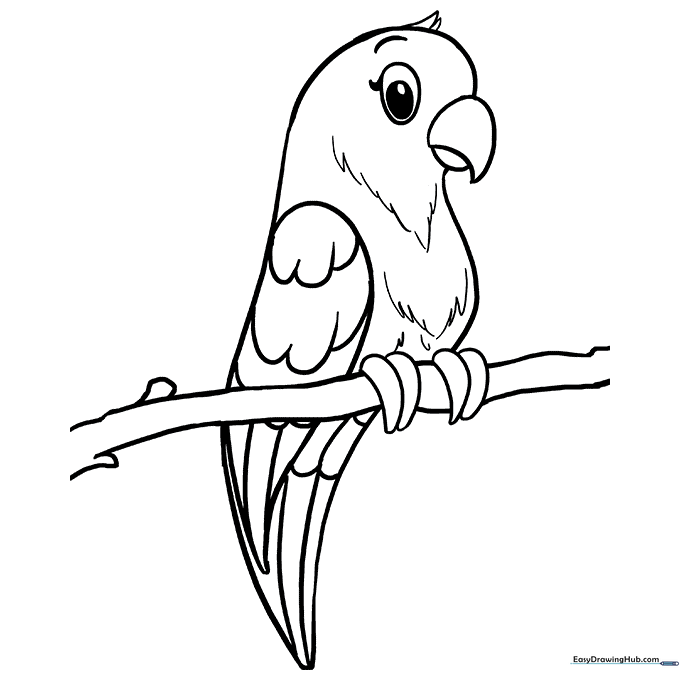
Tropical Parrot
Parrots are perfect for practicing color blending. Tip: Try using two shades of green or blue in the same feather area to create a vibrant, realistic sheen.
Swift Hawk
Hawks are masters of the sky. Tip: Use a light brown base layer and add darker brown 'V' shapes to create the look of patterned hawk feathers.
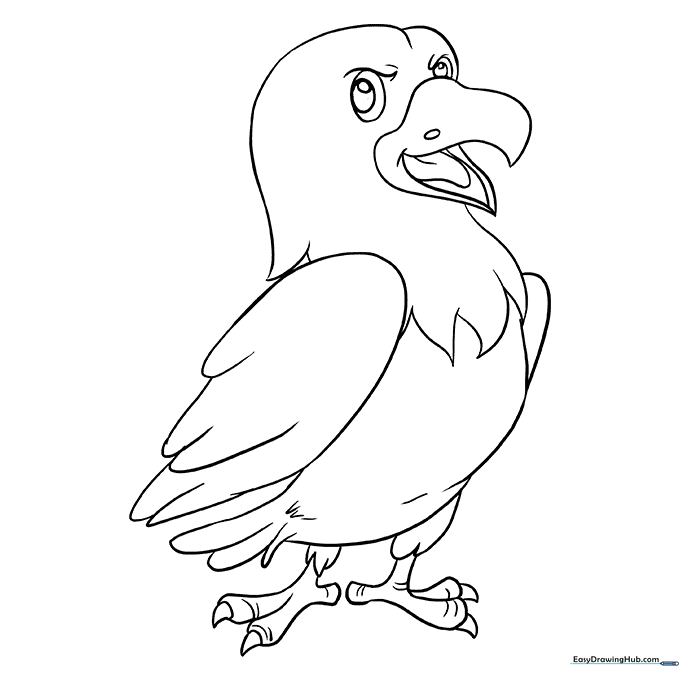
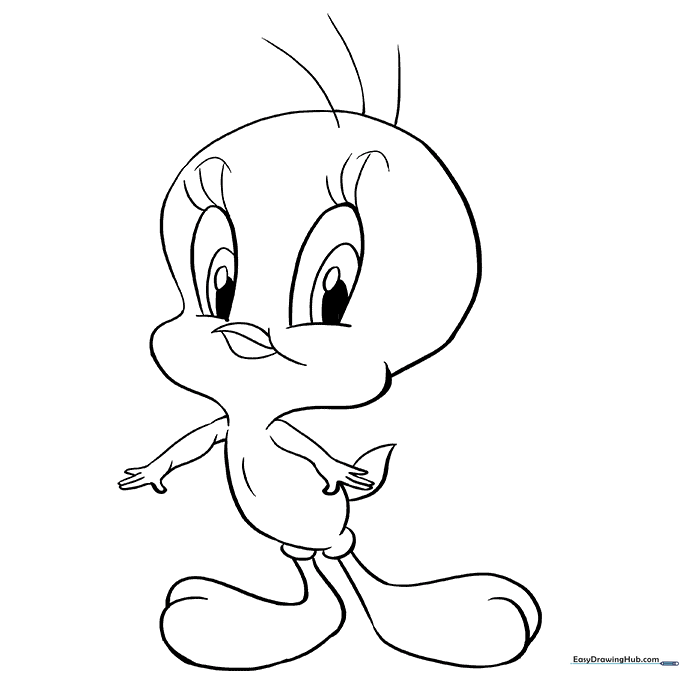
Little Yellow Bird
This cheerful character is great for younger artists. Tip: Use a bright yellow crayon for the body and leave the eyes white to make them pop.
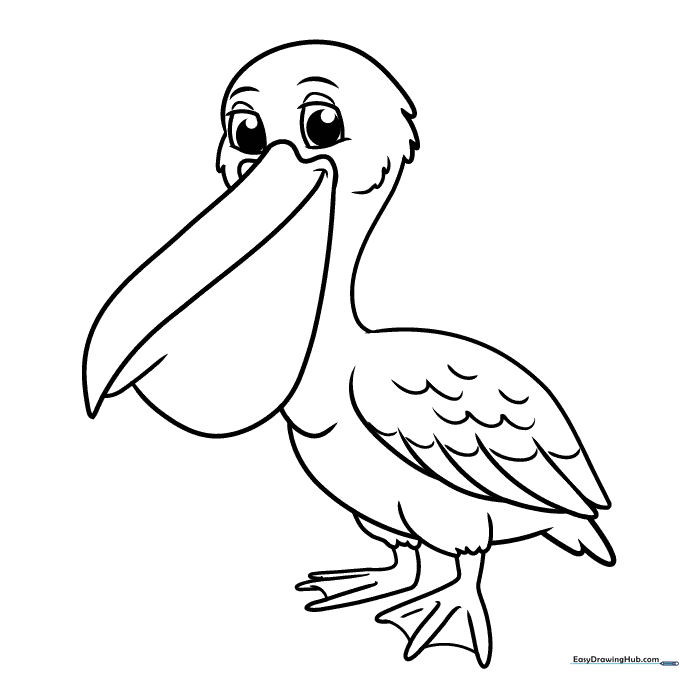
Pelican with Large Beak
Pelicans have such unique shapes! Tip: Color the pouch of the beak a soft orange, and use light grey for the body to show the texture of the feathers.
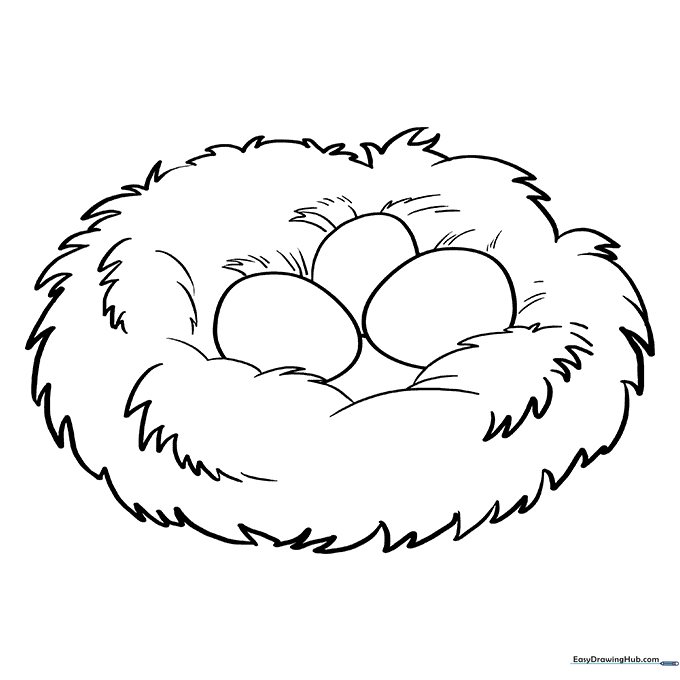
Cozy Bird Nest
A perfect scene for nature lovers. Tip: Use different shades of brown for the twigs to make the nest look realistic and layered.
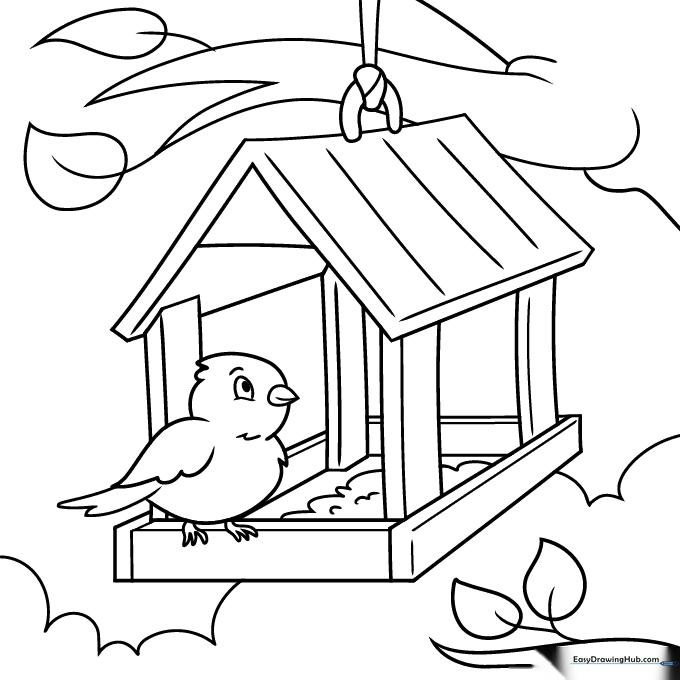
Backyard Bird Feeder
Invite birds into your art! Tip: Use bright colors for the seeds and a natural wood tone for the feeder structure.
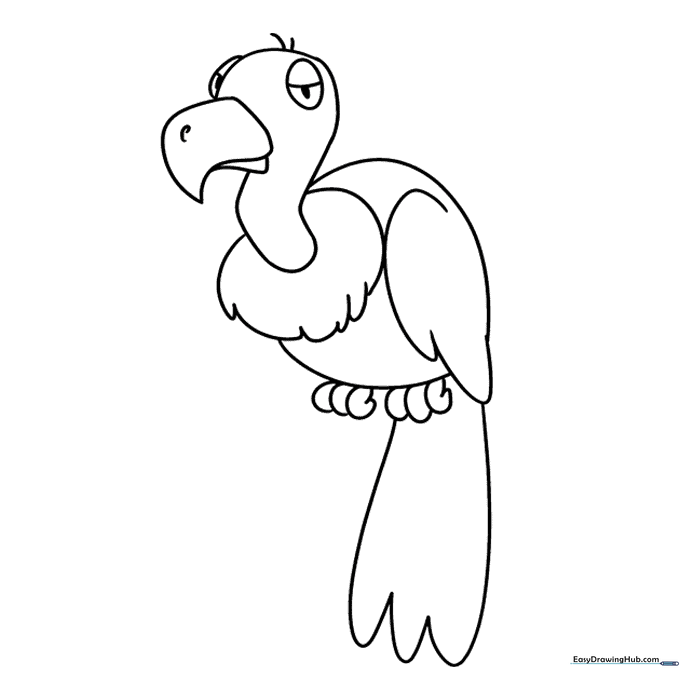
Vulture in Nature
Vultures are fascinating birds. Tip: Use a deep red for the head and dark, moody blacks or browns for the wings to capture their unique look.
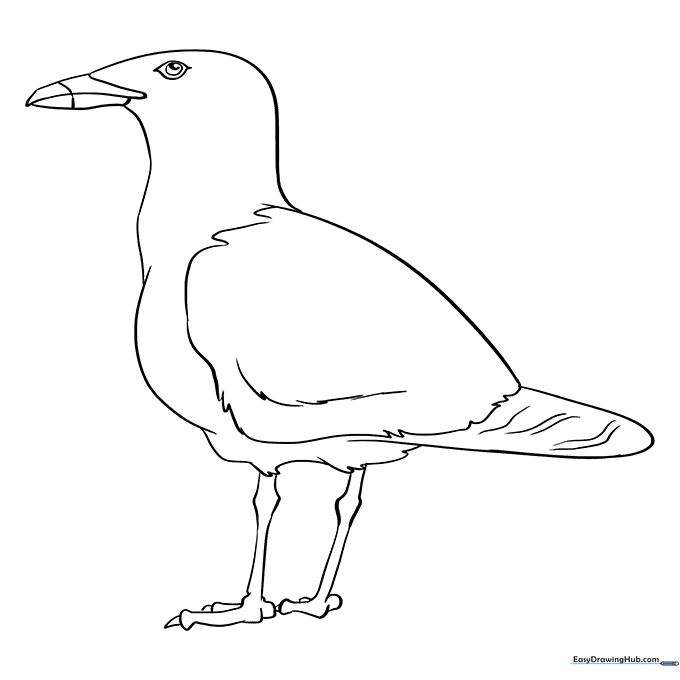
Seagull by the Sea
Bring the beach to your paper! Tip: Keep the body mostly white, but add light grey shading under the wings to show their shape.
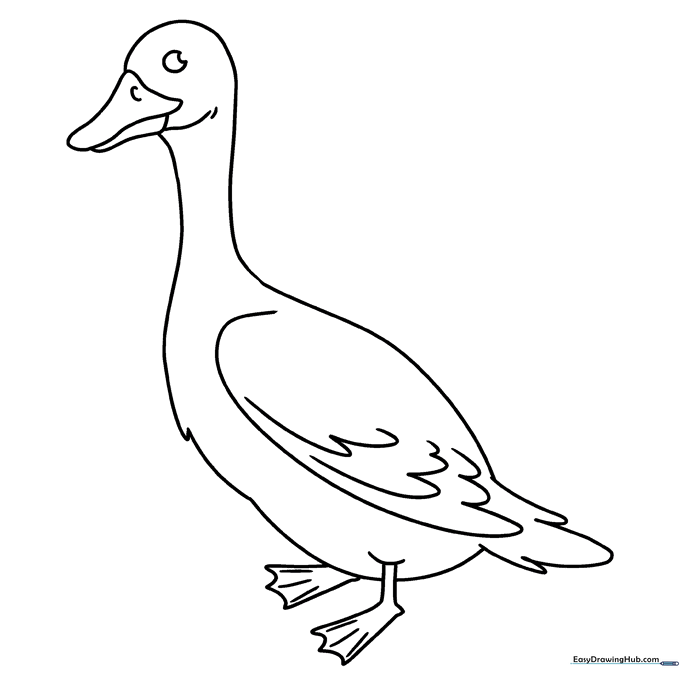
Friendly Goose
Geese are full of personality. Tip: Use a bright orange for the beak and feet, and try layering light grey and white for the feathers.
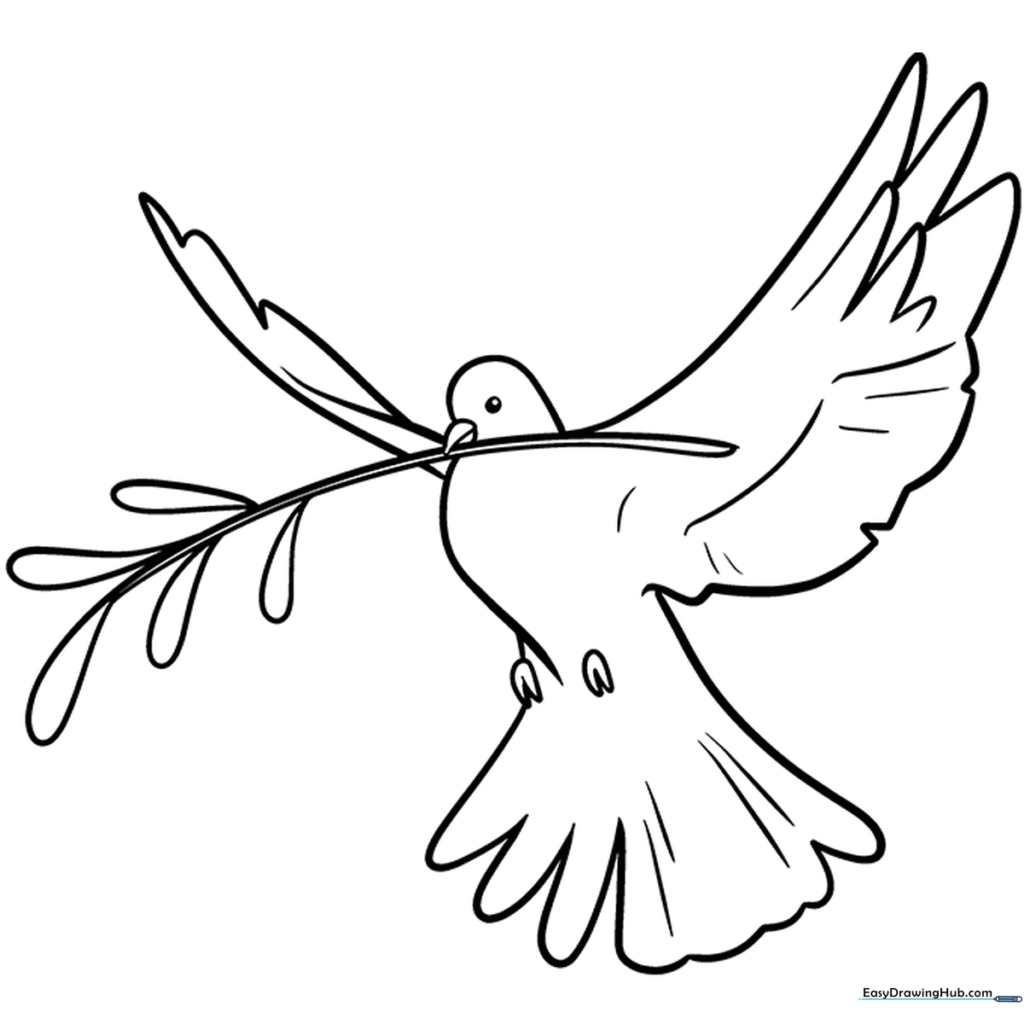
Peaceful Dove
Doves are a symbol of calm. Tip: Use very light pressure with your pencil to create a soft, white-feathered look.
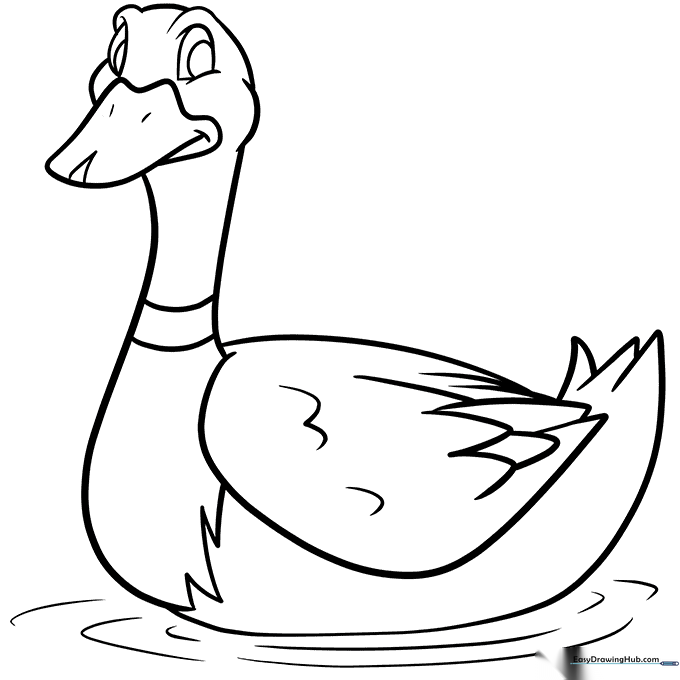
Mallard Duck
The mallard is famous for its colors. Tip: Use a rich, metallic green for the head and a soft brown for the body to make it look authentic.
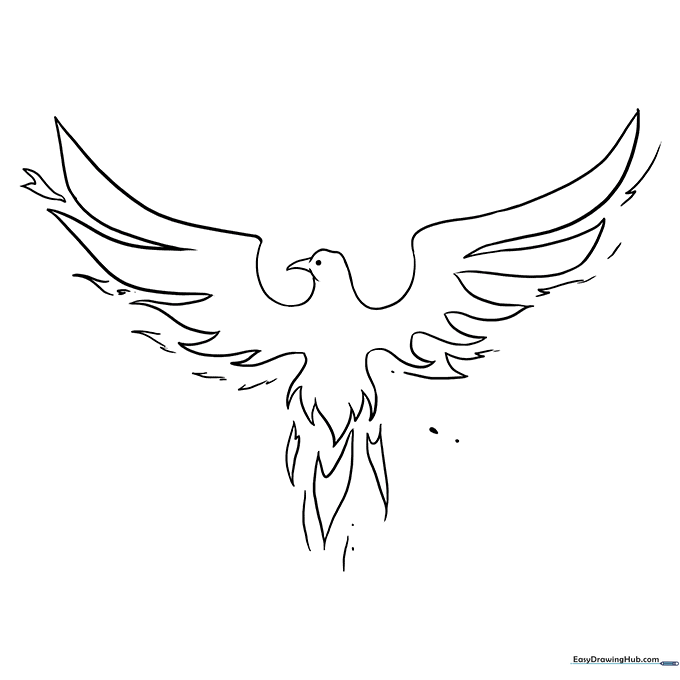
Legendary Phoenix
Let your imagination run wild! Tip: Use warm colors like red, orange, and yellow to create the 'fire' effect of the phoenix's wings.
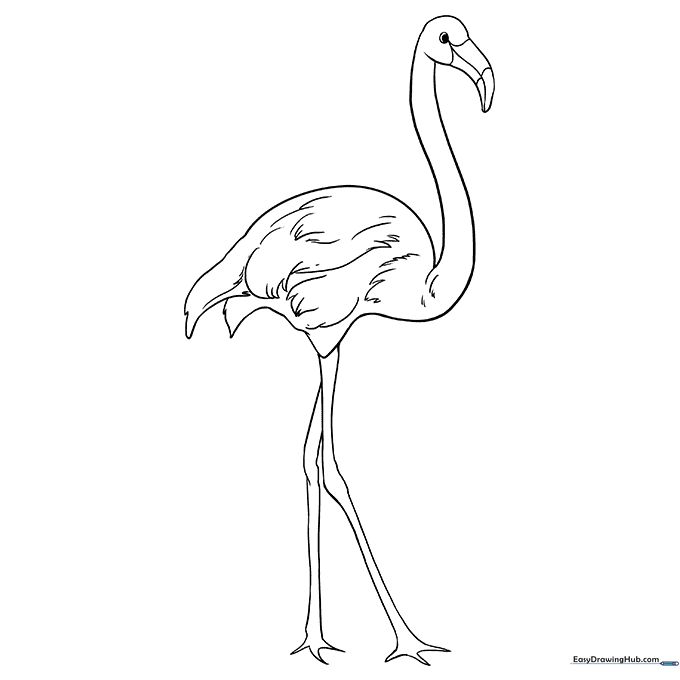
Elegant Flamingo
Flamingos are so fun to color. Tip: Use different shades of pink, from light pastel to bright magenta, to give the feathers depth.
Little Sparrow
Sparrows are small but mighty. Tip: Use a mix of brown, grey, and white to create the speckled pattern on their wings.
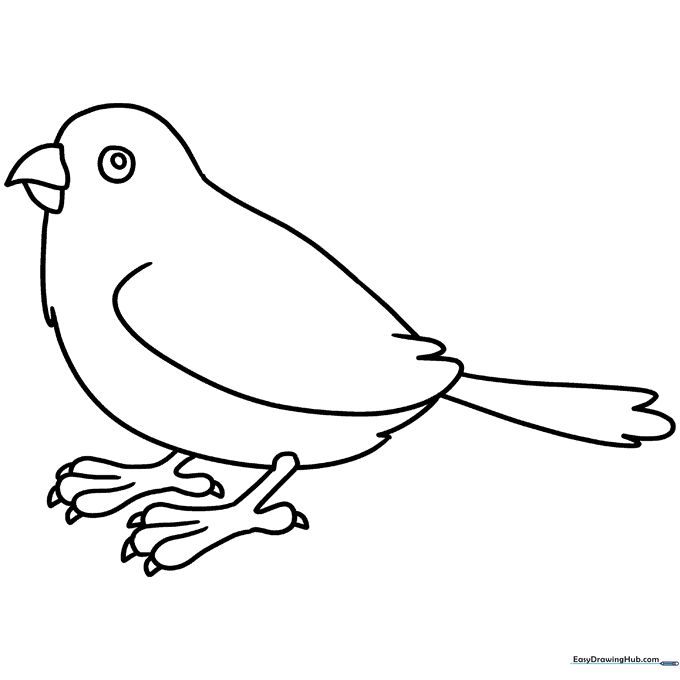
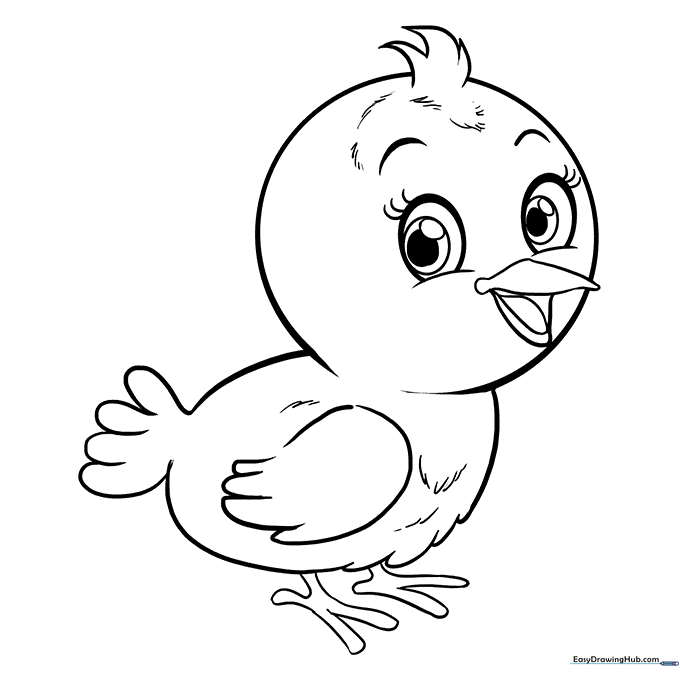
Cute Baby Bird
This little one is so sweet. Tip: Use soft, muted colors like light grey or tan to make the bird look like a fluffy hatchling.
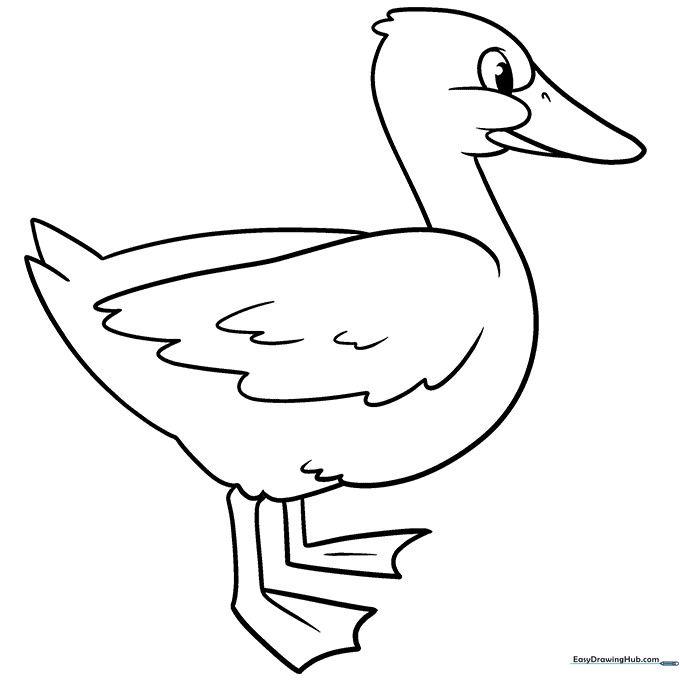
Classic Duck
A classic pond friend. Tip: Try coloring the feathers with long, smooth strokes to show the sleekness of the duck's coat.
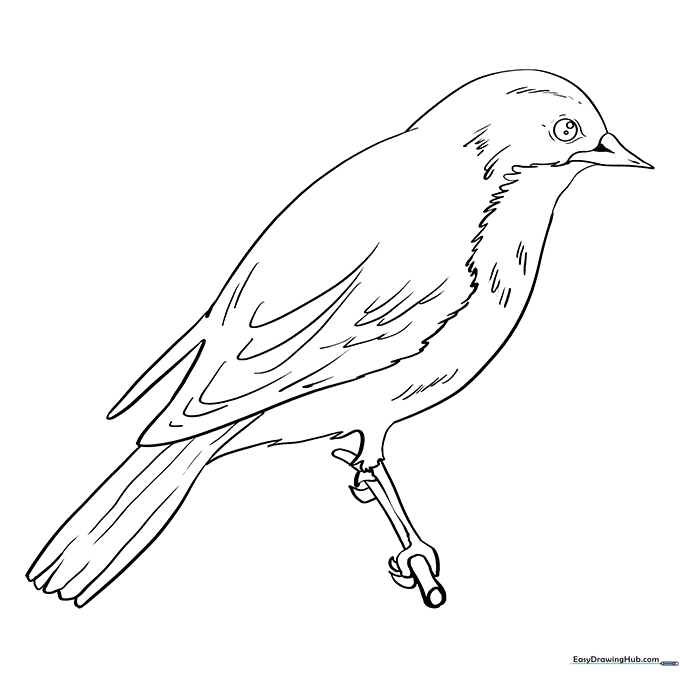
Eastern Bluebird
Bluebirds are a beautiful sight. Tip: Use a vibrant blue for the back and a warm, rusty red for the chest to get the colors just right.
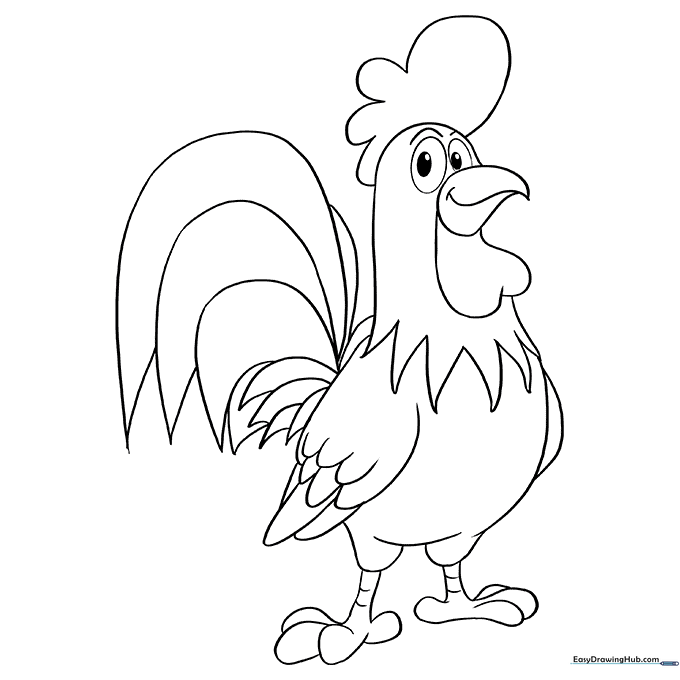
Proud Rooster
Roosters have such colorful feathers. Tip: Use a different color for every tail feather to make your rooster look bold and bright.
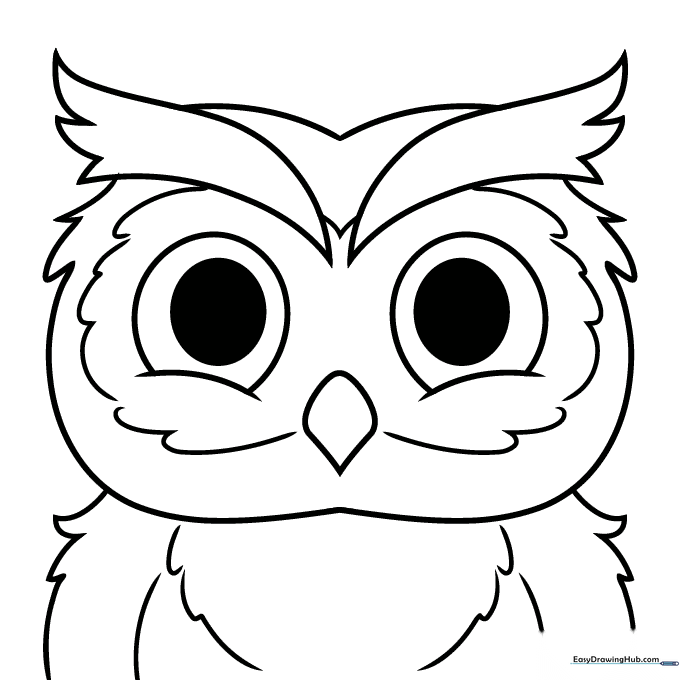
Wise Owl Face
Owls are so mysterious. Tip: Use yellow for the eyes and a mix of grey and brown for the feathers around the face to create a 'wise' look.
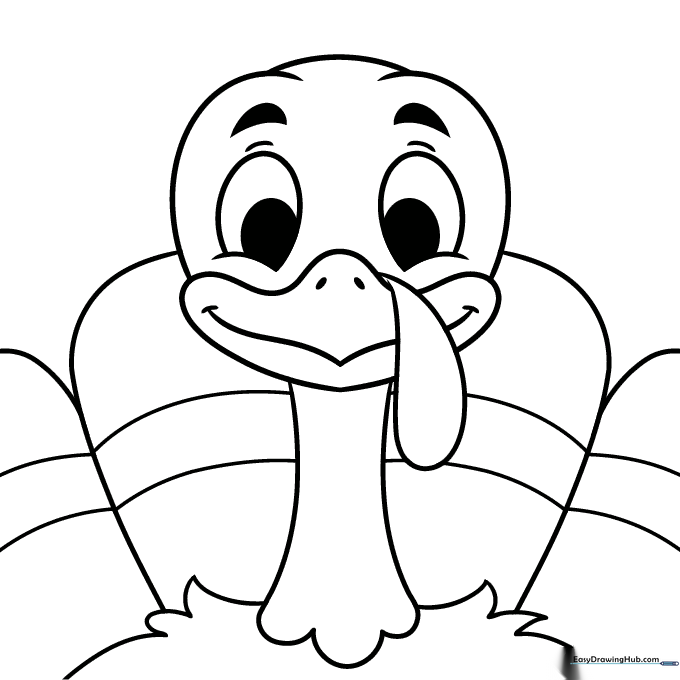
Turkey Face
Turkeys have such unique features. Tip: Use bright red and blue for the wattle and snood to make your turkey look realistic.
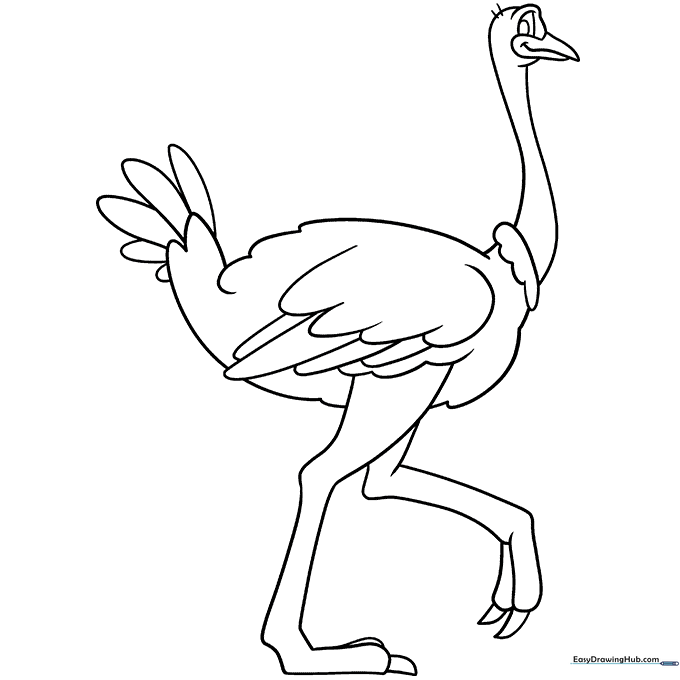
Fast Ostrich
Ostriches are the fastest birds on land! Tip: Use long, sweeping strokes for the legs to emphasize how fast they can run.
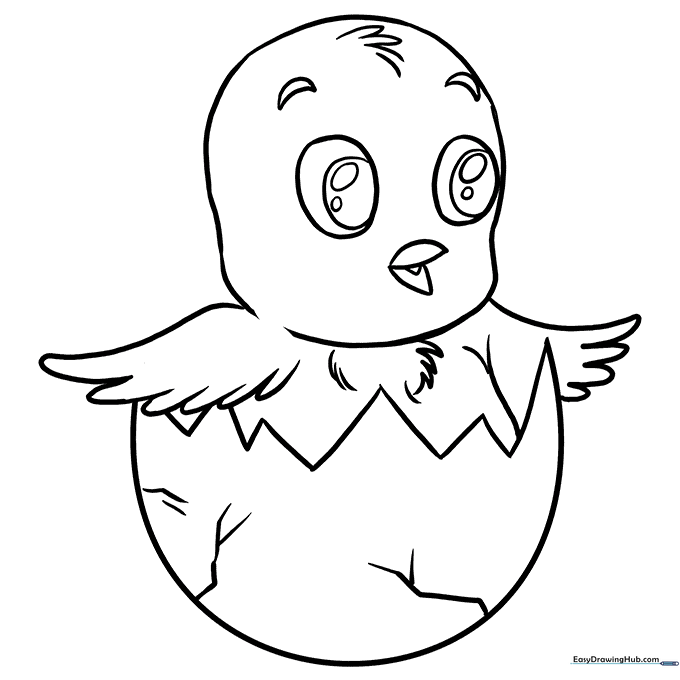
Easter Chick
A cute little chick hatching. Tip: Use a soft yellow for the chick and a light cream or white for the eggshell to make the chick stand out.
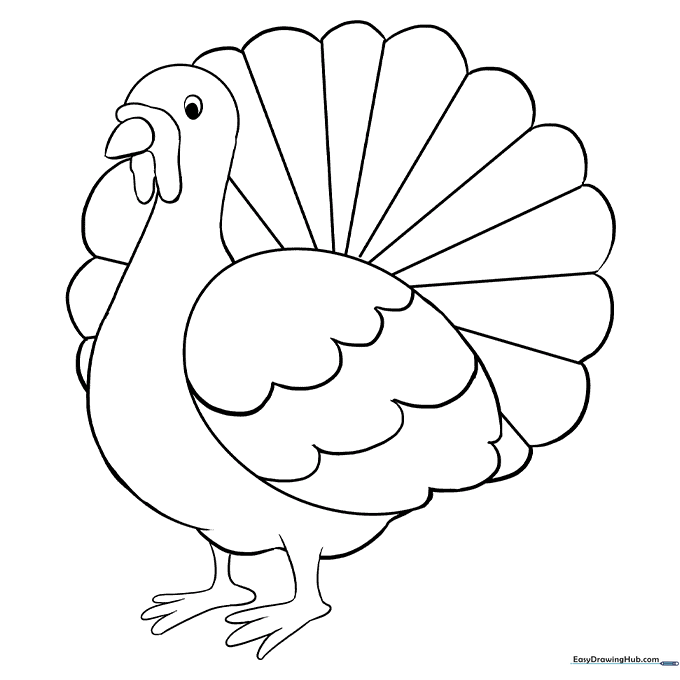
Turkey in Full Strut
Turkeys have such impressive feathers. Tip: Use a variety of earthy tones like brown, copper, and gold for the tail feathers to create a beautiful fan effect.
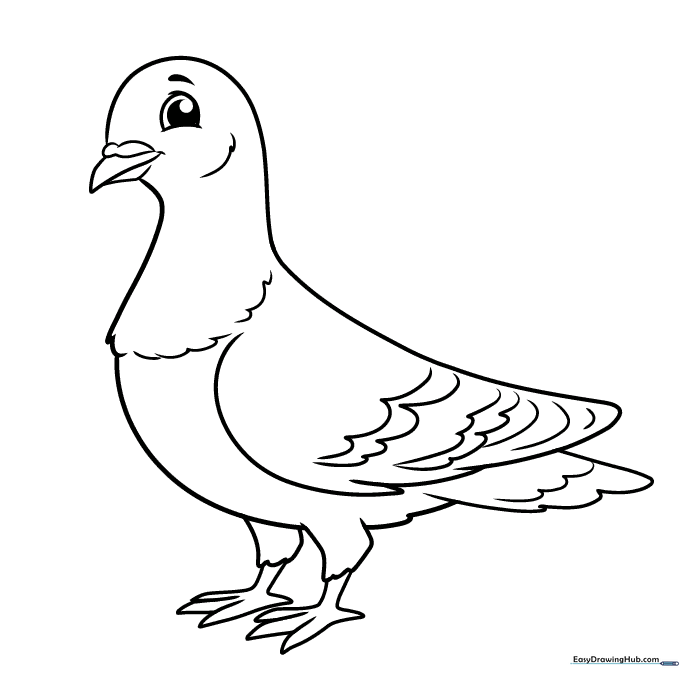
Pigeon Coloring Sheet
Pigeons are a great study in subtle gradients. Use soft greys for the body, then challenge your artist to layer iridescent purples and greens around the neck for a realistic shimmer.
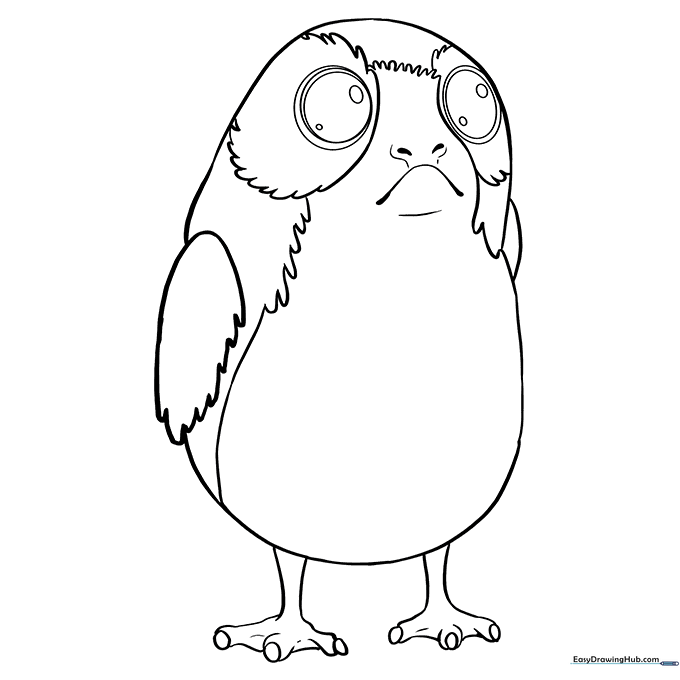
Porg from Star Wars Coloring Sheet
Bring this lovable space bird to life! Use warm tans for the belly and bright orange for the feet and eye patches. Tip: Keep your pencil pressure light on the belly to create a soft, fluffy texture.
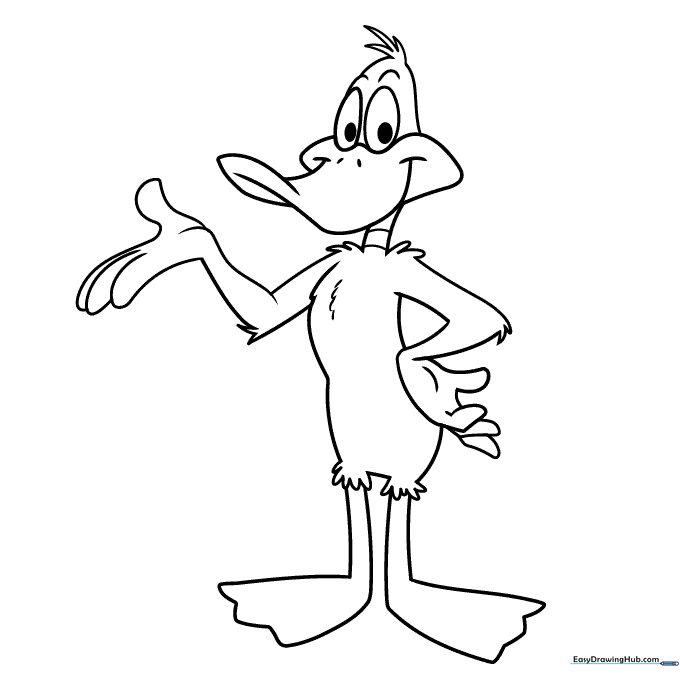
Daffy Duck Coloring Sheet
Classic cartoon fun! Use a bold black for the feathers, but leave a small white highlight on the chest to show depth. Don't forget to press firmly with your orange crayon for the beak.
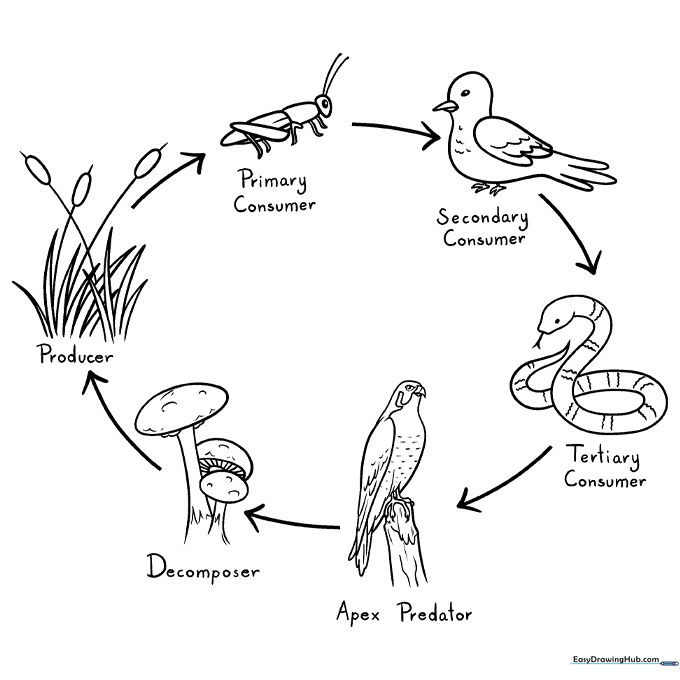
Food Chain Coloring Sheet
An educational page that teaches biology through art. Encourage kids to use realistic earth tones for the pigeon and hawk to help them distinguish the predator from the prey.
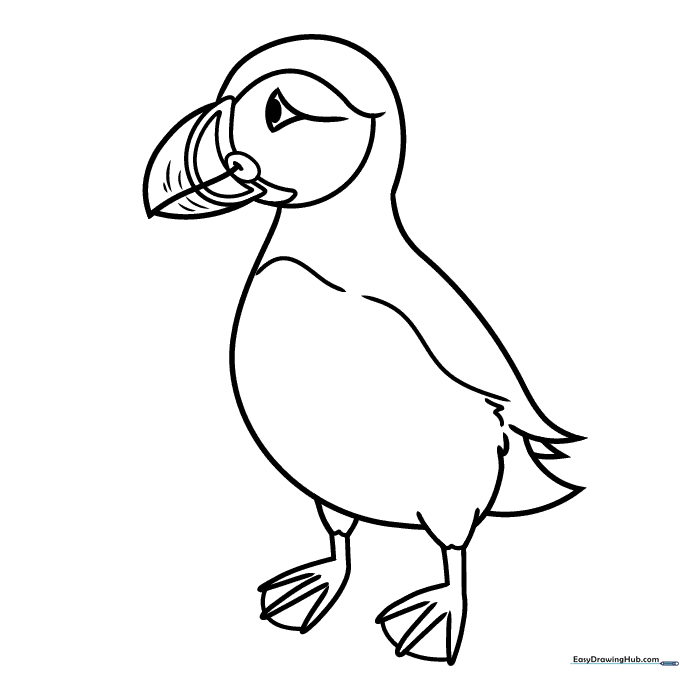
Puffin Coloring Sheet
Puffins are the 'clowns of the sea.' Use bright, saturated orange for the beak and feet to make them pop against the black-and-white body. It's a great exercise in high-contrast coloring.
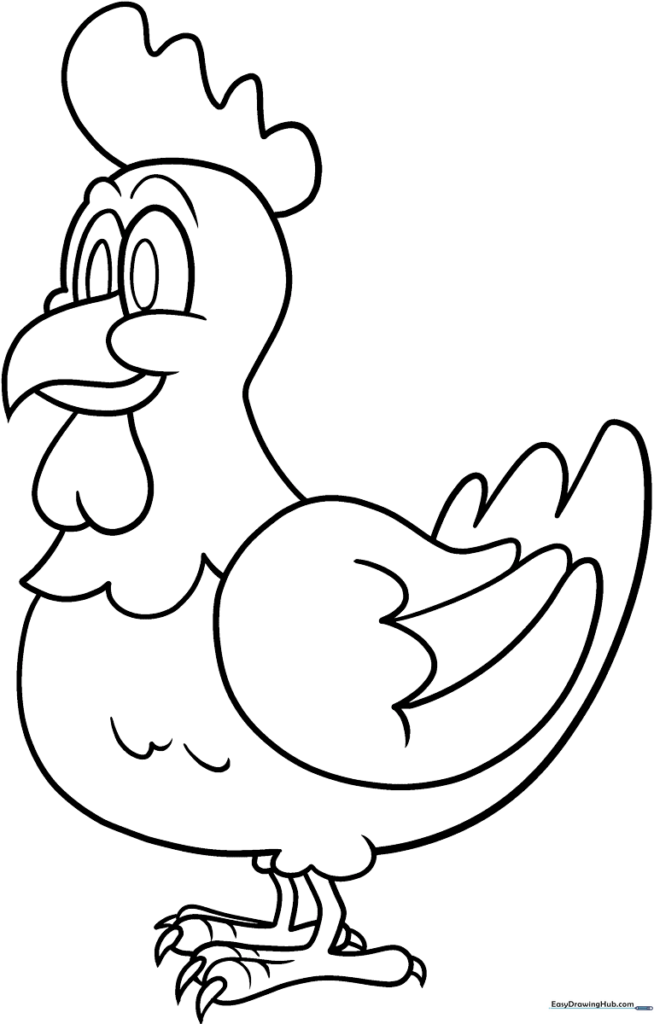
Cartoon Chicken Coloring Sheet
Chickens are perfect for experimenting with patterns. Try using small, overlapping 'U' shapes with your crayon to mimic the look of fluffy feathers before coloring them in.
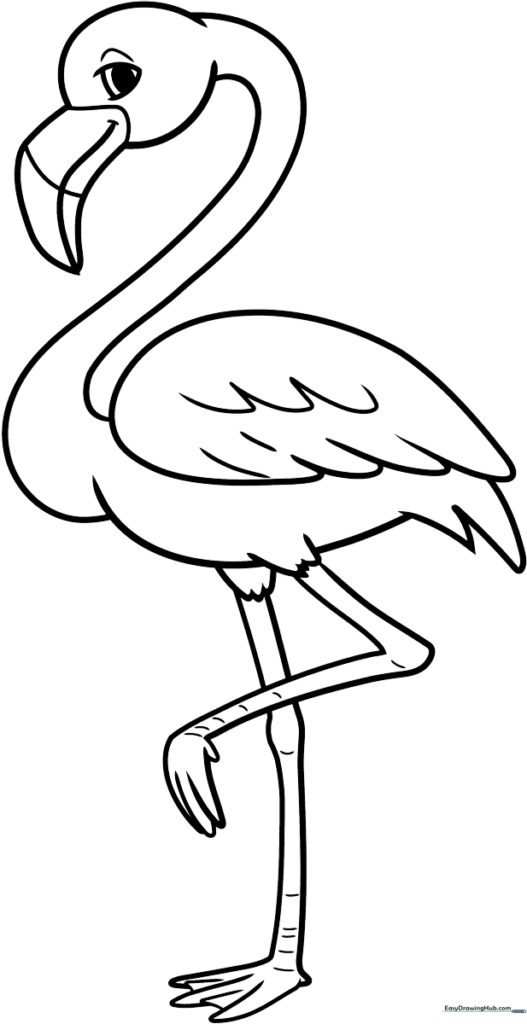
Cartoon Flamingo Coloring Sheet
Flamingos are all about vibrant color! Use different shades of pink—from soft blush to hot magenta—to give the feathers depth. Remember, they only stay pink if they eat their veggies!
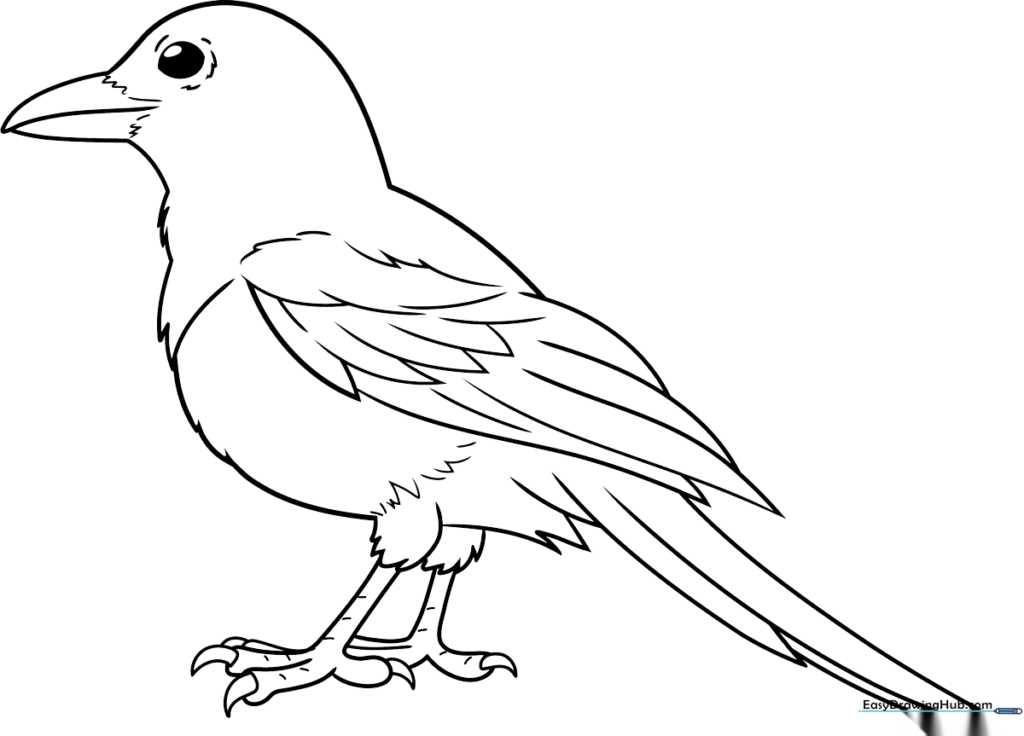
Magpie Coloring Sheet
Magpies have beautiful, complex plumage. Use black for the main body, but try layering a touch of blue or green over the wings to capture that natural, iridescent shine.
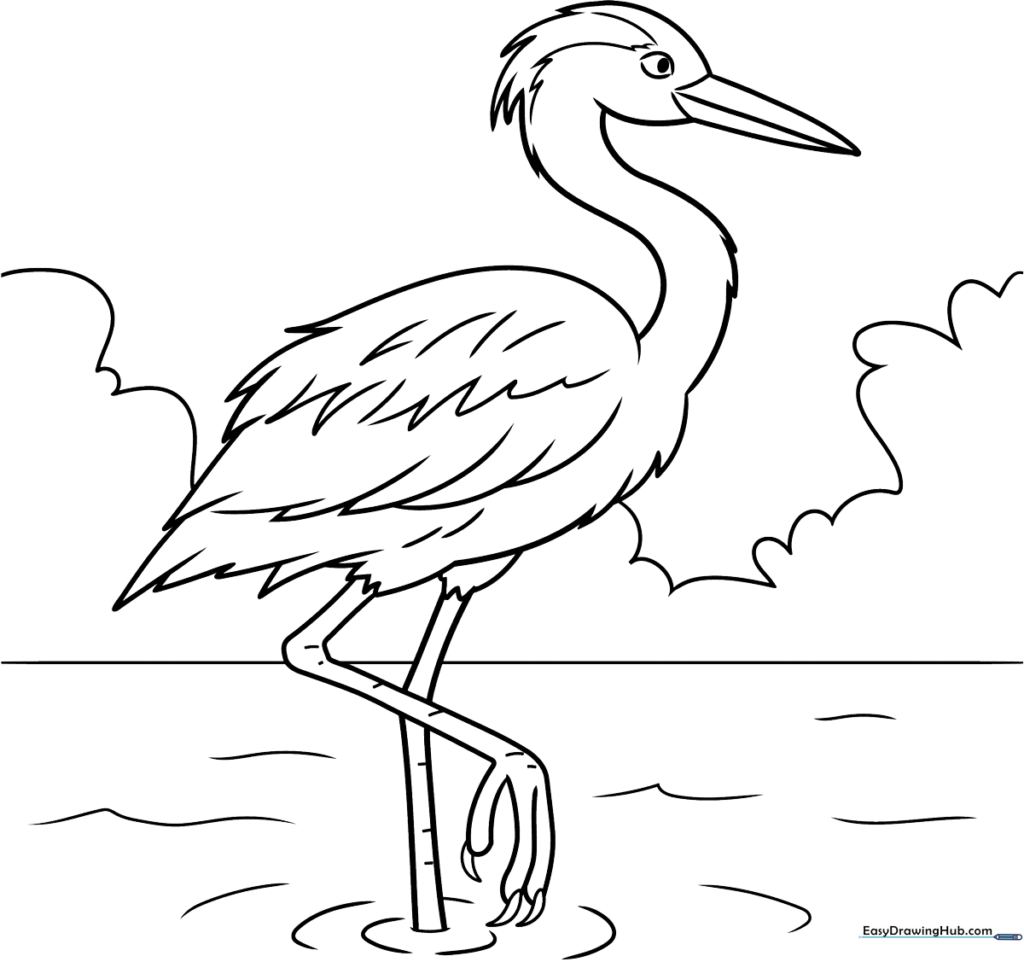
Heron Coloring Sheet
Herons are elegant, long-legged birds. Use cool blues and greys for the feathers. Tip: Use long, sweeping strokes with your pencil to follow the direction of the feathers on the neck.
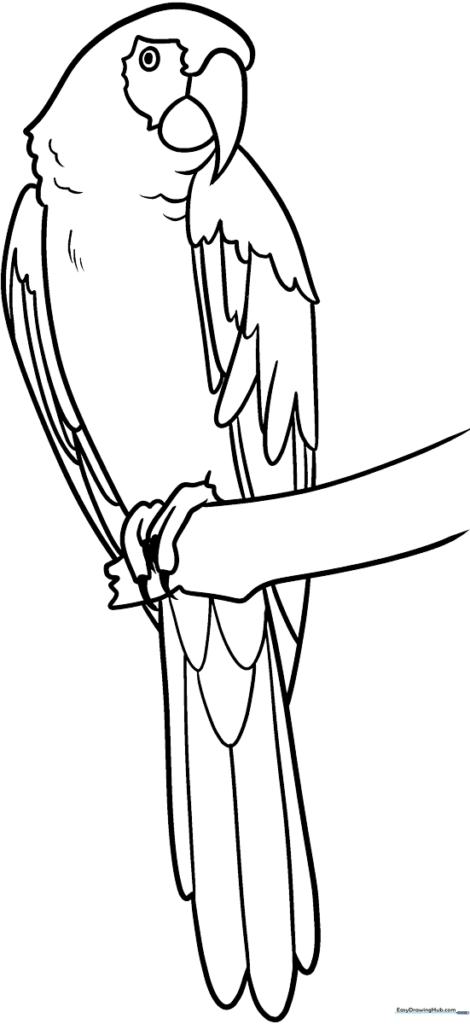
Scarlet Macaw Coloring Sheet
This is a color-lover's dream! Use bright red for the body, and create a rainbow effect on the wings with yellow and blue. Keep your colors bold to match the macaw's tropical personality.
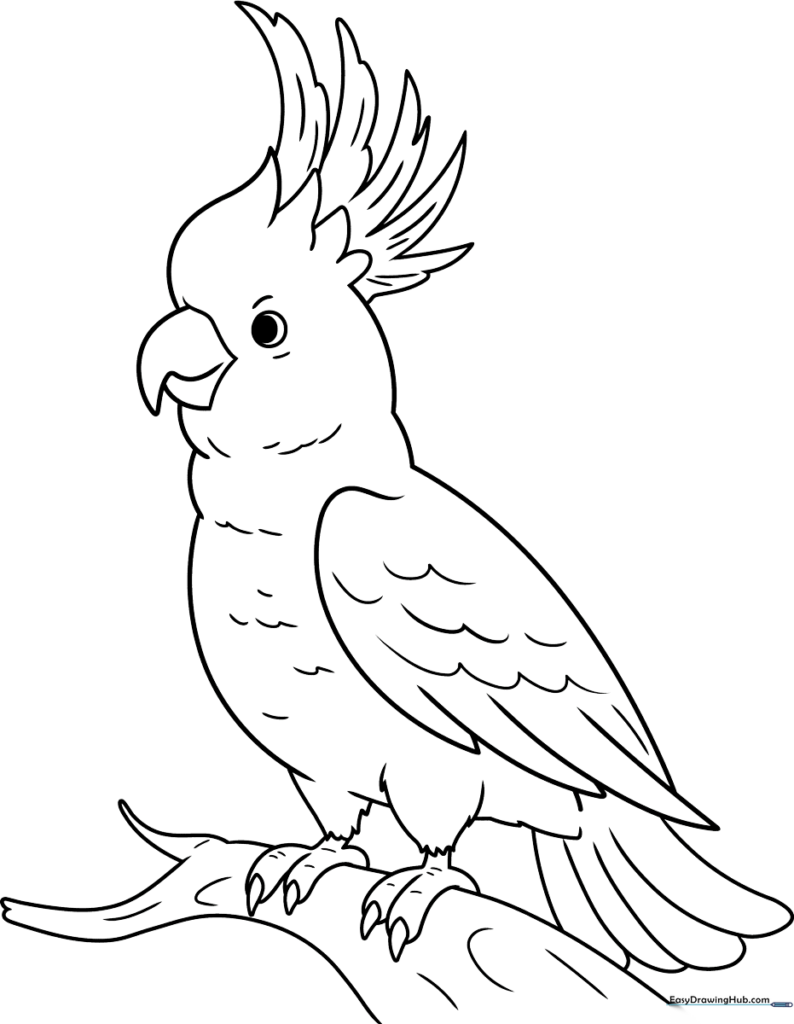
Cockatoo Coloring Sheet
Focus on the crest! Use a bright yellow or sulfur color to make the head feathers stand out. The rest of the body can be a soft white, but try adding light grey shading to show the curve of the wings.
More Collections