36 Free Plant Coloring Pages: Fun Botanical Art for Kids
🖍️ 36 free sheets
Bring the beauty of nature indoors with these 36 printable plant coloring pages, designed for budding artists ages 4 and up. Whether you are exploring different leaf shapes or practicing color blending, these sheets provide a relaxing, screen-free way to develop hand-eye coordination. Simply grab your favorite crayons or markers and start building your own indoor botanical garden today.
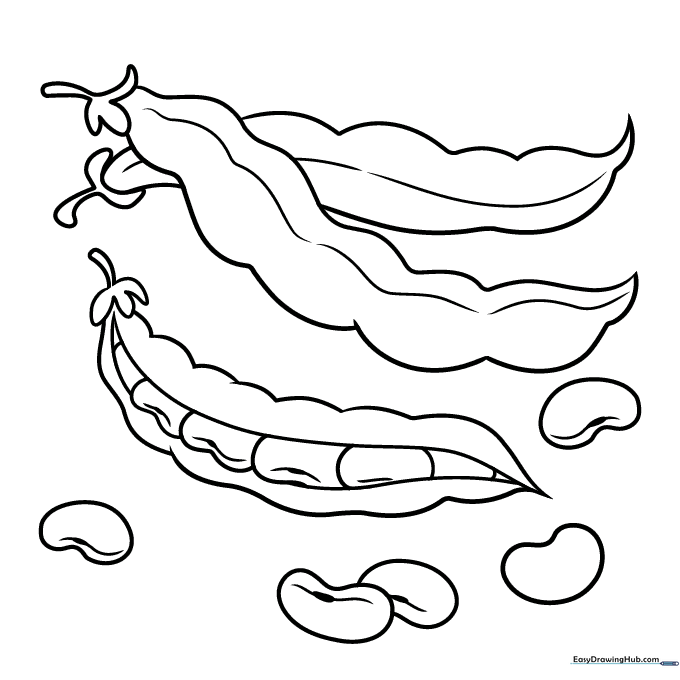
Beans Coloring Sheet
Explore the anatomy of a bean pod. Tip: Use varying shades of green to show depth, and try a light brown for the seeds to make them look realistic.
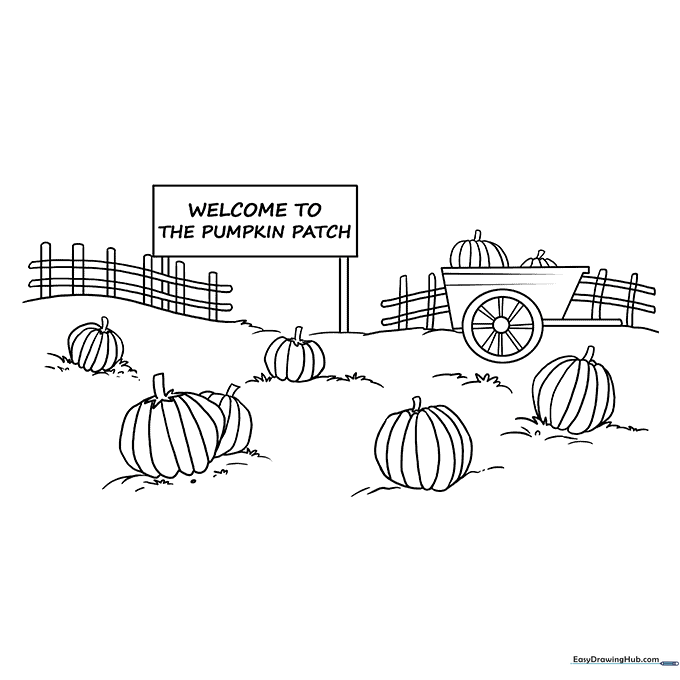
Pumpkin Patch Coloring Sheet
Create a vibrant autumn scene. Tip: Use different shades of orange for each pumpkin to add variety, and don't forget to color the vines a deep, earthy green.
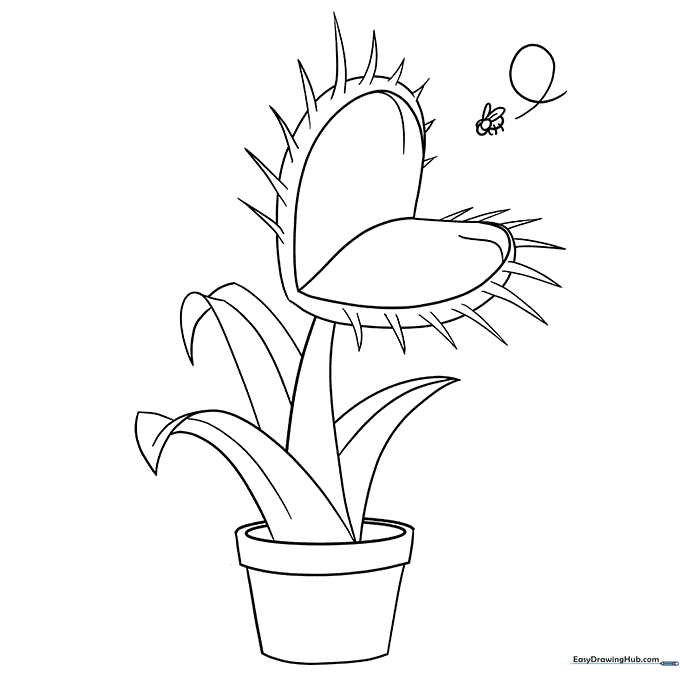
Venus Flytrap Coloring Sheet
A fascinating carnivorous plant! Tip: Use a bright, punchy pink for the inside of the 'mouth' to make it stand out against the green leaves.
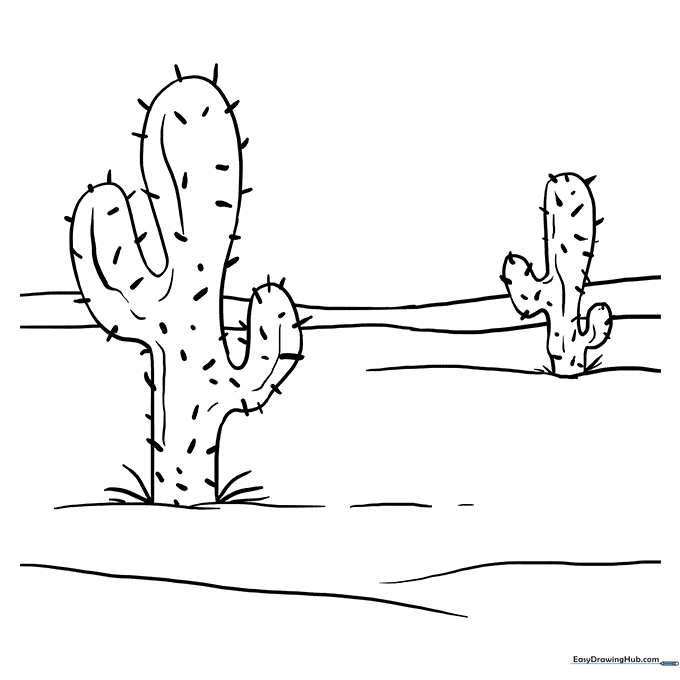
Cactus Coloring Sheet
A desert classic. Tip: Use a darker green for the shadows on one side of the cactus to give it a 3D, rounded appearance.
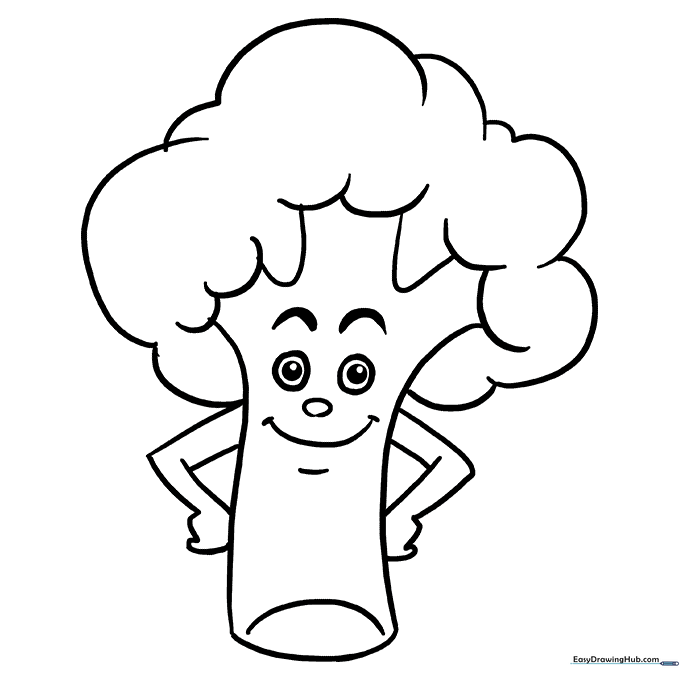
Broccoli Coloring Sheet
Practice your textures! Tip: Use a stippling motion with your crayon to mimic the bumpy, florets of the broccoli head.
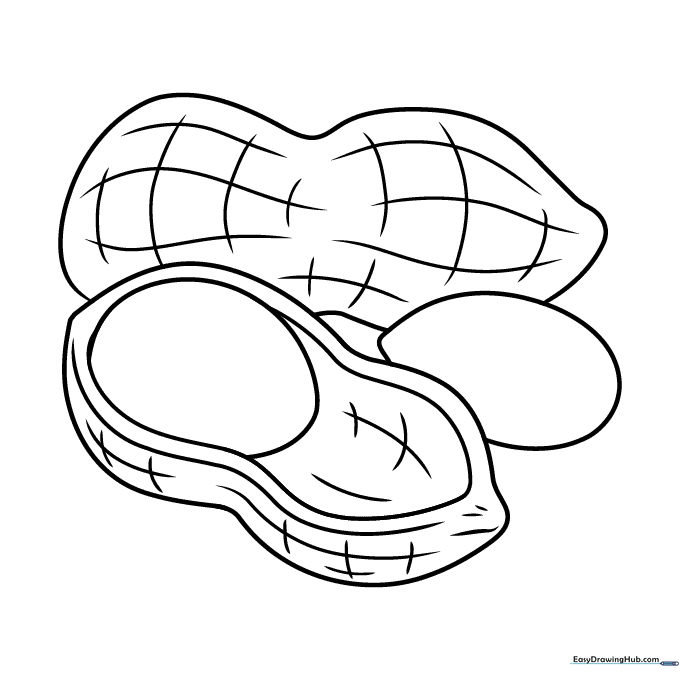
Peanut Coloring Sheet
A fun, simple shape. Tip: Use a light tan for the shell and try cross-hatching with a darker brown to show the texture of the peanut skin.
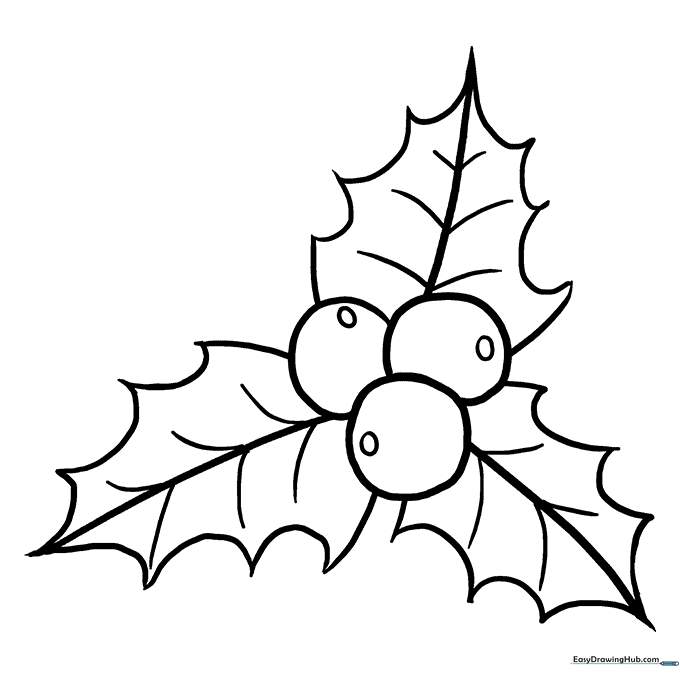
Holly Coloring Sheet
Perfect for holiday art. Tip: Use a bright, glossy red for the berries and a deep forest green for the leaves to create a high-contrast look.
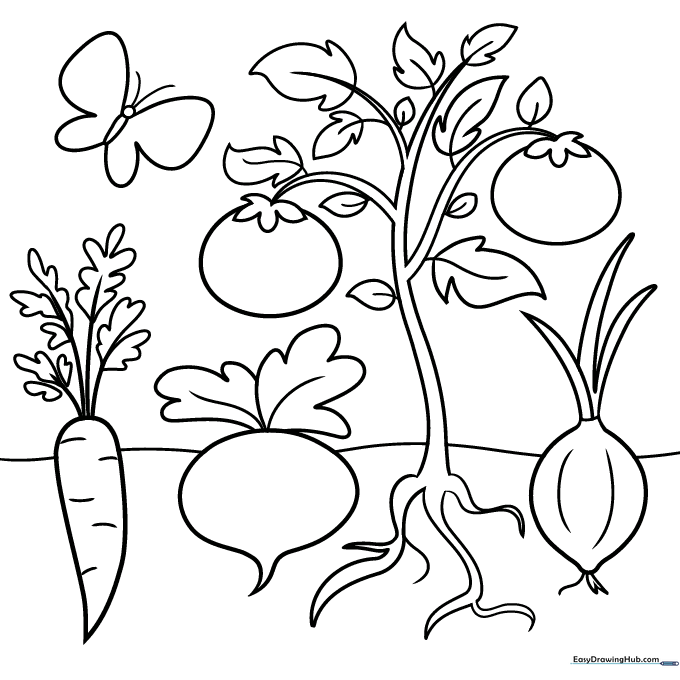
Vegetables Coloring Sheet
A garden harvest scene. Tip: Use this page to practice color variety—make the carrots bright orange and the leafy greens a mix of light and dark shades.
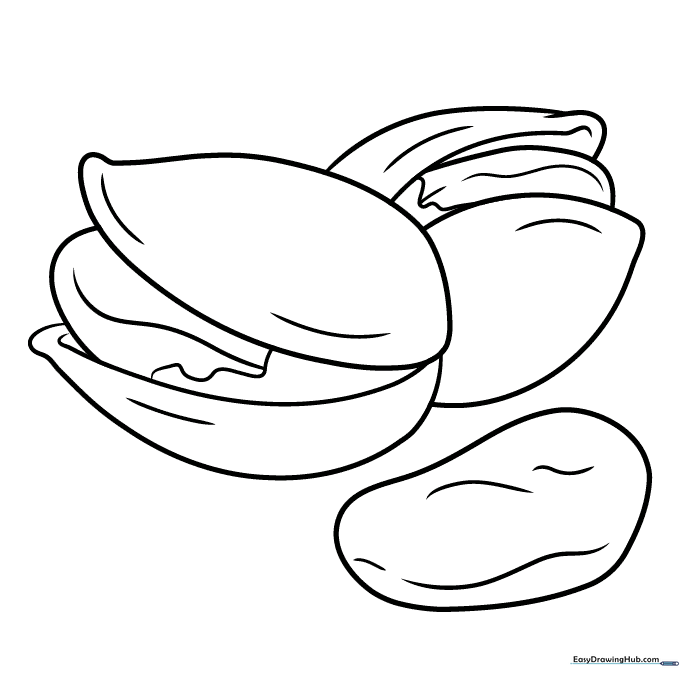
Pistachios Coloring Sheet
A fun nut study. Tip: Color the shell a soft beige and use a vibrant green for the nut inside to make it look fresh and delicious.
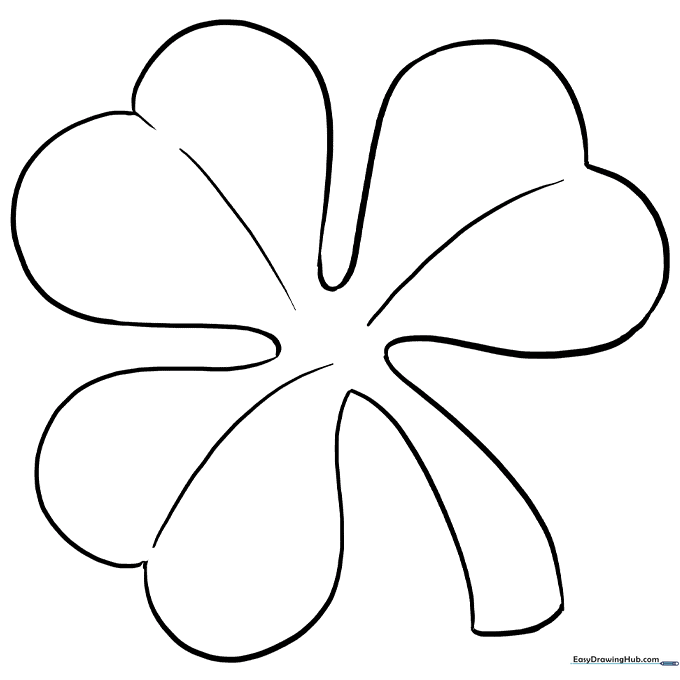
Shamrock Coloring Sheet
A lucky charm! Tip: Use a light green for the base and a slightly darker green to outline the edges of the leaves for a clean, professional finish.
Potato Coloring Sheet
A root vegetable study. Tip: Use a light brown or tan and add small, darker dots to represent the 'eyes' of the potato.
Fall Oak Leaves Coloring Sheet
Celebrate the changing seasons. Tip: Use a mix of red, orange, and yellow on the same leaf to create a beautiful, natural gradient effect.
Vines Coloring Sheet
A great base for creative drawing. Tip: Use this as a canvas to draw your own flowers or small fruits hanging from the vines.
Wheat Coloring Sheet
A beautiful field of grain. Tip: Use golden yellow and light brown to capture the look of sun-ripened wheat ready for harvest.
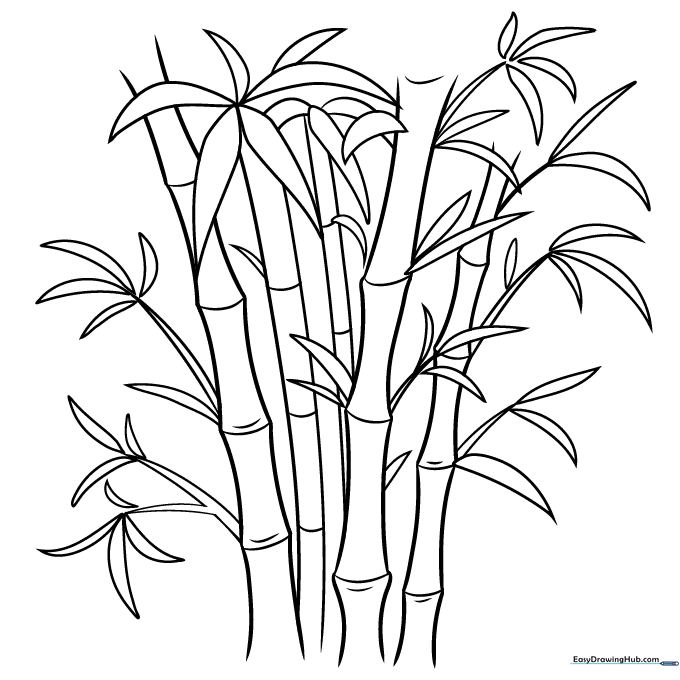
Bamboo Coloring Sheet
A tall, sturdy plant. Tip: Use a light green for the stalks and add horizontal lines with a darker green to show the bamboo segments.
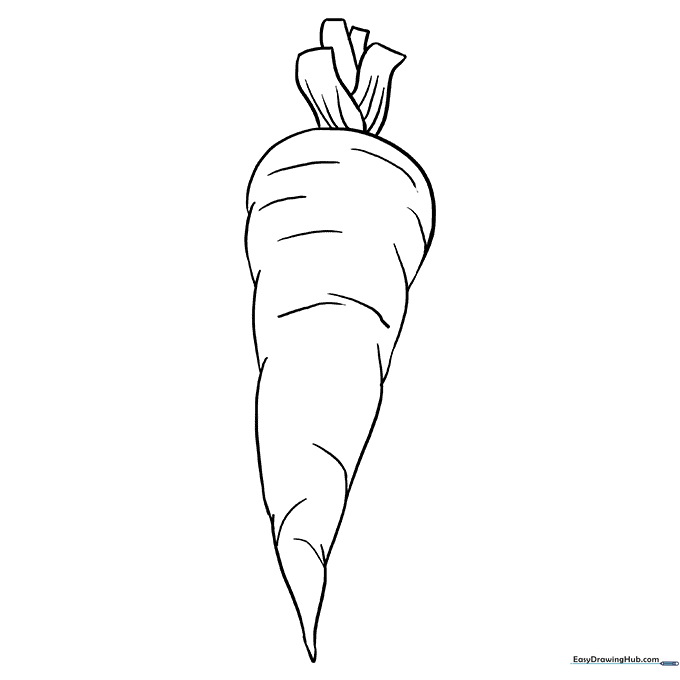
Carrot Coloring Sheet
A garden favorite. Tip: Use a bright orange for the root and a vibrant green for the leafy top to create a classic, healthy look.
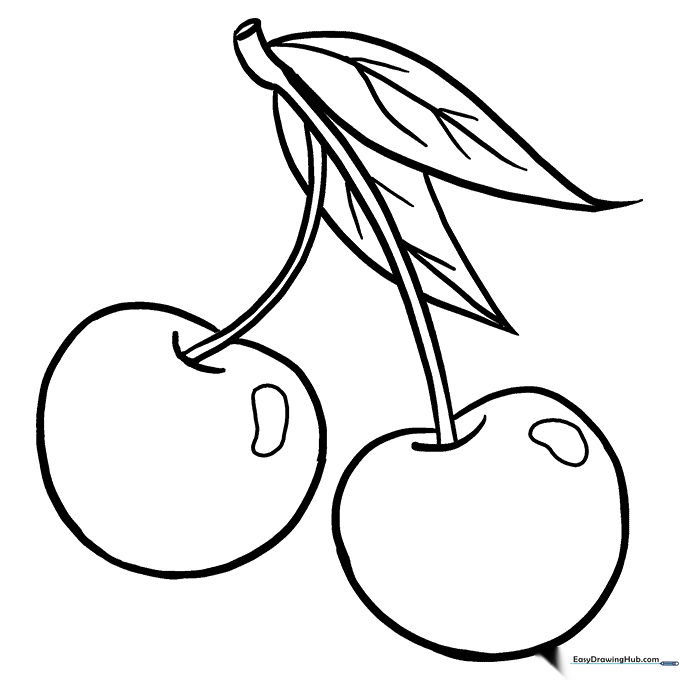
Cherries Coloring Sheet
Sweet and simple. Tip: Use a glossy red and leave a small white circle uncolored on each cherry to represent a highlight or 'shine'.
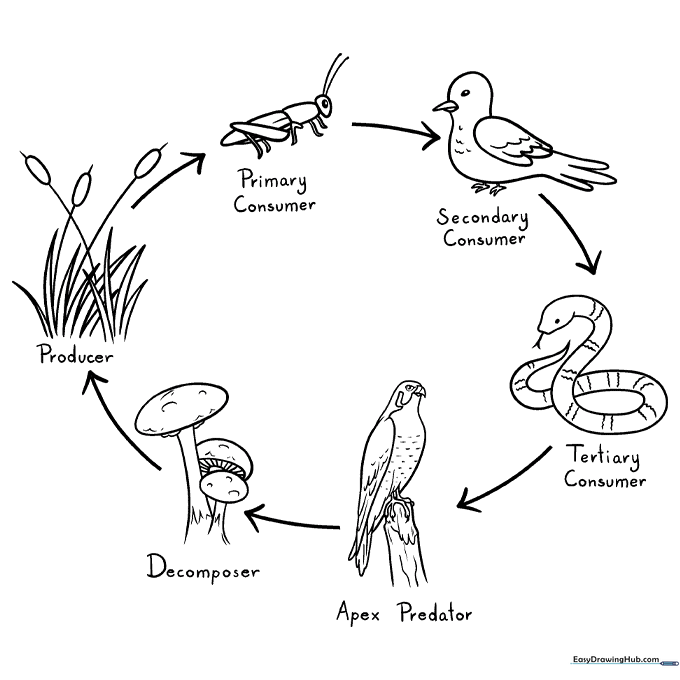
Food Chain Coloring Sheet
Learn about nature's connections. Tip: Use earthy, natural tones to color the cattails and the surrounding environment to show how they fit into the ecosystem.
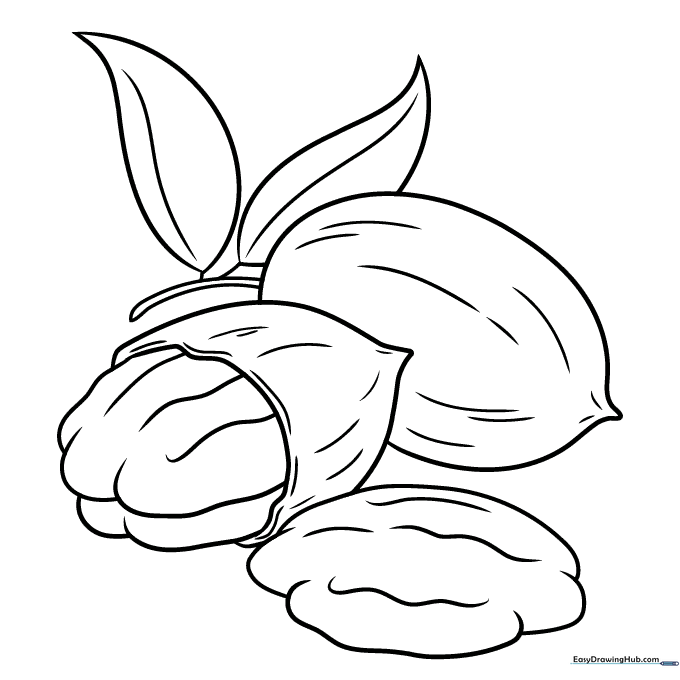
Pecan Nuts Coloring Sheet
Get ready for fall baking! Tip: Use a mix of light and dark browns to show the textured, crinkly surface of the pecan shells.
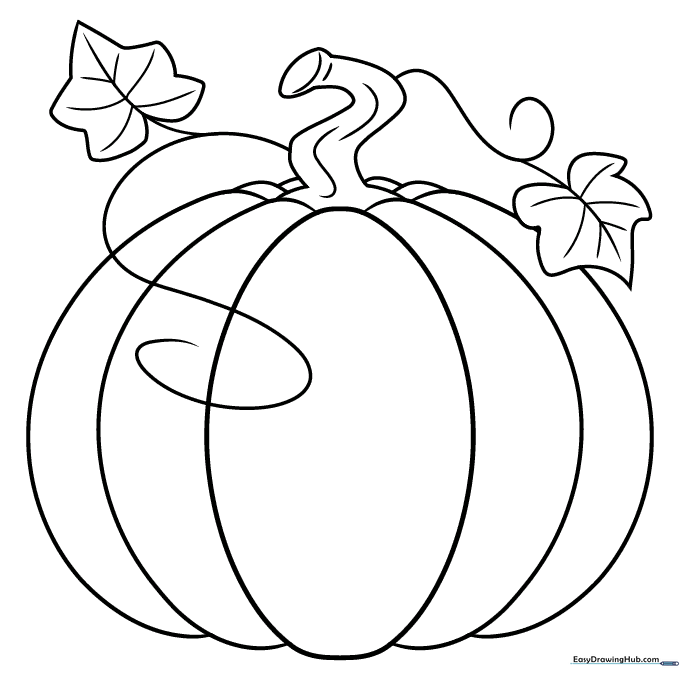
Pumpkin Coloring Sheet
A classic pumpkin study. Tip: Use long, vertical strokes to follow the natural ridges of the pumpkin, which helps make it look rounder.
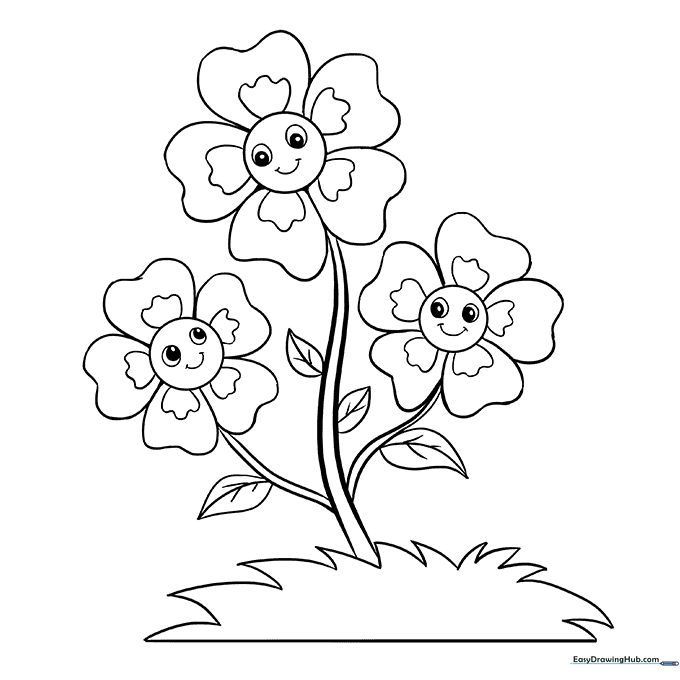
Cartoon Flowers Coloring Sheet
Cheerful and fun! Tip: Don't be afraid to use bright, non-traditional colors for the petals to make your flowers look whimsical and unique.
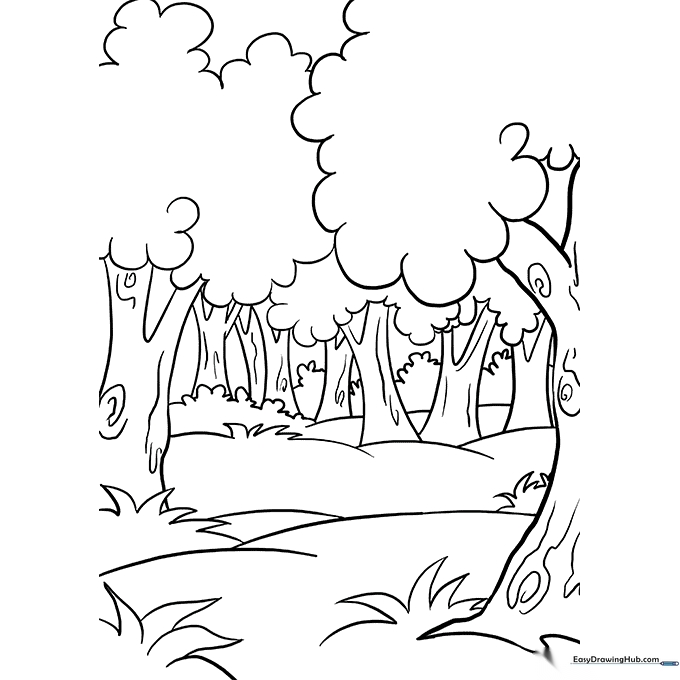
Cartoon Forest Coloring Sheet
Create your own woodland world. Tip: Use different shades of green for the trees in the foreground versus the background to create a sense of depth.
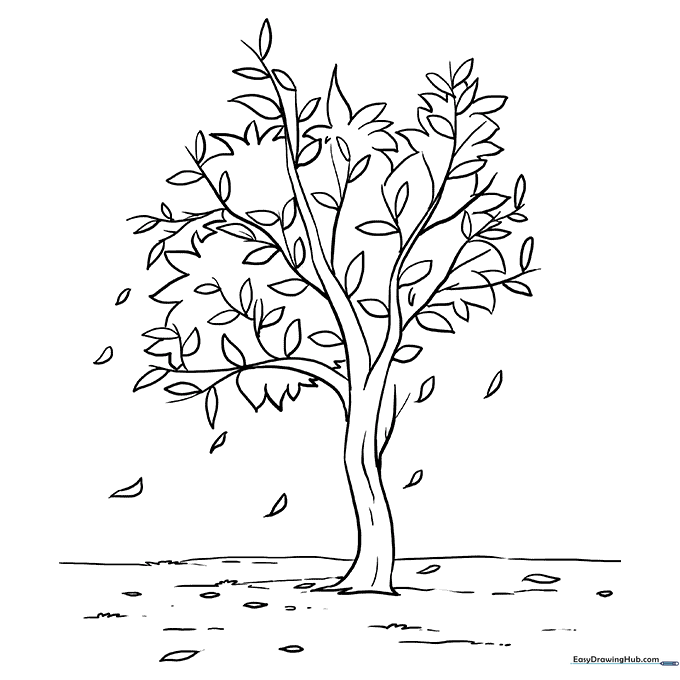
Fall Tree Coloring Sheet
Capture the autumn colors. Tip: Use a variety of warm colors—red, orange, yellow, and gold—to make the tree look like it's in the peak of fall.
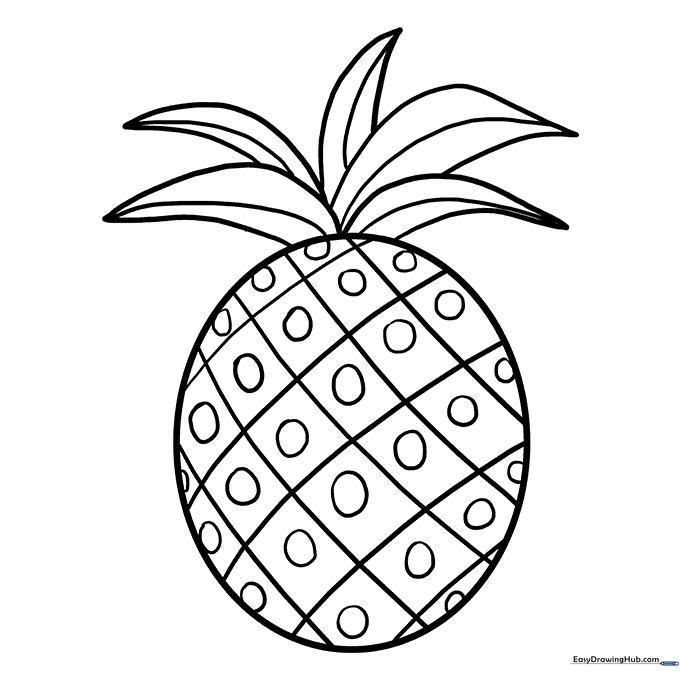
Pineapple Coloring Sheet
A tropical treat. Tip: Use a criss-cross pattern with a brown marker to define the texture of the pineapple's skin before coloring it yellow.
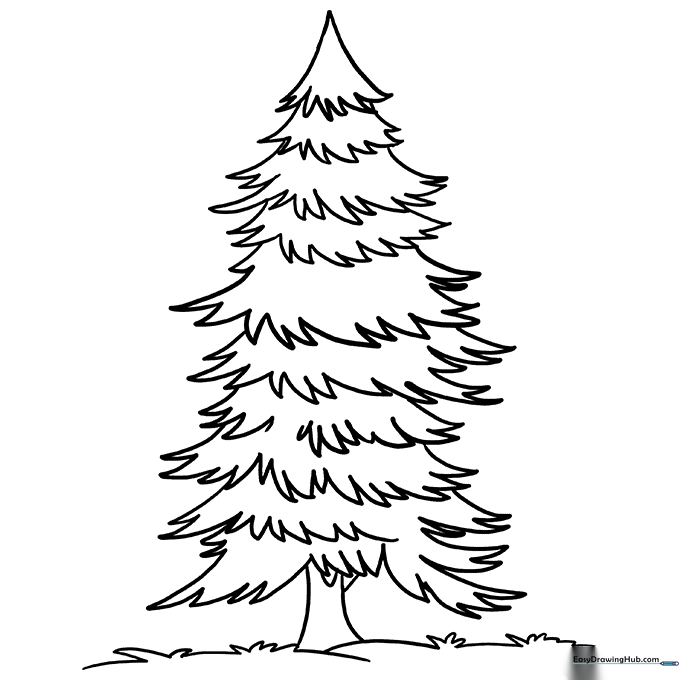
Spruce Coloring Sheet
A classic evergreen. Tip: Use short, diagonal strokes to mimic the look of pine needles, starting from the center of the branch and moving outward.
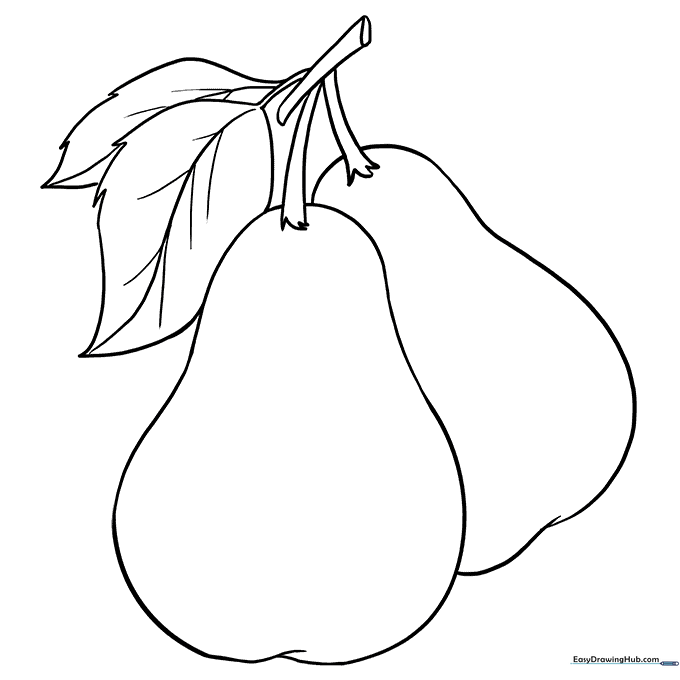
Juicy Pear Coloring Page
Pears offer a great lesson in shading. Try using light yellow and soft green layers to show the fruit's curve. Tip: Leave a small white spot uncolored to create a realistic highlight.
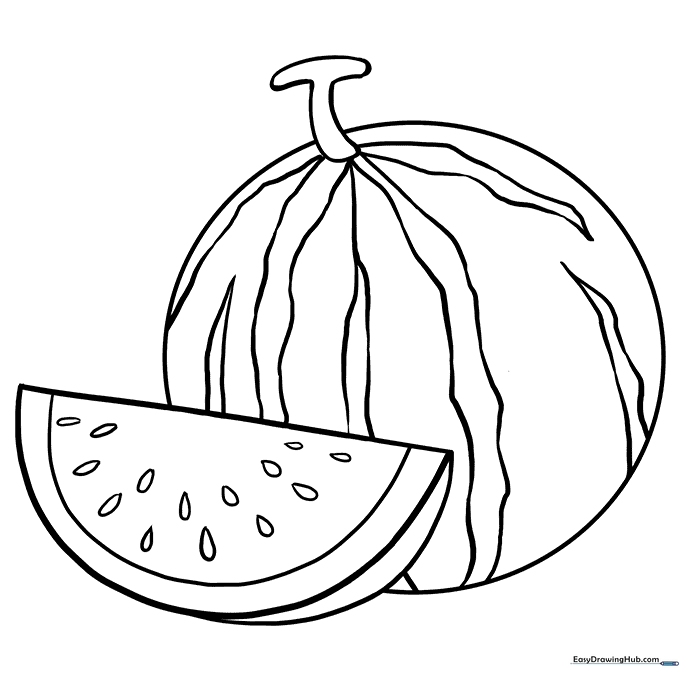
Refreshing Watermelon Slice
Practice color contrast with this classic slice. Use vibrant reds for the flesh and dark green for the rind. Tip: Use a black fine-liner for the seeds to make them pop against the red.
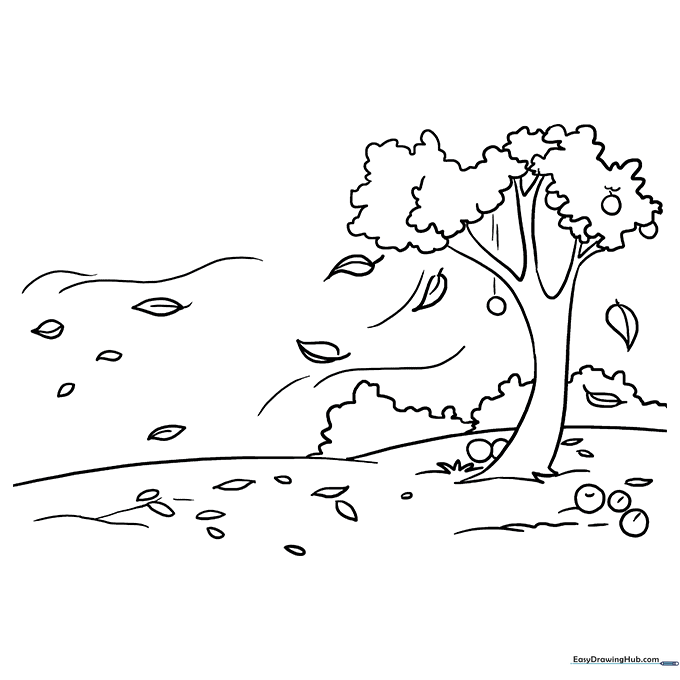
Autumn Harvest Scenery
Capture the essence of fall! Encourage kids to use warm oranges, yellows, and deep reds for the falling leaves. Tip: Use short, quick strokes to mimic the texture of wind-blown foliage.
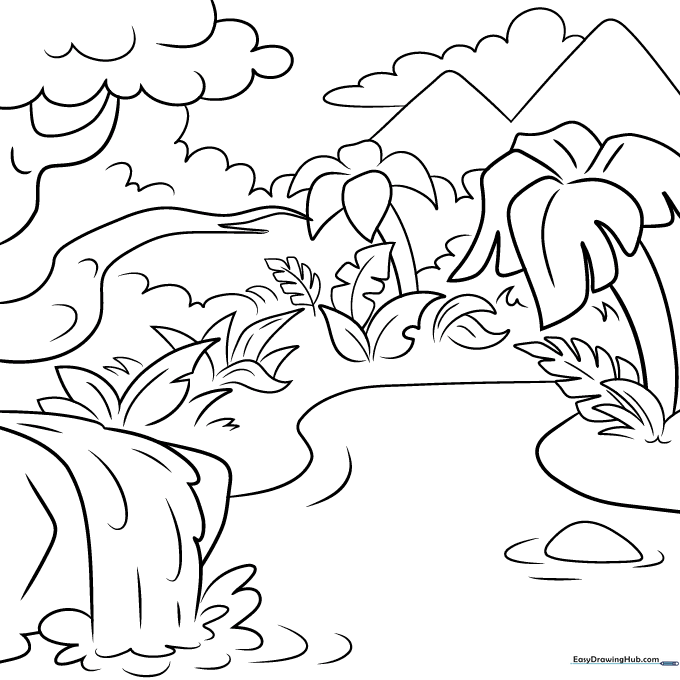
Lush Jungle Landscape
Explore biodiversity through color. Use various shades of green—from lime to forest—to create depth in the jungle leaves. Tip: Use blue for the river to create a cool-toned focal point.
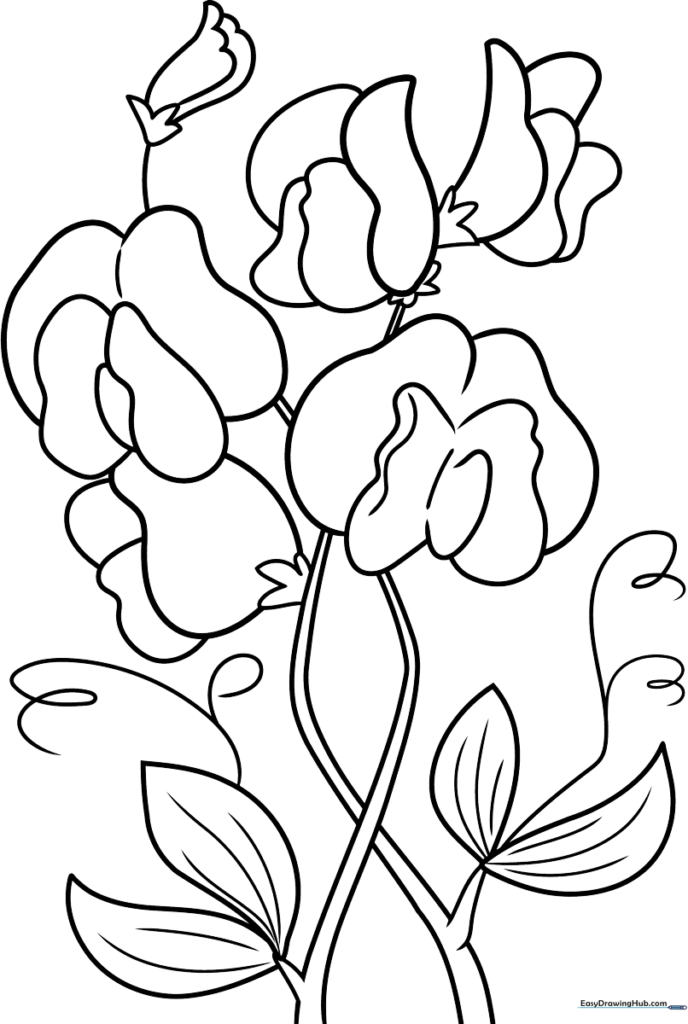
Delicate Sweet Pea Flower
Sweet peas are perfect for practicing soft, pastel gradients. Try blending pink into purple for a realistic petal effect. Tip: Use a light touch with your pencil to keep the petals looking airy.
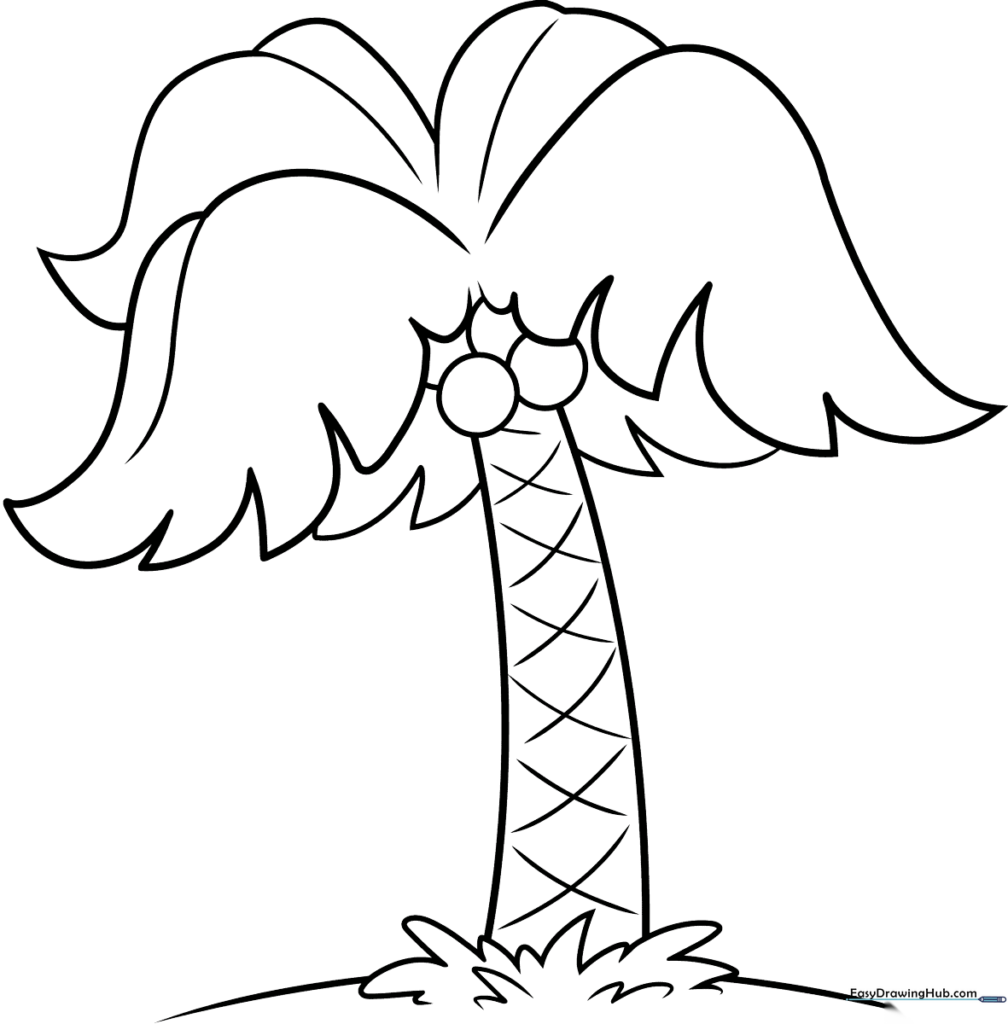
Tropical Palm Tree
Bring the beach home! Use long, sweeping strokes for the fronds. Tip: Color the coconuts a bright, fresh green to show they are still growing on the tree.
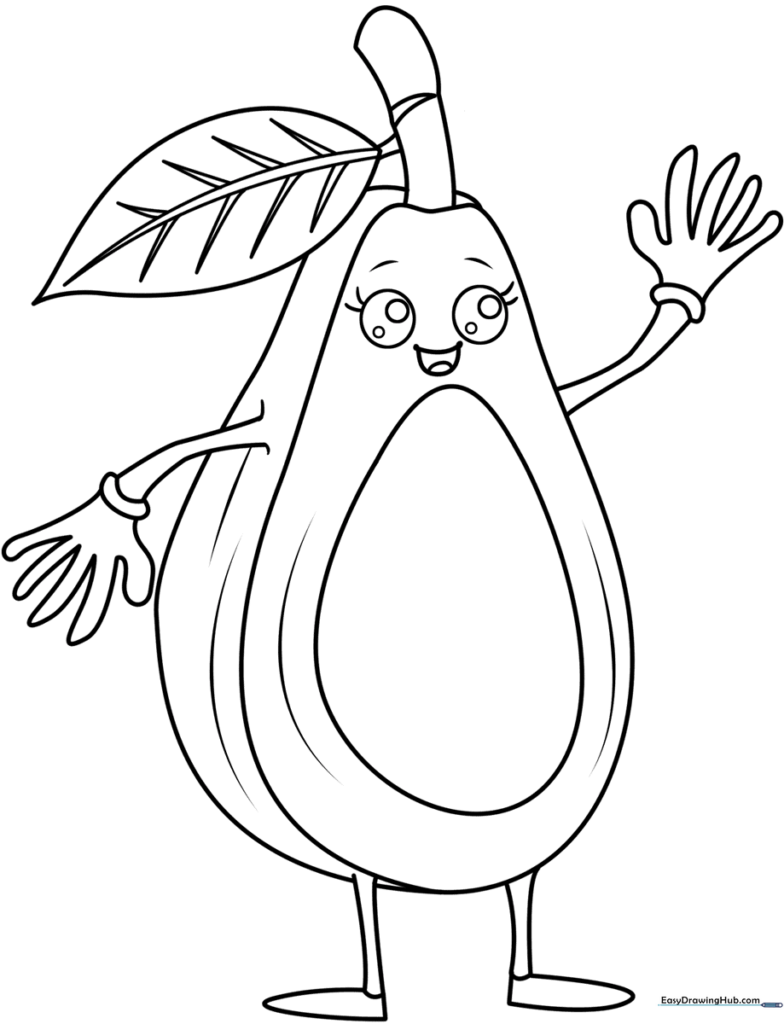
Creamy Avocado Slice
Avocados are great for learning about texture. Use a circular motion to color the pit, and smooth, even strokes for the creamy green flesh. Tip: Leave a white rim around the pit to show its roundness.
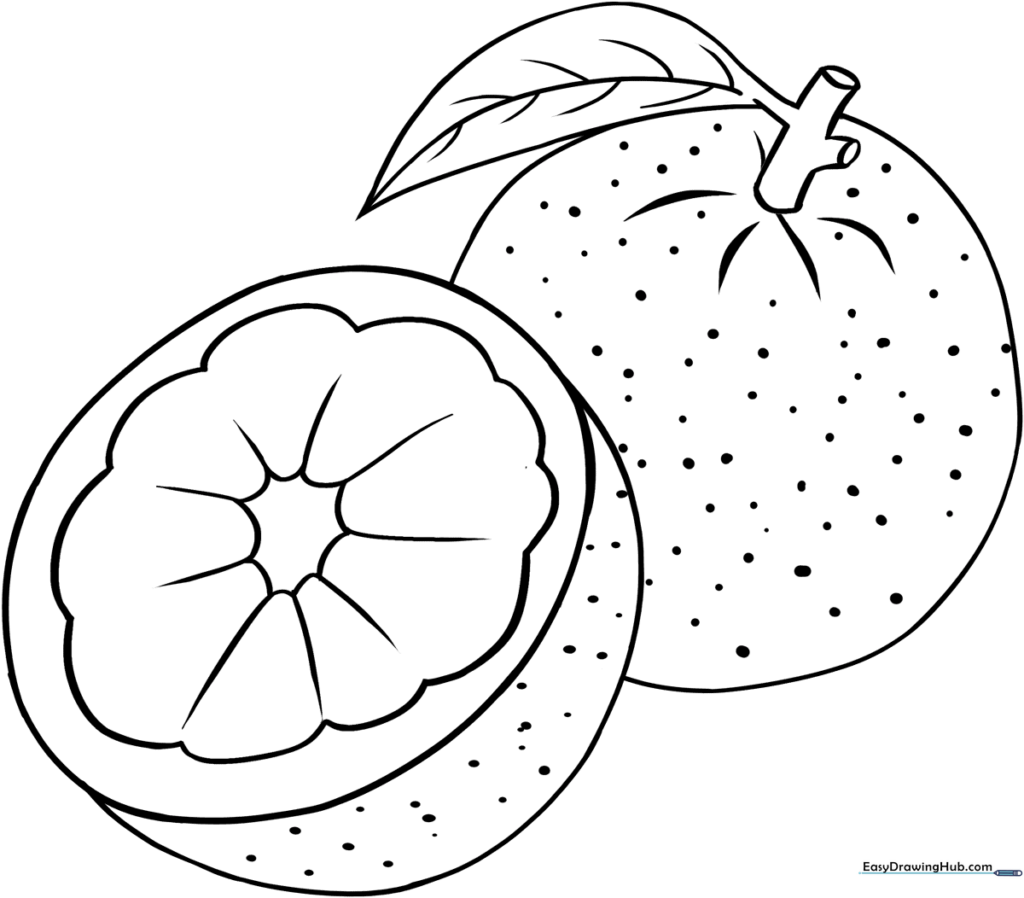
Zesty Orange Fruit
Oranges have a unique, bumpy texture. Try stippling (making small dots) with your crayon to mimic the skin's surface. Tip: Use a slightly darker orange around the edges to give the fruit a 3D look.
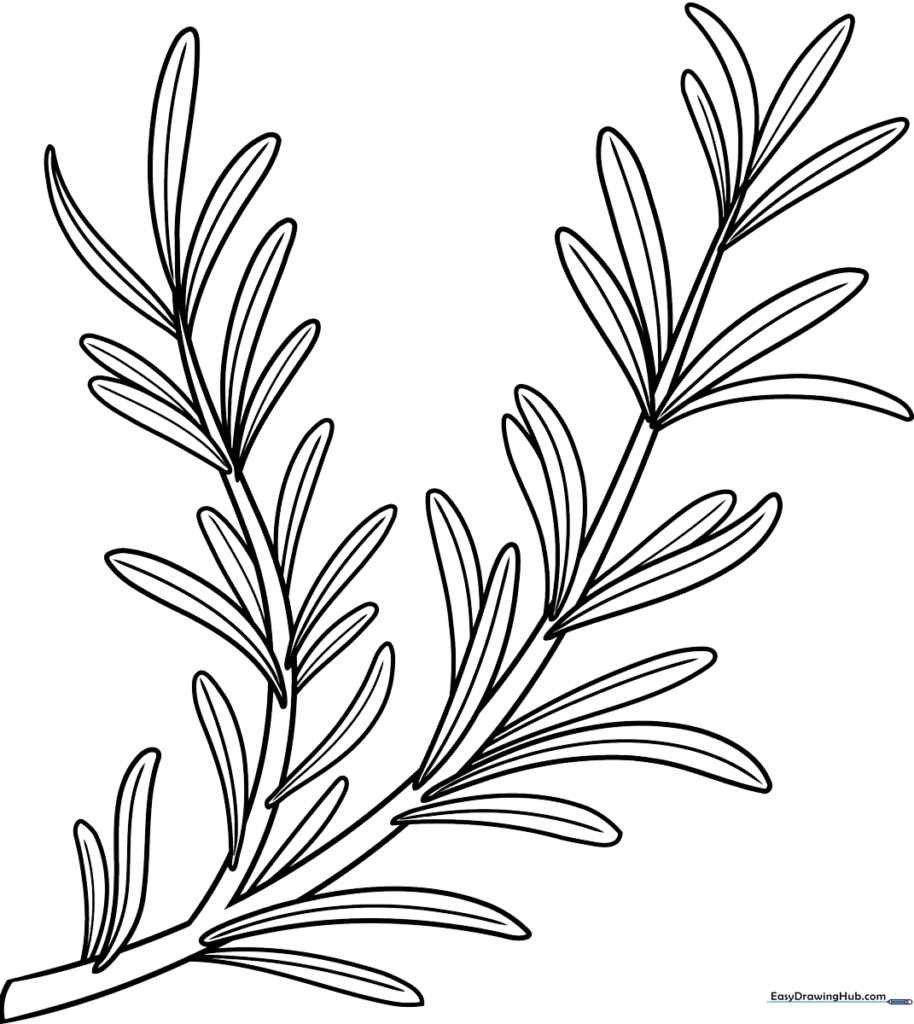
Fragrant Rosemary Sprig
Rosemary is all about fine detail. Use short, sharp strokes for the needle-like leaves. Tip: Use a silver-grey crayon on the underside of the leaves to add a realistic, metallic sheen.
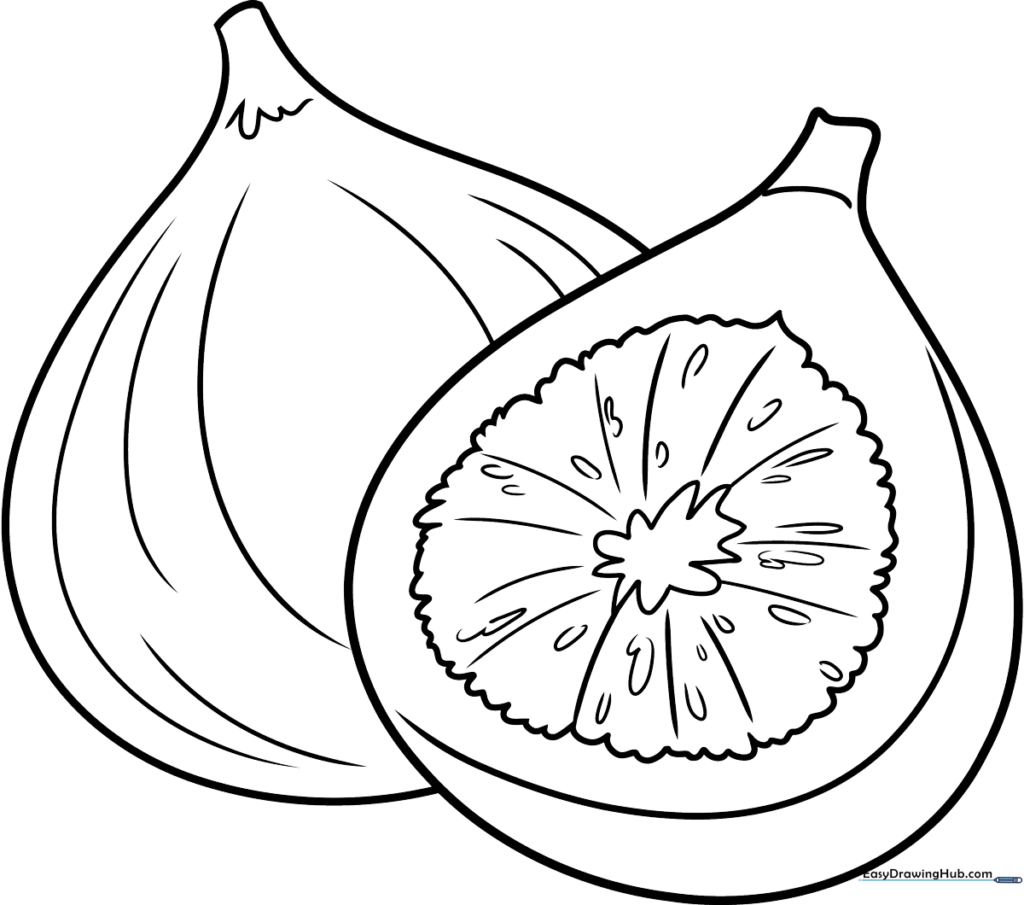
Sweet Fig Slice
Figs are fascinating inside! Use deep purple for the skin and a mix of pink and white for the center. Tip: Use a white crayon to blend the pink and purple areas for a soft, natural look.
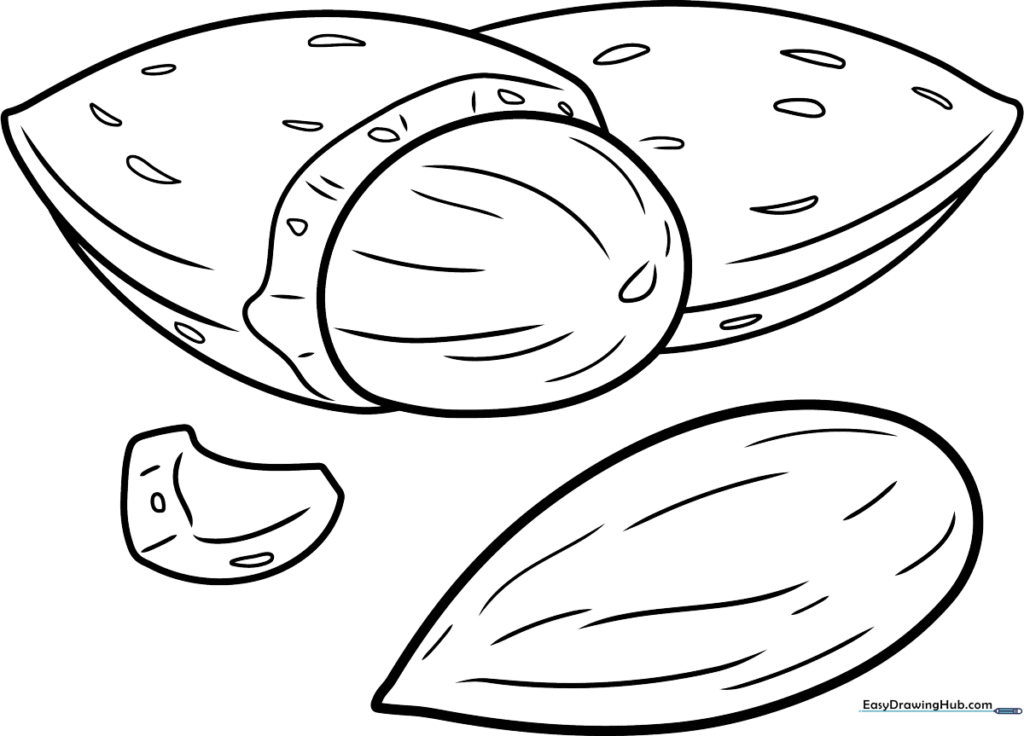
Crunchy Almond Nut
Focus on earthy tones for this one. Use beige for the shell and a rich, warm brown for the nut inside. Tip: Use a cross-hatching technique on the shell to show its rough, woody texture.
More Collections