30 Free Fruit Coloring Pages: Fun Art Activities for Kids
🖍️ 30 free sheets
Looking for a fun, screen-free way to teach kids about healthy foods? These 30 printable fruit coloring pages are perfect for ages 3-8, helping little artists practice color recognition and pencil control while exploring nature's bounty.
Coconut
Coconuts are fun to color because of their unique texture. Try using a light brown for the hairy husk and a crisp white for the inner meat. Tip: Use a stippling technique with your marker to create the rough, fibrous look of the shell.
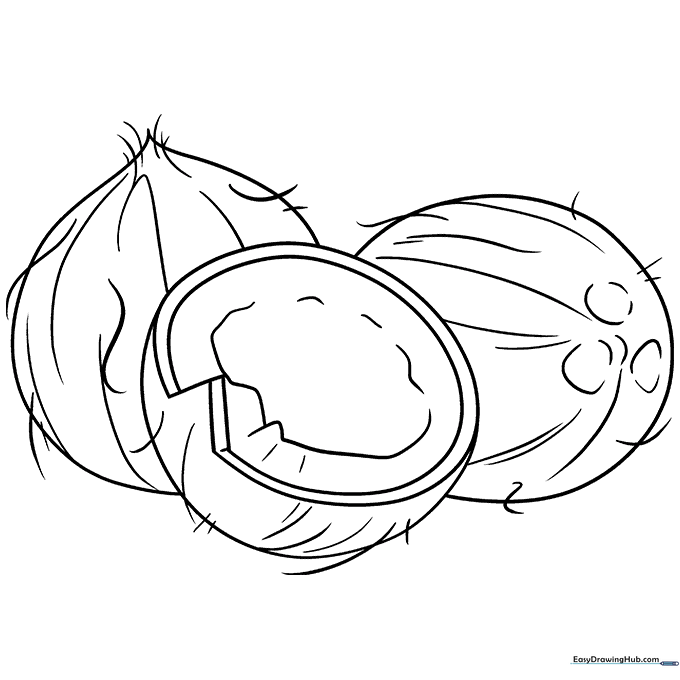
Dragon Fruit
This exotic fruit is a visual treat! Use bright magenta for the outer skin and vibrant green for the leafy scales. Tip: Leave small white circles uncolored inside to represent the seeds.
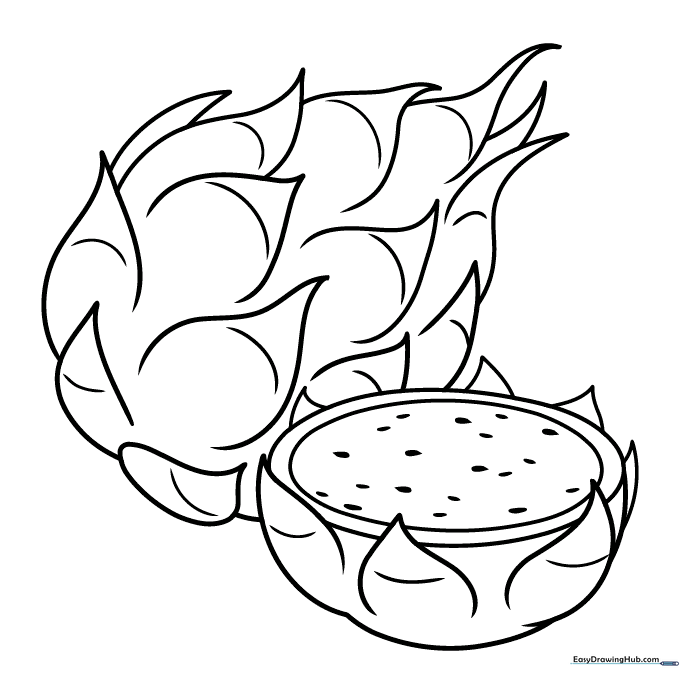
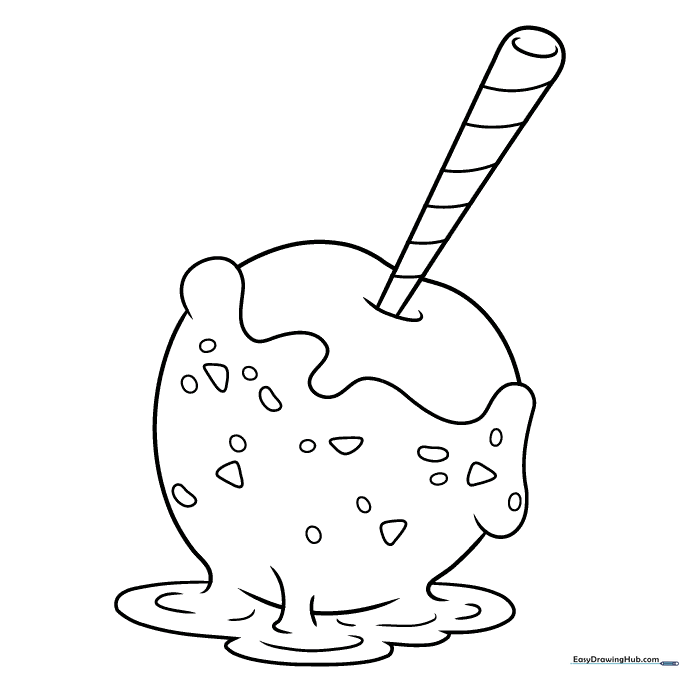
Candy Apple
A classic carnival treat! Encourage kids to experiment with different 'toppings' by drawing small dots or dashes for sprinkles and peanuts. Tip: Use a glossy red for the candy shell to make it look shiny.
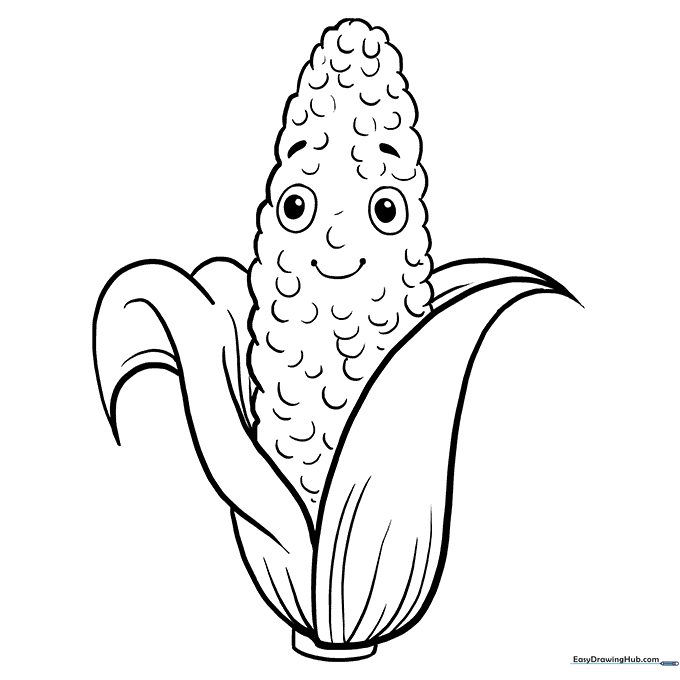
Corn Cob
Corn is a great way to practice repetitive patterns. Use yellow for the kernels and light green for the husks. Tip: Try coloring each kernel individually to improve fine motor precision.
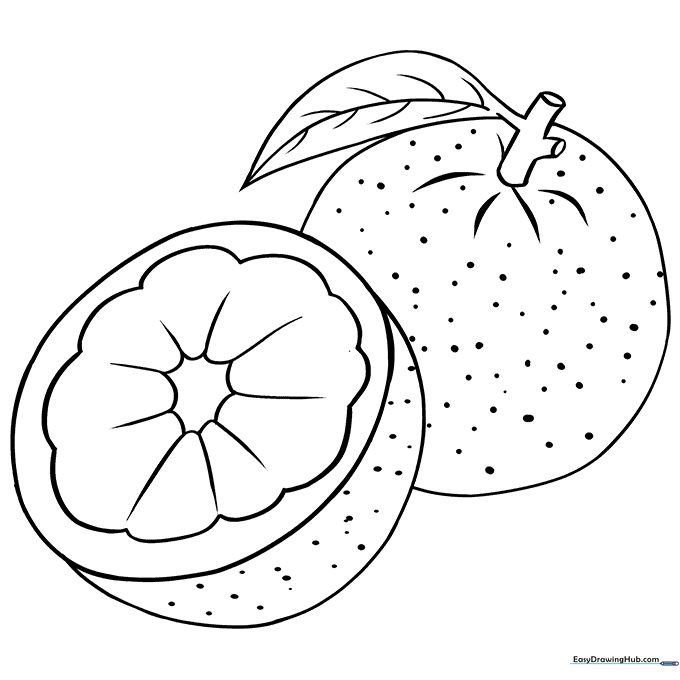
Orange
Oranges have a bumpy texture called 'zest.' Tip: Use a light orange crayon and press down firmly in small circles to mimic the dimpled skin of the fruit.
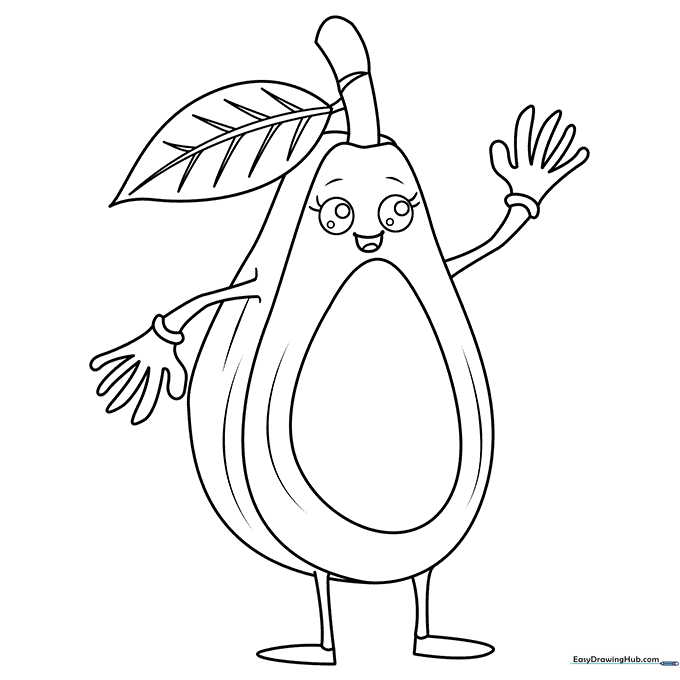
Avocado
Avocados are perfect for learning about color gradients. Use dark green for the skin, fading into a lighter lime green near the center. Tip: Color the pit a rich, warm brown.
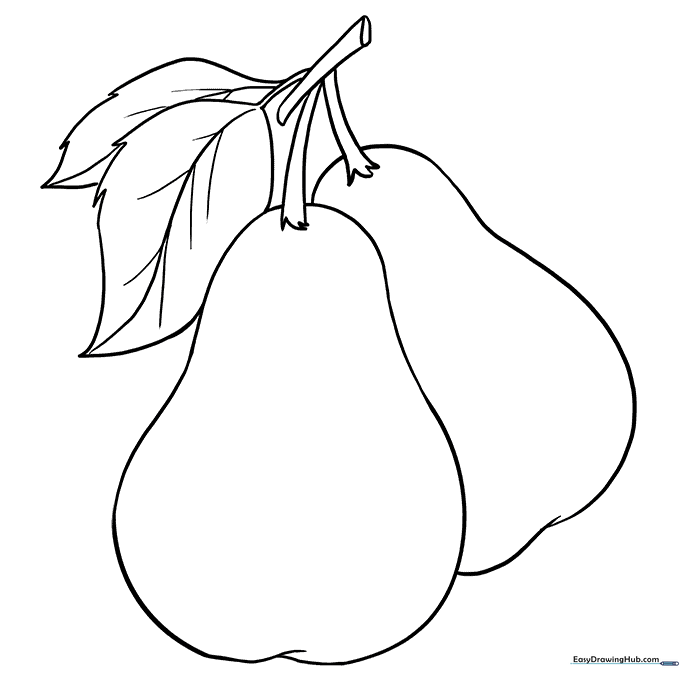
Pears
These pears are a great exercise in shading curved surfaces. Tip: Use a soft yellow-green and add a touch of brown near the stem to show ripeness.
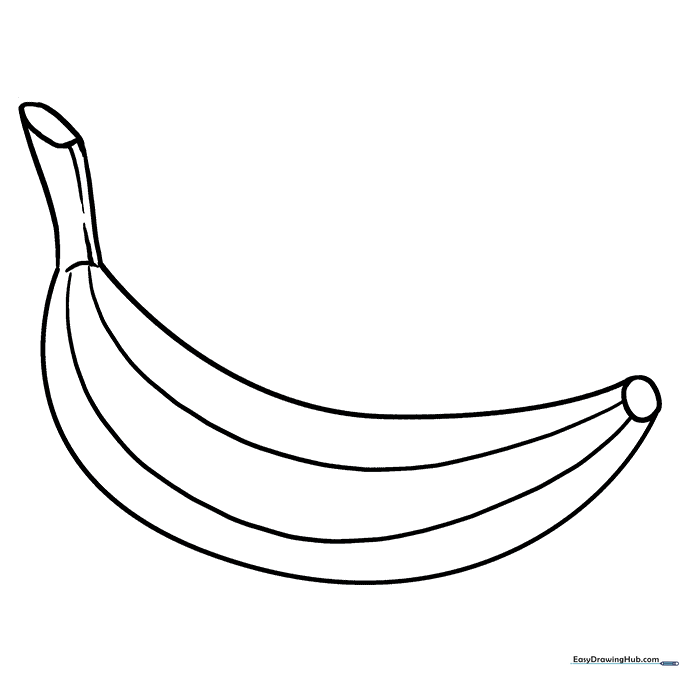
Banana
Bananas are iconic! Tip: Use bright yellow for the peel, and add small brown dots with a fine-tip marker to show that the banana is perfectly ripe.
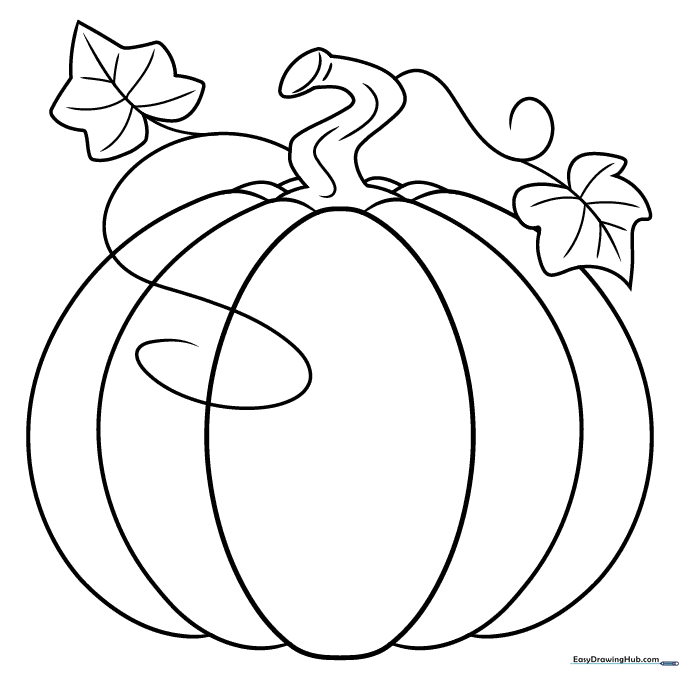
Pumpkin
Pumpkins are great for practicing vertical lines. Tip: Follow the ridges of the pumpkin with your crayon to give it a 3D, rounded appearance.
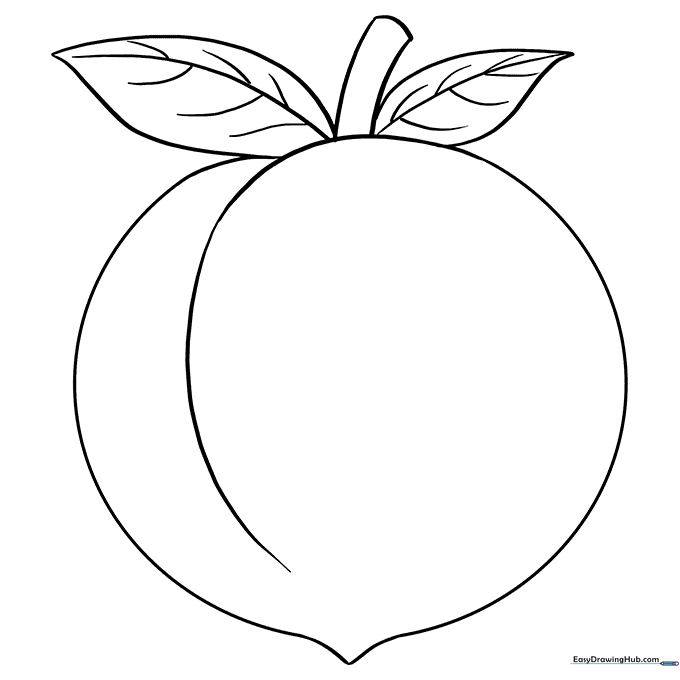
Peach
Peaches have a soft, fuzzy skin. Tip: Use a light peach color and try blending it with a soft pink to capture the blush of the fruit.
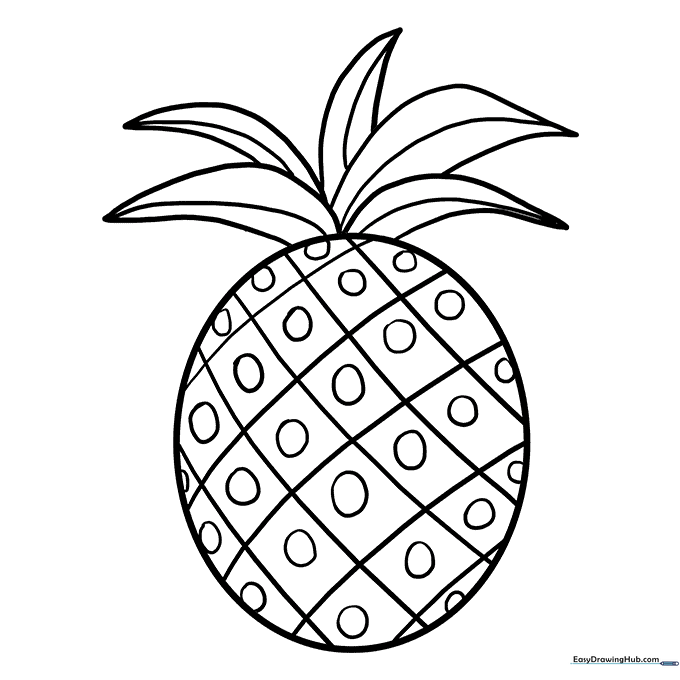
Pineapple
Pineapples have a complex, diamond-shaped pattern. Tip: Color the diamonds in a checkerboard pattern of yellow and light brown to create a realistic texture.
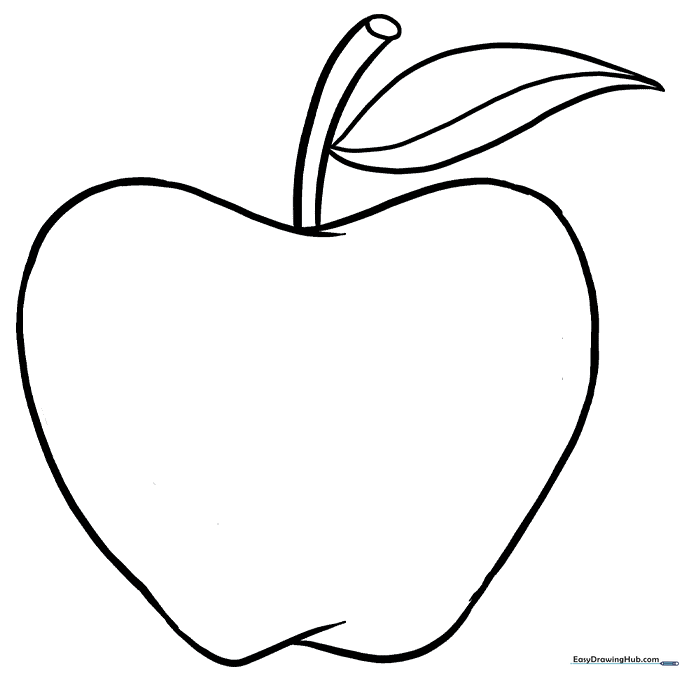
Apple
The classic apple! Tip: Leave a small white space on one side of the apple to represent a 'highlight,' which makes the fruit look shiny and fresh.
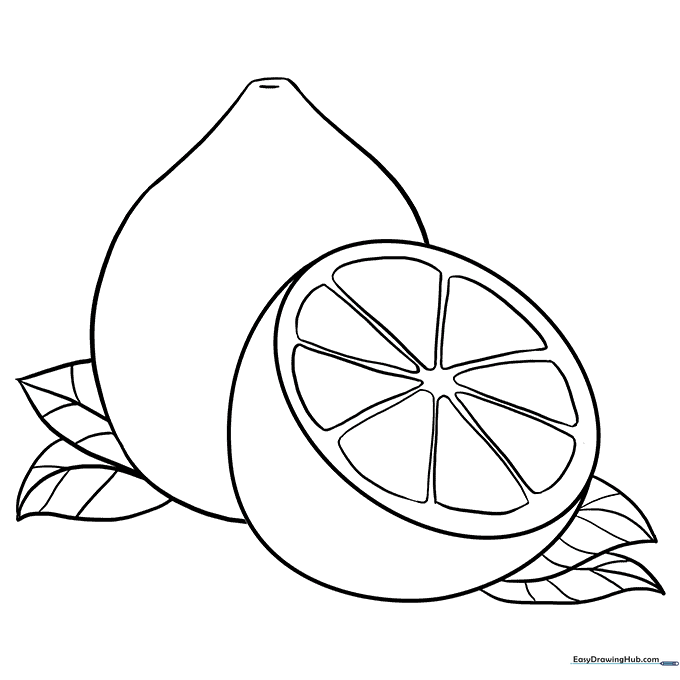
Lemon
Lemons are bright and cheerful. Tip: Use a vivid yellow and try to keep your strokes in one direction to make the fruit look smooth and clean.
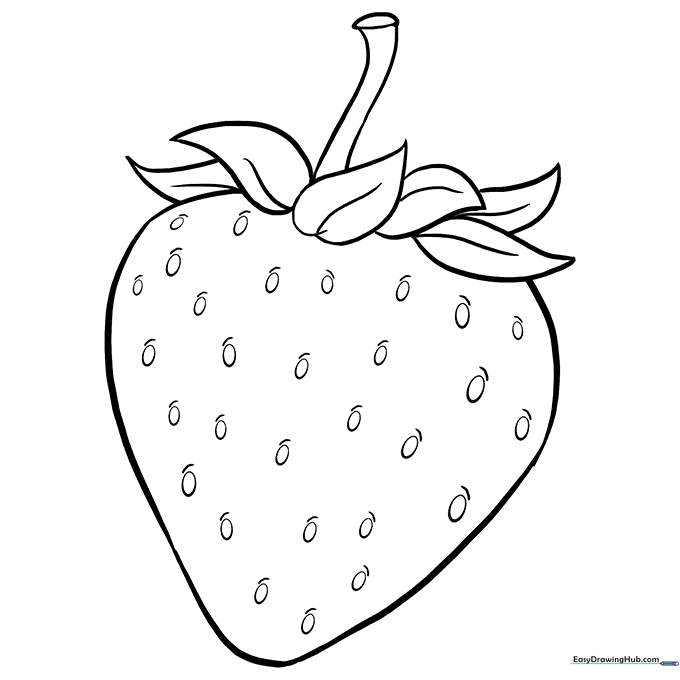
Strawberry
Strawberries are fun because of their tiny seeds. Tip: Use a red marker for the body, and then use a white gel pen or crayon to add the seeds on top.
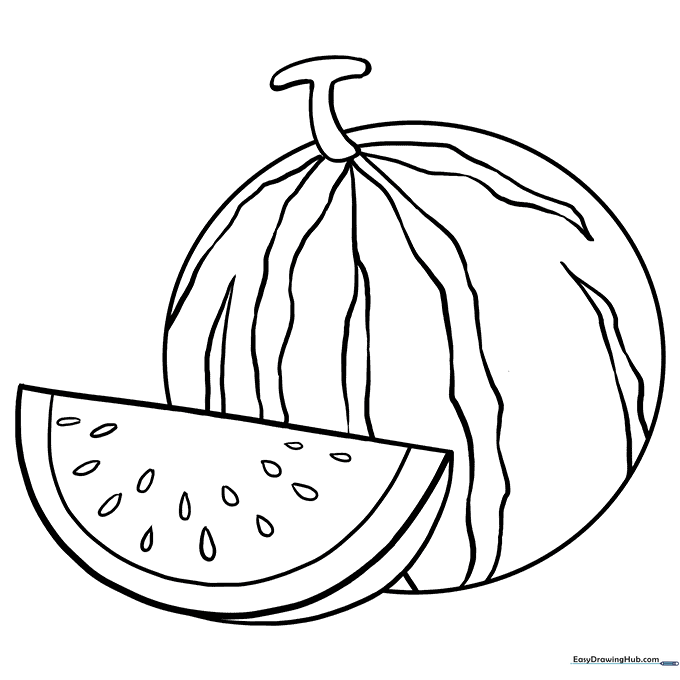
Watermelon Slice
Watermelon slices have three distinct colors: green rind, white pith, and red flesh. Tip: Use a ruler to help keep your lines straight when coloring the rind stripes.
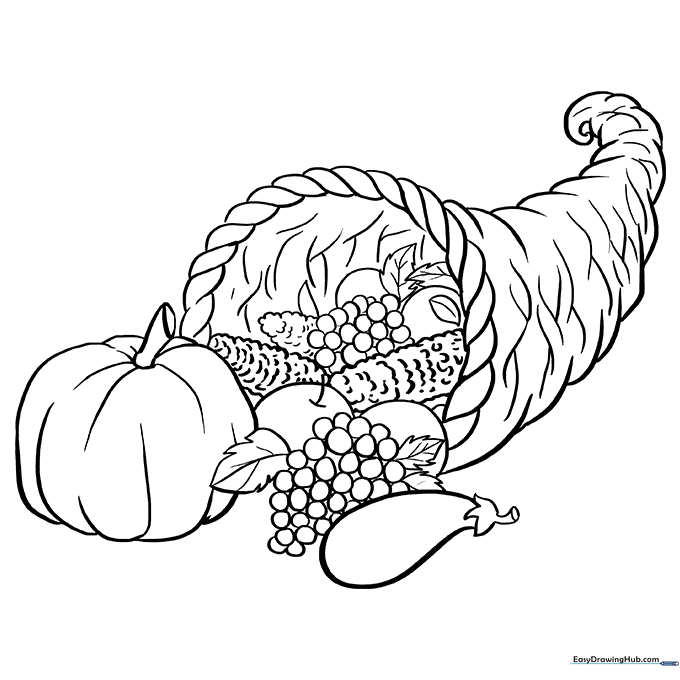
Cornucopia
A cornucopia is a 'horn of plenty' filled with various fruits. Tip: This is a great page for practicing a wide color palette—use a different color for every fruit inside the basket!
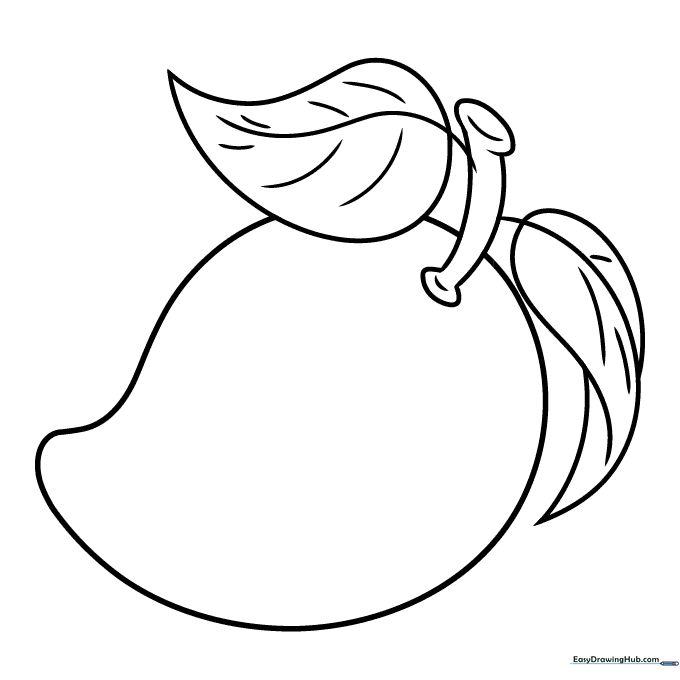
Mango
Mangoes have beautiful, sunset-like colors. Tip: Try blending yellow, orange, and red together to create a smooth transition across the skin of the fruit.
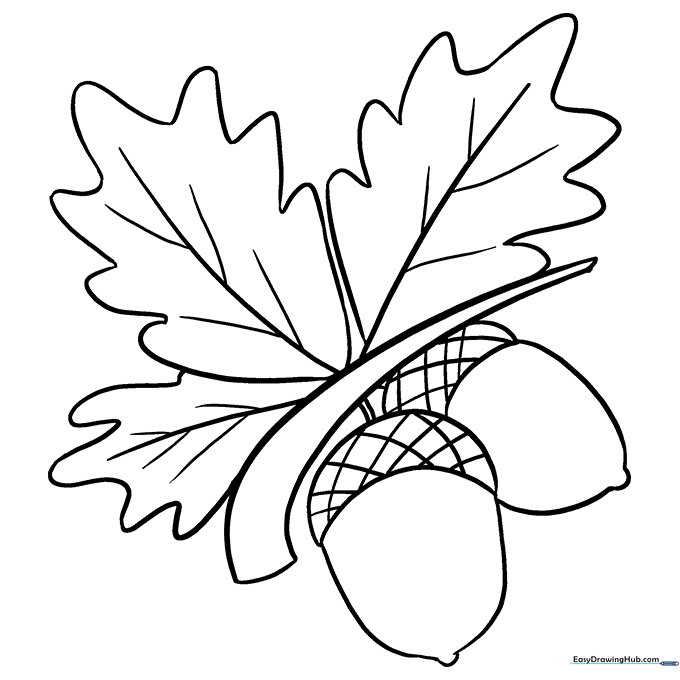
Acorns
Acorns are the seeds of the oak tree. Tip: Use a cross-hatching technique on the cap of the acorn to give it a realistic, textured appearance.
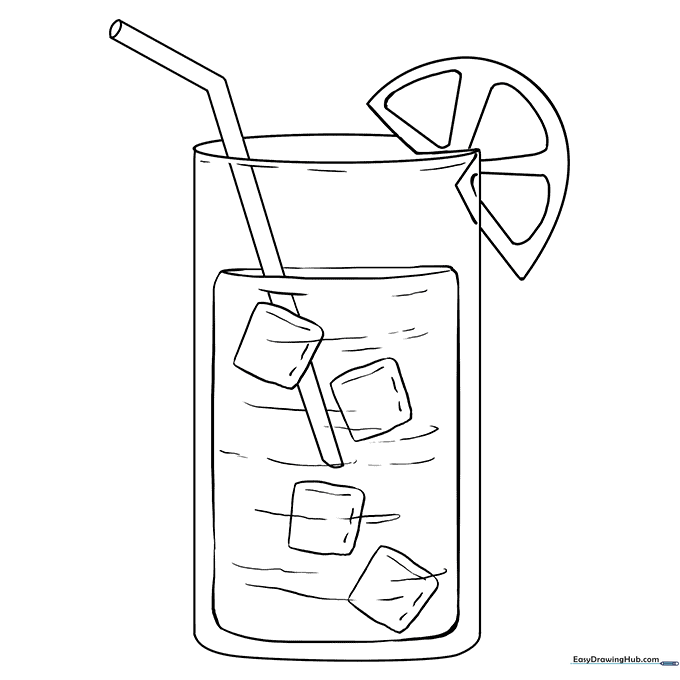
Lemonade
This refreshing drink is perfect for summer coloring. Tip: Use a light blue or grey for the glass to make it look transparent, and add yellow for the lemon slices.
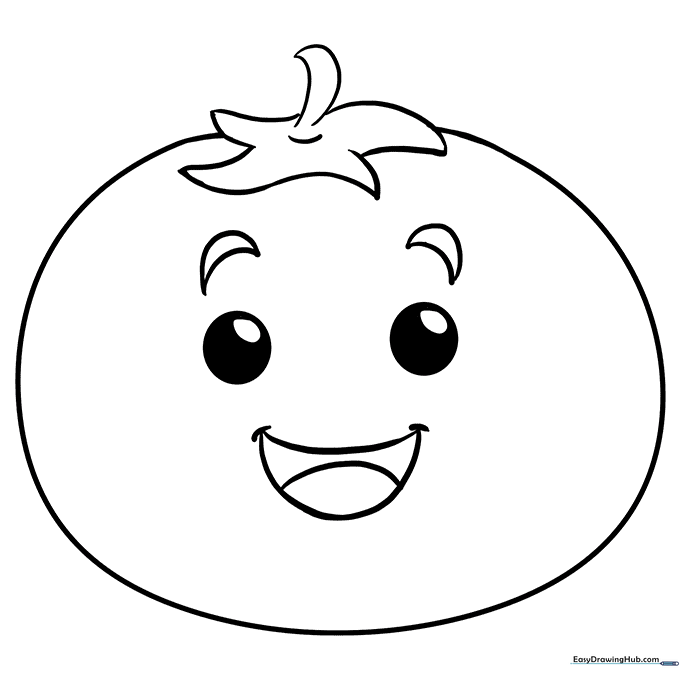
Tomato
Tomatoes are technically fruits! Tip: Use a bright, glossy red and leave a small white spot to show the light reflecting off the smooth skin.
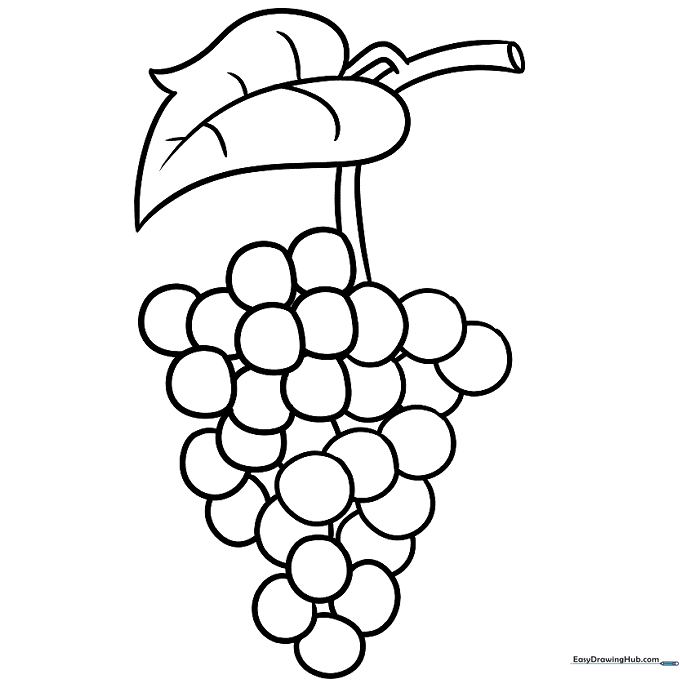
Grapes
Grapes are great for practicing circular coloring. Tip: Color each grape individually, adding a tiny white dot to each one to make them look juicy and round.
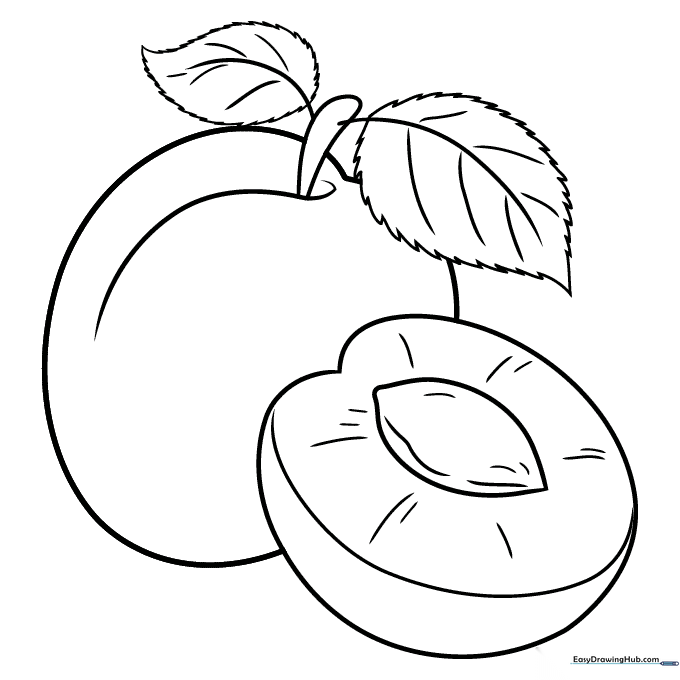
Apricot
Apricots have a soft, velvety skin. Tip: Use a warm orange-yellow and blend it with a hint of red to show the sun-ripened side.
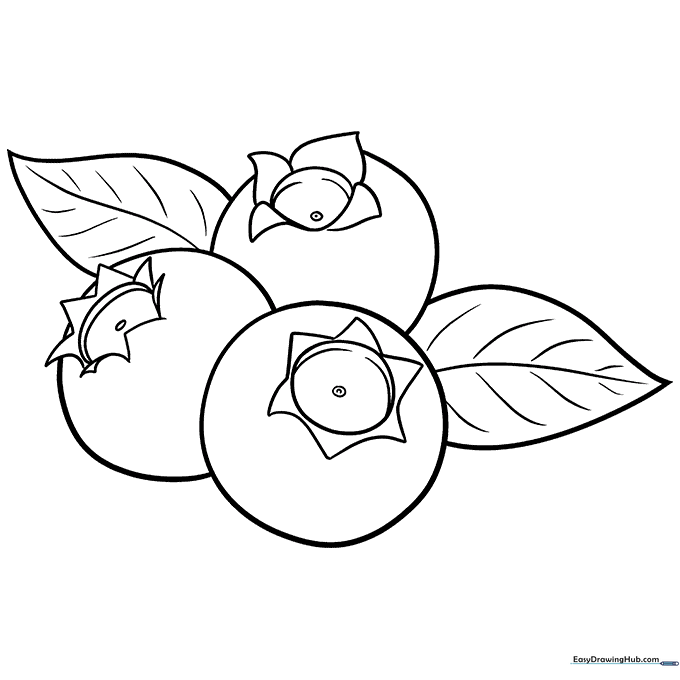
Blueberry
Blueberries are small and round. Tip: Use a deep blue and add a touch of purple to the edges to give them depth and volume.
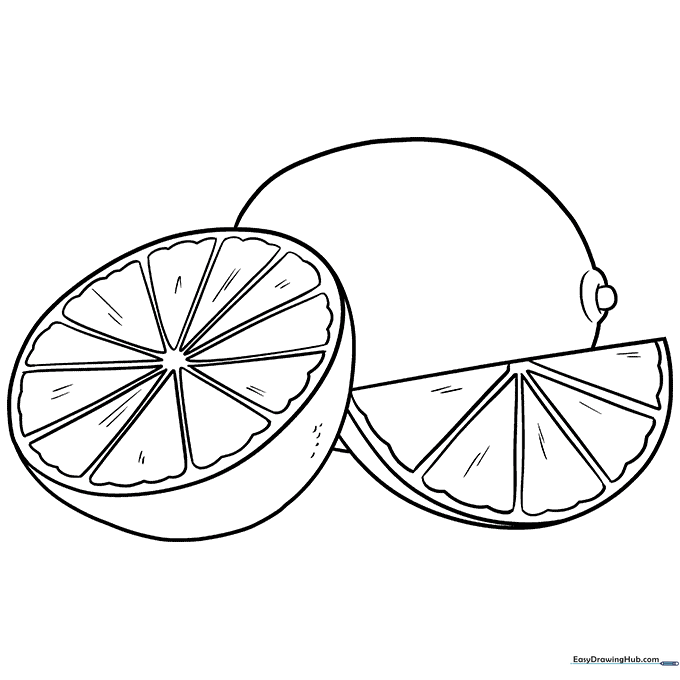
Lime
Limes are vibrant and zesty. Tip: Use a bright, lime green and try to keep your coloring within the lines to define the segments of the fruit.
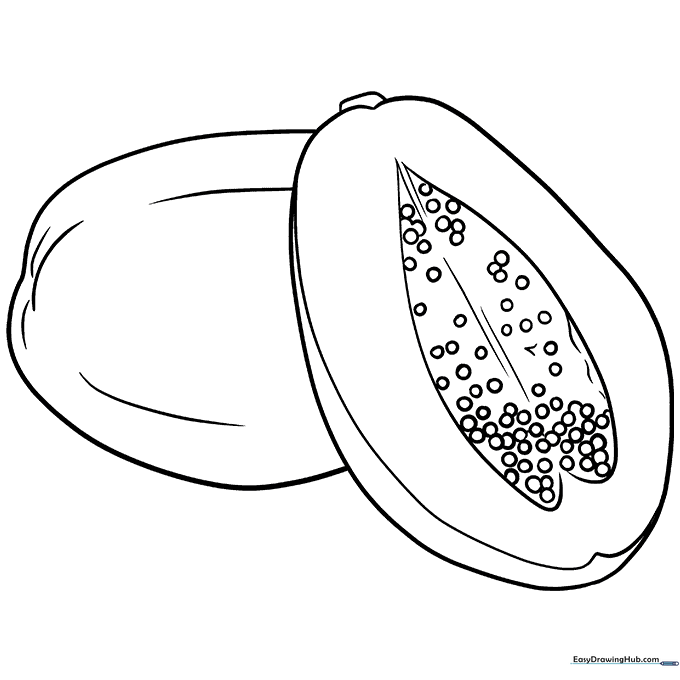
Papaya
Papayas are tropical and delicious. Tip: Use a soft orange for the flesh and black for the seeds to create a high-contrast, eye-catching look.
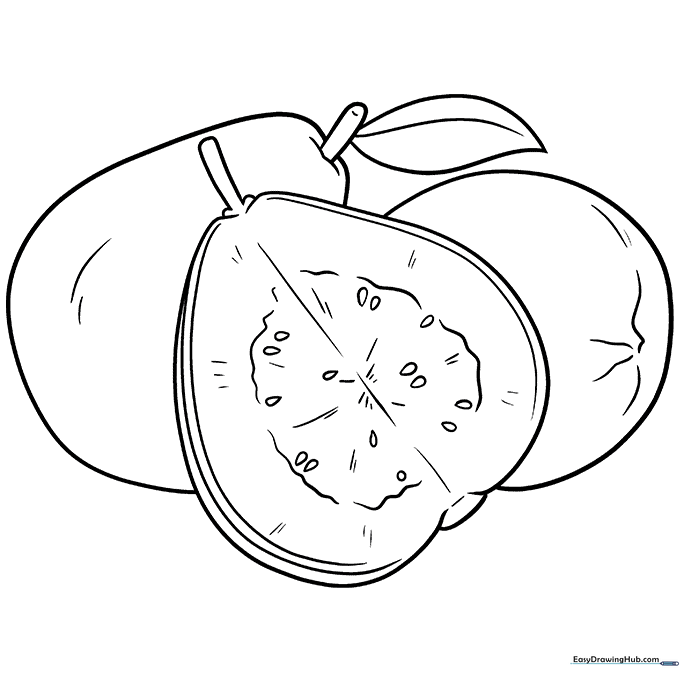
Guava
Guavas are unique and fragrant. Tip: Use a light green for the skin and a vibrant pink for the inside to show the contrast between the peel and the fruit.
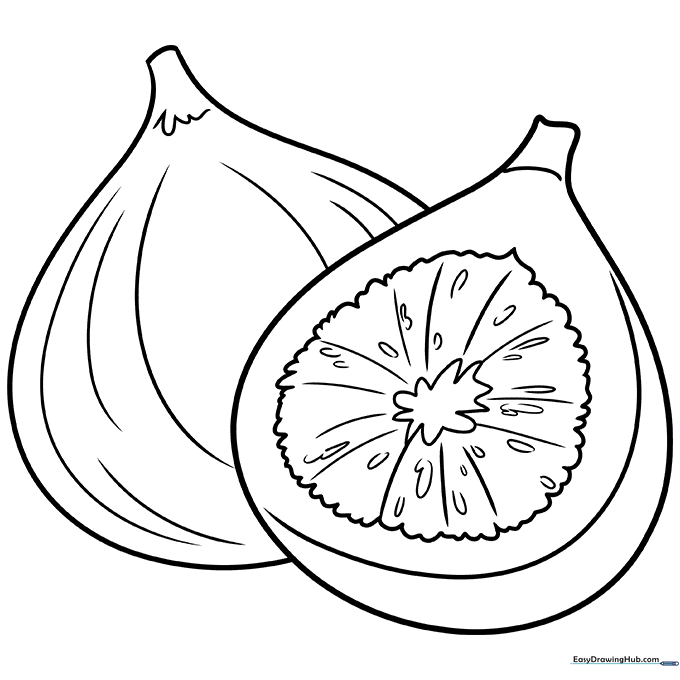
Fig
Figs have a beautiful, teardrop shape. Tip: Use a deep purple for the skin and a light pink for the center to make it look ripe and sweet.
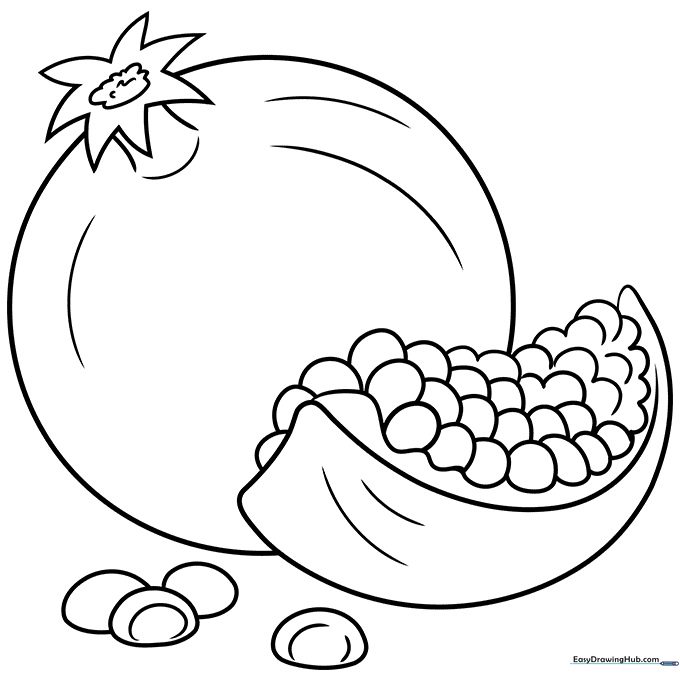
Pomegranate
Pomegranates are full of tiny, ruby-like seeds. Tip: Use a bright red for the seeds and a darker red for the surrounding skin to create a rich, jewel-toned effect.
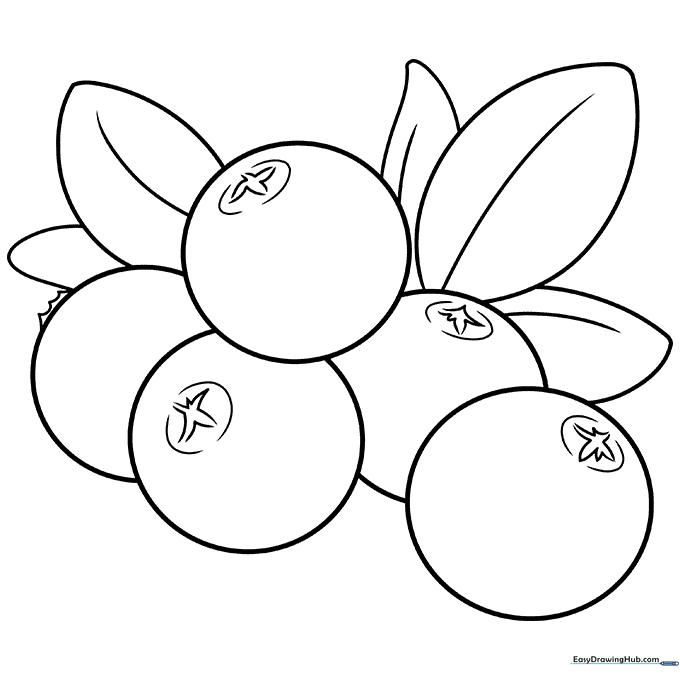
Cranberry
Cranberries are small, tart, and bright red. Tip: Use a deep, glossy red and add a tiny white dot to each berry to make them look shiny.
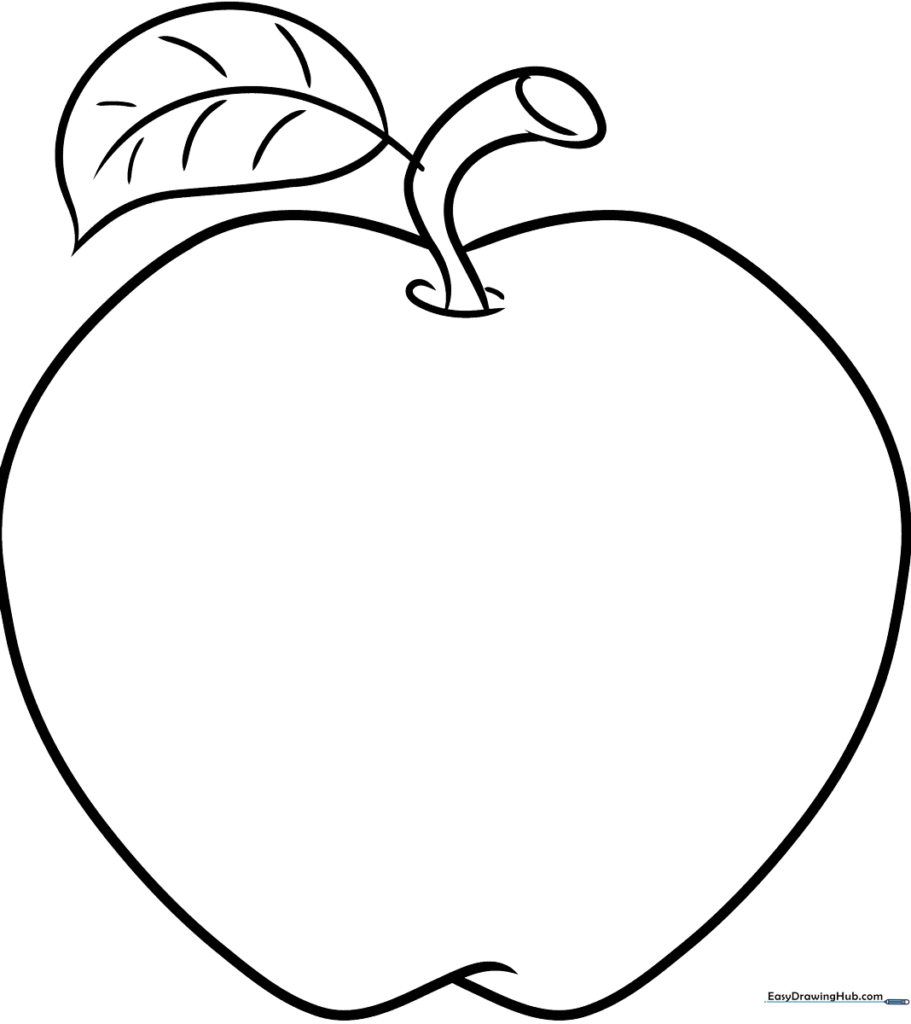
Cartoon Apple
A fun, stylized apple! Tip: Don't be afraid to use bright, non-traditional colors like purple or blue to make your cartoon apple stand out.
More Collections