65 Free Flower Coloring Pages: Printable Art for Kids
🖍️ 65 free sheets
Bring nature indoors with these 65 printable flower coloring pages, perfect for children ages 3 and up. Whether you are using crayons, markers, or colored pencils, these sheets provide a wonderful opportunity to practice color theory and steady hand control. Simply print your favorites and let your child’s imagination bloom with vibrant, custom petal designs.
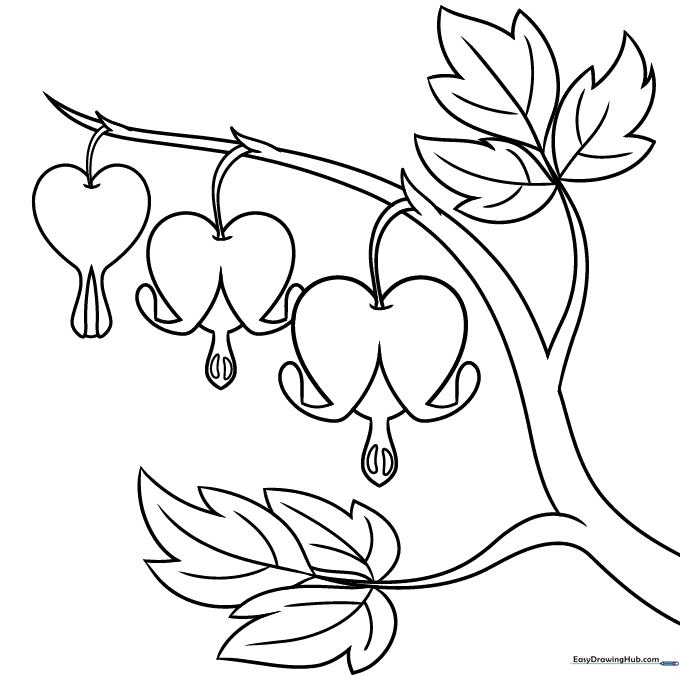
Bleeding Heart Flower
These unique, heart-shaped blossoms are a joy to color. Tip: Use a light pink for the outer petals and a deep magenta for the center to create a realistic 3D effect.
Simple Flowers in a Vase
A classic arrangement perfect for beginners. Tip: Encourage children to color the vase first using a solid color, then use bright, contrasting colors for the petals to make them pop.
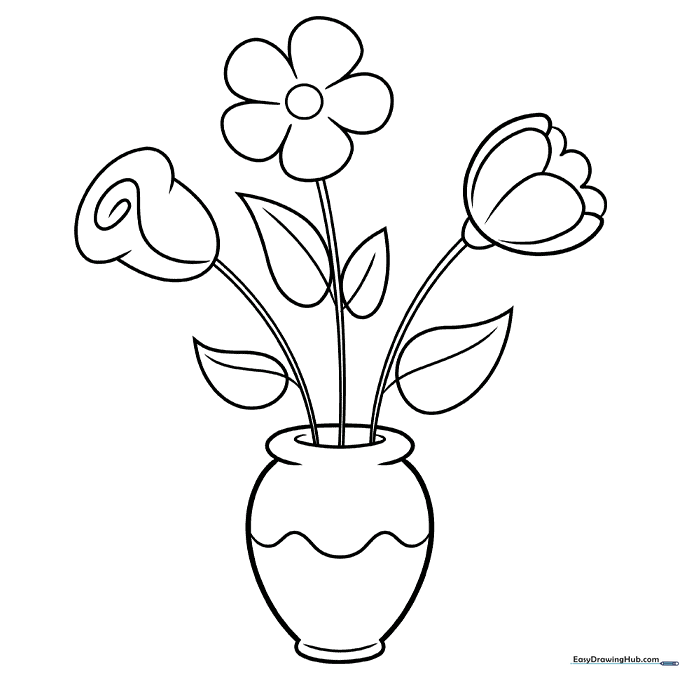
Poppy Flower
Poppies are known for their vibrant, papery petals. Tip: Try using a 'flicking' motion with your colored pencils from the center outward to mimic the delicate texture of real poppy petals.
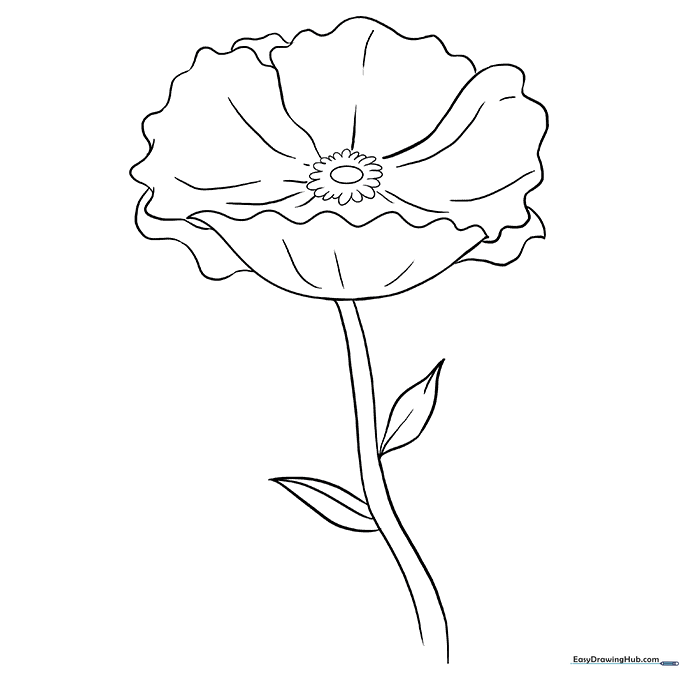
Daisy Flower
Daisies are the perfect subject for practicing symmetry. Tip: Keep the petals white or very light blue, and focus on blending yellow and orange in the center for a realistic look.
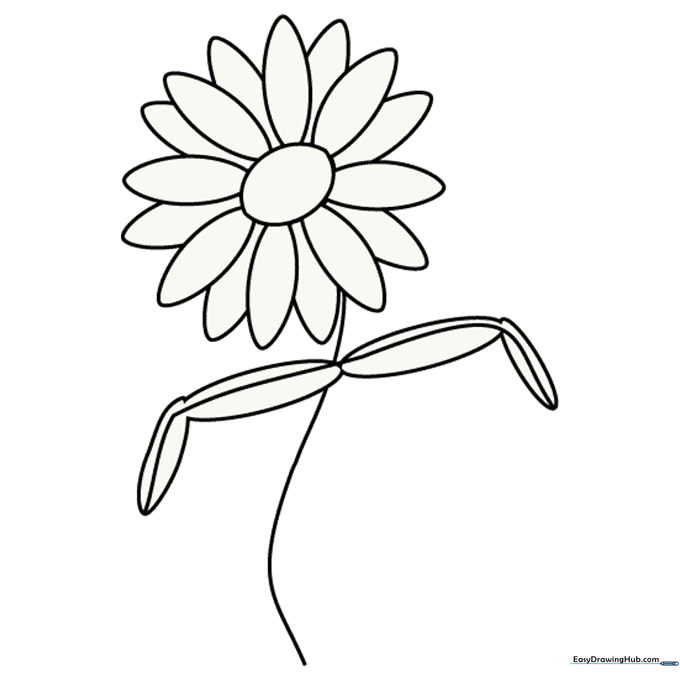
Bird of Paradise
This exotic flower looks just like a bird in flight! Tip: Use bold oranges, yellows, and deep blues to capture the tropical, vibrant energy of this unique plant.
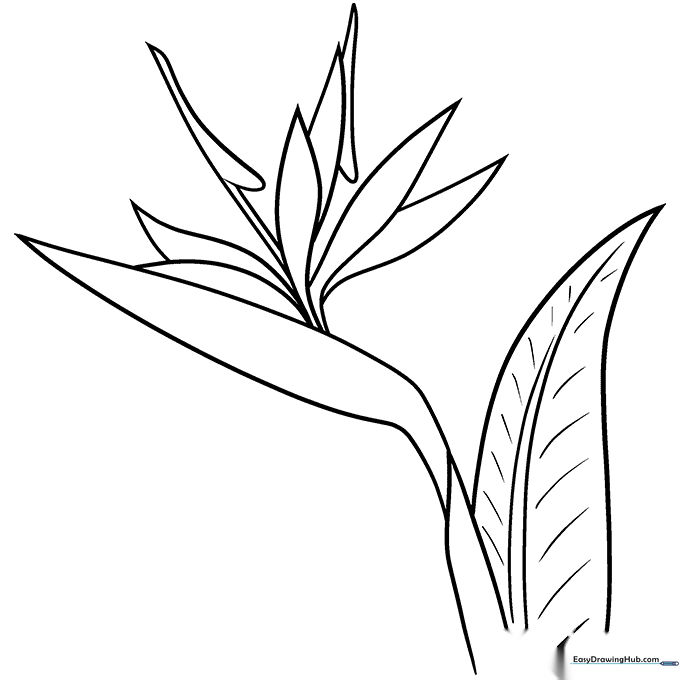
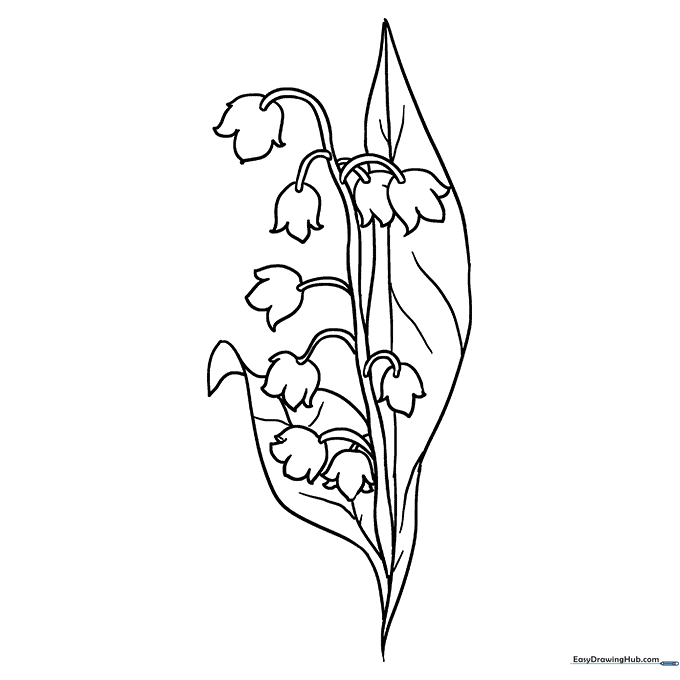
Lily of the Valley
These tiny bell-shaped flowers are so elegant. Tip: Use a very light grey or blue to shade the edges of the bells to give them a sense of volume and depth.
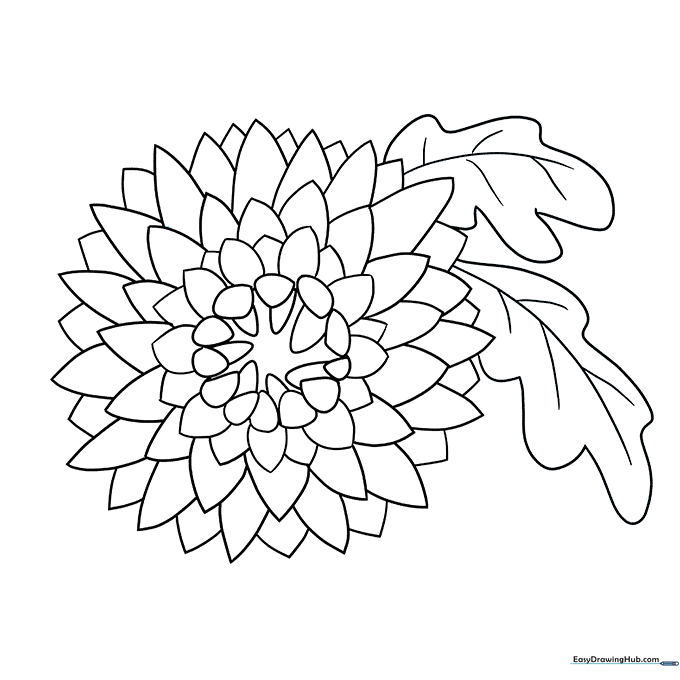
Chrysanthemum
With so many petals, this is a great exercise in patience and focus. Tip: Start from the center and work your way out to avoid smudging your colors as you go.
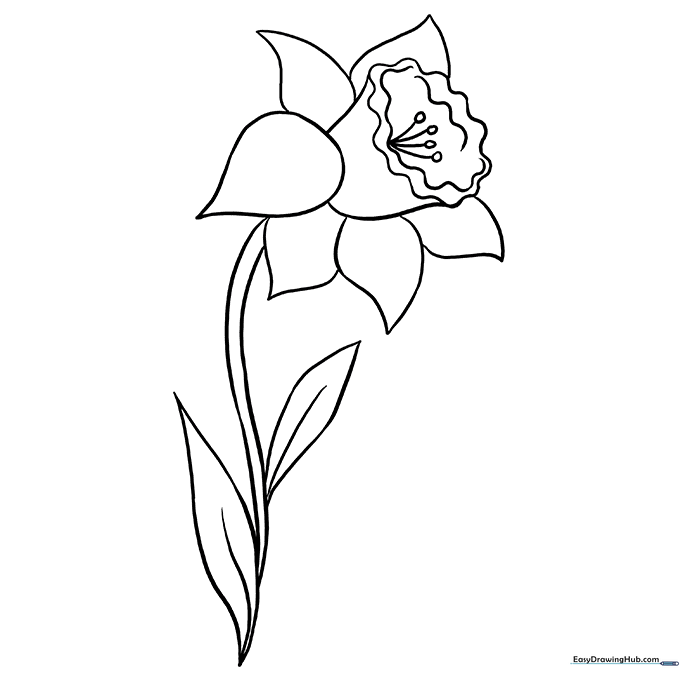
Daffodil
The herald of spring! Tip: Use a bright yellow for the trumpet-shaped center and a softer, creamy yellow for the outer petals to make the flower look like it's glowing.
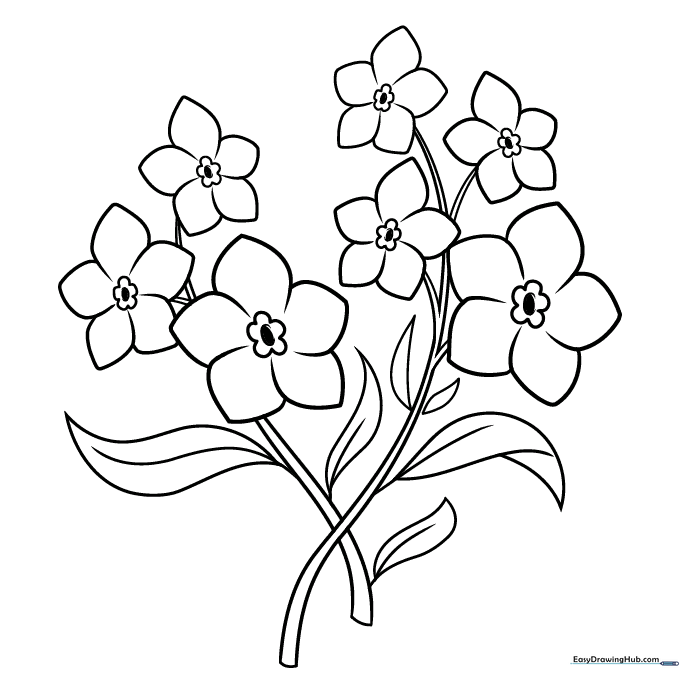
Forget-Me-Not Flowers
These tiny, delicate flowers are perfect for practicing small-scale coloring. Tip: Use a light touch with your blue pencil to keep the petals looking soft and airy.
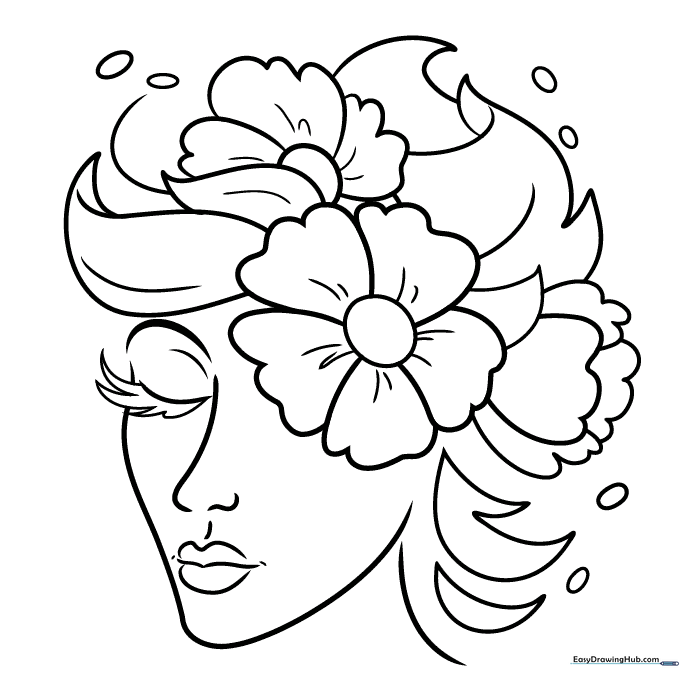
Flower Face
A whimsical design that combines portraiture with floral art. Tip: Use different colors for each flower in the hair to create a vibrant, garden-inspired crown.
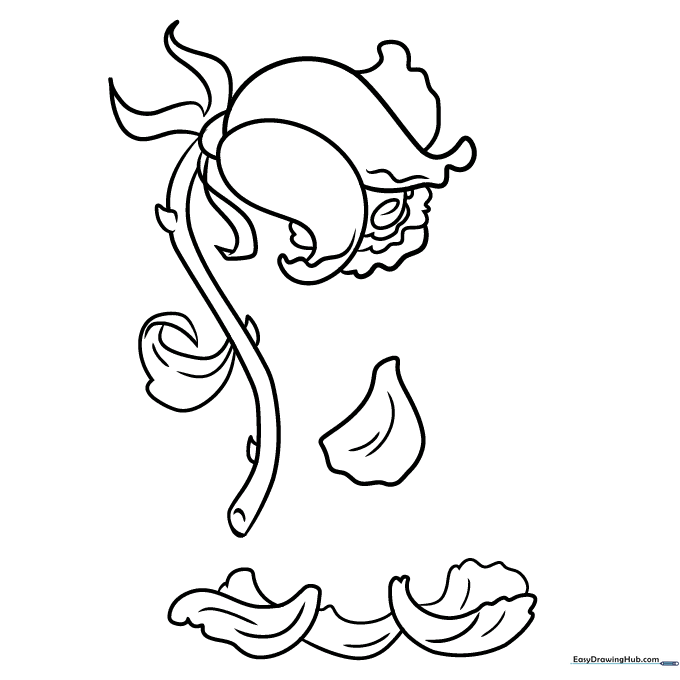
Dead Rose
A moody, artistic piece. Tip: Use muted tones like dusty rose, deep purple, or even browns to capture the beauty of a flower in its final stage.
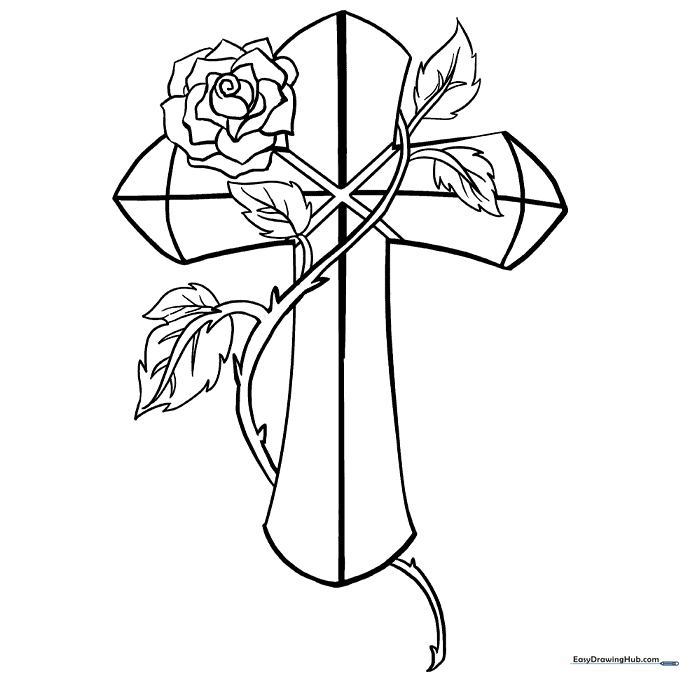
Cross with a Rose
A meaningful and symbolic design. Tip: Use soft, gentle colors to create a peaceful and respectful finished piece.
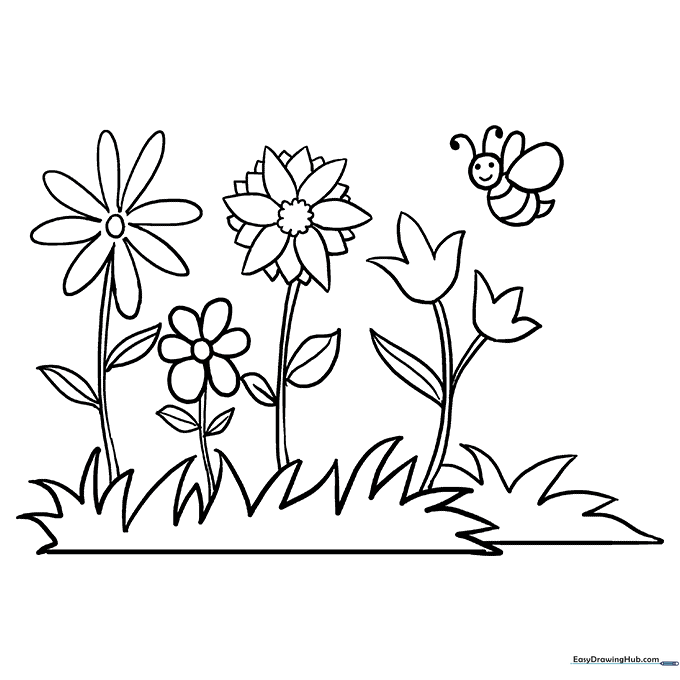
Flower Garden
A busy, fun scene! Tip: Color the background grass a light green first, then add the flowers on top to make the garden feel full and lush.
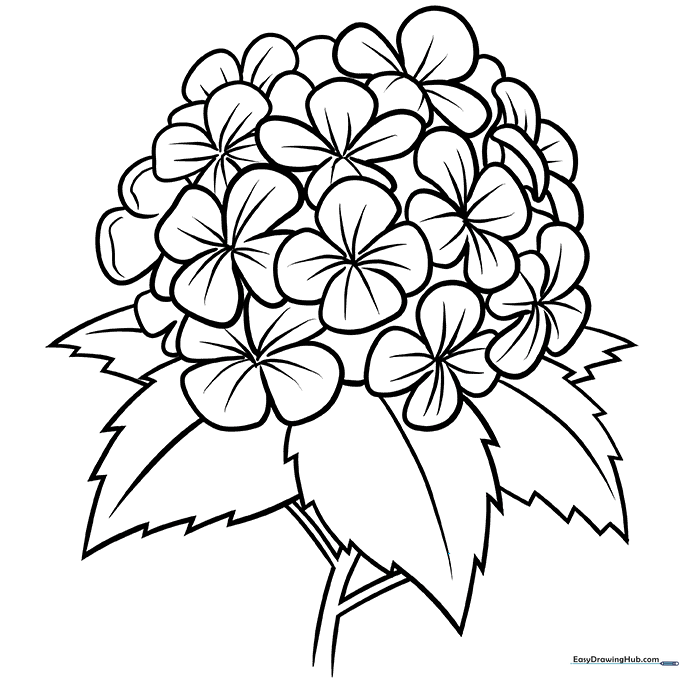
Hydrangea
Hydrangeas are all about texture. Tip: Instead of coloring every tiny petal perfectly, try using small dots or circular strokes to represent the clusters of blooms.
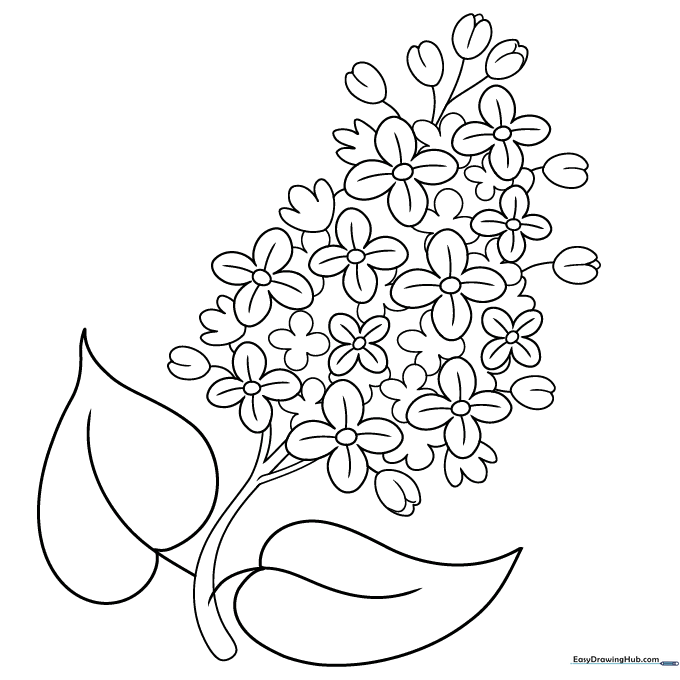
Lilac
Lilacs are famous for their scent and beautiful clusters. Tip: Use a mix of purple and blue to shade the individual florets for a more natural, multi-dimensional look.
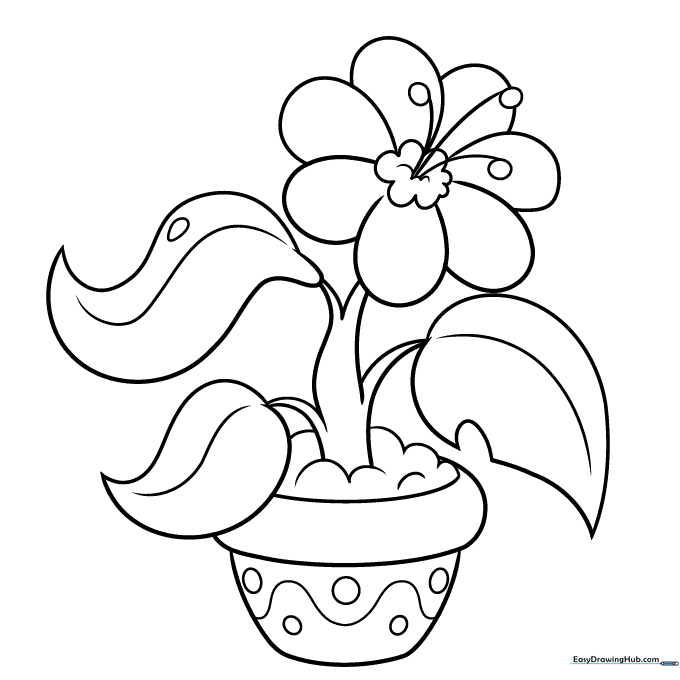
Potted Plant
A great way to practice coloring containers and leaves. Tip: Use a terracotta color for the pot and vary your greens on the leaves to make the plant look healthy and vibrant.
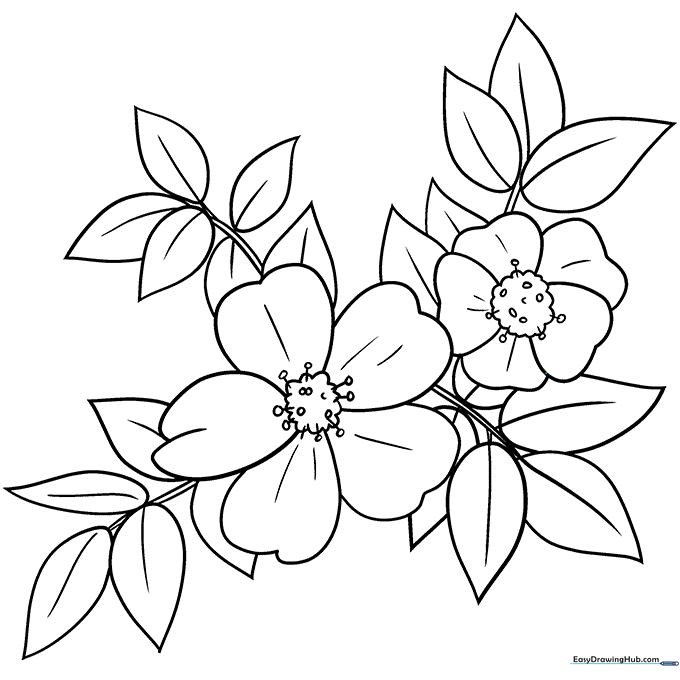
Wild Rose
Simple and sweet. Tip: Because wild roses have fewer petals, you can spend more time blending the colors on each petal to create a soft, velvety texture.
Floral Design
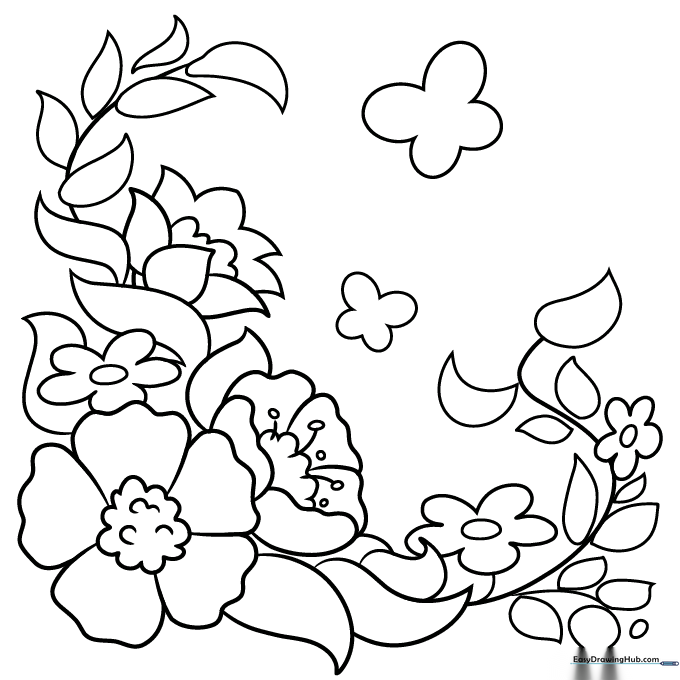
This intricate border is perfect for older kids or adults who love detail. Tip: Use a repeating color pattern to give the design a professional, balanced look.
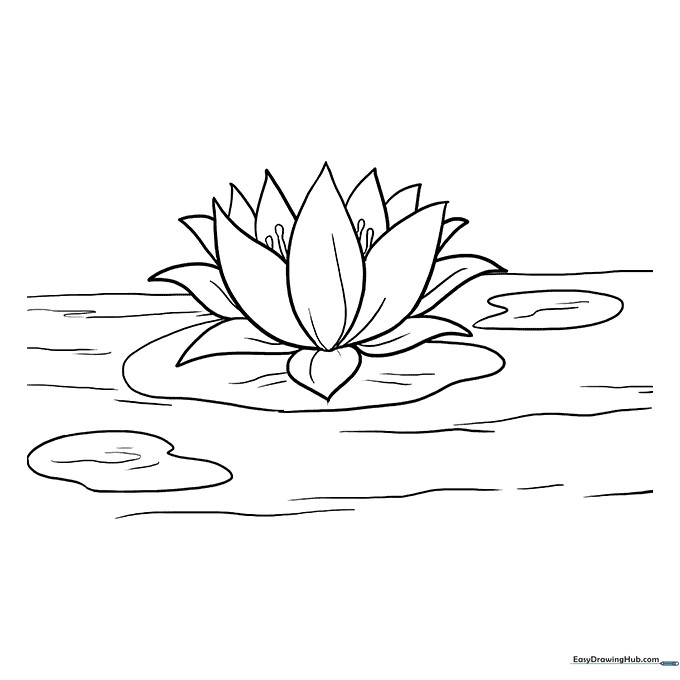
Lotus Flower
A serene and calming image. Tip: Use cool blues for the water and warm pinks or purples for the lotus petals to create a beautiful, high-contrast scene.
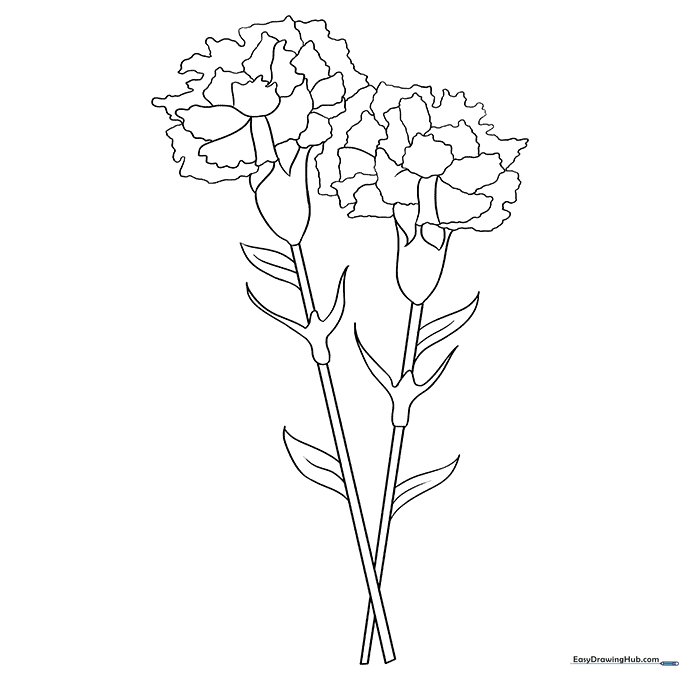
Carnation
Carnations have such fun, ruffled edges! Tip: Use a darker shade of your chosen color along the ruffled edges to emphasize their unique, frilly texture.
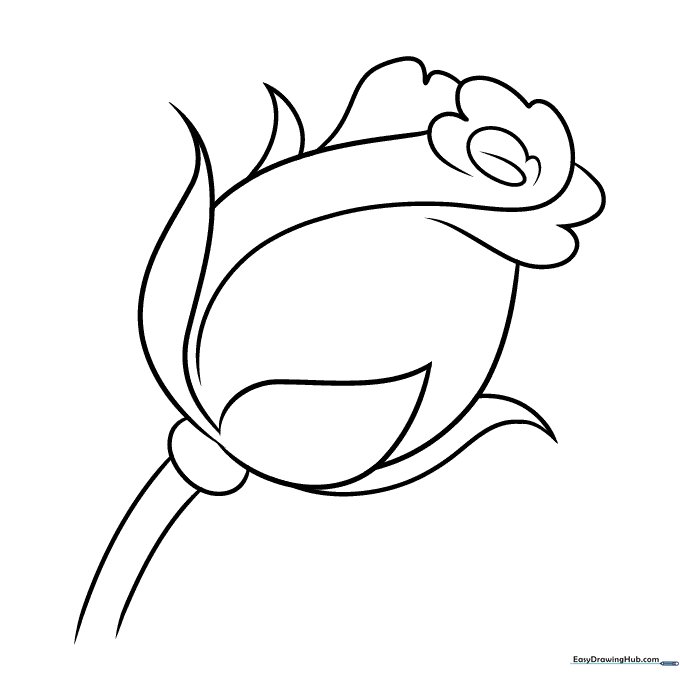
Rose Bud
The beginning of a beautiful bloom. Tip: Use a tight, circular coloring motion to follow the spiral shape of the bud, which helps define its form.
Realistic Rose
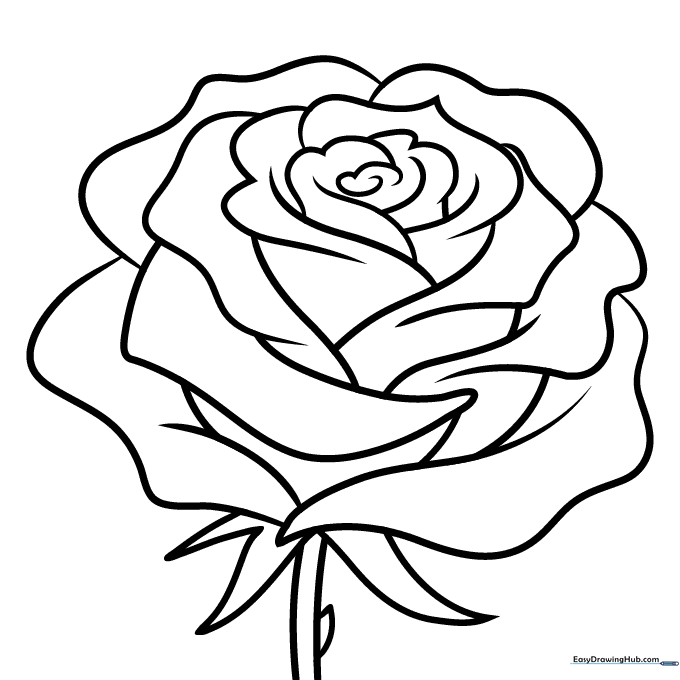
A classic challenge. Tip: Focus on the shadows where the petals overlap; using a slightly darker shade in those areas will make the rose look much more realistic.
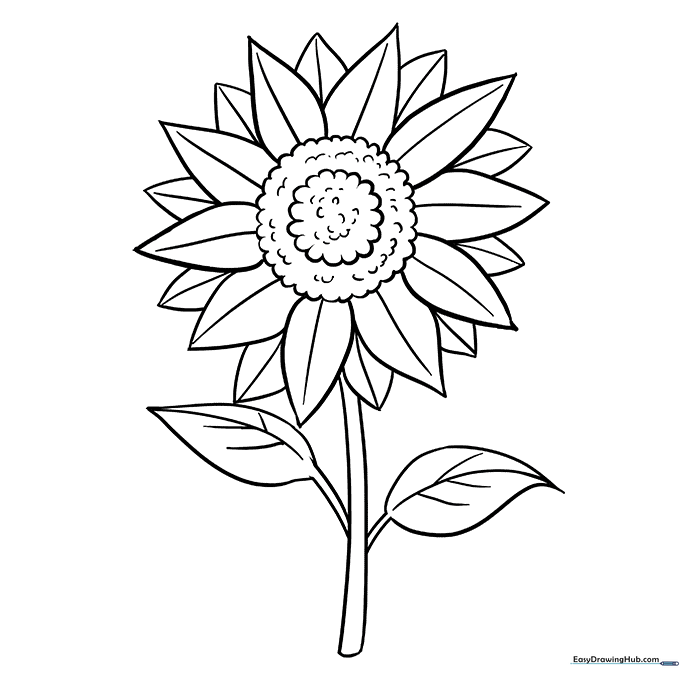
Sunflower
Sunflowers are pure joy! Tip: Use a dark brown for the center and add little dots to represent the seeds, then use bright yellow for the long, sunny petals.
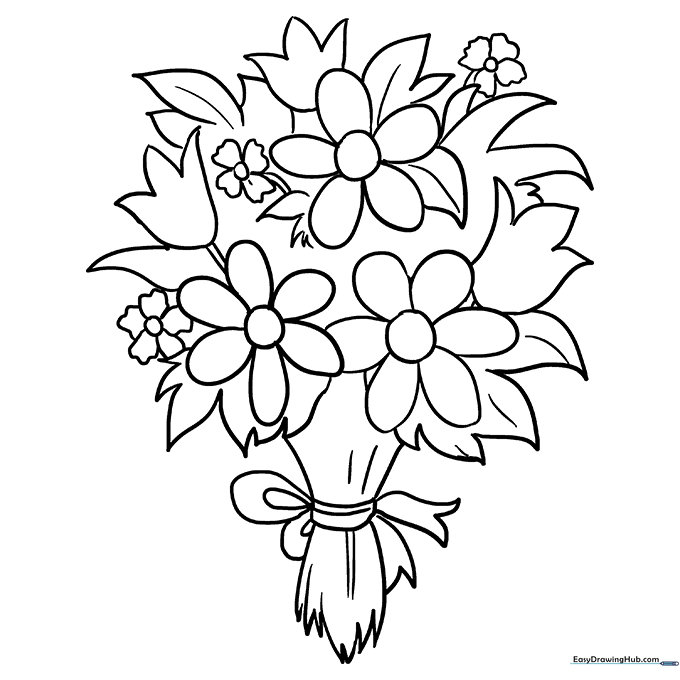
Flower Bouquet
A beautiful collection of blooms. Tip: Try coloring the ribbon in a bright, contrasting color to tie the whole bouquet together visually.
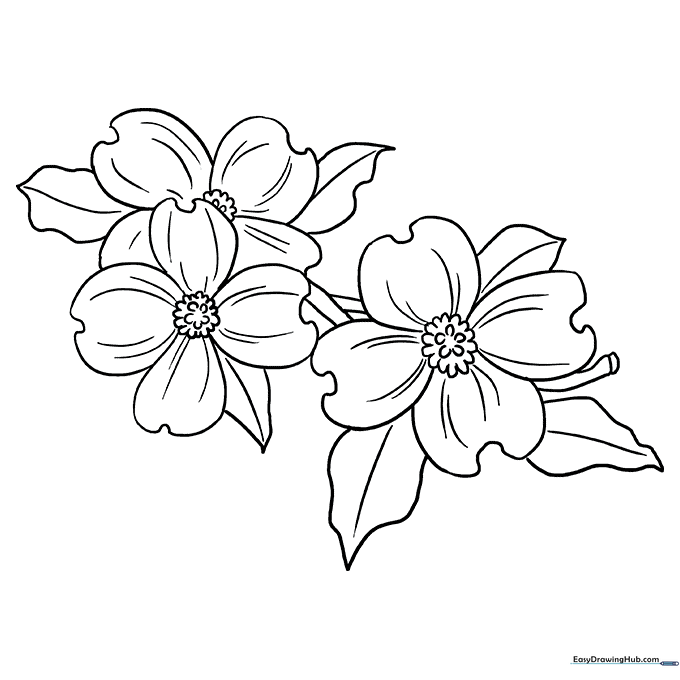
Dogwood Flowers
These are so unique because of their notched petals. Tip: Use a light pink or white for the petals and a soft green for the center to keep it looking fresh and natural.
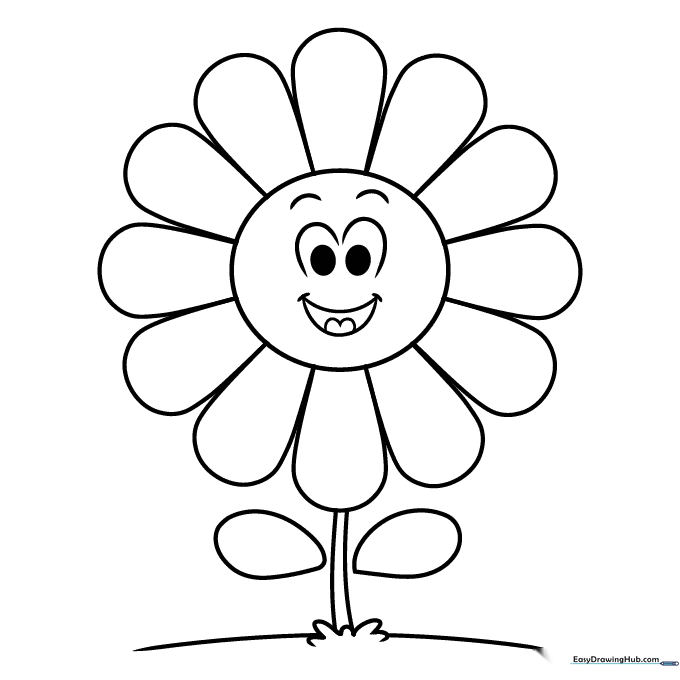
Rainbow Flower Coloring Sheet
This whimsical, smiling flower is a fantastic confidence builder for younger artists. Tip: Encourage kids to use a different color for each petal to practice color recognition and pencil control.
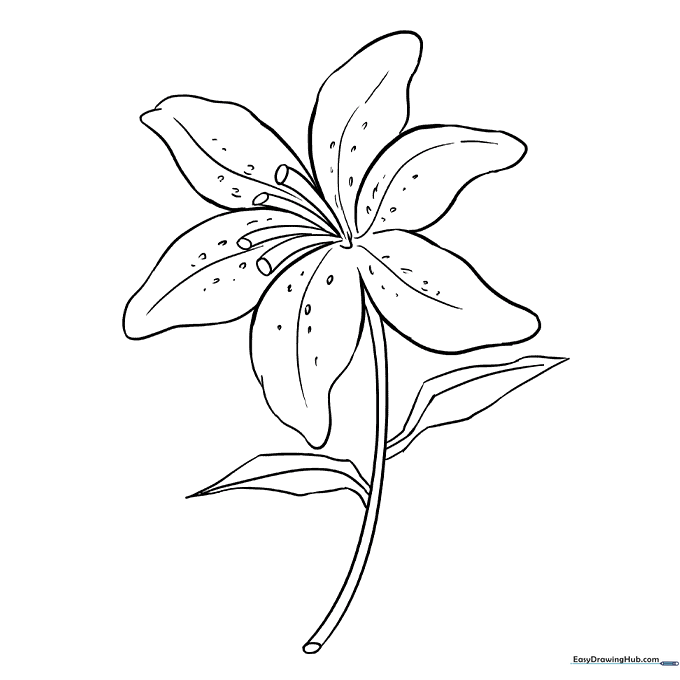
Lily Coloring Sheet
Lilies offer elegant, sweeping lines that are great for practicing smooth, long strokes. Tip: Use a light touch to shade the center of the petals to give the flower a realistic, soft depth.
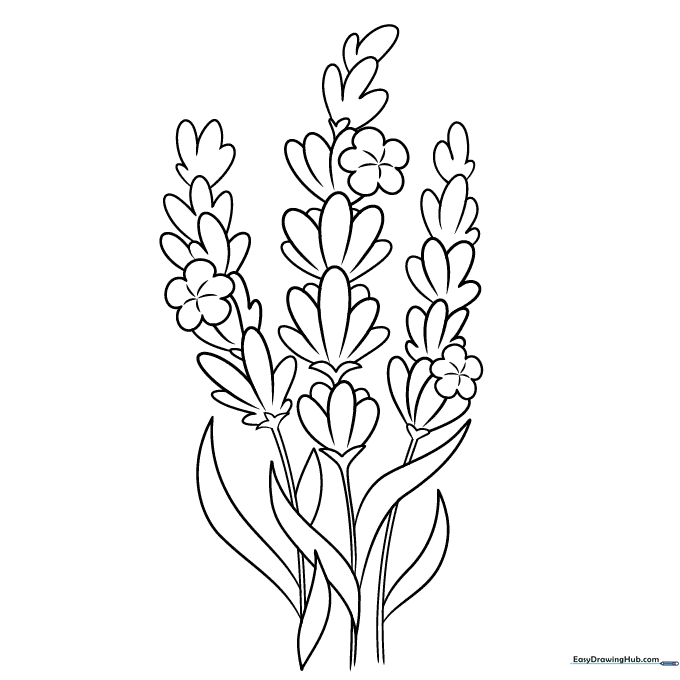
Lavender Coloring Sheet
Lavender's unique shape helps kids practice repetitive, small-scale coloring. Tip: Use a variety of purple hues to create a textured, fragrant-looking effect on the tiny buds.
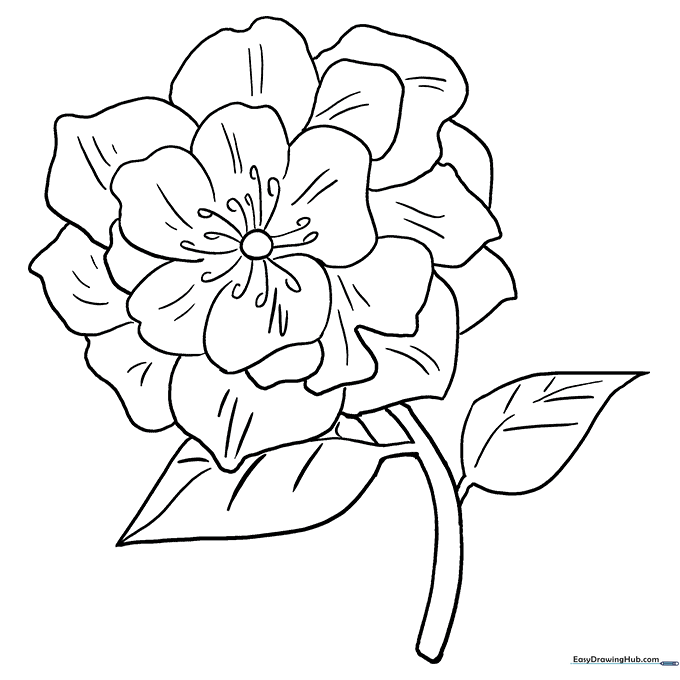
Peony Coloring Sheet
Peonies are all about volume and layers. Tip: Start with a light base color and layer darker shades toward the center of the bloom to make it look full and fluffy.
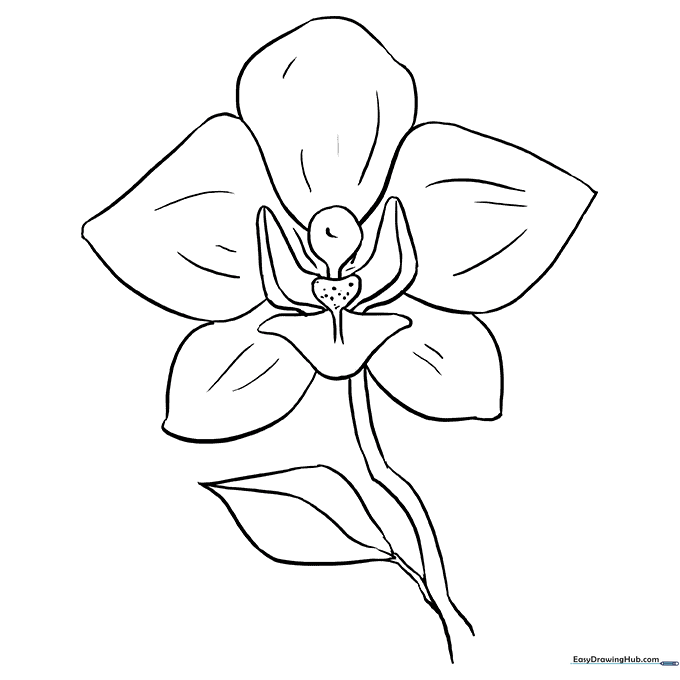
Orchid Coloring Sheet
Orchids have fascinating, complex structures. Tip: Encourage kids to look at photos of real orchids to see how they use spots and stripes to decorate their petals.
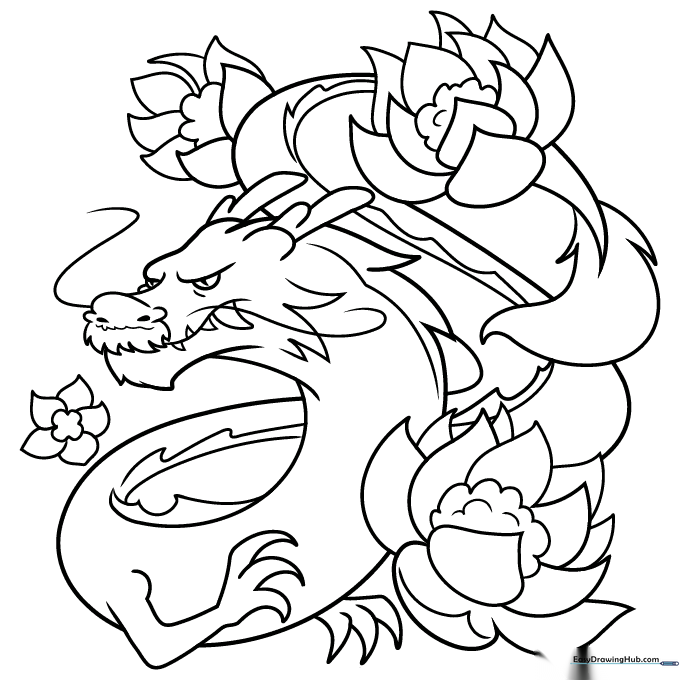
Dragon with Flowers Coloring Sheet
Combine mythology with nature! This sheet is perfect for storytelling. Tip: Use metallic markers for the dragon scales and soft pastels for the lotus flowers to create a beautiful contrast.
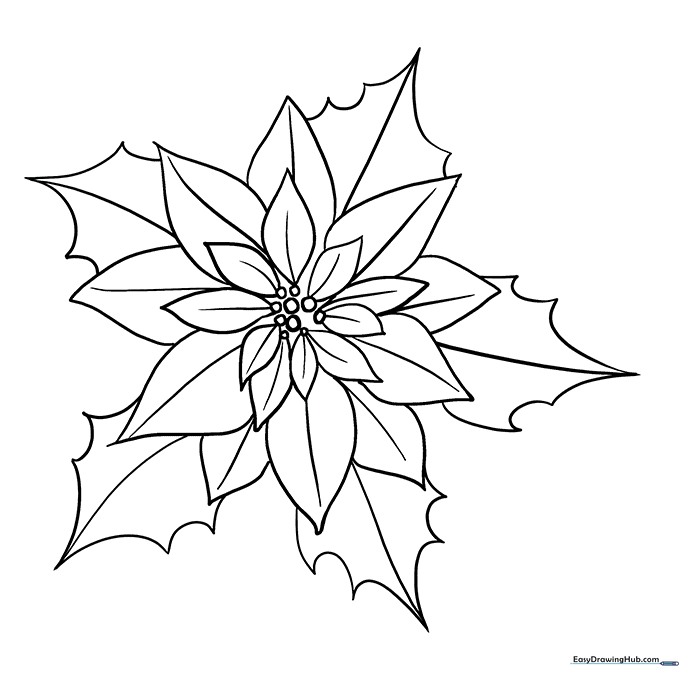
Poinsettia Coloring Sheet
Poinsettias are great for learning about symmetry. Tip: Since the 'petals' are actually leaves, try coloring them in different shades of red and green to show how they change color.
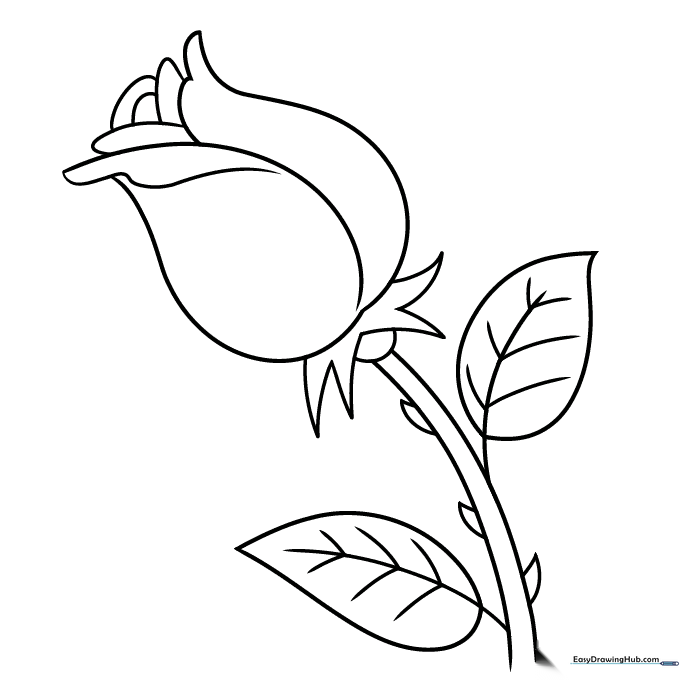
Easy, Step-by-step Rose Drawing for Kids
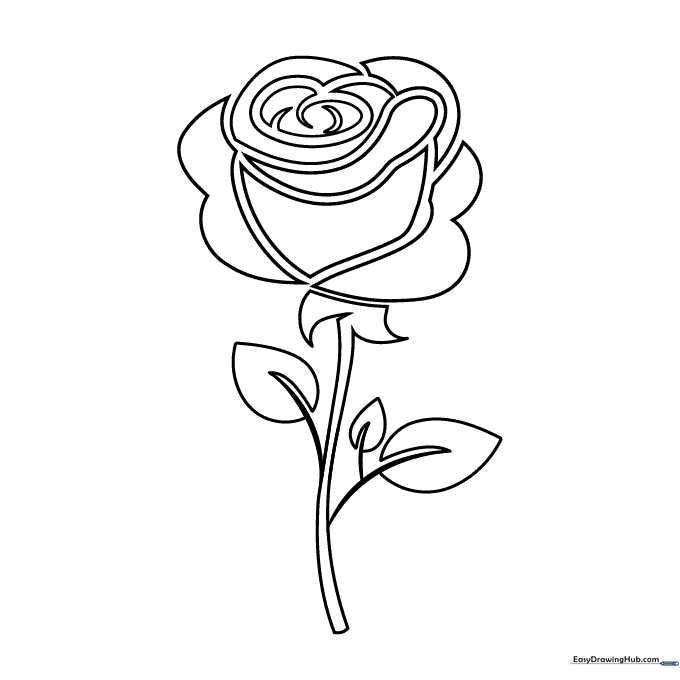
This simple rosebud is the perfect entry point for budding artists. Tip: Use a light green for the stem and a vibrant red for the petals to make the rose pop off the page.
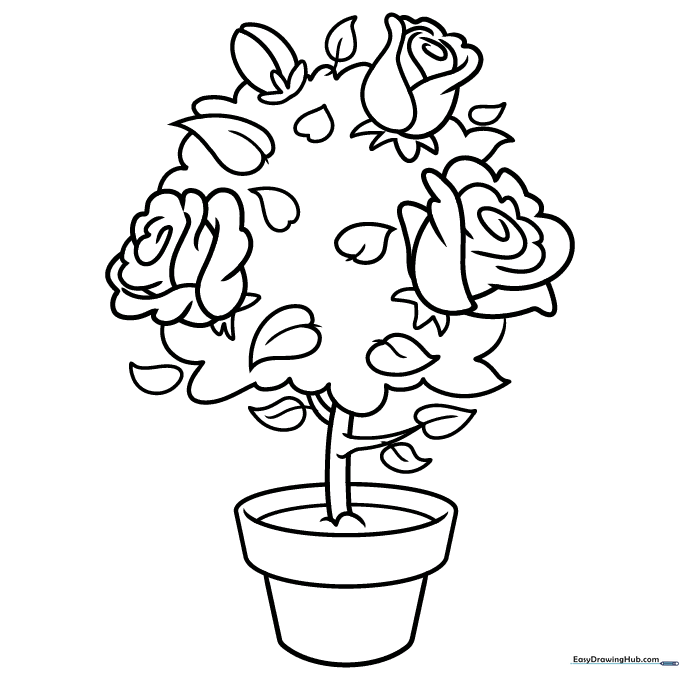
Rose Bush Coloring Sheet
A whole bush provides a great opportunity for a larger project. Tip: Use different shades of green for the leaves to add depth and make the roses stand out.
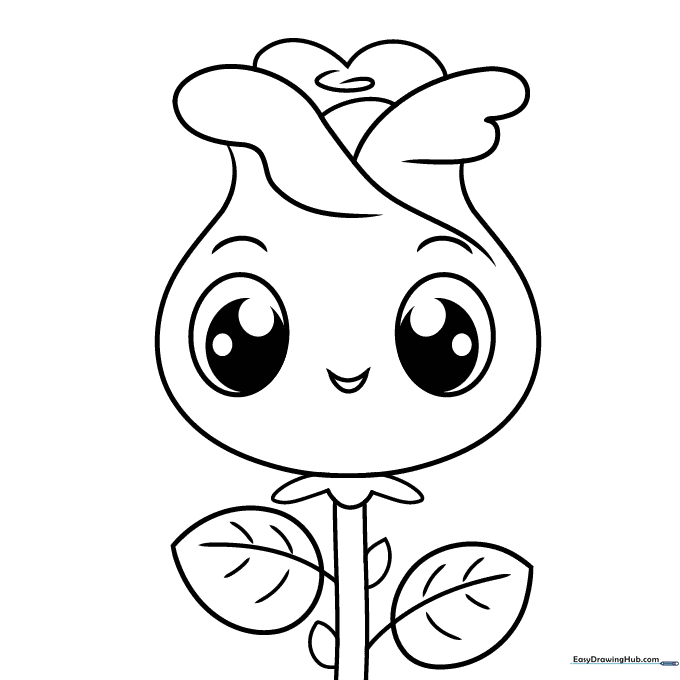
Cute Rose Coloring Sheet
This character-based rose is perfect for younger children. Tip: Use bright, cheerful colors for the petals and a contrasting color for the eyes to give it personality.
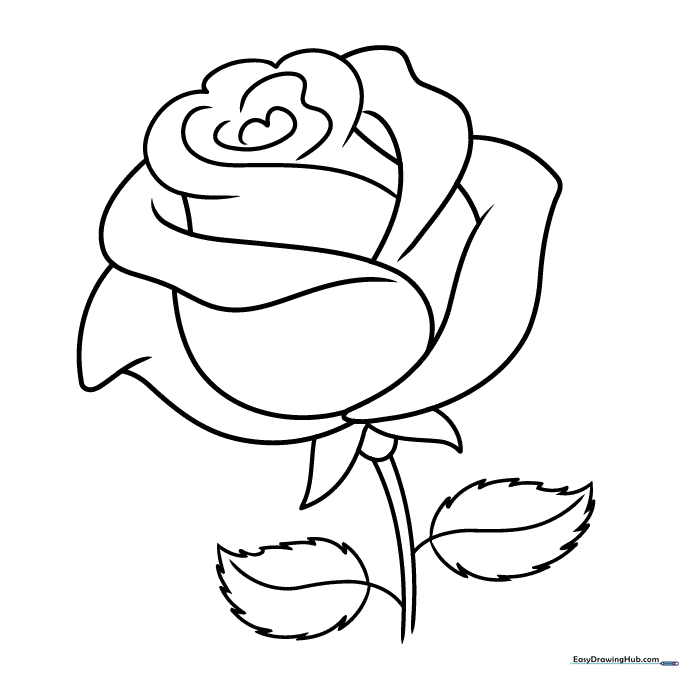
Rainbow Rose Coloring Sheet
A rainbow rose is the ultimate creative challenge! Tip: Don't worry about realism—use every color in your box to make each petal unique and vibrant.
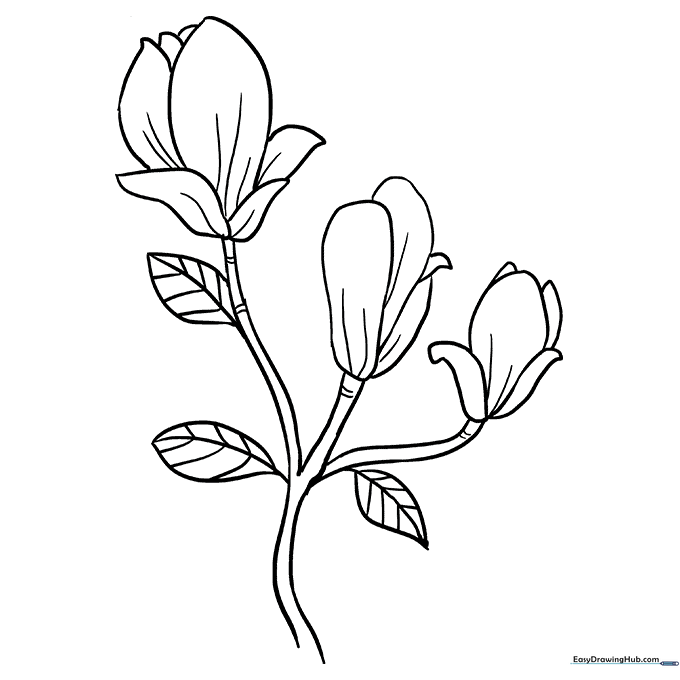
Magnolia Flowers Coloring Sheet
Magnolias have large, soft petals. Tip: Use a very light touch or a white crayon to blend pinks and purples into the base of the petals for a soft, velvety look.
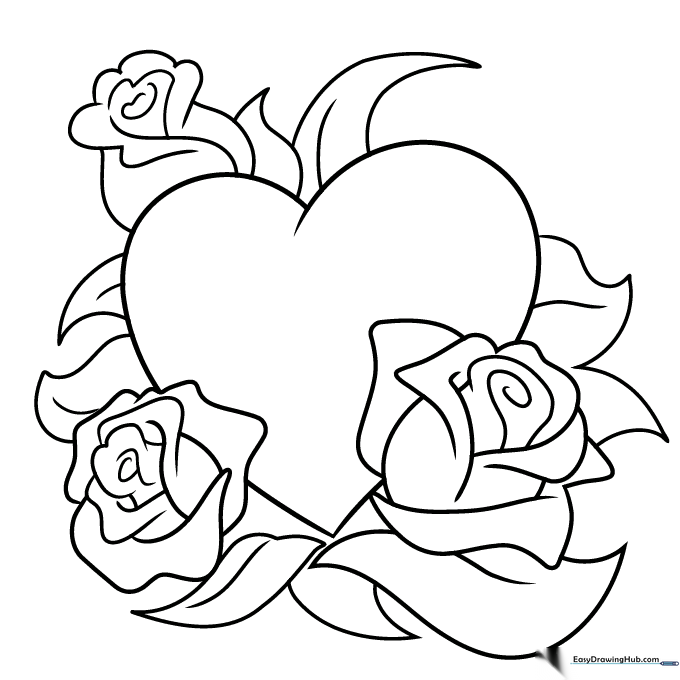
Rose and Heart Coloring Sheet
This is a perfect gift-making activity. Tip: Use bright red for the heart and a contrasting color for the rose to make the message of love stand out.
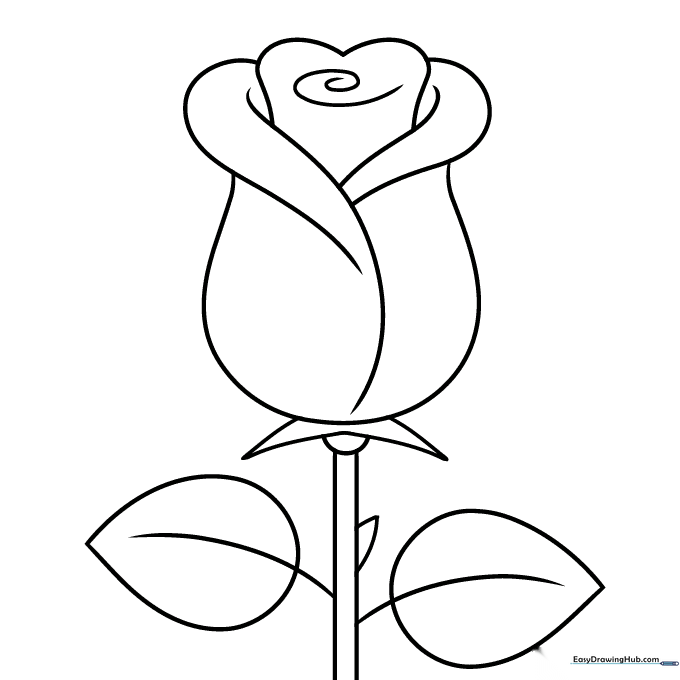
Simple, Quick Rose Coloring Sheet
Need a quick activity? This simple outline is perfect for younger kids or a quick break. Tip: Focus on keeping the colors inside the lines to practice fine motor control.
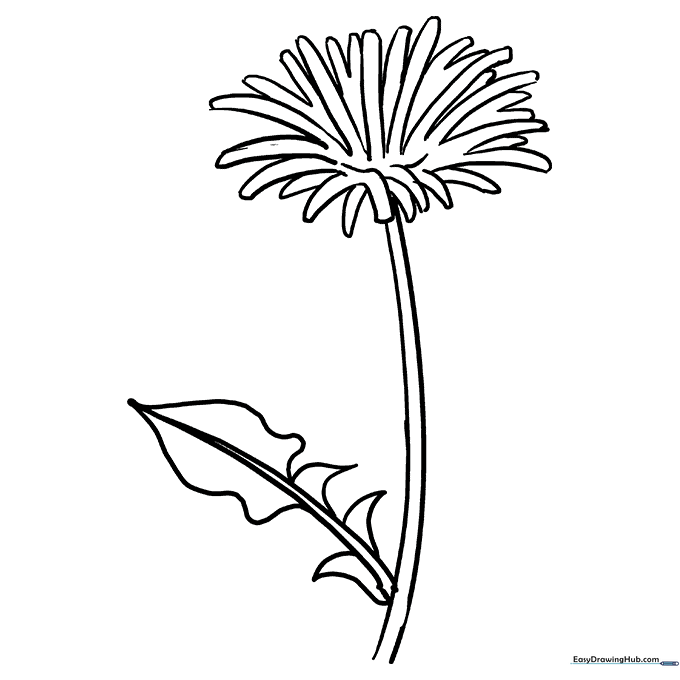
Dandelion Coloring Sheet
Dandelions are a fun way to explore nature. Tip: Use a bright, sunny yellow for the flower and a deep, earthy green for the leaves to make it look like it's growing in the grass.
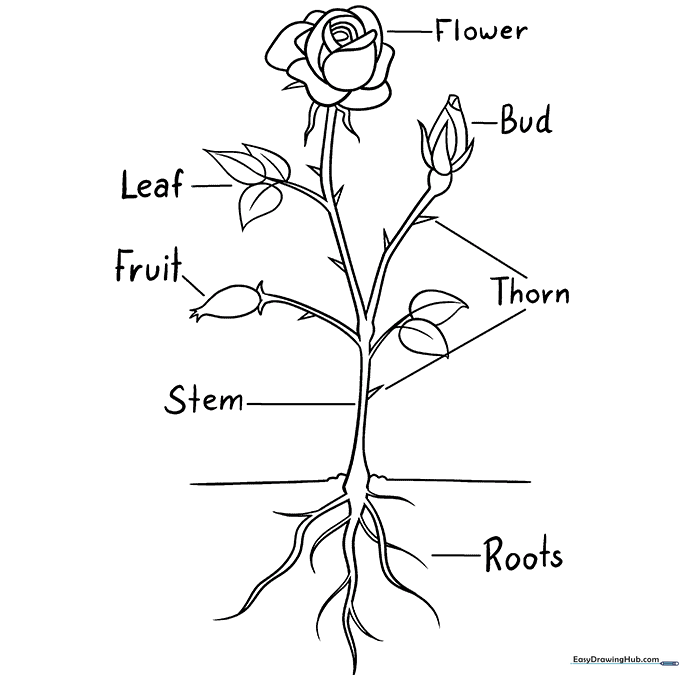
Parts of a Rose Coloring Sheet
Turn art into a science lesson! Tip: Use different colors to label the stem, leaves, and petals to help memorize the parts of a flower.
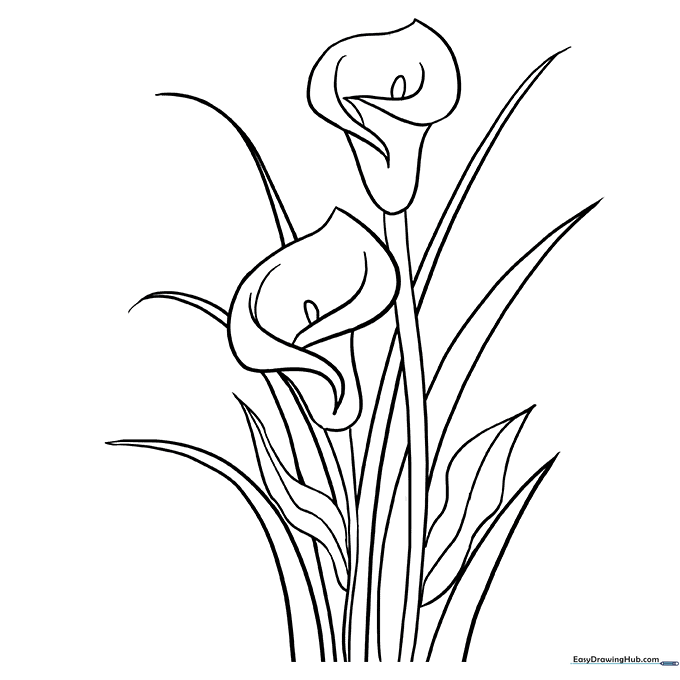
Calla Lily Coloring Sheet
Calla lilies have a beautiful, trumpet-like shape. Tip: Use a darker shade of your chosen color inside the 'throat' of the flower to create a sense of depth.
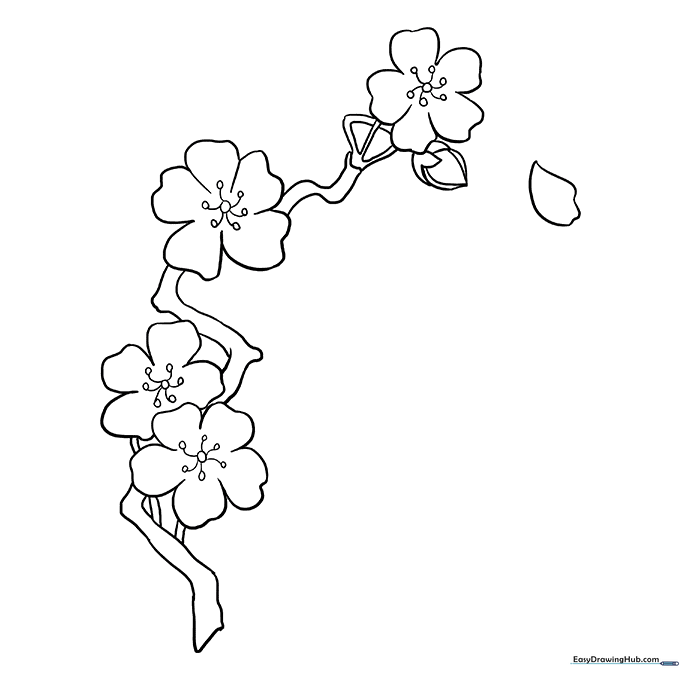
Cherry Blossoms Coloring Sheet
Cherry blossoms are delicate and beautiful. Tip: Use a very light pink or white for the petals and a soft brown for the branches to capture the essence of spring.
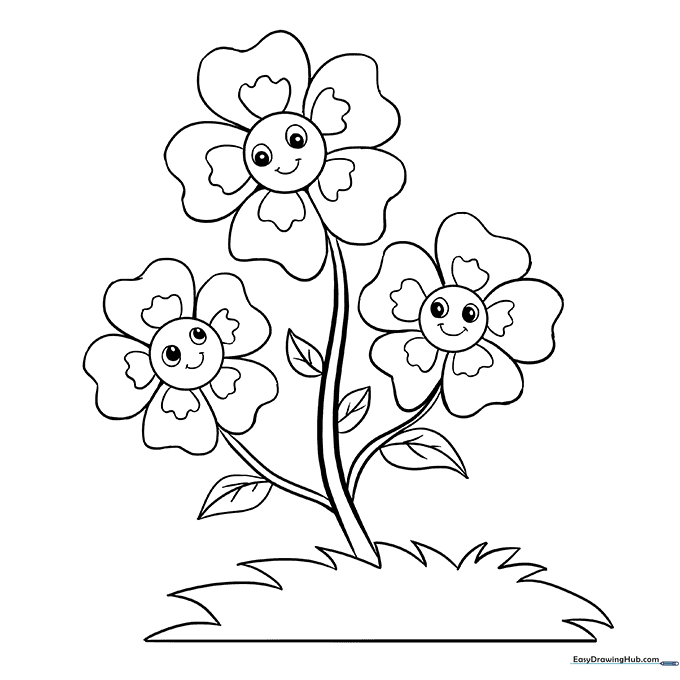
Cartoon Flowers Coloring Sheet
These happy flowers are great for a fun, lighthearted art session. Tip: Give each flower a different expression to tell a story with your coloring.
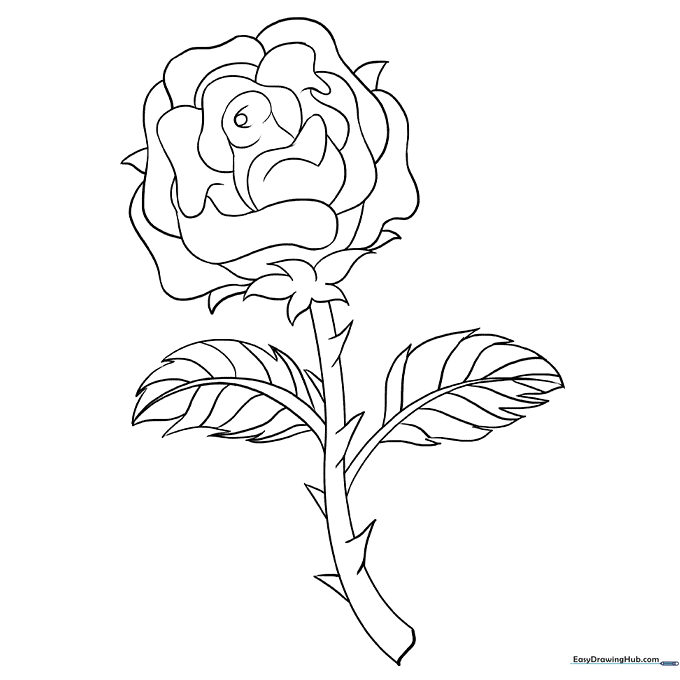
Rose with Stem Coloring Sheet
This detailed rose is a great next step for artists ready for more complexity. Tip: Take your time with the thorns and leaves—they are the perfect place to practice steady, controlled strokes.
Black and White Rose Coloring Sheet
This high-contrast sheet is perfect for practicing bold color choices. Tip: Use the existing black areas as a guide to create a dramatic, artistic effect.
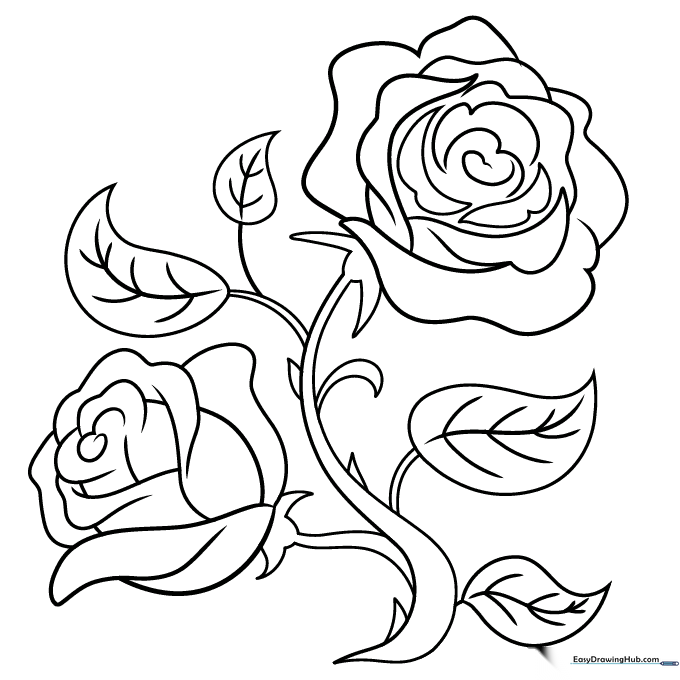
Tulip Coloring Sheet
Tulips are iconic spring flowers. Tip: Try adding stripes or patterns to the petals to make your tulip look like the rare, colorful varieties found in gardens.
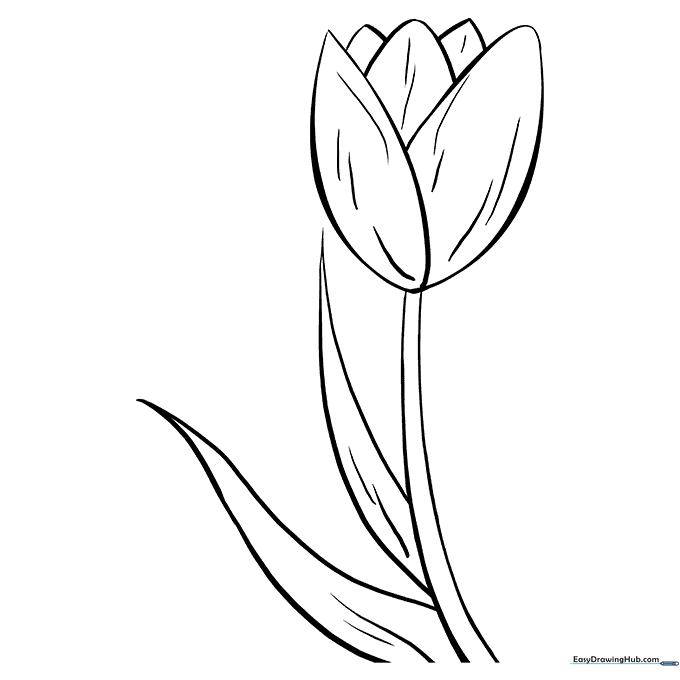
Flower Crown Coloring Sheet
This is a fun, imaginative project! Tip: Use a variety of colors for the different flowers in the crown to make it look like a real, festive accessory.
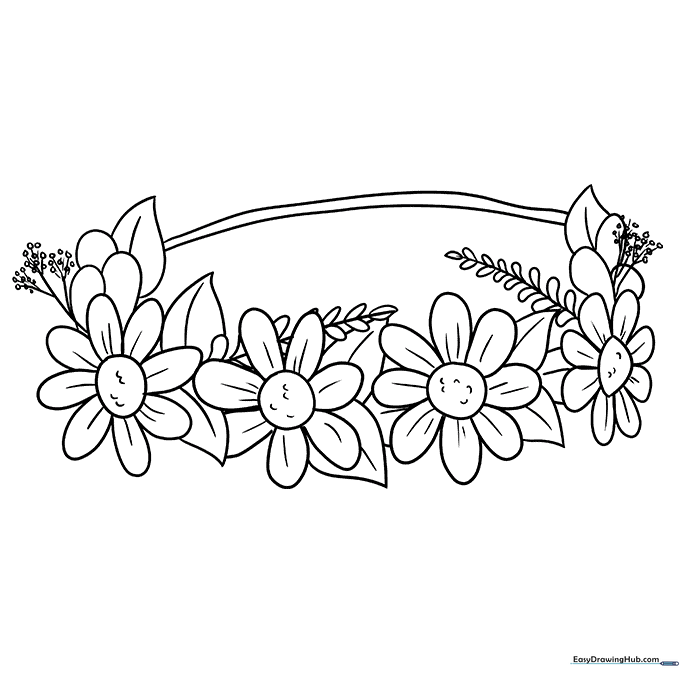
Hibiscus Coloring Sheet
Hibiscus flowers are bold and tropical. Tip: Use bright, saturated colors like orange, red, and yellow to capture the vibrant energy of these tropical blooms.
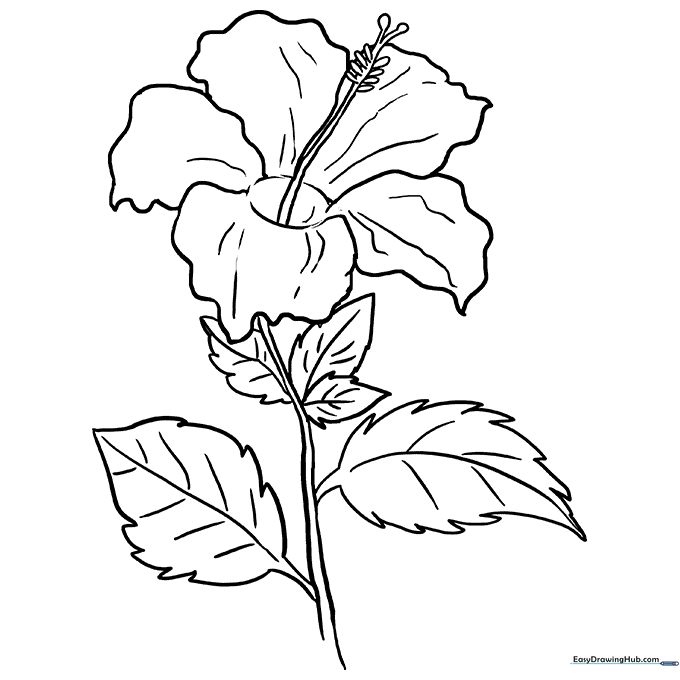
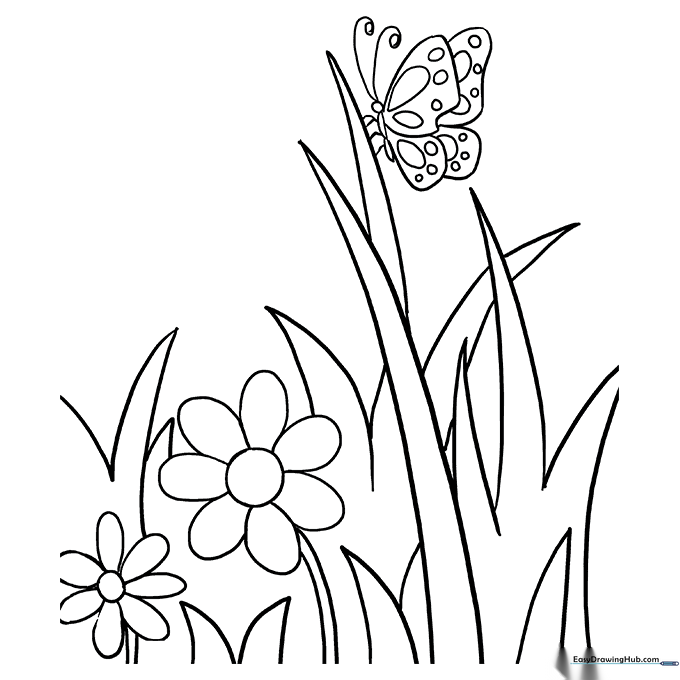
Butterfly Garden Coloring Sheet
This scene is perfect for learning about ecosystems. Tip: Color the flowers in bright colors to 'attract' the butterflies, and use softer colors for the background to make the scene feel alive.
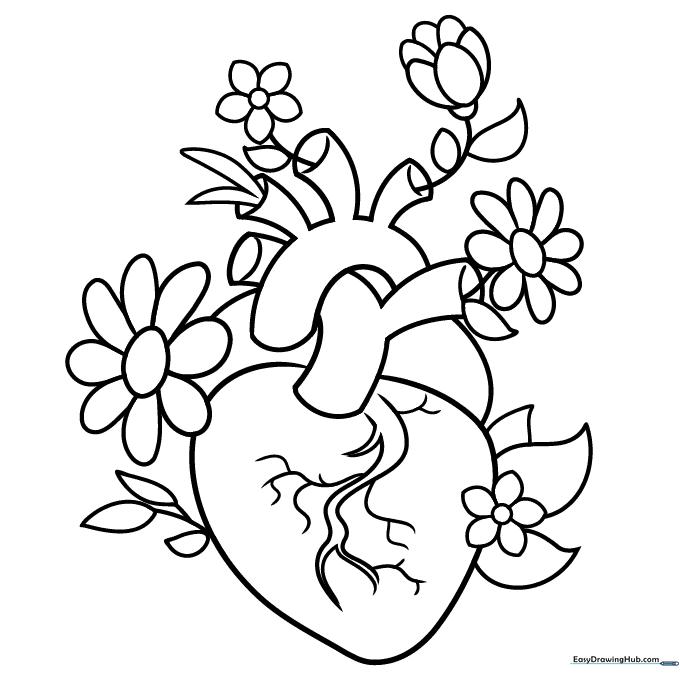
Anatomical Heart with Flowers
Explore biology through art with this unique anatomical heart design. Tip: Use deep reds and blues to distinguish between oxygenated and deoxygenated vessels, turning a science lesson into a vibrant coloring project.
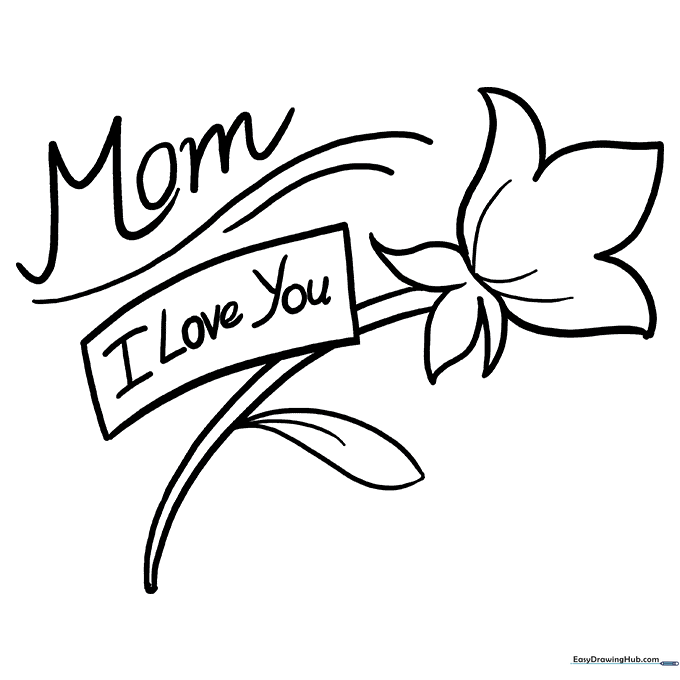
Mother's Day Tulip
A heartfelt gift starts with a personal touch. Encourage kids to use their mom's favorite color palette for the petals and the 'I Love You' banner to make this a truly custom keepsake.
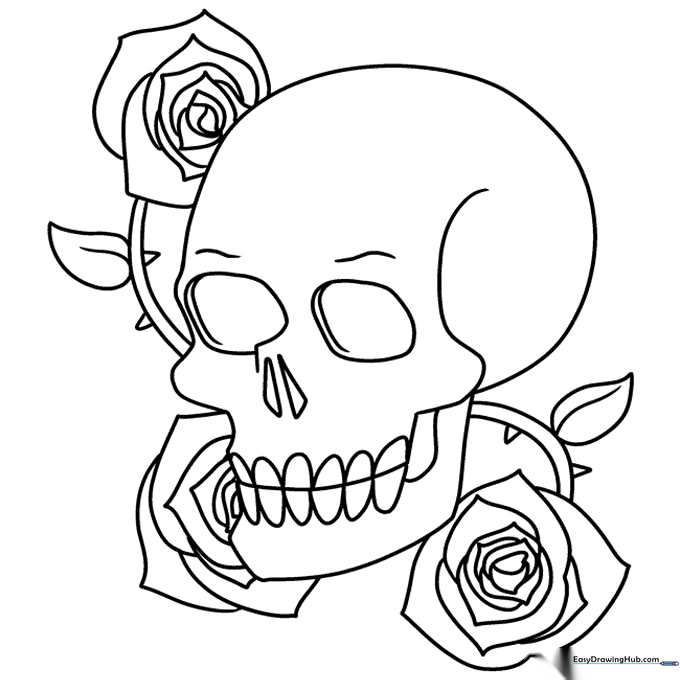
Skull and Rose Motif
This classic juxtaposition of life and nature is a great exercise in contrast. Tip: Use soft, creamy tones for the bone structure and bold, saturated reds for the rose to make the flower pop.
Rose Tattoo Design
Inspired by traditional tattoo art, this design features bold, clean lines. Experiment with shading techniques like cross-hatching to add depth to the petals.
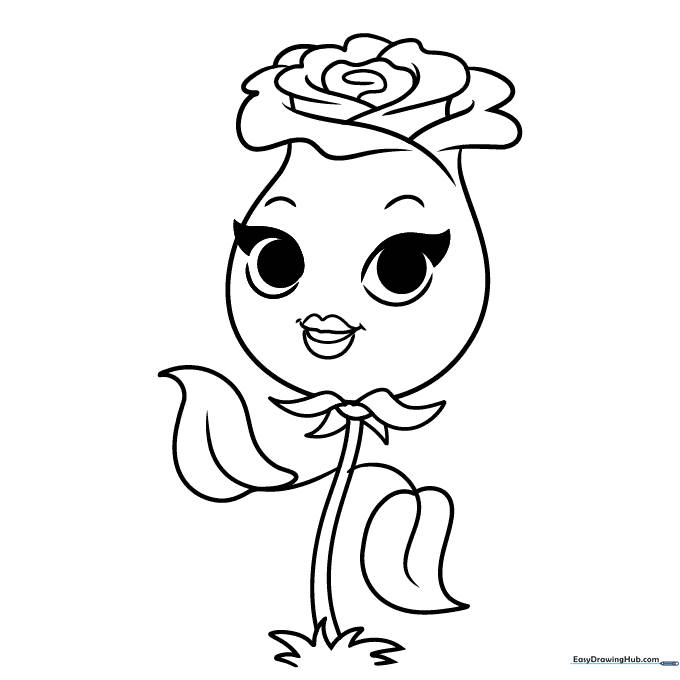
Cartoon Rose Character
Bring this flower to life! Try matching the character's eye shadow and lipstick to the petal color for a cohesive, stylish look. It's a fun way to practice color coordination.
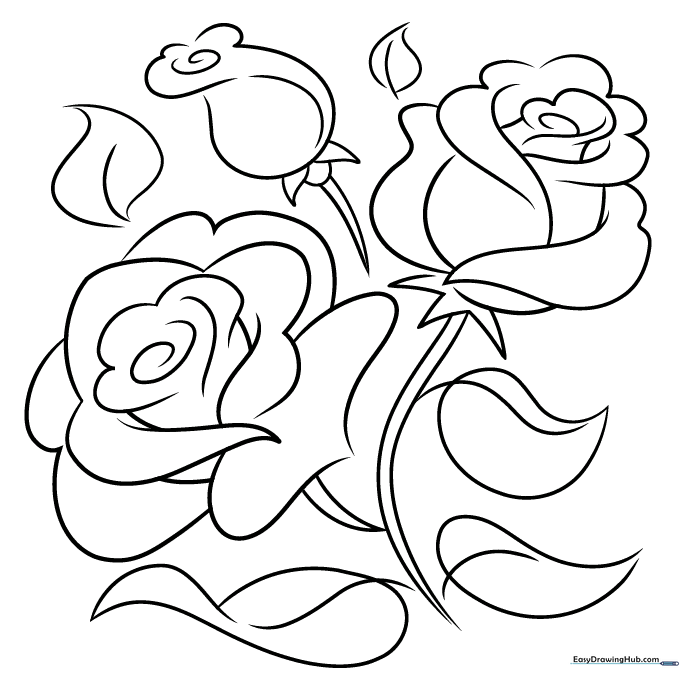
Rose Bouquet Outline
This bouquet features two blooms and a bud. Tip: Use a lighter shade for the bud and darker, richer tones for the open roses to show the lifecycle of the flower.
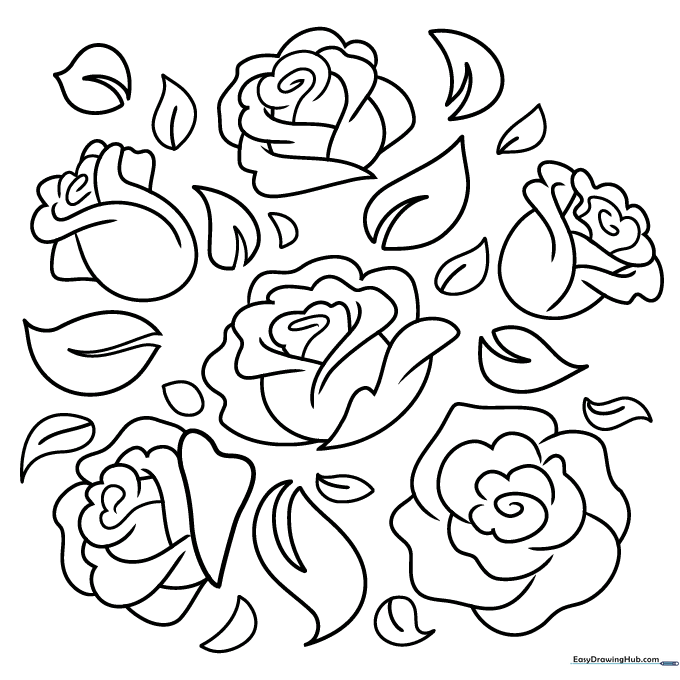
Rose Doodle Collection
Six roses, six opportunities to experiment! Try a different color scheme for each flower to see how warm and cool colors interact on the page.
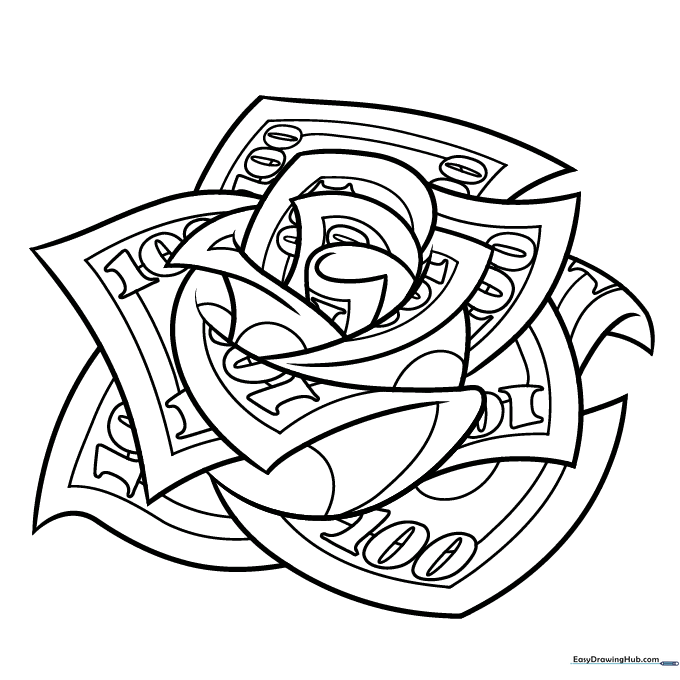
Money Rose
A whimsical take on the 'money doesn't grow on trees' idiom. Use various shades of green to create realistic texture on the currency petals.
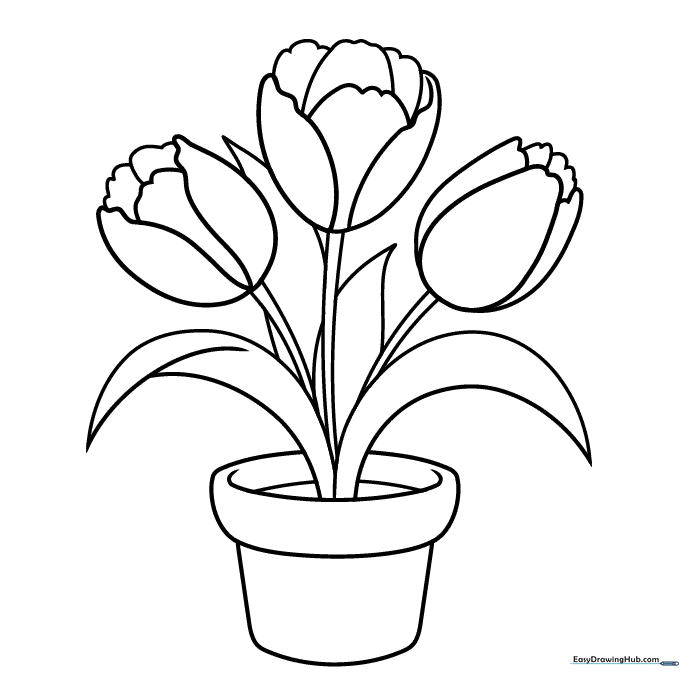
Potted Tulips
Tulips are famous for their vibrant, streaked petals. Use this page to practice blending colors—try adding small dots or lines to mimic the natural patterns found in real tulips.
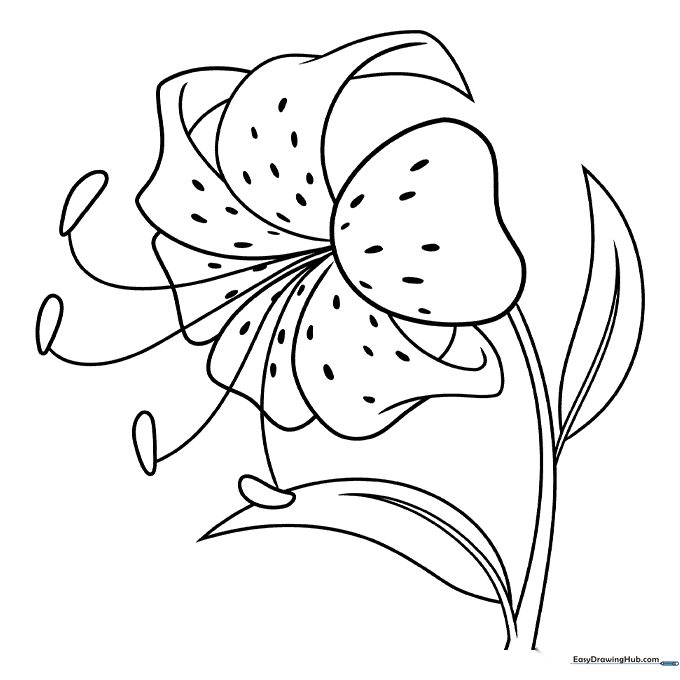
Tiger Lily
Tiger lilies are iconic for their spots. Tip: Use a fine-tip black marker to add extra dots to the petals after coloring them orange or yellow to give it a realistic, spotted look.
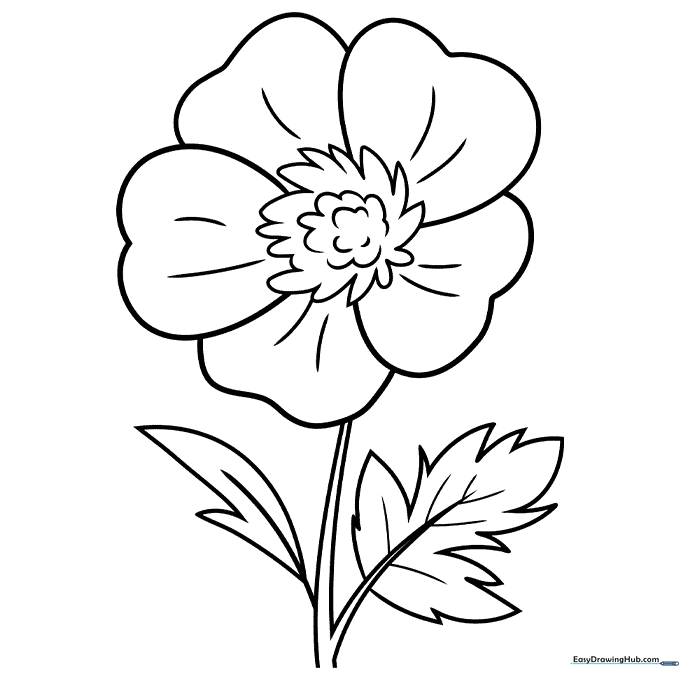
Bright Buttercup
Buttercups are known for their glossy, reflective petals. Use a bright yellow and leave a small white 'highlight' spot on each petal to mimic the way light reflects off them.
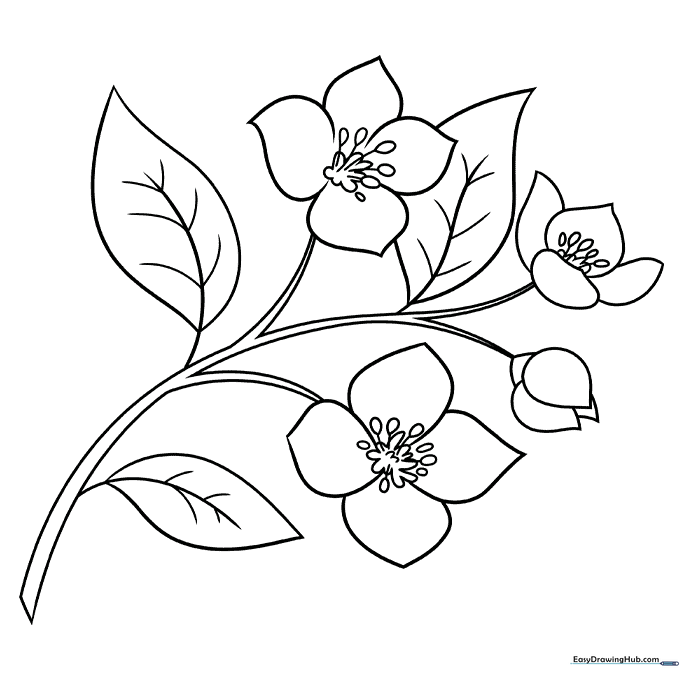
Fragrant Jasmine
Jasmine flowers are delicate and star-shaped. Keep the petals clean and white, focusing your color on the center and the surrounding greenery to make the white petals stand out.
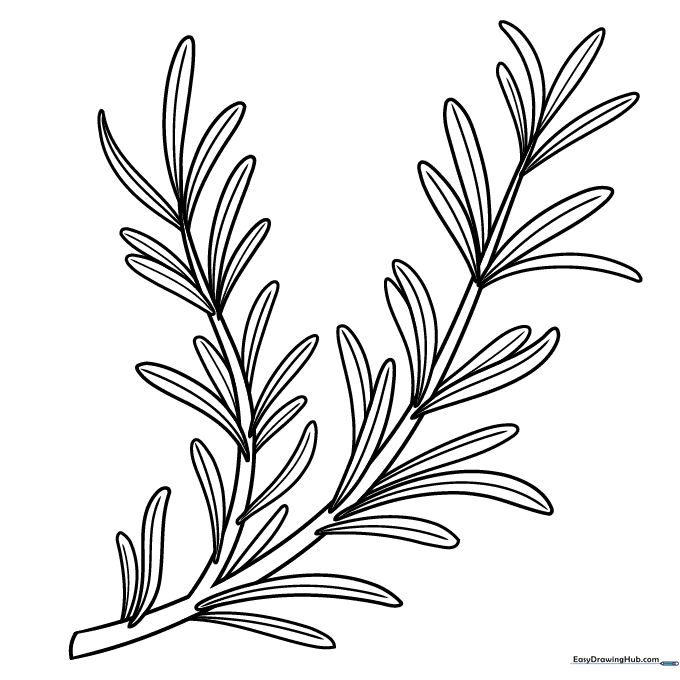
Rosemary Herb
Rosemary is a wonderful herb to study. Use different shades of green for the needle-like leaves and brown for the woody stems to create a realistic botanical study.
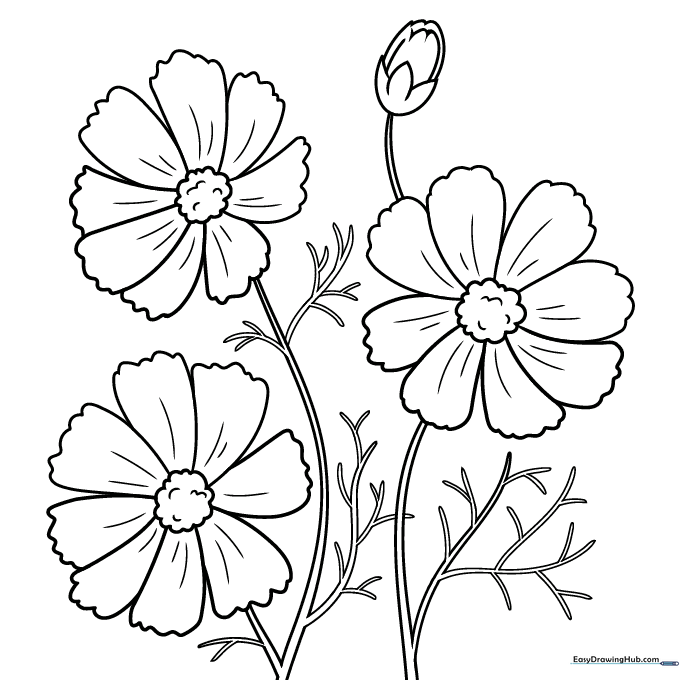
Cosmos Flower
Cosmos are known for their vibrant, two-toned petals. Try coloring the base of the petal a darker shade and fading it out toward the tip for a professional-looking gradient.
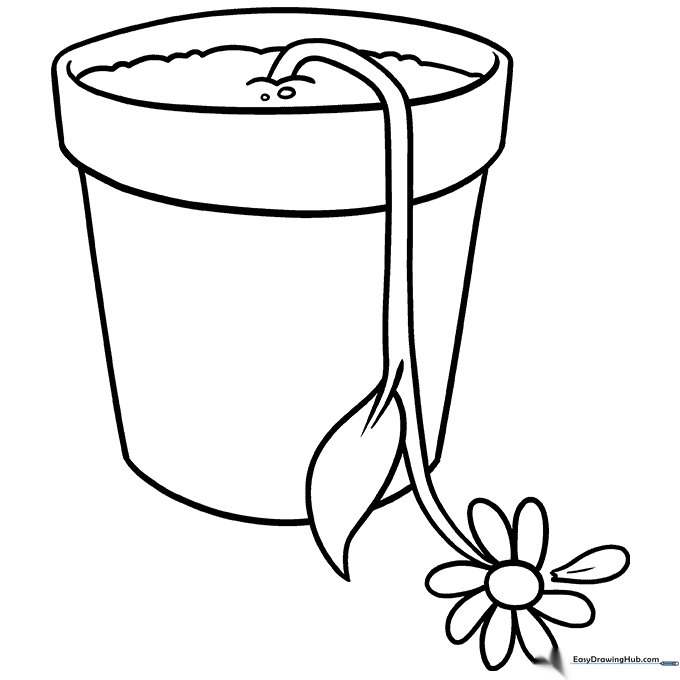
Wilted Flower
Art isn't just about perfect blooms. Use muted, earthy tones for this wilted flower to practice capturing texture and mood. Tip: Draw a small watering can nearby to 'save' the plant!
More Collections