How to Draw The Very Hungry Caterpillar: Easy 9-Step Guide
Bring Eric Carle’s iconic character to life with this simple drawing guide, perfect for children ages 5 and up. All you need is a pencil, an eraser, and some bright markers or crayons to capture his colorful personality. Follow these steps to build confidence and practice basic shape recognition through creative play.
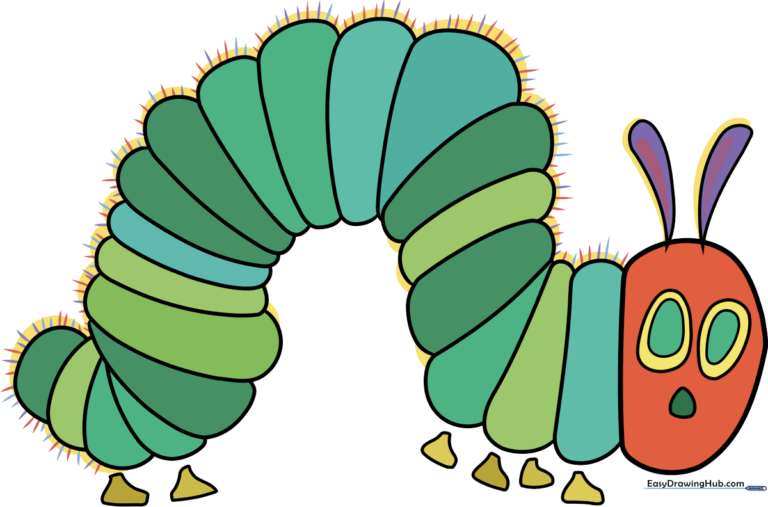
🎯 Final Result
Step-by-Step Instructions
Sketching the Head and Eyes
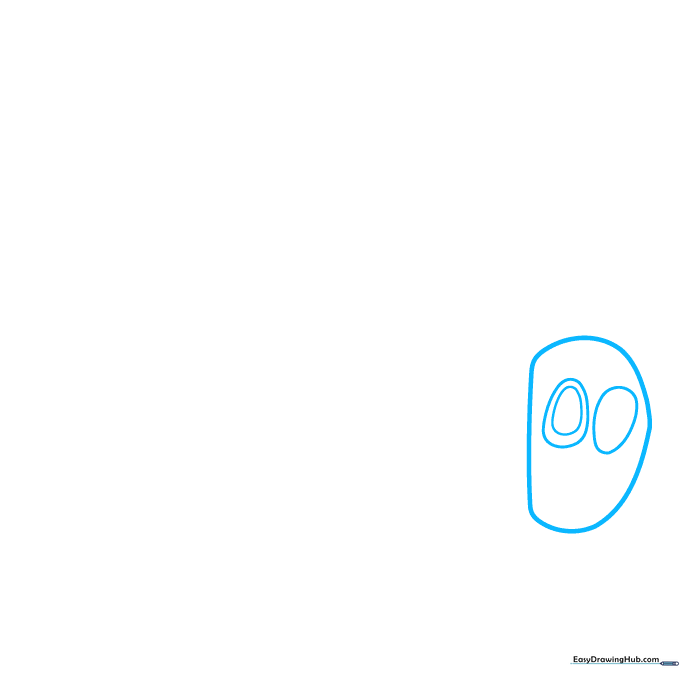
Draw an irregular, rounded shape for the head. Inside, add two circular eyes. Teacher's Tip: Keep your pencil lines light so you can easily erase any overlapping marks later.
Adding the Nose and Antennae
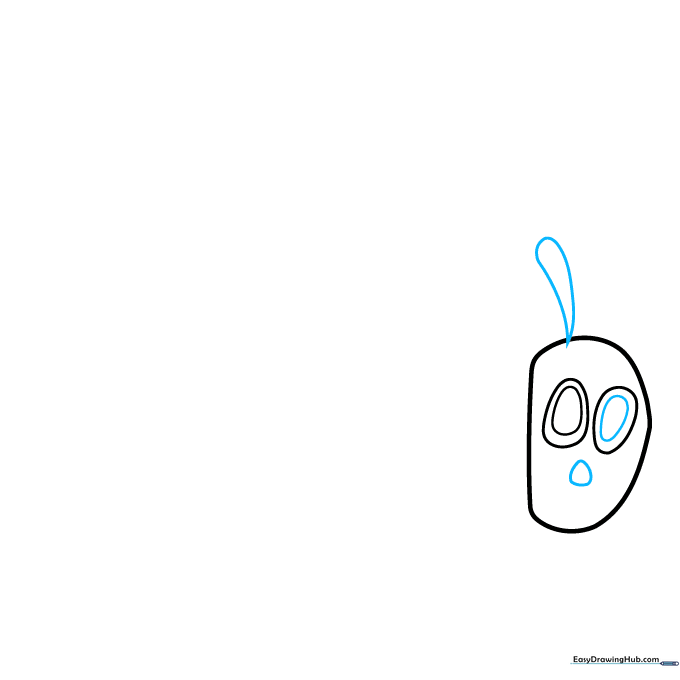
Add a small rounded triangle for the nose between the eyes. Draw two long, curved teardrop shapes on top of the head for the antennae. Tip: Use a fluid motion to get that nice, organic curve.
Starting the Body Segments
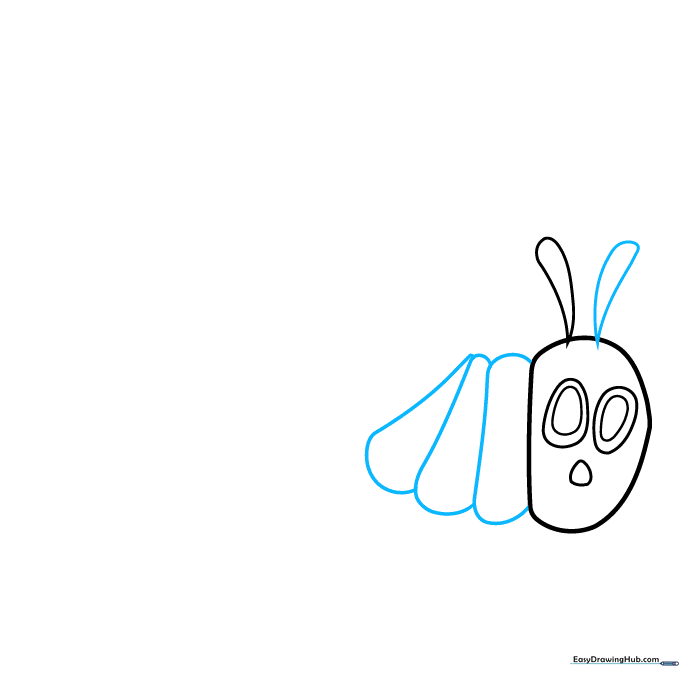
Begin the body by drawing a series of flattened ovals and teardrop shapes connected to the head. Tip: Don't worry about making them perfect; the caterpillar's body is naturally bumpy and irregular.
Extending the Body
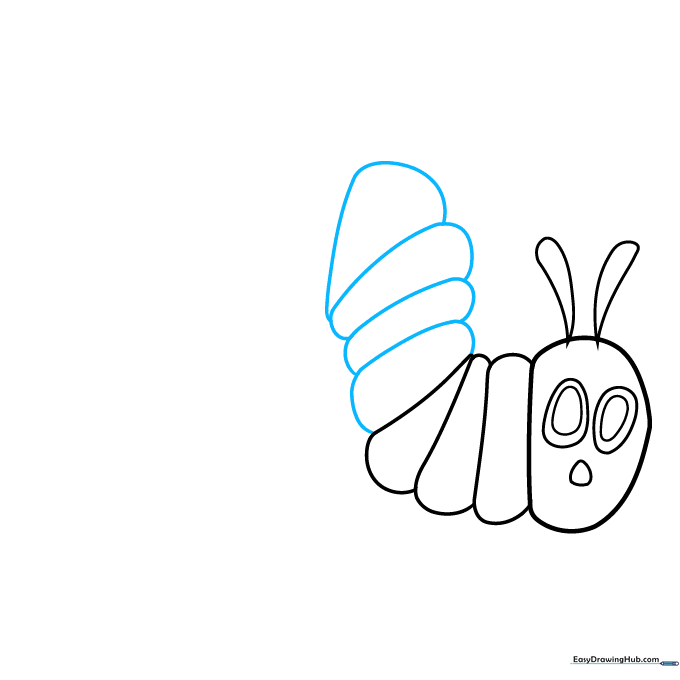
Continue adding four more segments using curved lines. Tip: Vary the size of the ovals to make the caterpillar look like it's wiggling.
Creating the Rainbow Arch
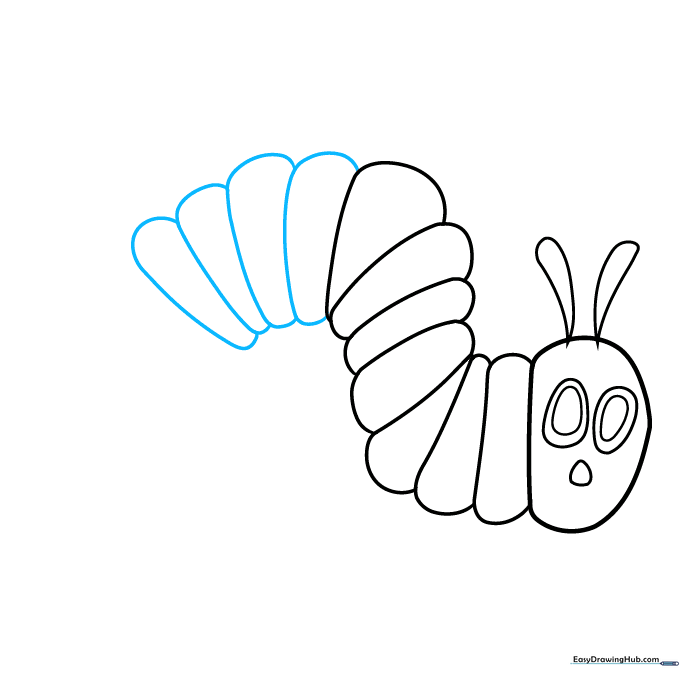
Add four more segments, curving them upward to create a rainbow-like arch. Tip: This arch helps give your character a sense of movement and life.
Continuing the Body Length
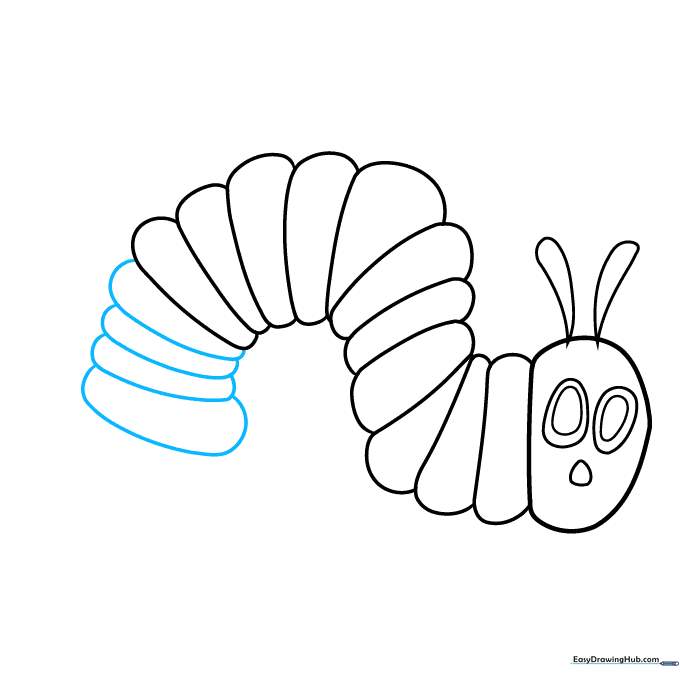
Add four more segments to the end of your arch. Tip: Keep your pencil pressure consistent so the lines look smooth.
Finishing the Tail End
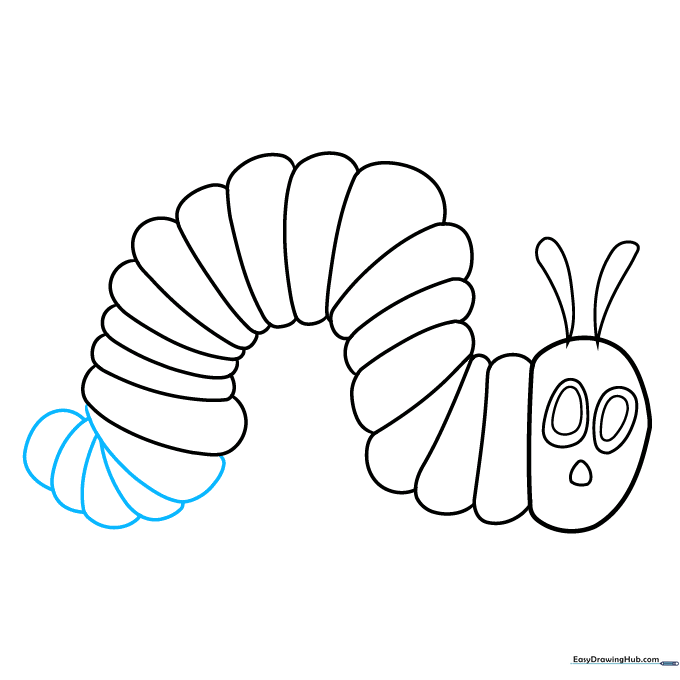
Enclose three teardrop-shaped segments and two rounded ones to finish the tail. Tip: Make the final segment slightly smaller to show perspective.
Adding Tiny Feet
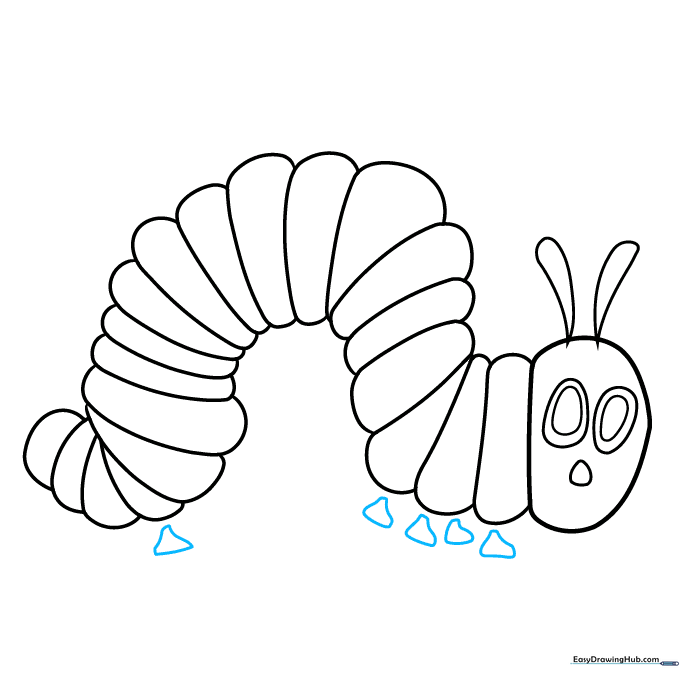
Draw small, irregular triangles beneath the front half and one under the tail for feet. Tip: These don't need to be perfectly symmetrical—caterpillars have many legs!
Final Details and Hairs
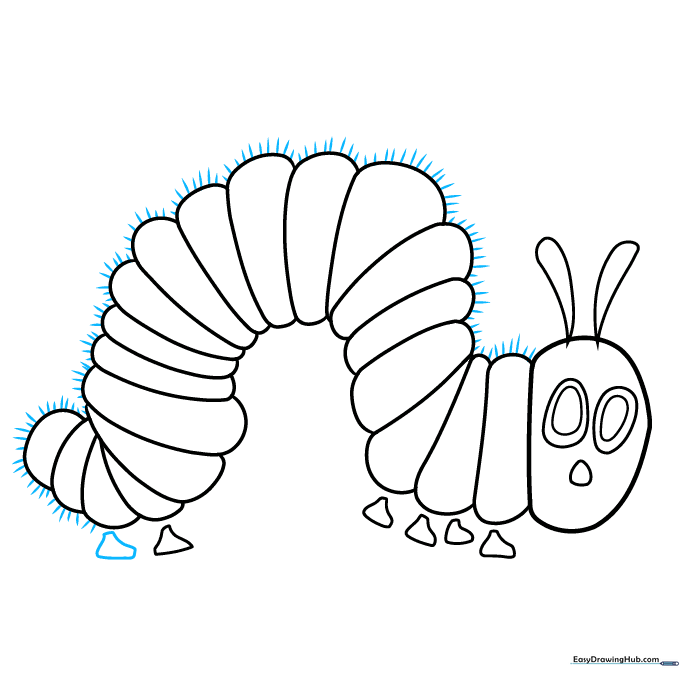
Add one last foot at the tail and draw short, quick lines along the top of the body for hairs. Tip: Use short, flicking motions with your pencil to make the hairs look realistic.
Coloring Your Caterpillar
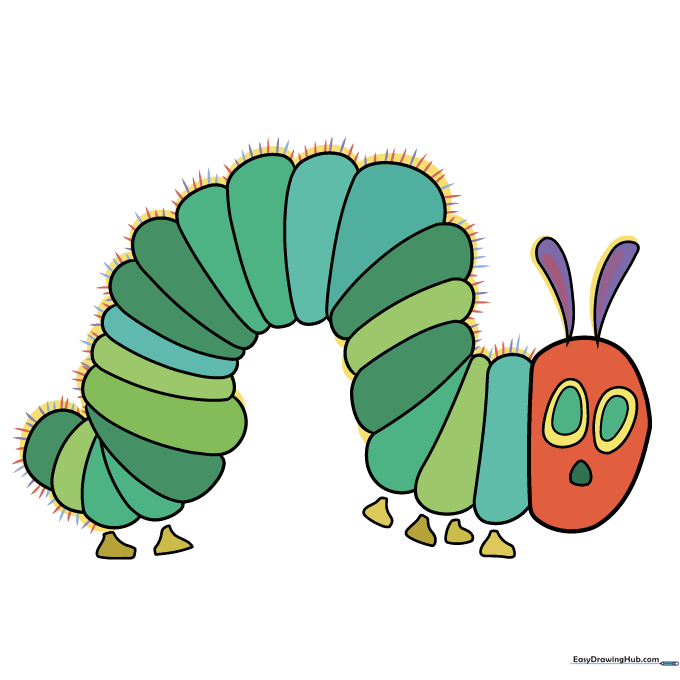
Time to bring him to life! Use vibrant shades of green for the body and a bright red for the face. Tip: Try using different shades of green on each segment to give it that classic storybook look.
More Tutorials


